

Texas offers incredible hiking opportunities throughout the year, from the granite domes of the Hill Country to the deserts of West Texas and the forests of East Texas. But one factor deserves more attention than almost any other: the heat. During much of the year, daytime temperatures can climb well into the 90s or exceed 100°F, and on some days the heat index makes conditions even more dangerous.
For visitors unfamiliar with the state’s climate, the biggest mistake is assuming a Texas hike will feel similar to one in another part of the country. Heat, strong sun, low humidity in some regions, and long stretches without shade can quickly turn an enjoyable outing into a medical emergency. A little planning goes a long way toward making your hike both safe and enjoyable.
Texas Heat Is Different Than Many Visitors Expect
The challenge isn’t simply that Texas gets hot. Depending on where you’re hiking, you’ll experience very different types of heat. In Big Bend National Park and the Davis Mountains, the air is often dry, allowing sweat to evaporate so quickly that many hikers don’t realize how much water they’re losing. Along the Gulf Coast, higher humidity makes it harder for the body to cool itself, causing people to overheat more quickly.
Sun exposure is another factor. Many Texas trails offer little natural shade, particularly in grasslands, canyons, deserts, and open granite landscapes. Even experienced hikers are often surprised by how intense the afternoon sun feels after several hours outdoors.
Start Earlier Than You Think You Need To
View this post on Instagram
One of the simplest ways to stay safe is also one of the most effective. During late spring, summer, and early fall, many experienced Texas hikers begin their day shortly after sunrise. Temperatures are significantly cooler, wildlife is often more active, and you’ll usually encounter fewer people on the trail.
The difference can be dramatic. At destinations such as Enchanted Rock State Natural Area, Palo Duro Canyon State Park, Pedernales Falls State Park, and Garner State Park, temperatures that feel comfortable at 8:00 a.m. may become exhausting by early afternoon. Finishing your hike before the hottest part of the day greatly reduces the risk of heat-related illness.
Always Carry More Water Than You Think You’ll Need
Running out of water is one of the most common mistakes visitors make. Many first-time hikers bring only a small bottle, assuming they’ll finish before becoming thirsty. Unfortunately, thirst isn’t always an early warning sign of dehydration, particularly during strenuous activity.
A good rule is to begin hydrating before you even arrive at the trailhead. Once on the trail, drink small amounts regularly instead of waiting until you feel thirsty. On longer hikes or in especially hot weather, many experienced hikers carry hydration reservoirs or multiple water bottles so they have enough water even if their hike takes longer than expected.
Some parks have drinking fountains near visitor centers but not along the trails, so don’t assume you’ll be able to refill once you begin hiking.
Choose the Right Trail for the Weather
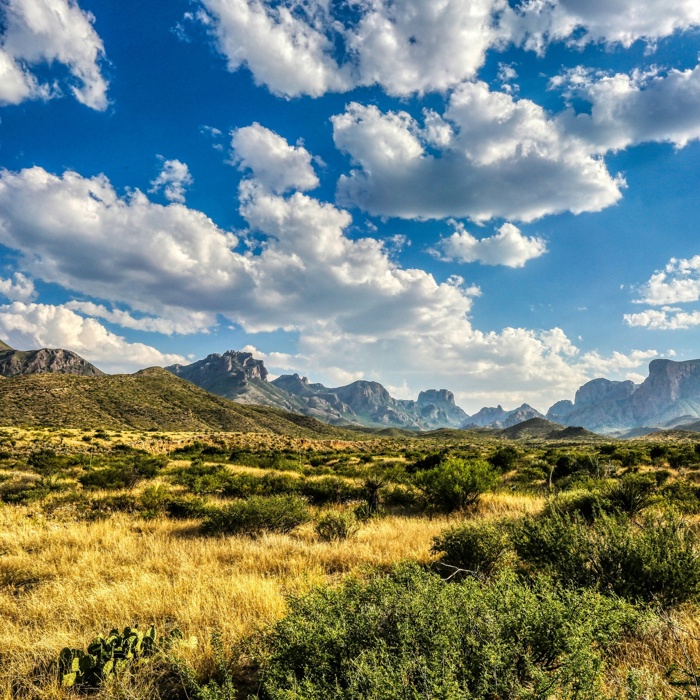
Not every trail is equally safe during extreme heat. A challenging hike with steep elevation changes and little shade may feel manageable in March but become far more demanding during July or August. Looking at both the weather forecast and the trail’s characteristics before leaving home can help you make a smarter decision.
For example, Lighthouse Trail in Palo Duro Canyon State Park offers spectacular scenery but provides limited shade for much of the route. During periods of extreme heat, park officials have even closed portions of trails or strongly advised hikers against attempting longer routes during midday.
Likewise, trails in Big Bend National Park can become dangerously hot by late morning, especially at lower elevations where summer temperatures frequently exceed 100°F. Choosing a shorter or more shaded trail during hot weather isn’t being overly cautious—it’s good judgment.
Wear Clothing That Helps You Stay Cool
View this post on Instagram
What you wear can make a noticeable difference during a Texas hike. Light-colored, lightweight, moisture-wicking clothing helps your body release heat more efficiently than heavy cotton fabrics. Long-sleeved sun shirts made for outdoor recreation often provide better protection from intense sunlight while remaining surprisingly breathable.
A wide-brimmed hat is equally valuable. It protects your face, ears, and neck from direct sunlight while helping reduce heat exposure throughout the day. Good sunglasses and sunscreen should also be considered standard equipment on most Texas hikes.
Know the Signs of Heat Illness
Understanding how your body responds to heat is just as important as carrying the right equipment.
Heat exhaustion often begins with heavy sweating, dizziness, fatigue, muscle cramps, nausea, headache, or unusual weakness. These symptoms should never be ignored because they can quickly progress if the person continues hiking without cooling down.
Heat stroke is a medical emergency. Warning signs may include confusion, difficulty speaking, loss of coordination, fainting, seizures, or a high body temperature. Someone showing these symptoms needs immediate emergency medical attention, and cooling efforts should begin while help is on the way.
Recognizing these warning signs early can prevent a dangerous situation from becoming life-threatening.
Check Park Advisories Before You Leave
Texas parks regularly issue safety updates based on current conditions.
Extreme heat, wildfire danger, trail closures, flooding from recent storms, and limited water availability can all affect hiking conditions. Checking the park’s official website or social media before leaving home can help you avoid unexpected problems. This is especially important in places such as Big Bend National Park, where seasonal conditions can change rapidly.
Parks occasionally recommend avoiding certain trails during periods of excessive heat or temporarily close sections that present increased safety risks. Planning around those advisories is one of the easiest ways to have a safer and more enjoyable visit.
Some Texas Parks Require Extra Heat Awareness
View this post on Instagram
Although every Texas park can become hot during summer, some destinations deserve extra caution because of their terrain and climate.
Big Bend National Park is one of the best examples. Summer daytime temperatures on lower-elevation trails frequently climb well above 100°F, and the National Park Service strongly recommends avoiding many desert hikes during the hottest part of the day. Some trails have little or no shade for miles, making careful planning essential.
Other parks present different challenges. At Palo Duro Canyon State Park, temperatures on the canyon floor can be noticeably hotter than at the rim because heat becomes trapped within the canyon. Enchanted Rock State Natural Area offers breathtaking views, but much of the granite dome is fully exposed to the sun, and the rock itself absorbs and radiates heat throughout the day.
Even parks with rivers require caution. Visitors often assume destinations such as Garner State Park, Pedernales Falls State Park, or Colorado Bend State Park will feel cool because of nearby water. While the rivers certainly help people cool off, many hiking trails still include long sections with limited shade and very high afternoon temperatures.
Don’t Underestimate Short Hikes
A common mistake is thinking only long hikes become dangerous.
In reality, even a trail that’s only one or two miles long can become difficult if temperatures are extremely high. Direct sunlight, rocky terrain, and limited shade can quickly increase physical stress, especially for visitors who aren’t accustomed to Texas summers.
It’s also important to remember that hiking is only half the trip. Reaching a scenic overlook or waterfall means you’ll also need enough energy and water for the return hike. Rescue teams often assist hikers who underestimate how much more difficult the walk back becomes after spending time in the midday heat.
Children and Pets Need Extra Protection
Families should take additional precautions when hiking during hot weather. Children overheat more quickly than many adults because their bodies regulate temperature differently. They may also become dehydrated before recognizing they’re thirsty, making regular water breaks especially important.
Pets face similar risks. Dogs can quickly overheat on exposed trails, and rock surfaces can become hot enough to burn paw pads during summer afternoons. Many Texas parks recommend walking pets only during cooler morning hours, carrying extra water specifically for them, and avoiding strenuous hikes during periods of extreme heat.
If a trail feels uncomfortably hot for you, it’s probably even harder on your pet.
Take Breaks Before You Feel Tired
Many hikers wait until they’re exhausted before stopping to rest. A better approach is to take short breaks throughout the hike, especially when temperatures are high. Resting briefly in shaded areas allows your body to cool naturally before fatigue begins affecting your judgment.
Pacing yourself is equally important. There’s rarely a reason to rush on a Texas hiking trail. Slowing your pace not only reduces heat stress but also gives you more opportunities to notice wildflowers, birds, scenic overlooks, and other details you might otherwise miss.
Your Vehicle Is Part of Your Safety Plan
Heat safety doesn’t begin and end on the trail. Before leaving the parking area, make sure your vehicle contains additional drinking water, electrolyte beverages if you use them, snacks, and a basic first-aid kit. After finishing your hike, those extra supplies can help you cool down before driving home or continuing to your next destination.
It’s also wise to keep your phone charged before entering the park. Although cellular service can be unreliable in places such as Big Bend National Park or other remote areas, having a charged phone may still prove valuable if you’re able to reach emergency services or contact park staff.
Pay Attention to Official Park Warnings
Texas State Parks and the National Park Service don’t issue heat advisories lightly.
When officials post warnings about excessive temperatures, shorten recommended hiking hours, or temporarily close trails, those decisions are based on current conditions and visitor safety. Ignoring those advisories can increase the likelihood of dehydration, heat exhaustion, or more serious emergencies.
Conditions can also change throughout the day. A trail that feels comfortable at 8:00 a.m. may become much more hazardous by early afternoon. Checking forecasts and official park updates before leaving home—and again on the day of your visit—is one of the simplest ways to avoid unnecessary risk.
What to Pack for a Hot-Weather Hike
Preparing for Texas heat doesn’t require expensive gear, but bringing the right essentials makes a noticeable difference.
Instead of packing as lightly as possible, focus on carrying items that improve both comfort and safety.
- More water than you expect to need, carried in bottles or a hydration reservoir.
- Electrolytes or sports drinks for longer hikes or especially hot conditions.
- A wide-brimmed hat and UV-blocking sunglasses.
- Lightweight, moisture-wicking clothing instead of heavy cotton.
- Sunscreen with adequate SPF and lip balm with sun protection.
- High-energy snacks, such as trail mix or energy bars.
- A fully charged phone and, if hiking in remote areas, a paper map or downloaded offline map.
These simple items add very little weight but can make a significant difference during a long day outdoors.
Texas Heat Should Be Respected, Not Feared
The state’s summer temperatures deserve respect, but they shouldn’t discourage people from exploring Texas. Millions of visitors safely hike Texas trails every year because they plan ahead, choose appropriate routes, carry enough water, and understand their own limits. A little preparation allows you to enjoy the scenery instead of worrying about the weather.
Many experienced Texans simply adjust their routines. They hike earlier, choose shorter routes during the hottest months, take frequent breaks, and save longer adventures for cooler seasons. Following those same habits makes it much easier for visitors to enjoy the outdoors safely.
A Safe Hike Is Always the Best Hike
Texas offers some of the most diverse hiking opportunities in the country, from the towering canyon walls of Palo Duro and the rugged desert landscapes of Big Bend to the granite domes of Enchanted Rock and the wooded trails of Bastrop State Park. Each destination is rewarding, but all require visitors to understand how quickly Texas heat can change the hiking experience.
The good news is that most heat-related problems are preventable. Starting early, staying hydrated, wearing appropriate clothing, checking park advisories, and recognizing the signs of heat illness will help you enjoy Texas trails safely while creating memories for the right reasons. With a little planning, you’ll be free to focus on the spectacular scenery instead of the temperature.