

West Texas captivates nature photographers like few other places in the Lone Star State. Here, dramatic deserts meet rugged mountains, sky-wide vistas unfold into forever, and light plays with landscapes in ways that demand a second look—and a camera. From iconic national parks to lesser-known wild spaces, this region blends challenges and rewards in ways that make every trip unforgettable.
Whether you’re chasing golden hour light on rust-red rock, hunting Milky Way stars over desert plains, or framing wildlife in their natural terrain, West Texas has something for every nature photographer. This guide will outline the best places to shoot, what subjects to focus on, essential photography tips, and practical ideas for planning your next adventure.
Best Nature Photography Destinations in West Texas
West Texas stretches across varied landscapes—deserts, mountains, canyons, river valleys, and wide-open skies. Here are standout spots where photographers can capture some of the region’s most striking scenery and wildlife:
Big Bend National Park
No list of West Texas photo destinations is complete without Big Bend National Park. This remote, massive park offers endless photographic opportunities—from soaring mountain peaks to sweeping desert valleys and river canyons along the Rio Grande.
What to Photograph:
- Rugged mountain ridges and desert plains at sunrise and sunset.
- Santa Elena Canyon carved by the river.
- Cacti and wildflowers in spring.
- Wildlife such as javelinas, birds, and the occasional black bear.
Tips: Plan multiple sessions at golden hour and be ready for night sky photography—Big Bend’s dark skies are legendary for Milky Way shots and starfields.
Guadalupe Mountains National Park
View this post on Instagram
Just east of El Paso, Guadalupe Mountains National Park offers stark contrast to the desert floor with towering peaks, cooler forests, and rugged escarpments.
Photo Ideas:
- Sunrise from the foothills lighting up limestone ridges.
- Wildflower patches in spring.
- Autumn colors along forest trails.
- Dramatic sky and cloudscapes framed by mountain silhouettes.
Davis Mountains & State Park
View this post on Instagram
The Davis Mountains rise from the West Texas landscape in dramatic fashion and are often overlooked by visitors.
Why It’s Great for Photography:
- Mountain views against sweeping skies.
- Forested trails, wildflower meadows, and seasonal color changes.
- Clear night skies perfect for star trails and astrophotography.
Sierra Vieja Range
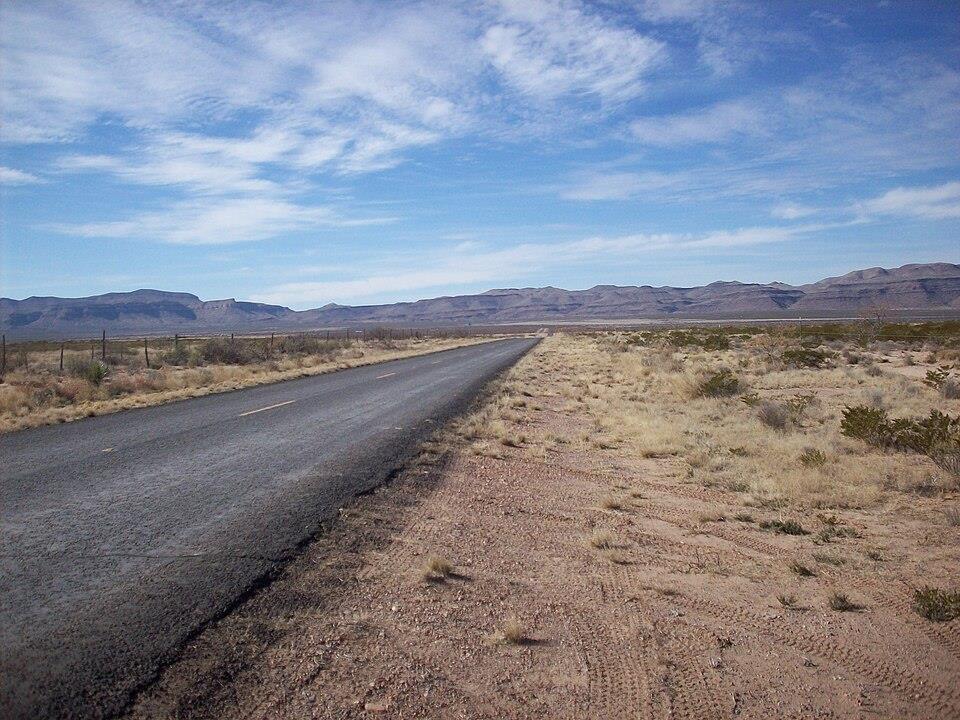
A quieter, lesser-known destination, the Sierra Vieja Range offers rugged terrain with fewer crowds.
Highlights:
- Dramatic ridgelines and deep shadows ideal for artistic compositions.
- Rocky outcrops and scrub desert scenes perfect for moody landscapes.
- Sunrise and sunset light plays beautifully over the rock and hills.
What Subjects to Photograph
Nature photography in West Texas isn’t limited to landscapes. Here are key subjects and scene ideas to explore with your camera:
1. Desert Flora and Macro Inspiration

West Texas deserts offer fascinating subjects up close—cacti blooms, yucca flowers, ocotillo stems, and textured desert plants make excellent macro and detail shots. Spring rains can produce vibrant bursts of wildflowers across dry terrain.
2. Wildlife Encounters
While more famous for landscapes, West Texas also supports diverse wildlife. Early mornings and evenings are the best times to photograph animals such as javelinas, foxes, deer, and birds in desert and mountain habitats.
3. Canyons, Rivers, and Geological Formations
View this post on Instagram
Canyons like Santa Elena and river corridors offer dramatic lighting and depth in images. Look for reflections, patterns in canyon walls, and shifting shadows throughout the day.
4. Sky and Star Photography
Some of the darkest skies in the lower 48 make West Texas a prime location for astrophotography. Photographing the Milky Way, constellations, and long star trails against a desert backdrop yields stunning results.
Photography Tips and Techniques
Capturing compelling nature photos in West Texas demands more than pointing and shooting. Here are practical tips and techniques to enhance your images:
1. Time Your Shots for the Best Light
The golden hour—shortly after sunrise and before sunset—provides flattering, warm light that enhances shadows, texture, and color across wide landscapes.
2. Master Your Camera Settings
Understanding how to control exposure, depth of field, and shutter speed is essential:
- Use a smaller aperture (larger f-number) for deep landscapes.
- Try longer exposures for smooth skies or moving water.
- Increase ISO carefully to balance noise and light sensitivity.
3. Choose the Right Gear
Depending on your subject, different lenses can elevate your photography:
- Wide-angle lenses for expansive vistas and sky.
- Telephoto lenses for distant wildlife or isolated features.
- Macro or prime lenses for details like plants and textures.
4. Think About Composition
Use composition techniques to add interest and balance to your images:
- Rule of thirds to place strong elements off center.
- Leading lines such as ridges or trails into the frame.
- Foreground interest to add depth to wide landscapes.
5. Be Patient and Prepared
Nature photography requires patience. Waiting for the right lighting, wildlife behavior, or quiet moments can make the difference between a snapshot and a standout image. Bring extra water, protect your gear from dust, and always be aware of your surroundings.
Practical Tips for Visiting & Shooting West Texas
West Texas isn’t like shooting in a local park—logistics matter. Here are field-tested tips to help your trip go smoothly:
Plan for Weather and Season
Spring and autumn are ideal—temperatures are mild, and desert flora may be in bloom. Summers can be extremely hot, and winter nights cold.
Know Your Route
Distances are vast and cell service sparse—offline maps and a reliable navigation plan are essential.
Pack Essential Gear
Carry sufficient water, sunscreen, snacks, spare batteries, and memory cards. Protection for camera gear from dust and sudden weather changes is also important.
Conclusion
West Texas is a photographer’s dream—a blend of rugged terrain, dramatic desert and mountain vistas, hidden gems, and endless skies. Whether you’re pursuing iconic shots in Big Bend, uncovering quiet beauty in the Davis Mountains, or chasing star trails after sunset, this region rewards curiosity, preparation, and patience.
Every photographer who visits leaves with more than images—they carry experiences of unmatched landscapes and the stories captured through their lenses.