

Winter hiking in Texas feels like a well kept secret. While much of the country bundles up and waits for spring, Texans get a sweet spot of cooler temperatures, open skies, and quiet trails. If you have ever skipped a hike because summer heat felt unbearable, winter is your season.
Texas state parks shine this time of year. The crowds thin out. Wildlife becomes more active. Trails feel calmer and more personal. You can walk farther, linger longer, and actually enjoy the journey instead of racing the sun or searching for shade.
This guide covers why winter hiking works so well in Texas, what to expect from the weather, how to prepare, and which state parks are especially rewarding during the cooler months. Grab your boots and a light jacket. Texas winter hiking deserves your attention.
Why Winter Hiking Works So Well in Texas
Texas winters are mild compared to many other states. That alone changes everything. Instead of snowbound trails or icy conditions, most regions offer crisp mornings and comfortable afternoons.
Temperatures often range from the 40s to the 60s during the day. That is prime hiking weather. You can climb hills, cover longer distances, and still feel energized when you finish.
Another major perk is visibility. Trees lose some of their leaves, especially in North and Central Texas. Views open up. Rock formations, distant ridgelines, and river bends become easier to see. Photographers love winter for this reason.
Then there is the quiet. Winter brings fewer visitors, especially on weekdays. Trails feel spacious. You may go long stretches without seeing another hiker. For many people, that sense of calm is the real reward.
What Texas Winter Weather Is Really Like
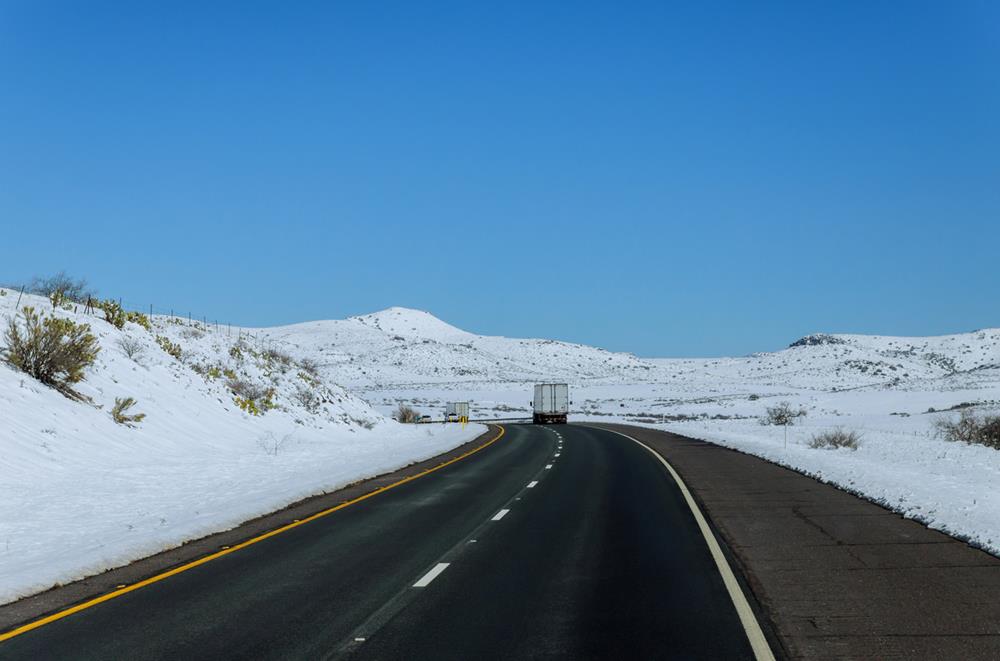
Texas weather varies by region, even in winter. Knowing what to expect helps you plan better hikes.
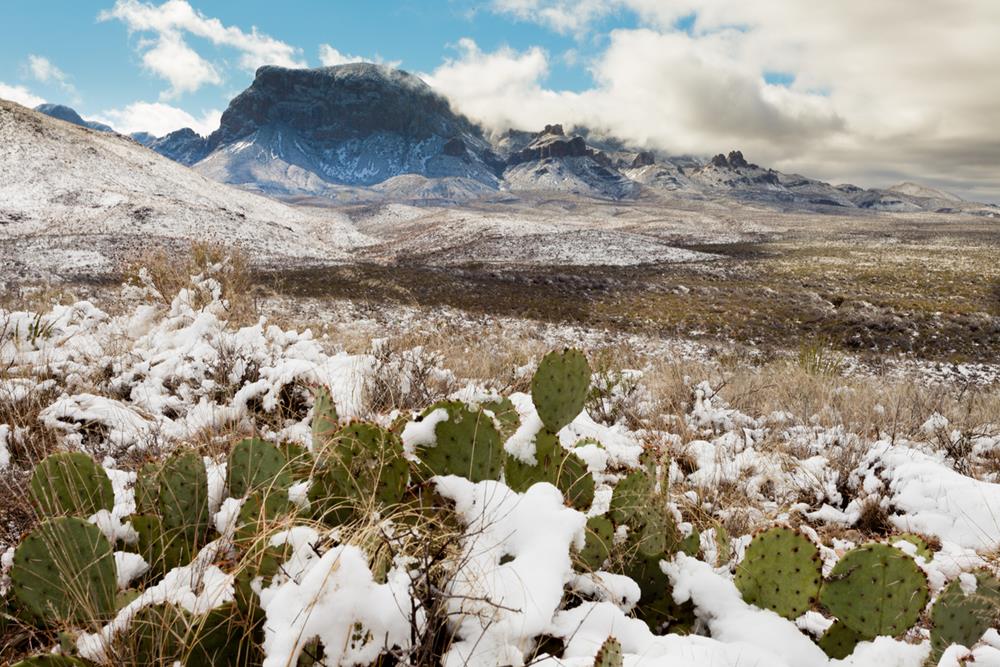
North Texas and the Panhandle can get cold. Occasional freezes happen, and rare snowfalls are possible. Trails may be muddy after winter rain, but they usually dry quickly.
Central Texas offers some of the most reliable winter hiking conditions. Days stay cool without being harsh. Nights can dip below freezing, but daytime hikes remain comfortable.
East Texas tends to be damp in winter. Forest trails can be soft underfoot, but the pine woods stay green and inviting year round.
South Texas stays warmer overall. Winter hikes there often feel like extended fall days, with plenty of sunshine and mild breezes.
West Texas brings the biggest temperature swings. Mornings can be cold, afternoons surprisingly warm. The payoff is dramatic scenery and wide open skies.
No matter where you hike, winter weather can change quickly. A calm morning can turn windy by noon. Dressing in layers is essential.
Dressing Smart for Winter Trails
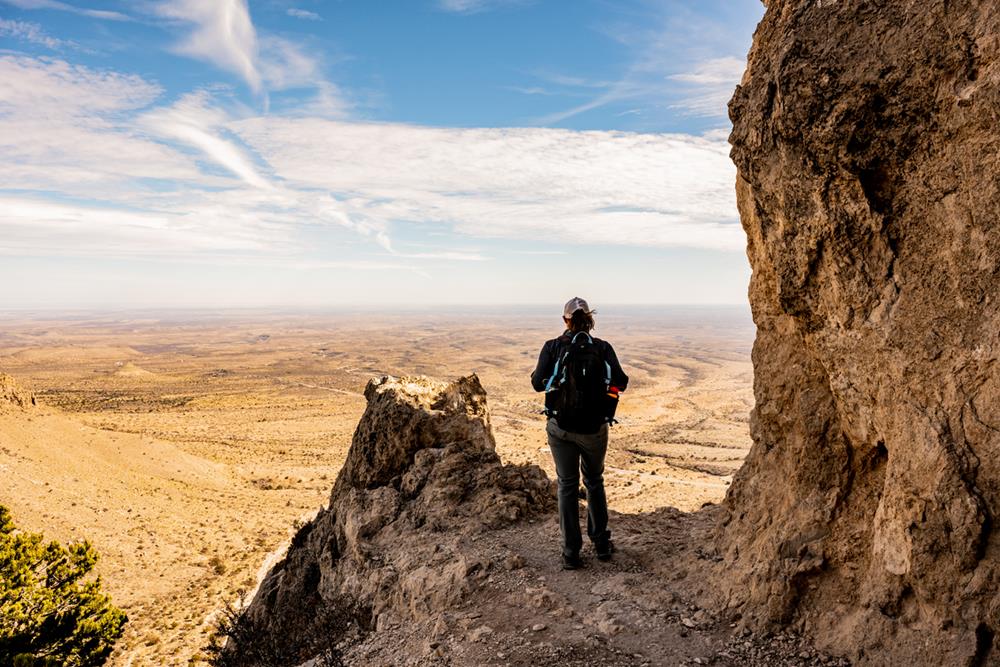
Winter hiking in Texas does not require heavy gear, but smart clothing makes a big difference.
Start with layers. A moisture wicking base layer keeps sweat from cooling your skin. Add a light insulating layer like fleece or a thin jacket. Finish with a wind resistant outer layer.
Avoid cotton when possible. It holds moisture and can make you feel colder. Synthetic fabrics or wool perform better on the trail.
Footwear matters year round, but winter adds a few considerations. Trails may be muddy or rocky. Waterproof or water resistant boots help keep feet dry. Good traction adds confidence on uneven ground.
Accessories help more than people expect. A lightweight beanie or cap keeps heat in during early starts. Gloves make cold mornings easier, especially on exposed ridges.
Once the sun climbs, you can shed layers and keep moving comfortably.
Trail Safety in the Cooler Months
Winter hiking feels easier on the body, but safety still matters.
Shorter days mean less daylight. Plan your hikes so you finish well before sunset. Carry a headlamp just in case, even on short trails.
Weather changes quickly in Texas. Check forecasts before heading out, and pay attention to wind advisories or sudden cold fronts.
Hydration remains important. Cool air makes it easier to forget water, but your body still needs it. Bring enough for the length of your hike.
Let someone know where you are going, especially in remote parks. Cell service can be unreliable, even close to cities.
Finally, respect trail conditions. If a trail is muddy, stick to designated paths. This protects the trail and keeps your hike safer.
State Parks That Shine in Winter
Texas has over 80 state parks, and many of them feel tailor made for winter hiking. Here are some standouts.
Garner State Park
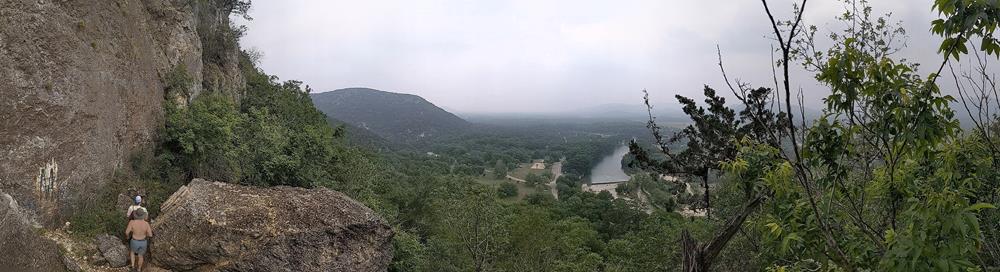
Located in the Texas Hill Country, Garner State Park offers classic winter hiking. Trails wind through juniper covered hills, along the Frio River, and up to scenic overlooks.
Winter reveals views hidden by summer foliage. The air feels crisp and clean. Wildlife activity increases, especially birds.
Popular trails like Old Baldy become more enjoyable without summer heat. The climb feels manageable, and the view at the top feels earned.
Palo Duro Canyon State Park
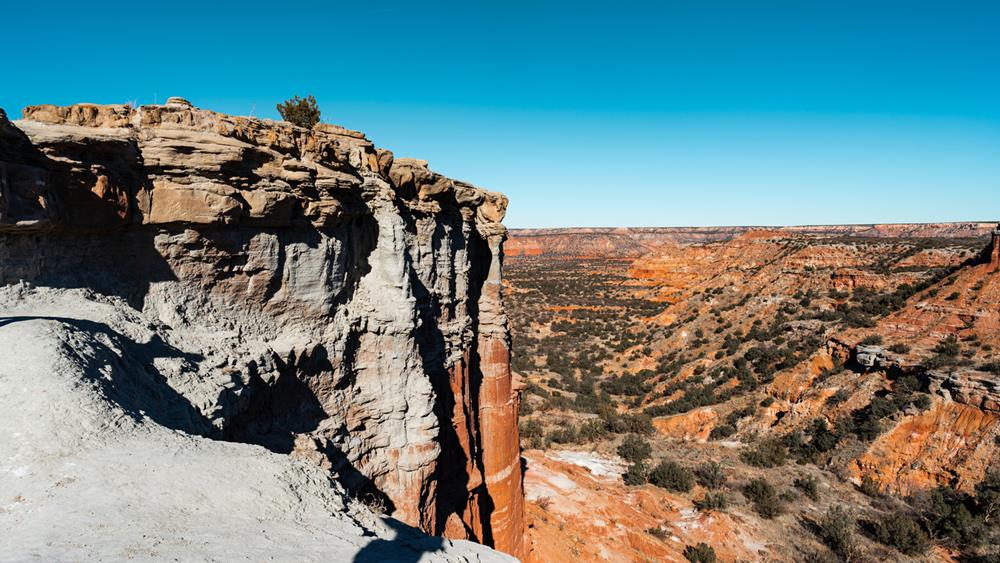
Often called the Grand Canyon of Texas, Palo Duro Canyon is breathtaking in winter.
Cool temperatures make exploring the canyon floor and climbing rim trails far more comfortable. The red rock formations glow under winter sunlight.
Wind can be a factor here, so layers help. The tradeoff is wide open views and a sense of scale that feels even bigger without summer crowds.
Lost Maples State Natural Area
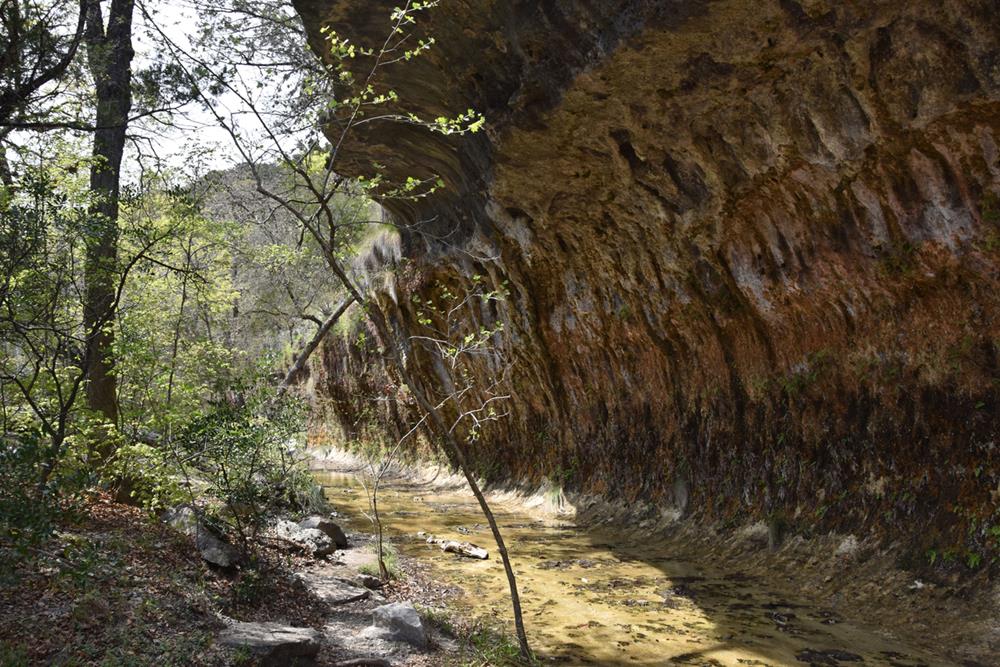
Winter brings a different kind of beauty to Lost Maples. While fall gets most of the attention, winter hiking offers quiet trails and striking contrasts.
Bare branches reveal limestone cliffs and winding creeks. The East and West Trail Loop provides challenging terrain with rewarding views.
Cold mornings add a peaceful stillness to the park. It feels slower and more reflective in winter.
Big Bend Ranch State Park
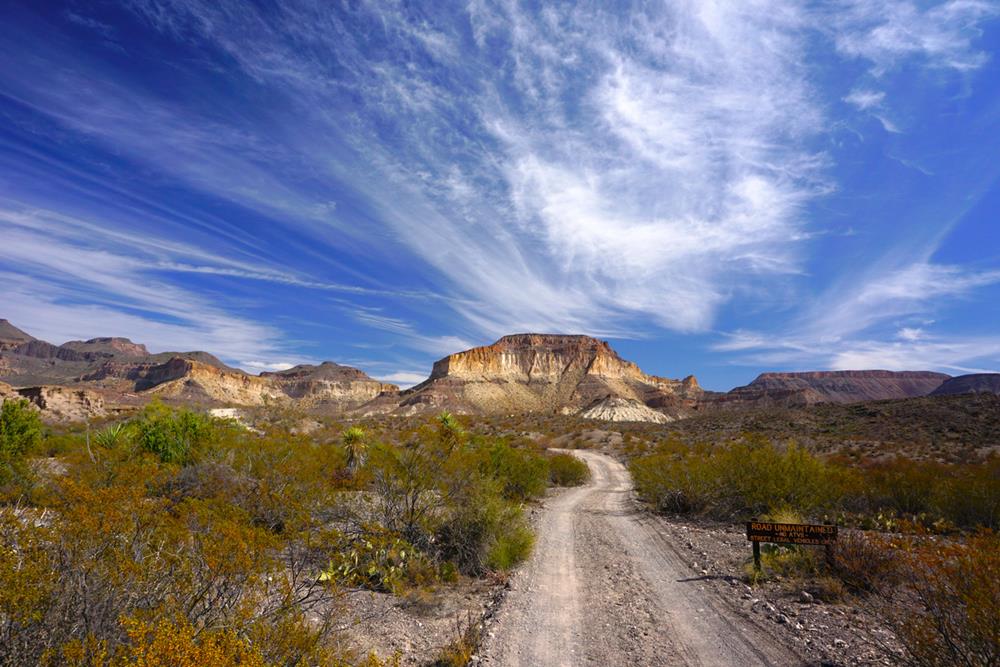
For hikers who want solitude, Big Bend Ranch State Park delivers.
Winter is the ideal season here. Summer heat can be intense, but winter days allow long hikes across desert landscapes, volcanic formations, and remote canyons.
Trails feel expansive and wild. You may not see another person all day. The night skies, if you camp, are unforgettable.
Guadalupe River State Park
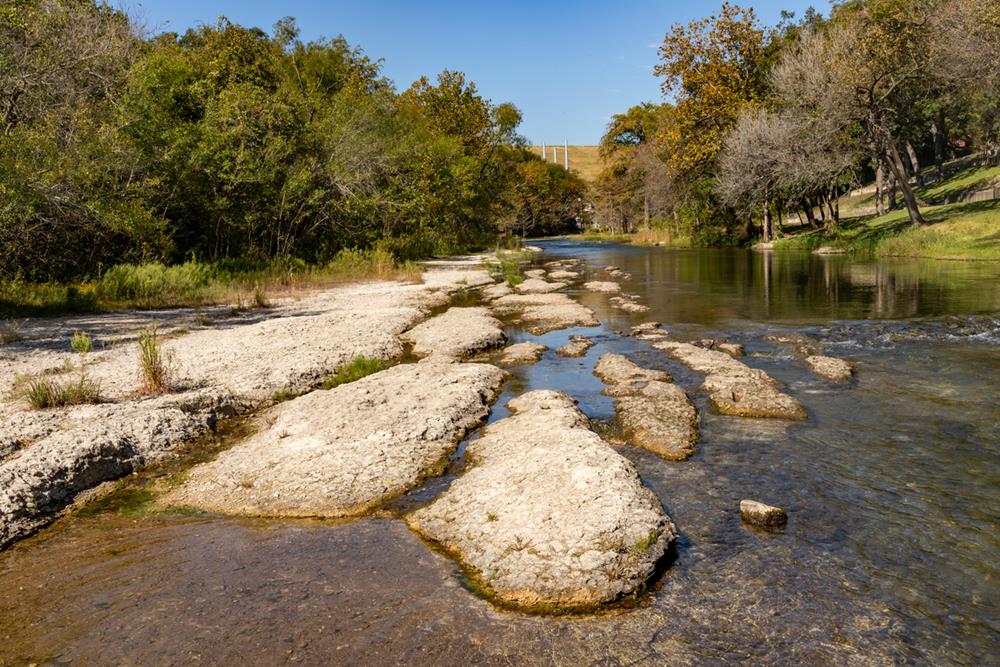
This park near San Antonio offers gentle winter hiking along riverbanks and rolling hills.
Trails like Bald Cypress Trail feel especially pleasant in cooler weather. The river runs clear, and wildlife signs are easier to spot.
It is a great option for hikers who want scenic walks without extreme elevation changes.
Wildlife Encounters on Winter Trails
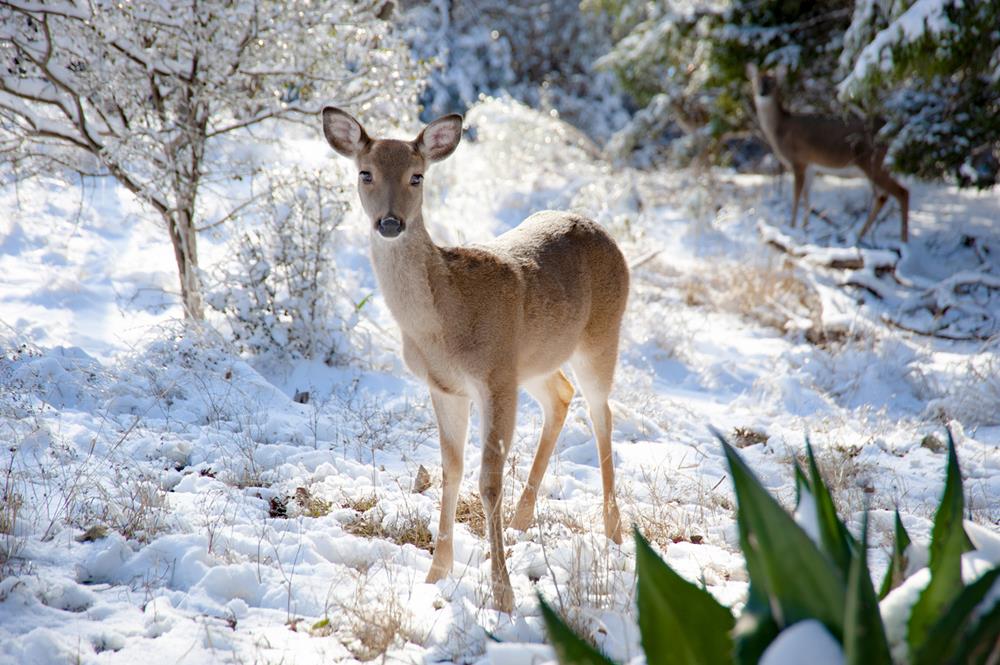
Winter brings animals out into the open. Cooler temperatures make it easier for wildlife to stay active during the day.
White tailed deer are common sightings across many parks. Birds migrate through Texas in large numbers during winter, making it an excellent season for birdwatching.
You may spot armadillos, foxes, or even bobcats if you move quietly and stay observant.
Snakes are far less active in winter, which puts many hikers at ease. Always stay alert, but encounters become less common during colder months.
Remember to observe wildlife from a distance. Winter is a time when animals conserve energy, and giving them space matters.
Why Winter Trails Feel Different
There is something about winter hiking that changes your mindset.
Without heat bearing down, you walk at a steadier pace. You stop more often. You notice details like the sound of wind through grass or the crunch of gravel underfoot.
Trails feel less rushed. The absence of crowds creates room to think. Many hikers say winter hikes feel more personal, almost meditative.
Even familiar parks take on a new personality. A trail you walked dozens of times in summer feels fresh again when the seasons shift.
Planning a Winter Hiking Day Trip
A little planning goes a long way in winter.
Start your hike later in the morning when temperatures rise slightly. This makes the experience more comfortable and reduces the need for heavy layers.
Pack snacks that handle cooler temperatures well. Energy bars and nuts stay firm and easy to carry.
Bring a small backpack even on short hikes. Extra layers, water, and basic supplies fit easily and add peace of mind.
Check park websites for trail conditions and hours. Some parks adjust services during winter months.
Most importantly, stay flexible. If the weather changes, shorten your hike or choose a different trail. Winter hiking rewards adaptability.
Camping and Overnight Winter Hikes
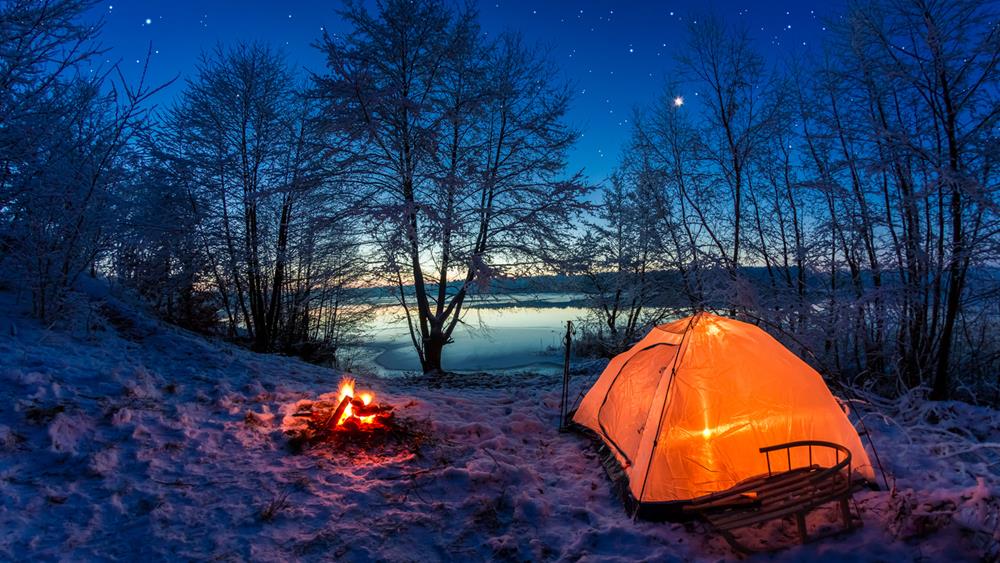
Many Texas state parks remain open for camping year round. Winter camping pairs beautifully with hiking.
Cool nights mean fewer insects and more comfortable sleep for many campers. Campgrounds feel quieter, and reservations are easier to get.
If you camp, bring appropriate sleeping gear. Temperatures can dip lower than expected, especially in West Texas or hill country valleys.
Morning hikes from camp feel special in winter. Mist rises from rivers, frost sparkles on grass, and trails feel untouched.
A Different Side of Texas Outdoors
Winter hiking challenges the idea that Texas outdoor adventures belong only to spring and fall.
The cooler months reveal a calmer, more reflective side of the state. Landscapes feel open and honest. Trails invite exploration without urgency.
Whether you prefer rugged canyons, forested paths, or river walks, winter makes each experience more accessible.
You do not need extreme gear or advanced skills. Just curiosity, comfortable shoes, and a willingness to step outside when others stay in.
Final Thoughts
Winter hiking in Texas state parks offers comfort, beauty, and quiet that other seasons struggle to match.
It is a chance to see familiar places differently and discover new favorites without fighting heat or crowds.
If you have ever said you will hike more when it cools down, this is your moment. Texas winters are short, mild, and perfect for the trail.
So lace up your boots, check the forecast, and head out. The parks are waiting, and winter is doing you a favor.