

When people think about scuba diving in Texas, the Gulf Coast does not always come to mind first. Clear Caribbean water usually gets the spotlight. But South Texas offers its own kind of underwater experience, one that surprises many first-time divers. Warm water, diverse marine life, historic shipwrecks, and wide-open coastal access make this region a solid choice for recreational and experienced divers alike.
Diving here feels different from tropical destinations. Visibility changes with the seasons. Conditions depend on weather and currents. That variety is part of the appeal. South Texas diving rewards patience, planning, and a sense of adventure. Below is a closer look at the best places to dive along the South Texas Gulf Coast and what makes each one worth your time.
What Makes South Texas Diving Unique
South Texas sits along the western Gulf of Mexico, where warm currents bring in fish, coral growth, and seasonal visitors like manta rays and whale sharks. The seafloor is mostly sandy, but artificial reefs, oil platforms, and shipwrecks add structure that attracts marine life.
Visibility can range from ten feet on rough days to over sixty feet when conditions line up. Summer usually offers the calmest seas. Late spring through early fall is peak diving season. Water temperatures stay comfortable for much of the year, often allowing for thinner wetsuits than other parts of the country.
Boat diving is common, though shore diving options exist if you know where to look. Many sites require a charter, especially offshore wrecks and rigs. Local dive shops play a big role in guiding visitors to safe and productive sites.
Port Aransas and the Northern Padre Island Area

Port Aransas is one of the most popular diving hubs in South Texas. Located near the northern end of Padre Island, it offers easy access to offshore sites and a strong local diving community.
Offshore Rigs and Artificial Reefs
Oil platforms are a major draw for divers in this area. These structures act like massive underwater reefs. Barnacles, sponges, and soft corals cling to the metal framework. Schools of snapper, amberjack, and barracuda are common sights.
Depths vary depending on the rig, but many dives fall within recreational limits. Visibility around rigs is often better than closer to shore. Strong currents can be present, so comfort with drift diving helps.
Artificial reef programs have also expanded dive opportunities near Port Aransas. Decommissioned vessels, concrete structures, and reef balls support growing marine ecosystems. These sites are popular with both divers and anglers, so boat awareness matters.
The Texas Clipper Wreck
One of the standout dives near Port Aransas is the Texas Clipper. This former passenger ship was intentionally sunk as an artificial reef. It sits upright on the seafloor and has become home to coral growth and large fish populations.
The wreck is accessible to advanced recreational divers. Penetration dives may be possible with proper training and conditions. Even without entering the wreck, the exterior offers plenty to explore. Expect to see snapper, grouper, and the occasional ray cruising by.
Corpus Christi and Surrounding Waters
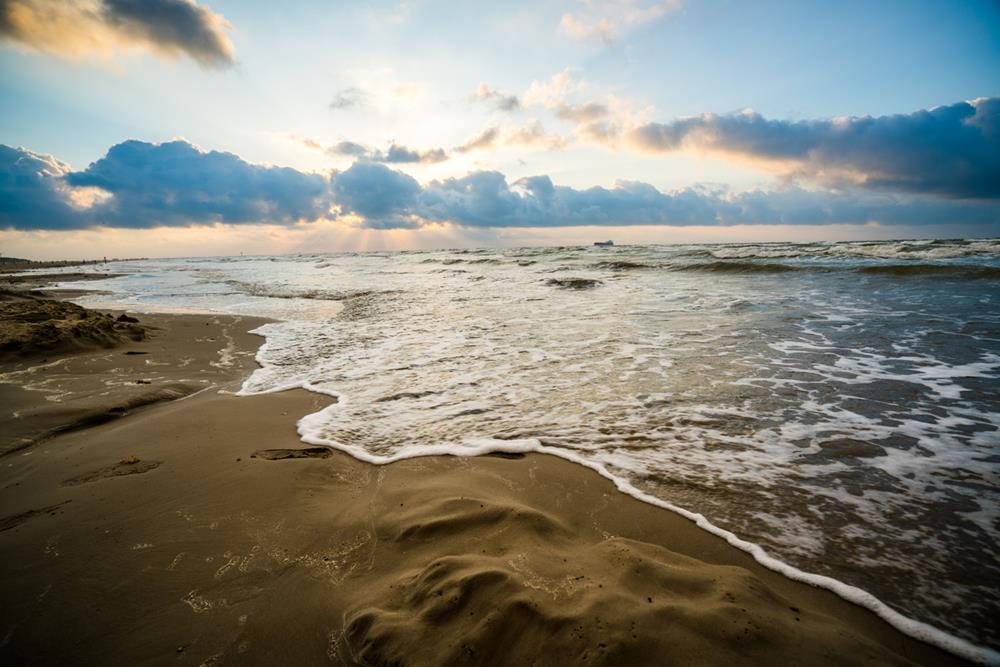
Corpus Christi serves as another key access point for South Texas diving. Its location near deeper offshore waters makes it a good base for longer boat trips.
Offshore Wreck Diving
Several shipwrecks lie off the coast of Corpus Christi. These range from steel cargo ships to older wooden vessels. Some are partially buried in sand, while others rise dramatically from the bottom.
Marine growth on these wrecks attracts a mix of tropical and temperate species. Lionfish, jacks, and reef fish are common. Visibility varies, but calm summer conditions can offer rewarding dives.
Depths often exceed sixty feet, so advanced certification is recommended. Dive operators in Corpus Christi can help match divers with sites that fit their experience level.
Nearshore Exploration
For newer divers or those looking for easier conditions, nearshore sites around Corpus Christi can still be enjoyable. Artificial reefs and shallow wreck remnants offer relaxed dives with plenty of fish life.
These dives are more dependent on weather. Wind and waves can reduce visibility quickly. Flexibility is key. Local dive shops often know when conditions are right and can guide planning.
Padre Island National Seashore
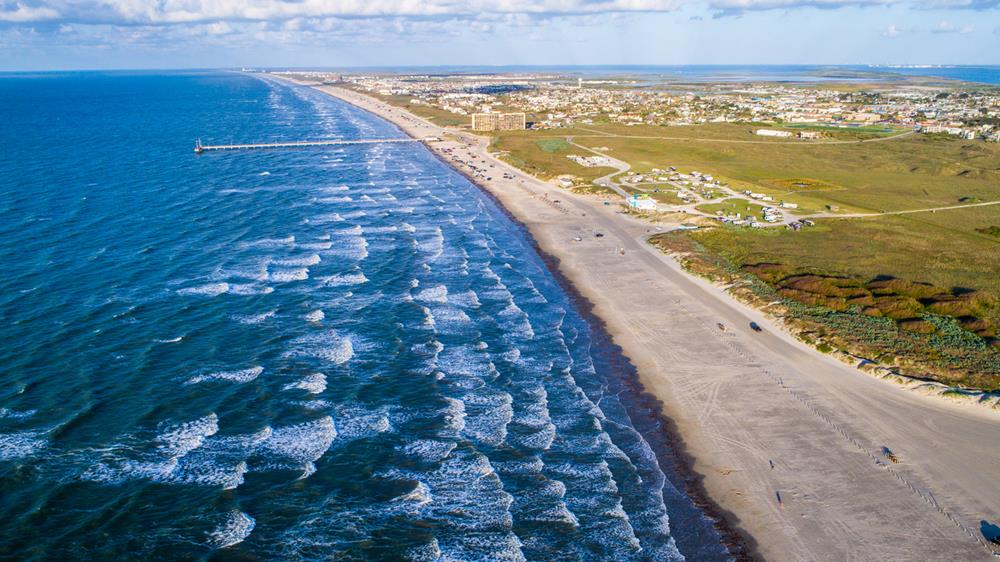
Padre Island National Seashore stretches for miles along the South Texas coast. While it is better known for beach camping and wildlife viewing, it also offers limited diving opportunities.
Shore Diving Possibilities
Shore diving along Padre Island can be challenging but rewarding. The sandy bottom means fewer visual landmarks, but small reef patches and debris fields attract fish and invertebrates.
Visibility near shore is often lower than offshore. Timing dives around calm weather and slack tides improves conditions. Divers should be comfortable navigating without fixed reference points.
Because of the remote nature of the area, planning matters. There are no nearby facilities once you enter the park. Self-sufficiency and proper safety gear are important.
Snorkeling and Free Diving
Snorkeling and free diving may be better suited to Padre Island’s nearshore environment. On clear days, shallow water exploration reveals crabs, rays, and schools of baitfish. These activities require less gear and allow more flexibility with changing conditions.
South Padre Island and the Southern Gulf Coast
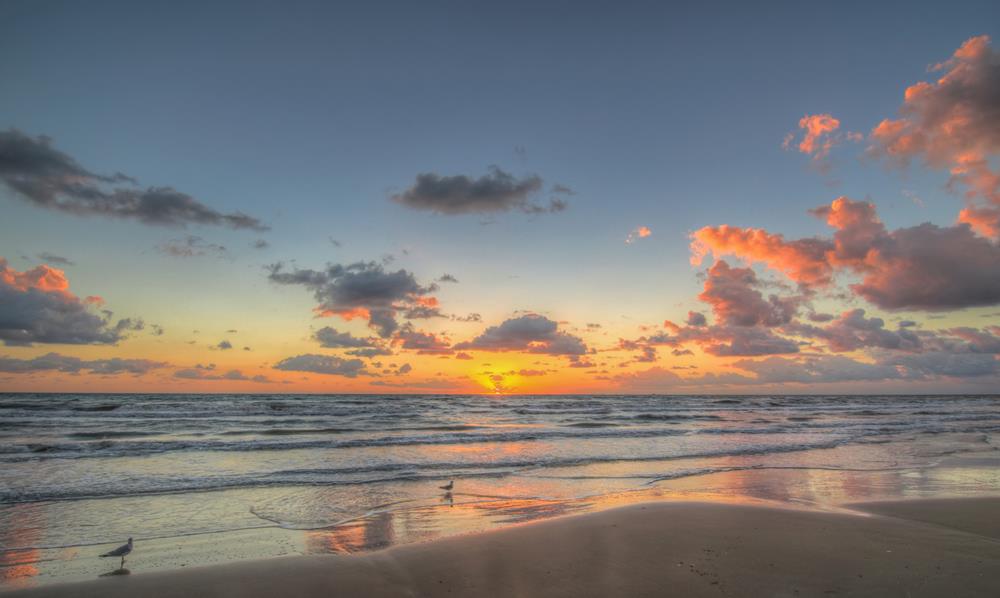
South Padre Island is one of the best-known beach destinations in Texas. It also offers some of the clearest water and most consistent diving in the state.
Artificial Reefs and Nearshore Sites
Artificial reefs off South Padre Island support a healthy mix of fish and coral growth. These sites are often shallower than offshore wrecks, making them suitable for intermediate divers.
Visibility here can be better than farther north due to different current patterns. Summer months bring warm water and calmer seas. Divers often report encounters with sea turtles and large rays.
Offshore Blue Water Diving
Farther offshore, blue water conditions open the door to pelagic encounters. Divers may see manta rays, sharks, and large schools of fish moving through open water.
These dives require experienced operators and favorable conditions. Depths and currents vary. When everything lines up, the experience rivals more famous dive destinations.
Marine Life You Can Expect to See
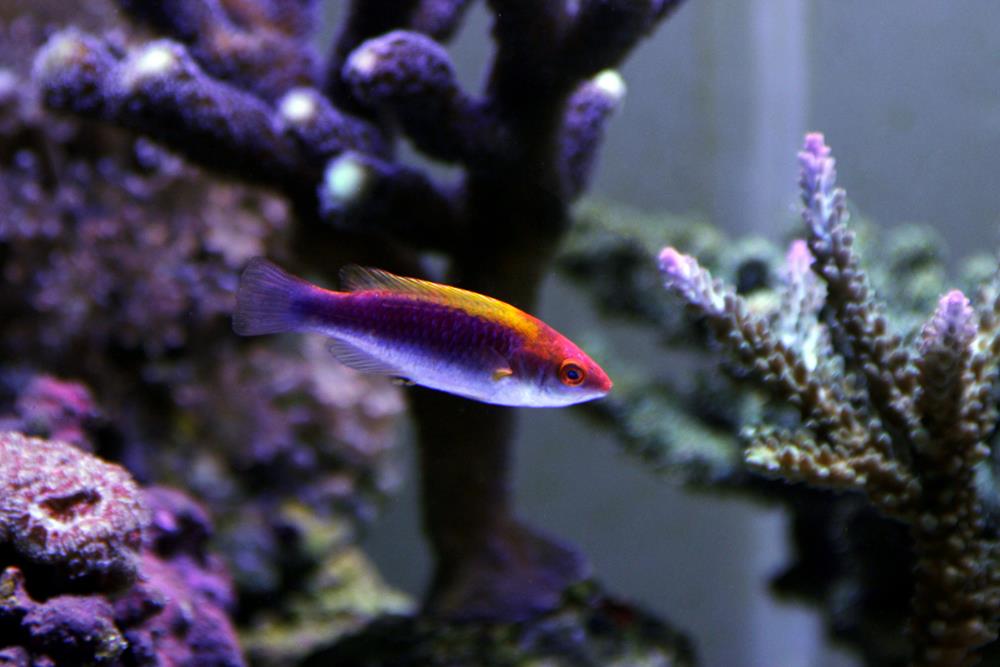
South Texas waters host a wide range of marine species. Tropical fish mix with Gulf natives, creating diverse underwater scenes.
Common sightings include snapper, grouper, angelfish, and butterflyfish. Larger animals such as eagle rays and bull sharks appear regularly. Seasonal visitors include whale sharks and hammerheads, though sightings are never guaranteed.
Invertebrates add color and detail to dives. Sponges, soft corals, and anemones grow on artificial structures. Lobsters, octopus, and nudibranchs reward patient observers.
Lionfish are present and often targeted during conservation dives. Some dive operators encourage responsible removal as part of reef management efforts.
Best Time of Year for Diving
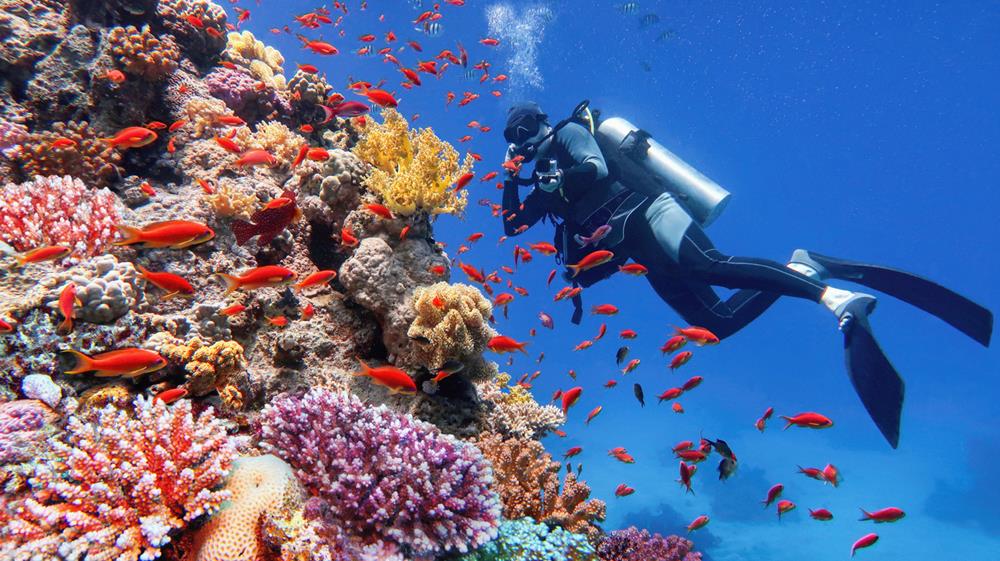
Late spring through early fall offers the most reliable conditions. Water temperatures range from the mid seventies to the mid eighties. Visibility tends to improve during calmer summer weather.
Winter diving is possible but less predictable. Cold fronts can bring rough seas and reduced visibility. Water temperatures drop into the sixties, requiring thicker wetsuits or drysuits.
Weather plays a major role year round. Flexibility with scheduling increases the chances of good dives. Many local divers watch wind forecasts closely before committing to trips.
Dive Charters and Local Dive Shops
South Texas diving depends heavily on local knowledge. Dive shops and charter operators provide access, guidance, and safety support.
Most offshore dives require a boat. Charters handle navigation, site selection, and surface support. Many offer full service trips with tanks and weights included.
Local dive shops also provide training, gear rentals, and condition updates. Building a relationship with a shop helps visitors make the most of their time in the water.
Advance booking is recommended during peak season. Weather cancellations happen, so choosing operators with clear policies helps manage expectations.
Safety Considerations
Diving in the Gulf requires awareness and preparation. Currents can be strong, especially near rigs and wrecks. Surface conditions can change quickly.
Using surface marker buoys is standard practice. Boat traffic is common near popular sites. Staying visible increases safety.
Depth management matters, especially on offshore dives. Nitrox is widely used to extend bottom time and reduce fatigue. Proper training is essential before using enriched air.
Divers should stay within their certification limits and comfort levels. Gulf diving rewards patience and good judgment.
Why South Texas Diving Is Worth Exploring
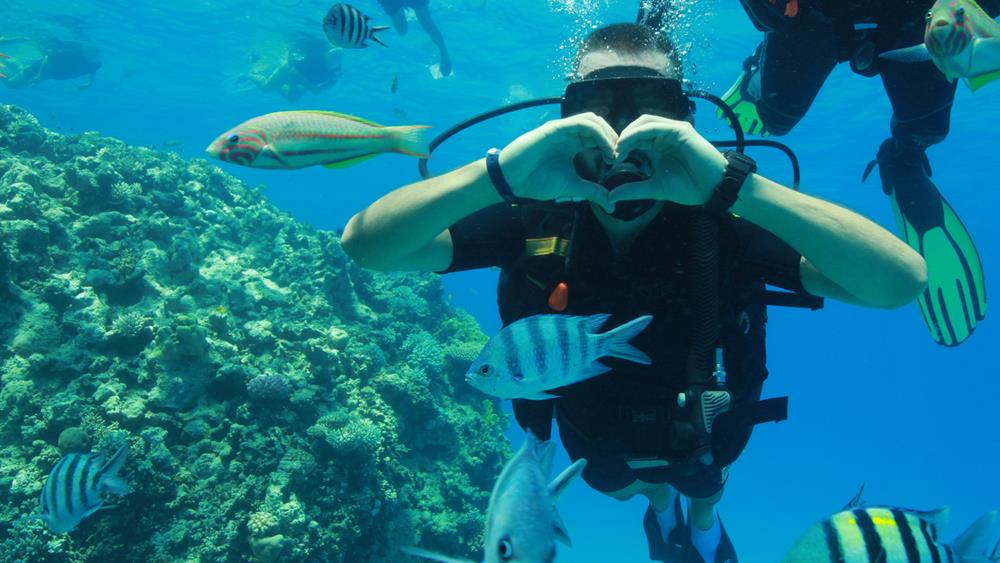
South Texas may not offer postcard-perfect visibility every day, but it delivers something just as valuable. Variety, challenge, and discovery define the experience.
Each dive feels different. One day brings calm seas and clear water. Another brings limited visibility and close-up encounters with reef life. That unpredictability keeps divers engaged.
The mix of artificial reefs, historic wrecks, and open water encounters creates a unique diving landscape. Add warm water, friendly local operators, and a growing dive community, and South Texas earns its place on the dive map.
For divers willing to look beyond the obvious destinations, the Gulf Coast of South Texas offers rewarding underwater adventures. It is a region that grows on you, dive by dive, season by season, always offering something new beneath the surface.