
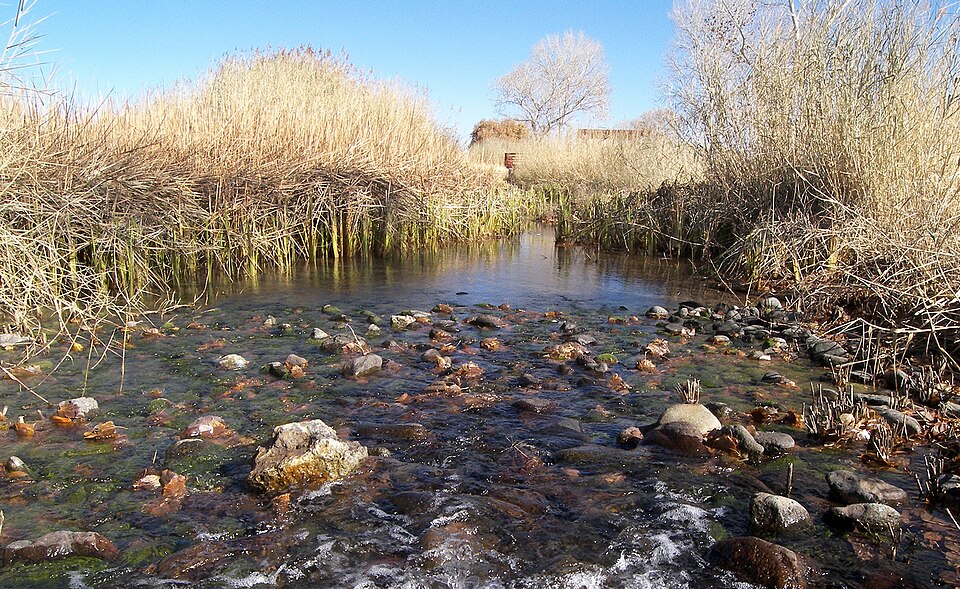
Image: Larry D. Moore, Balmorhea cienaga 2009, CC BY 4.0
Far out in West Texas, where dry desert landscapes stretch for miles and the sky seems endless, there is a hidden world few people will ever see. Beneath the small town of Balmorhea lies Phantom Springs Cave, one of the longest and deepest underwater cave systems in the United States. It is a place of mystery, science, and quiet danger, where explorers move through cold, dark water to uncover secrets that have been hidden for thousands of years.
At first glance, nothing about Balmorhea suggests what lies below. The land is flat and sunbaked. The air is dry. But beneath this quiet surface flows a vast underground system that continues to surprise scientists and divers alike.
A Hidden Entrance to Another World
View this post on Instagram
Phantom Springs Cave is not a typical cave you can walk into. There are no easy entrances or guided tours. The cave is mostly underwater, which means it can only be explored by trained cave divers. Even reaching the entrance is not simple.
The cave system is located near Balmorhea State Park, which is known for its spring-fed swimming pool. That water comes from the same underground sources that feed Phantom Springs Cave. In fact, the springs are part of a much larger system that carries water through the desert for miles before it reaches the surface.
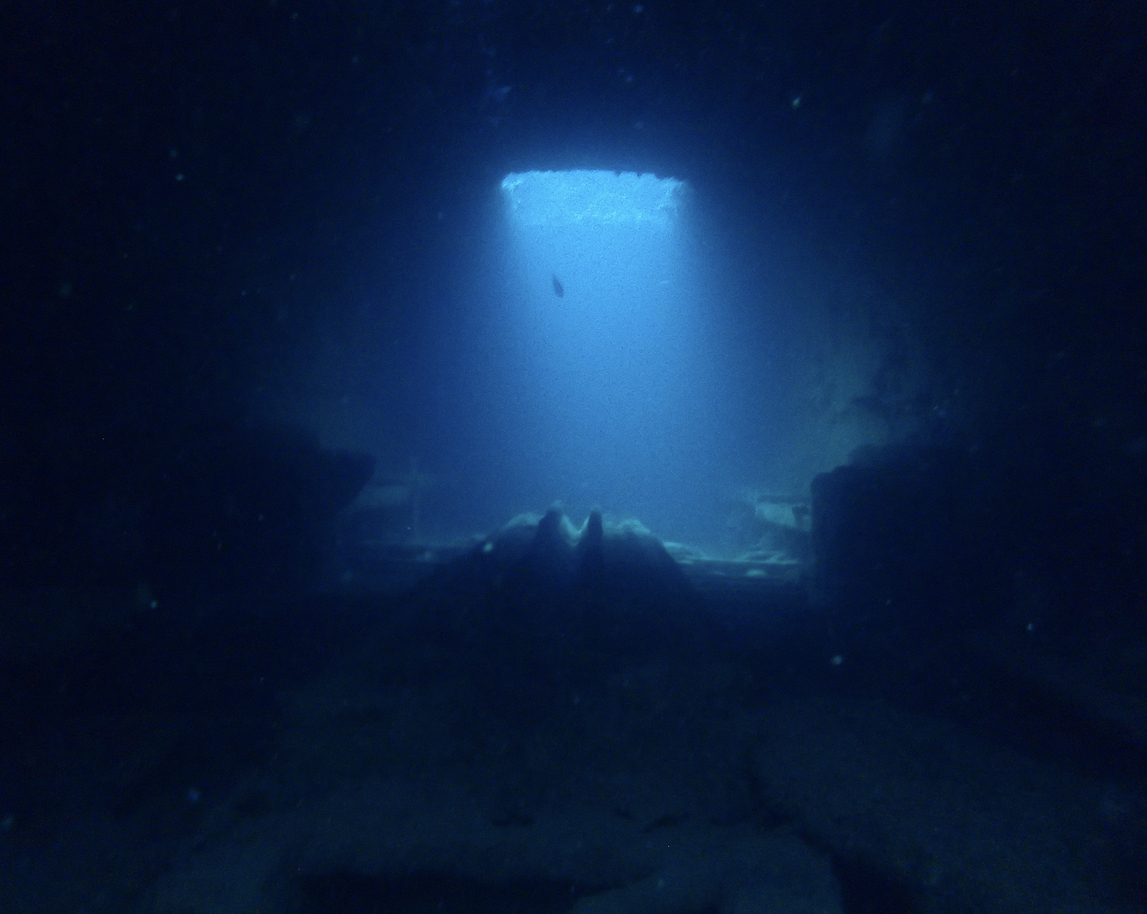
To get inside the cave, divers must enter through narrow openings where water flows out with strong force. From there, they follow submerged tunnels that twist and turn through limestone rock. Visibility can be limited, and the environment is completely dark beyond the reach of a diver’s light.
This is not a place for beginners. It demands skill, patience, and careful planning.
How the Cave Was Formed
Phantom Springs Cave did not appear overnight. It formed over millions of years through a slow and steady natural process.
The region sits on limestone, a type of rock that dissolves when it comes into contact with slightly acidic water. Rainwater absorbs carbon dioxide from the air and soil, which makes it weakly acidic. As this water seeps into the ground, it begins to break down the limestone, creating tiny cracks.
Over time, those cracks widen into passages. As more water flows through, the passages grow larger, eventually forming tunnels and chambers. In some areas, entire networks of caves develop, connected by underground rivers.
Phantom Springs Cave is part of this kind of system. The water flowing through it comes from distant sources, including mountain ranges many miles away. That water travels underground before emerging at the springs near Balmorhea.
What makes this cave system especially interesting is its size and depth. Divers have explored more than 20 miles of passageways, and there is strong evidence that much more remains undiscovered.
One of the Longest Underwater Caves in the U.S.
Phantom Springs Cave ranks among the longest underwater cave systems in the United States. Every year, exploration teams push a little farther, mapping new sections and extending what is known.
Unlike dry caves, where researchers can walk and set up equipment, underwater caves present unique challenges. Divers must carry all their gear with them, including tanks, lights, and navigation lines. They often spend hours underwater, moving slowly to conserve air.
Mapping the cave is a careful process. Divers use guidelines to mark their path, then record distances and directions. Later, this data is used to create detailed maps.
These maps are important. They help future explorers stay safe and allow scientists to better understand how the system works. Each new section adds to a larger picture of underground water flow in the region.
The Danger of Cave Diving
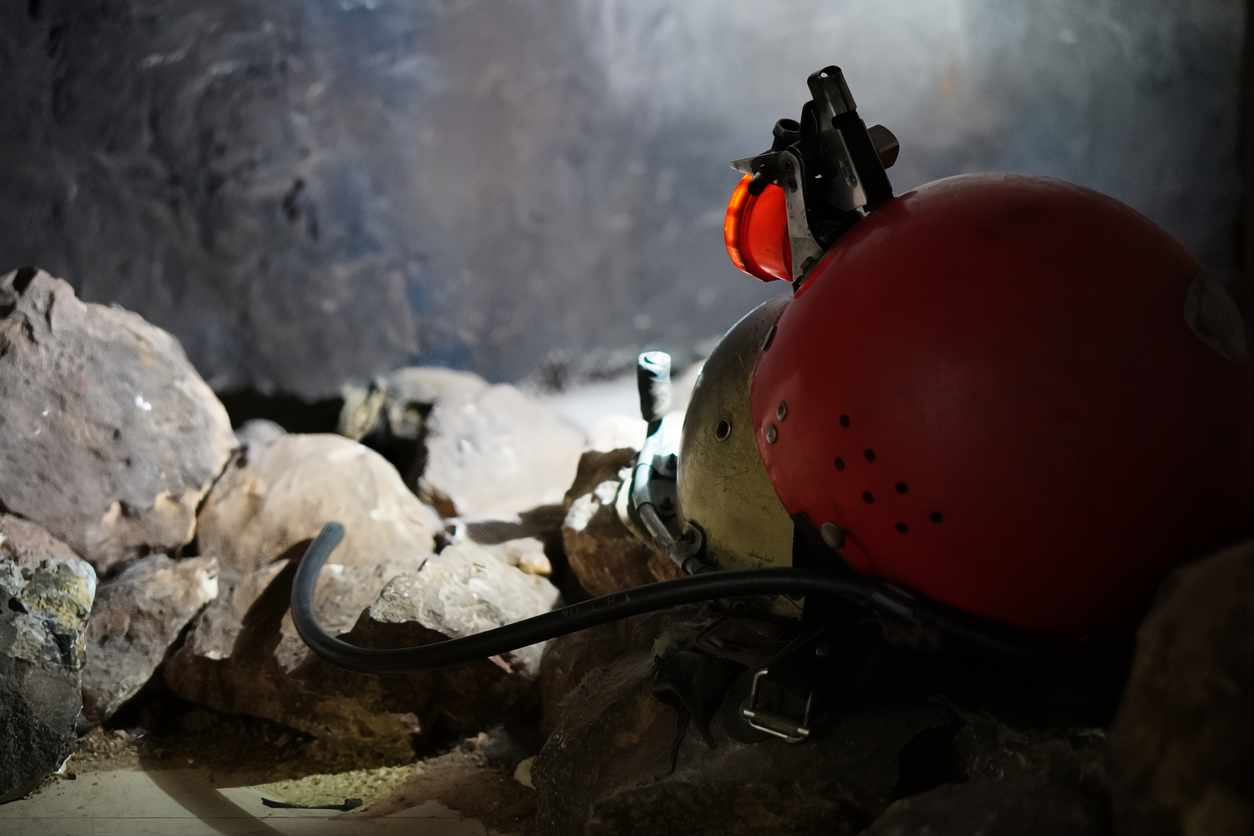
Exploring Phantom Springs Cave is not just difficult. It can be dangerous.
Cave diving is considered one of the most challenging forms of diving. There is no direct path to the surface. If something goes wrong, divers cannot simply swim upward. They must find their way back through the same tunnels they entered.
The environment itself adds to the risk. Visibility can drop quickly if sediment is disturbed. Tight spaces can trap equipment. Strong currents can push divers off course.
Because of these risks, only highly trained cave divers are allowed to explore systems like Phantom Springs. They follow strict safety rules, including the use of guide lines, backup air supplies, and detailed dive plans.
Even with these precautions, the cave demands respect. It is not a place for mistakes.
A Living Laboratory Beneath the Desert
Despite its dangers, Phantom Springs Cave is an important site for scientific research. It offers a rare opportunity to study underground water systems in a dry region.
One area of interest is hydrology, the study of how water moves through the Earth. By exploring the cave, scientists can trace the path of water from its source to where it emerges at the springs. This helps them understand how aquifers work and how water is stored and transported underground.
This knowledge is especially valuable in regions like West Texas, where water is limited. Understanding these systems can help with water management and conservation efforts.
Researchers also study the chemistry of the water. Because the cave is isolated from the surface, its water can reveal information about natural processes that are not affected by pollution or human activity.
Unique Life Forms in Total Darkness
One of the most fascinating aspects of Phantom Springs Cave is the life it supports. Even in complete darkness, where no sunlight reaches, living organisms have adapted to survive.
These cave-dwelling creatures are known as troglobites. They often have unusual features that help them live in this extreme environment. Many lack pigment, giving them a pale or translucent appearance. Some have reduced or no eyesight, since vision is not useful in darkness.
Instead, they rely on other senses. Touch and chemical detection become more important, allowing them to navigate and find food.
In Phantom Springs Cave, scientists have discovered species that exist nowhere else in the world. These include small crustaceans and other aquatic organisms that have evolved in isolation over long periods of time.
Studying these species can provide insight into evolution and adaptation. It also highlights the importance of protecting such fragile ecosystems.
The Role of Phantom Springs
The springs connected to the cave system play a vital role in the local environment. They provide a steady source of fresh water in an otherwise dry region.
Balmorhea State Park is built around one of these spring-fed pools. The water is clear and cool, attracting visitors who come to swim and relax. What many do not realize is that the water they enjoy has traveled through miles of underground passages before reaching the surface.
The springs also support wildlife. Plants, fish, and birds rely on this water, making it a key part of the local ecosystem.
Protecting the cave system helps protect these springs as well. Any changes underground can affect what happens above.
Ongoing Exploration and Discovery
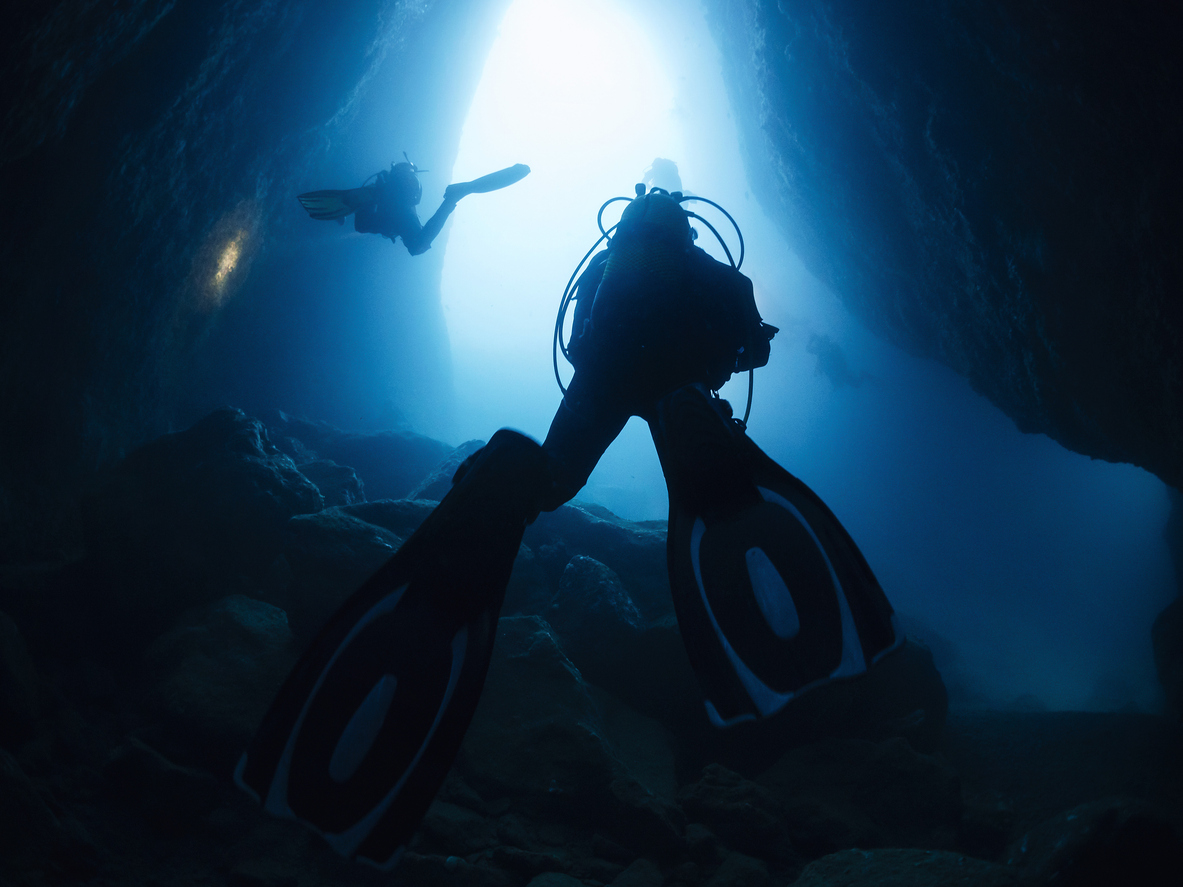
Even after years of study, Phantom Springs Cave is far from fully explored. Each expedition has the potential to reveal something new.
Exploration teams continue to push deeper into the system, using advanced equipment and techniques. Rebreathers allow divers to stay underwater longer. Improved mapping tools help create more accurate models of the cave.
Still, progress is slow. Each new section requires careful planning and execution. Safety always comes first.
What keeps explorers going is the sense of discovery. There are still passages that have never been seen, chambers that remain unmapped, and questions that have yet to be answered.
Why This Cave Matters
Phantom Springs Cave is more than just a hidden curiosity. It is an important part of the natural world, offering insight into geology, biology, and water systems.
It reminds us that even in places that seem empty or simple, there can be complex and fascinating processes at work beneath the surface.
The cave also highlights the need for careful stewardship. Underground systems are often fragile. Once damaged, they can take a very long time to recover.
By studying and protecting places like Phantom Springs, scientists can learn more about how our planet works and how to preserve its resources for the future.
A World Few Will Ever See
Most people will never enter Phantom Springs Cave. It is too remote, too dangerous, and too specialized for casual visits. Yet its story is still worth telling.
It is a reminder that there are still hidden places on Earth, waiting to be explored. Beneath the quiet desert near Balmorhea lies a world of flowing water, strange life forms, and winding passages carved by time.
While the surface may seem still and unchanging, the underground tells a different story. It is one of movement, transformation, and discovery.
And for those who are trained and willing to take the risk, Phantom Springs Cave offers a rare chance to step into that hidden world and bring its secrets back to light.