

Texas is large enough to contain mountains, deserts, forests, wetlands, beaches, canyons, and clear spring-fed swimming holes. For someone new to outdoor recreation, that variety can feel both exciting and overwhelming.
A beginner’s nature bucket list does not need to focus on difficult hikes or remote camping trips. Many of the state’s best landscapes can be experienced through short trails, scenic drives, guided programs, picnic areas, paddling routes, and easily reached viewpoints.
Climb Enchanted Rock
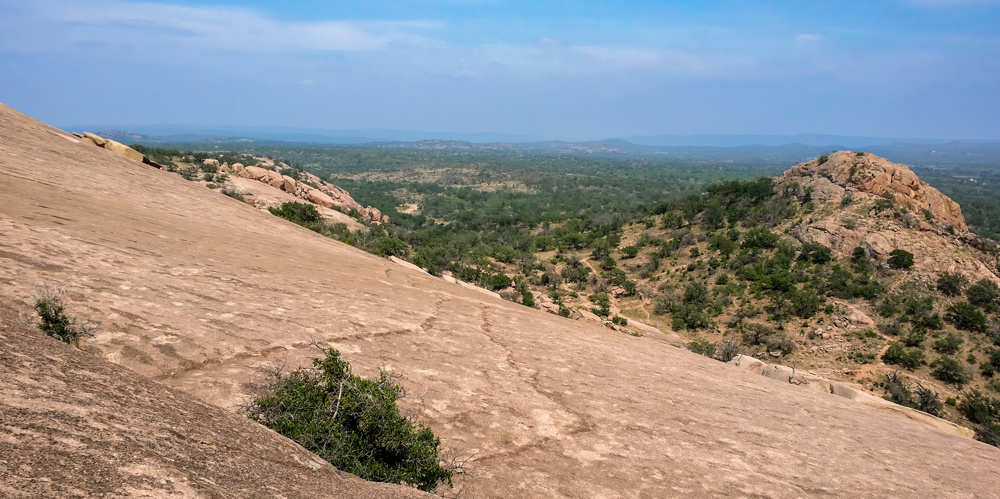
Enchanted Rock State Natural Area near Fredericksburg is one of the most recognizable natural landmarks in the Texas Hill Country. Its enormous pink granite dome rises above the surrounding landscape and provides wide views from the top.
The Summit Trail is short, but it climbs steadily across exposed rock. Beginners should take their time, wear shoes with good traction, and carry more water than they expect to need. The trail may close when the rock is wet because the surface becomes slippery.
Visitors who are not ready for the summit can explore lower trails, picnic, watch birds, or enjoy views of the dome from ground level. Because the natural area often reaches capacity, reserving an entrance pass before visiting is strongly recommended.
See the Canyon at Palo Duro
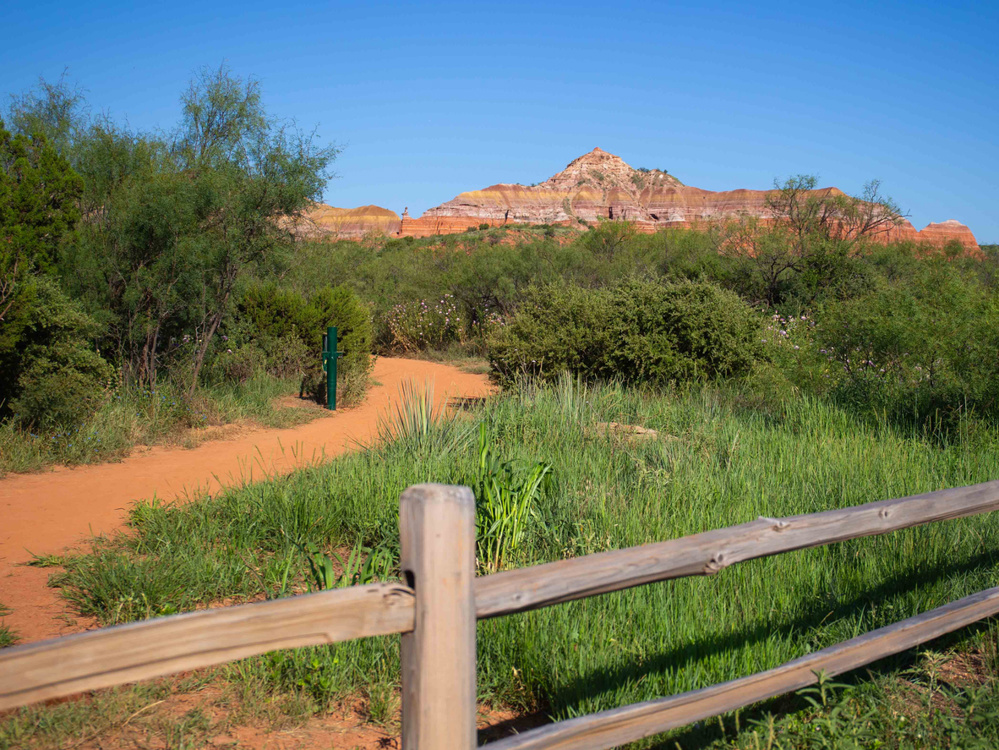
Palo Duro Canyon State Park in the Texas Panhandle offers one of the state’s most impressive landscapes. Colorful rock layers, steep canyon walls, unusual formations, and open grasslands make the park feel very different from much of Texas.
Beginners do not have to complete the demanding Lighthouse Trail to appreciate the canyon. Scenic overlooks and shorter trails provide excellent views with less physical effort. Visitors can also drive from the rim toward the canyon floor, stopping at viewpoints and historical markers along the way.
Temperatures inside the canyon can become dangerously hot during warmer months. Morning visits are usually more comfortable, and every visitor should carry plenty of water. The park has more than 30 miles of trails, but choosing one short route is enough for a satisfying first trip.
Paddle Beneath the Cypress Trees at Caddo Lake
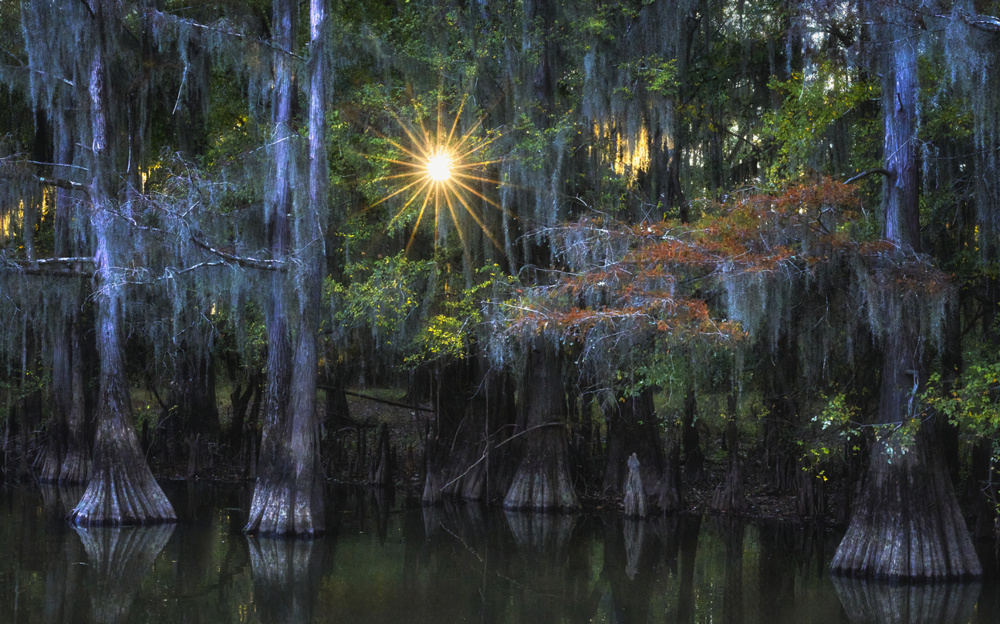
Caddo Lake presents a quieter and greener side of Texas. Its bayous and waterways wind through stands of bald cypress trees, many covered with hanging Spanish moss.
A canoe or kayak trip is one of the best ways to experience the lake. Beginners can rent equipment locally or join a guided outing instead of navigating the maze of channels alone. Staying on a marked paddling route makes the experience easier and safer.
Those who prefer to remain on land can explore nearly three miles of park trails, look for birds, visit historic Civilian Conservation Corps structures, or relax beside the water. More than 70 species of fish live in the lake, making it a popular destination for fishing as well.
Watch Wildlife at Brazos Bend
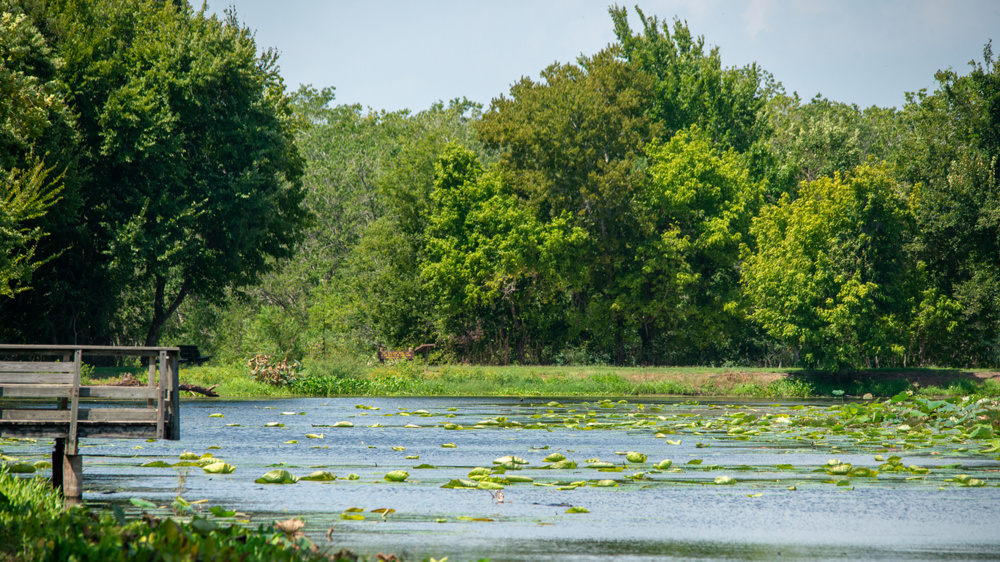
Located southwest of Houston, Brazos Bend State Park is an approachable place to learn about wetlands and wildlife. Its lakes, marshes, prairies, and wooded areas support alligators, birds, deer, river otters, raccoons, and many smaller animals.
The trails around 40-Acre Lake and Elm Lake are especially popular for wildlife viewing. Most visitors come hoping to see an American alligator, but the park’s birdlife and wetland plants are equally interesting.
Alligators should always be observed from a safe distance. Visitors should never feed them, approach them, or stand between an alligator and the water. Park programs and guided walks can help beginners learn how to watch wildlife responsibly.
Swim in a West Texas Desert Oasis

Balmorhea State Park is home to a large spring-fed swimming pool surrounded by the dry landscape of West Texas. The clear water comes from San Solomon Springs and remains a refreshing place to swim during hot weather.
The pool is unusual because fish and other aquatic animals share the water with swimmers. Visitors can swim, snorkel, or simply relax beneath the trees. The park also protects desert wetlands known as cienegas, which provide habitat for rare wildlife.
Balmorhea frequently reaches capacity during weekends, holidays, school breaks, and summer. Day passes should be reserved before making the drive.
Take a Scenic Drive Through the Davis Mountains
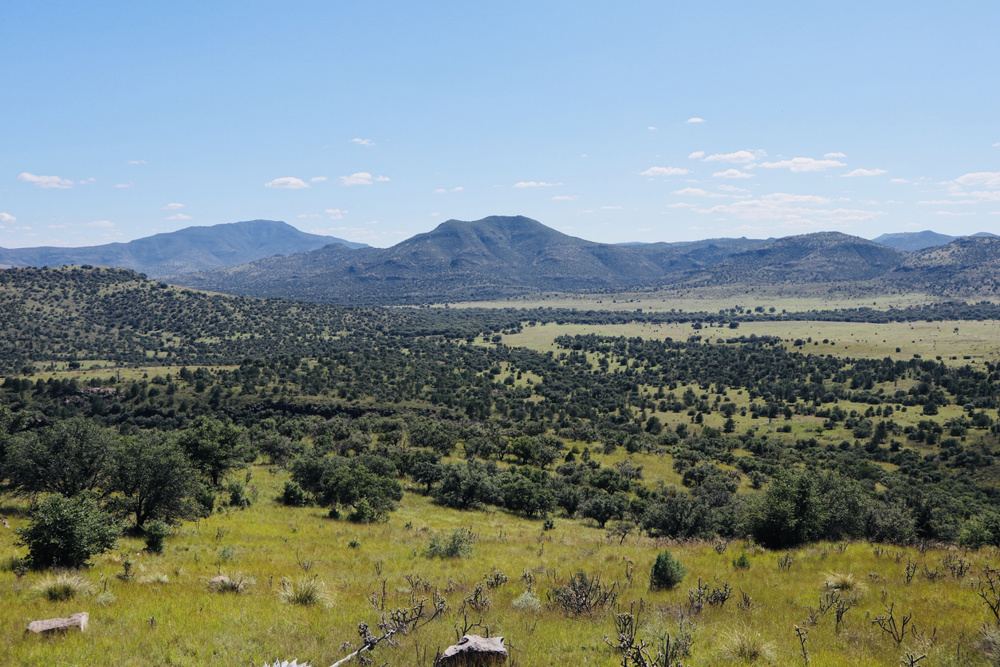
Not every outdoor adventure needs to involve a long walk. Davis Mountains State Park allows visitors to experience the rugged scenery of West Texas through short hikes, overlooks, and a scenic mountain drive.
The higher elevation creates a cooler environment than the surrounding desert. Grasslands, oak and juniper woodlands, rocky slopes, and distant peaks make the area especially enjoyable near sunrise or sunset.
Beginners can combine a scenic drive with a short nature walk, picnic, or evening of stargazing. The park also offers camping and mountain biking for visitors who later want to try a more active trip.
Experience the Scale of Big Bend
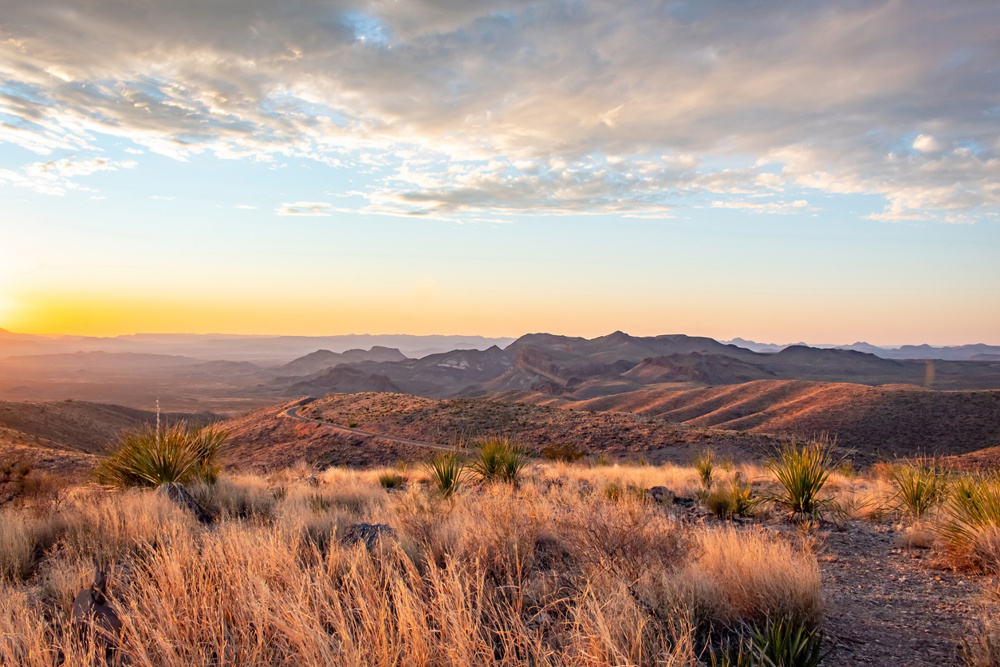
Big Bend National Park is one of Texas’s greatest natural destinations, but its size and remoteness require preparation. The park contains desert, mountains, river canyons, historic sites, wildlife habitat, and some of the darkest night skies in the region.
A first visit does not need to include backcountry camping or a strenuous mountain hike. Beginners can drive the Ross Maxwell Scenic Drive, visit overlooks, attend a ranger program, walk a short nature trail, or view the entrance to Santa Elena Canyon.
Distances inside and around the park are considerable. Travelers should arrive with sufficient fuel, food, drinking water, sun protection, and a planned route. Spending at least two or three days makes it easier to enjoy the park without rushing.
Discover the Guadalupe Mountains
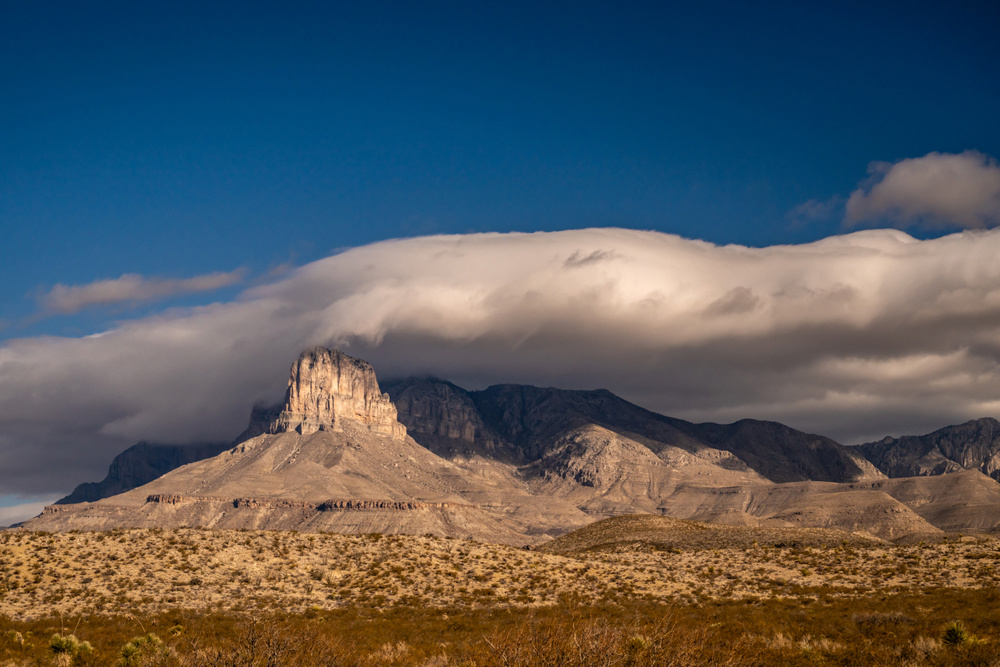
Guadalupe Mountains National Park protects the four highest peaks in Texas, along with desert, canyons, dunes, woodlands, and an ancient fossil reef. Although the climb to Guadalupe Peak is challenging, the park offers several easier ways to experience its scenery.
Beginners can explore the area near Pine Springs, walk part of the trail into McKittrick Canyon, visit Frijole Ranch, or enjoy the views from roadside stops. Even a short visit reveals how dramatically the mountains rise from the Chihuahuan Desert.
Weather can change quickly, and strong winds are common. Visitors should check current park conditions and avoid choosing a difficult route simply because it is the park’s most famous hike.
Walk Through a Texas Wildflower Field
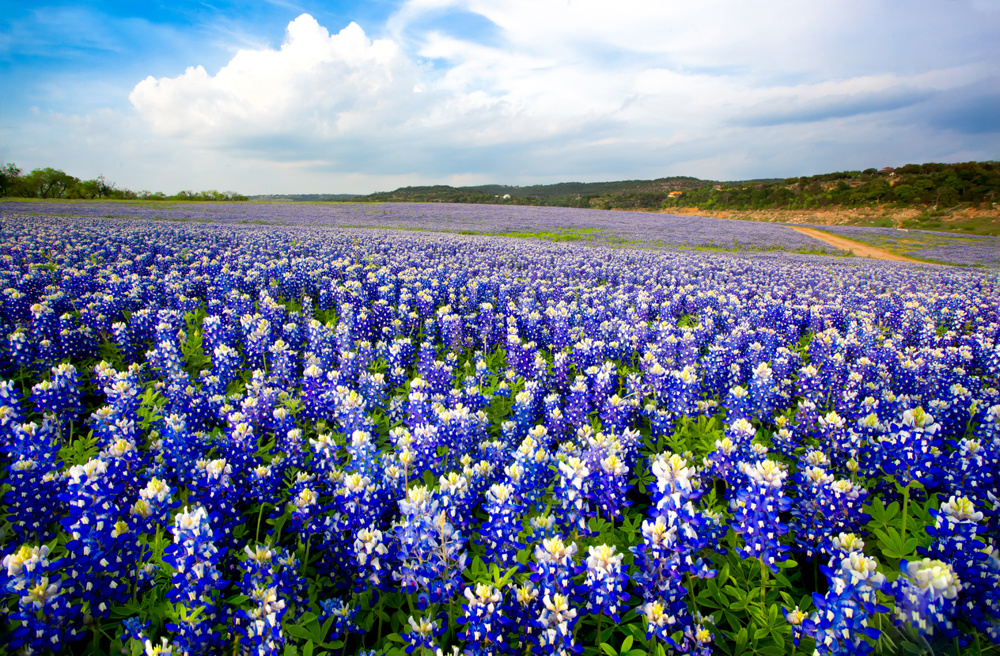
Texas wildflower season usually reaches its most colorful stage during spring, although timing varies according to rainfall and temperature. Bluebonnets receive most of the attention, but visitors may also see Indian paintbrushes, evening primroses, phlox, coreopsis, and many other flowers.
The Hill Country is a popular wildflower destination, but blooms can also appear along roadsides, in city parks, on prairies, and within state parks across Texas.
Wildflowers should be photographed without trampling the surrounding plants. Pulling off a busy highway for a picture can be dangerous, so it is better to use designated parking areas, parks, and quiet public roads.
Spend an Evening Under a Dark Sky
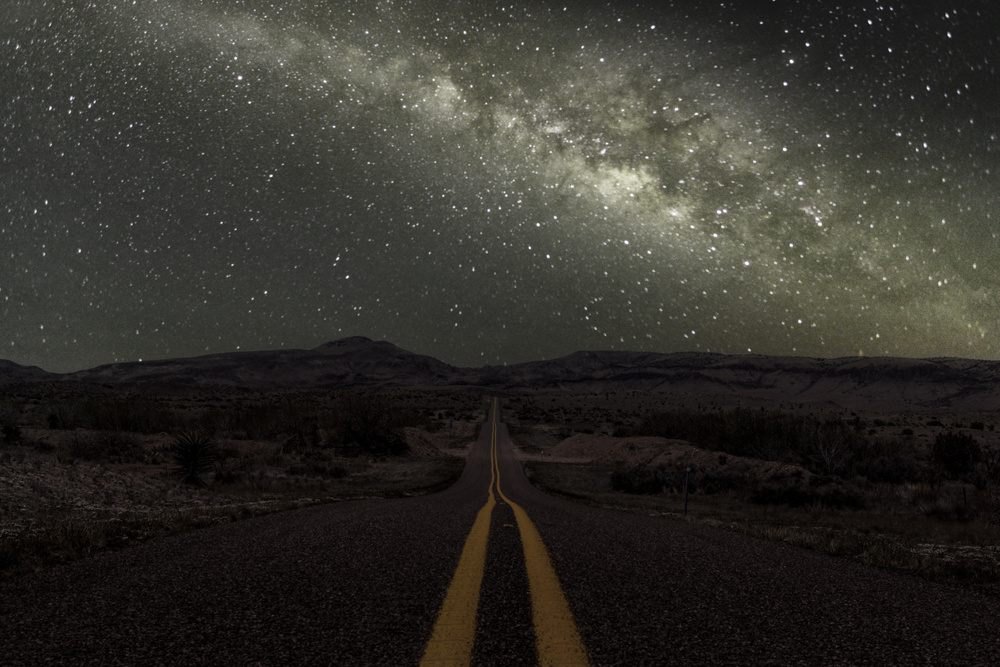
Stargazing is one of the easiest nature activities to try. It requires little equipment, and even a simple evening outdoors can reveal planets, constellations, satellites, and the Milky Way.
West Texas offers some of the state’s darkest skies, particularly around Big Bend and the Davis Mountains. However, beginners can start closer to home by visiting a state park after sunset or finding a safe rural location away from city lights.
Allow at least 20 minutes for your eyes to adjust to the darkness. A red flashlight is useful because it preserves night vision better than a bright white light.
Visit the Gulf Coast
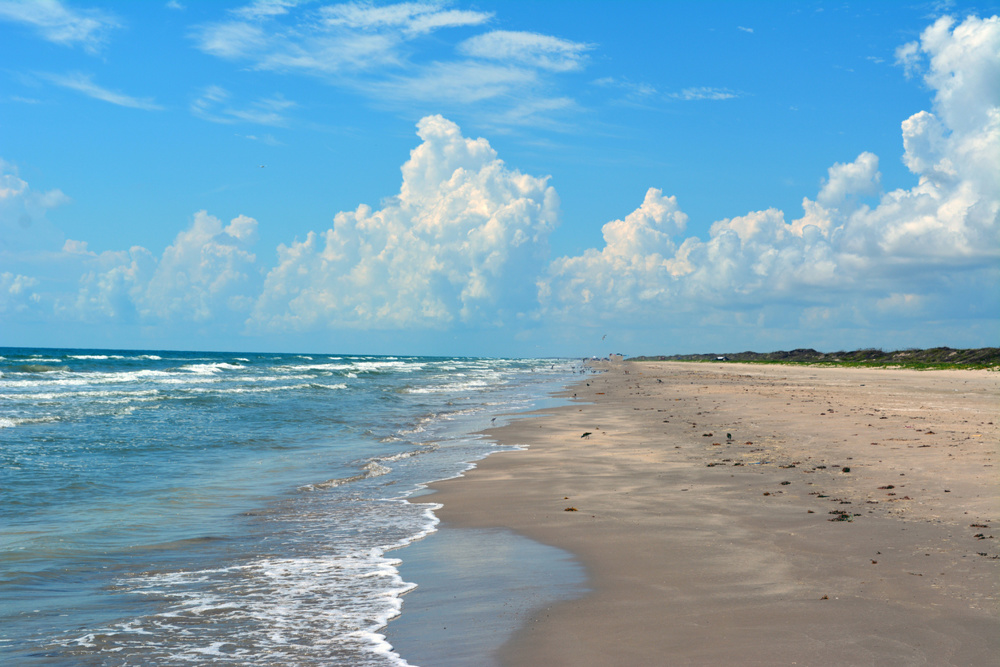
The Texas Gulf Coast provides opportunities to walk beaches, watch shorebirds, search for shells, fish, kayak, and observe coastal habitats. Beginners can start with a short beach walk at sunrise or sunset instead of planning a full day in the heat.
Padre Island, Mustang Island, Galveston Island, and several coastal wildlife refuges offer different combinations of beaches, dunes, marshes, and tidal flats. Conditions can change quickly, so visitors should check weather, surf, tide, and beach-driving information before arriving.
Leave shells containing living animals where they are, stay away from nesting birds, and carry out all trash. Small actions help protect coastal wildlife and keep beaches enjoyable.
Listen for Nature Close to Home
A Texas nature bucket list does not have to involve long-distance travel. City greenbelts, neighborhood trails, riverside parks, botanical gardens, and nearby lakes can provide meaningful outdoor experiences.
Try visiting the same local park at different times of day. Birds may be most active in the morning, while frogs, insects, and owls become easier to hear after sunset. Returning throughout the year also reveals seasonal changes in plants, weather, and wildlife.
Learning to notice nature close to home builds the observation skills that make larger trips more rewarding.
A Simple First-Trip Checklist
New outdoor visitors do not need expensive equipment. A few basic items can make most beginner trips safer and more comfortable:
- Drinking water
- Comfortable, supportive shoes
- Sun protection
- Weather-appropriate clothing
- A park map or downloaded trail map
- Insect repellent
- A small first-aid kit
- Snacks
- A fully charged phone
- A flashlight for evening trips
Tell someone where you are going, remain on established trails, and turn back when conditions become uncomfortable. Completing a famous trail is never more important than returning safely.
Start Small and Build Confidence
Texas offers enough natural variety to fill years of weekend trips. The best first destination is not necessarily the largest park or the hardest trail. It is a place that matches your current comfort level and encourages you to spend more time outdoors.
Begin with a scenic overlook, a short trail, a guided wildlife walk, or an afternoon beside the water. Each experience builds confidence and makes the next adventure easier to plan. Over time, a simple bucket list can become a deeper understanding of the landscapes, plants, animals, and natural forces that shape Texas.