

Cemeteries are usually thought of as places of memory, history, and mourning. In Texas, many of them are also surprisingly peaceful green spaces. Beneath old live oaks, cedar elms, pecans, and cypress trees, cemetery paths often become quiet walking routes where birds perch, squirrels move through the branches, and wildflowers appear in the grass.
This may seem unexpected at first, but cemeteries have long played an important role in preserving pockets of nature. In fast-growing cities and towns, they can protect old trees, open land, and habitat that might otherwise disappear.
Why Cemeteries Often Feel So Peaceful
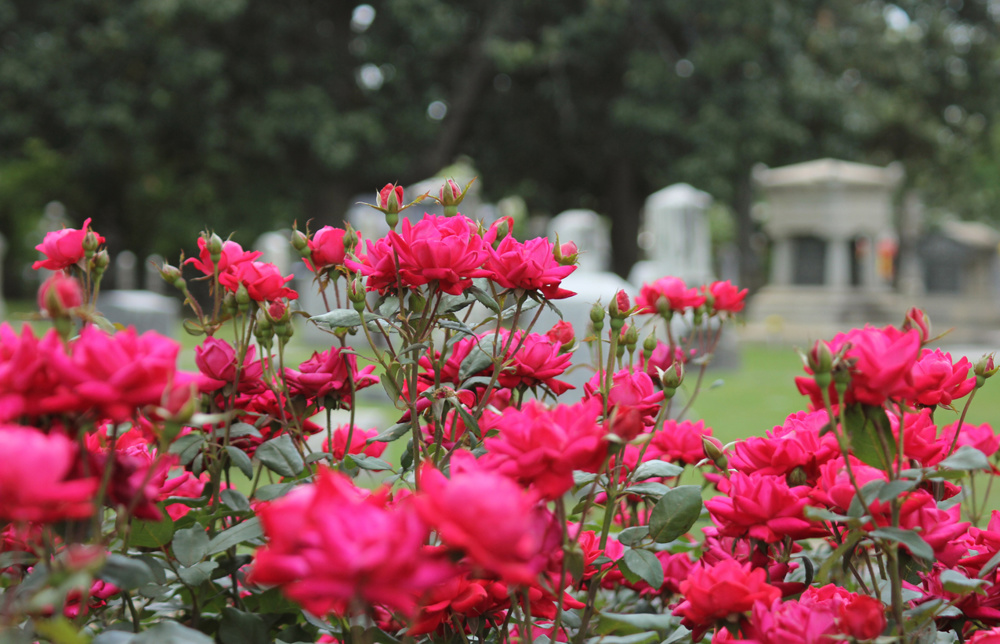
Many Texas cemeteries were established on the edges of towns, near churches, family farms, or early settlements. Over time, cities expanded around them. What began as a burial ground outside town sometimes became a quiet green space surrounded by streets, neighborhoods, and commercial areas.
Unlike parks, cemeteries are not usually designed for sports, playgrounds, or large gatherings. Their slower pace gives them a calm feeling. Pathways, shade, benches, historic markers, and older trees create an atmosphere that invites reflection rather than activity.
That quietness is part of what makes them appealing for gentle walks. Visitors often move slowly, read names on headstones, notice dates, and pay attention to the landscape in a different way.
Old Trees Grow Well in Cemetery Landscapes
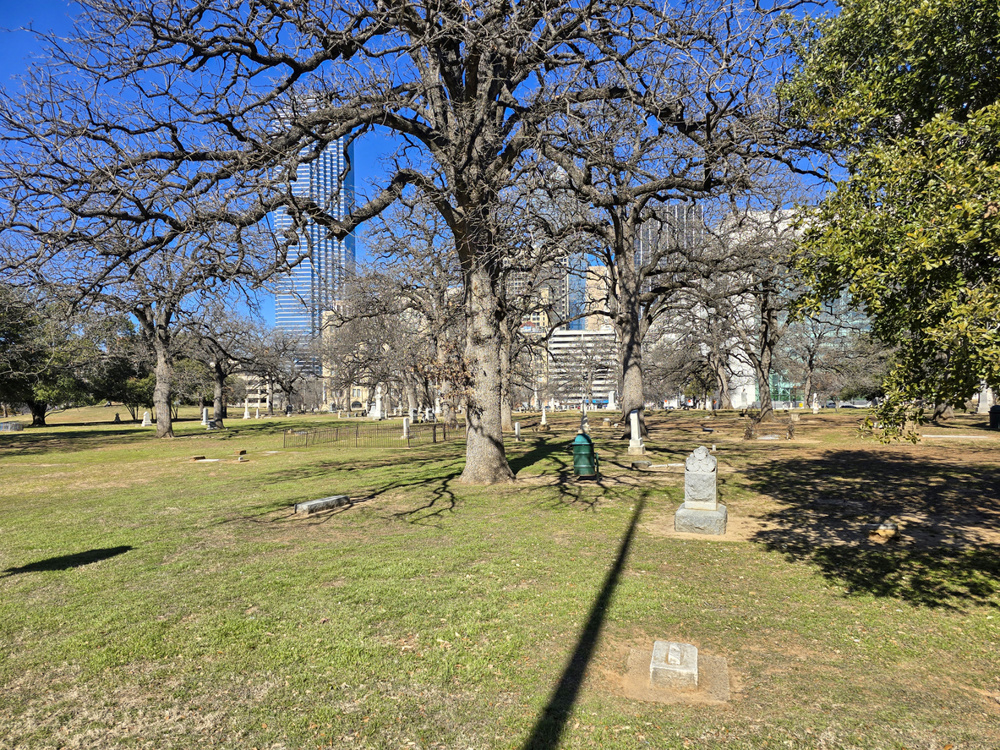
Cemeteries often protect trees for generations. Because the land is not usually redeveloped, trees have time to mature. In Texas, that can mean large live oaks spreading wide limbs, pecan trees dropping nuts in autumn, or bald cypress trees growing near low, damp ground.
These older trees do more than provide shade. They help cool the ground, reduce erosion, support birds and insects, and give cemetery landscapes much of their character.
In many places, cemetery trees were planted intentionally. Families, churches, and cemetery associations often used trees to create beauty, comfort, and a sense of permanence. In other cases, native trees simply remained because the land was left relatively undisturbed.
Cemeteries Can Become Small Wildlife Refuges
A cemetery may not look like a nature preserve, but it can still support wildlife. Open lawns, stone markers, shrubs, old trees, and quiet corners create habitat for many common Texas species.
Birds are especially easy to notice. Cardinals, mockingbirds, blue jays, grackles, doves, woodpeckers, hawks, and owls may all appear in cemetery landscapes, depending on the location. In spring and fall, migrating birds may stop in shaded areas to rest and feed.
Squirrels, rabbits, lizards, butterflies, bees, and other small animals also use cemeteries. Wildflowers may grow along edges, especially in older or less-manicured sections. Even fallen branches, tree hollows, and stone crevices can provide shelter for insects and small creatures.
Historic Cemeteries Preserve More Than Graves
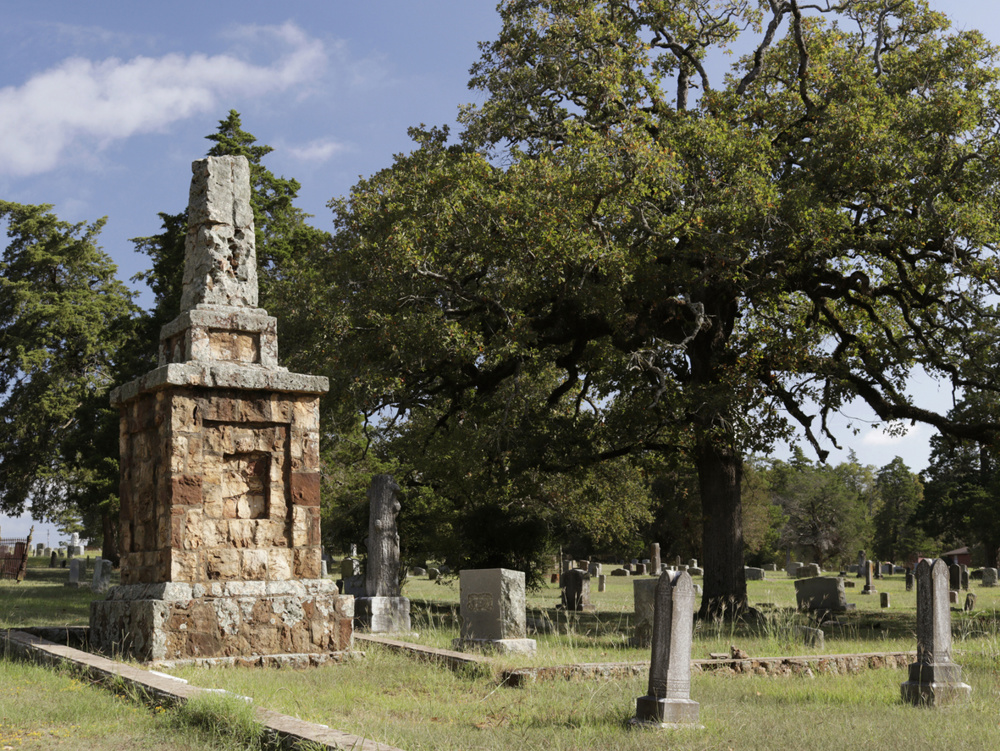
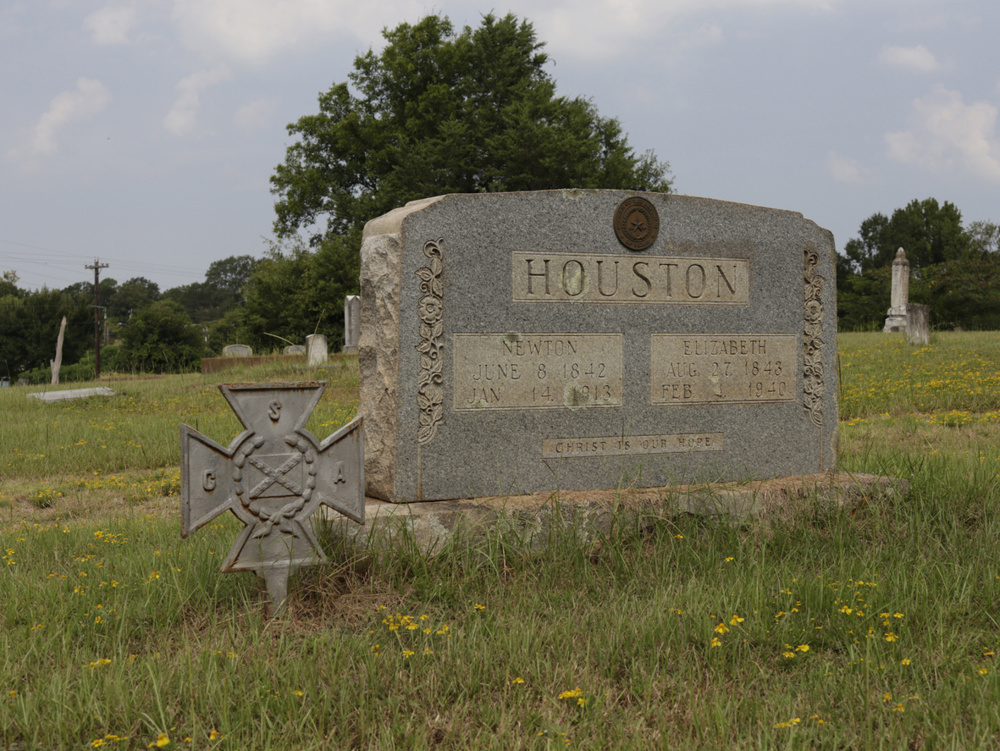
Texas cemeteries often hold clues about local history. Headstones can show family names, languages, military service, religious traditions, migration patterns, epidemics, and changing styles of memorial art.
But they also preserve environmental history. The trees, plants, and layout of a cemetery can reveal what people valued in a landscape. Some older cemeteries include native plants that were common before surrounding areas were paved or developed. Others contain ornamental trees and shrubs brought by settlers or planted as memorials.
In this way, cemeteries can be both cultural and natural archives. They show how communities remembered their dead, but also how they shaped and preserved land over time.
Why Texas Cemeteries Matter in Growing Cities
Texas cities have expanded rapidly, and that growth often reduces open land. Cemeteries can become important green spaces simply because they remain protected while the land around them changes.
In large metro areas, a cemetery may offer shade, old trees, and open ground in places where parks are limited. In smaller towns, cemeteries may preserve some of the oldest trees in the community.
They can also provide environmental benefits. Trees cool surrounding areas, absorb carbon dioxide, slow stormwater runoff, and support pollinators. Even modest cemetery landscapes can help connect wildlife between parks, creeks, yards, and other green spaces.
Walking Through a Cemetery With Respect
Cemeteries can be meaningful places to walk, but they are not ordinary parks. They are active places of burial and remembrance, so visitors should be thoughtful.
A respectful cemetery walk usually means staying on paths when possible, avoiding private services, not touching fragile markers, keeping voices low, and never disturbing flowers, flags, stones, or personal objects left at graves.
It also means paying attention to posted rules. Some cemeteries have visiting hours, limits on photography, or restrictions on pets. Older cemeteries may have uneven ground, hidden holes, or unstable stones, so careful walking is important.
What to Notice on a Quiet Cemetery Walk
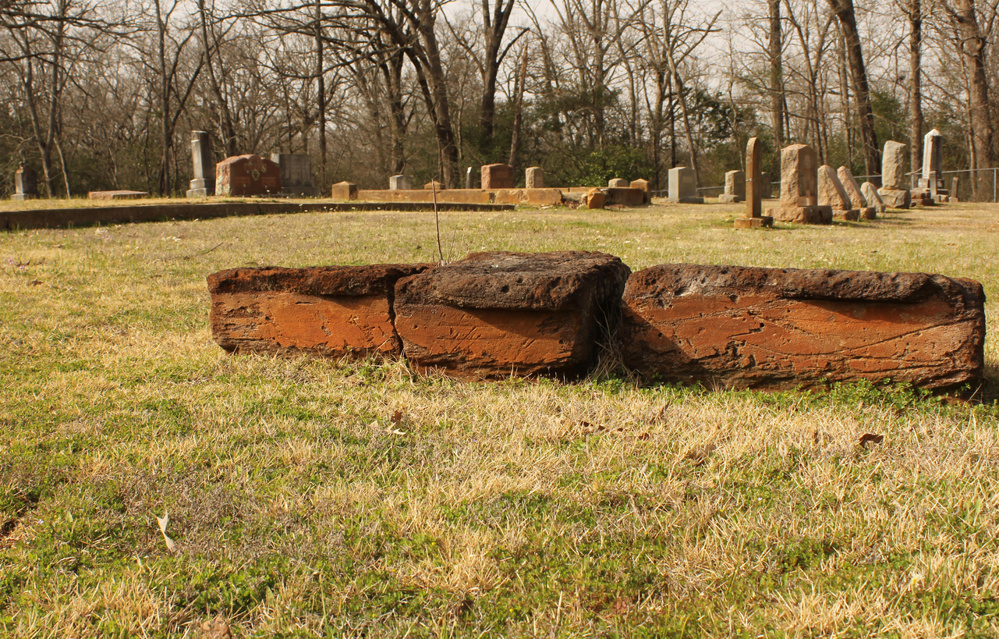
A cemetery walk can be surprisingly educational. Instead of moving quickly, visitors can observe small details that are easy to miss elsewhere.
Notice the oldest trees and how their shade changes the space. Look for birds in the branches, lichen on stone, wildflowers near fences, or carved symbols on grave markers. Read dates and names to understand how long a community has been in place. Notice whether the cemetery reflects one family, one church, one ethnic group, or a wider town history.
These details can turn a simple walk into a lesson about ecology, architecture, family history, and local identity.
A Different Kind of Green Space
Texas cemeteries became places for trees, wildlife, and quiet walks partly by design and partly by accident. They were built for remembrance, but their protected land, mature trees, and slower pace also made them valuable natural spaces.
In a state where cities keep growing and outdoor quiet can be hard to find, cemeteries offer something unusual. They are places where history and nature meet gently. A walk through one can remind visitors that green spaces do not always look like parks, and that even the most solemn landscapes can hold life, shade, and stillness.