

There are few outdoor experiences as memorable as watching fireflies light up a warm Texas evening.
For a few weeks each year, parks, forests, river corridors, and quiet country roads across the state become home to thousands of tiny flashing lights. Their brief displays transform familiar landscapes into something that feels almost magical, yet the phenomenon is entirely natural. Fireflies, also known as lightning bugs, use their flashes to communicate during mating season, and when conditions are right, large numbers of them can appear at the same time.
Many people are surprised to learn that Texas is home to dozens of firefly species. While the state is better known for bluebonnets, wildflowers, and spectacular sunsets, it also offers excellent opportunities to see fireflies if you know when to go and where to look.
Timing is important. Unlike birds or wildflowers that may be visible for months, firefly activity peaks during a relatively short period each year. Weather, rainfall, temperature, and habitat all influence when they appear.
If you hope to experience one of nature’s most beautiful nighttime displays, here’s what you should know before planning a trip.
Firefly Season Usually Begins in Late Spring
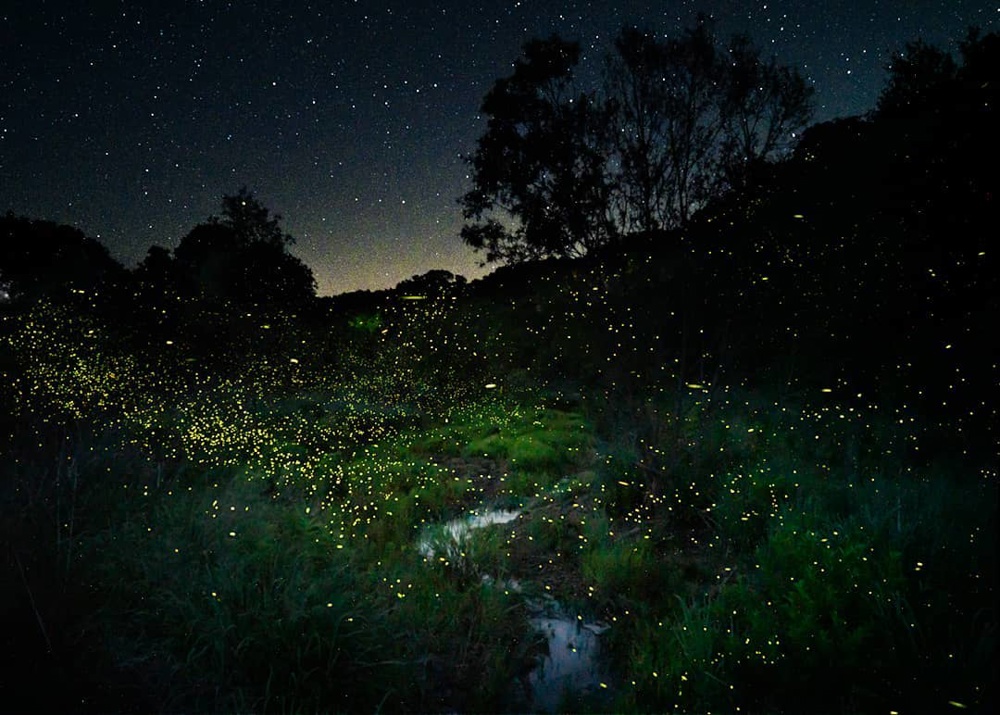
Across most of Texas, fireflies begin appearing in late April or May, with activity generally increasing through May and June.
The exact timing depends on location and weather. South Texas often sees fireflies earlier because warmer temperatures arrive sooner, while North Texas and East Texas may experience peak activity later in the spring.
A mild, wet spring usually produces the best viewing conditions. Fireflies spend much of their lives underground as larvae, where they depend on moist soil to survive. When spring brings adequate rainfall followed by warm evenings, adults begin emerging in greater numbers.
If the season has been unusually dry, firefly numbers may be lower than expected.
May and June Are Usually the Best Months
For most visitors, May and early June provide the most reliable opportunity to see fireflies. By this time, temperatures are consistently warm after sunset, vegetation is lush, and many species are actively searching for mates.
Activity often continues into July in some parts of the state, particularly in cooler or more heavily wooded regions, but the highest concentrations are generally seen earlier in the season.
Rather than choosing an exact calendar date, pay attention to local weather. Several warm evenings following spring rainfall often create ideal conditions.
The Best Time of Day Is Just After Sunset
View this post on Instagram
Fireflies are easiest to see shortly after darkness begins. The first flashes usually appear 20 to 40 minutes after sunset, with activity often increasing as the sky becomes fully dark.
Most displays remain strongest during the first hour or two after sunset before gradually declining later in the evening. Because artificial lighting makes fireflies harder to see, darker locations usually provide a much better experience than brightly lit parks or neighborhoods.
Allow your eyes several minutes to adjust after arriving. Avoid using flashlights unless necessary, and if you need light, consider covering a flashlight with red cellophane to reduce disturbance.
East Texas Offers Some of the Best Firefly Habitat
If you’re looking for reliable firefly viewing, East Texas should be at the top of your list. The region’s forests, creeks, wetlands, and higher rainfall create excellent habitat for many firefly species. Moist woodlands provide the shaded environment that both larvae and adults prefer.
One of the best places to visit is Tyler State Park. The park’s pine forests, lakeside trails, and wooded picnic areas create ideal conditions for fireflies during late spring. Evening walks around the lake and forest edges often provide good viewing opportunities when the weather cooperates.
Nearby Daingerfield State Park is another excellent option. Surrounded by tall pine trees and a peaceful lake, the park becomes especially beautiful on warm evenings when fireflies begin flashing beneath the forest canopy.
Caddo Lake Is a Unique Place to See Fireflies
Few places in Texas feel more mysterious than Caddo Lake. Located along the Texas-Louisiana border, the lake is famous for its towering bald cypress trees, Spanish moss, wetlands, and maze of bayous. These damp conditions also create excellent habitat for fireflies.
Visitors staying in cabins, campgrounds, or nearby lodges may notice fireflies along wooded trails, shoreline areas, and quiet roads after sunset. While Caddo Lake is well known for birdwatching and paddling, spring evenings offer another reason to visit.
The combination of moss-covered trees, calm water, and glowing fireflies creates one of the most atmospheric outdoor experiences in Texas.
Bastrop State Park Is a Central Texas Favorite
In Central Texas, Bastrop State Park regularly attracts visitors hoping to see fireflies.The park’s Lost Pines ecosystem provides a mix of pine forest, shaded understory, and open clearings where fireflies often appear during late spring.
After a day of hiking or exploring nearby Bastrop, visitors can remain in the park through dusk and watch the woods gradually fill with flashing lights. Camping overnight often provides the best opportunity because there is no need to rush home after sunset.
Pedernales Falls State Park Can Surprise Visitors
Although better known for its river scenery, Pedernales Falls State Park can also offer good firefly viewing during the right conditions. Wooded areas near the Pedernales River provide suitable habitat, particularly following periods of spring rainfall.
The park is less predictable than East Texas destinations, but visitors spending the evening camping or staying nearby sometimes enjoy impressive displays. If you’re already planning a Hill Country trip during May, staying after sunset can be worthwhile.
Big Thicket National Preserve Is Excellent for Wildlife
The Big Thicket National Preserve near Beaumont contains one of the most biologically diverse ecosystems in Texas. Its forests, wetlands, streams, and hardwood bottoms support countless species of wildlife, including several types of fireflies.
The preserve’s dense vegetation and moist environment make it one of the state’s strongest natural habitats for lightning bugs. Because Big Thicket is relatively undeveloped, visitors should prepare carefully for nighttime outings by bringing insect repellent, appropriate footwear, and a flashlight for trail safety.
Guadalupe River State Park
The wooded river corridor at Guadalupe River State Park can provide another enjoyable location for watching fireflies. Moist vegetation along the river creates favorable conditions, particularly during wetter springs.
Fireflies are not guaranteed every evening, but visitors camping or staying late often report seeing scattered displays near wooded areas and trails. The river also makes this a good destination for combining daytime recreation with evening wildlife viewing.
Fireflies Can Be Found in City Parks Too
You do not always need to travel deep into the countryside. Some urban parks and greenbelts around Texas cities support healthy firefly populations, especially where wooded creeks and native vegetation remain.
- In Houston, sections of Memorial Park and the Houston Arboretum & Nature Center occasionally host fireflies during peak season.
- Around Dallas-Fort Worth, wooded portions of the Trinity River Audubon Center and some creek corridors may also produce sightings.
- Austin’s Lady Bird Johnson Wildflower Center and nearby natural areas sometimes see fireflies as well.
Urban sightings are generally less dramatic than those in larger natural areas because artificial lighting can reduce visibility.
Weather Makes a Big Difference
One of the biggest factors affecting firefly activity is weather.
- Warm evenings with temperatures above about 70°F, high humidity, and light winds usually produce the best displays.
- Heavy rain during the evening may reduce activity temporarily, while drought can significantly reduce firefly numbers throughout the season.
- Cloud cover is not necessarily a problem. In fact, humid evenings after afternoon rain often create excellent viewing conditions.
Protect the Fireflies While Watching Them
Fireflies have experienced population declines in some parts of the world due to habitat loss, excessive outdoor lighting, and pesticide use.
Fortunately, visitors can help protect them with a few simple practices.
- Avoid catching fireflies unless absolutely necessary, and release any that are handled.
- Stay on designated trails instead of walking through tall vegetation.
- Minimize flashlight use, avoid shining bright lights directly into firefly habitats, and never spray insecticides in viewing areas.
- If taking photographs, avoid repeated flash photography, which can disrupt natural behavior.
- Respecting their habitat helps ensure future visitors can enjoy the same experience.
Tips for Planning a Firefly Trip
Planning ahead can make the difference between seeing a few scattered flashes and witnessing an impressive display.
- Start by choosing a destination known for healthy forest or wetland habitat.
- Monitor spring rainfall, aim for warm evenings in May or early June, and arrive before sunset so you can become familiar with the area while it is still light.
- Wear long sleeves and insect repellent to protect against mosquitoes, especially in wooded or wet environments.
- If you’re camping, consider spending at least two nights.
- Firefly activity varies from one evening to the next, and an extra night improves your chances of seeing a strong display.
Fireflies Are Worth the Wait
Unlike many outdoor attractions, fireflies cannot be scheduled. Their appearance depends on weather, habitat, and natural timing, which makes every successful sighting feel a little more special. Even if you have seen them before, no two evenings look exactly the same.
Texas offers a remarkable variety of places where these insects still thrive, from the pine forests of East Texas and the wetlands of Caddo Lake to the rivers, state parks, and wooded preserves scattered across Central Texas.
If you visit during late spring, choose a dark location, and give nature time to work, you may be rewarded with one of the state’s most unforgettable nighttime experiences.
Watching hundreds of tiny lights drift through the trees on a warm Texas evening is a reminder that some of the best outdoor moments happen quietly—and only for those willing to slow down long enough to see them.