

Texas is one of the best places in the United States for birdwatching. The state sits along major migration routes, has a wide range of habitats, and offers birds everything from oak trees and grasslands to wetlands, deserts, city parks, and backyard feeders.
You do not need to travel far to enjoy Texas birdlife. Many of the state’s most familiar birds show up right outside the window, along neighborhood sidewalks, at schoolyards, in city parks, and around ponds. Some are year-round residents. Others appear during certain seasons as they migrate through the state.
Learning to recognize common Texas birds can make everyday outdoor time more interesting. A quick walk through a park can turn into a chance to notice color, sound, behavior, and movement. Here are some of the birds you are most likely to see in Texas backyards and parks.
Northern Cardinal
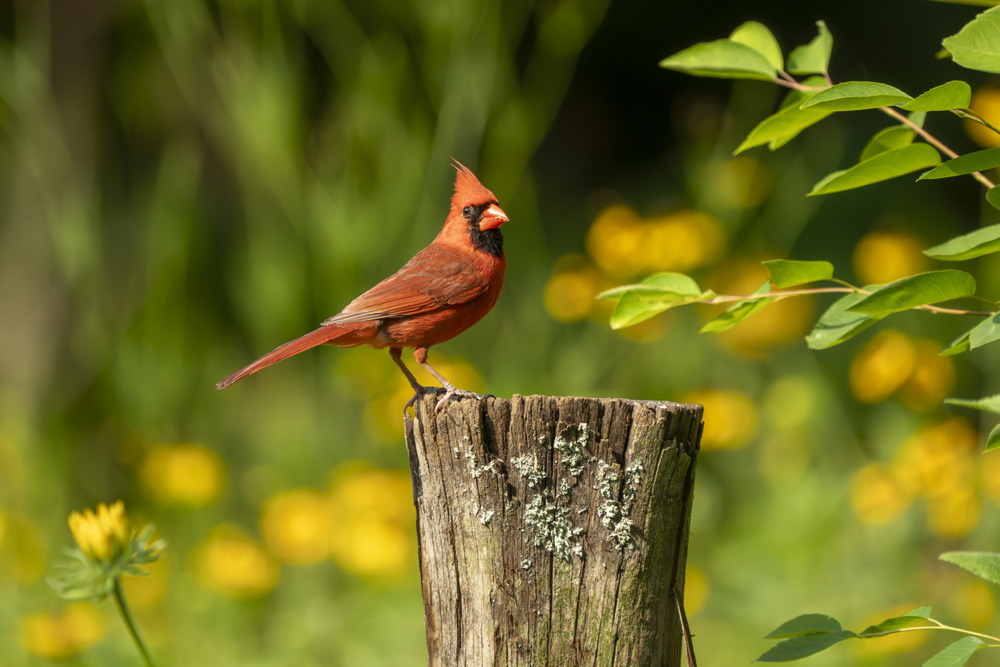
The Northern Cardinal is one of the easiest birds to recognize in Texas. The male has bright red feathers, a black mask around the face, and a thick orange-red bill. The female is softer in color, usually warm brown or tan, with reddish highlights on the wings, crest, and tail.
Cardinals are common across much of Texas and can be seen throughout the year. They often visit feeders, especially when sunflower seeds are available. They also like shrubs, thickets, and brushy areas where they can hide and nest.
One reason cardinals are so loved is their clear, whistling song. They often sing from trees, fence lines, or tall shrubs. Males and females both sing, which is not true of every songbird species.
Blue Jay
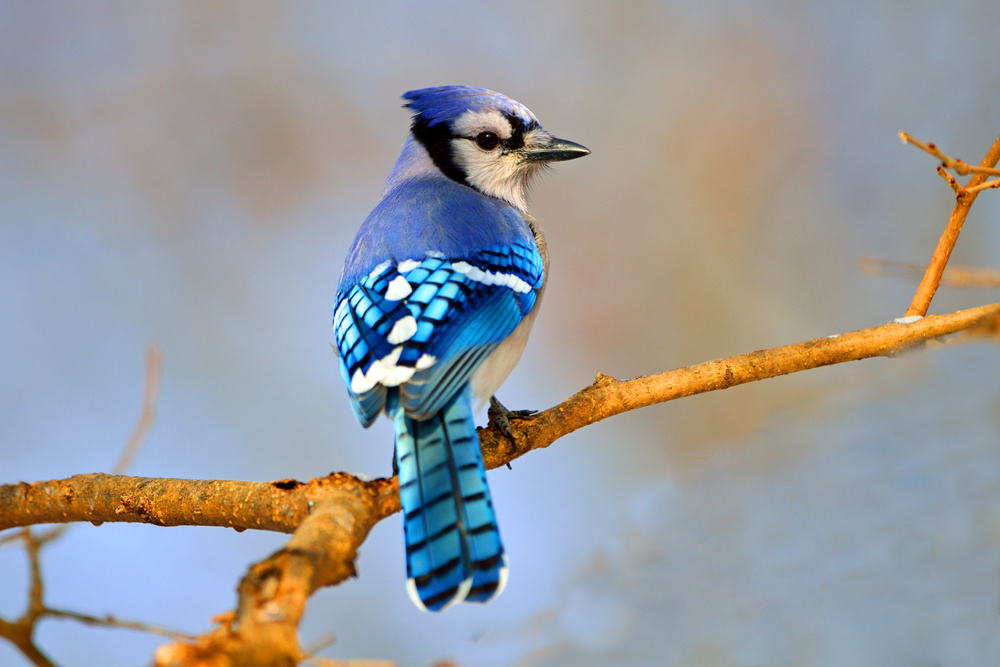
The Blue Jay is bold, noisy, and hard to miss. It has bright blue, white, and black markings, along with a crest on its head. Blue Jays are intelligent birds and are known for their loud calls, curious behavior, and strong personalities.
In Texas, Blue Jays are common in wooded neighborhoods, parks, and yards with mature trees. They eat a wide variety of foods, including insects, seeds, acorns, fruit, and sometimes eggs or nestlings from other birds.
Blue Jays often store food for later. They are especially fond of acorns, and their habit of carrying and burying them can help spread oak trees. Their loud calls may sound harsh, but they also serve an important purpose. Jays often alert other birds when a hawk, cat, or other threat is nearby.
Mourning Dove
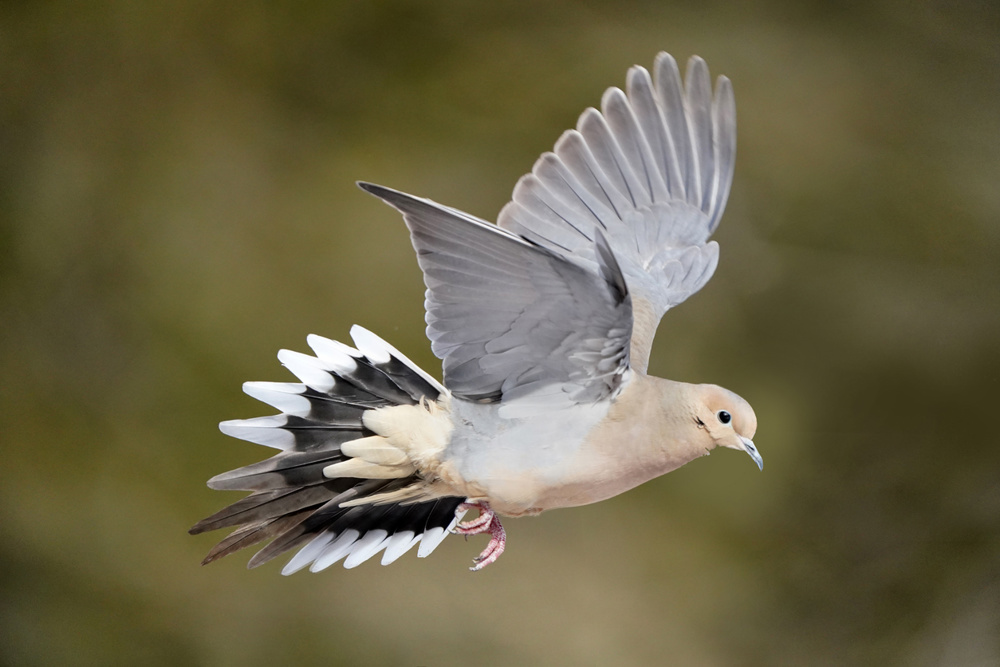
Mourning Doves are gentle-looking birds with soft gray-brown feathers, small heads, and long pointed tails. They are named for their low, sad-sounding call, which is often heard in the morning or evening.
These doves are common across Texas and are often seen on power lines, fences, rooftops, lawns, and open ground. They usually feed on seeds and often walk along the ground while searching for food.
Mourning Doves are fast flyers. When they take off, their wings may make a whistling sound. They are also known for building simple, fragile nests, often made of only a few twigs.
Great-tailed Grackle
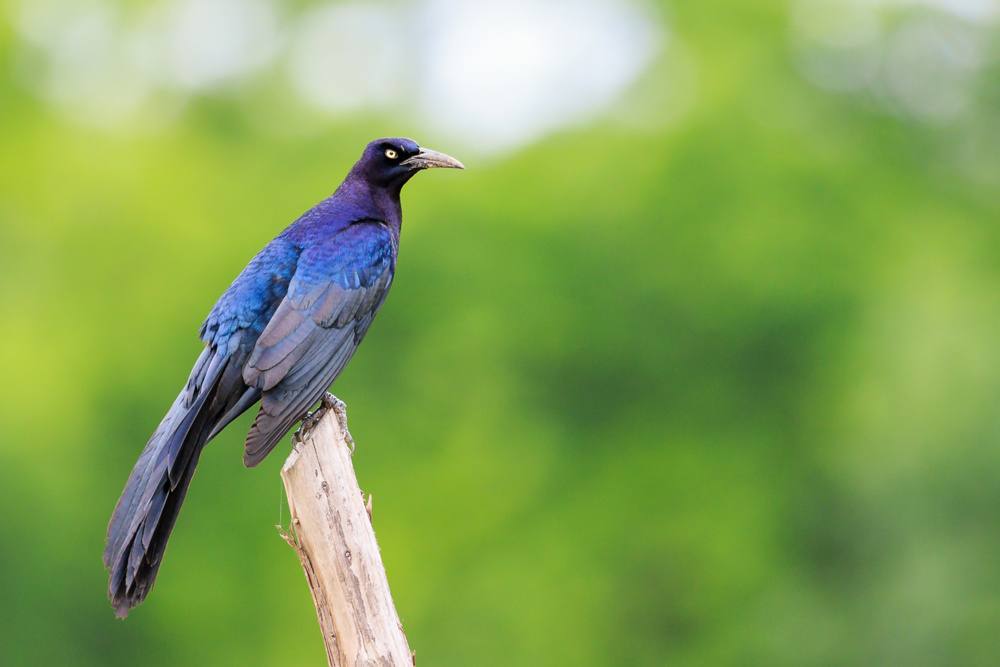
The Great-tailed Grackle is one of the most familiar birds in Texas cities and towns. Males are glossy black with long, dramatic tails and bright yellow eyes. Females are smaller and brown, with a lighter chest and face.
These birds are common in parking lots, parks, grocery store areas, lawns, and near water. They are social and often gather in large groups, especially in the evening.
Great-tailed Grackles are known for their wide range of sounds. Their calls can include whistles, clicks, rattles, and squeaks. They are clever and adaptable, which helps explain why they do so well around people.
Mockingbird
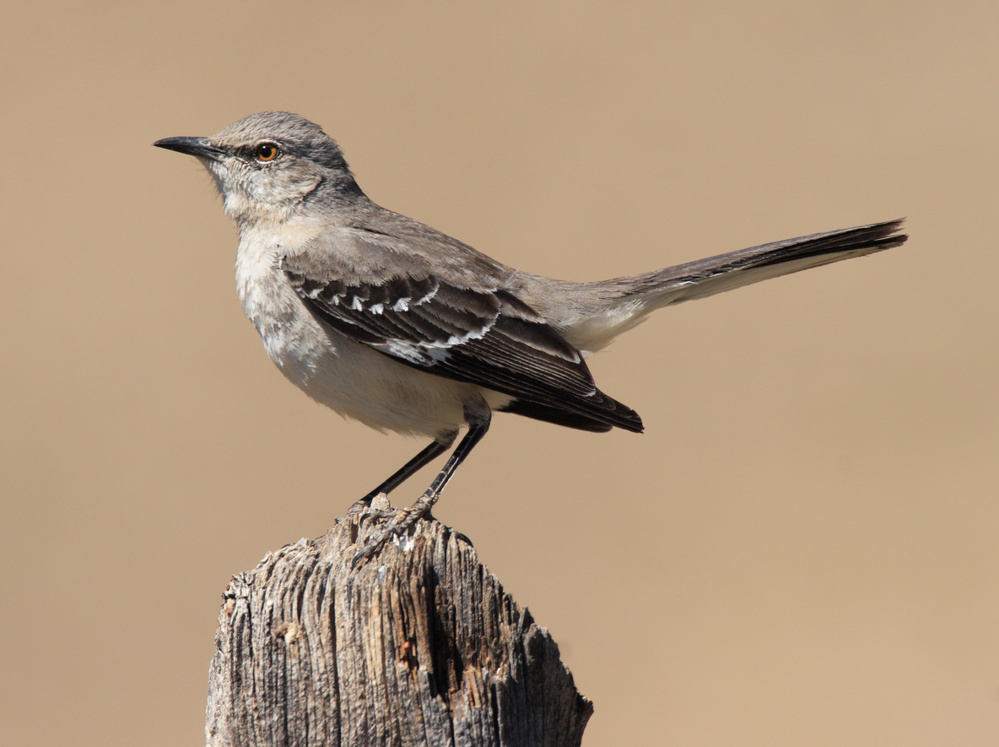
The Northern Mockingbird is the state bird of Texas, and for good reason. It is common, active, and easy to hear. Mockingbirds are gray and white, with long tails and white wing patches that flash when they fly.
Mockingbirds are famous for copying sounds. They can imitate other birds, car alarms, sirens, and other noises from their surroundings. A single mockingbird may repeat many different songs from a high perch.
These birds are often seen in yards, parks, parking lots, and open areas with scattered trees. They eat insects, berries, and fruit. During nesting season, they can become very protective and may chase away cats, dogs, hawks, crows, or even people who get too close to their nest.
House Finch
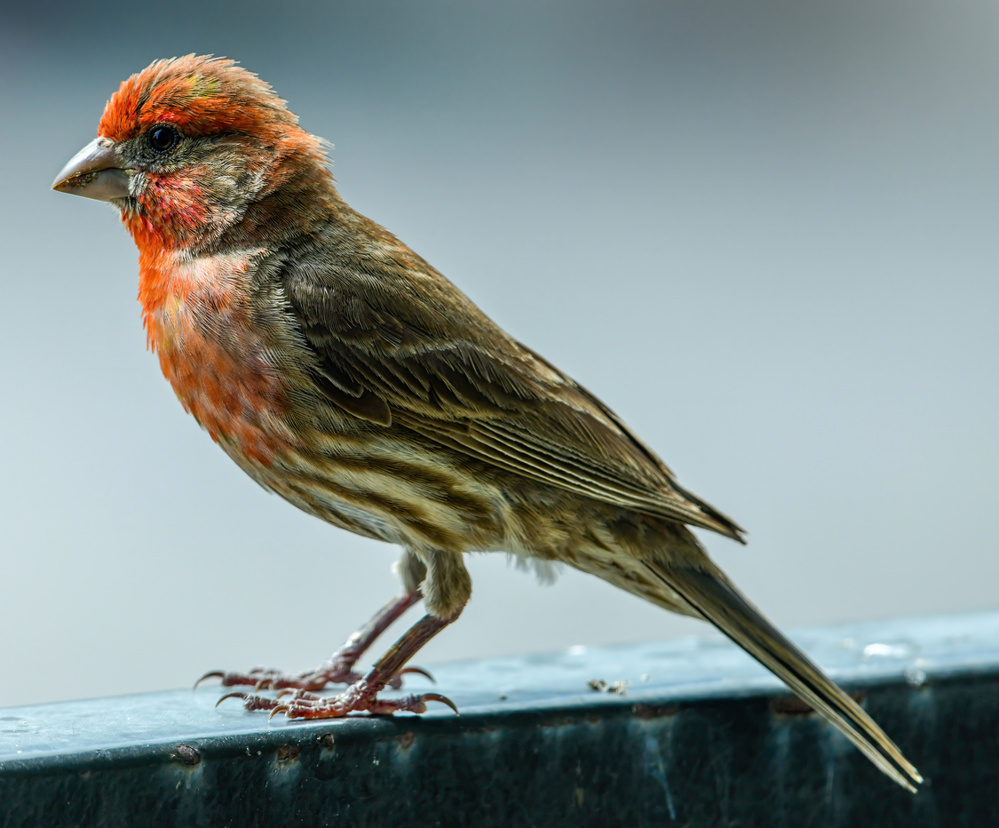
House Finches are small, cheerful birds often seen around homes, feeders, and city parks. Males usually have red or reddish-orange coloring on the head, chest, and rump. Females are brown and streaked, which helps them blend into their surroundings.
These birds are common in many Texas neighborhoods. They often travel in small groups and make pleasant, warbling songs.
House Finches eat seeds, buds, fruit, and plant material. They are frequent visitors to feeders and are especially drawn to sunflower seeds. They may also nest on porch lights, ledges, hanging baskets, and other sheltered spots near homes.
Carolina Chickadee
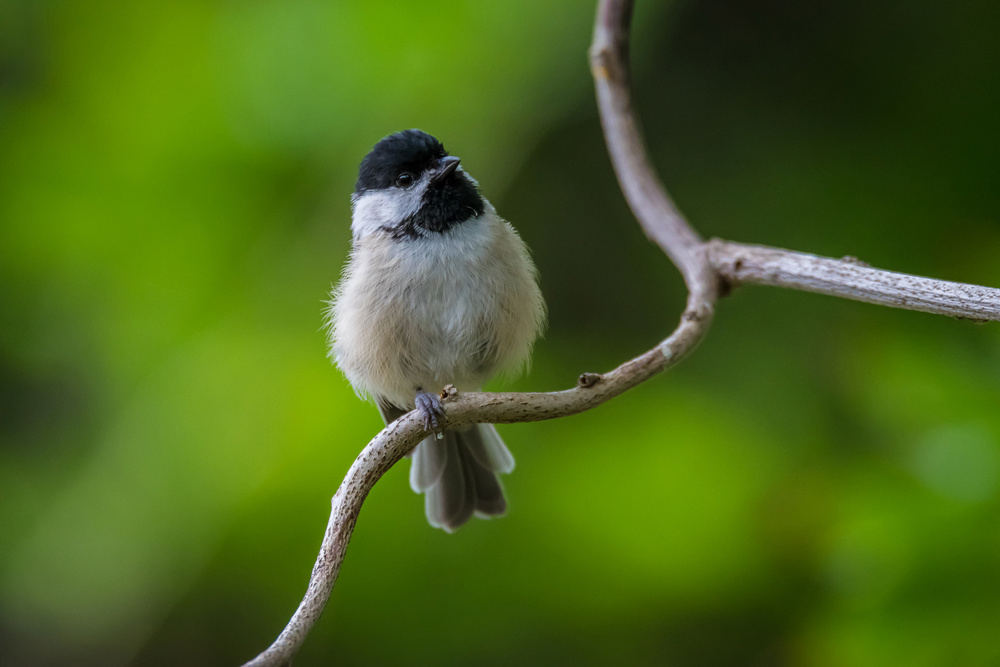
The Carolina Chickadee is a small bird with a black cap, white cheeks, gray back, and pale underside. It is quick, curious, and often seen hopping through tree branches while searching for insects.
Chickadees are common in wooded parts of eastern and central Texas. They like parks, neighborhoods with trees, and natural areas with oaks, elms, or other mature trees.
These birds are known for their “chick-a-dee-dee-dee” call. They may also visit feeders, especially for sunflower seeds, suet, or peanuts. Their tiny size can make them easy to overlook, but their bold behavior often gives them away.
Carolina Wren
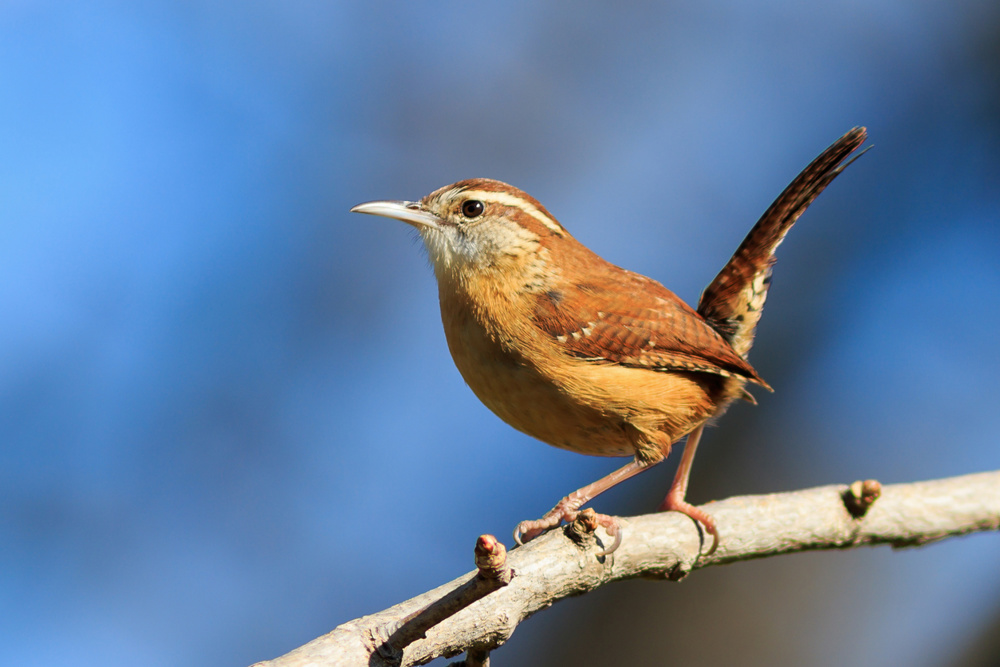
The Carolina Wren is a small brown bird with a warm reddish-brown back, pale eyebrow stripe, and upright tail. It has a loud voice for such a small bird.
Carolina Wrens are often heard before they are seen. Their song is loud, repeated, and clear. They like brush piles, shrubs, woodpiles, gardens, and wooded areas.
These wrens eat insects and spiders, making them helpful backyard visitors. They may nest in unusual spots, including flowerpots, mailboxes, hanging baskets, shelves, or garage corners. They are active birds that seem to always be moving.
Red-bellied Woodpecker
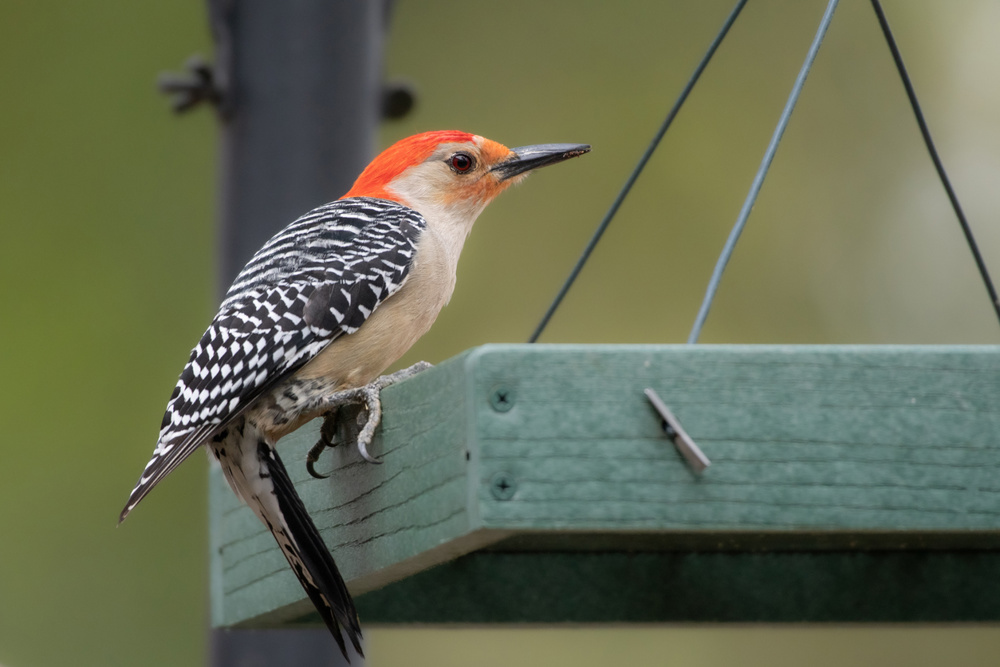
The Red-bellied Woodpecker can be confusing at first because the red on its belly is often hard to see. The most noticeable feature is the red on the head and neck. It also has a black-and-white barred back.
This woodpecker is common in many wooded areas of Texas, especially in the eastern and central parts of the state. It visits parks, neighborhoods with old trees, and backyard feeders.
Red-bellied Woodpeckers use their strong bills to search for insects in bark. They also eat nuts, fruit, and seeds. At feeders, they may come for suet, peanuts, or sunflower seeds.
Downy Woodpecker
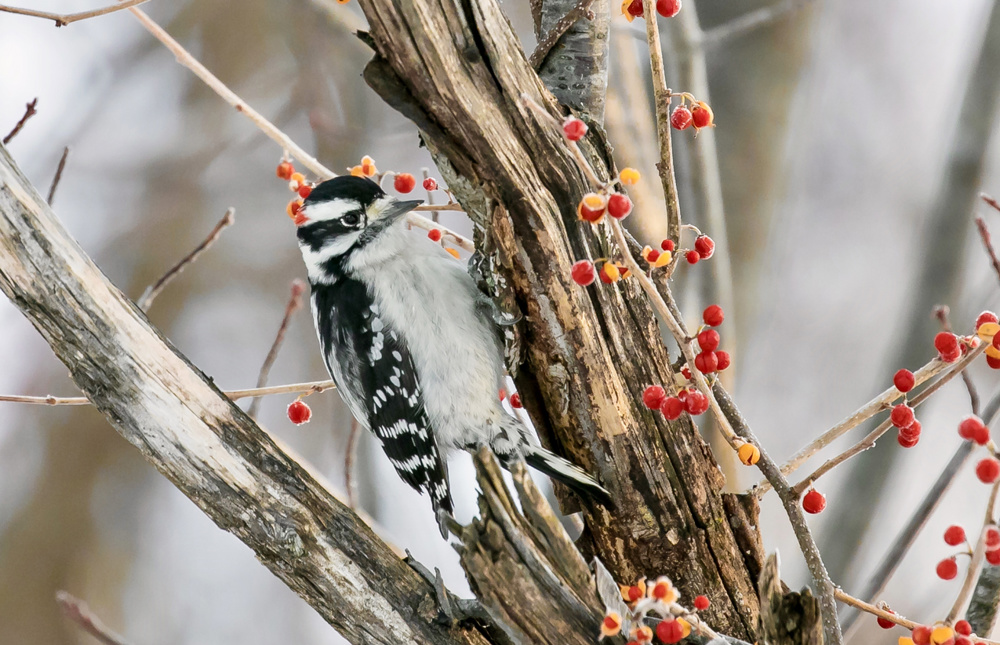
The Downy Woodpecker is one of the smallest woodpeckers in North America. It has black-and-white markings and a short bill. Males have a small red patch on the back of the head.
Downy Woodpeckers are often found in parks, wooded yards, and areas with trees. They move along trunks and branches, tapping gently as they search for insects.
Because they are small and active, they can be fun to watch. They may visit suet feeders and sometimes join mixed groups of birds in winter.
American Robin
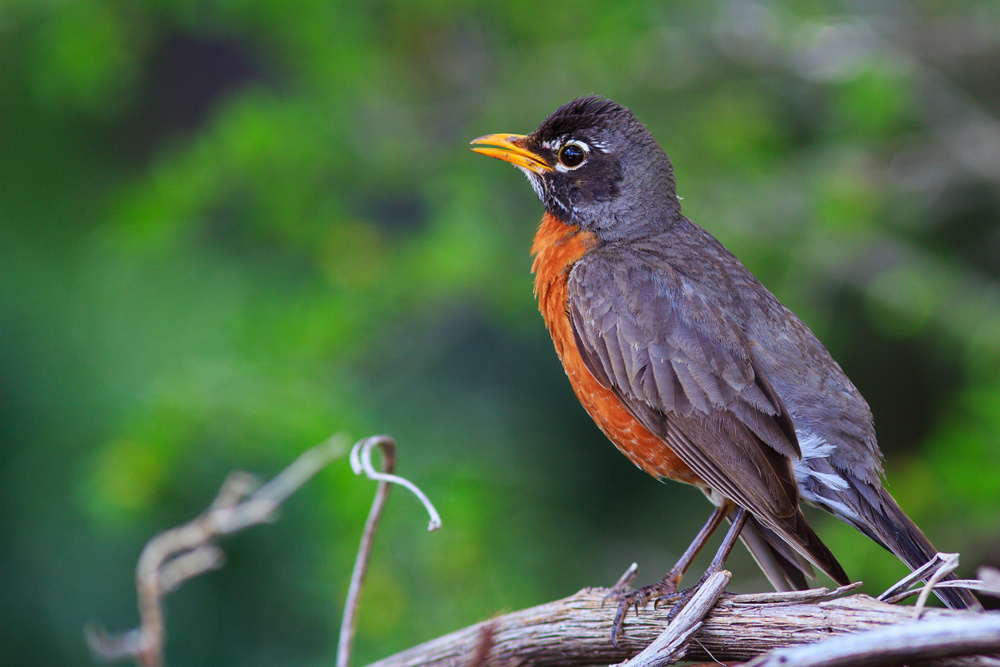
The American Robin is easy to recognize by its orange-red breast, gray-brown back, and upright posture. Many people associate robins with lawns, where they search for earthworms and insects.
In Texas, robins may be seen during much of the year, though their numbers often increase during cooler months in some areas. They gather in parks, yards, fields, and wooded neighborhoods.
Robins also eat berries and fruit. In winter, they may appear in large flocks, moving through trees and shrubs as they feed.
European Starling
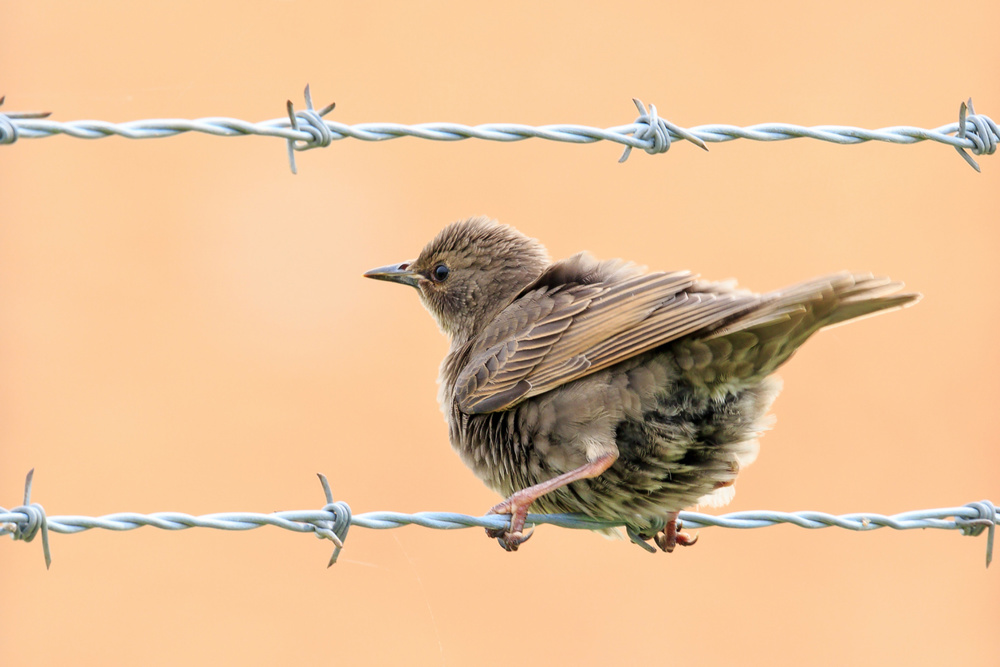
The European Starling is a common bird in Texas towns, cities, and farms. It has dark glossy feathers that can shine with green and purple in good light. During part of the year, its feathers are speckled with pale spots.
Starlings are strong, adaptable birds. They often gather in large groups and can be seen on lawns, parking lots, power lines, and rooftops. Their calls include whistles, clicks, and harsh chatter.
Although they are interesting to watch, starlings are not native to North America. They can compete with native cavity-nesting birds for nest sites. Even so, they are now a familiar part of the Texas bird scene.
House Sparrow
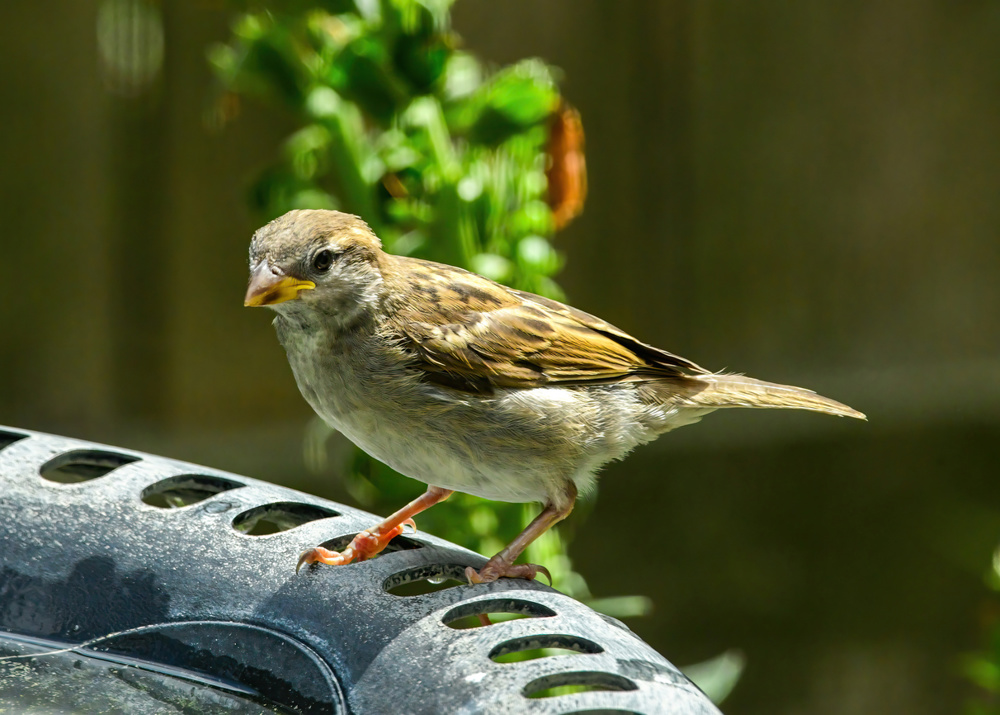
House Sparrows are small, sturdy birds often found near people. Males have a gray head, black bib, brown back, and white cheeks. Females are plain brown with lighter underparts and a pale eyebrow stripe.
These birds are common around stores, restaurants, schools, parks, and neighborhoods. They often nest in building gaps, signs, vents, and other sheltered spaces.
Like starlings, House Sparrows are not native to North America. They are very adaptable and often live close to human activity. They eat seeds, crumbs, insects, and many other foods.
White-winged Dove
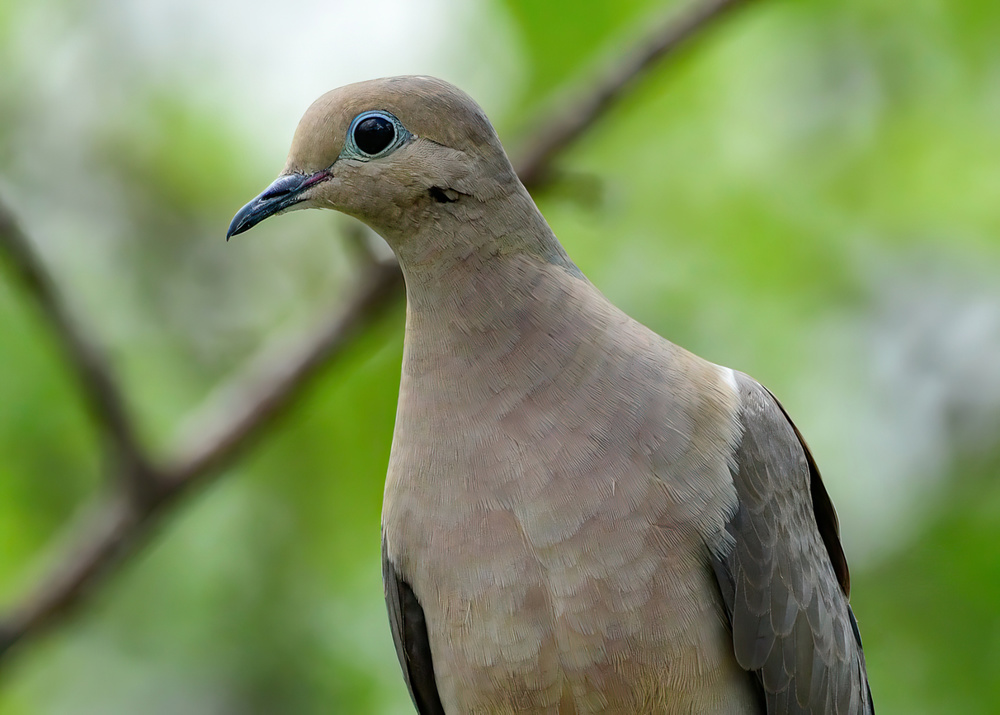
The White-winged Dove is larger than the Mourning Dove and has a bold white stripe on each wing. It also has a bluish eye ring and a heavier body.
White-winged Doves are especially common in South Texas and many urban areas, though their range has expanded over time. They often visit feeders and are fond of seeds and grains.
Their call is different from the softer sound of the Mourning Dove. In warm months, White-winged Doves can be very vocal. They are often seen in groups, especially around feeders, trees, and rooftops.
Black-crested Titmouse
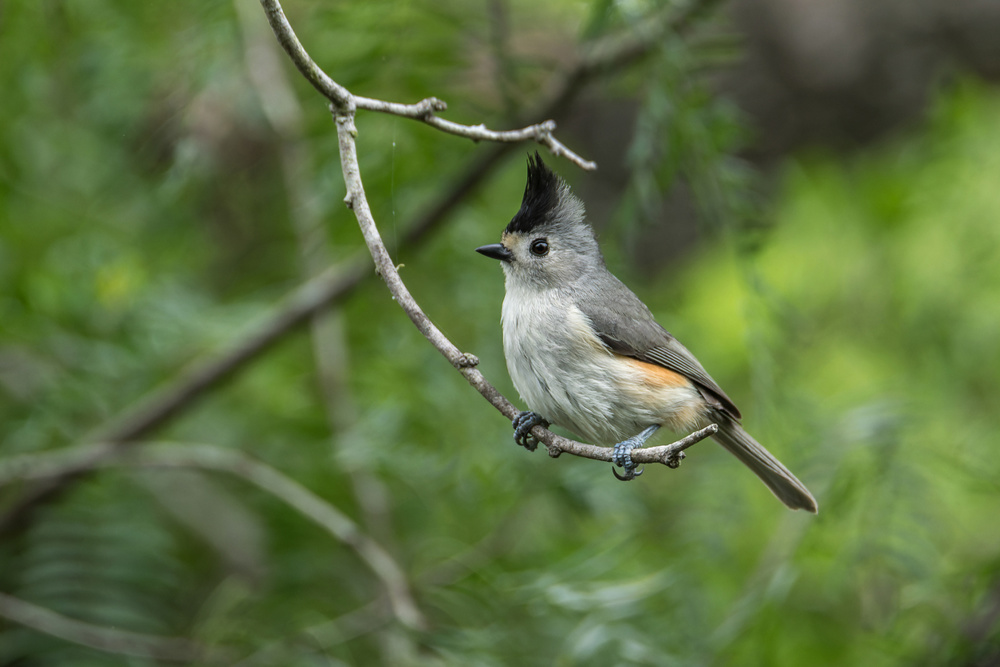
The Black-crested Titmouse is a small gray bird with a pointed black crest on its head. It is common in central and southern Texas, especially in oak woodlands, parks, and wooded yards.
These birds are quick and lively. They search bark, leaves, and branches for insects. They also eat seeds and may visit feeders.
Their calls are clear and noticeable, often sounding like repeated whistles. Because of their crest and active behavior, they can be fairly easy to identify once you know what to look for.
Eastern Phoebe
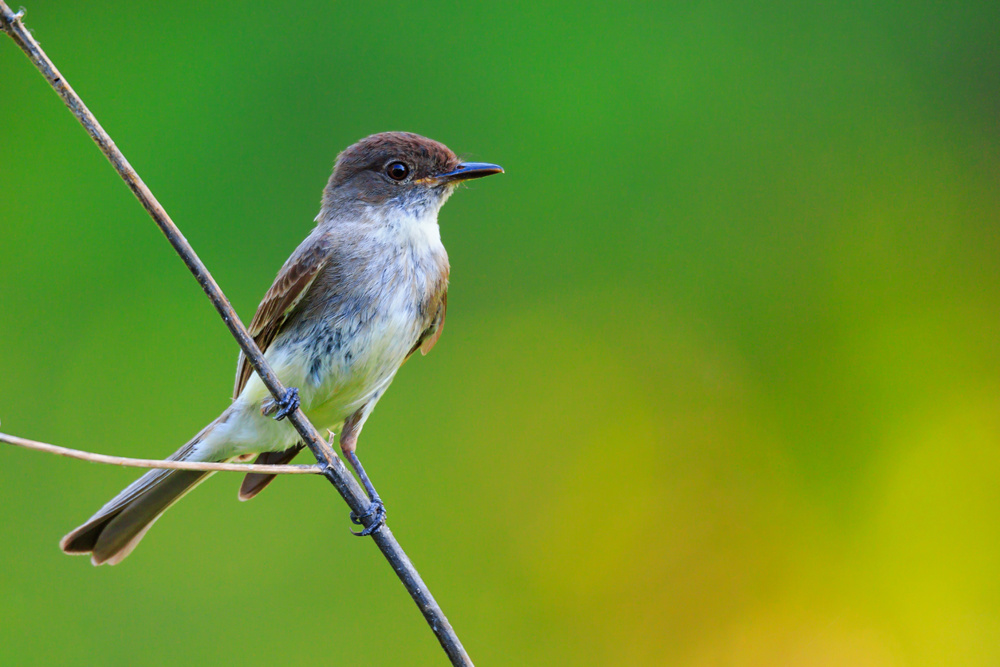
The Eastern Phoebe is a small flycatcher with a plain gray-brown body and pale underside. One helpful clue is its habit of wagging its tail while perched.
Phoebes are often found near bridges, porches, parks, creeks, and wooded edges. They catch flying insects by sitting on a perch, flying out to grab prey, and returning to the same or a nearby spot.
Their call sounds like their name: “fee-bee.” They are not as colorful as some backyard birds, but their behavior makes them interesting to watch.
Barn Swallow
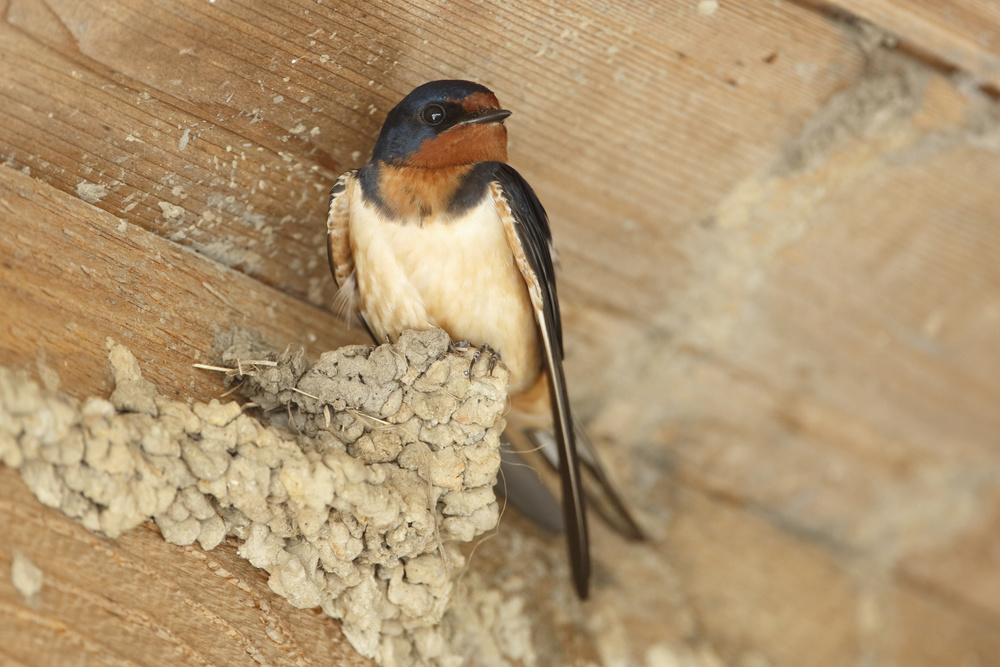
Barn Swallows are graceful birds with long pointed wings, forked tails, blue backs, and rusty-colored throats. They are often seen flying low over fields, ponds, parks, and open areas.
These birds catch insects in the air. Their flight is fast and smooth, with quick turns and dips. They often nest under bridges, porches, barns, and other structures.
Barn Swallows are more common during the warmer months. Seeing them swoop over a park or pond is a good reminder that many birds help control insect populations naturally.
Great Egret
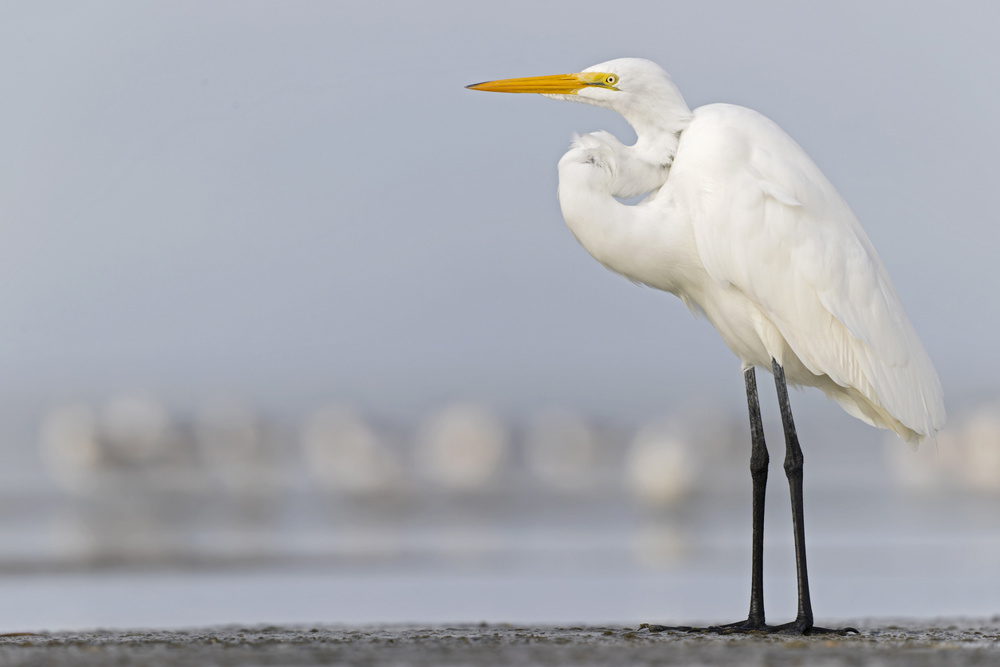
In Texas parks with ponds, lakes, or wetlands, you may see the Great Egret. This tall white bird has a long neck, long legs, and a yellow bill.
Great Egrets hunt by standing still or walking slowly through shallow water. They feed on fish, frogs, insects, and other small animals.
Their size and bright white feathers make them easy to notice. They are elegant birds, but they are also skilled hunters with quick reflexes.
Great Blue Heron
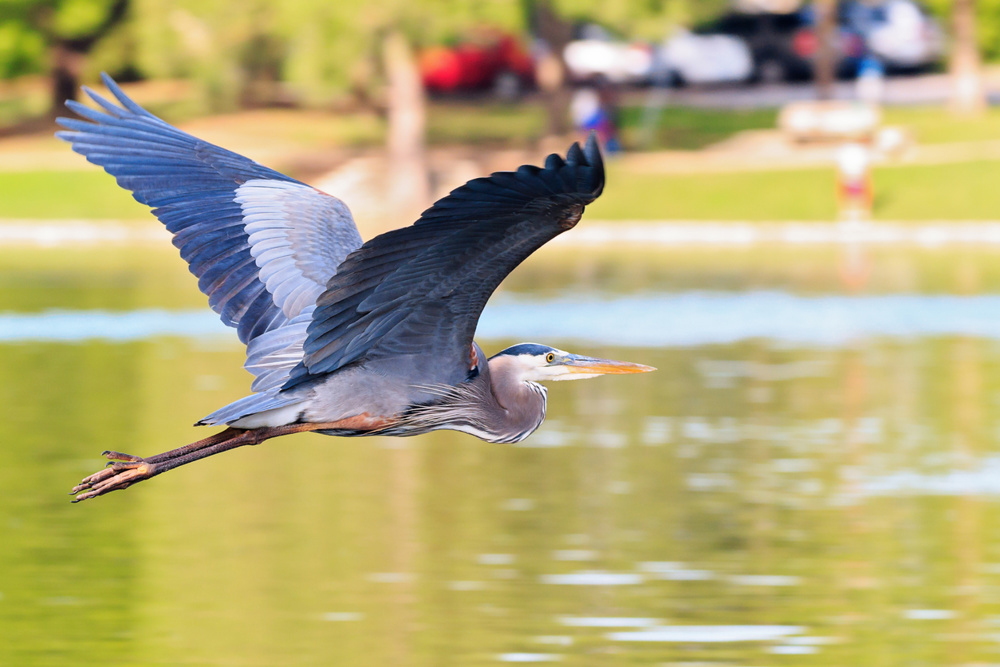
The Great Blue Heron is one of the largest birds you may see around Texas ponds, rivers, lakes, and wetlands. It has long legs, a long neck, a dagger-like bill, and blue-gray feathers.
These herons often stand motionless near water, waiting for fish or frogs to come close. When they strike, they move with surprising speed.
In flight, the Great Blue Heron folds its neck into an S-shape and beats its wide wings slowly. Its large size makes it one of the most impressive birds to spot in a city park.
Red-tailed Hawk
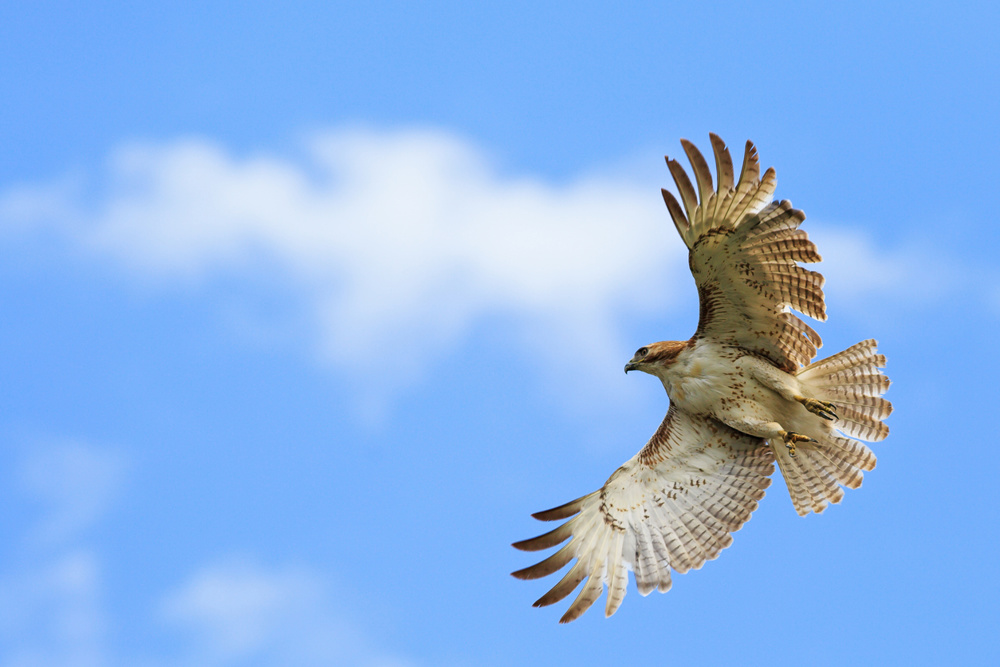
The Red-tailed Hawk is a common raptor in Texas. It is often seen soaring high in the sky or perched on poles, trees, and highway signs. Adults usually have a reddish-brown tail, though it may be easier to see when the bird is flying.
These hawks hunt rodents, snakes, rabbits, and other small animals. Parks, fields, open spaces, and roadsides all provide hunting areas.
You may hear their sharp, screaming call in movies and television, where it is often used as the classic sound of a bird of prey. In real life, hearing that call overhead can make you look up fast.
Turkey Vulture
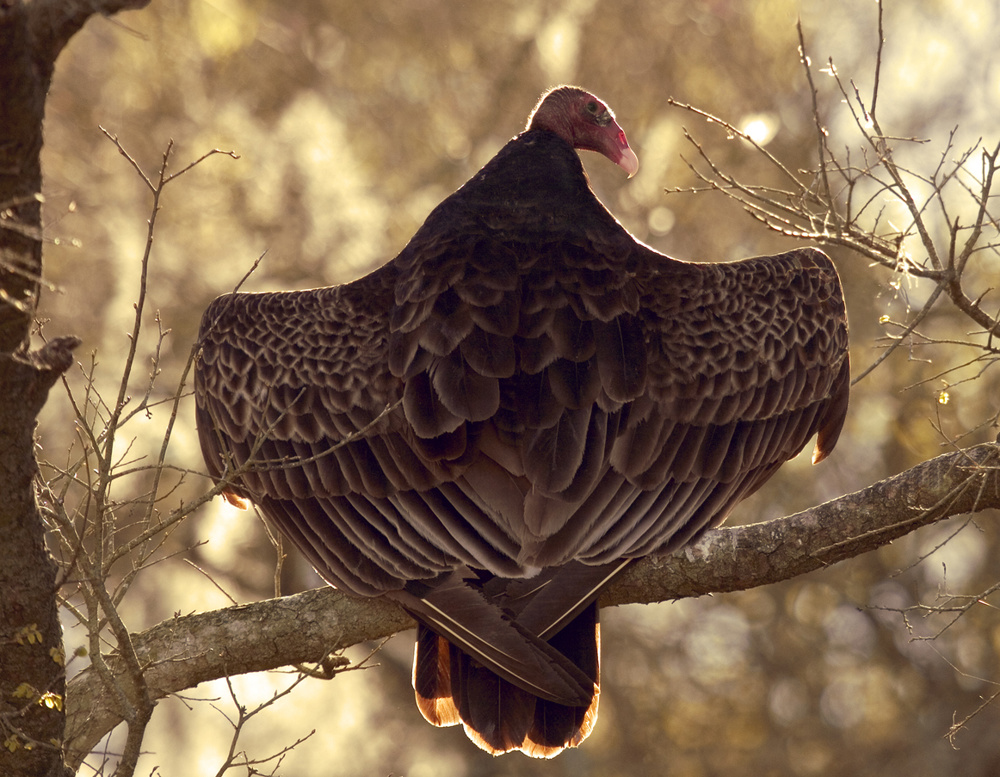
Turkey Vultures are large dark birds often seen circling in the sky. They hold their wings in a slight V-shape and rock gently as they soar.
These birds play an important role in nature by feeding on dead animals. This helps clean the environment and reduce the spread of disease.
Turkey Vultures have red, featherless heads, which can be hard to see from a distance. They are common across Texas and often glide for long periods without flapping much.
How to Attract Birds to Your Yard
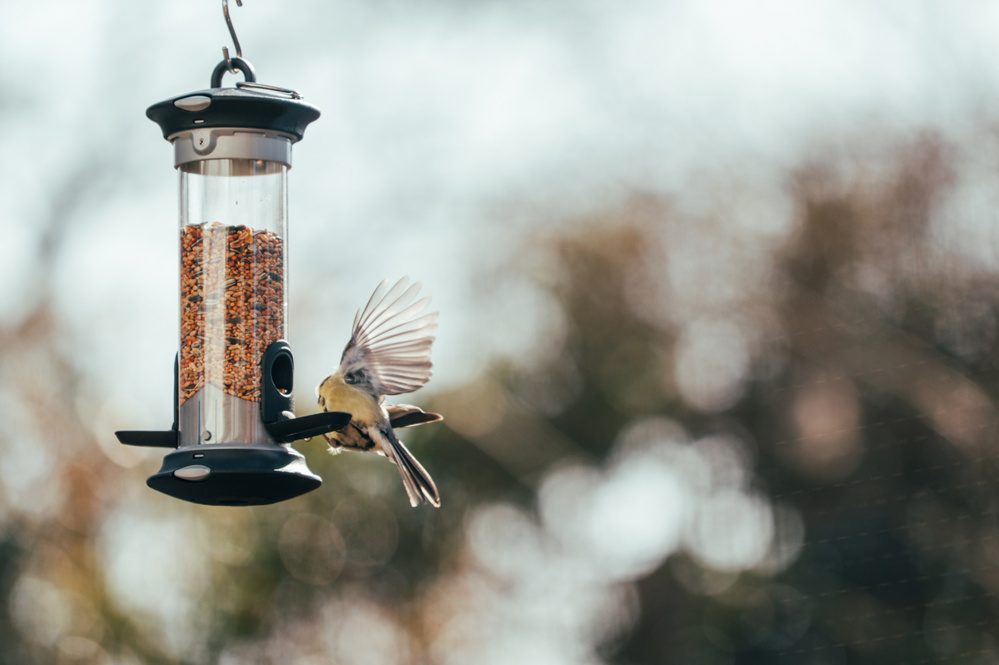
You can make a Texas backyard more welcoming to birds with a few simple changes. Native plants are especially helpful because they provide food, shelter, and nesting spots.
Bird feeders can also bring in cardinals, finches, chickadees, doves, and woodpeckers. Sunflower seeds, suet, and clean water are good starting points.
A birdbath can attract many species, especially during hot Texas weather. Keep the water fresh and place it where birds can watch for danger.
Avoid using pesticides when possible. Many birds eat insects, and a healthy insect population supports nesting birds and their young.
Tips for Watching Birds in Texas

Birdwatching does not require expensive equipment. A basic pair of binoculars and a simple field guide or birding app can help you identify what you see.
The best times to watch birds are often early morning and late afternoon. Birds are usually more active when temperatures are cooler.
Pay attention to shape, size, color, sound, and behavior. A bird’s actions can be just as helpful as its appearance. For example, woodpeckers climb tree trunks, phoebes wag their tails, and vultures soar with very little flapping.
Why Backyard Birds Matter
Common birds may seem ordinary because we see them often, but they are an important part of the Texas environment. They spread seeds, eat insects, clean up carrion, and help keep ecosystems balanced.
They also connect people to the outdoors. Watching a cardinal sing from a fence or a heron hunt beside a pond can make a familiar place feel new again.
Texas has hundreds of bird species, but you can start with the ones close to home. The next time you step into a backyard, walk through a park, or sit near a pond, take a closer look. There is a good chance a few feathered neighbors are already nearby.