

Texas is often associated with wide-open highways, sprawling ranches, and big-city skylines, but it is also one of the most diverse hiking states in the country. Within a single state, hikers can explore desert mountains, pine forests, limestone canyons, coastal wetlands, rugged river valleys, rolling prairies, and dramatic overlooks.
One reason hiking in Texas is so rewarding is that no two regions feel exactly alike. A trail in the Chihuahuan Desert of West Texas offers a completely different experience than a hike through the forests of East Texas or along the beaches of the Gulf Coast.
Because of that diversity, choosing the “best” hike in Texas is nearly impossible. Instead, the best approach is to explore the state’s top hiking destinations region by region.
Whether you’re planning a weekend adventure close to home or building a Texas hiking bucket list, these are some of the best places to hike across the Lone Star State.
West Texas: Big Bend National Park
View this post on Instagram
If there is one hiking destination that consistently appears at the top of Texas outdoor lists, it is Big Bend National Park.
Located along the Rio Grande in far West Texas, Big Bend contains more than 800,000 acres of mountains, desert, and river landscapes. The park is larger than the state of Rhode Island and offers some of the most spectacular scenery anywhere in Texas.
The diversity of hikes is one of Big Bend’s greatest strengths. Visitors can explore desert trails lined with cactus and ocotillo, climb into high-elevation forests in the Chisos Mountains, or follow routes along the Rio Grande.
Among the most popular hikes are:
- Santa Elena Canyon Trail
- Lost Mine Trail
- The Window Trail
- South Rim Trail
- Boquillas Canyon Trail
The South Rim Trail is often considered one of the best hikes in Texas. The route climbs into the Chisos Mountains and rewards hikers with dramatic views stretching across the desert into Mexico.
Spring and fall are generally the best times to visit. Summer temperatures can become dangerously hot, especially at lower elevations.
For many outdoor enthusiasts, Big Bend represents the ultimate Texas hiking experience.
West Texas: Guadalupe Mountains National Park
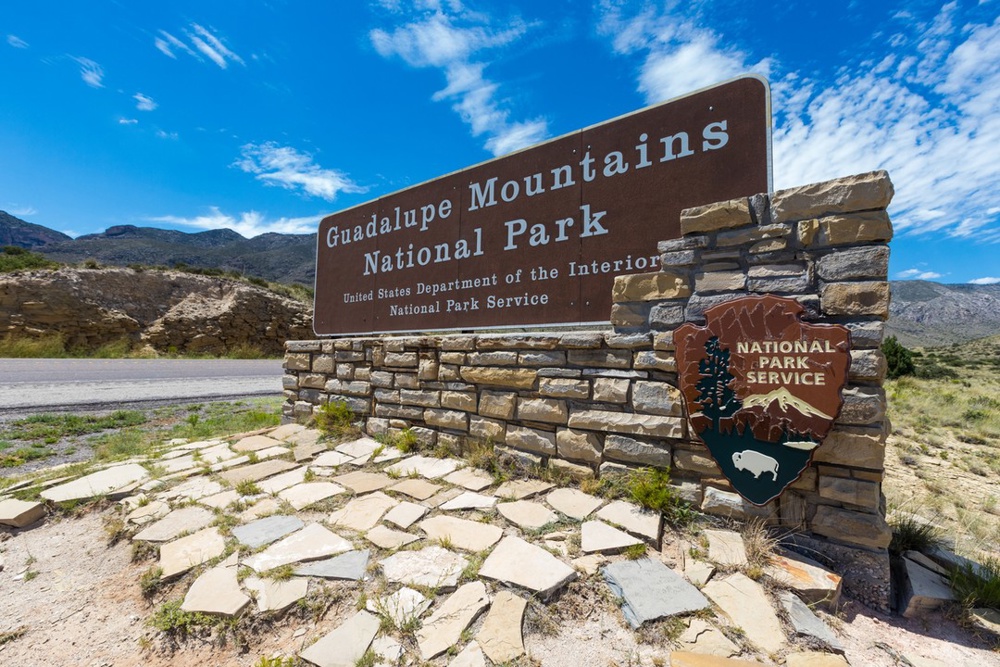
A few hours north of Big Bend sits another world-class hiking destination: Guadalupe Mountains National Park.
Home to Guadalupe Peak, the highest point in Texas at 8,751 feet, the park offers landscapes that feel more like New Mexico or Arizona than what many people expect from Texas.
The most famous hike is the Guadalupe Peak Trail, an 8.4-mile round-trip route that climbs more than 3,000 feet to the state’s highest summit.
While challenging, the reward is one of the finest views in Texas.
Other notable hikes include:
- Devil’s Hall Trail
- McKittrick Canyon Trail
- Smith Spring Trail
- Bowl Trail
McKittrick Canyon is especially beautiful during autumn when changing leaves bring surprising color to the desert landscape.
For hikers who enjoy mountains, elevation gain, and expansive views, Guadalupe Mountains National Park is unmatched in Texas.
Texas Hill Country: Enchanted Rock State Natural Area
View this post on Instagram
The Texas Hill Country contains dozens of excellent hiking destinations, but few are as iconic as Enchanted Rock State Natural Area near Fredericksburg.
The park’s massive pink granite dome rises more than 400 feet above the surrounding landscape and has attracted visitors for generations.
The Summit Trail is relatively short but steep. Reaching the top provides panoramic views of the surrounding Hill Country.
Beyond the summit, the park includes more than 11 miles of hiking trails that pass through grasslands, boulder fields, and oak woodlands.
The Loop Trail offers a less crowded alternative to the summit route and gives visitors a better appreciation of the area’s unique geology.
Because of its popularity, reservations are strongly recommended, especially on weekends.
Texas Hill Country: Lost Maples State Natural Area
View this post on Instagram
For many hikers, Lost Maples State Natural Area offers some of the most beautiful scenery in Texas.
Located north of Vanderpool, the park is famous for its population of Uvalde bigtooth maples. During late October and November, the trees create one of the state’s most impressive fall foliage displays.
The park’s trail system includes steep climbs, scenic overlooks, creek crossings, and rugged limestone terrain.
Popular hikes include:
- East Trail
- West Trail
- East-West Trail Loop
The East Trail is especially popular because it leads to several dramatic overlooks that showcase the surrounding Hill Country.
While fall receives the most attention, Lost Maples is worth visiting year-round thanks to its scenic canyons and diverse wildlife.
North Texas: Cedar Ridge Preserve
View this post on Instagram
The Dallas-Fort Worth area may be known for urban development, but Cedar Ridge Preserve provides one of the region’s best hiking experiences.
Located in southwest Dallas, the preserve protects more than 600 acres of native habitat and features surprisingly rugged terrain.
Hikers encounter elevation changes, wildflowers, wooded trails, and scenic overlooks that feel far removed from the surrounding city.
The preserve’s trail network includes routes ranging from easy walks to more challenging climbs.
Because it is close to the Metroplex, Cedar Ridge is especially valuable for people seeking a hiking destination without a long drive.
North Texas: Dinosaur Valley State Park
Located near Glen Rose, Dinosaur Valley State Park combines hiking with one of Texas’ most fascinating geological attractions.
The park is famous for preserving dinosaur tracks in the bed of the Paluxy River. During periods of low water, visitors can see footprints left approximately 113 million years ago.
Beyond the dinosaur tracks, the park offers several scenic hiking trails through hills, river bottoms, and wooded landscapes.
Popular options include:
- Cedar Brake Trail
- Overlook Trail
- Ballroom Site Trail
The park is especially popular with families because it combines outdoor recreation with natural history.
East Texas: Tyler State Park
View this post on Instagram
East Texas offers a completely different hiking experience from the deserts and hills of western Texas.
Tyler State Park, located north of Tyler, showcases the region’s towering pine forests, hardwood trees, and peaceful lake scenery.
The park’s hiking trails wind through dense woodlands and around the shores of a spring-fed lake.
Highlights include:
- Lakeshore Trail
- Whispering Pines Nature Trail
- Blackjack Nature Trail
The cooler forest environment can make hiking more comfortable during warmer months compared to many other parts of Texas.
For visitors seeking classic East Texas scenery, Tyler State Park remains one of the best destinations in the region.
East Texas: Martin Dies Jr. State Park
Situated near the Angelina and Neches rivers, Martin Dies Jr. State Park offers a unique combination of forest and wetland landscapes.
The park provides opportunities to explore boardwalks, wooded trails, and scenic waterways.
Unlike many Texas hiking destinations known for elevation changes, Martin Dies focuses on quiet natural beauty and wildlife viewing.
Birdwatchers frequently visit the park because of its diverse habitats and abundant wildlife.
The area’s calm atmosphere makes it ideal for hikers who enjoy nature observation as much as physical challenge.
Gulf Coast: Mustang Island State Park
View this post on Instagram
Many people don’t think of beaches when discussing Texas hiking, but Mustang Island State Park offers a different kind of outdoor adventure.
Located near Corpus Christi, the park features miles of undeveloped Gulf Coast shoreline.
Walking the beach becomes its own hiking experience, with opportunities to observe shorebirds, seashells, dunes, and coastal ecosystems.
The park also connects to portions of the Great Texas Coastal Birding Trail, making it a favorite destination for birdwatchers.
The scenery may be flatter than West Texas mountain trails, but the coastal environment offers a completely different perspective on the state’s natural diversity.
Gulf Coast: Brazos Bend State Park
Located southwest of Houston, Brazos Bend State Park is one of the most popular hiking destinations in Southeast Texas.
The park is known for its lakes, wetlands, forests, and abundant wildlife.
Visitors frequently encounter:
- American alligators
- Wading birds
- Deer
- Turtles
- Numerous bird species
The trail system is relatively easy compared to many Hill Country and mountain hikes, making it accessible to a wide range of visitors.
One of the biggest attractions is the park’s ability to provide a true wilderness feel despite its proximity to Houston.
South Texas: Bentsen-Rio Grande Valley State Park
For hikers interested in wildlife, Bentsen-Rio Grande Valley State Park is one of the most important destinations in Texas.
Located near Mission in the Rio Grande Valley, the park sits within one of North America’s premier birdwatching regions.
The trails pass through thornscrub habitat that supports species rarely found elsewhere in the United States.
Hikers may encounter:
- Green jays
- Plain chachalacas
- Altamira orioles
- Butterfly migrations
- Native South Texas wildlife
The flat terrain makes hiking accessible, while the biodiversity keeps every visit interesting.
South Texas: Falcon State Park
View this post on Instagram
Located near Falcon Lake on the Texas-Mexico border, Falcon State Park offers a less crowded hiking experience.
The park features rugged brush country, scenic lake views, and excellent opportunities for birdwatching.
While many visitors arrive for fishing, the hiking trails provide a chance to experience a landscape that feels distinctly different from the forests, mountains, and prairies found elsewhere in Texas.
For hikers looking to explore a lesser-known region of the state, Falcon State Park is worth considering.
What to Know Before Hiking in Texas
Texas hiking conditions vary dramatically depending on region and season.
Before heading out, consider the following:
- Summer temperatures can exceed 100 degrees in many parts of the state.
- Carry more water than you think you’ll need.
- Wear sun protection, especially in West Texas and South Texas.
- Check trail conditions before visiting.
- Watch for wildlife, including snakes and alligators in appropriate regions.
- Reserve entry in advance when visiting popular destinations such as Enchanted Rock.
The best hiking season for much of Texas is typically fall through spring, although higher-elevation areas may remain enjoyable during summer.
The Best Overall Hiking Destinations by Region
For hikers building a Texas bucket list, these destinations represent some of the best each region has to offer:
West Texas
- Big Bend National Park
- Guadalupe Mountains National Park
Texas Hill Country
- Enchanted Rock State Natural Area
- Lost Maples State Natural Area
North Texas
- Cedar Ridge Preserve
- Dinosaur Valley State Park
East Texas
- Tyler State Park
- Martin Dies Jr. State Park
Gulf Coast
- Mustang Island State Park
- Brazos Bend State Park
South Texas
- Bentsen-Rio Grande Valley State Park
- Falcon State Park
Together, these destinations showcase the remarkable variety of landscapes found across Texas.
Why Hiking in Texas Is More Diverse Than Many People Realize
People who have never explored Texas often imagine a single landscape stretching across the state. In reality, Texas contains mountains, forests, deserts, canyons, beaches, wetlands, rivers, grasslands, and brush country spread across more than 268,000 square miles.
That diversity is what makes hiking here so rewarding.
One weekend, you can climb the highest mountain in Texas. Another weekend, you can walk through a pine forest, explore a canyon, hike beside a river, or watch shorebirds along the Gulf Coast.
The best hikes in Texas are not confined to one region. They are scattered across the entire state, each offering a different view of what makes Texas special. For outdoor enthusiasts willing to explore beyond their local trails, Texas provides enough hiking opportunities to fill a lifetime of adventures.