

Few purchases inspire dreams quite like a boat.
Whether you’re imagining fishing on Lake Fork, cruising Lake Travis, exploring the Texas coast near Port Aransas, or spending weekends on Possum Kingdom Lake, boat ownership offers access to some of the state’s best outdoor experiences.
But before signing paperwork or browsing marina slips, it’s important to understand a simple truth: the purchase price is only the beginning.
Texas has more than 700,000 registered recreational boats, making it one of the nation’s largest boating states. From inland lakes to Gulf Coast waters, Texans love being on the water. Yet many first-time buyers underestimate the ongoing expenses that come with ownership.
The good news is that boat ownership can be very manageable when you understand the costs ahead of time. The key is building a realistic budget that includes not only the boat itself but also registration, insurance, fuel, maintenance, storage, and unexpected repairs.
Here’s what it really costs to own a boat in Texas.
The Purchase Price: The Largest Expense
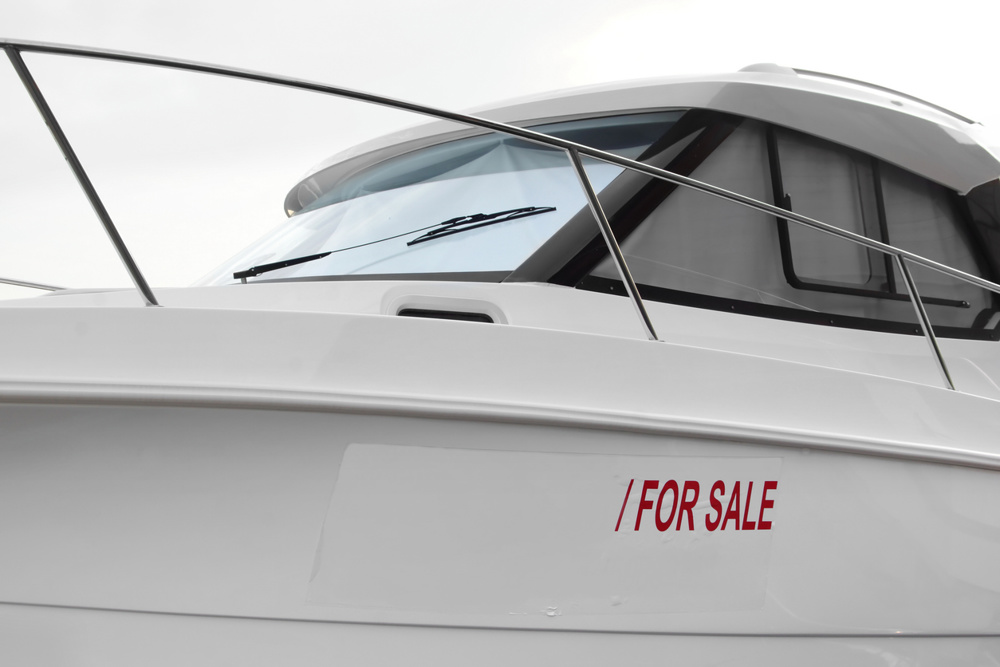
Boat prices vary dramatically depending on size, type, age, and equipment.
A used 17-foot aluminum fishing boat with a trailer may cost between $8,000 and $20,000. A newer bass boat often falls between $35,000 and $90,000. Pontoon boats frequently range from $30,000 to well over $100,000, while offshore fishing boats can easily exceed $150,000 to $500,000.
Many Texas buyers finance their boats, which means monthly payments become part of the ownership equation.
For example:
- $30,000 financed over 10 years may cost roughly $350 to $450 per month
- $60,000 financed over 15 years may cost roughly $500 to $700 per month
- $100,000+ boats can exceed $1,000 per month
While financing makes ownership more accessible, it also increases the total cost over time through interest payments.
Texas Sales Tax, Registration, and Title Fees
Texas requires most motorized boats to be titled and registered through the Texas Parks and Wildlife Department.
One of the first costs new owners encounter is Texas boat sales tax, which is currently 6.25% of the purchase price.
A few examples:
- $20,000 boat = approximately $1,250 sales tax
- $50,000 boat = approximately $3,125 sales tax
- $100,000 boat = approximately $6,250 sales tax
In addition, Texas registration fees are based on vessel length and are generally valid for two years. Current registration fees include:
- Less than 16 feet: $32
- 16 feet to under 26 feet: $53
- 26 feet to under 40 feet: $110
- 40 feet and over: $150
Most motorized vessels also require a title, which currently costs $27.
These costs are relatively small compared to the purchase price, but they should still be included in your initial budget.
Boat Insurance
Texas does not legally require boat insurance for recreational vessels. However, lenders typically require it on financed boats, and many marinas require liability coverage before renting a slip.
Insurance costs vary based on:
- Boat value
- Boat type
- Engine horsepower
- Storage location
- Gulf Coast versus inland lake usage
- Operator experience
Industry estimates place average Texas boat insurance around $500 to $600 annually, although larger vessels may cost substantially more.
A commonly used rule of thumb is that insurance often costs 1% to 2% of the boat’s value per year.
Examples:
- $20,000 boat: roughly $200 to $400 annually
- $50,000 boat: roughly $500 to $1,000 annually
- $100,000 boat: roughly $1,000 to $2,000 annually
Owners who keep boats on the Texas coast often pay more because of hurricane exposure and saltwater risks.
Fuel Costs Add Up Quickly
Fuel is one of the most overlooked boating expenses.
Unlike a vehicle that may achieve 25 to 30 miles per gallon, boats are far less efficient. Larger engines burn fuel rapidly, especially at cruising speeds.
A typical bass boat may burn 5 to 15 gallons per hour depending on speed and conditions.
Many pontoon boats consume 4 to 10 gallons per hour.
Offshore fishing boats can burn 20 to 60 gallons per hour or more depending on size and engine configuration.
Assuming fuel prices around $3 to $4 per gallon:
- Casual lake boater: $500 to $1,500 annually
- Frequent recreational boater: $1,500 to $4,000 annually
- Offshore angler: $5,000+ annually
Your usage habits will determine where you fall within those ranges.
Storage: One of the Biggest Ongoing Costs
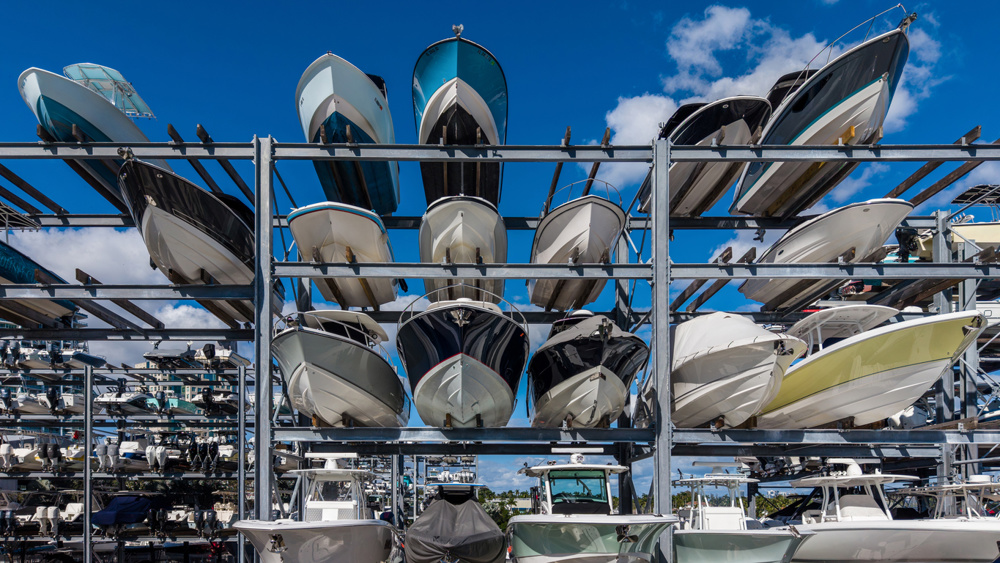
Many first-time buyers focus on the boat but overlook where it will live.
Storage costs vary significantly depending on whether you keep the boat at home, in dry storage, or in a marina slip.
Home Storage
Home storage is usually the least expensive option.
If local HOA rules allow it, storage costs may be essentially free aside from occasional cover replacement and security measures.
However, not every homeowner has sufficient driveway or side-yard space.
Outdoor Storage Facilities
Many Texas storage facilities charge approximately:
- $50 to $150 per month for outdoor boat storage
- Additional fees for covered storage may apply
Annual cost estimate: $600 to $1,800 per year
Dry Stack Storage
Popular along the Gulf Coast and larger lakes, dry stack storage provides protection from weather and eliminates the need for a permanent slip.
Typical cost: $200 to $600 per month
Annual cost estimate: $2,400 to $7,200 per year
Marina Slips
Marina slips provide maximum convenience but are usually the most expensive option.
Many marinas charge by the foot, and national averages often range from roughly $15 to $35 per foot per month. Actual Texas rates vary by location, amenities, and demand.
For a 25-foot boat:
- Lower-end marina: roughly $375 per month
- Premium marina: $700+ per month
Annual cost estimate: $4,500 to $8,500+ per year
Electricity, water, and marina fees may increase those costs further.
Routine Maintenance
Every boat requires maintenance.
Even if nothing breaks, owners should expect regular expenses related to upkeep and preventive care.
Common annual maintenance items include:
- Oil changes
- Lower unit service
- Fuel filters
- Batteries
- Trailer maintenance
- Propeller inspections
- Cleaning supplies
- Safety equipment replacement
For many recreational boats, annual maintenance typically falls between: $500 and $2,500 per year
Larger boats, offshore vessels, and luxury models may exceed that amount significantly.
A useful rule of thumb within the boating industry is to budget approximately 10% of the boat’s value annually for maintenance and repairs. While actual costs vary, this estimate helps owners prepare for unexpected expenses.
Trailer Costs
If your boat uses a trailer, remember that trailers require maintenance too.
Common trailer expenses include:
- Tires
- Bearings
- Brakes
- Lights
- Winches
- Registration
A trailer that sees frequent use may require several hundred dollars annually in maintenance.
Many Texas boat owners budget: $100 to $500 per year for routine trailer upkeep.
Unexpected Repairs
This is where many ownership budgets fall apart.
Boats operate in harsh environments involving water, sun, heat, vibration, and corrosion. Eventually, something breaks.
Examples include:
- Trolling motor replacement: $1,000 to $4,000
- Electronics upgrades: $500 to $5,000+
- Outboard repairs: $500 to several thousand dollars
- Upholstery replacement: $1,000 to $5,000
- Major engine replacement: $10,000 to $30,000+
Some years may require little more than routine maintenance. Other years may bring significant repair bills.
Creating a repair fund is one of the smartest things a boat owner can do.
A Realistic Annual Cost Example
Consider a fairly typical Texas boat owner:
- 21-foot bass boat
- Purchase price: $45,000
- Stored at home
- Used regularly on weekends
Approximate annual ownership costs:
| Expense | Estimated Annual Cost |
| Insurance | $500–$900 |
| Registration (averaged annually) | $25–$30 |
| Fuel | $1,000–$2,000 |
| Maintenance | $800–$1,500 |
| Trailer maintenance | $100–$300 |
| Miscellaneous gear and supplies | $300–$700 |
| Total Annual Ownership Cost | $2,700–$5,400 |
That estimate excludes loan payments and major repairs.
Owners using marina slips or dry storage could easily add several thousand dollars more annually.
Is Boat Ownership Worth It?
For many Texans, the answer is absolutely.
A boat creates access to fishing, watersports, coastal adventures, family outings, and outdoor experiences that would otherwise be difficult to enjoy. For anglers who spend dozens of days on the water each year, ownership often provides value that extends well beyond simple financial calculations.
However, buyers should enter ownership with realistic expectations.
The true cost of owning a boat in Texas is not just the purchase price. It’s the combination of taxes, registration, insurance, fuel, storage, maintenance, repairs, and ongoing upkeep that determines the real budget.
For a smaller boat stored at home, annual ownership costs may stay below a few thousand dollars. For larger vessels kept in marinas, annual expenses can easily reach five figures.
The best approach is to calculate those costs before buying. Doing so helps ensure that your time on the water remains enjoyable rather than financially stressful.
When planned properly, boat ownership can be one of the most rewarding ways to enjoy Texas lakes, rivers, bays, and coastal waters.