

Texas history does not live only in museums. Much of it still sits beneath open skies, along rivers, across old battlefields, beside Spanish missions, and in the streets of towns that helped shape the state. These outdoor places give visitors a chance to walk through real settings where major events happened.
From ancient Indigenous sites to frontier forts and old settlements, Texas offers many historic outdoor destinations that remain open to the public. Some are quiet and reflective. Others are busy landmarks filled with tours, signs, and walking paths. Together, they help tell the story of a state shaped by Native peoples, Spanish colonization, independence movements, cattle drives, immigration, military conflict, and everyday life on the frontier.
The Alamo Plaza in San Antonio
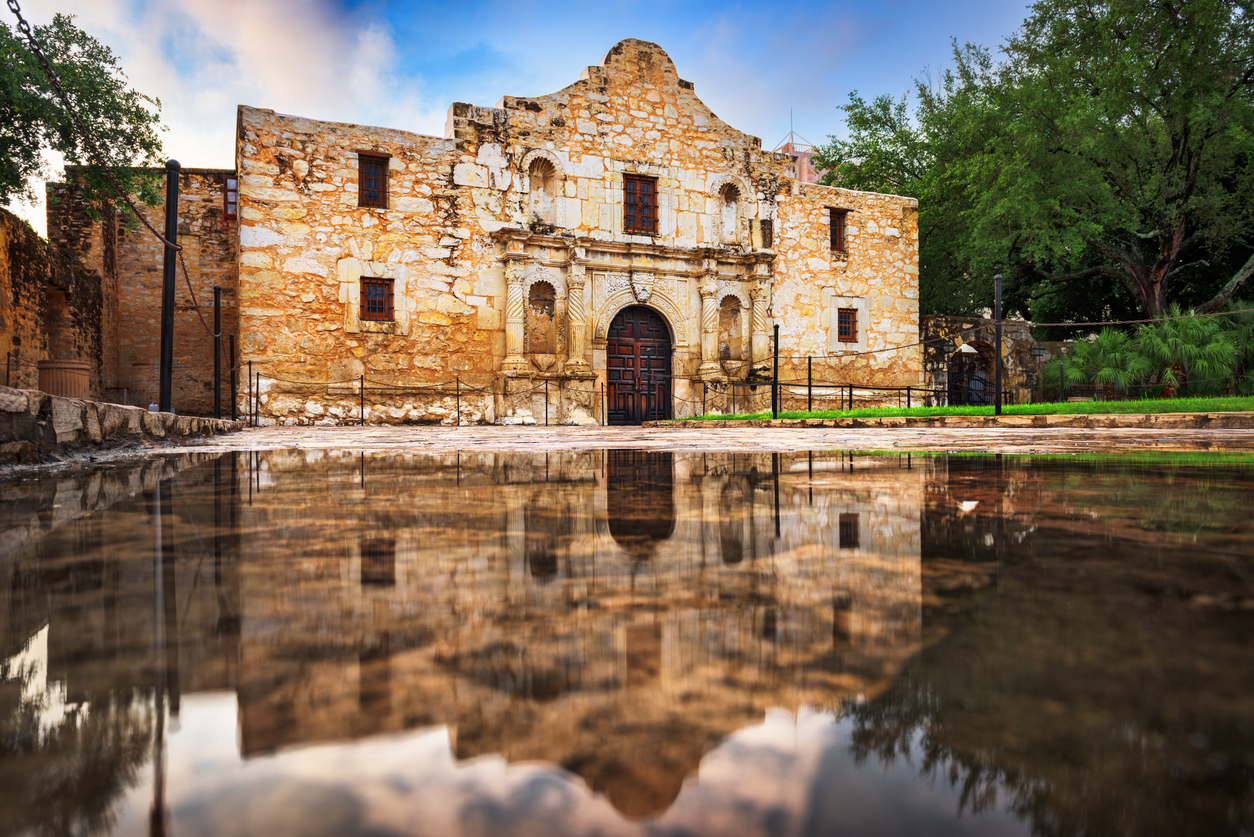
The Alamo is one of the most famous historic places in Texas. While many people think first of the chapel, the wider Alamo Plaza gives visitors a better sense of the site’s place in Texas history.
The original mission, known as Mission San Antonio de Valero, began as part of Spain’s effort to establish religious and colonial settlements in the region. Later, it became a military post. In 1836, it became the site of the Battle of the Alamo, one of the best-known events of the Texas Revolution.
Today, visitors can walk through the plaza, view the historic church, and explore outdoor areas connected to the mission and battlefield. The site can get crowded, but it remains a powerful stop for anyone interested in Texas independence.
San Antonio Missions National Historical Park
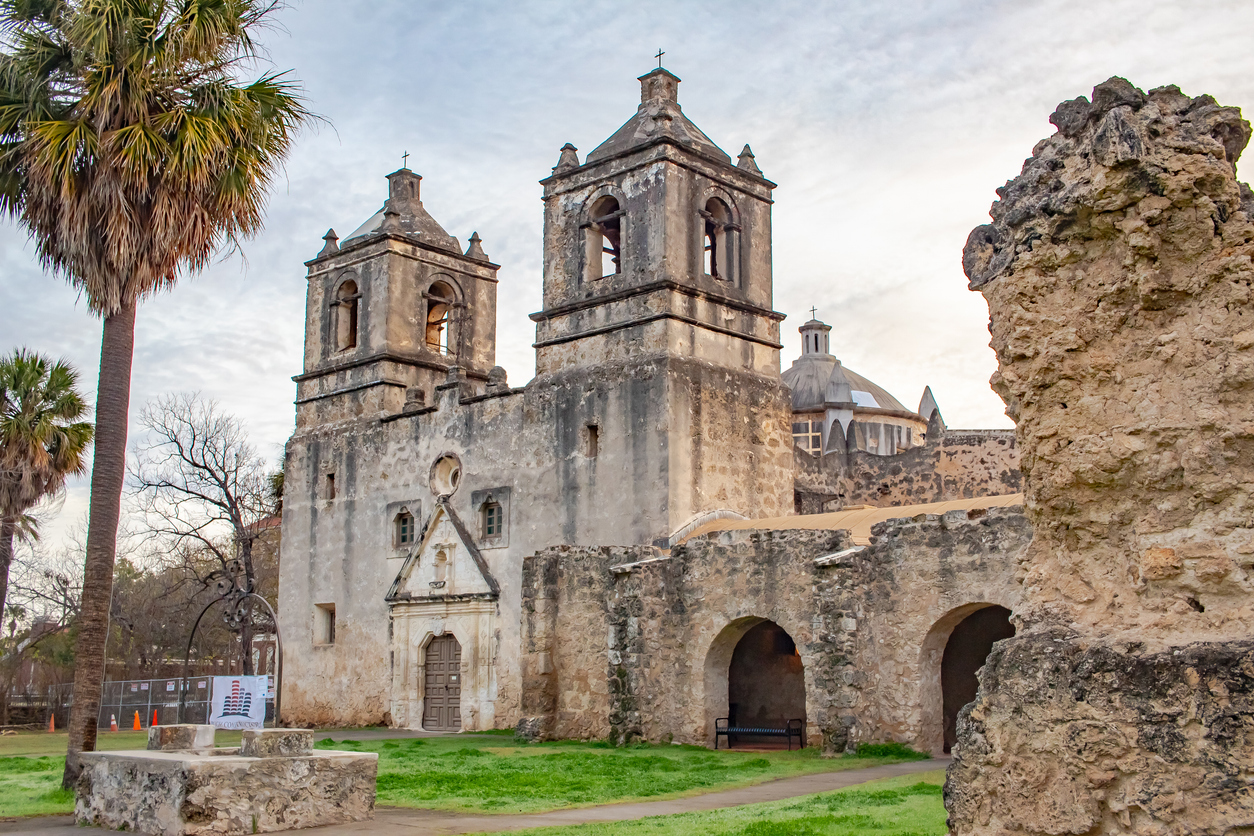
The Alamo may be the most famous San Antonio mission, but it is not the only one. San Antonio Missions National Historical Park includes Mission Concepción, Mission San José, Mission San Juan, and Mission Espada.
These missions were built in the 1700s as religious and community centers. They included churches, farmland, workshops, irrigation systems, and living areas. Their purpose was tied to Spanish colonization and the conversion of Indigenous communities to Catholicism.
Visitors today can walk the grounds, see historic stone structures, and follow trails that connect the missions. The acequias, or irrigation channels, are especially important because they show how early communities managed water in a dry climate.
The missions offer a wider view of early Texas history than one landmark alone can provide.
San Jacinto Battleground State Historic Site
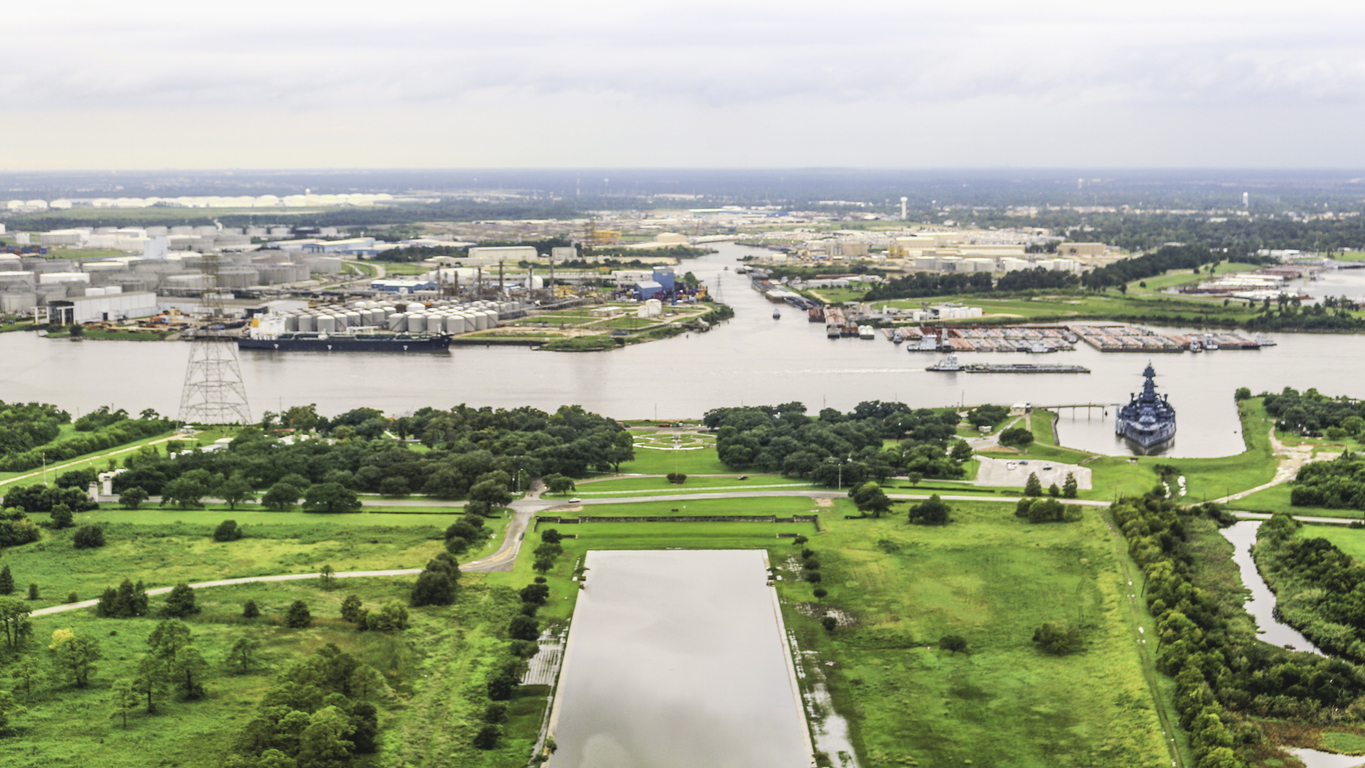
Near Houston, the San Jacinto Battleground marks the place where Texas won its independence from Mexico in 1836. The battle lasted less than half an hour, but its outcome changed the future of Texas.
The outdoor battlefield is open to visitors, with walking areas, monuments, interpretive signs, and wide views of the surrounding landscape. The San Jacinto Monument rises high above the site and serves as one of the most recognizable symbols of Texas history.
Walking the grounds helps visitors understand the scale of the event. It also gives context to the final phase of the Texas Revolution, when Sam Houston’s army defeated Mexican forces led by Santa Anna.
This is one of the most important outdoor historic sites in the state.
Washington-on-the-Brazos State Historic Site
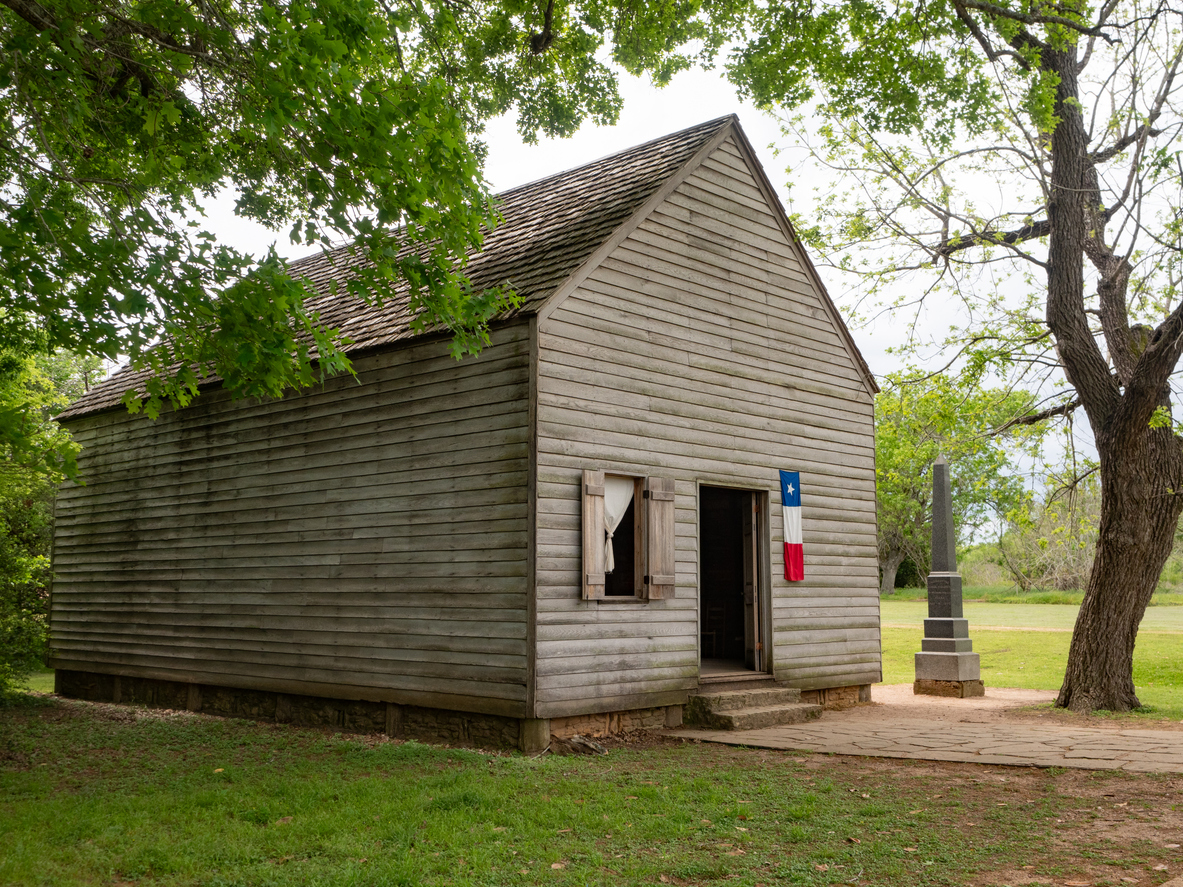
Washington-on-the-Brazos is known as the birthplace of Texas independence. In March 1836, delegates met here to declare independence from Mexico and form a new government.
The site sits along the Brazos River and includes walking paths, historic markers, and reconstructed buildings. Independence Hall, a replica of the building where the declaration was signed, gives visitors a sense of the setting where major political decisions took place.
The outdoor grounds are peaceful today, but the history behind them was urgent. Delegates were meeting while the Texas Revolution was still unfolding. Their decisions helped set the future course of the Republic of Texas.
Washington-on-the-Brazos is a strong choice for visitors who want to understand the political side of Texas independence.
Goliad State Park and Historic Site
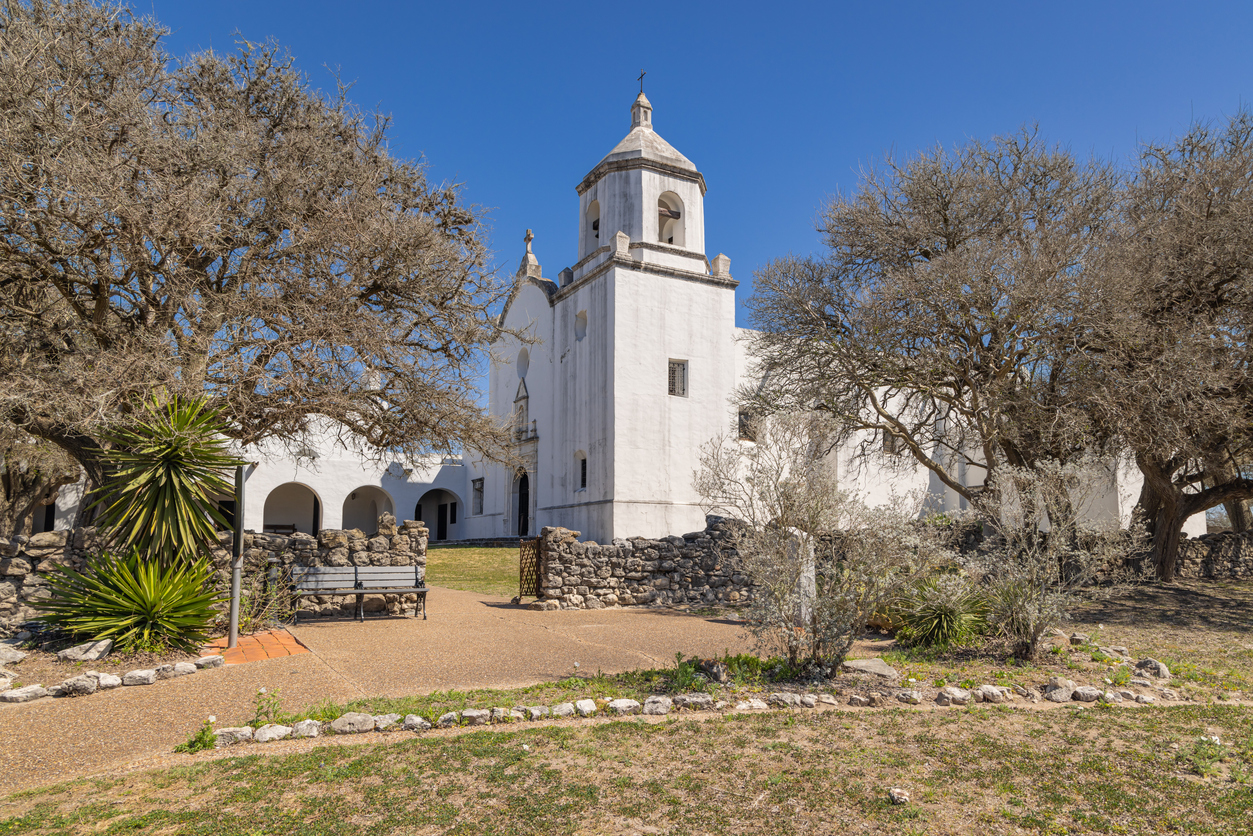
Goliad holds a major place in Texas history, especially because of its connection to Spanish missions and the Texas Revolution.
The site includes Mission Espíritu Santo, a restored Spanish colonial mission, and nearby Presidio La Bahía, a historic fort that played a key role in the region’s military history. The area is also closely tied to the Goliad Massacre, when Texian prisoners were executed during the Texas Revolution.
Visitors can walk the mission grounds, explore historic stone buildings, and learn about Spanish settlement, ranching, religion, and conflict in South Texas.
Goliad is often quieter than better-known Texas Revolution sites, but it offers a deep and meaningful look at the state’s past.
Fort Davis National Historic Site
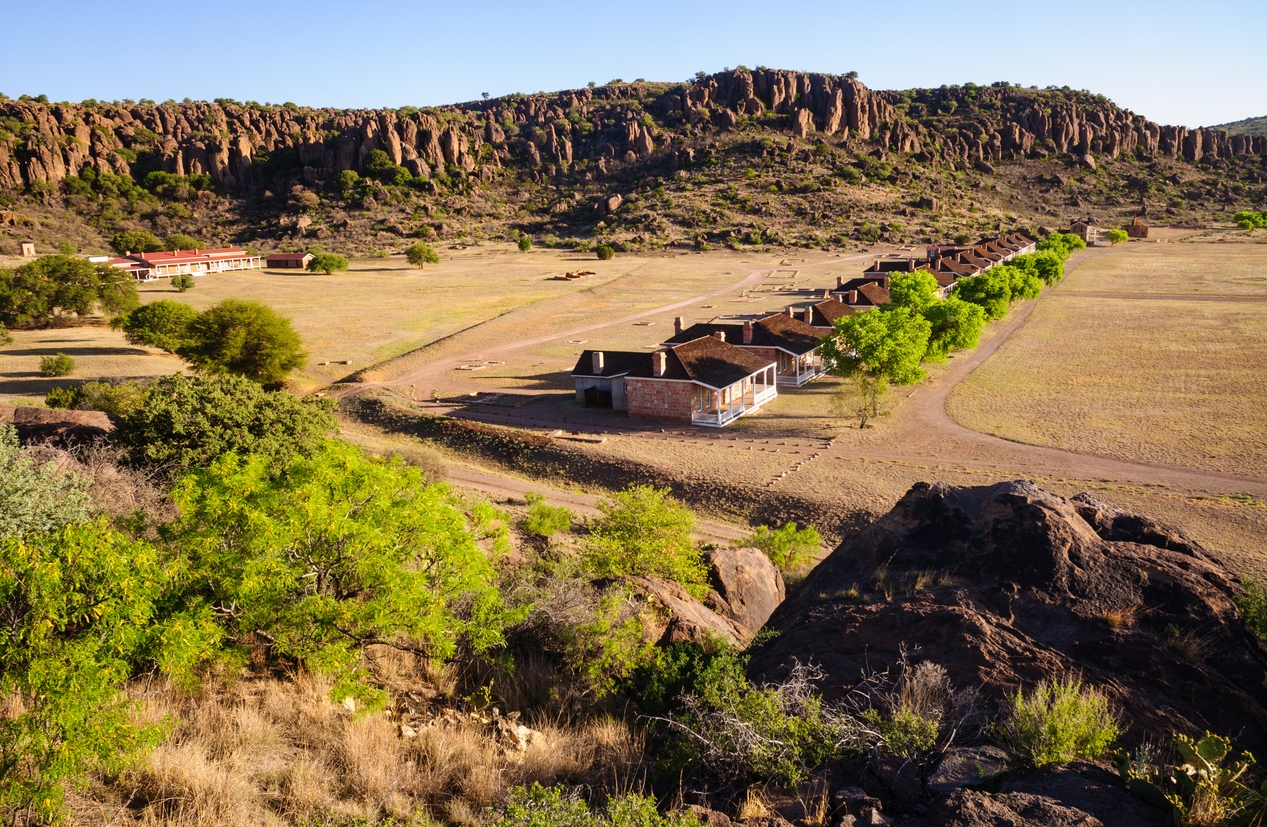
Fort Davis, located in West Texas, is one of the best-preserved frontier military posts in the United States. The fort was established in the 1850s to protect travelers, mail routes, and settlers moving through the region.
The site sits against the dramatic backdrop of the Davis Mountains. Visitors can walk among restored and partially restored buildings, including officers’ quarters, barracks, storehouses, and hospital areas.
Fort Davis also tells the story of the Buffalo Soldiers, Black soldiers who served in the U.S. Army after the Civil War. Their role in frontier military history remains an important part of the site’s interpretation.
Because so much of the fort is outdoors, visitors can get a clear feel for the isolation, scale, and daily routine of frontier military life.
Palo Duro Canyon State Park
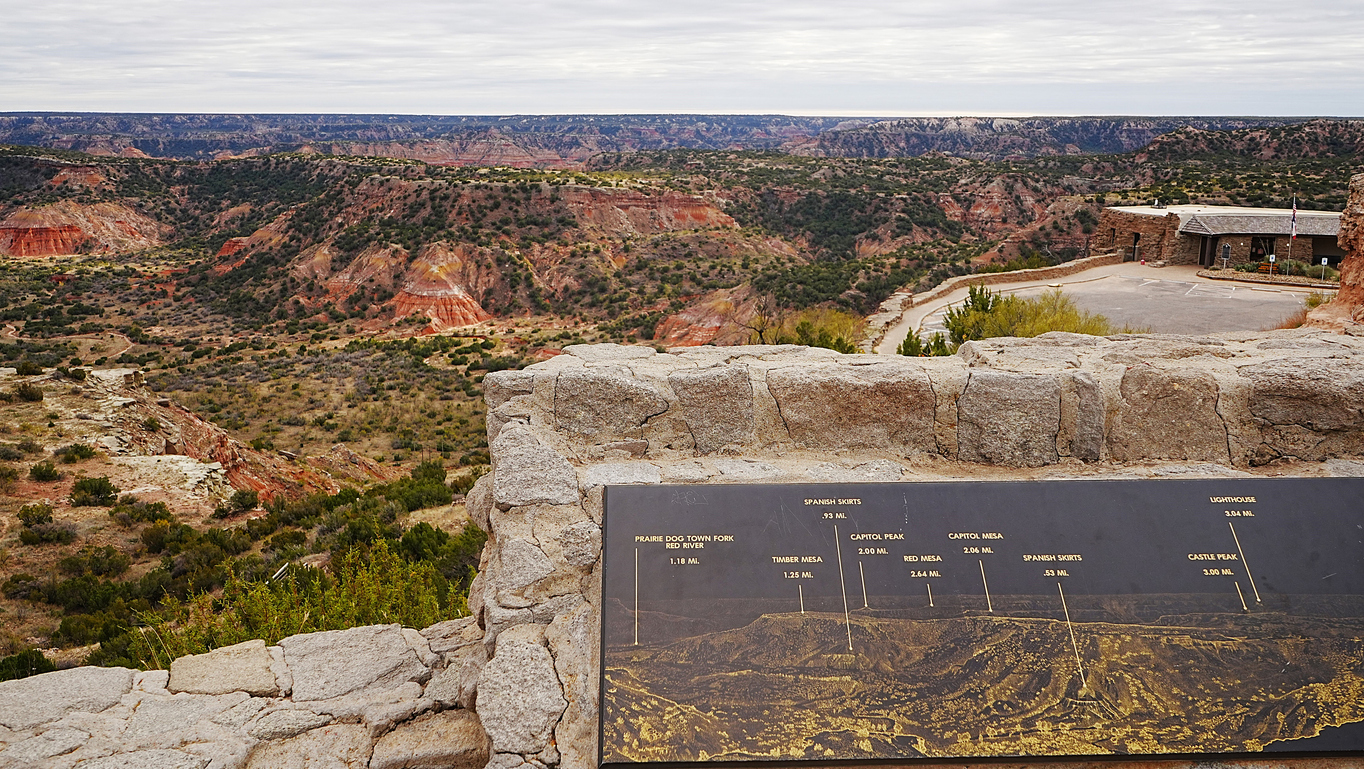
Palo Duro Canyon is famous for its natural beauty, but it also holds deep historical importance. Often called the second-largest canyon in the United States, it has been home to human activity for thousands of years.
Indigenous peoples lived in and used the canyon long before European settlement. Later, the canyon became part of the story of the Red River War, a military campaign in the 1870s that affected the Comanche, Kiowa, Southern Cheyenne, and Arapaho peoples.
Visitors today can hike trails, view historic markers, and see landscapes that shaped life on the Texas Panhandle plains. The canyon’s size and color make it visually striking, but its history adds another layer of meaning.
Palo Duro is a place where natural history and human history meet.
Caddo Mounds State Historic Site
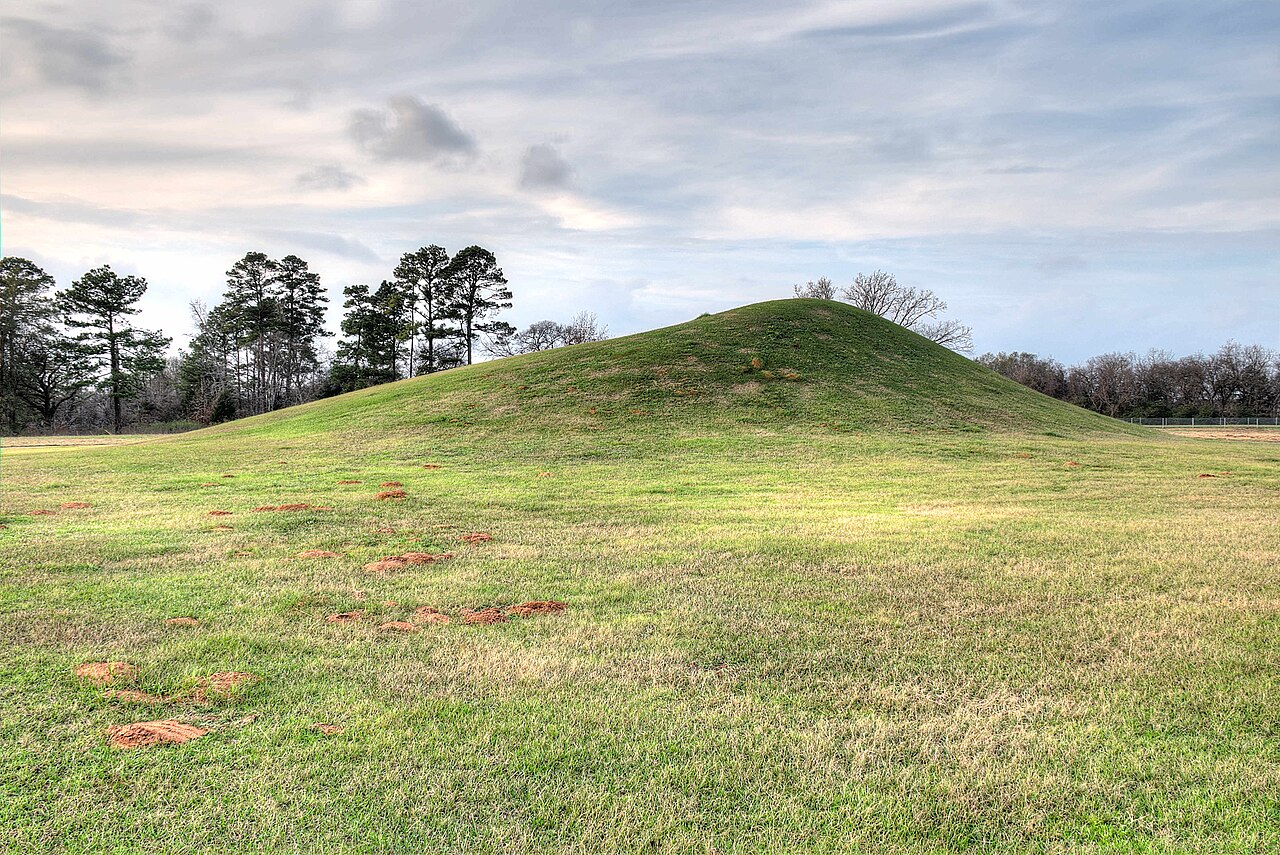
Caddo Mounds, located in East Texas, preserves the remains of an important Caddo ceremonial center. The Caddo people built earthen mounds here more than 1,000 years ago.
The site includes a grass house reconstruction, interpretive areas, and walking paths around the mounds. Visitors can learn about Caddo culture, agriculture, trade, spiritual life, and community organization.
This site is especially important because it shows that Texas history did not begin with Spanish missions or frontier settlements. Indigenous peoples built complex societies in the region long before Europeans arrived.
Caddo Mounds offers a quiet but powerful reminder of the deep human history of Texas.
Hueco Tanks State Park and Historic Site
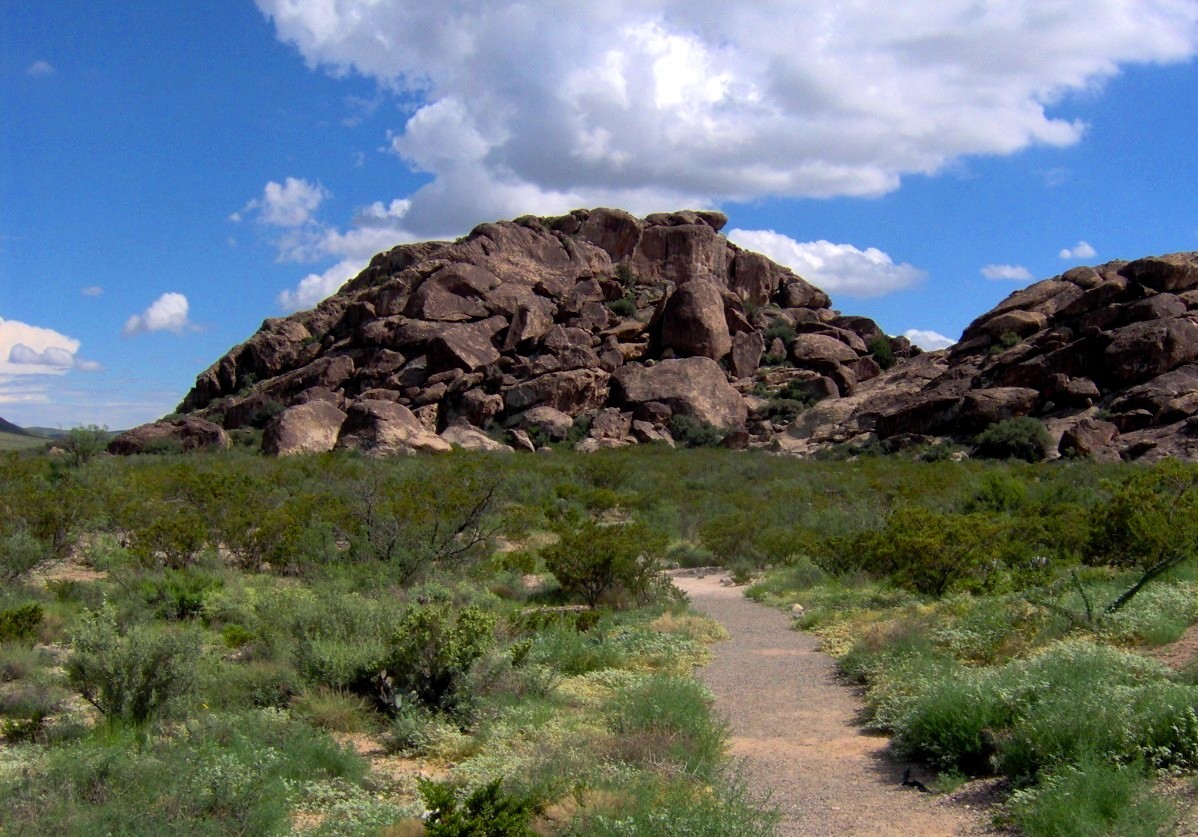
Brian Stansberry, Hueco-tanks-east-mtn-tx1, CC BY 3.0
Hueco Tanks, near El Paso, is known for its rock formations, desert scenery, and ancient pictographs. For thousands of years, people came to this area because natural rock basins, called huecos, collected rainwater.
The site contains rock art created by Indigenous peoples, including masks and symbols linked to spiritual and cultural traditions. Because the area is fragile, access to some parts of the park is limited or requires guided tours.
Visitors can hike, view rock formations, and learn about the people who used this desert landscape for shelter, water, ceremony, and travel.
Hueco Tanks is one of the most important outdoor cultural sites in West Texas.
Fort Worth Stockyards Historic District
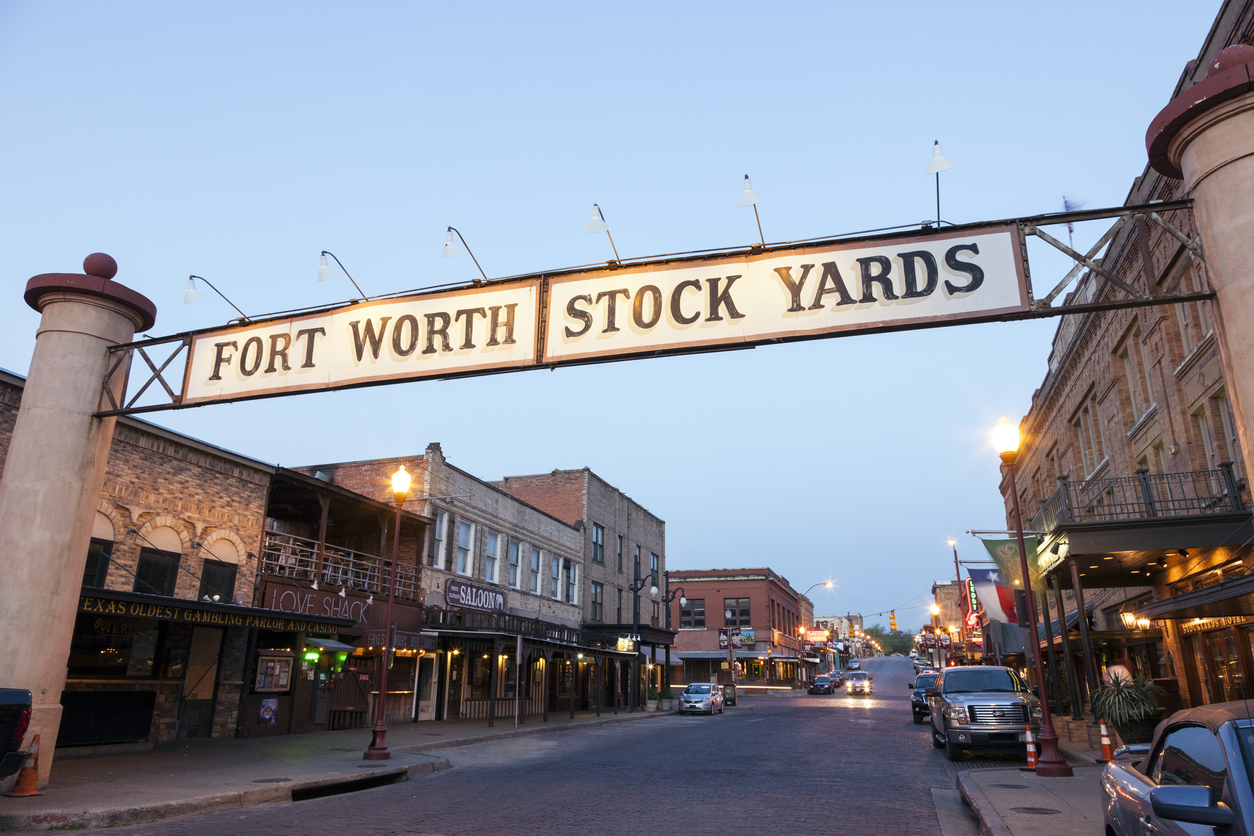
The Fort Worth Stockyards bring visitors into the era of cattle drives, railroads, and livestock markets. This district grew into a major center of the cattle industry after the arrival of the railroad in the late 1800s.
Today, much of the area remains outdoors and walkable. Visitors can see brick streets, livestock pens, historic buildings, and daily cattle drive reenactments. The district has shops and entertainment, but its historic roots remain visible.
The Stockyards help explain why Fort Worth became known as “Cowtown.” They also show how cattle, railroads, and commerce helped shape Texas identity and economy.
For visitors who enjoy lively historic districts, the Stockyards offer an easy and memorable stop.
The King Ranch Area in South Texas
King Ranch is one of the most famous ranches in Texas history. Founded in the 1850s, it became a symbol of South Texas ranching, land development, cattle breeding, and agricultural innovation.
While much of the ranch remains private, visitors can still experience parts of its history through guided tours and nearby historic areas in Kingsville. Outdoor tours often include views of ranchland, wildlife, historic buildings, and working ranch operations.
The ranch played a major role in the development of the American ranching industry. It also helped shape the image of Texas as a cattle and ranching state.
A visit to the King Ranch area gives travelers a look at a different side of Texas history, one tied to land, labor, cattle, and long-term family enterprise.
Missions, Forts, and Trails in El Paso
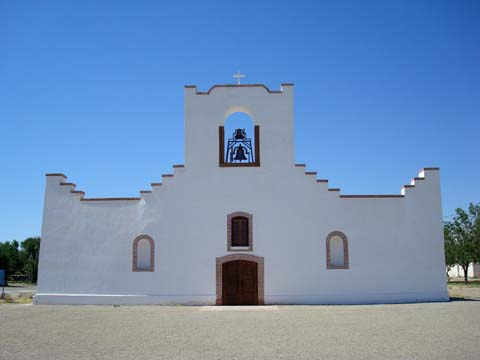
gabi. from são paulo, brasil, Socorro mission front, CC BY 2.0
El Paso has some of the oldest European-rooted history in Texas. The Mission Trail includes sites such as Ysleta Mission, Socorro Mission, and the San Elizario Historic District.
These communities developed along important travel and trade routes near the Rio Grande. The missions and surrounding settlements reflect Spanish, Mexican, Indigenous, and borderland history.
Visitors can drive or walk portions of the trail, explore historic plazas, and see churches that remain important to local communities.
The El Paso Mission Trail stands out because it connects Texas history to the larger story of Southwest and northern Mexico.
Lyndon B. Johnson National Historical Park
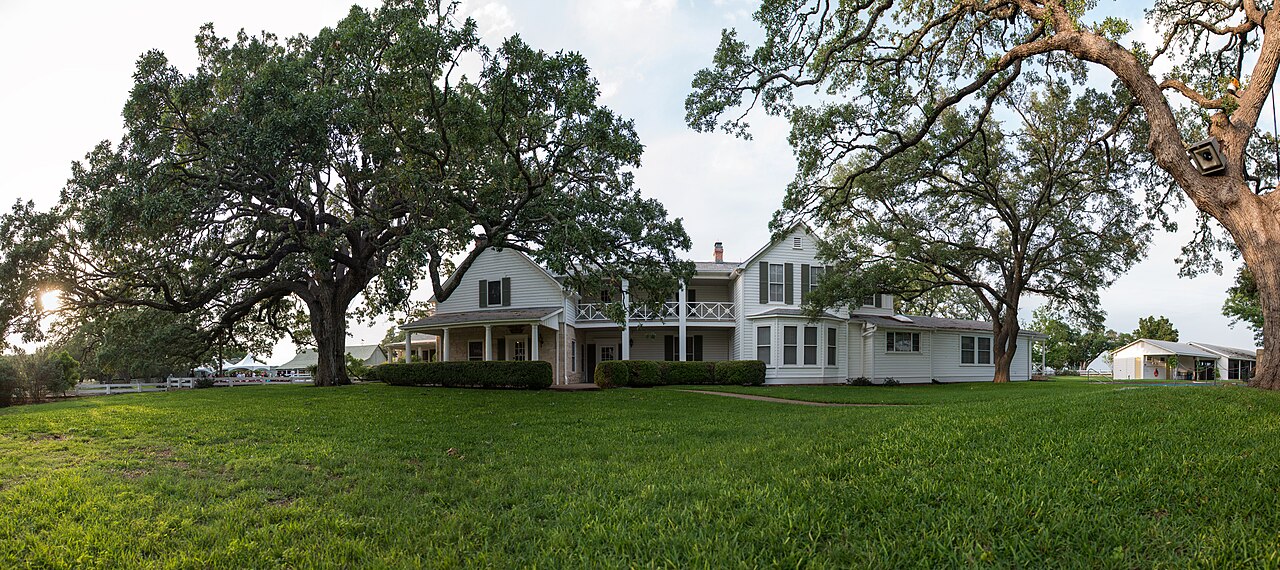
In the Texas Hill Country, Lyndon B. Johnson National Historical Park preserves places connected to the life of the 36th president of the United States.
The park includes outdoor areas around Johnson City and the LBJ Ranch near Stonewall. Visitors can see the landscape where Johnson was born, raised, and later returned during his presidency. The ranch became known as the Texas White House because Johnson spent so much time working there.
The outdoor setting matters because it helps explain Johnson’s connection to rural Texas, land, politics, and public service. The park also includes historic buildings, ranch roads, and views of the Pedernales River.
This site gives visitors a look at modern political history in a Texas setting.
Why These Places Still Matter
Historic outdoor places help people understand history in a direct way. A battlefield shows distance and terrain. A mission shows how communities were organized. A fort shows how isolated frontier life could feel. A canyon or desert site shows why water, shelter, and geography mattered so much.
Texas history covers many eras and many communities. No single place can tell the whole story. Visiting these sites together gives a broader view of the state’s past.
They also remind visitors that history is connected to real land. People lived, worked, fought, traveled, worshiped, farmed, and built communities in these places. Many of those locations still remain open for people to walk through today.
Tips for Visiting Historic Outdoor Sites in Texas
Texas weather can change quickly, and many historic places require walking. Comfortable shoes, water, sunscreen, and a hat can make a visit much easier.
It is also smart to check hours before going. Some sites offer guided tours, while others have limited access to protect fragile historic areas. Places with ancient rock art, archaeological remains, or preserved structures may have special rules.
Visitors should stay on marked paths, respect signs, and avoid touching fragile surfaces. Outdoor history sites can last for future generations only when people treat them with care.
Final Thoughts
Texas has no shortage of historic places, but outdoor sites offer something special. They allow visitors to stand where important events happened and see the landscapes that shaped those events.
From San Antonio’s missions to the San Jacinto battlefield, from Caddo Mounds to Fort Davis, these places make history easier to understand. They show that Texas was shaped by many people, cultures, conflicts, and communities over a long period of time.
For anyone who wants to learn more about Texas, these historic outdoor places are worth the trip. They are open-air classrooms, travel destinations, and reminders that the past is often closer than it seems.