

Texas has plenty of big cities, but some of the state’s best outdoor access sits near smaller towns. These places make it easy to slow down, step outside, and enjoy rivers, trails, canyons, forests, lakes, and wide-open skies.
That is one reason small Texas towns are such good bases for outdoor trips. You can spend the morning hiking, paddling, fishing, swimming, birding, or exploring a state park. Then you can return to a quiet main street, a local café, or a simple cabin for the evening.
The towns below offer strong access to nature without the pace of a major city. Each one has its own personality, landscape, and outdoor appeal.
Junction

Billy Hathorn, Downtown Junction, TX IMG 4330, CC BY-SA 3.0
Junction sits where the North and South Llano rivers meet, which gives the town a natural connection to water. It is one of the best small-town bases in Texas for people who enjoy river trips, birding, and peaceful scenery.
South Llano River State Park is the big outdoor draw. The park offers river access, hiking trails, camping, fishing, tubing, and paddling when conditions allow. It is also known for birdwatching, especially during certain seasons when wildlife activity is high.
The landscape around Junction has a classic Hill Country feel. You will see limestone, oak trees, clear water, and open ranchland. It is a good choice for travelers who want outdoor access without heavy crowds.
Junction works well for a quiet weekend. It is especially appealing for families, casual hikers, kayakers, and anyone who wants to spend time near a clean, spring-fed river.
Wimberley
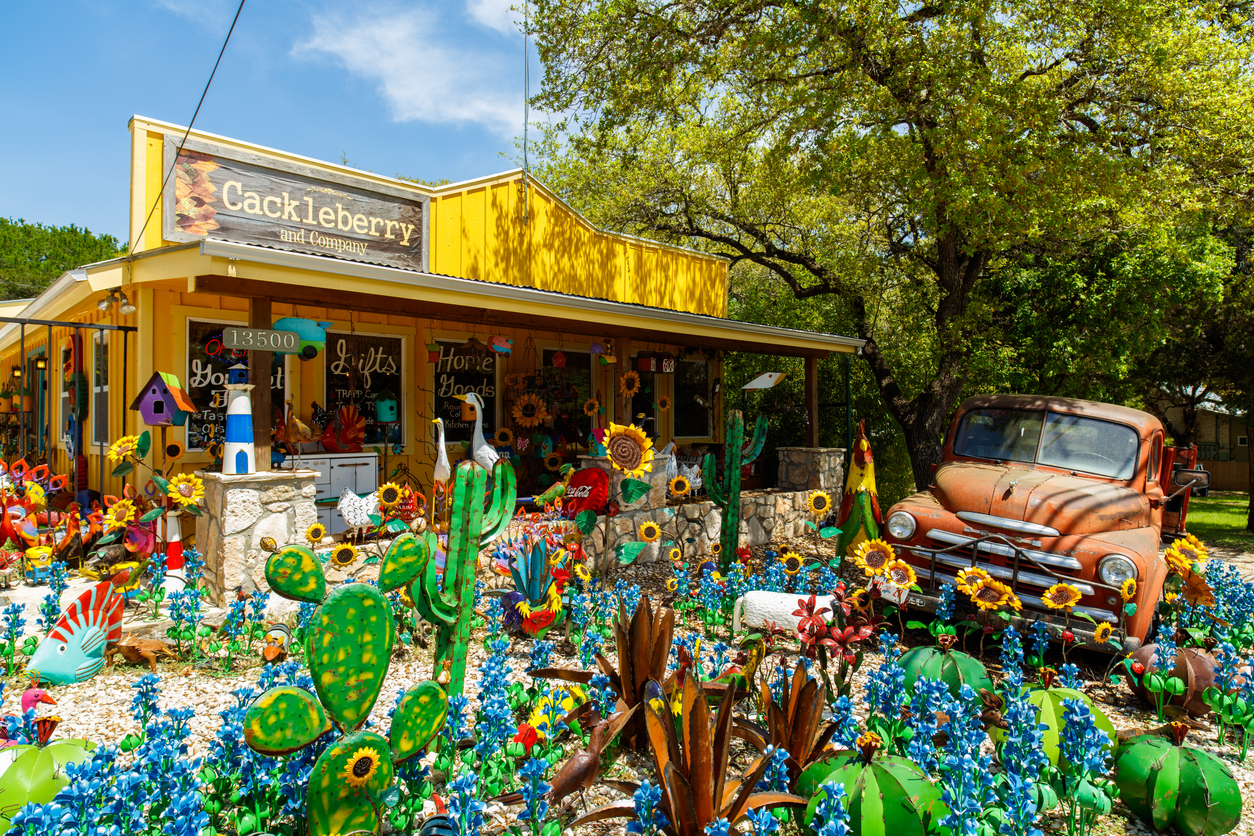
Wimberley has become one of the most loved small towns in the Texas Hill Country. It sits between Austin and San Antonio, yet it still keeps a relaxed, nature-focused feel.
The town is known for swimming holes, creekside scenery, and cypress-lined water. Blue Hole Regional Park is one of the area’s most popular outdoor spots. It offers swimming during the season, trails, picnic areas, and a peaceful setting along Cypress Creek.
Jacob’s Well Natural Area is another famous nearby site. Access can change depending on water levels and conservation needs, but the area remains an important natural landmark. Even when swimming is limited, the surrounding landscape helps visitors understand why Hill Country springs matter so much.
Wimberley is also close to hiking, scenic drives, and local parks. It is a strong pick for travelers who want a blend of nature, small-town shopping, and easy weekend comfort.
Fort Davis
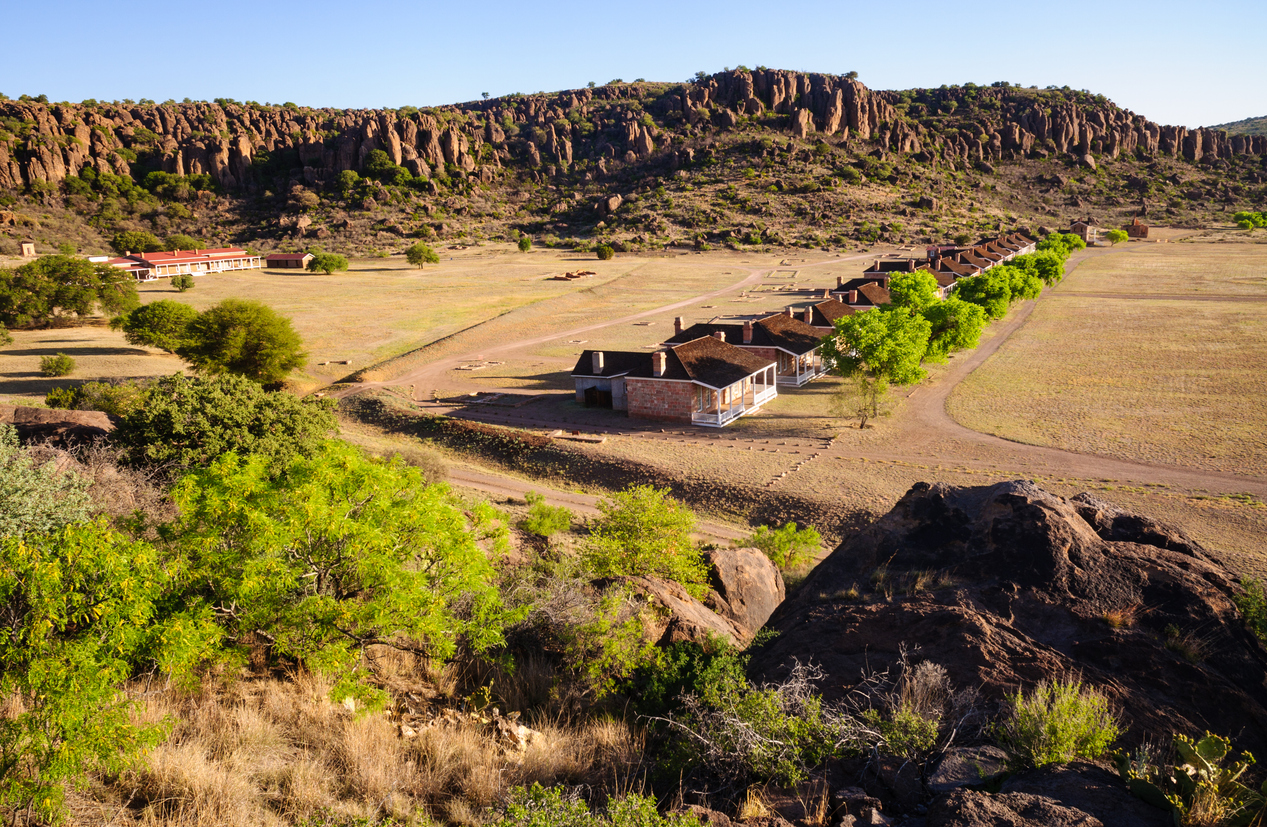
Fort Davis offers a very different kind of outdoor experience. Instead of rivers and cypress trees, visitors get mountain views, desert grasslands, dark skies, and cool high-country air.
Davis Mountains State Park sits near town and gives visitors access to hiking, scenic overlooks, camping, birding, and wildlife viewing. The park’s trails range from easy walks to more challenging routes with wide views of the surrounding mountains.
The area is also known for stargazing. The high elevation, dry air, and darker skies make this part of West Texas one of the best places in the state to look up after sunset.
Fort Davis is a great town for people who want space, quiet, and a true West Texas setting. It also works well as part of a larger trip that includes Marfa, Alpine, or Big Bend country.
Alpine
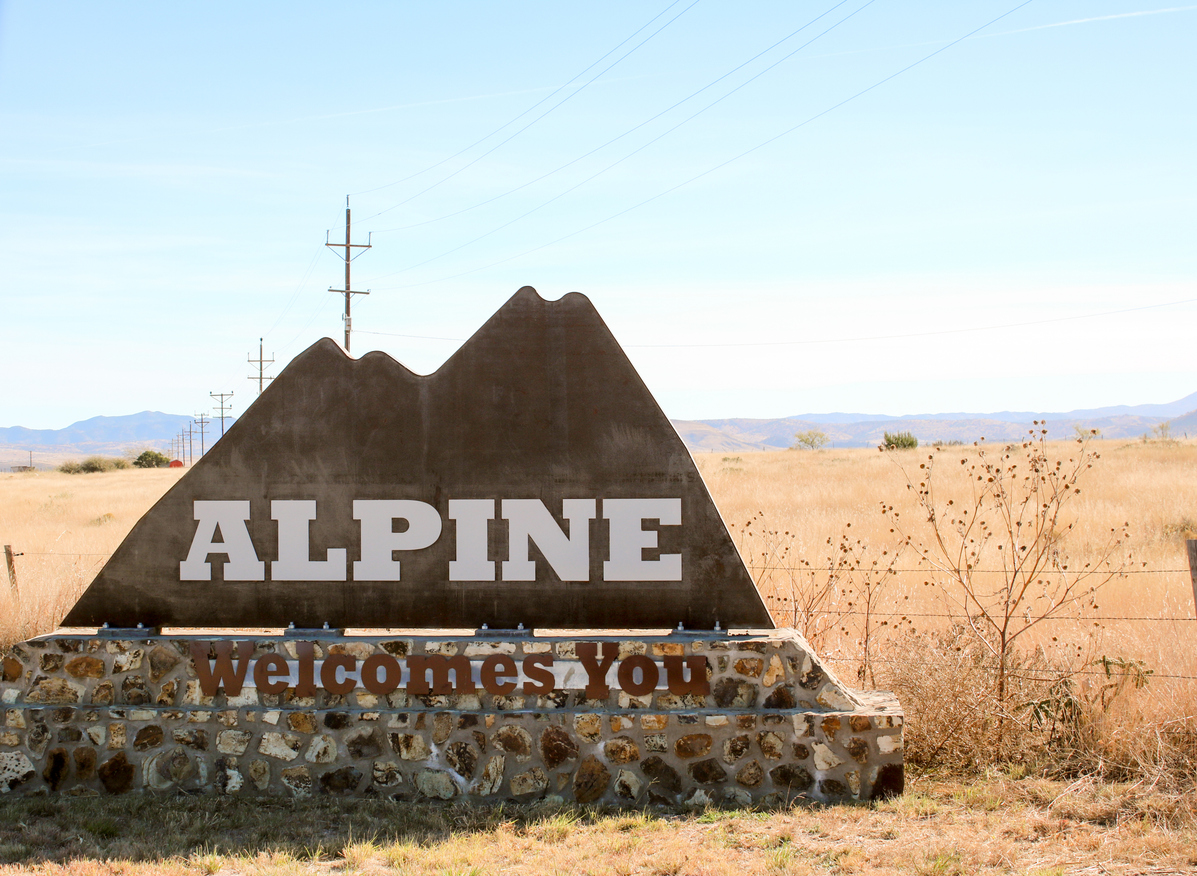
Alpine is larger than some towns on this list, but it still has a small-town rhythm and makes a strong base for outdoor travel in far West Texas. It sits between the Davis Mountains and Big Bend region, giving visitors several directions to explore.
The town has mountain views, desert scenery, and easy access to scenic highways. Nearby outdoor options include hiking areas, birding routes, and day trips toward Big Bend National Park or Big Bend Ranch State Park.
Alpine is useful for travelers who want outdoor access with more services. You can find lodging, restaurants, shops, and supplies while still feeling close to some of the most dramatic landscapes in Texas.
It is a practical base for first-time West Texas visitors. The town gives you a comfortable place to stay while you explore rugged country during the day.
Marathon
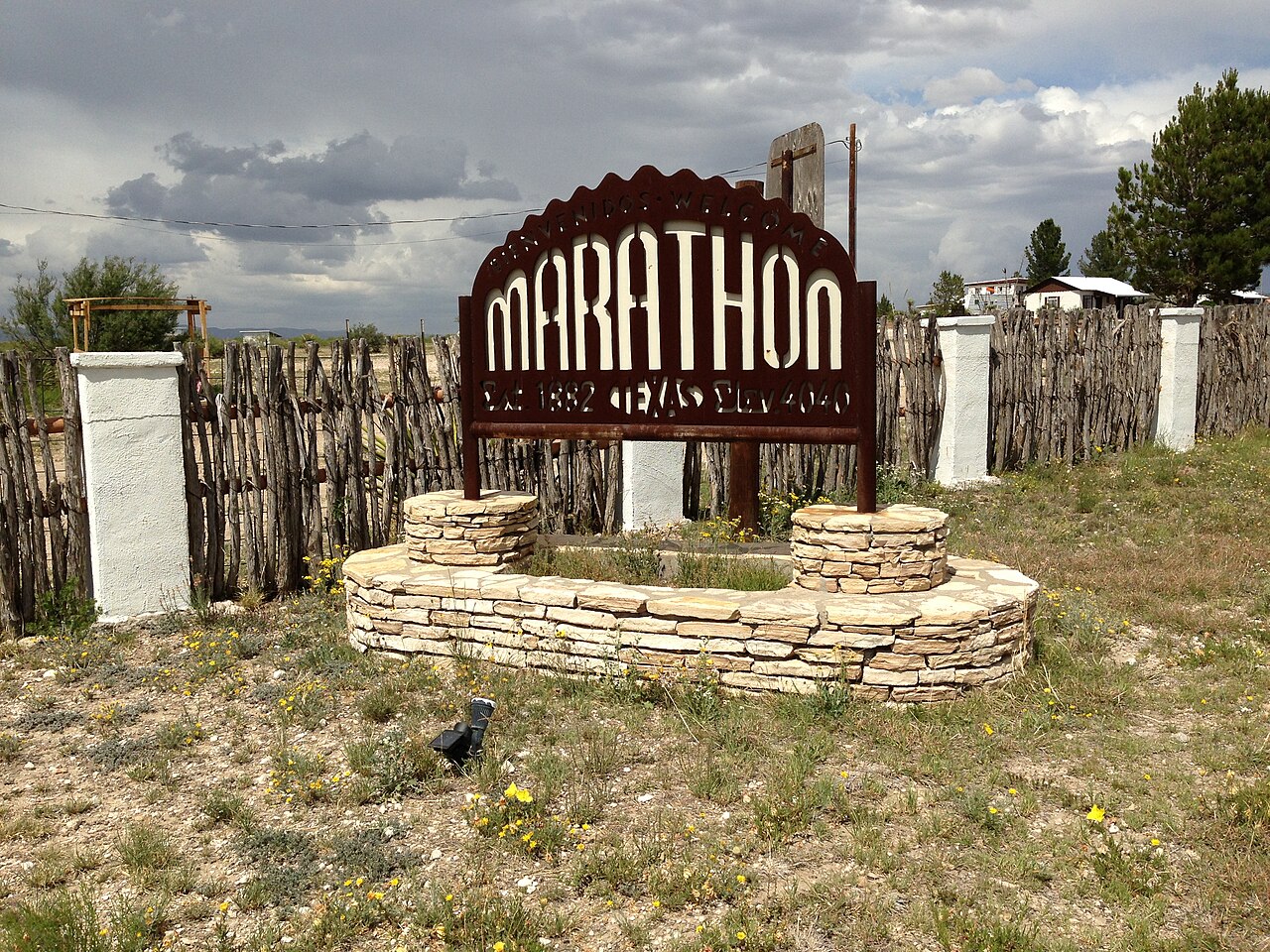
Marathon is one of the best small towns for travelers heading toward Big Bend National Park. It is quiet, remote, and surrounded by wide desert views.
The town sits north of the park and gives visitors a peaceful place to stay before driving south into Big Bend. From Marathon, travelers can reach hiking trails, scenic drives, desert overlooks, and river country along the Rio Grande.
Marathon is not packed with attractions in the usual sense. That is part of its appeal. The outdoors feel close because the landscape is open in every direction.
This town is a good fit for people who enjoy solitude, photography, desert scenery, and early starts into the national park.
Quitaque
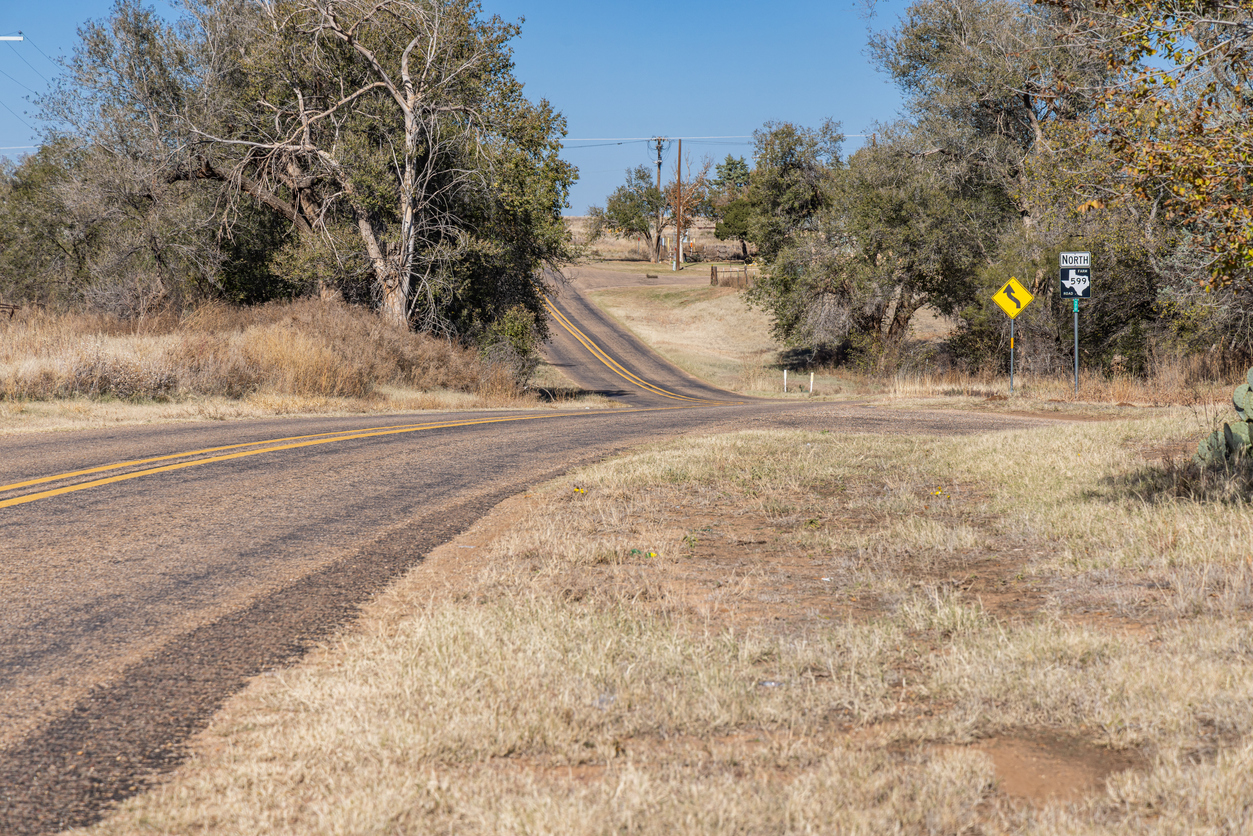
Quitaque is a small Panhandle town with impressive outdoor access. It sits near Caprock Canyons State Park, one of the most striking natural areas in Texas.
The park features red rock formations, rugged trails, canyon views, wildlife, and open plains. It is also home to the Texas State Bison Herd, which gives visitors a rare chance to see bison roaming in a protected landscape.
The nearby Caprock Canyons Trailway adds even more outdoor value. This long rail-trail route is popular with hikers, cyclists, and equestrians. It passes through open country, old railroad features, and quiet stretches of the Panhandle.
Quitaque is ideal for travelers who want a less crowded canyon experience. It offers a strong sense of place and a landscape that feels very different from Central or East Texas.
Glen Rose
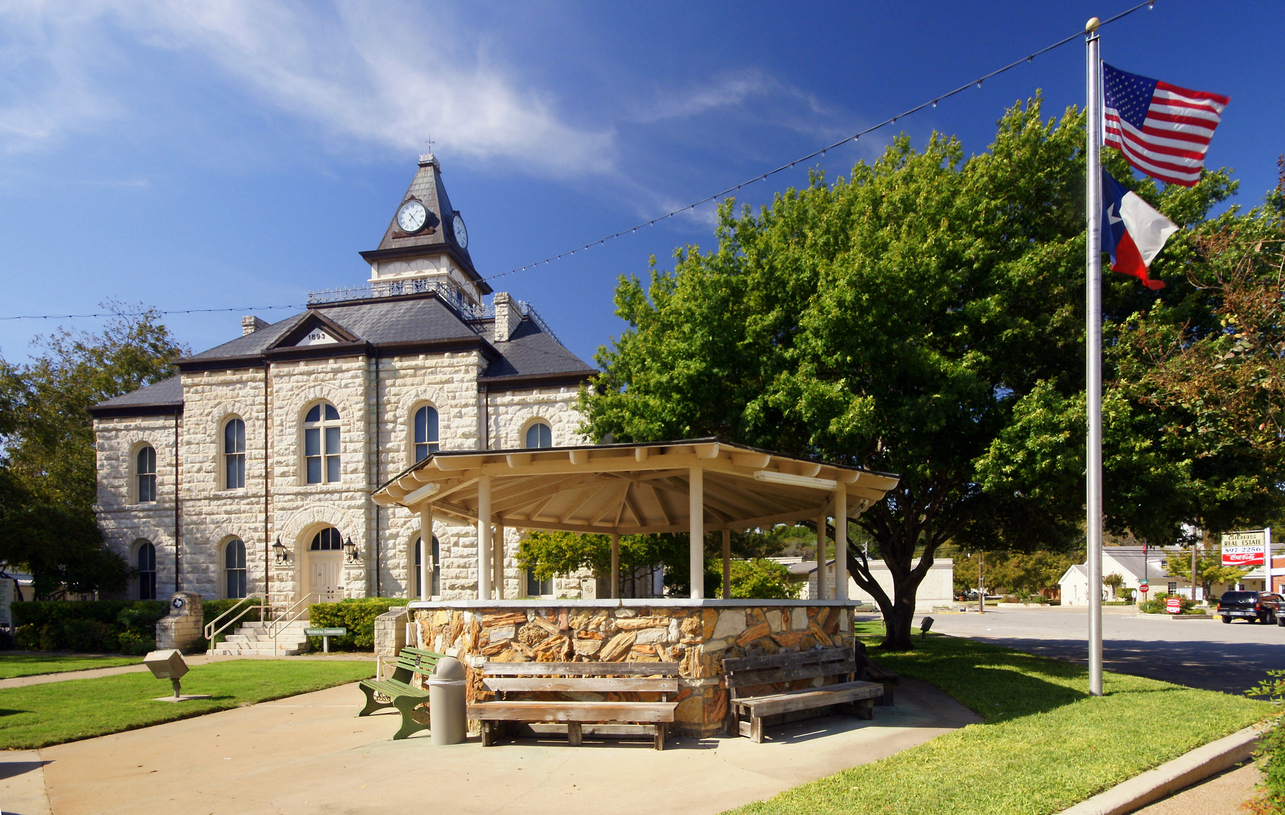
Glen Rose is a small town southwest of Fort Worth with excellent outdoor access and a strong family-friendly appeal. It is best known for Dinosaur Valley State Park.
The park protects dinosaur tracks along the Paluxy River. Visitors can hike, picnic, camp, and explore riverbeds when conditions are safe. The tracks make the park especially interesting for kids, history lovers, and anyone curious about prehistoric Texas.
Glen Rose also has access to trails, river scenery, and nearby wildlife attractions. The area works well for a weekend trip because it offers both outdoor activity and educational stops.
This is one of the best small towns in Texas for combining nature with science. It shows how outdoor recreation can also teach visitors about geology, fossils, rivers, and deep time.
Blanco
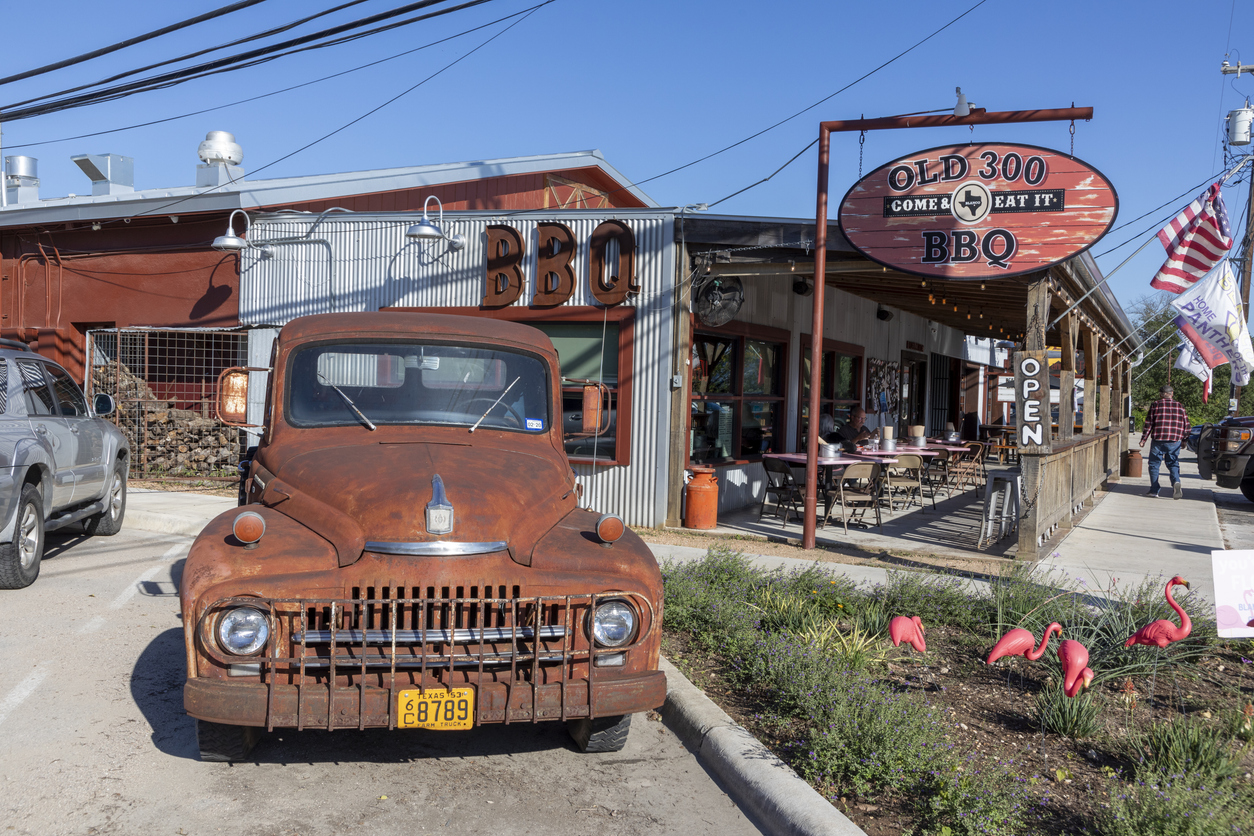
Blanco is a classic Hill Country town with easy access to water. Blanco State Park sits right in town, which makes outdoor time simple and convenient.
The park follows the Blanco River and offers swimming, fishing, paddling, picnicking, and camping. Since it is close to the center of town, visitors do not need to drive far to enjoy the water.
Blanco also works well as a base for exploring nearby Hill Country parks and scenic roads. The area has a slower pace than some busier destinations, which makes it attractive for relaxed trips.
This town is a good choice for travelers who want a simple river getaway. It is easy to plan, easy to reach, and easy to enjoy.
Burnet
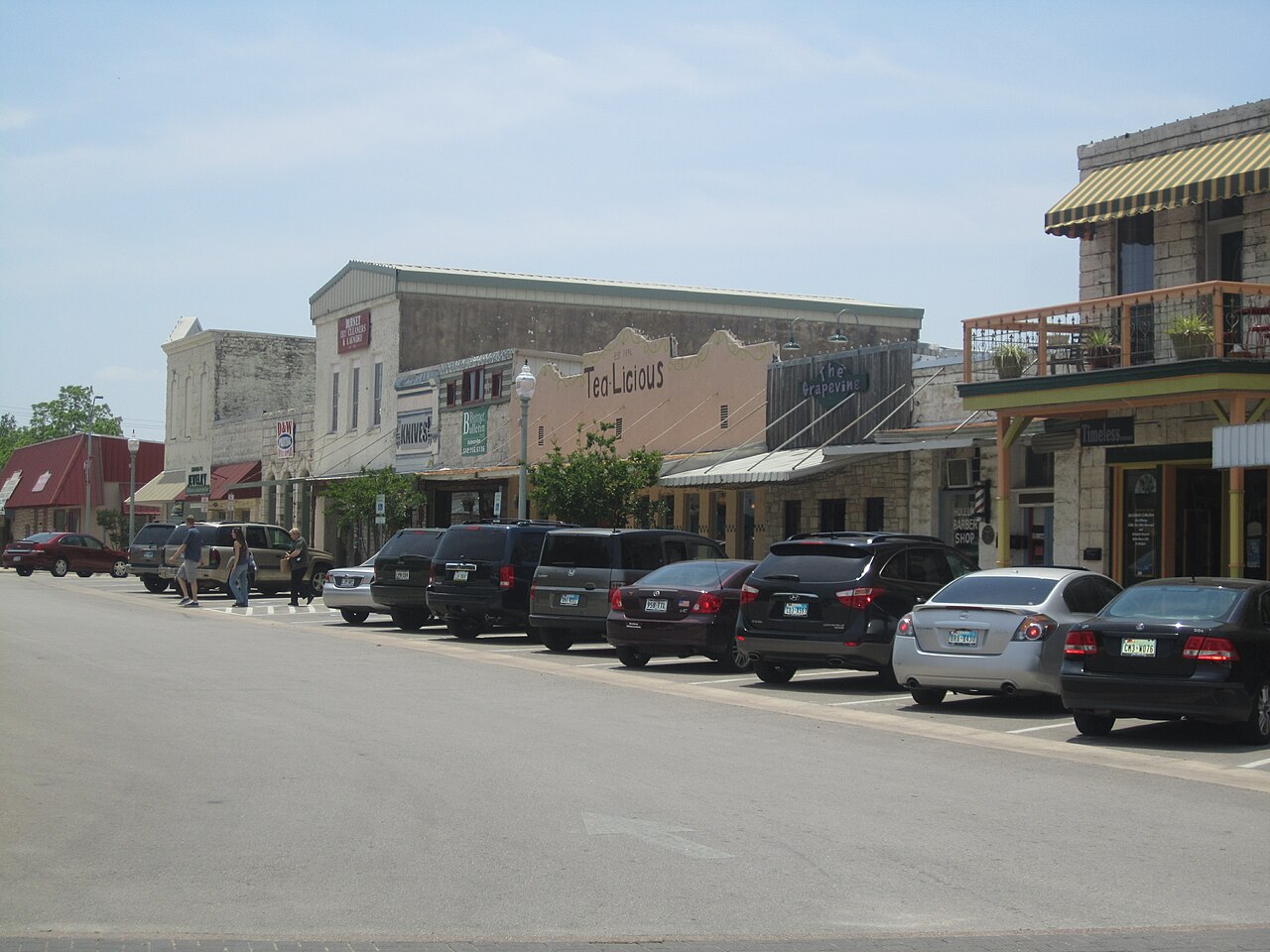
Billy Hathorn, Downtown Burnet, TX IMG 1997, CC BY 3.0
Burnet sits near some of the best outdoor spots in the Highland Lakes region. It gives visitors access to state parks, lakes, caverns, and Hill Country scenery.
Inks Lake State Park is nearby and offers camping, hiking, swimming, paddling, and fishing. The lake setting makes it popular for families and weekend travelers. The park’s rocky shoreline and clear water give it a different feel from many river-based Hill Country parks.
Longhorn Cavern State Park is also close to Burnet. It offers cave tours and a look at the underground side of Texas geology. That makes Burnet a strong option for travelers who want both water and land-based exploration.
Burnet is especially useful for people who like variety. You can hike in the morning, visit a cavern in the afternoon, and watch the sunset near the lake.
Leakey
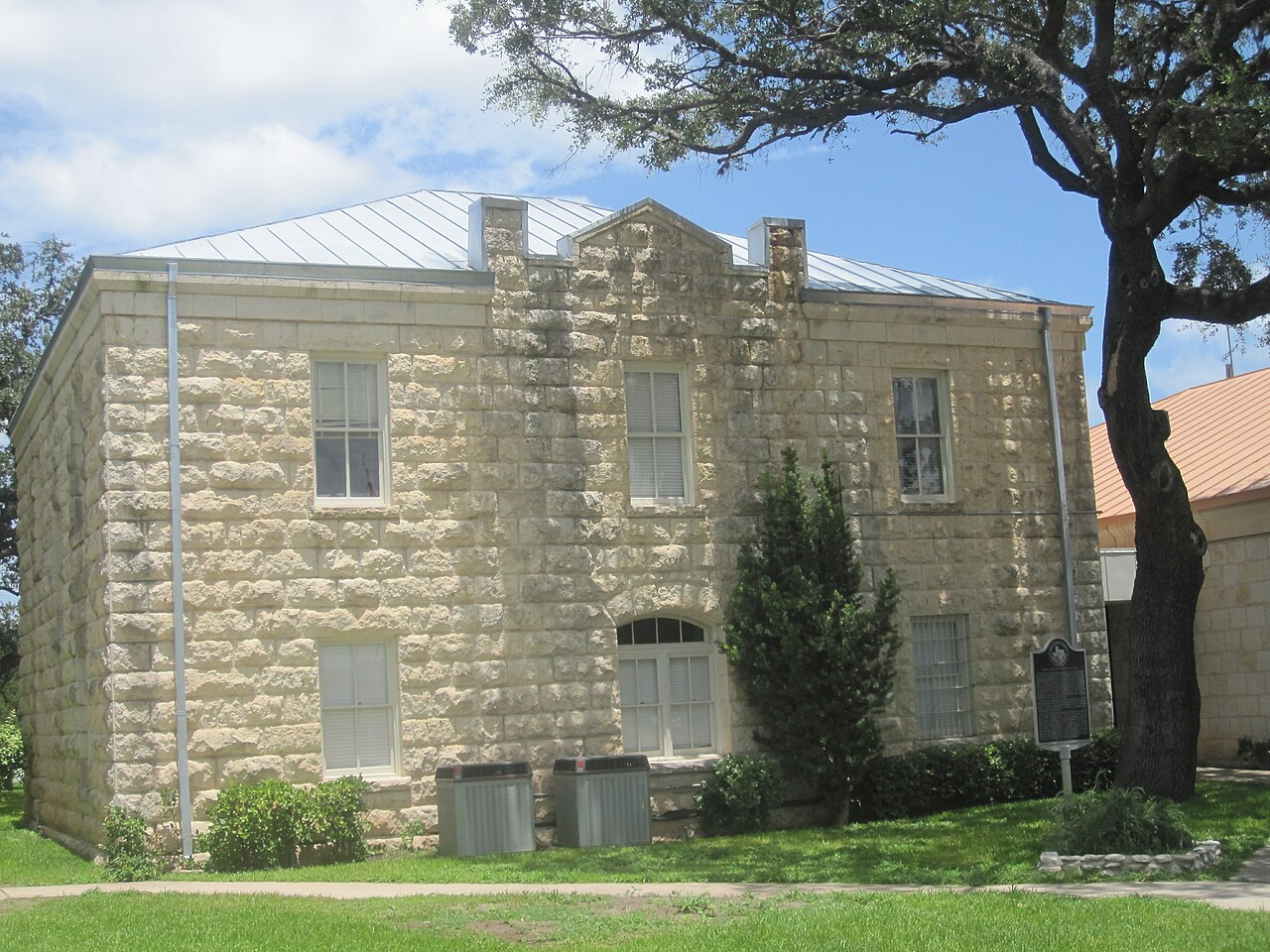
Billy Hathorn, Real County courthouse in Leakey, TX IMG 4304, CC BY-SA 3.0
Leakey sits in the Frio River region, one of the most scenic parts of the Texas Hill Country. The town is surrounded by limestone hills, clear water, and winding roads.
The Frio River is the main attraction. Visitors come for tubing, swimming, kayaking, fishing, and relaxing along the water. The river can be seasonal in places, so water levels matter, but the region remains one of the state’s favorite warm-weather escapes.
Garner State Park is nearby and adds hiking, camping, river access, and sweeping Hill Country views. The park is especially popular in summer, but it also offers good hiking weather in cooler months.
Leakey is a strong choice for travelers who want a classic Texas river trip. It has a rugged, scenic feel and enough outdoor access to fill a full weekend.
Jefferson
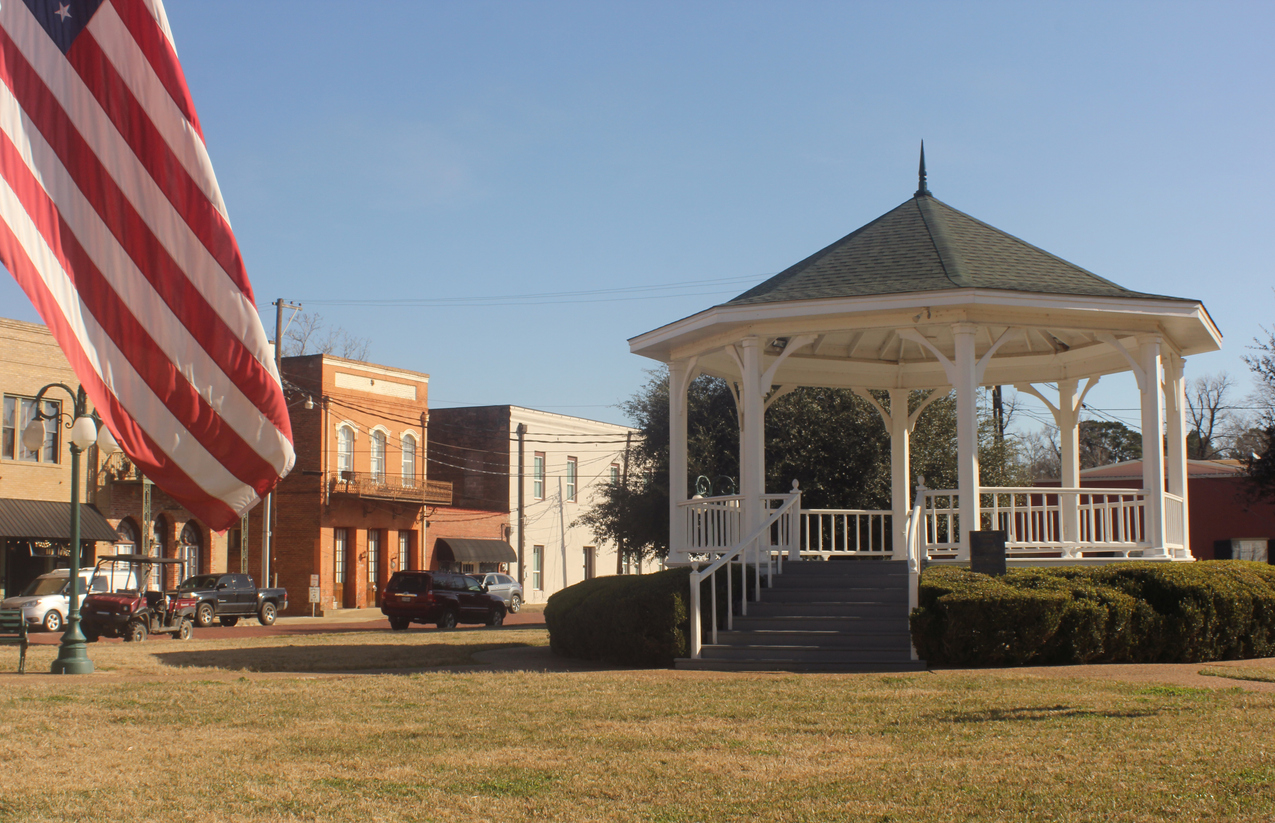
Jefferson brings a different outdoor setting into the mix. Located in East Texas, it gives visitors access to bayous, cypress trees, wetlands, and lake country.
Caddo Lake is the major outdoor highlight nearby. Its maze of waterways, bald cypress trees, and Spanish moss creates one of the most unique landscapes in Texas. Visitors can paddle, fish, take boat tours, watch birds, and explore quiet water routes.
The Jefferson area feels different from the Hill Country and West Texas. It is greener, wetter, and more wooded. That makes it a great choice for travelers who want shade, water, and a slower East Texas atmosphere.
Jefferson also has a historic town center, which adds to its appeal after a day outdoors.
Why Small Towns Make Great Outdoor Bases
Small towns often make outdoor trips easier. Parking can be simpler. Lodging may feel more relaxed. Local restaurants and shops can give the trip a stronger sense of place.
They also help visitors connect with the landscape. A trip to a state park feels different when the town nearby reflects the same region. Fort Davis feels tied to the mountains. Junction feels tied to the river. Quitaque feels tied to the canyons and plains.
Small towns also encourage a slower travel style. Instead of rushing through a crowded itinerary, visitors can focus on one area and enjoy it well.
Tips for Planning an Outdoor Trip in Small-Town Texas
Weather matters in Texas. Summer heat can be intense, especially in Central, South, and West Texas. Start hikes early, bring plenty of water, and check park alerts before heading out.
River conditions can also change. Heavy rain, drought, and seasonal flow can affect tubing, paddling, and swimming. Always check local updates before planning water activities.
State parks may require day-use reservations, especially on weekends and holidays. Popular parks can reach capacity. Booking ahead can save a trip from becoming stressful.
It also helps to pack for the region. West Texas calls for sun protection and sturdy shoes. River towns call for water shoes and dry bags. East Texas trips may require insect repellent and rain-ready gear.
Final Thoughts
Small Texas towns offer some of the best outdoor access in the state. They give travelers a chance to enjoy rivers, mountains, canyons, forests, lakes, and open skies without staying in a busy city.
Junction has river beauty. Fort Davis has mountain air. Quitaque has canyon views. Jefferson has cypress-lined waterways. Each town offers a different version of the Texas outdoors.
That variety is what makes these places worth exploring. A small town can turn a simple hike, paddle, swim, or scenic drive into a full Texas getaway.