

Lubbock is one of those Texas cities that often surprises first-time visitors. People may arrive expecting a quiet agricultural hub surrounded by flat plains, but after spending time there, they quickly realize the city has a much deeper personality shaped by music, education, agriculture, food culture, and an unusually strong sense of community.
Located in the South Plains region of West Texas, Lubbock sits beneath enormous open skies where long roads stretch toward the horizon and sunsets seem to fill half the landscape. That physical openness influences daily life in ways visitors notice almost immediately. Traffic moves slower than in major Texas metro areas, neighborhoods feel less crowded, and people often approach life with a more relaxed pace.
At the same time, Lubbock is not isolated or sleepy. Texas Tech University brings energy into the city through sports, research, arts, and nightlife, while the city’s agricultural roots continue shaping everything from local business to regional identity.
For travelers looking to experience a different side of Texas—one focused less on dense urban growth and more on space, simplicity, and community—Lubbock offers one of the clearest examples of modern West Texas life.
How Lubbock Developed into the Hub of the South Plains
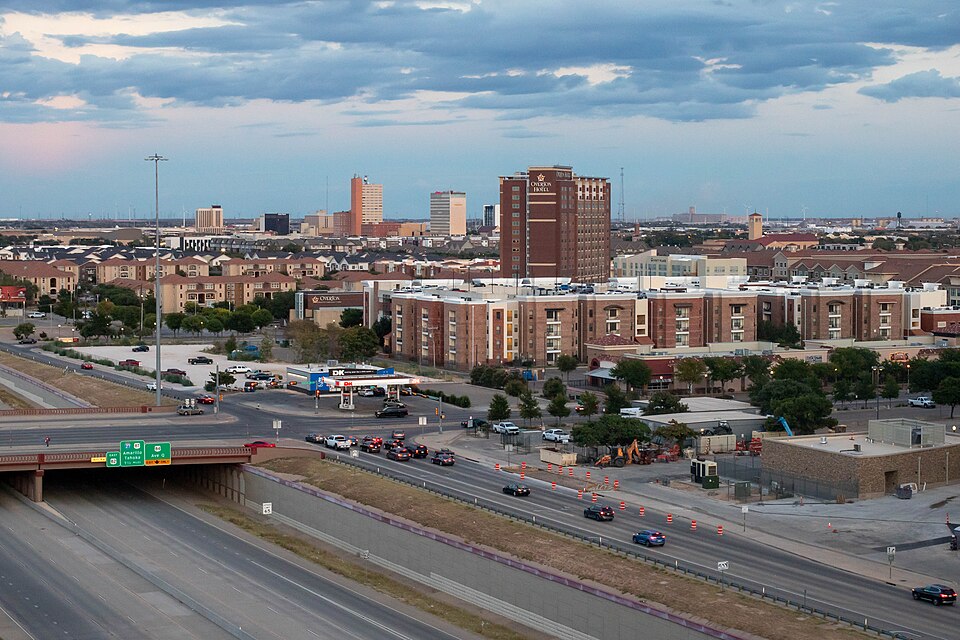
Lubbock was officially founded in 1890 through the merger of two small settlements: Old Lubbock and Monterey. The city eventually became the economic center of the South Plains because of its position within one of the largest cotton-producing regions in the world.
Railroads helped accelerate early growth, connecting the area’s agricultural economy to larger Texas markets. Over time, Lubbock developed into a regional center for:
- Cotton production
- Agricultural research
- Healthcare
- Education
- West Texas business operations
The city’s nickname, “Hub City,” reflects this role as the primary commercial and cultural center for a large surrounding rural region.
Texas Tech University, established in 1923, further transformed Lubbock by bringing educational opportunities and long-term economic growth into the city. Today, the university remains one of the strongest forces shaping local culture and identity.
The Landscape Defines the Experience
One of the first things visitors notice about Lubbock is the landscape itself.
The South Plains region does not have the dramatic hills of the Hill Country or the dense forests of East Texas. Instead, the scenery is defined by wide-open prairie, agricultural fields, grain silos, windmills, and massive skies that seem to stretch endlessly in every direction.
For some visitors, the openness feels almost surprising at first. Roads extend for miles without major elevation changes, and sunsets become major visual events because there is so little interruption between the horizon and the sky.
That openness affects the culture too.
Life in Lubbock often feels less hurried than in cities like Dallas, Houston, or Austin. Parking is easier, neighborhoods are less dense, and even major roads feel more manageable.
Many residents see that simplicity as one of the city’s biggest advantages.
Texas Tech University and the Energy It Brings

It is impossible to understand modern Lubbock without understanding the role of Texas Tech University.
The campus sits near the heart of the city and brings a constant flow of students, sporting events, concerts, performances, and business activity into the community. The university helps create a balance between traditional West Texas culture and a younger, more energetic atmosphere.
Game days especially transform the city.
During football season, Jones AT&T Stadium becomes one of the busiest places in West Texas as Red Raiders fans fill parking lots and tailgate areas hours before kickoff. Even visitors with no connection to Texas Tech often notice how strongly the university influences local pride and identity.
The campus itself is also worth visiting. Its Spanish Renaissance-style architecture, wide pedestrian areas, and public art installations create one of the more visually distinctive university settings in Texas.
The university’s museums, theaters, and music venues help keep Lubbock culturally active throughout the year.
Buddy Holly and Lubbock’s Music Legacy
View this post on Instagram
Lubbock’s cultural influence extends far beyond agriculture and college athletics because the city also played a major role in American music history.
Buddy Holly, one of the most influential early rock-and-roll musicians, was born in Lubbock in 1936. His success helped place the city permanently into American music culture.
Today, the Buddy Holly Center remains one of the city’s most important attractions. Located in downtown Lubbock’s Depot District, the museum includes:
- Personal memorabilia
- Recording artifacts
- Historical exhibits
- Music history displays
The nearby Buddy Holly statue and West Texas Walk of Fame help preserve the city’s connection to musicians and performers who shaped regional and national music scenes.
Music still plays a major role in Lubbock today. Local bars, breweries, and venues regularly host live country, Americana, rock, and Red Dirt music performances throughout the week.
The Blue Light Live, in particular, has become one of the best-known music venues in West Texas because of its support for Texas country and independent artists.
Exploring Downtown Lubbock and the Depot District
Downtown Lubbock has evolved significantly over the past two decades.
The Depot District, once centered heavily around rail activity and warehouses, now functions as one of the city’s primary entertainment areas. Historic brick buildings house:
- Restaurants
- Breweries
- Live music venues
- Cocktail bars
- Coffee shops
Unlike denser entertainment districts in larger cities, the Depot District still feels approachable and relaxed. Visitors can easily move between venues without dealing with overwhelming crowds or traffic.
During evenings and weekends, the area becomes especially active with live music, outdoor patios, and local events.
Restaurants such as The West Table Kitchen and Bar and La Diosa Cellars help create a dining scene that blends upscale food with casual West Texas atmosphere.
The Outdoor Side of Lubbock

Although Lubbock is often associated with prairie landscapes and agriculture, outdoor recreation still plays a major role in local life.
Mackenzie Park remains one of the city’s largest and most important public parks. Located along the Yellow House Draw canyon system, the park includes golf courses, trails, picnic areas, and Prairie Dog Town, one of Lubbock’s most recognizable local attractions.
Prairie Dog Town has operated since the 1930s and gives visitors a surprisingly close look at prairie dog colonies that remain part of the region’s natural ecosystem.
Buffalo Springs Lake, located southeast of the city, offers another side of outdoor recreation in the area. The lake sits within a scenic canyon environment that contrasts sharply with the flatter plains surrounding Lubbock.
Visitors regularly use the lake for:
- Fishing
- Boating
- Camping
- Swimming
- Weekend recreation
Because Buffalo Springs Lake sits below the surrounding plains, the drive into the canyon itself becomes part of the experience.
Wineries and the High Plains Wine Region
One of the most overlooked parts of Lubbock culture is its growing wine industry.
The Texas High Plains region surrounding Lubbock produces a large percentage of the wine grapes used throughout Texas wineries. The area’s elevation, dry climate, and temperature swings create conditions favorable for grape growing.
Several wineries and tasting rooms operate in and around the city, including:
- McPherson Cellars
- Llano Estacado Winery
- English Newsom Cellars
Llano Estacado Winery, founded in 1976, remains one of the oldest and largest wineries in Texas.
Wine tourism has become an increasingly important part of the local economy, adding another layer to the city’s identity beyond agriculture and university life.
Food Culture in Lubbock
Lubbock’s food scene reflects its blend of agricultural roots, college-town energy, and West Texas traditions.
Steakhouses, Tex-Mex restaurants, barbecue spots, and casual diners remain deeply popular throughout the city.
Places like Cagle Steaks and Evie Mae’s Pit Barbeque regularly attract visitors looking for classic Texas flavors.
At the same time, Texas Tech’s influence has helped expand the city’s dining scene with more diverse restaurants, breweries, and cafés than many first-time visitors expect.
Coffee shops and local breweries also play a growing role in social life, especially near downtown and the university district.
The Simplicity of Daily Life in Lubbock
One of the strongest impressions many visitors take away from Lubbock is how manageable daily life feels.
Compared to larger Texas cities:
- Traffic is lighter
- Commutes are shorter
- Public spaces feel less crowded
- Parking is easier
That simplicity contributes heavily to the city’s appeal for both residents and visitors.
People often describe Lubbock as a place where routines feel less stressful and community interactions feel more personal.
Even as the city grows, much of that atmosphere remains intact.
Seasonal Weather and West Texas Conditions
Visitors should understand that Lubbock’s climate is very different from East or Central Texas.
The region experiences:
- Hot summers
- Strong winds
- Dramatic sunsets
- Occasional dust storms
- Colder winters than many Texas cities
Spring and fall are usually considered the best times to visit because temperatures are more comfortable and outdoor activities become easier to enjoy.
The wind is also part of the city’s identity. Locals joke about it regularly, but the constant breeze contributes to the wide-open feeling that defines much of West Texas life.
Why Lubbock Appeals to Visitors Looking for Something Different
Lubbock appeals most strongly to visitors looking for a version of Texas that feels less commercialized and more grounded in regional identity.
The city offers:
- Music history
- College-town energy
- Agricultural heritage
- Wide-open landscapes
- Relaxed pacing
- Strong local culture
without the constant intensity of larger urban centers.
That balance creates a version of Texas life many travelers find refreshing.
Final Thoughts
Lubbock’s identity is shaped by openness in every sense of the word. The physical landscape creates space, the pace of life feels simpler, and the community culture remains approachable and grounded in local traditions.
From Texas Tech football weekends and live music in the Depot District to sunsets over the South Plains and afternoons at Buffalo Springs Lake, the city offers visitors a version of Texas that feels distinctly West Texan.
For travelers willing to slow down and experience a different side of the state, Lubbock provides one of the clearest windows into everyday life on the Texas plains.