

Texas has a hiking culture unlike almost anywhere else in the United States. The state has pine forests, limestone canyons, desert mountains, coastal trails, spring-fed rivers, and wide-open Hill Country paths. Yet one factor influences nearly every Texas hike: heat.
In many parts of the state, warm weather starts early, lasts late, and changes how people plan outdoor adventures. Texas hikers learn quickly that heat is not a small detail. It affects when people hike, what they carry, where they go, and how they think about safety.
Because of that, hiking in Texas comes with its own rhythm. It is shaped by sunrise starts, shaded trails, extra water, wide-brimmed hats, and a healthy respect for the sun.
Heat Is Part of the Texas Hiking Experience
Texas covers a huge range of landscapes, but heat connects them all. Summer temperatures often climb into the 90s and 100s, especially in Central Texas, West Texas, South Texas, and the desert areas near Big Bend. Even in East Texas, where trees provide more shade, humidity can make a moderate temperature feel much harder on the body.
This means hikers in Texas often think about heat before they think about distance. A five-mile hike in cool weather may feel easy. That same five miles in August, with little shade and a rocky trail, can feel exhausting.
Heat also changes the way people measure difficulty. In Texas, a short trail can become challenging if it has full sun exposure. A flat path can feel draining if it crosses open ground. A scenic overlook may require more planning if the return hike happens during the hottest part of the day.
For Texas hikers, trail difficulty is not only about elevation or mileage. It is also about temperature, shade, humidity, wind, and water access.
Early Starts Are Part of the Culture
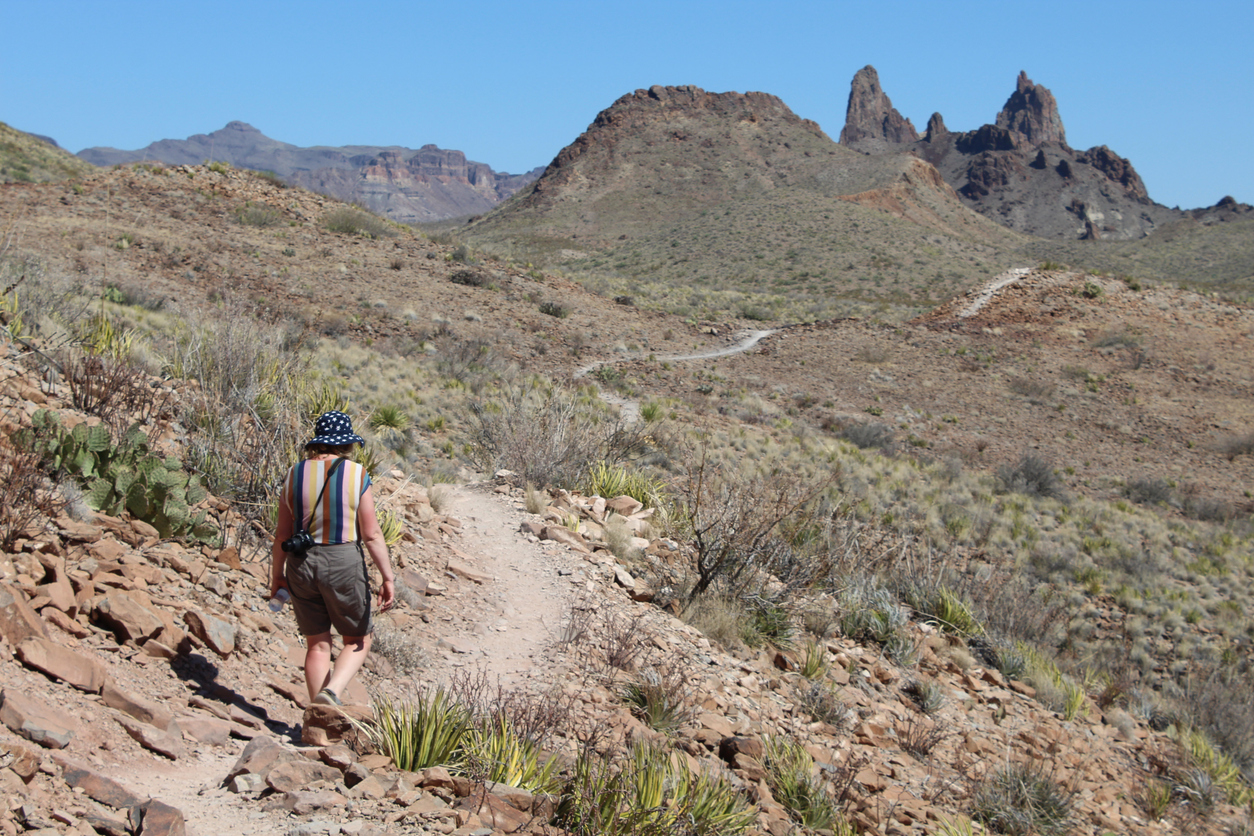
One of the clearest ways heat shapes hiking culture in Texas is the popularity of early morning hikes. Many Texans hit the trail before sunrise or shortly after daybreak, especially during spring, summer, and early fall.
This is not only about comfort. It is about safety.
Morning hikes offer cooler temperatures, softer light, and a better chance of finishing before the sun becomes intense. Trails that feel pleasant at 7 a.m. may feel harsh by noon. In places like Enchanted Rock, Palo Duro Canyon, Big Bend, and many Hill Country parks, the difference between morning and afternoon can be dramatic.
Early starts also create a different kind of outdoor atmosphere. Parking lots fill before breakfast. Hikers sip coffee on the drive to the trailhead. Families pack snacks the night before. Friends agree to meet at first light instead of midmorning.
In Texas, getting up early for a hike often feels like part of the adventure.
Shade Becomes a Major Trail Feature
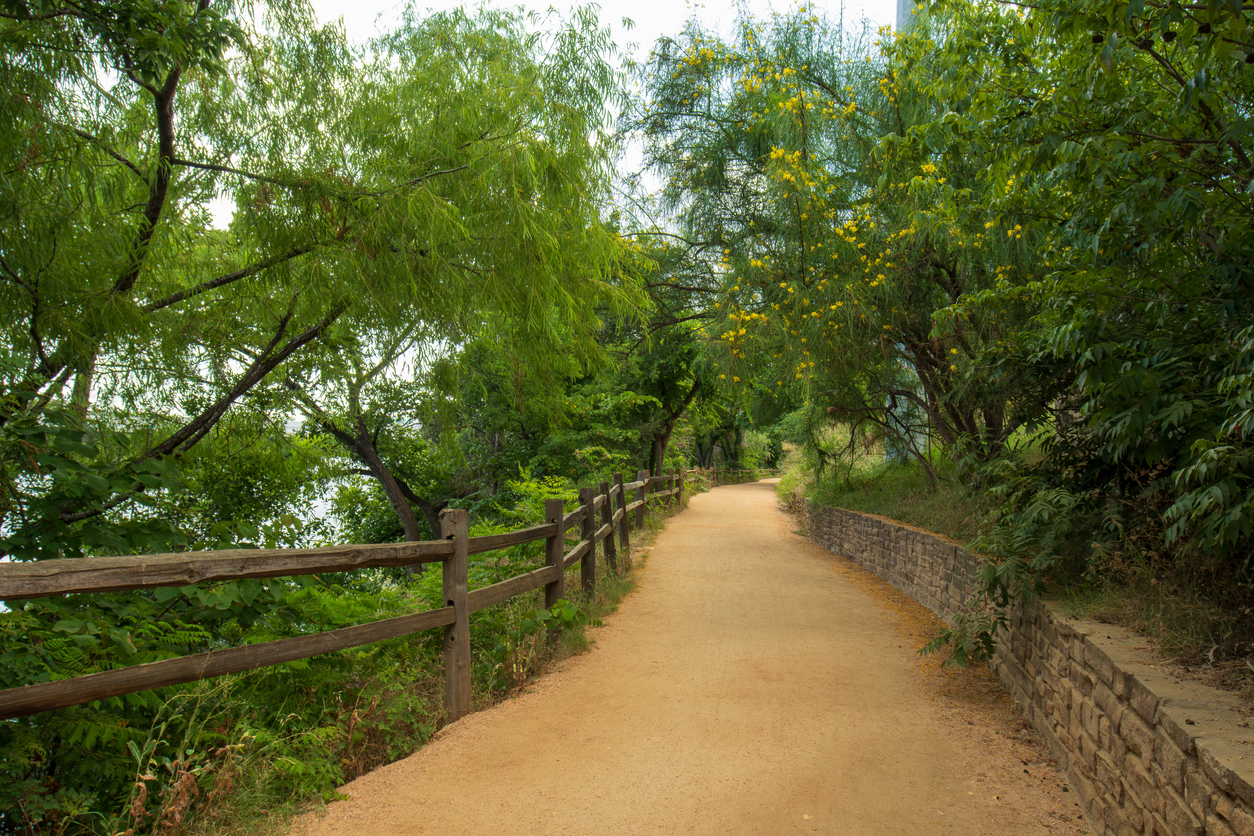
In cooler states, hikers may choose a trail based on views, waterfalls, wildlife, or distance. Texas hikers care about those things too, but shade often plays a major role.
A shaded trail can feel like a gift in Texas. Tree cover along creeks, wooded paths in state parks, and canyon walls that block direct sun can make a hike much more enjoyable. This is one reason places with water, forests, or shaded limestone trails are popular during warm months.
In Central Texas, trails near rivers and springs often draw steady crowds. In East Texas, pine forests offer a different kind of hiking experience, with filtered light and more protection from direct sun. In West Texas, hikers pay close attention to canyon routes, desert exposure, and the direction of the sun.
Shade also affects pacing. Hikers may stop under trees, rest beside rock walls, or plan breaks near covered areas. A small patch of shade can become the perfect place to drink water and cool down.
Water Is Treated as Essential Gear
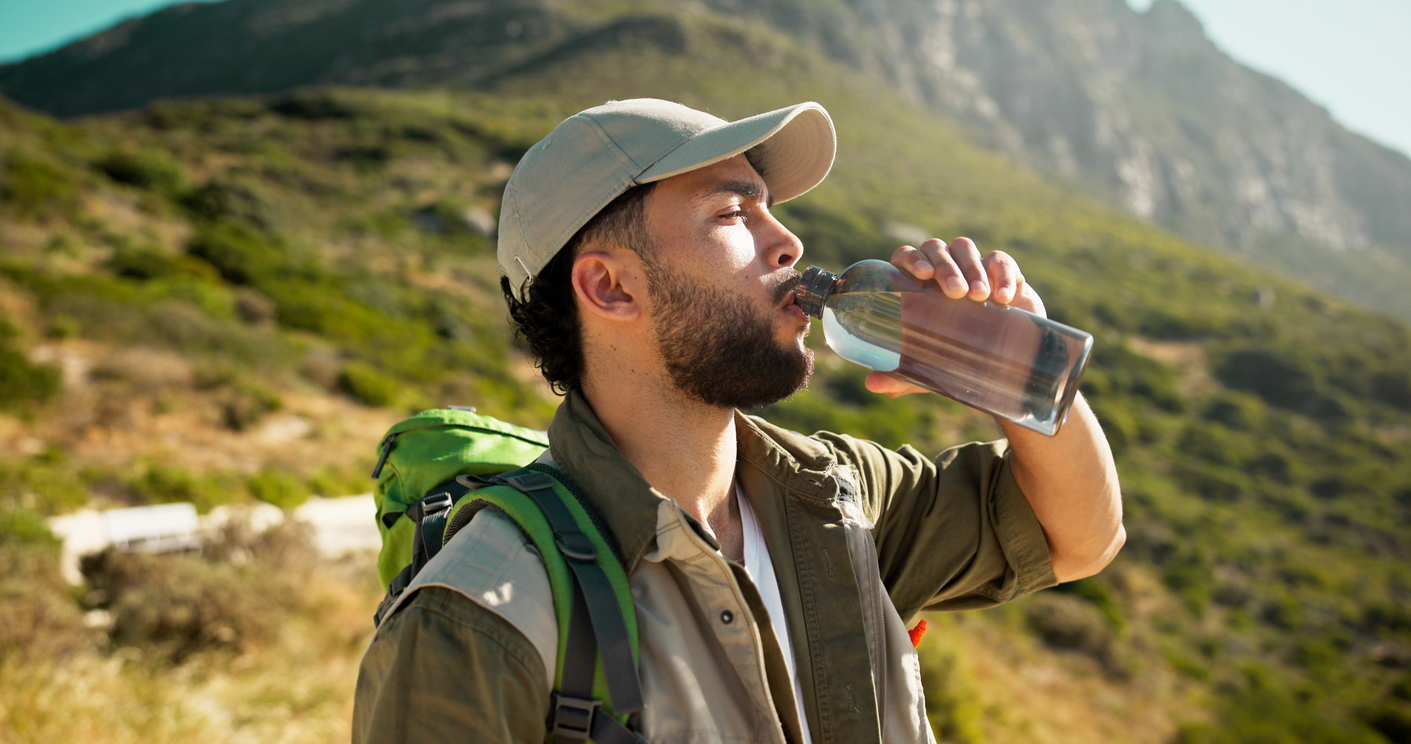
In Texas, water is not an afterthought. It is one of the most important items a hiker can carry.
Many experienced Texas hikers bring more water than they think they will need. This is especially true on exposed trails, longer routes, desert hikes, and summer outings. A common mistake among beginners is underestimating how quickly the body loses fluids in heat.
Sweat may evaporate quickly in dry areas, making dehydration harder to notice. In humid areas, sweat may not cool the body efficiently, which can lead to overheating. Both situations require attention.
Water planning also shapes group hiking culture. Friends remind each other to drink. Parents pack extra bottles for kids. Trail signs often warn visitors to carry enough water. Rangers and park staff frequently stress hydration, especially in high-risk areas.
For many Texas hikers, a full water bottle is only the starting point. Hydration packs, electrolyte drinks, frozen bottles, and backup water in the car are all common parts of the routine.
Clothing Choices Reflect the Climate
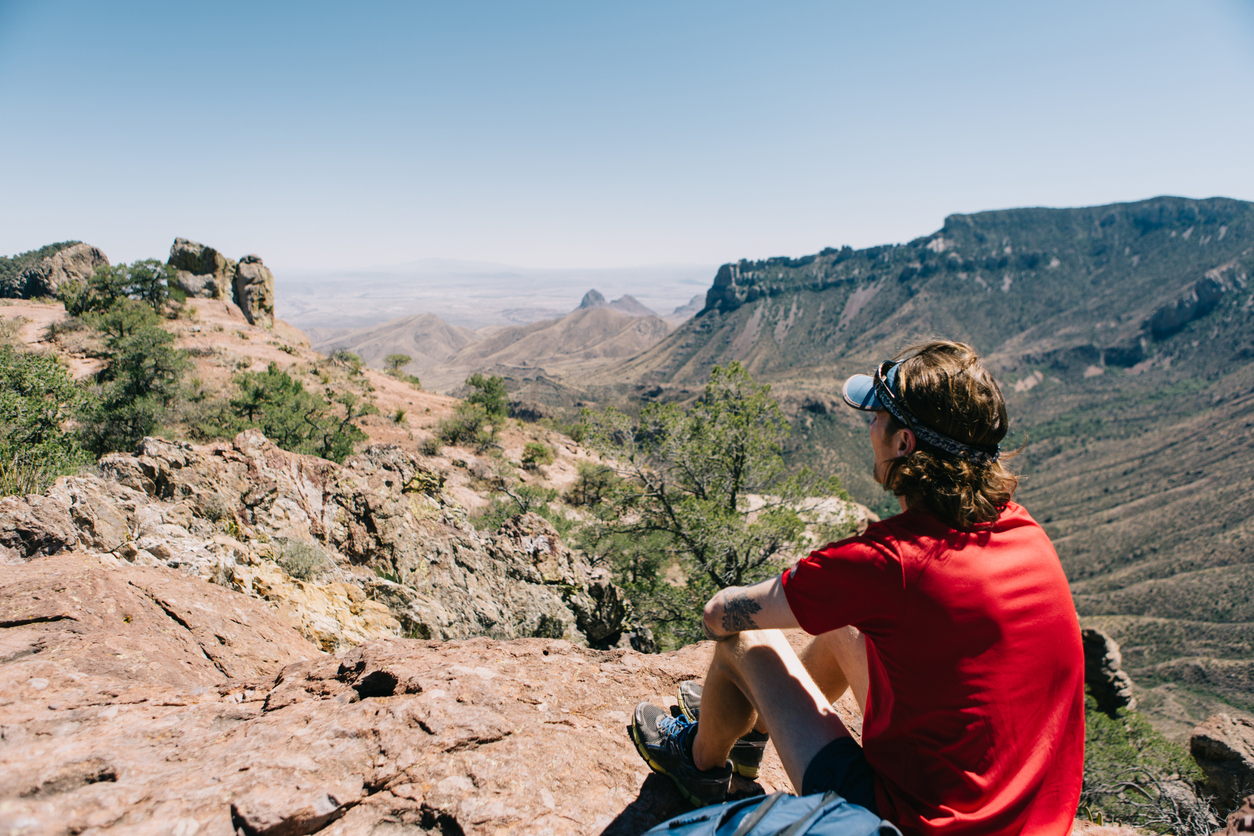
Texas heat has a major influence on hiking clothing. Comfort matters, but protection matters too.
Many hikers choose lightweight, breathable fabrics that dry quickly. Long sleeves may seem strange in hot weather, but sun-protective shirts can help shield skin and keep the body cooler. Hats are common, especially wide-brimmed ones that protect the face, ears, and neck.
Footwear also matters. Texas trails can be rocky, dusty, muddy, sandy, or covered in loose gravel. In hot weather, tired feet can lead to poor footing. Comfortable shoes with good grip become even more important when heat affects balance and energy.
Sunscreen, sunglasses, and bandanas are also common. Some hikers soak a bandana in water and wear it around their neck. Others choose light-colored clothing to reflect sunlight.
In Texas, hiking style often blends practicality with local personality. You may see technical hiking shirts, cowboy hats, trail runners, boots, fishing shirts, and sun hoodies on the same trail.
Heat Changes the Hiking Calendar
Texas has year-round hiking, but the best season depends on the region. In many areas, fall, winter, and early spring are prime hiking months. Cooler weather makes longer hikes easier and opens up trails that may feel too intense in summer.
This seasonal pattern shapes the way people plan outdoor trips. Summer may be better for short shaded hikes, sunrise walks, swimming-hole trails, or routes near water. Cooler months are better for longer hikes, backpacking trips, desert parks, and exposed viewpoints.
Big Bend National Park is a good example. Many hikers prefer visiting during cooler months because desert heat can be dangerous in summer. Meanwhile, Hill Country parks may see heavy spring activity when wildflowers bloom and temperatures remain manageable.
Instead of treating hiking as only a summer activity, Texans often see cooler months as hiking season. This surprises newcomers who may associate outdoor recreation with summer vacation.
Trail Etiquette Includes Heat Awareness
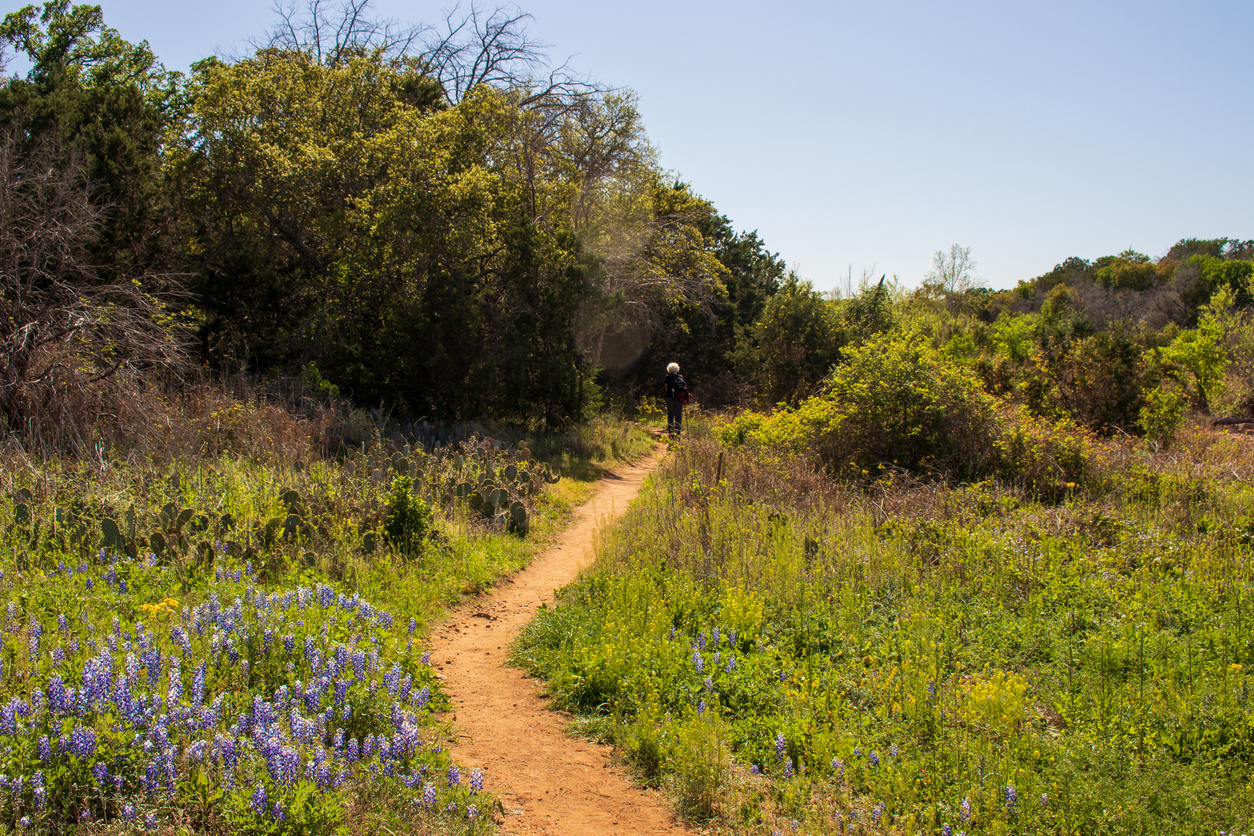
Heat also shapes the way hikers look out for each other. On Texas trails, it is common to hear reminders about water, shade, and weather. Someone may warn others about an exposed section ahead. A hiker returning from a trail may tell newcomers that the route is hotter than expected.
This kind of informal trail communication matters. Conditions can change quickly, and official signs cannot cover every situation. Hikers often rely on shared awareness.
Heat also affects decisions about pets. Dogs can overheat quickly, and hot ground can burn their paws. Responsible hikers check temperatures, bring extra water for animals, choose shaded routes, and avoid taking pets on exposed trails during extreme heat.
Families with children also plan carefully. Shorter hikes, frequent breaks, snacks, and shaded rest stops can make the difference between a fun outing and a stressful one.
In Texas, good trail etiquette includes paying attention to how heat affects every person and animal in the group.
The Landscape Teaches Respect
Texas heat has a way of teaching humility. A trail may look easy on a map, but the sun can make it feel completely different. A mild breeze can disappear. A shady stretch can end suddenly. A short climb can feel much steeper when the body is already hot.
This does not mean hiking in Texas should feel intimidating. It means hikers learn to respect the environment.
That respect becomes part of the culture. Experienced hikers check the forecast, read trail descriptions, look at shade coverage, and pay attention to park alerts. They know that turning around can be the smartest choice. They understand that finishing a trail matters less than staying safe.
Texas landscapes are beautiful, but they are not always gentle. Heat reminds hikers to prepare well and listen to their bodies.
Popular Texas Hiking Areas Show Heat’s Influence
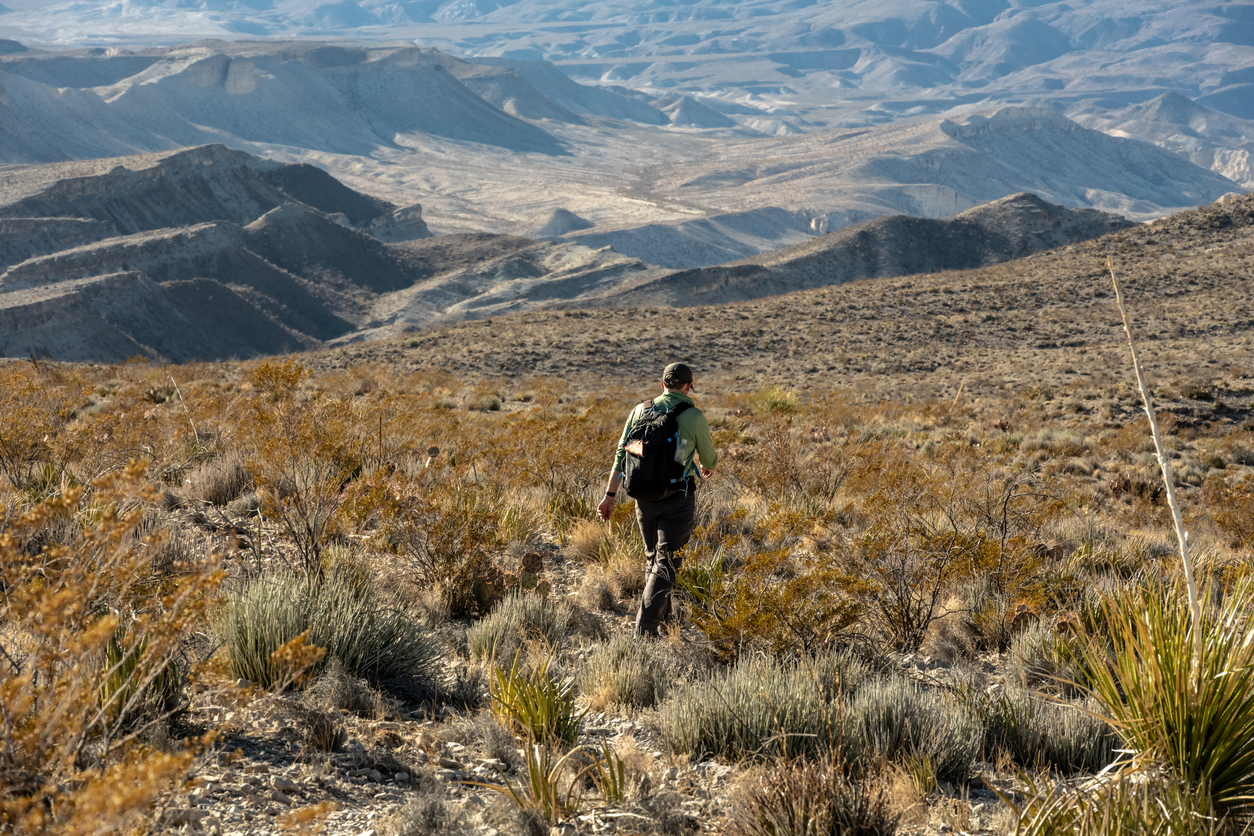
Different hiking regions in Texas reveal how deeply heat shapes outdoor habits.
In the Hill Country, hikers often choose morning visits to parks with rivers, springs, and shaded trails. Places like Garner State Park, Pedernales Falls State Park, and Lost Maples State Natural Area are especially appealing when water and tree cover help balance the warmth.
In West Texas, desert hiking requires careful planning. Big Bend, Guadalupe Mountains, and Franklin Mountains offer stunning scenery, but many trails have intense sun exposure. Hikers often plan around elevation, distance, and available shade.
In North Texas, prairie and lake trails can become hot quickly during summer. Open areas may offer wide views, but they also leave hikers exposed to direct sunlight.
In East Texas, forests provide more shade, but humidity changes the challenge. Hikers may not face the same desert dryness, yet the air can feel heavy and tiring.
Each region has its own hiking personality. Heat influences all of them in different ways.
Heat Builds a Practical Hiking Mindset
Texas hiking culture values preparation. A good hike often starts before anyone reaches the trailhead.
Hikers check sunrise times. They freeze water bottles. They pack salty snacks. They choose trails based on shade and distance. They study park maps and look for bailout points. They tell someone where they are going.
This practical mindset does not take away from the fun. In many ways, it adds to it. Good planning makes it easier to enjoy the scenery, notice wildlife, take photos, and relax along the way.
Heat encourages hikers to be aware, flexible, and realistic. Those habits make outdoor experiences safer and more enjoyable.
The Reward Is Worth the Planning
Despite the challenges, Texas heat has not stopped people from hiking. It has shaped a culture that adapts.
There is something memorable about watching the sunrise from a rocky overlook before the day heats up. There is satisfaction in finishing a trail before lunch while the rest of the day stretches ahead. There is comfort in finding shade beside a creek after a warm climb.
Texas hiking rewards people who pay attention. The heat may set the rules, but it also teaches patience, timing, and appreciation.
A cool breeze means more after a hot stretch of trail. A shaded bend feels better when the sun has been strong. A cold drink at the end of the hike feels earned.
Final Thoughts
Heat is one of the strongest forces shaping hiking culture in Texas. It affects when people go, where they hike, what they wear, how much water they carry, and how they define a safe outdoor experience.
Texas hikers learn to work with the climate instead of ignoring it. They start early, seek shade, carry water, protect themselves from the sun, and adjust their plans when conditions call for it.
That practical approach is part of what makes hiking in Texas unique. The trails can be rugged, beautiful, dry, humid, shaded, exposed, peaceful, and demanding. Heat ties those experiences together.
To hike in Texas is to understand the land through temperature as much as scenery. The sun shapes the pace, the plan, and the culture itself.