

West Texas has a way of surprising people. Many visitors picture Texas as ranchland, highways, big cities, and rolling Hill Country. Then they reach the desert, and the state suddenly feels wider, older, and more rugged.
Desert hiking in West Texas shows a side of Texas that feels far removed from the crowded trails and green parks found elsewhere. Here, the land is shaped by heat, wind, rock, cactus, mountains, canyons, and long stretches of open sky. It is beautiful, but it is also demanding. The desert asks hikers to slow down, pay attention, and respect the conditions.
This part of Texas offers some of the most striking hiking in the state. From Big Bend National Park to Guadalupe Mountains National Park and the wild spaces between them, West Texas rewards hikers with silence, color, and views that seem to stretch forever.
What Makes West Texas Desert Hiking Different?
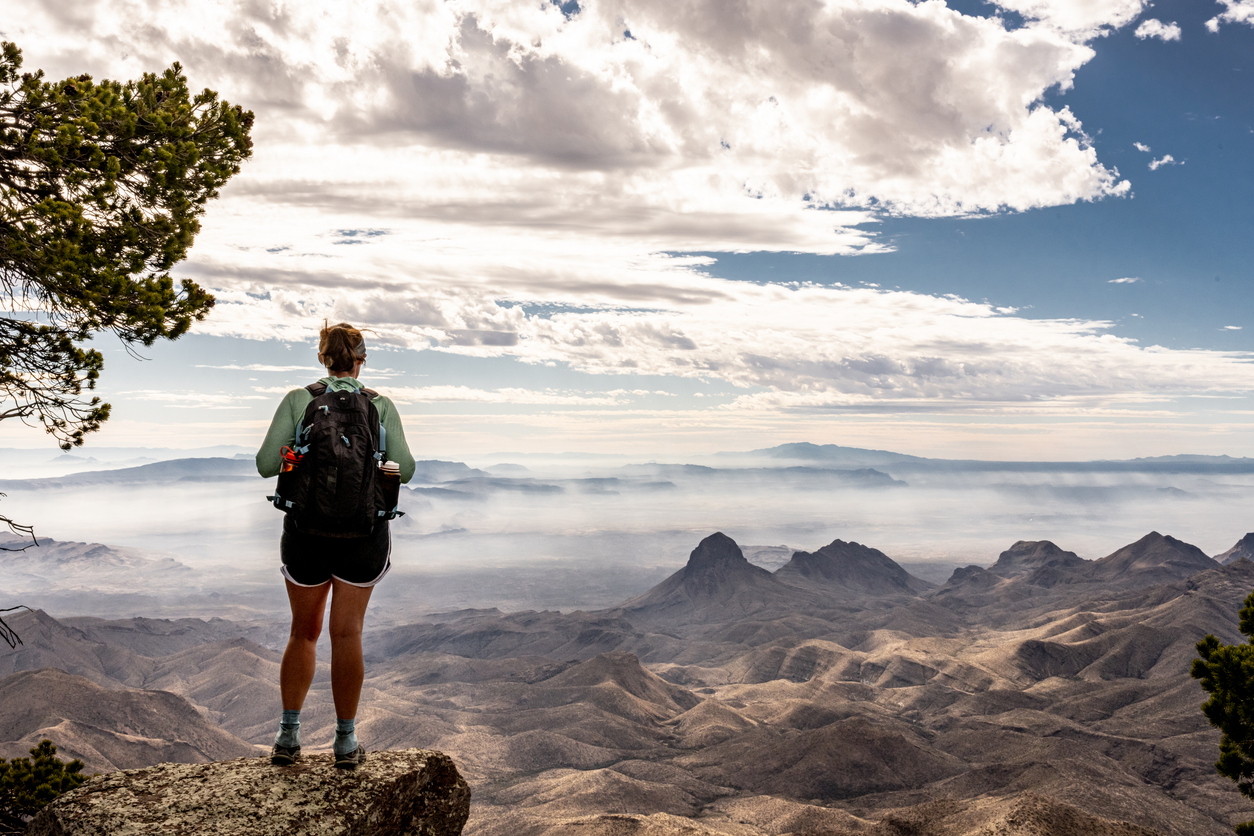
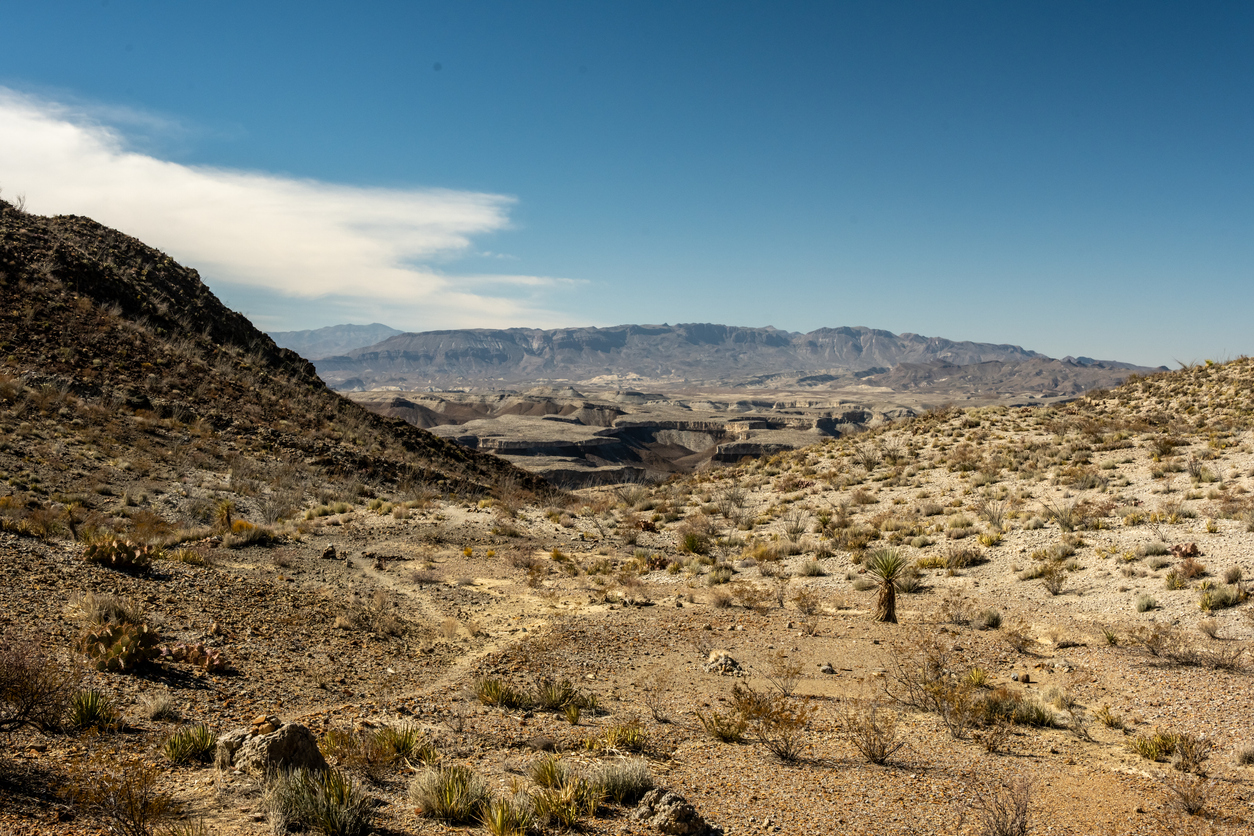
Desert hiking is not like walking through a shaded forest or along a coastal trail. In West Texas, the environment is open and exposed. Shade can be rare. Water is limited. Temperatures can change quickly. The ground may shift from sand to gravel to sharp limestone in a matter of minutes.
That is part of what makes the experience so memorable.
The desert landscape is full of contrast. Flat basins sit below steep mountain walls. Dry creek beds cut through rough country. Cactus flowers may bloom beside sun-bleached stone. A trail that looks plain at first can suddenly open into a canyon, overlook, or hidden spring.
West Texas also has a special kind of quiet. Away from towns and highways, the silence feels deep. You may hear only the wind, the crunch of boots on gravel, or the call of a bird moving through the brush.
Big Bend National Park: The Classic Desert Hiking Destination
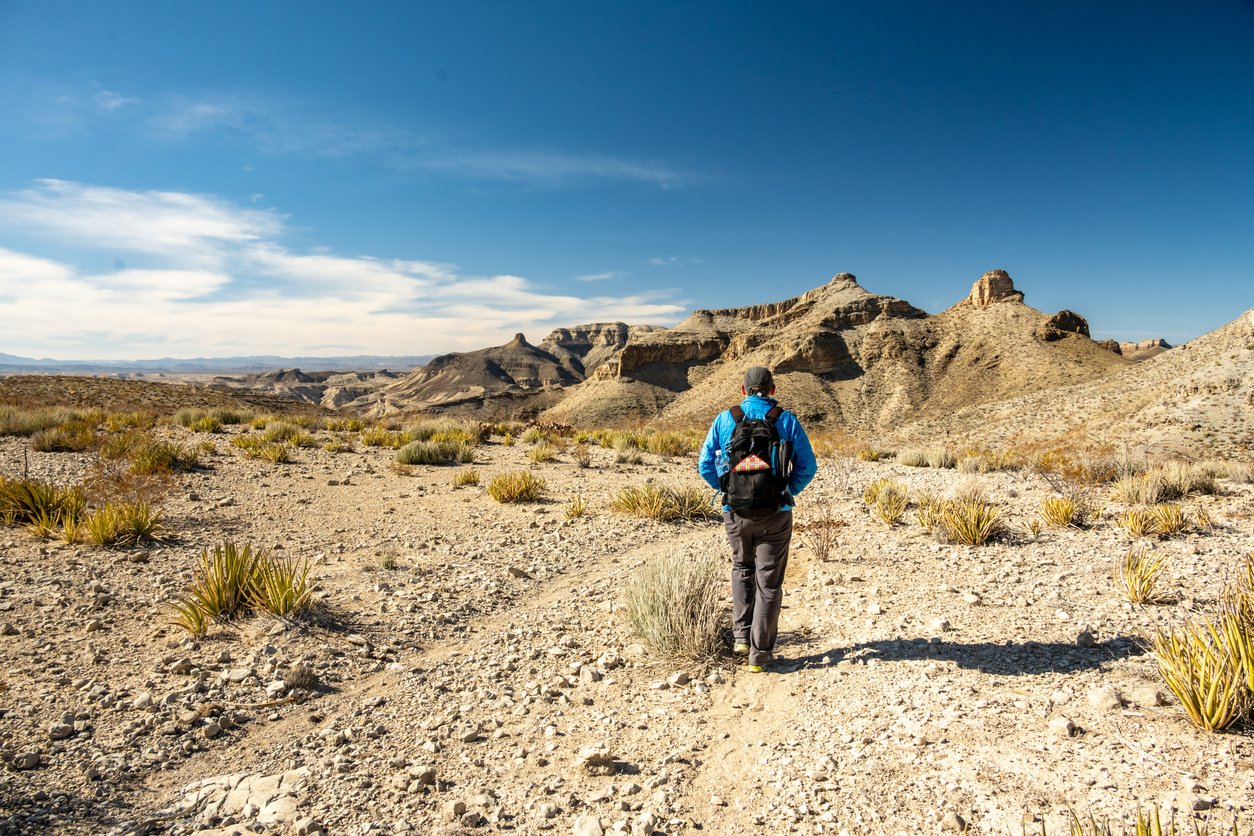
Big Bend National Park is often the first place people think of when they imagine desert hiking in Texas. It sits along the Rio Grande in far southwest Texas, where desert, river, and mountains meet.
The park covers a huge area, and its trails offer a wide range of experiences. Some hikes lead through open desert. Others climb into the Chisos Mountains or follow canyons carved by the Rio Grande.
The Chisos Mountains
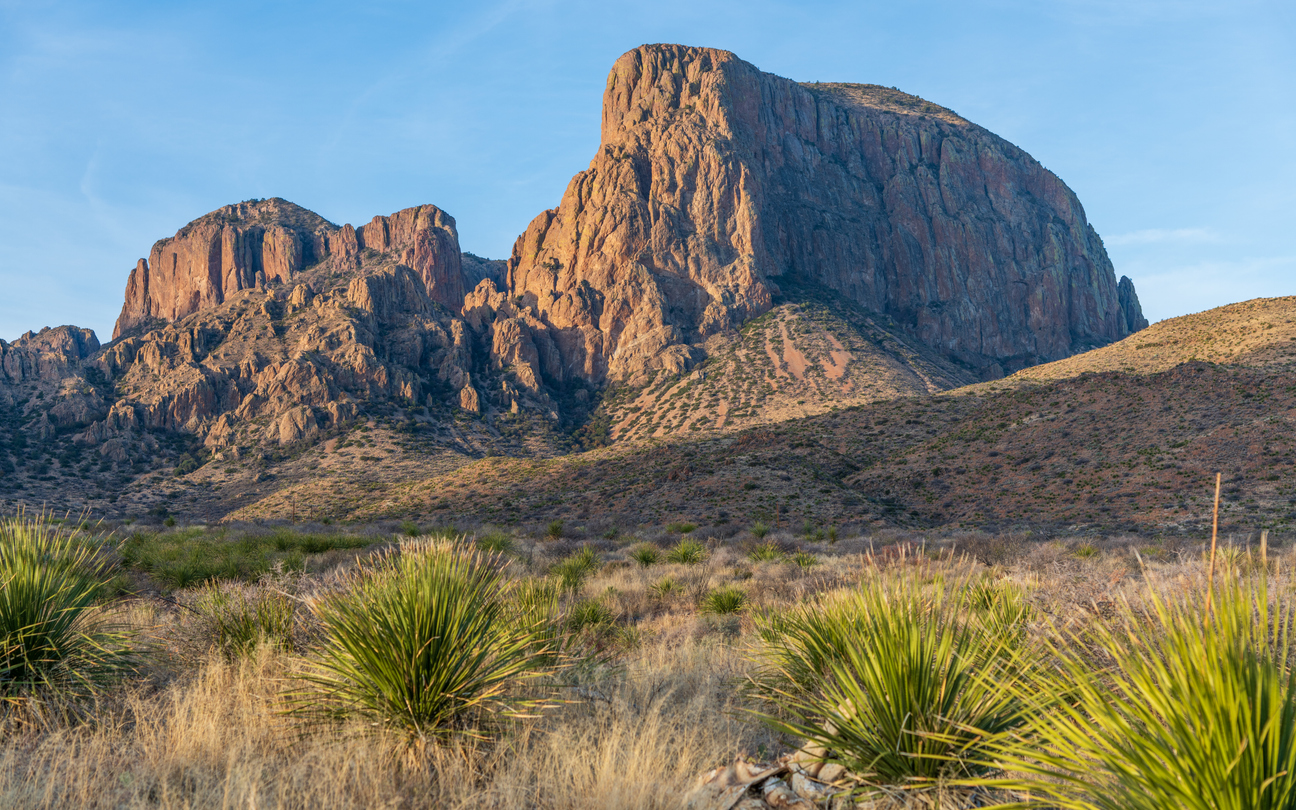
The Chisos Mountains rise from the desert floor and create one of the most unusual landscapes in Texas. Because of the higher elevation, the temperatures can be cooler than the surrounding desert. The trails here often include more shade, more vegetation, and sweeping views.
One of the most popular hikes is the Lost Mine Trail. It is challenging enough to feel rewarding but manageable for many prepared hikers. The trail climbs through woodland and rocky slopes before reaching viewpoints over rugged peaks and desert valleys.
The Window Trail is another Big Bend favorite. It follows a drainage through the Chisos Basin and ends at a narrow opening in the rock. Through that “window,” hikers can look out over the desert below. It is one of the park’s most famous views.
Desert Trails in Big Bend
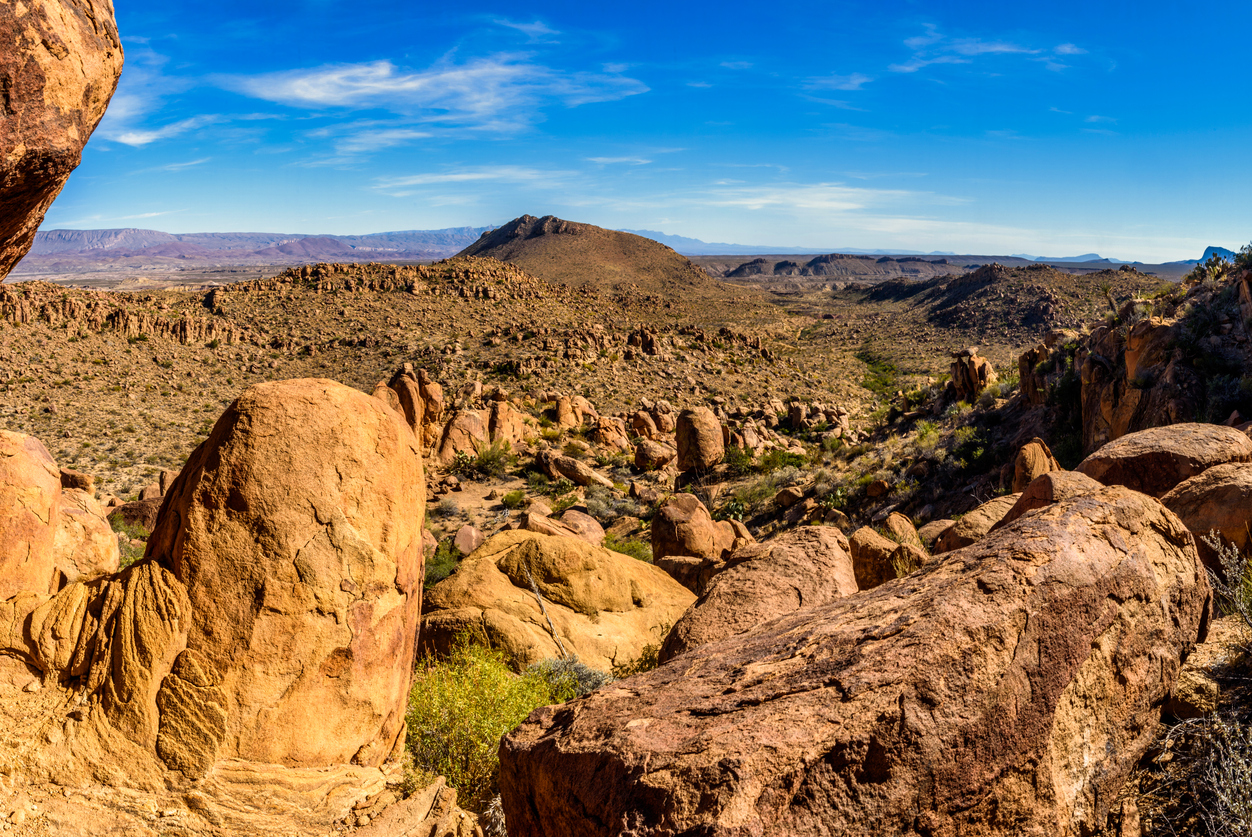
The desert trails in Big Bend feel very different from the mountain routes. They are hotter, more exposed, and often more open. Hikers should bring plenty of water and start early, especially during warmer months.
The Grapevine Hills Trail is a good example of the park’s desert beauty. It leads to Balanced Rock, a large boulder formation that looks almost carefully placed by hand. The trail is relatively short, but the setting feels remote and unusual.
The Chimneys Trail takes hikers through open desert to volcanic rock formations and ancient rock art. It is a good reminder that this land has a long human history, stretching far beyond modern park boundaries.
Santa Elena Canyon
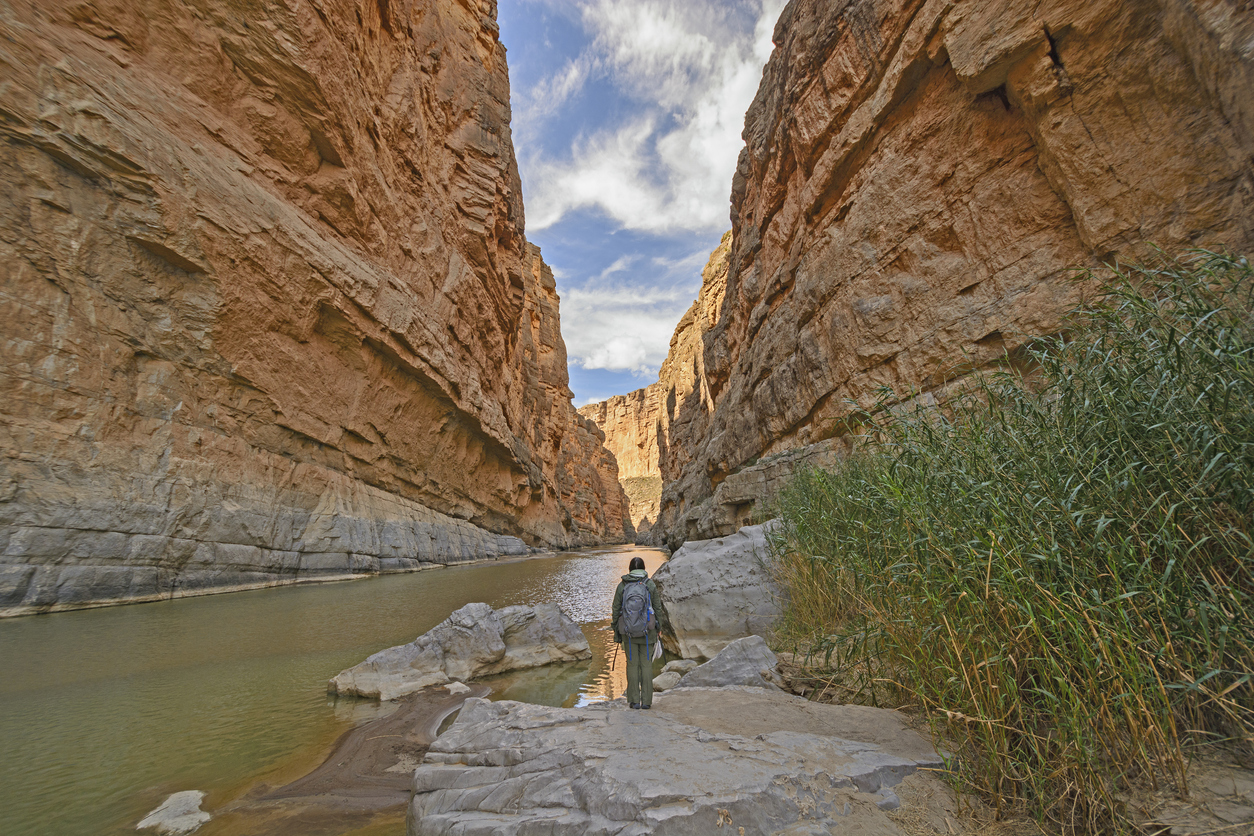
Santa Elena Canyon is one of the most famous sights in Big Bend. The Rio Grande cuts between towering limestone walls, creating a narrow canyon that feels grand and peaceful at the same time.
The trail into the canyon is fairly short, but it delivers a powerful view. The river, the cliffs, and the scale of the canyon make it one of the most memorable hikes in the park.
Even a short hike here can feel special, especially in the morning or late afternoon when the light softens against the canyon walls.
Guadalupe Mountains National Park: High Peaks and Desert Slopes
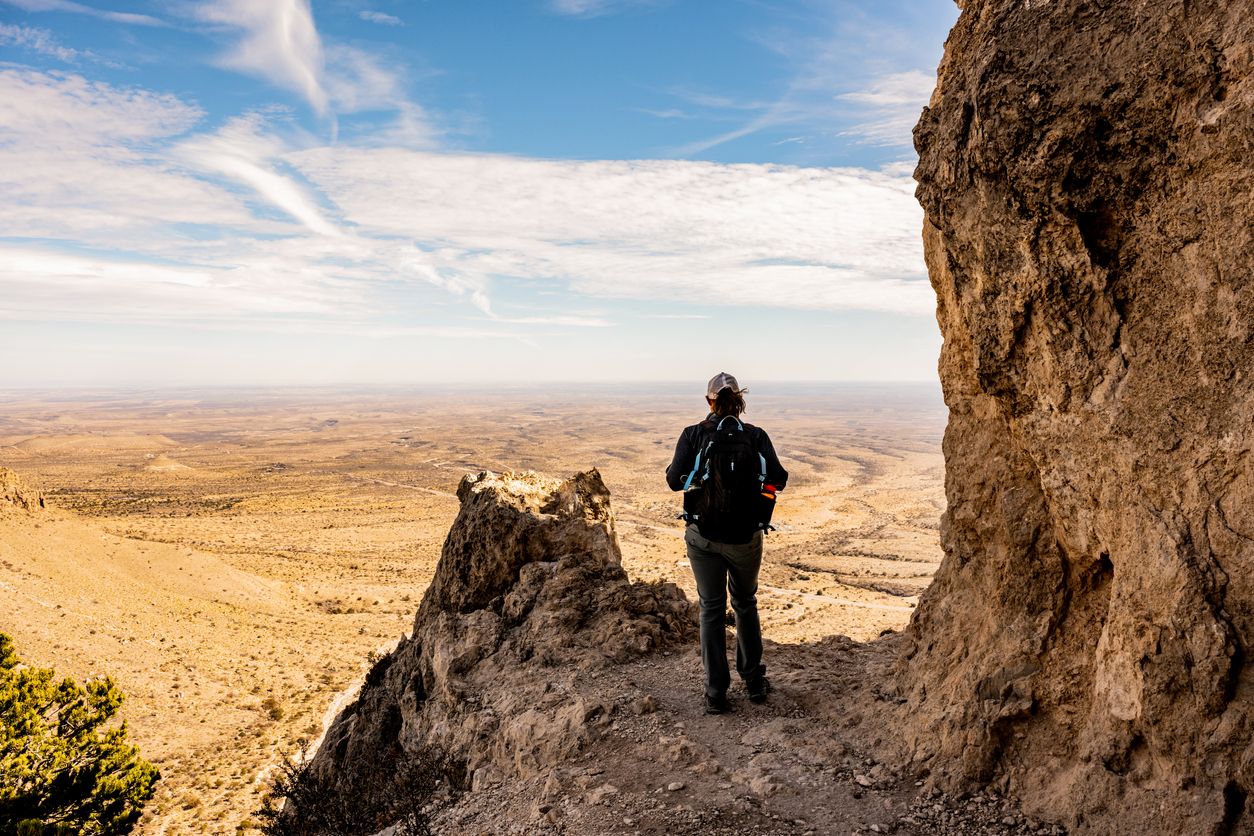
Farther north, near the New Mexico border, Guadalupe Mountains National Park offers a different kind of desert hiking. This park is home to Guadalupe Peak, the highest point in Texas.
The hiking here is often steeper and rockier than many trails in Big Bend. The mountains rise sharply from the surrounding desert, creating a landscape that feels bold and exposed.
Guadalupe Peak
The Guadalupe Peak Trail is one of the most rewarding hikes in Texas, but it is not easy. The trail climbs thousands of feet and covers rugged terrain. Hikers who reach the summit stand at the highest natural point in the state.
The view from the top stretches across desert flats, mountain ridges, and distant horizons. It is a hard-earned reward and a reminder that Texas has serious mountain country.
This hike requires preparation. Weather can shift quickly. Winds can be strong. The climb is long enough that hikers need water, food, sun protection, and a realistic sense of their fitness.
McKittrick Canyon
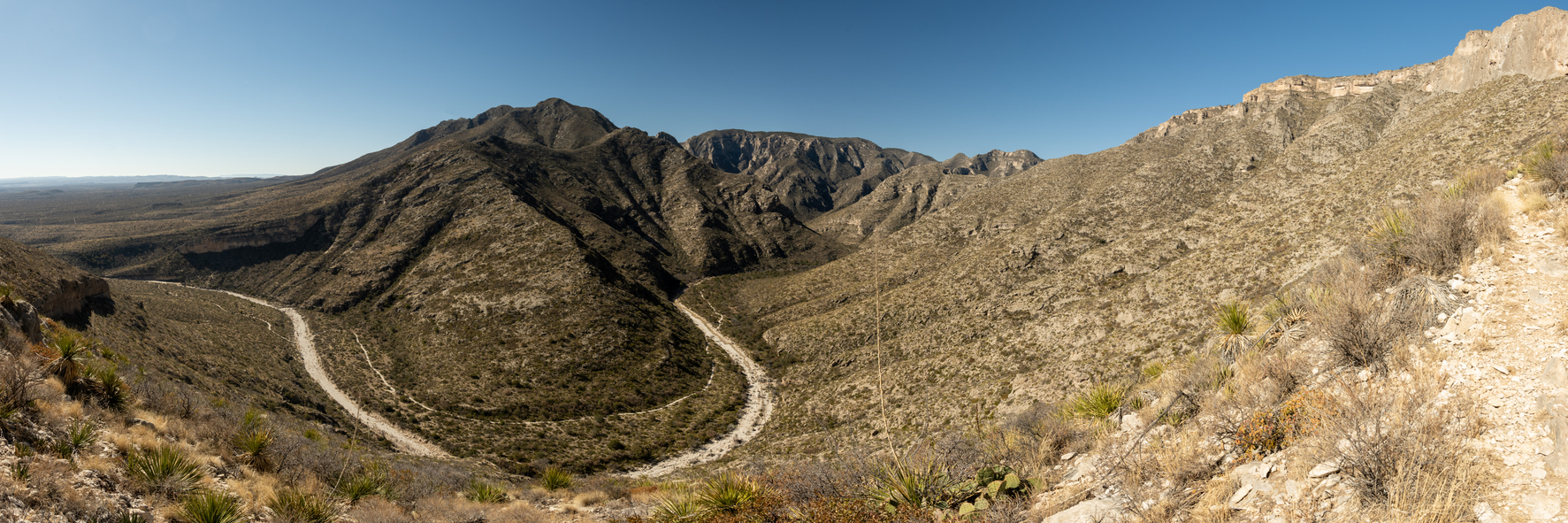
McKittrick Canyon shows a softer side of the Guadalupe Mountains. It is especially famous in fall, when the trees in the canyon turn bright shades of yellow, orange, and red.
The canyon combines desert plants, limestone walls, and seasonal color in a way that surprises many first-time visitors. It proves that West Texas is not only dry and stark. It can also be colorful, layered, and full of life.
The McKittrick Canyon Trail can be adapted to different hiking levels. Some visitors walk a shorter section, while others continue deeper into the canyon for a longer outing.
The Davis Mountains: Cooler Air and Wide Views
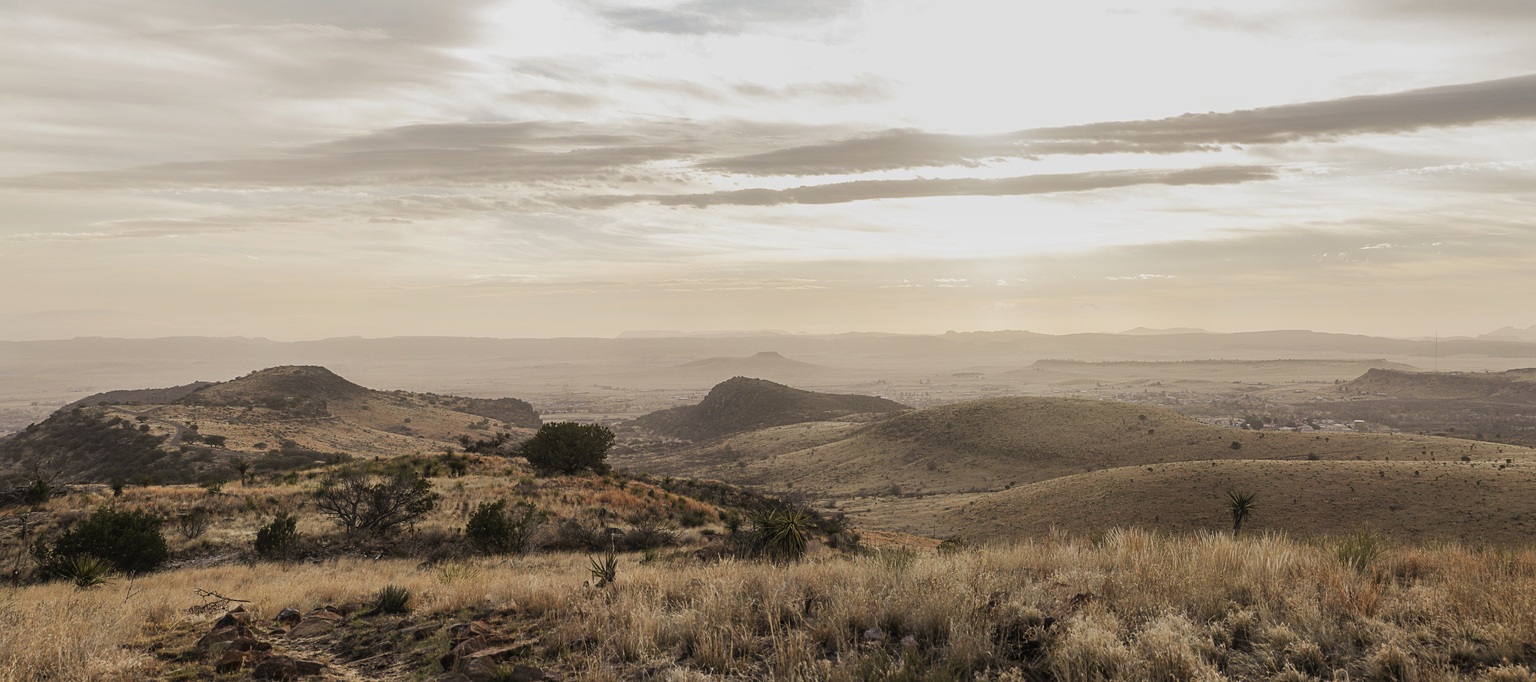
The Davis Mountains sit near Fort Davis and offer another excellent West Texas hiking experience. This area is higher in elevation, so the temperatures can be more comfortable than the lower desert.
Davis Mountains State Park has trails that lead through rocky slopes, grasslands, and scenic overlooks. The Skyline Drive Trail is a popular route with views of the surrounding mountains and valleys.
This region also has a peaceful, small-town feel. Fort Davis, nearby historic sites, and the McDonald Observatory make the area a strong choice for visitors who want hiking mixed with history and stargazing.
Why the Desert Looks So Empty but Isn’t
At first glance, the desert may seem bare. Look closer, and it becomes clear that the land is full of life.
Creosote bush, yucca, ocotillo, sotol, prickly pear, lechuguilla, and agave are common in many areas. These plants are built for survival. Some store water. Others have waxy leaves, sharp spines, or deep roots that help them endure heat and drought.
Wildlife also lives throughout the region, though many animals avoid the hottest parts of the day. Hikers may see roadrunners, lizards, jackrabbits, deer, foxes, snakes, and many kinds of birds. In mountain areas, black bears and mountain lions also live in remote habitats.
The desert teaches patience. The more time you spend looking, the more details you notice.
Best Time of Year for Desert Hiking in West Texas
The best hiking seasons in West Texas are usually fall, winter, and spring. These months tend to bring cooler temperatures and safer conditions.
Summer hiking can be dangerous, especially in low desert areas. Temperatures can climb quickly, and shade may be limited. Even experienced hikers can run into trouble if they underestimate the heat.
Spring can bring wildflowers after enough rain. Fall brings comfortable temperatures and beautiful light. Winter can be excellent for desert hiking, although higher elevations may get cold, windy, or icy.
The desert does not follow the same patterns as greener parts of the state. Conditions can change fast, so hikers should always check local forecasts before heading out.
What to Bring on a West Texas Desert Hike
Preparation matters in the desert. A short trail can become difficult if the weather turns hot or if a hiker runs out of water.
Useful items include:
- Plenty of water, often more than you think you will need
- Salty snacks or a light meal
- A wide-brimmed hat
- Sunglasses and sunscreen
- Sturdy hiking shoes
- A trail map or offline navigation
- A first aid kit
- Layers for changing temperatures
- A flashlight or headlamp if there is any chance of hiking late
Cell service can be unreliable in remote areas. Let someone know your route, especially if you are hiking alone or heading into less-traveled country.
Safety Tips for Desert Hiking
Desert hiking rewards careful planning. The most important rule is simple: respect the environment.
Start early when temperatures are warm. Turn back before you feel exhausted. Drink water regularly. Avoid hiking during the hottest part of the day when conditions are extreme.
Stay on marked trails when possible. Desert soil can be fragile, and some areas have sensitive plants or cultural sites. Going off trail can also make it easier to get lost.
Watch where you place your hands and feet. Cactus spines, loose rocks, and wildlife can create problems for careless hikers. Snakes usually avoid people, but they may be resting in shade or near rocks.
Do not rely only on your phone. Batteries drain faster in heat, and signal may disappear. A paper map or downloaded route can make a major difference.
The Beauty of Desert Light
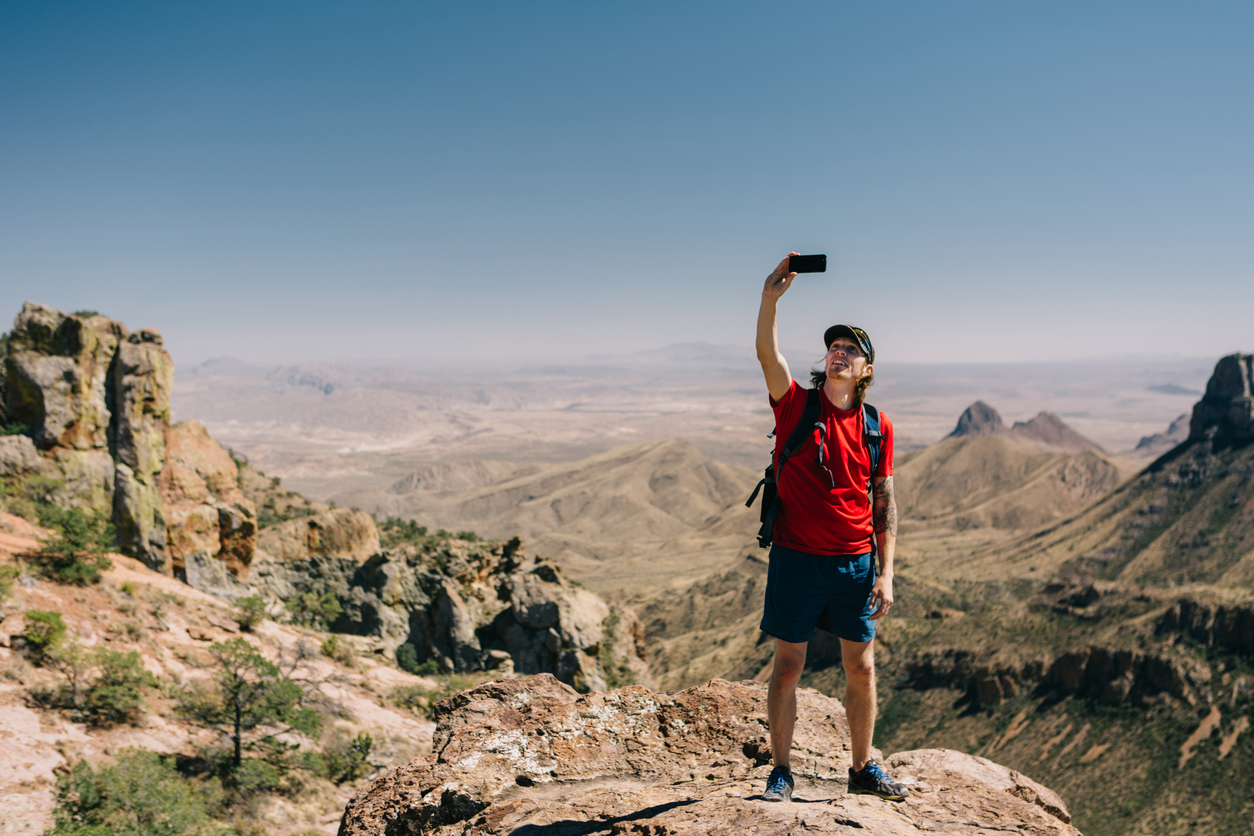
One of the best parts of hiking in West Texas is the light. Morning and late afternoon can transform the desert. Rock walls glow. Mountains turn blue in the distance. Shadows stretch across the land and reveal shapes that disappear under midday sun.
Sunrise hikes can be especially rewarding, though they require planning. Sunset views are beautiful too, but hikers should be careful not to get caught on rough trails after dark without proper gear.
The night sky is another reason people travel to West Texas. In remote areas, the stars can look incredibly bright. After a long desert hike, standing under that sky can feel like part of the adventure.
A Landscape with History
West Texas is not empty land. It has been home to Indigenous peoples, travelers, ranchers, miners, soldiers, and border communities. Many trails pass through places shaped by long histories.
In Big Bend and nearby areas, rock art, old ruins, historic ranch sites, and traces of former settlements remind visitors that people have crossed and lived in this desert for thousands of years.
Learning about that history adds meaning to the hike. The land becomes more than scenery. It becomes a place with memory, movement, and human connection.
Why West Texas Stays with You
Desert hiking in West Texas can be challenging, but that is part of its pull. The land does not soften itself for visitors. It asks for attention and rewards those who come prepared.
The views are huge. The trails are varied. The silence feels rare. Every hike seems to reveal another side of the state, from river canyons and mountain summits to desert flats and hidden pockets of shade.
For Texans, hiking here can change the way the state feels. For visitors, it can challenge every easy idea about what Texas looks like.
West Texas is bold, dry, rugged, and beautiful. It is a place where the desert stretches wide, the mountains rise hard from the land, and every trail feels like it belongs to a much older story.