

Texas gives boaters plenty of room to enjoy the water. From quiet Hill Country lakes to busy reservoirs, winding rivers, and the Gulf Coast, there is no shortage of places to launch a boat and spend the day outside. That freedom comes with responsibility.
Boating safety is about preparation, awareness, and respect for the water. A good day can change quickly when the weather turns, a motor fails, a passenger slips, or another boat gets too close. The basics matter because they prevent small problems from becoming emergencies.
Texas Parks and Wildlife Department rules also require boaters to carry proper safety equipment, and officers may stop and inspect vessels for compliance. Knowing the rules before you leave the dock helps protect your passengers, other boaters, and yourself.
Start With Life Jackets
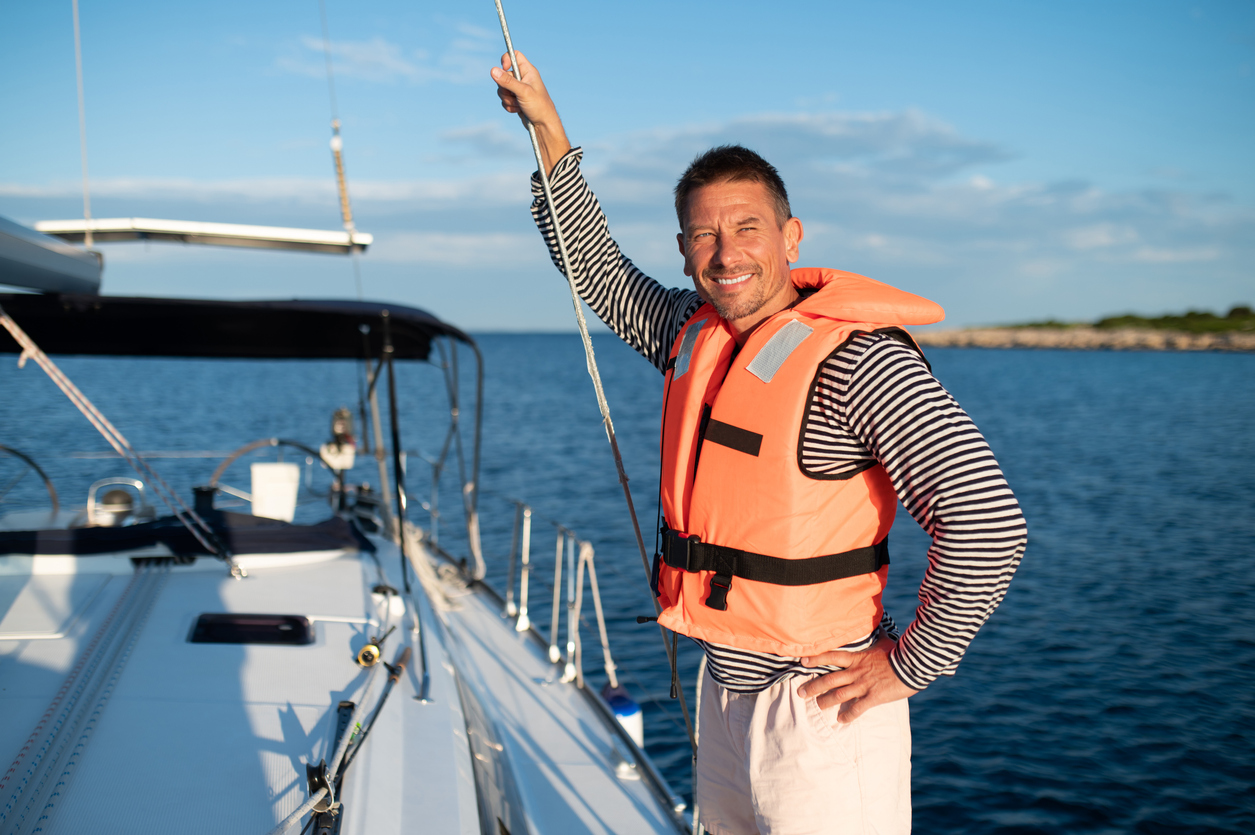
Life jackets are the most important safety item on any boat. Texas law requires a U.S. Coast Guard-approved life jacket for each person on board. The jacket must fit the person who may need to wear it, and it should be easy to reach.
Children under 13 must wear a U.S. Coast Guard-approved life jacket while underway on recreational vessels under 26 feet, including when the boat is drifting or not anchored. That rule is simple, but fit matters. A child’s life jacket should match their weight and size. A loose jacket can ride up. A jacket that is too large can fail when it is needed most.
Adults should treat life jackets as everyday boating gear, not emergency gear buried under seats. Accidents happen fast. A passenger who falls overboard may not have time to search for a jacket, untangle straps, and put it on correctly.
Know Who Can Operate the Boat
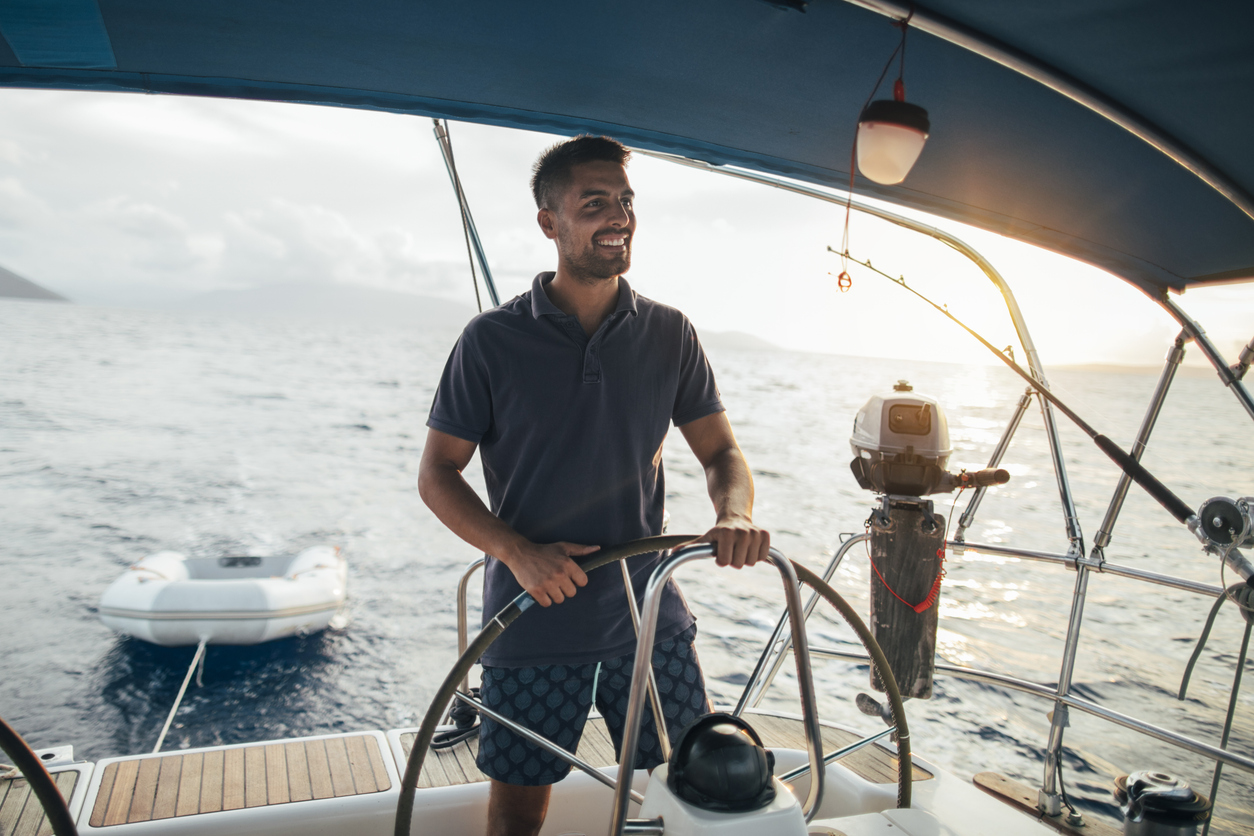
Texas has boater education requirements for many operators. Anyone born on or after September 1, 1993 must complete a TPWD-certified boater education course and carry a valid photo ID if operating a motorboat with more than 15 horsepower, a personal watercraft, or a windblown vessel over 14 feet.
A person must also be at least 13 years old to operate certain boats or personal watercraft on public waters, unless properly supervised by a legally qualified adult.
Even when a course is not legally required, it is still a smart move. Boater education covers navigation rules, safety equipment, fueling, docking, emergency response, and common hazards. It also gives new boaters more confidence before they handle crowded ramps, narrow channels, or changing weather.
Check Your Required Safety Equipment
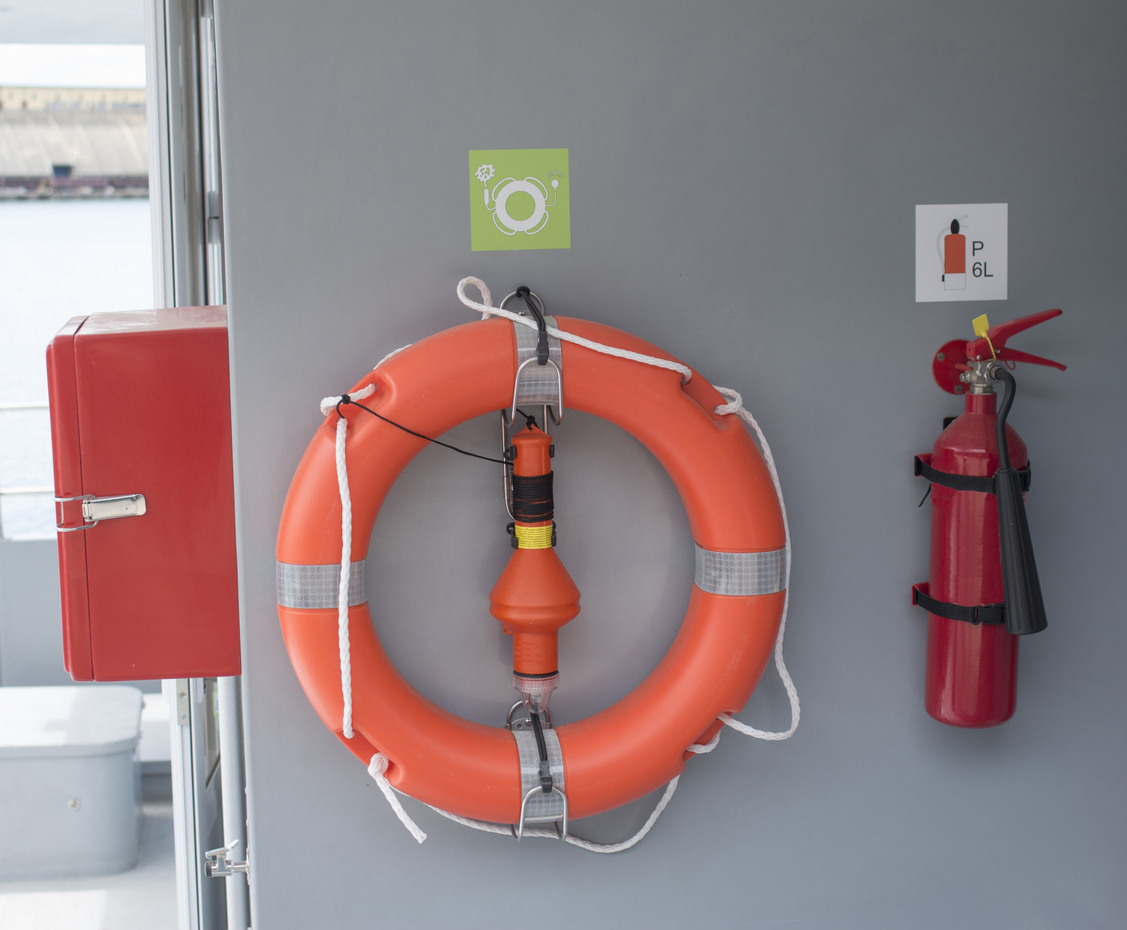
Every boat needs the right equipment for its size and type. Required items can vary based on the vessel, but the basics often include life jackets, sound-producing devices, lights, fire extinguishers, and other safety gear.
Before heading out, check that your equipment is present, working, and easy to access. A fire extinguisher stored on board but expired or buried under bags will not help much. The same goes for a whistle, horn, or navigation light that no one has tested since last season.
A simple pre-launch check can save trouble later:
- Life jacket for every person on board
- Proper child-sized life jackets when children are present
- Fire extinguisher, if required for your vessel
- Working navigation lights
- Sound-producing device, such as a horn or whistle
- Engine cut-off switch or lanyard, where required
- Anchor and line
- First-aid kit
- Charged phone or marine radio
- Drinking water and sun protection
This list does not replace official requirements. It gives you a practical starting point. Always check Texas Parks and Wildlife guidance for your specific vessel type.
Respect the Weather
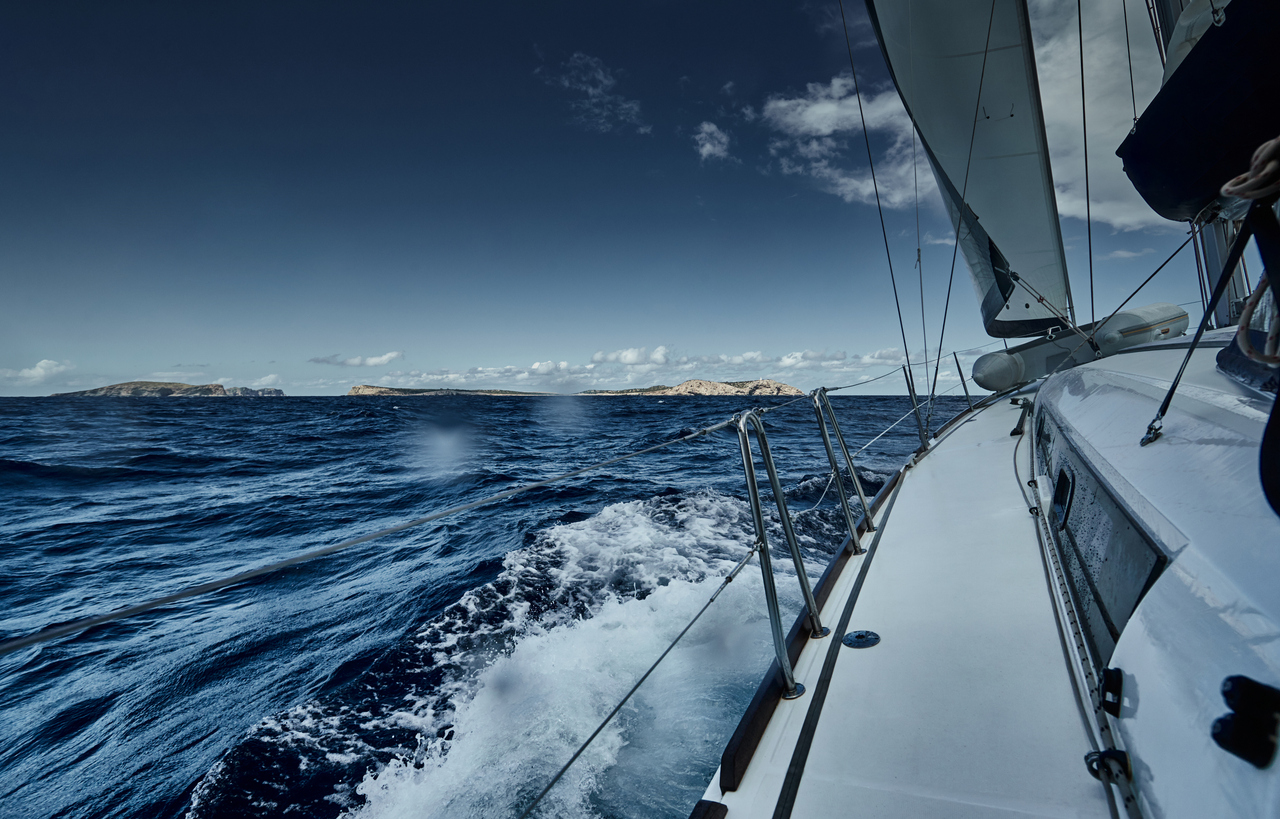
Texas weather can shift fast. A calm morning can turn into a rough afternoon with wind, lightning, and choppy water. Heat also creates risk. Long hours in the sun can lead to dehydration, poor judgment, and fatigue.
Check the forecast before you leave. Look at wind speed, storm chances, heat advisories, and lake or coastal conditions. On larger bodies of water, wind can make docking harder and create waves that smaller boats struggle to handle.
Pay attention while you are out. Dark clouds, sudden wind changes, distant thunder, or a quick drop in temperature can signal trouble. Head back early when conditions start turning. Waiting too long can make the return trip much harder.
File a Float Plan
A float plan is a simple way to let someone know where you are going and when you expect to return. It does not need to be complicated.
Tell a trusted person:
- Where you plan to launch
- Where you plan to boat
- Who is going with you
- What time you expect to return
- What boat you are using
- How to contact you
If you are late and unreachable, that person has useful information to share with authorities. This matters most on large lakes, remote rivers, coastal waters, or evening trips.
Avoid Alcohol When Operating
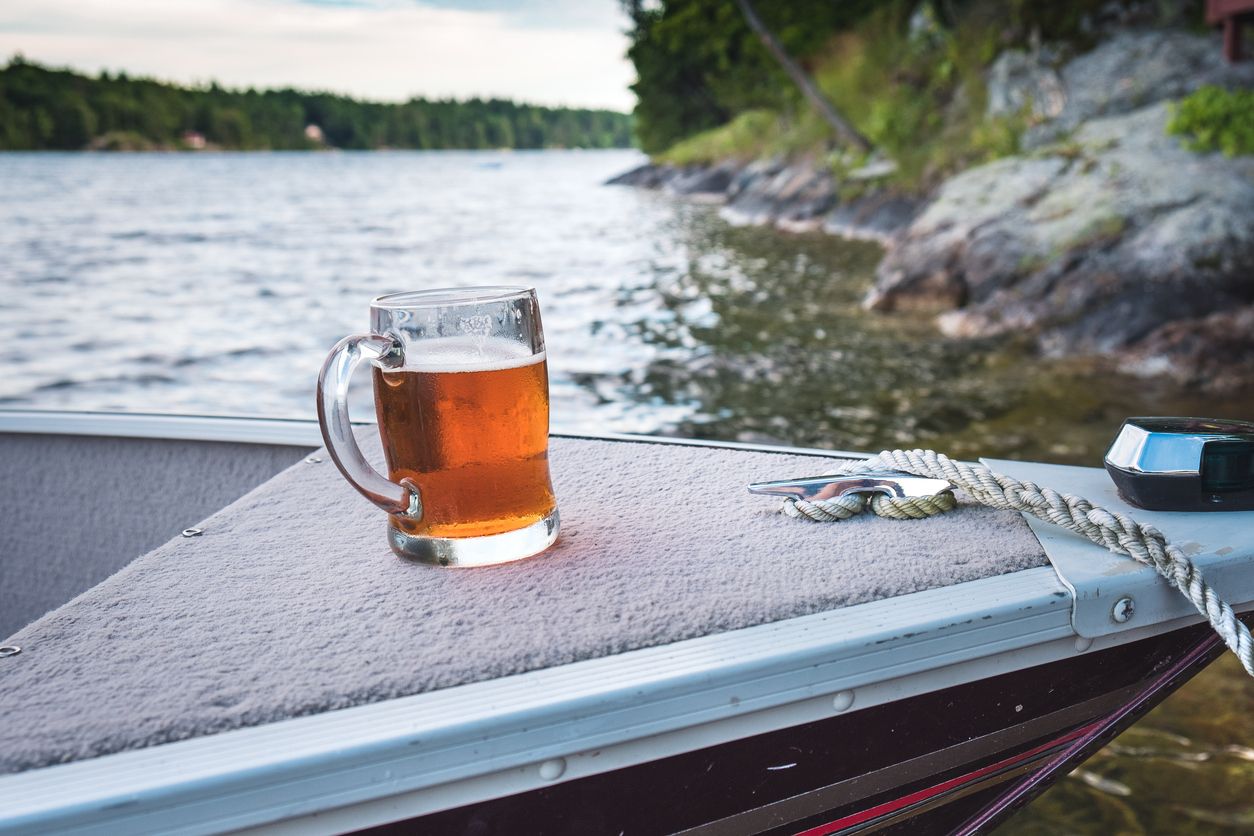
Texas law treats boating while intoxicated seriously. TPWD states that operating a boat while intoxicated includes loss of normal mental or physical faculties or having a blood alcohol concentration of .08 or higher. Penalties can include fines, jail time, and other serious consequences.
Open containers may be legal on boats in Texas, but operators remain subject to boating while intoxicated laws. TPWD also warns that drinking and boating is dangerous and a leading contributing factor in fatal boating accidents.
The safest choice is to have a sober operator. Sun, heat, motion, and dehydration can intensify alcohol’s effects. A boat operator needs clear judgment, quick reactions, and steady control.
Watch Your Speed and Wake

Speed feels different on water than it does on a road. Boats do not brake the same way cars do. They slide, turn wide, and respond differently depending on wind, current, weight, and waves.
Slow down near docks, ramps, swimmers, anchored boats, kayaks, paddleboards, and narrow channels. Your wake can knock someone off balance, damage property, or swamp a smaller craft.
A safe operator looks far ahead and reacts early. Give other boats room. Watch for posted signs, no-wake zones, buoys, and markers. Keep a steady lookout in every direction, especially when pulling a skier, tuber, or wakeboarder.
Use Extra Care With Personal Watercraft
Personal watercraft can be fun, but they require serious attention. They are fast, responsive, and often operate close to other boats or shorelines.
Riders should wear life jackets at all times. Operators should understand how steering works, especially because many personal watercraft need throttle to turn effectively. Cutting power at the wrong moment can reduce control.
Keep distance from swimmers, docks, other vessels, and people being towed. Avoid sharp turns near traffic. Never treat a crowded lake like an open racetrack.
Keep Passengers Safe

The operator sets the tone on the boat. Passengers should know where to sit, how to move, and what to do in an emergency.
Before leaving the dock, give a short safety talk. Point out the life jackets. Show where the fire extinguisher is. Explain how to call for help. Remind everyone to stay seated while the boat is moving at speed.
Weight balance matters too. Too many people on one side can make a boat unstable. Overloading a boat can make it harder to steer, slower to respond, and easier to swamp. Follow the capacity plate on the boat.
Be Careful Around Swimmers and Tow Sports
Boating near swimmers requires slow speed and strong awareness. People in the water can be hard to see, especially in glare, waves, or busy coves.
For tubing, skiing, and wakeboarding, use a spotter whenever possible. The driver needs to focus on the path ahead. The spotter can watch the person being towed and alert the driver if they fall.
Cut the engine when someone is boarding from the water. Propellers are dangerous even at low speed. Never back toward a person in the water unless you are fully aware of their position and have control of the boat.
Know What to Do If Someone Falls Overboard
A calm response matters. Shouting and panic wastes time.
First, keep the person in sight. Point toward them if you are not driving. Slow down and turn carefully. Approach from the downwind or downstream side when possible, so the boat does not drift over them.
Throw a flotation device if one is available. Turn off the engine before bringing the person close to the stern. Help them board carefully, and check for injuries once they are back on the boat.
Practice this mentally before you need it. A quick plan helps everyone react better.
Take Fire and Fuel Safety Seriously
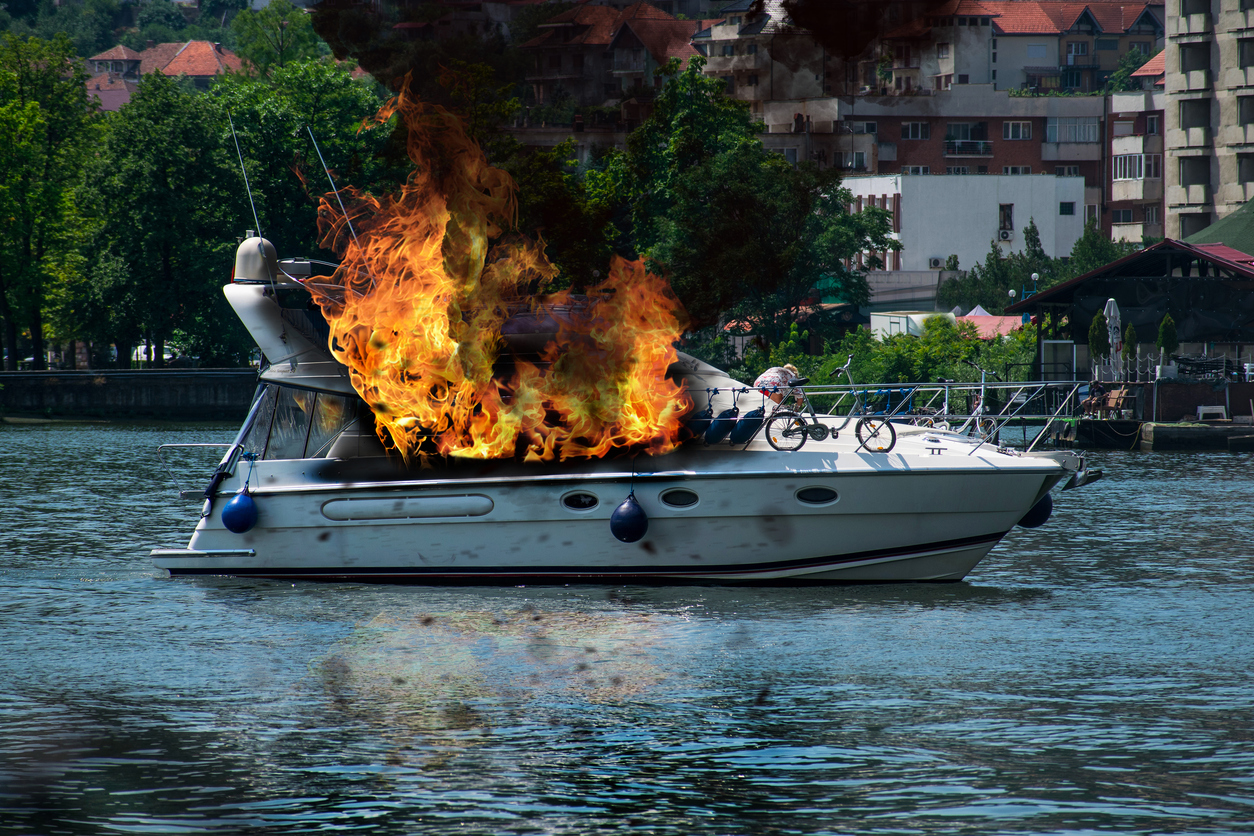
Fueling is one of the most overlooked safety moments in boating. Gas fumes can collect in enclosed areas and create a fire or explosion risk.
Before fueling, turn off the engine, electronics, and open flames. Ask passengers to step off when practical. After fueling, secure the cap and check for spills. Ventilate enclosed spaces before starting the engine.
Sniff for fumes before ignition. If something smells wrong, stop and investigate. Starting the engine can wait.
Keep Your Boat Maintained
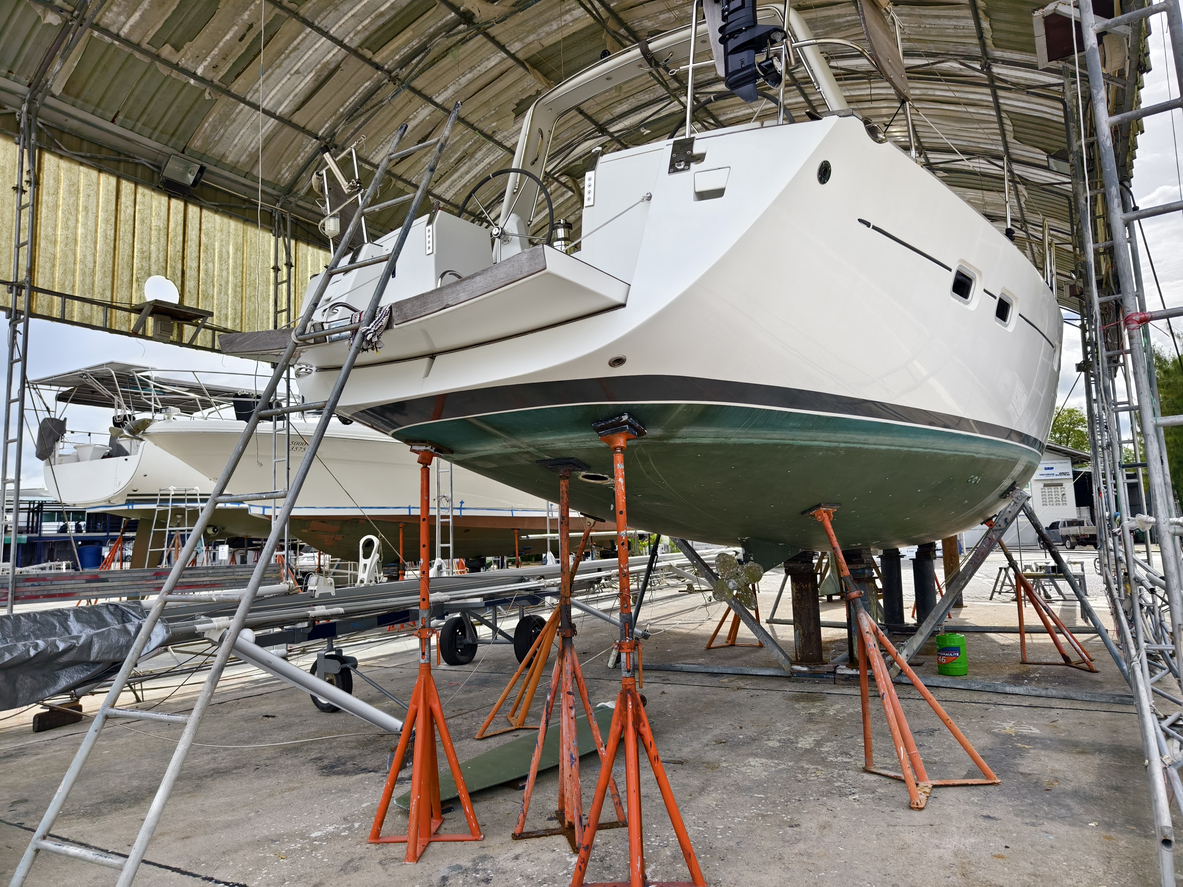
A safe boat starts before the launch ramp. Check the battery, fuel system, steering, bilge pump, lights, trailer, drain plug, and engine before each trip.
The drain plug deserves special mention. Many boaters have had a bad day because of that one small part. Make it part of your routine every time.
Routine maintenance also helps prevent breakdowns far from the ramp. A boat that runs well gives you better control and fewer surprises.
Protect Texas Waterways
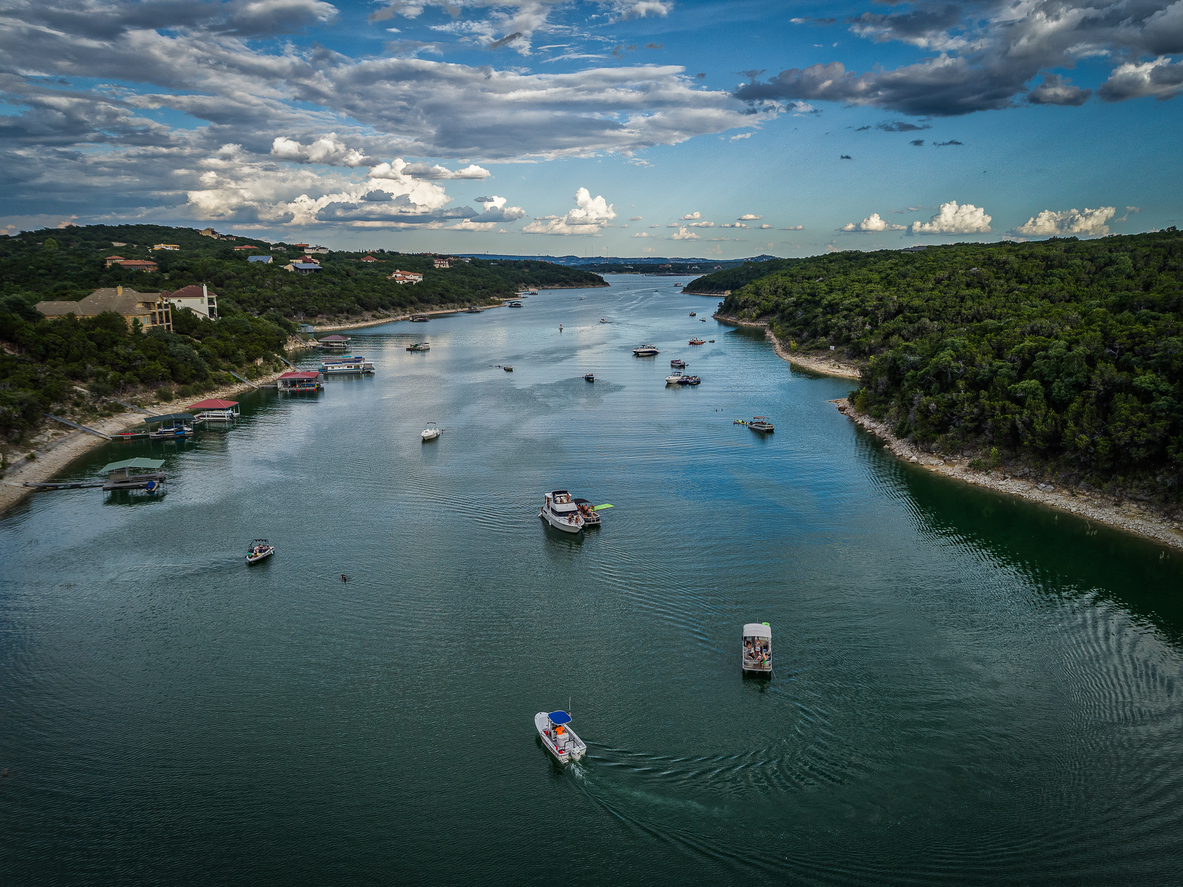
Boating safety also includes protecting the places Texans enjoy. Invasive species can spread from lake to lake through water left in boats, live wells, motors, and gear. TPWD reminds boaters to clean, drain, and dry boats and equipment to help prevent the spread of invasive species.
Drain water before leaving the area. Clean off plants, mud, and debris. Let gear dry when possible. These small steps help protect fishing, recreation, and local ecosystems.
The Best Safety Habit Is Slowing Down
Many boating problems get worse when people rush. Rushing at the ramp leads to missed equipment. Rushing across rough water causes hard impacts. Rushing near docks or swimmers creates avoidable danger.
Slow down before turns. Slow down near traffic. Slow down when passengers are standing. Slow down when visibility drops. Good boating is smooth, steady, and aware.
Final Thoughts
Boating in Texas should be fun, relaxing, and memorable for the right reasons. The best trips usually start with simple habits: wear the life jacket, check the gear, watch the weather, stay sober, respect speed limits, and keep a lookout.
Safety does not take the fun out of boating. It keeps the day on track. When the basics are handled before trouble starts, everyone on board can enjoy the water with more confidence.