

Texas is a big boating state, and for good reason. From Hill Country lakes to Gulf Coast bays, the state gives boaters plenty of room to fish, cruise, ski, paddle, and spend time outdoors. But before anyone takes the helm, it helps to understand the basic rules that keep Texas waterways safe and legal.
Texas boating laws cover much more than registration. They include boater education, life jackets, required equipment, alcohol rules, accident reporting, speed, reckless operation, personal watercraft, and safety devices. Knowing these rules can help operators avoid fines, prevent accidents, and protect everyone on board.
Who Needs Boater Education in Texas?

Texas does not require every person to take a boating course, but many operators must complete one.
According to the Texas Parks and Wildlife Department, anyone born on or after September 1, 1993 must complete a Texas Boater Education Certification Course to operate a personal watercraft, a motorboat with more than 15 horsepower, or a sailboat over 14 feet.
That rule matters because many people assume boating is as simple as launching, starting the motor, and heading out. In reality, operators need to understand navigation rules, right-of-way, equipment requirements, emergency response, and how to avoid risky behavior around swimmers, paddlers, docks, and other boats.
A boater education course is also useful for people who are not legally required to take it. Weather can change quickly. Crowded lakes can become stressful. A little training can make the difference between a fun day and a dangerous one.
Boat Registration and Ownership Basics
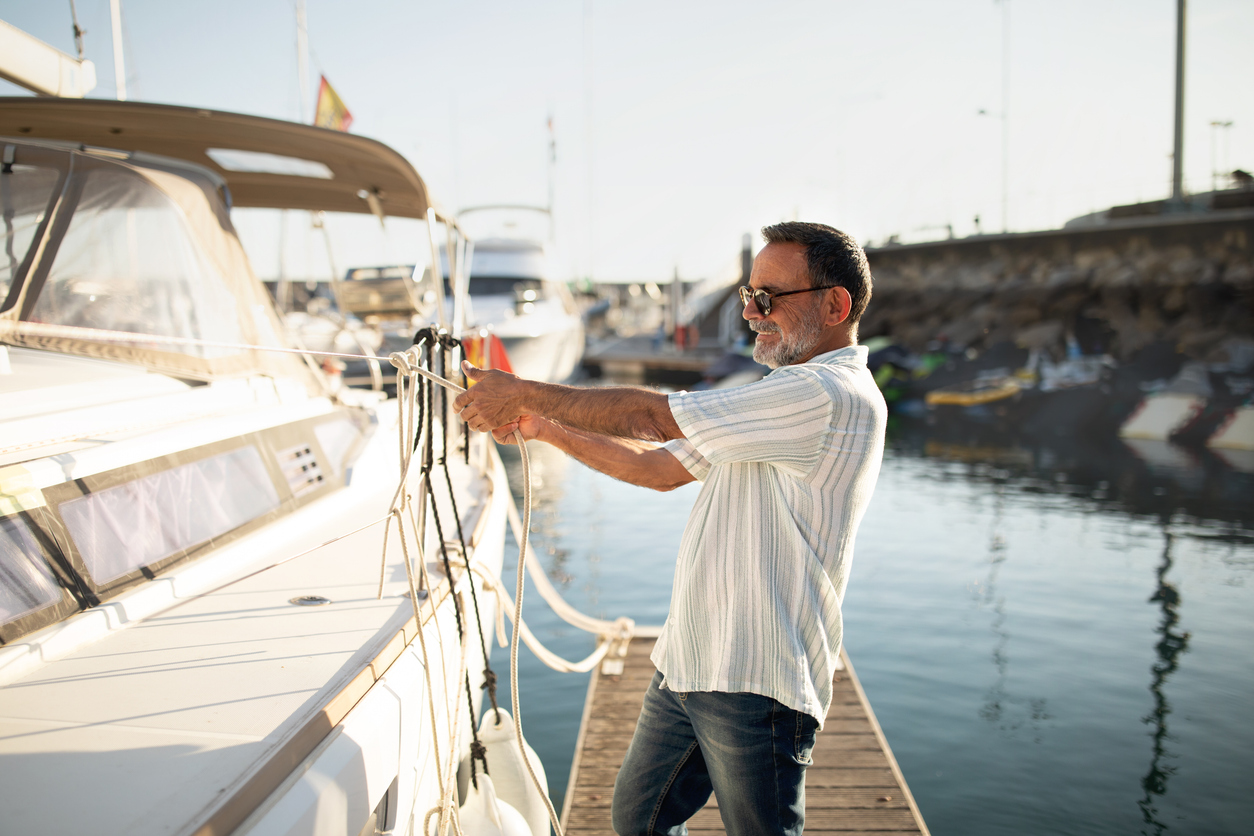
Most motorized vessels used on Texas public waters must be properly titled and registered. Registration numbers and decals must be displayed correctly, and the certificate of number should be available when operating the vessel.
This applies to many common recreational boats, including fishing boats, ski boats, pontoons, and personal watercraft. Outboard motors also have title requirements in Texas.
A simple rule for operators is this: before putting a boat in the water, make sure the paperwork matches the vessel, the decals are current, and the registration numbers are visible. Game wardens and other marine safety officers may inspect vessels to check compliance with boating laws and safety rules.
Life Jacket Laws in Texas
Life jackets are one of the most important parts of boating safety. Texas law requires children under 13 to wear a U.S. Coast Guard-approved life jacket while on a recreational vessel under 26 feet when the vessel is underway, including when it is drifting and not anchored. Adults must have a properly fitting life jacket that is easy to access.
That “easy to access” part matters. A life jacket buried under coolers, tackle boxes, towels, and storage bags may not help in an emergency. If someone falls overboard or a boat capsizes, seconds count.
Operators should also make sure each life jacket fits the person who may need it. Adult life jackets do not work properly for children. A child-sized jacket should fit snugly and match the child’s weight range.
Inflatable life jackets are popular because they are lightweight and comfortable in hot weather, but they come with limits. Texas Parks and Wildlife notes that inflatable life jackets are not approved for anyone under 16, personal watercraft operators, tow-sport participants, or situations where impact or sudden immersion is likely.
Required Safety Equipment
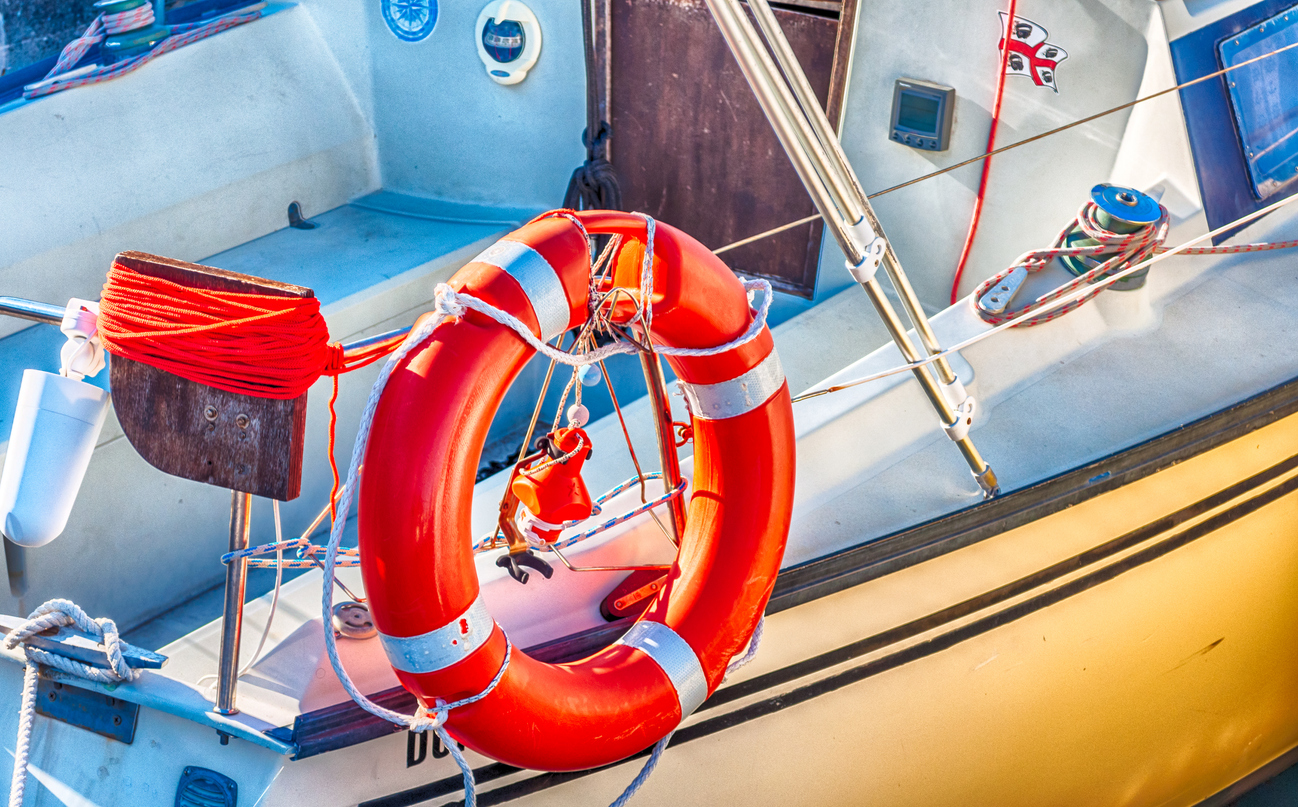
Texas law prohibits operating a vessel that does not have the required safety equipment. The exact equipment depends on the type and size of the vessel, but operators should pay close attention to these common requirements:
- U.S. Coast Guard-approved life jackets
- Throwable flotation devices when required
- Fire extinguishers when required
- Navigation lights
- Sound-producing devices
- Ventilation equipment for certain boats
- Backfire flame arrestors for certain gasoline engines
- Visual distress signals in certain waters or conditions
Texas Parks and Wildlife lists required equipment by vessel type, including powerboats, sailboats, personal watercraft, and manually propelled vessels such as kayaks and canoes.
The best habit is to check equipment before every outing. A fire extinguisher should be charged. Navigation lights should work. Life jackets should be in good condition. A whistle, horn, or other sound-producing device should be ready. Small items can seem minor at the dock, but they become important fast on open water.
Engine Cut-Off Switch Rules
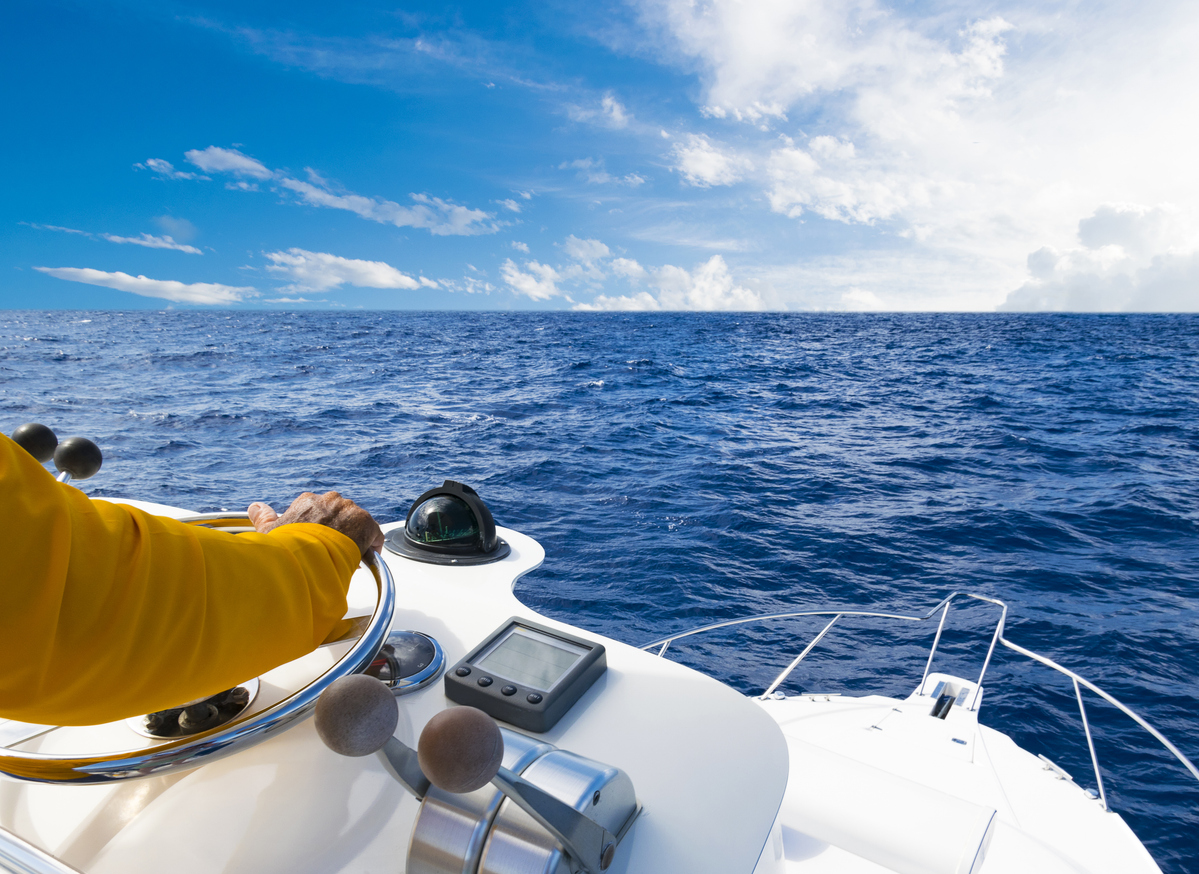
Motorboats and personal watercraft must have an engine cut-off switch. This device helps stop the engine if the operator falls overboard or moves away from the controls. Texas Parks and Wildlife highlights ignition safety switches as an important boating safety requirement.
For many boats, this means using a lanyard attached to the operator. If the operator is thrown from the helm, the lanyard pulls free and shuts off the engine. Wireless versions may also be used on some boats.
The point is simple. A moving boat without an operator can become extremely dangerous. It can circle back, strike people in the water, hit another vessel, or run into a dock. Wearing the cut-off switch is a small step that can prevent a serious accident.
Boating While Intoxicated

Texas treats boating while intoxicated seriously. Under Texas Penal Code Section 49.06, a person commits boating while intoxicated if they are intoxicated while operating a watercraft. A standard offense is a Class B misdemeanor with a minimum confinement term of 72 hours, unless enhanced penalties apply.
Alcohol affects balance, judgment, reaction time, and coordination. On the water, those risks can grow because of heat, sun, wind, vibration, and fatigue. An operator has to manage speed, other boats, swimmers, waves, docks, weather, and passengers. Impaired judgment can turn a routine ride into a dangerous situation.
Passengers may legally drink in some situations, but the operator should stay sober. The safest plan is to name a sober boat operator before leaving the dock.
Reckless Operation and Excessive Speed
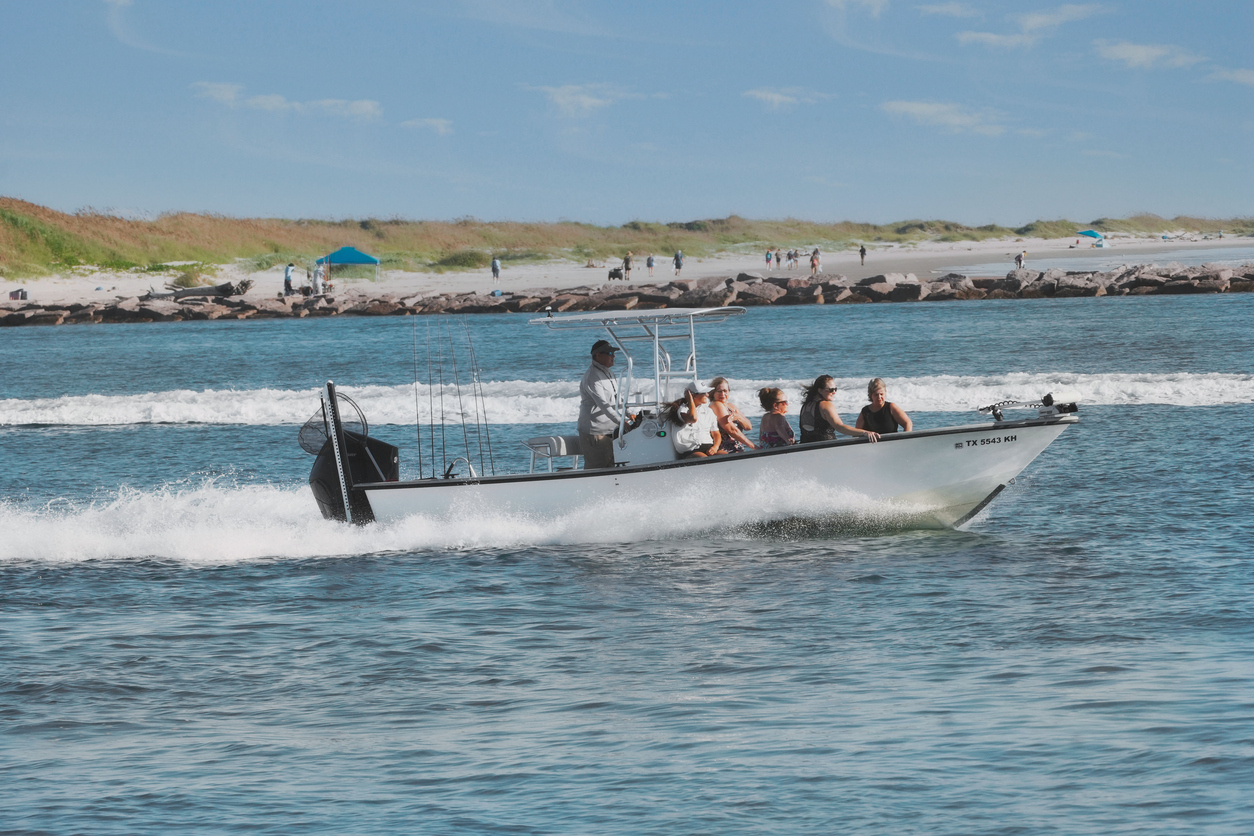
Texas boating laws also cover how a vessel is operated. Operators can get into trouble for reckless or negligent operation, excessive speed, hazardous wakes, obstructing passage, or operating in restricted areas. Texas Parks and Wildlife Code Chapter 31 includes rules on reckless operation, excessive speed, hazardous wake, water skiing, personal watercraft, and restricted areas.
Reckless boating does not always mean racing across a lake. It can include passing too close to another vessel, creating a dangerous wake near docks, ignoring markers, weaving through traffic, or operating too fast for the conditions.
A safe speed depends on more than the speedometer. Operators should consider visibility, traffic, wind, waves, swimmers, shoreline activity, and the maneuverability of their boat. A speed that feels fine on an empty lake may be unsafe near a marina or crowded swimming area.
Personal Watercraft Rules
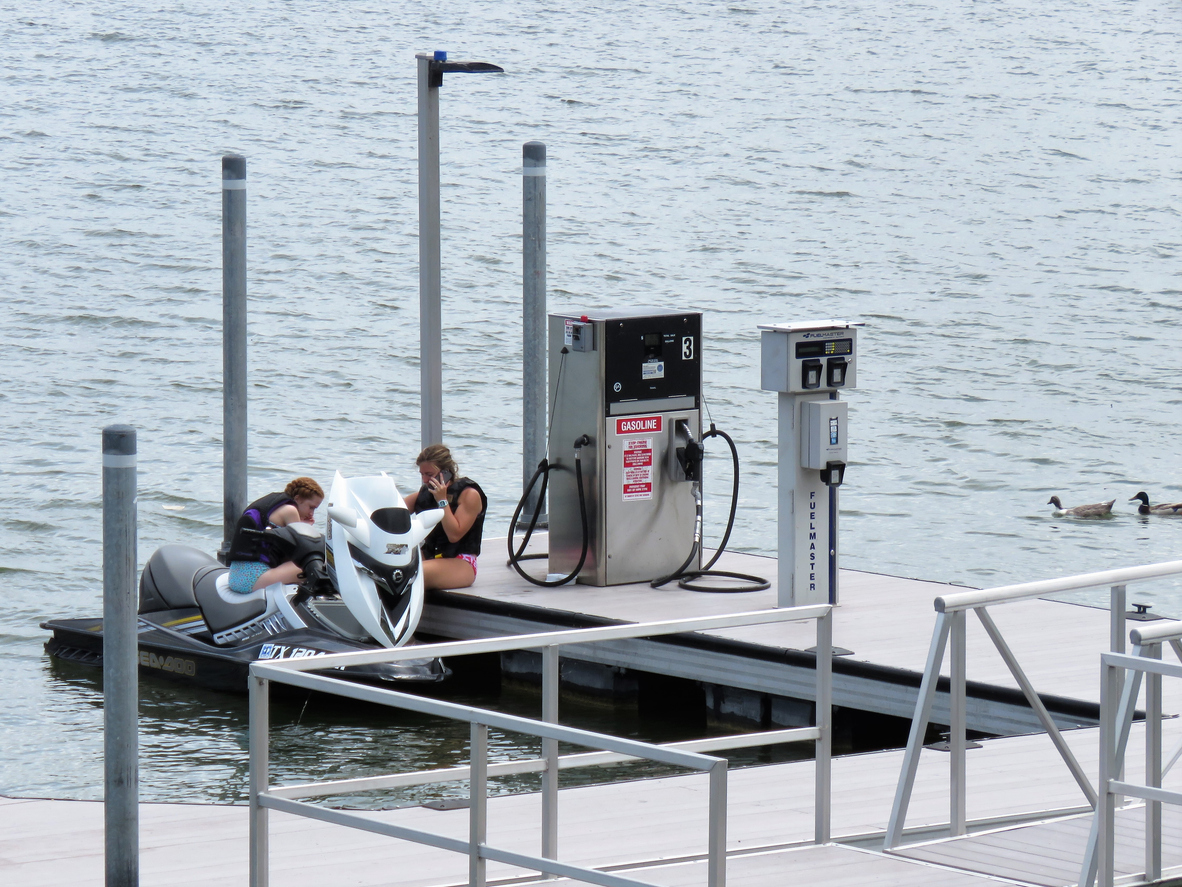
Personal watercraft, often called Jet Skis or WaveRunners, are treated as boats under many Texas rules. Operators must follow boating laws, safety equipment requirements, age and education rules, and navigation rules.
Because personal watercraft are fast and highly maneuverable, they can create risk when operated carelessly. Riders should avoid sharp turns near other vessels, jumping wakes too close to boats, circling swimmers, or operating in restricted areas.
Life jackets are especially important on personal watercraft. Falls are common, and riders may be separated from the craft quickly. Operators should also understand how the engine cut-off system works before riding.
Towing Skiers, Tubers, and Wakeboarders
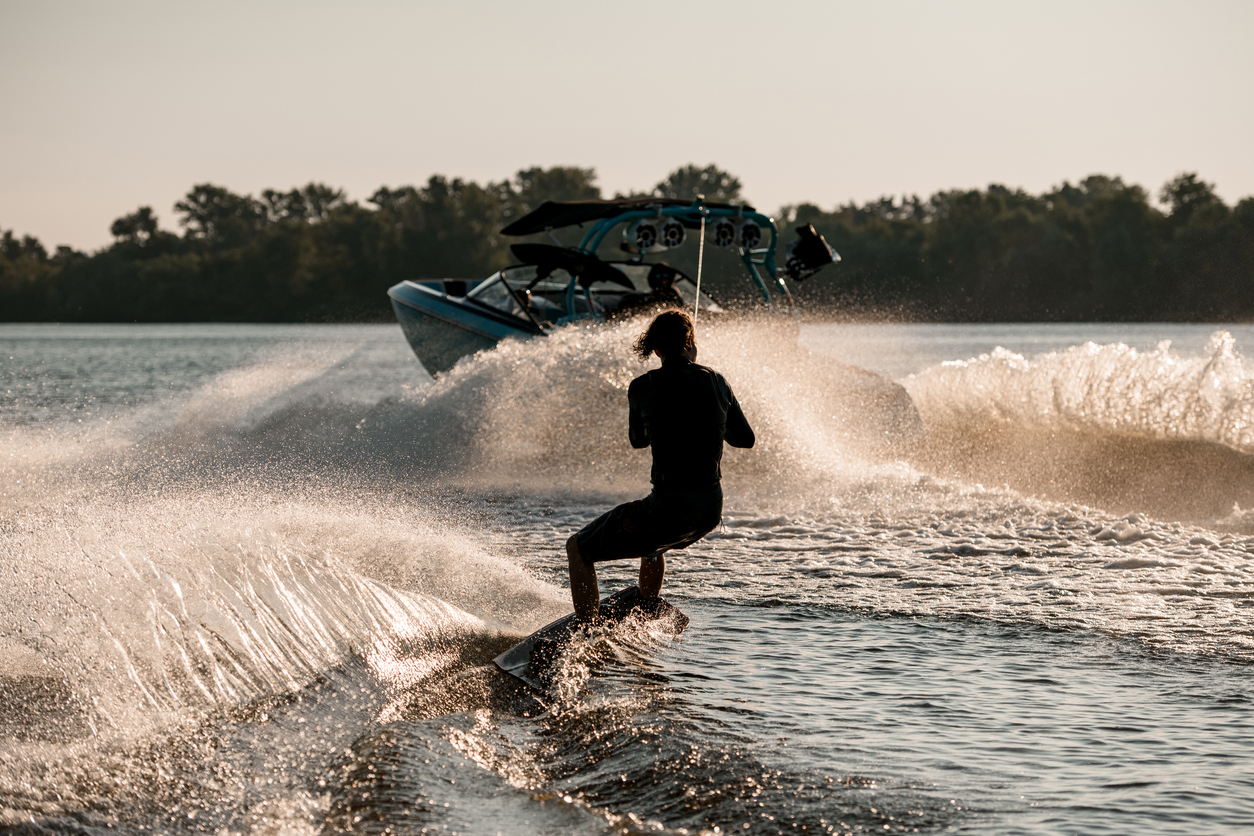
Tow sports are popular on Texas lakes, but they come with added responsibility. Operators need to watch the person being towed, other boats, shoreline distance, and water conditions.
A boat towing a skier, tuber, or wakeboarder should have a capable observer or proper equipment as required by law. The operator should avoid towing too close to docks, ramps, swimmers, other boats, and shallow areas.
Tow ropes can also create hazards. Operators should keep them clear of propellers, passengers, and other vessels. When the person being towed falls, the boat should return carefully and avoid turning the propeller toward the person in the water.
Boating Accidents and Reporting Requirements
If a boating accident happens, Texas law requires operators to stop and render aid when they can do so without endangering their own vessel, crew, or passengers. The operator must also provide their name, address, and vessel identification number to injured people and owners of damaged property.
Some accidents must be reported. Texas Parks and Wildlife says a report must be made within 30 days if the accident results in death, a missing person, injury requiring treatment beyond first aid, or property damage exceeding $2,000.
Failure to stop and render aid can lead to serious penalties. If the accident results in death or serious bodily injury, failure to follow those requirements is a felony under the Parks and Wildlife Code.
Game Wardens and Vessel Inspections
Texas game wardens and certain peace officers may stop, board, and inspect vessels to determine whether the boat meets safety and legal requirements.
That may include checking life jackets, fire extinguishers, registration, navigation lights, sound-producing devices, and other required equipment. Operators should stay calm, follow instructions, and keep documents and safety gear organized.
A clean, prepared boat makes inspections easier. It also shows that the operator takes safety seriously.
Local Rules and Waterway Markers
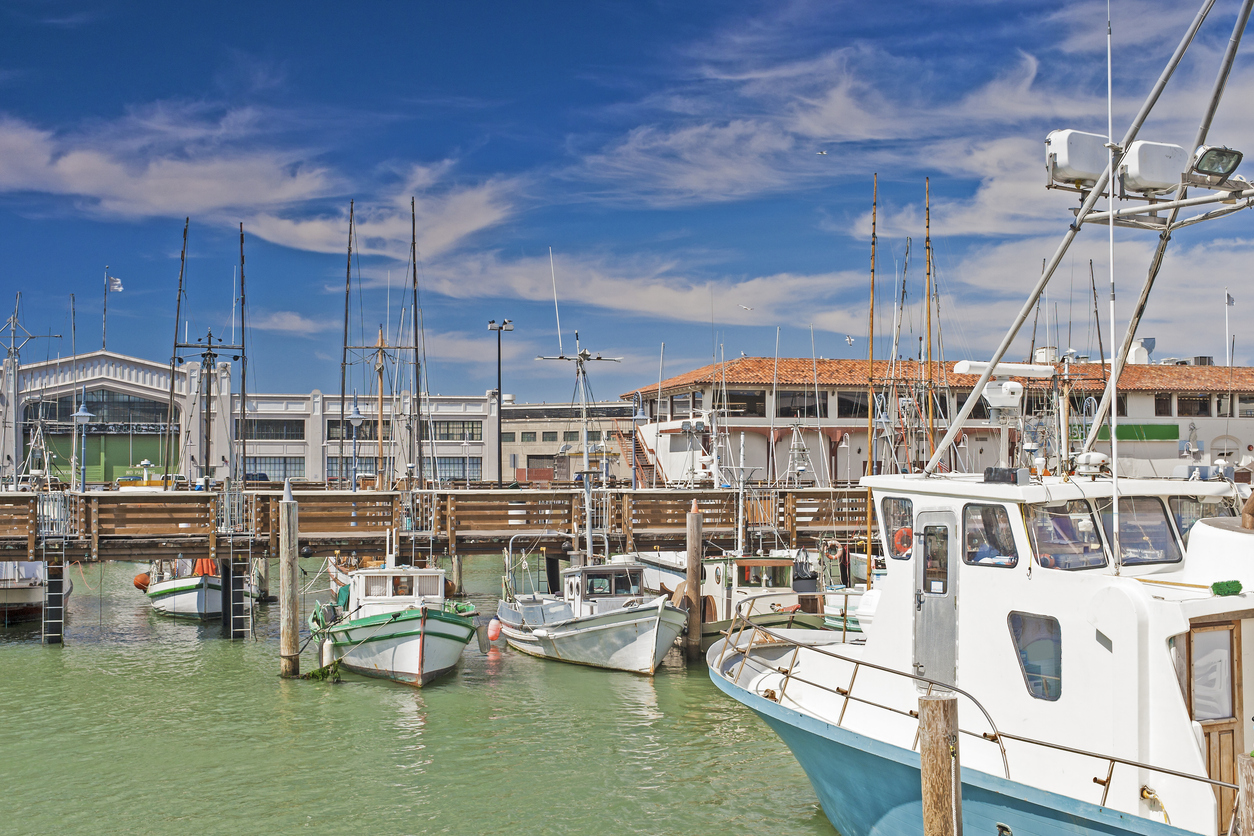
Texas has statewide boating laws, but local rules may also apply. Some lakes, rivers, marinas, or coastal areas may have no-wake zones, restricted areas, speed limits, swimming areas, or special rules for ramps and docks.
Markers and buoys are there for a reason. They may warn about shallow water, rocks, dams, restricted zones, channels, or hazards. Ignoring them can lead to fines, vessel damage, or injury.
Operators should learn the meaning of common markers before heading out. They should also check local rules for the specific lake, river, bay, or reservoir they plan to use.
A Practical Pre-Launch Checklist
Before leaving the dock or ramp, every operator should take a few minutes to check the basics:
- Registration is current and paperwork is on board.
- Life jackets fit each passenger and are easy to reach.
- Children under 13 are wearing required life jackets.
- Fire extinguisher, lights, horn or whistle, and other required gear are working.
- The engine cut-off switch is attached and ready.
- Weather and water conditions look safe.
- The fuel level is enough for the trip.
- A sober operator is in charge.
- Passengers know where safety gear is stored.
This quick habit can prevent delays, citations, and emergencies.
Final Thoughts
Boating in Texas should feel relaxing, fun, and safe. The laws are there to help make that happen. They set clear expectations for operators, protect passengers, and reduce danger on busy waterways.
The key is preparation. Take the required boater education course if it applies to you. Carry the right equipment. Wear the engine cut-off switch. Keep life jackets ready and properly fitted. Stay sober at the helm. Watch your speed, respect markers, and report serious accidents when required.
A good boat operator does more than steer. A good operator plans ahead, pays attention, and treats every person on the water with care. That mindset keeps Texas boating safer for everyone.