

Texas is a big state in every sense of the word. It has big skies, big distances, big traditions, and big personalities. It also has a deep connection to the water, even though many people outside the state first picture ranches, football fields, and long highways. For Texans, boating is woven into everyday life in a way that surprises people who have never spent much time there.
That connection comes from geography, weather, history, and culture. It also comes from the simple fact that boating fits the Texas way of life. People in Texas like space, freedom, family time, and outdoor fun. A boat brings all of that together in one place. It can be a fishing boat on a quiet lake, a ski boat pulling kids across the water, a pontoon full of relatives on a summer afternoon, or a bay boat heading out before sunrise on the Gulf Coast.
Boating matters in Texas because water matters in Texas. Lakes, bays, rivers, and the Gulf shoreline all shape how people relax, celebrate, fish, travel, and spend time together. For many families, boating is not an occasional hobby. It is part of weekends, holidays, summer plans, and lifelong memories.
Texas Has Water in More Places Than People Expect
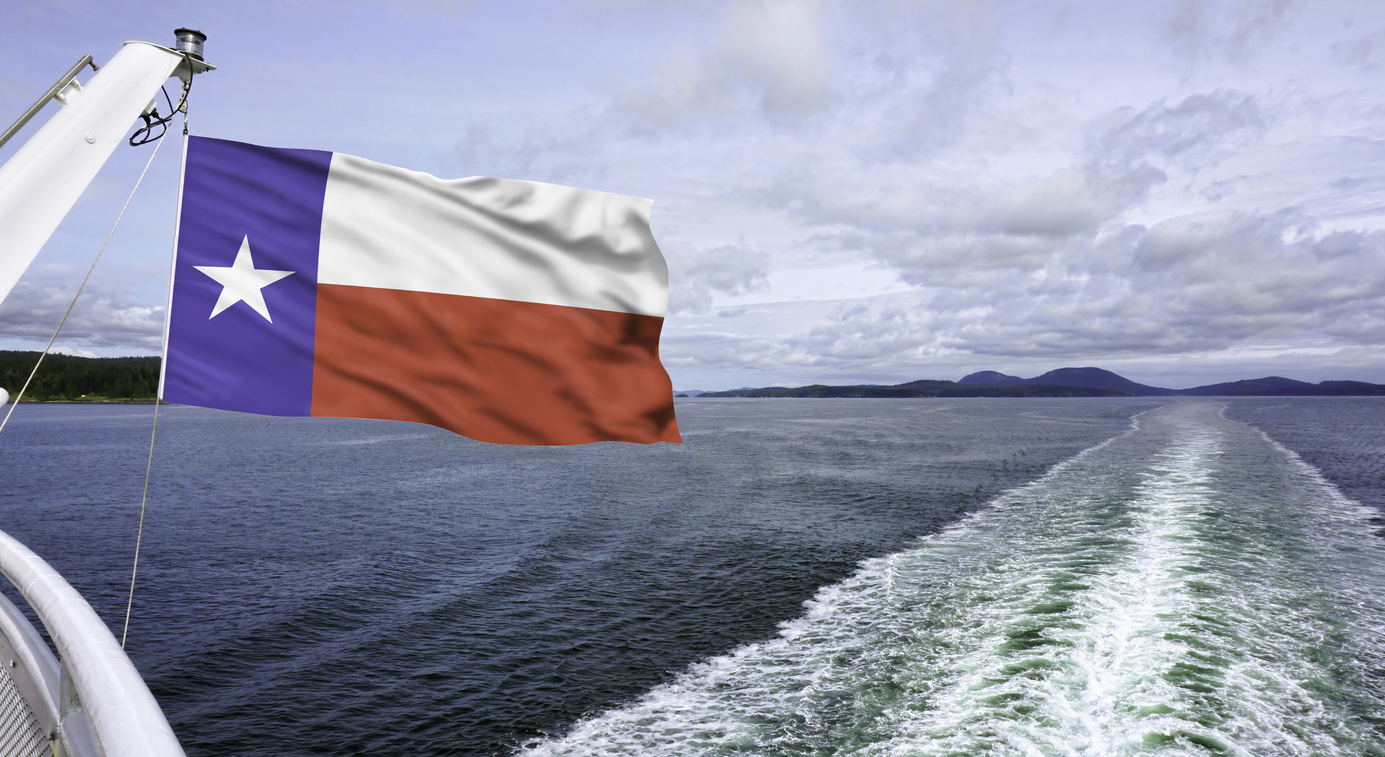
People who do not know Texas well sometimes assume it is mostly dry land. Parts of it are. Yet Texas also has an enormous amount of usable water for recreation. The state is home to a long Gulf Coast, major reservoirs, winding rivers, inland lakes, and popular hill country waterways.
That variety is a big reason boating is so common. A family in Houston might spend time in Galveston Bay or head toward the coast. Someone in Austin may grow up boating on Lake Travis or Lake Austin. In North Texas, people gather at lakes such as Lewisville, Grapevine, and Texoma. East Texas offers pine-lined lakes that feel very different from the open water near the coast. In South Texas, boating often connects closely to fishing and saltwater life.
Because the state is so large, boating does not belong to just one part of Texas. It shows up in cities, suburbs, small towns, and coastal communities. That broad access helps make boating feel normal. It is not limited to one kind of Texan or one kind of place.
Lakes Help Shape Weekend Life
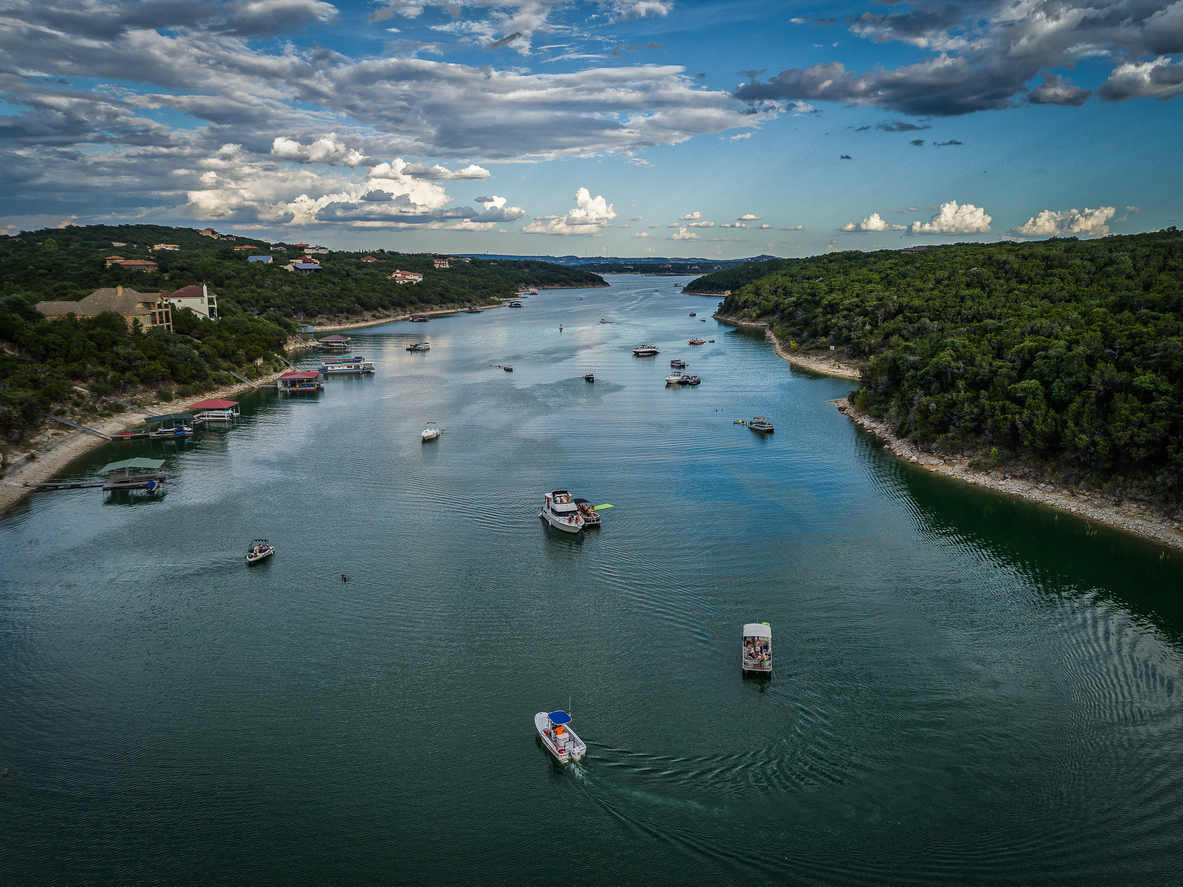
Many Texas lakes were created through reservoirs, and over time they became far more than practical water sources. They turned into gathering places. Around them, people built vacation homes, marinas, parks, restaurants, campgrounds, and neighborhoods. Whole weekend routines grew around lake life.
For a lot of Texans, a warm-weather weekend has a familiar rhythm. Load the cooler. Hitch the trailer. Meet friends at the dock. Spend the morning cruising, skiing, tubing, or fishing. Stop for lunch. Get back on the water. Watch the sun go down over the lake. That routine may sound simple, but it carries real meaning. It is how many families stay close.
Boating gives people a reason to unplug without feeling cut off. It takes them outdoors, but it also keeps them social. A lake day can include grandparents, parents, teenagers, little kids, neighbors, and old friends. Few activities work across age groups as easily as boating does. Some people want speed and excitement. Others want shade, music, and slow conversation. A boat can hold both moods at once.
That flexibility helps explain why boating has stayed so popular. It meets people where they are. It can be active or laid-back. It can be sporty or peaceful. It can last an hour or fill a whole day.
The Gulf Coast Adds Another Layer to Texas Boating Culture
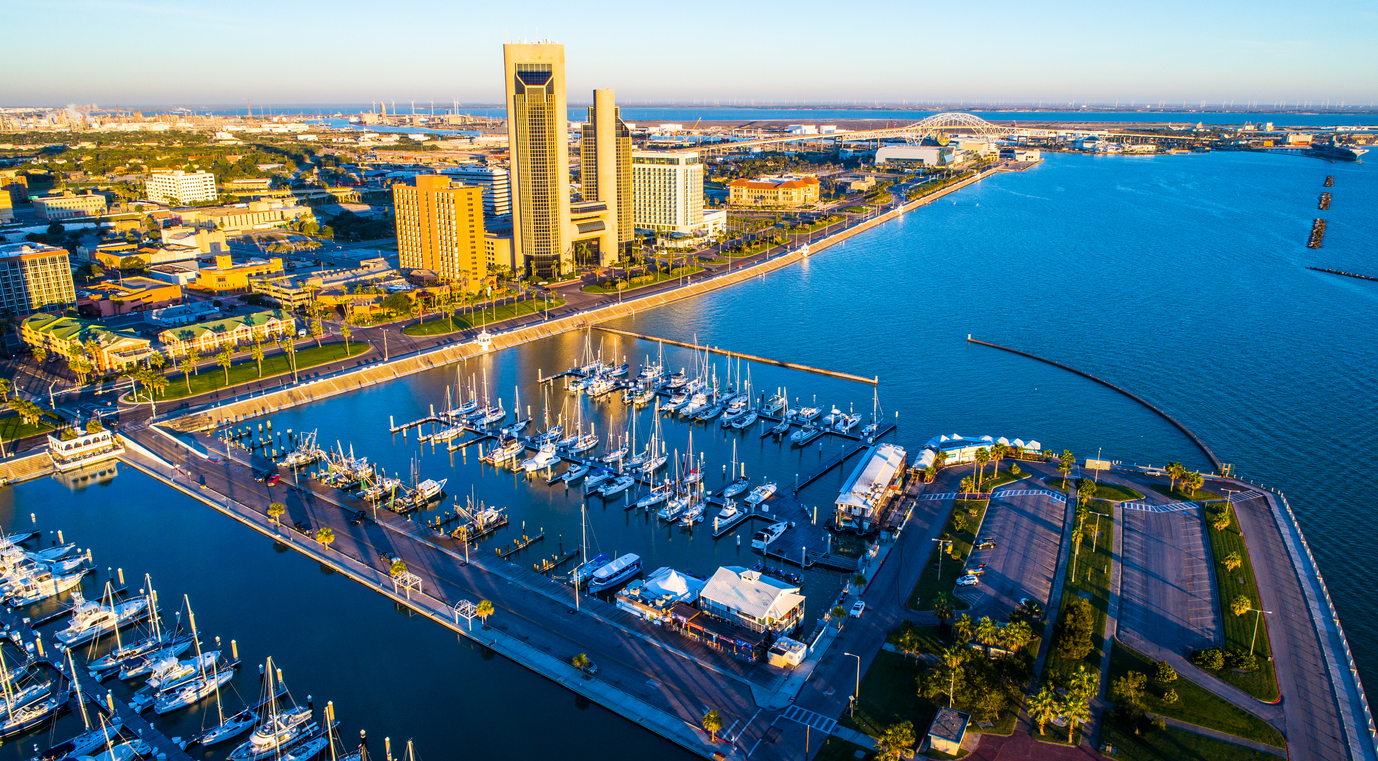
If lakes make boating a weekend tradition, the coast gives Texas boating a different kind of identity. Along the Gulf Coast, boats are tied to work, food, weather, and local pride. Shrimp boats, fishing boats, bay boats, and pleasure boats all share that world.
Coastal boating in Texas has its own feel. It is less about a lake-house escape and more about living near open water that shapes daily life. In many communities, boating is tied to generations of local knowledge. People know the tides, the marshes, the channels, and the best spots for redfish, speckled trout, or flounder. A boat is often part recreation, part tradition, and part practical tool.
That matters because boating in Texas is not only about fun. It is also connected to food and livelihood. Coastal families may fish for sport, but they also fish because it is part of their identity. Fresh seafood, time on the bay, and comfort on the water all go hand in hand. In those places, boating feels deeply rooted rather than trendy.
The Gulf Coast also broadens what boating means in Texas. It is not only freshwater tubing and wakeboarding. It is also casting into the flats at dawn, riding through the bay system, or heading offshore when conditions are right. That range makes boating culture in Texas especially wide and varied.
Warm Weather Keeps People on the Water
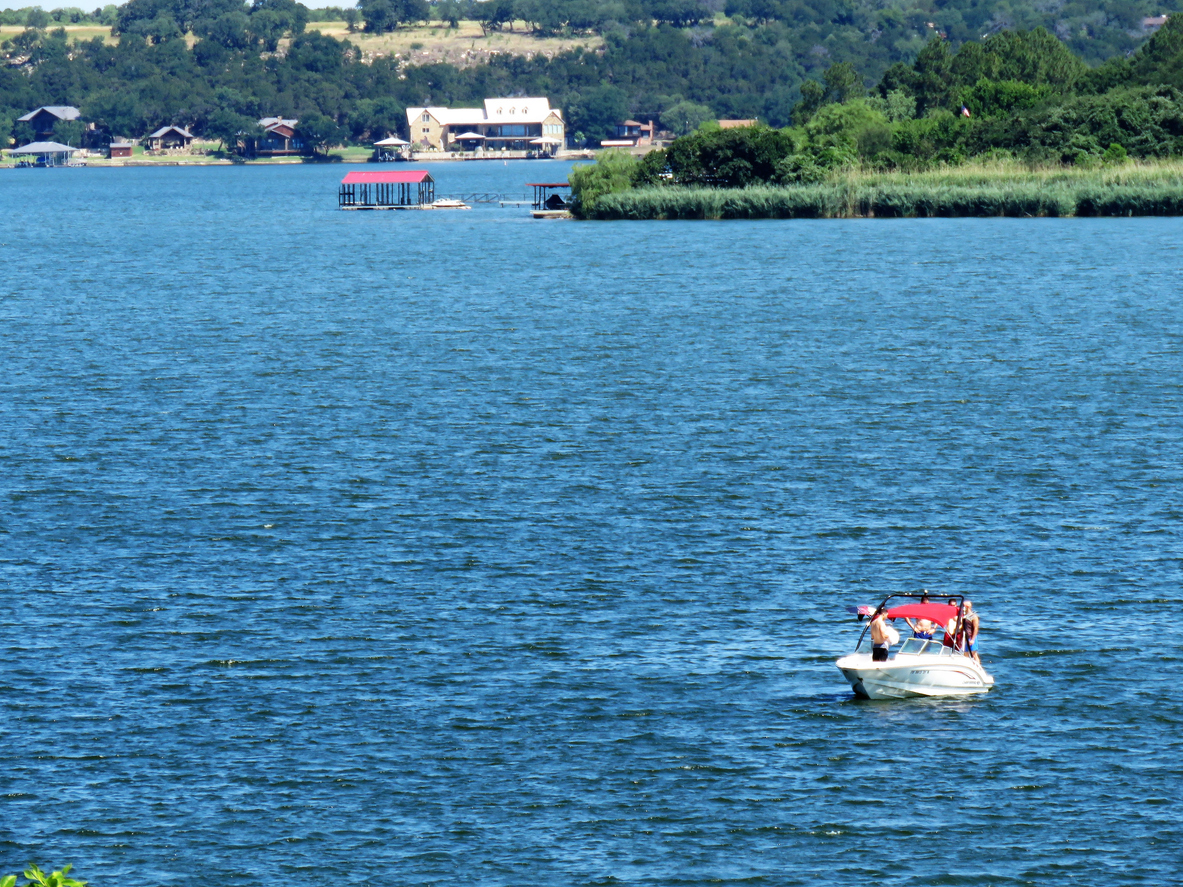
Texas weather plays a huge role in the popularity of boating. The boating season in many parts of the state feels long compared with cooler regions of the country. Spring arrives early. Summer runs hot. Fall often stays pleasant enough for time on the water. In some places, people can boat comfortably during parts of winter too.
That long season helps turn boating from a short burst of summer fun into a regular part of life. People are more willing to own boats, store them, maintain them, and plan around them when they know they will use them often. Warm weekends invite people outside. In Texas, the water becomes one of the best places to handle the heat.
That is especially important in summer. Texas heat can be intense, and boating offers a way to enjoy the outdoors without feeling stuck in it. The breeze over the water feels better than a crowded parking lot or a backyard with no shade. Jumping into a lake or bay gives instant relief. For many Texans, a boat is one of the best answers to a blazing July afternoon.
The climate also supports the social side of boating. Holiday weekends, graduations, reunions, and birthdays often happen outdoors because the weather allows it. That means boats become part of family celebrations, not just private recreation.
Boating Matches the Texas Love of Space and Freedom
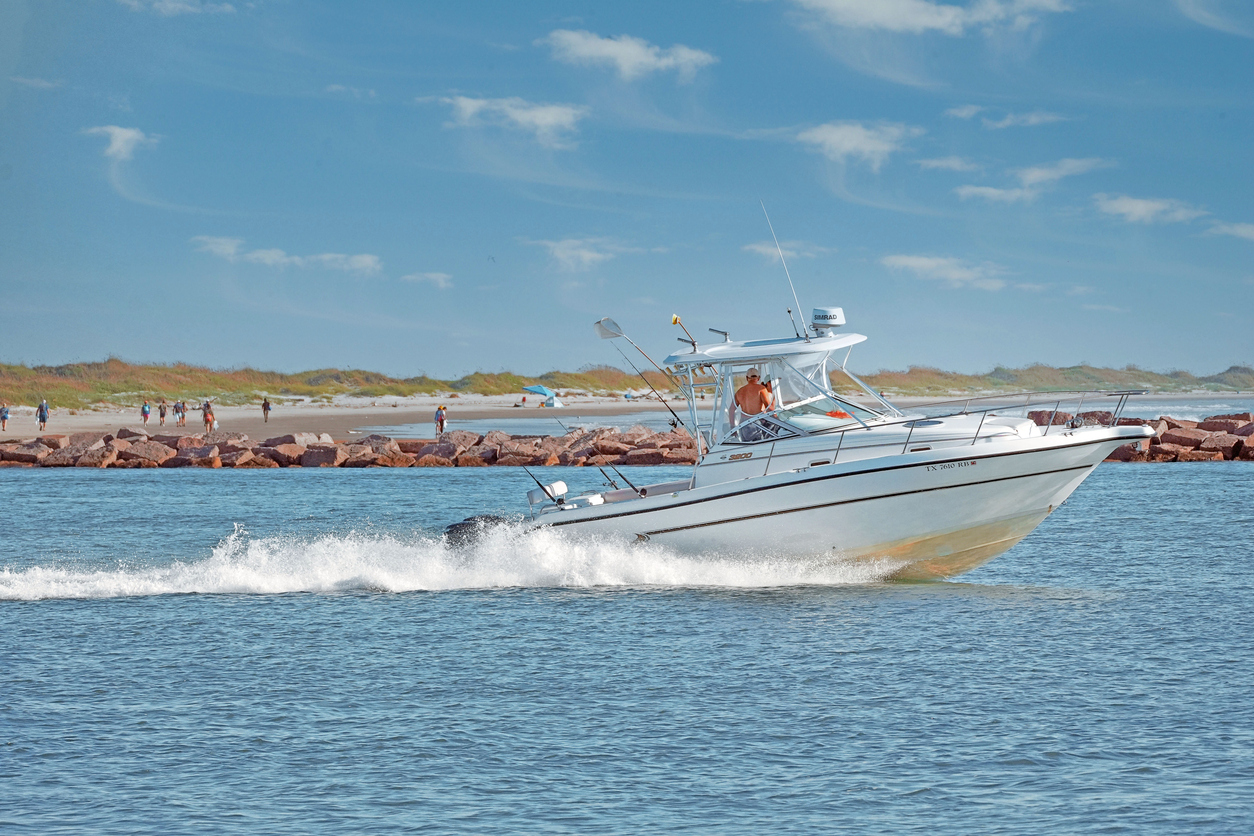
Texas has long valued independence. People often take pride in doing things their own way, having room to move, and spending time in wide-open places. Boating fits that mindset almost perfectly.
When a boat leaves the dock, the day opens up. People can explore a cove, cross a wide lake, drift near the shore, or anchor and swim. Even on a busy weekend, the water can still create a feeling of freedom. There is movement, choice, and breathing room.
That feeling matters. Texans tend to appreciate activities that do not feel cramped or overcontrolled. Boating offers structure when needed, especially for safety, but it also gives people flexibility. They can decide where to go, how long to stay, and what kind of day they want.
That sense of control is part of the appeal of truck culture, road trips, ranch life, and outdoor recreation in general. Boating fits naturally within that larger pattern. It is another way Texans enjoy mobility and open space.
Fishing Keeps Boating Close to Tradition
Fishing is one of the strongest reasons boating remains important in Texas. Freshwater and saltwater fishing are both major parts of life across the state, and boats make that experience much richer. They give anglers access to better spots, more water, and more freedom to adapt to weather and conditions.
In some families, fishing trips are passed down almost like heirlooms. A grandfather teaches a parent. A parent teaches a child. Favorite lures, secret spots, sunrise launches, and old stories all become part of family history. The boat is where those memories happen.
This connection to fishing keeps boating grounded. It means boating in Texas is not only about luxury or leisure. For many people, it is tied to patience, skill, knowledge, and time spent learning from older relatives. A child may not remember every cast from a weekend trip, but they often remember the feel of the boat leaving the dock in the dark.
Fishing also makes boating more common in places where flashy water sports are not the main focus. A modest aluminum boat on a small lake matters just as much to Texas boating culture as a large wake boat on a busy reservoir. That mix gives the culture depth. It includes people with different budgets, interests, and lifestyles.
Boating Brings People Together
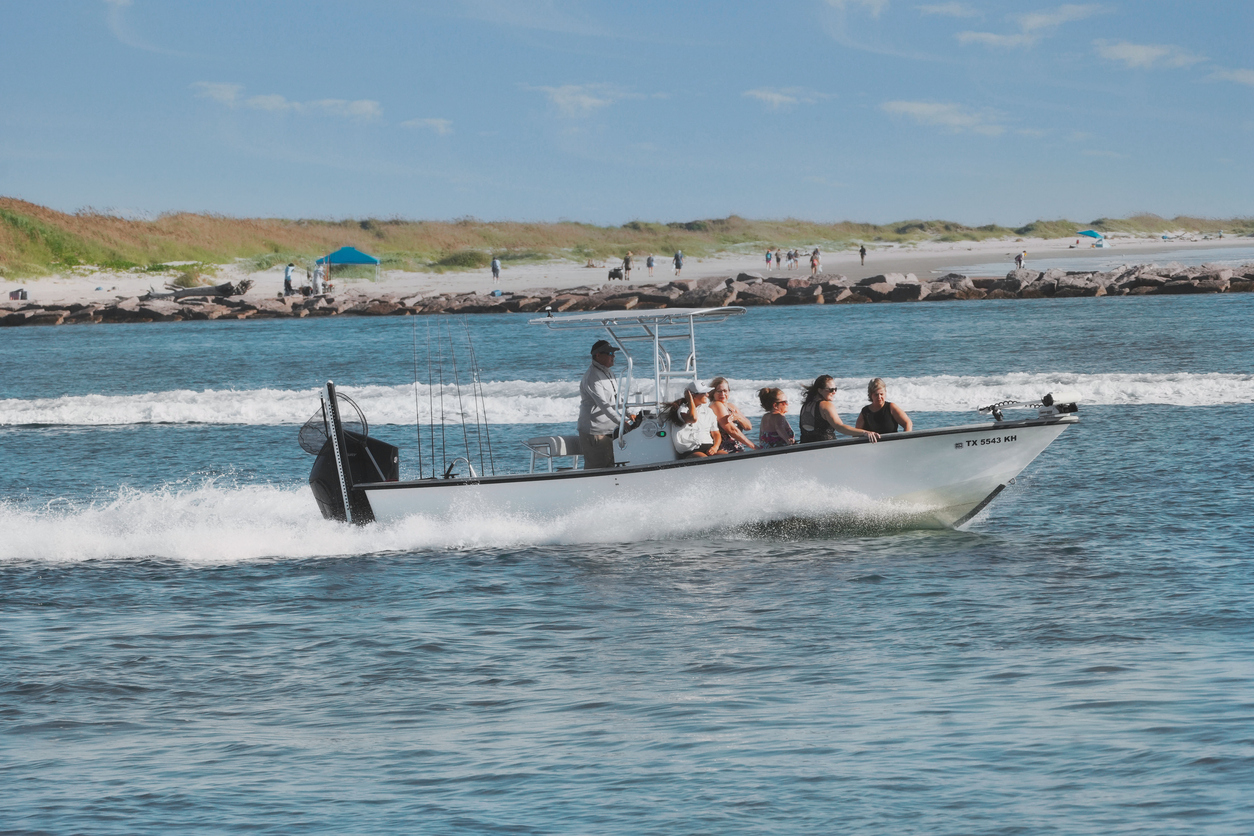
One of the biggest reasons boating matters in Texas is simple. It creates togetherness. Texans place a high value on family gatherings, shared meals, weekends with friends, and community events. Boats often become the setting for all of those things.
A day on the water has a way of slowing people down. Even when the day is full of activity, boating still creates stretches of time where people are simply present with each other. They talk, laugh, snack, swim, fish, and watch the shoreline pass by. Phones matter less. Conversation matters more.
That is especially meaningful in a fast-moving world. Families are busy. Work weeks are packed. Kids have endless schedules. Boating offers a break from all that noise. It creates focused time without feeling forced.
Texas lake communities and coastal towns have built whole social habits around boating. Friends meet at marinas. Families spend holidays at the lake. Neighborhoods organize dock gatherings and summer outings. Restaurants and waterfront businesses benefit from that steady flow of people. Over time, boating becomes part of local identity.
It also gives people a shared language. They talk about lake levels, boat ramps, weather, fishing reports, and favorite coves. These things may sound small, but they help shape community life.
Boats Reflect a Strong Outdoor Culture
Texas has always had a strong outdoor streak. Hunting, fishing, camping, hiking, rodeo culture, ranch traditions, and high school sports all point to a state that values action and open-air life. Boating fits smoothly into that world.
It is hands-on. It involves planning, gear, know-how, and physical presence. Even a relaxed boating day usually includes loading equipment, launching, tying off, cleaning up, and paying attention to the environment. That active element appeals to people who like doing things rather than only watching them.
Boating also connects Texans to the natural side of the state. The view from the water changes how a place feels. A lake seen from shore is one thing. A lake crossed at sunrise is another. Rivers, bays, marshes, cliffs, and coves all become more personal when people travel through them by boat.
That closeness builds appreciation. Many people who boat regularly become more aware of weather shifts, water conditions, fish habits, and seasonal changes. The water stops being background scenery. It becomes something they know directly.
It Is Also Part of the Texas Economy
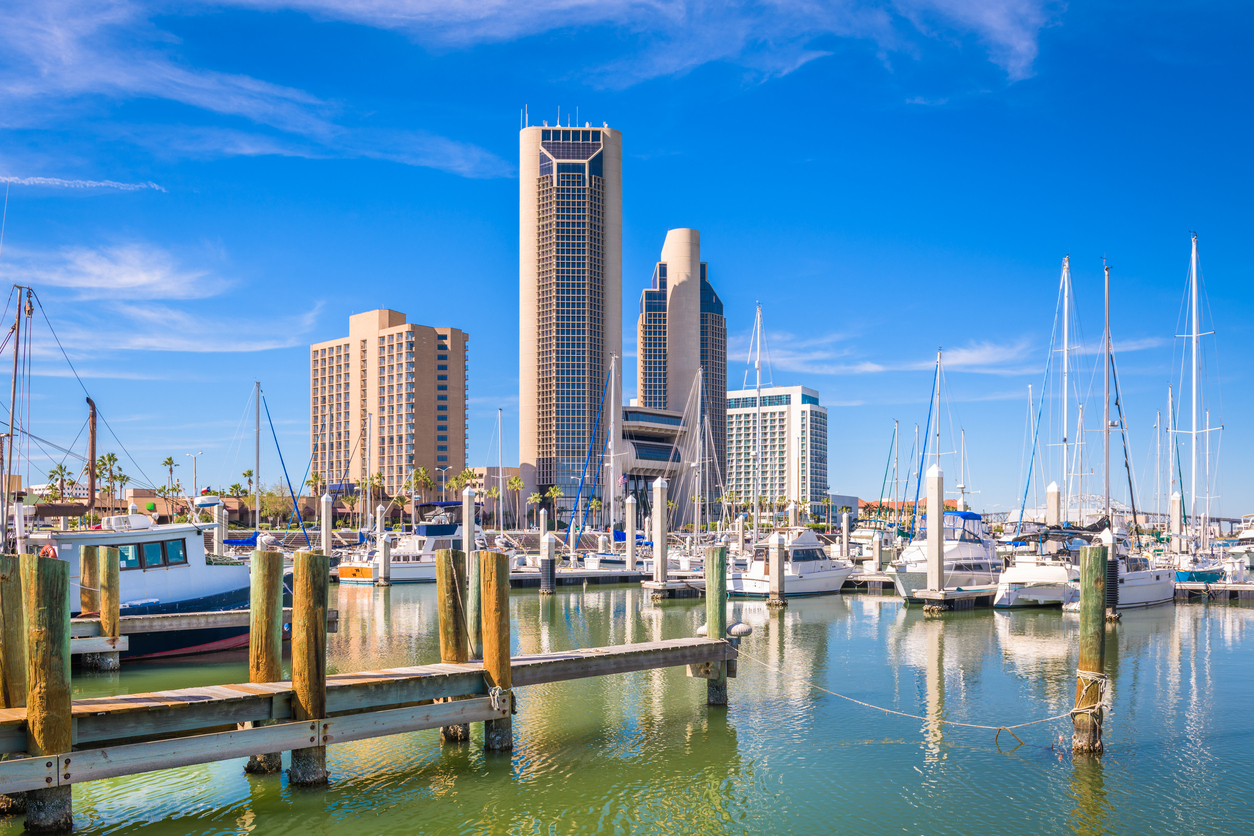
Boating is a cultural force in Texas, but it is also an economic one. Boats, trailers, marine fuel, storage, docks, repairs, equipment, marinas, guides, bait shops, waterfront restaurants, and tourism all generate business. Lake towns and coastal communities often depend heavily on that activity.
When the boating season picks up, many local economies feel it. Visitors rent cabins, book slips, buy supplies, eat at nearby restaurants, and spend money at local businesses. Some areas are known almost as much for their boating scene as for anything else.
This business side helps reinforce boating’s place in daily life. It supports jobs and local services, while also keeping boating visible. People grow up seeing boats for sale, marinas full on weekends, and waterfront communities built around access to the water. That steady presence makes boating feel like a natural part of Texas life rather than a niche pastime.
Texas Boating Is About Memory as Much as Motion
Ask many Texans why boating matters, and the real answer often comes down to memory. They remember learning to steer for the first time. They remember being pulled on a tube until they could barely hang on. They remember sunscreen, lake sandwiches, wet towels, bait buckets, and the sound of the engine starting before dawn.
Those memories tend to stay vivid because boating engages all the senses. The glare of the sun on the water, the smell of the lake, the slap of waves against the hull, the quiet of an early fishing trip, the cheers after someone lands a big catch, all of it sticks.
That emotional pull helps explain why boating keeps renewing itself. Each generation creates its own version of the same tradition. The boats may change. The music may change. The photos may now live on phones instead of in albums. Yet the feeling remains familiar.
Why Boating Continues to Matter
Boating remains a big part of life in Texas because it brings together so many things Texans value. It offers relief from the heat, access to the outdoors, time with family, room to explore, and a stronger connection to the state’s lakes, rivers, bays, and coast. It supports fishing traditions, fuels local economies, and creates memories that last for decades.
Most of all, boating feels at home in Texas because it matches the size and spirit of the state. Texas gives people room to move, and boating lets them use that room in a way that is fun, meaningful, and deeply social. For some, it is a hobby. For others, it is a tradition. For many, it is simply part of what a good Texas life looks like.
On a hot day, with the water stretching ahead and a dock waiting somewhere in the distance, that truth becomes easy to understand. In Texas, boating is not a side note. It is part of the rhythm of the place itself.