

Step into Pflugerville on any given morning and you will notice something right away. People are moving. Some walk with coffee in hand. Others jog with a steady rhythm. Cyclists glide past neighborhoods, and families push strollers under wide Texas skies. The common thread is not just activity. It is the network of trails that quietly connects daily life across this growing suburb.
Pflugerville, located just northeast of Austin, has built a reputation that goes beyond new homes and fast growth. It has become a place where trails are part of the routine. These paths are not an afterthought. They are a core part of how the community functions, how residents stay active, and how neighbors connect.
This article takes a closer look at how miles of trails shape everyday life in Pflugerville. From health and recreation to community identity and city planning, the impact runs deeper than many expect.
A Network That Keeps Expanding
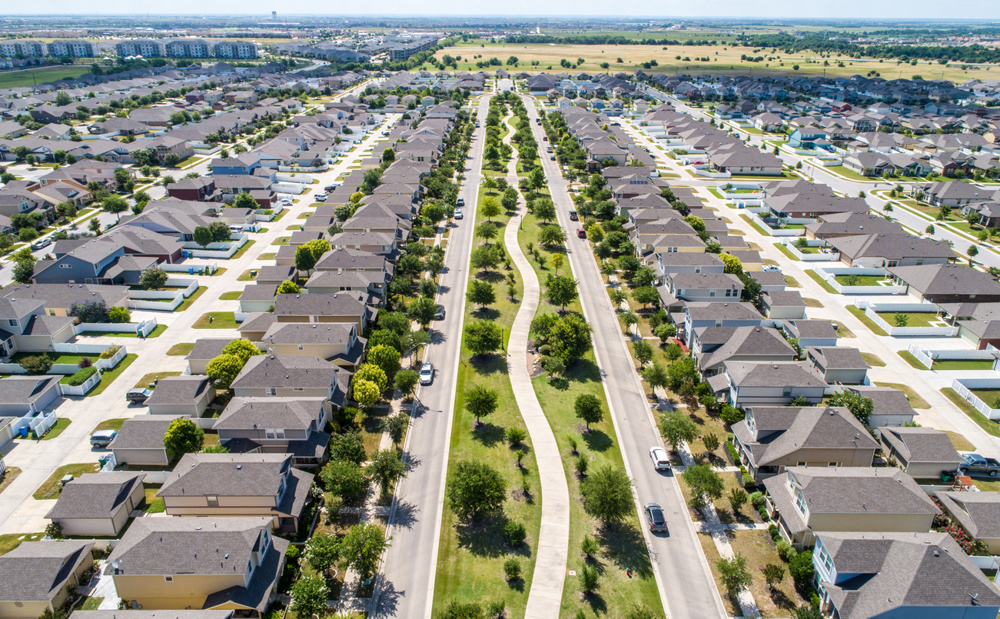
Pflugerville’s trail system did not appear overnight. It grew over time as the city expanded and planners saw the value of linking neighborhoods, parks, and public spaces.
Today, the city offers an extensive network of hike and bike trails. These paths wind through residential areas, greenbelts, and open spaces. Some follow creeks and natural corridors. Others connect schools, parks, and commercial zones.
One of the most well-known routes is the trail system around Lake Pflugerville. This 180-acre reservoir is more than a water source. It is a centerpiece for recreation. The loop around the lake gives residents a reliable place to walk, run, or bike without leaving the city.
Beyond the lake, trails branch out into neighborhoods. This design allows people to step outside their front door and access the system without driving. That simple convenience has a big effect on how often people use it.
Daily Movement Becomes a Habit

In many suburbs, exercise requires planning. You drive to a gym, carve out time, and try to stay consistent. In Pflugerville, the presence of trails changes that pattern.
When a trail is just a few steps away, movement becomes part of the day instead of a scheduled task.
Morning routines often include a quick walk before work. Parents walk their kids to nearby parks. Evening strolls replace screen time. Even short breaks during the day can turn into a quick loop around the block that leads into a trail.
This kind of accessibility lowers the barrier to staying active. It does not feel like a chore. It feels natural.
Over time, these small habits add up. Residents report walking more often, biking more frequently, and spending more time outdoors without making a big effort to do so.
A Fitness Culture Without Pressure
Pflugerville’s trail culture supports fitness in a way that feels approachable. You do not need special equipment or a gym membership. You do not need to be an athlete.
You just show up.
On any given day, you will see a mix of people using the trails. Some move at a fast pace. Others take their time. There are runners training for races, seniors enjoying a steady walk, and families exploring together.
This mix creates an environment that feels welcoming. There is no pressure to perform or compete. The trails allow people to engage with fitness at their own level.
That kind of atmosphere encourages consistency. When people feel comfortable, they are more likely to return again and again.
Social Connections Along the Path
Trails do more than support physical activity. They create space for social interaction in a relaxed setting.
Unlike formal events or crowded venues, trails offer casual encounters. A quick greeting while passing by. A short conversation at a rest stop. A shared moment watching the sunset over the lake.
Over time, these small interactions build familiarity. People begin to recognize faces. Neighbors who might not meet otherwise start to connect.
For families, trails provide a shared activity that does not require planning or expense. Walking together becomes a simple way to spend time and talk.
For newcomers, the trail system offers an easy way to feel part of the community. It is one of the first places where people experience the rhythm of daily life in Pflugerville.
Connecting Neighborhoods and Reducing Car Dependence
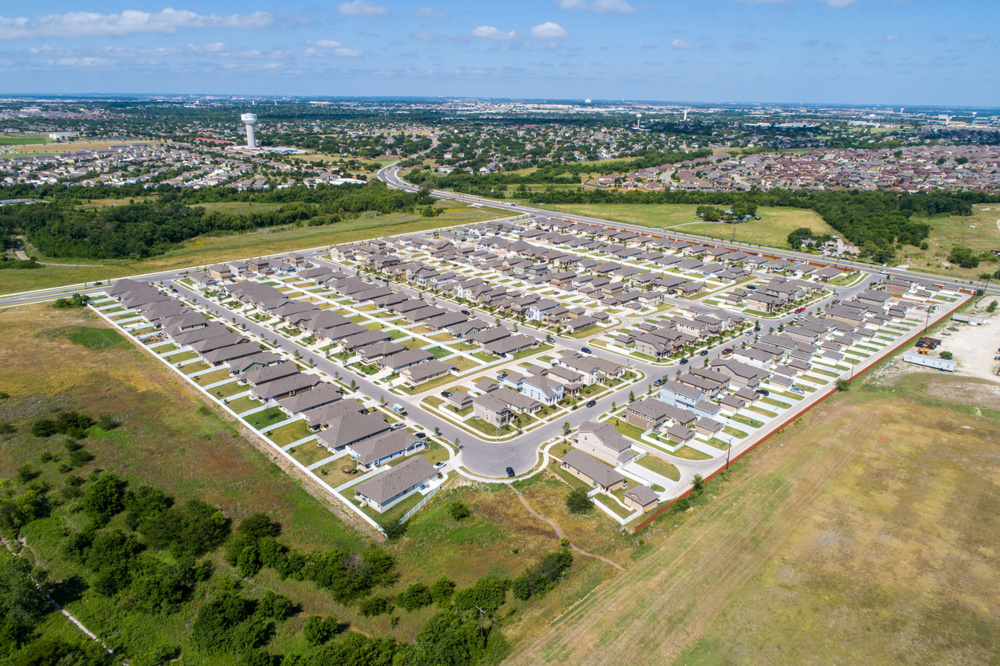
One of the most practical benefits of Pflugerville’s trail system is how it connects different parts of the city.
Trails link neighborhoods to parks, schools, and public spaces. In some cases, they provide alternative routes that avoid busy roads. This makes it easier for residents to move around without relying entirely on a car.
For short trips, walking or biking becomes a realistic option. A student can bike to school. A resident can walk to a nearby park. A family can visit a playground without driving.
While Pflugerville is still very much a car-oriented suburb, the trail system offers a glimpse of a more connected and flexible way of moving through the city.
This kind of infrastructure also supports long-term planning goals. As the population grows, having multiple ways to get around helps reduce congestion and improves overall quality of life.
Nature as Part of Everyday Life

Another key feature of Pflugerville’s trails is their connection to nature.
Many paths follow greenbelts, creeks, and open spaces. These areas provide a break from the built environment. Even within a suburban setting, residents can experience stretches of greenery, wildlife, and quiet.
Walking along a trail often means hearing birds instead of traffic. It means seeing native plants and seasonal changes. It means stepping into a space that feels removed from daily stress.
This access to nature has a real impact on well-being. Studies have shown that time spent outdoors can reduce stress, improve mood, and support mental health.
In Pflugerville, that access is built into the layout of the city. You do not need to plan a trip to a distant park. Nature is part of the routine.
Family-Friendly Design
Pflugerville’s trails are designed with families in mind.
Wide paths allow for strollers, bikes, and walkers to share space comfortably. Clear signage helps people navigate the system. Rest areas and benches provide spots to pause and relax.
The loop around Lake Pflugerville is especially popular for families. The flat terrain makes it easy for children to participate. The open views and water features keep things interesting.
Safety is also a priority. Many trails are well-maintained and clearly marked. Lighting in certain areas allows for use during early morning or evening hours.
These features make the trails accessible to a wide range of users. From young children to older adults, people can enjoy the system without feeling excluded.
Supporting Local Events and Activities
The trail system also plays a role in community events.
Fun runs, charity walks, and cycling events often take place along these paths. These activities bring people together while highlighting the city’s infrastructure.
Even informal events, like group walks or meetups, rely on the trails as a central gathering point.
These shared experiences strengthen community ties. They give residents a reason to come together in a setting that feels comfortable and familiar.
Over time, the trails become more than just physical spaces. They become part of the city’s identity.
Economic and Development Impact
While the benefits of trails are often discussed in terms of health and recreation, they also have economic effects.
Homes located near trails often attract more interest from buyers. Access to outdoor space is a strong selling point. It adds value and appeal.
Local businesses can also benefit. Coffee shops, small restaurants, and retail spaces near trail access points often see steady foot traffic.
As Pflugerville continues to grow, the presence of a well-developed trail system helps shape how new areas are designed. Developers and planners recognize that residents value access to these spaces.
This creates a cycle where trails support growth, and growth supports further investment in trails.
A Balance Between Growth and Livability
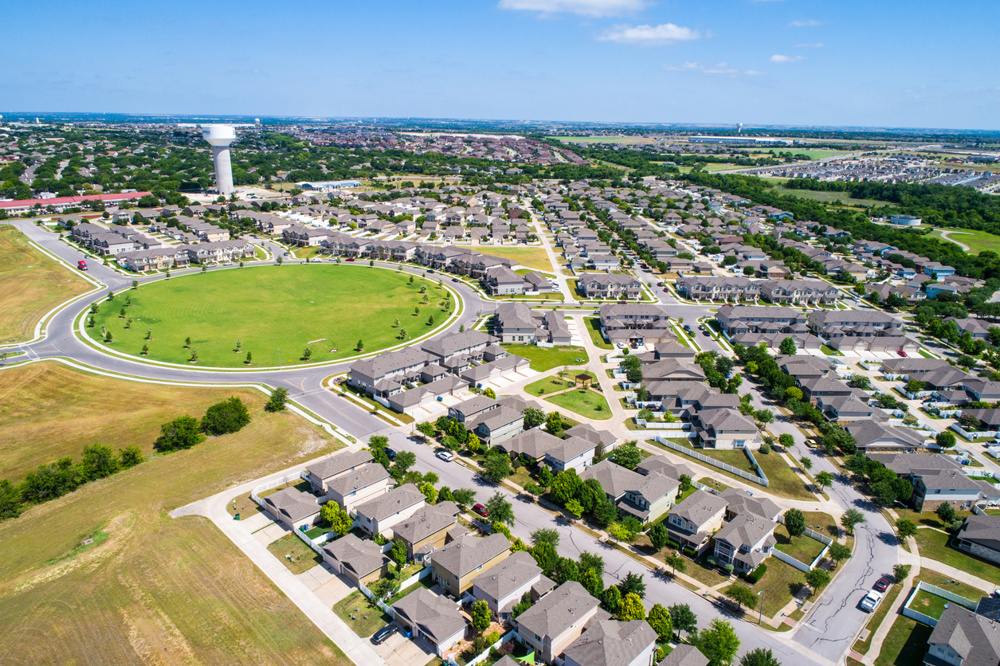
Pflugerville has experienced rapid growth in recent years. With that growth comes challenges. Traffic increases. Development expands. Open space can become harder to preserve.
The trail system plays a role in maintaining balance.
By protecting green corridors and integrating trails into new developments, the city works to preserve a sense of openness. These paths act as buffers between built areas and natural spaces.
They also provide a consistent feature that residents can rely on, even as the city changes around them.
This balance is important for long-term livability. It helps ensure that Pflugerville remains a place where people can enjoy both convenience and quality of life.
The Role of Planning and Community Input
The success of Pflugerville’s trail culture is not accidental. It reflects thoughtful planning and ongoing community involvement.
City officials, planners, and residents have worked together to expand and maintain the system. Feedback from the community helps guide decisions about where new trails should go and how existing ones can be improved.
Maintenance is also a key factor. Trails need to be safe, clean, and accessible. Regular upkeep ensures that people continue to use and enjoy them.
This collaborative approach keeps the system responsive to the needs of the community. It also builds a sense of ownership among residents.
Looking Ahead: Future Expansion
As Pflugerville continues to grow, the trail system is expected to expand as well.
Plans often include connecting existing trails, adding new routes, and improving access points. The goal is to create a more complete network that reaches all parts of the city.
There is also interest in linking local trails to regional systems. This would allow residents to travel longer distances and connect with neighboring communities.
These future developments will further strengthen the role of trails in daily life.
Why It Matters
At first glance, a network of trails might seem like a simple amenity. A nice feature, but not essential.
In Pflugerville, it has become something more.
It shapes how people move, how they spend their time, and how they connect with others. It supports health in a practical way. It brings nature into everyday routines. It adds value to neighborhoods and supports thoughtful growth.
Most importantly, it creates a sense of place.
When residents talk about Pflugerville, the trails are often part of the conversation. They are a shared experience that cuts across age, background, and lifestyle.
A City Defined by Its Paths
Pflugerville’s trail culture shows how infrastructure can influence daily life in subtle but meaningful ways.
By making movement easy, by creating space for connection, and by preserving access to nature, these paths have become a defining feature of the community.
They are not just routes from one place to another. They are part of how the city lives and breathes.
As Pflugerville continues to grow, the miles of trails will likely remain one of its strongest assets. They offer a model for how suburban areas can support active, connected, and balanced living.
And for the people who use them every day, they are simply part of home.