

Central Texas might not be the first place that comes to mind when people think about outdoor bouldering, but it quietly offers a solid mix of terrain, accessibility, and year-round climbing potential. The region’s limestone cliffs, granite domes, creek beds, and shaded parks create a landscape that works well for short, powerful bouldering problems and longer technical sequences. Whether you are new to climbing or have spent years chasing outdoor problems, Central Texas offers plenty of places to explore.
This article takes a close look at the most popular and reliable bouldering areas in Central Texas, what makes each one unique, and how to approach them responsibly.
Understanding Bouldering in Central Texas
Bouldering is a style of climbing focused on short routes, called problems, usually climbed without ropes. Instead of ropes and harnesses, climbers rely on crash pads and spotters to protect falls. The emphasis is on movement, balance, strength, and problem solving rather than height.
In Central Texas, bouldering often exists alongside sport and traditional climbing areas. Many problems are found at the base of larger cliffs or scattered along creek beds and hillsides. The climbing style tends to be technical and footwork-heavy due to the nature of the rock, especially limestone. Granite areas add friction-based movement that rewards patience and precision.
Austin and the Surrounding Greenbelts
Austin serves as the center of climbing activity in Central Texas. Its greenbelt system provides easy access to outdoor climbing within city limits, making it possible to fit in short sessions without a long drive.
Barton Creek Greenbelt
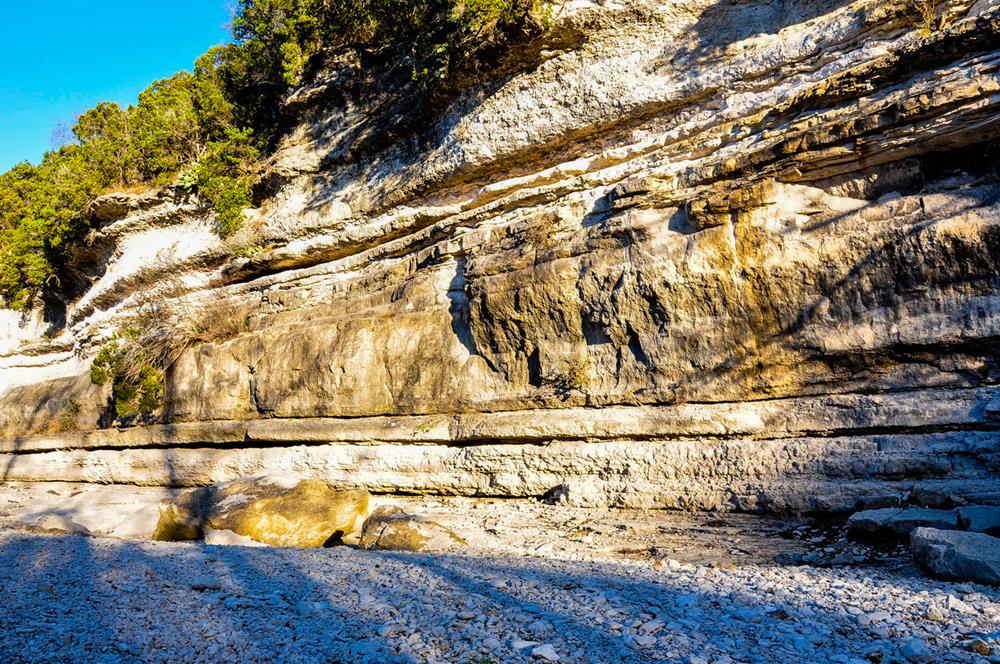
Barton Creek Greenbelt is one of the most well-known outdoor climbing areas in the region. The limestone cliffs along the creek offer a range of bouldering problems suitable for beginners through advanced climbers. Many problems are found near Gus Fruh and Twin Falls, where limestone walls rise directly from the creek bed.
The climbing here often focuses on balance, body positioning, and careful foot placement. Holds can be sharp in places and polished in others, depending on traffic. The presence of water and trees provides shade, which is especially helpful during warmer months.
One of the biggest draws of Barton Creek is its relaxed atmosphere. Climbers often combine bouldering with hiking or swimming, turning a climbing session into a full outdoor day.
Seasonal water levels play a big role in accessibility. After heavy rain, parts of the creek can flood, covering problems or making approaches unsafe. Checking conditions before heading out is always a good idea.
Bull Creek Park
Bull Creek Park, located in northwest Austin, offers a quieter alternative to Barton Creek while still providing quality limestone bouldering. The creek runs through shaded terrain, and many problems sit close to the water.
The climbing here tends to be friendly for newer climbers, with approachable starts and manageable heights. More experienced climbers can still find technical challenges, especially on problems that require precise footwork and creative movement.
Because Bull Creek is popular with hikers and families, climbers should be mindful of shared space. Early mornings or weekdays often provide the best climbing experience.
McKinney Falls State Park
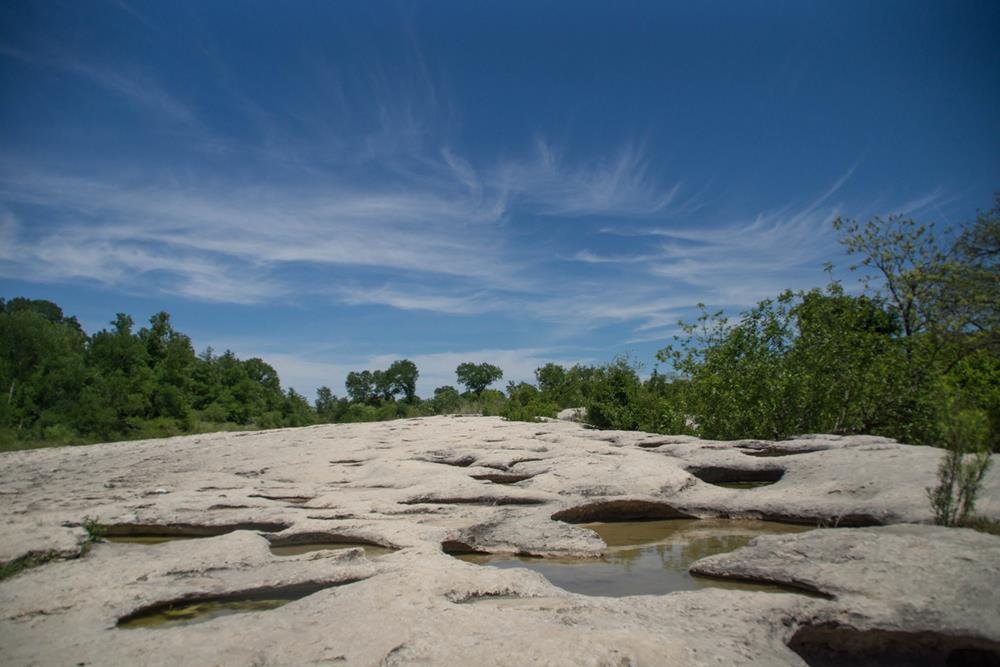
South of downtown Austin, McKinney Falls State Park is known for its scenic waterfalls and well-maintained trails. It also offers some of the more challenging bouldering in the area.
The limestone here is compact and technical. Problems often involve small holds and powerful moves that test finger strength and body tension. Landings can be uneven, making good pad placement important.
This area tends to appeal more to intermediate and advanced climbers, though beginners can still enjoy easier lines if they move cautiously. Because McKinney Falls is a state park, climbers should follow posted rules and stay aware of other park visitors.
Hill Country Bouldering Destinations
Beyond Austin, the Texas Hill Country opens up additional bouldering opportunities. These areas often feel more remote and scenic, offering a different experience from urban greenbelt climbing.
Enchanted Rock State Natural Area
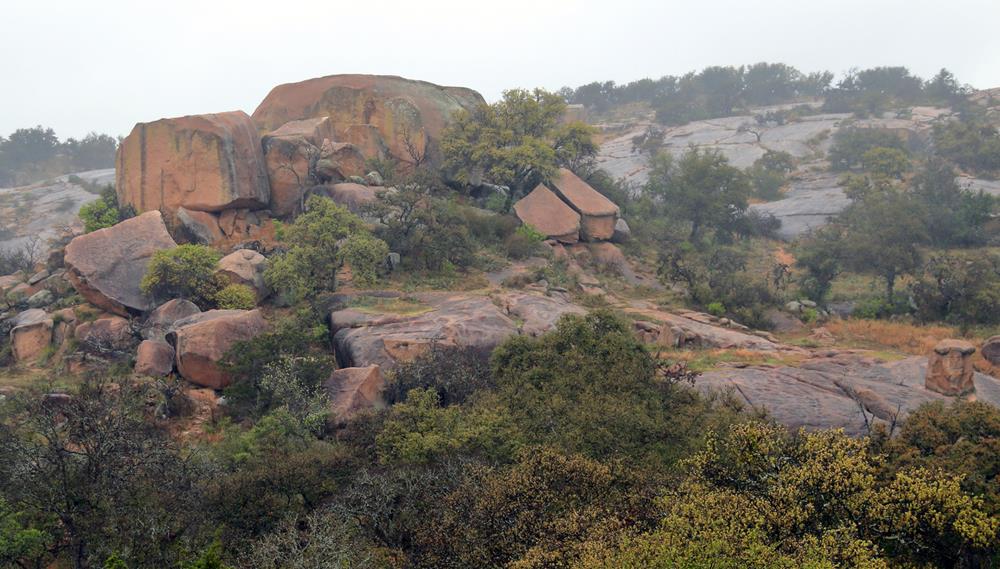
Enchanted Rock is one of the most iconic natural landmarks in Texas. While it is best known for long granite slab routes climbed with ropes, it also offers worthwhile bouldering opportunities.
The granite here provides a completely different climbing experience from limestone. Instead of sharp edges and pockets, climbers rely on friction, balance, and subtle weight shifts. Many bouldering problems are found near the base of the dome or on smaller granite features scattered around the area.
The climbing style rewards patience and precise foot placement. Even relatively low-angle problems can feel challenging due to the smooth surface.
Because Enchanted Rock is exposed, weather plays a major role. The granite heats up quickly in direct sun, so early mornings and late afternoons are the best times to climb. Permits are required for entry, and planning ahead is essential during busy seasons.
Reimer’s Ranch Park
Reimer’s Ranch, located west of Austin along the Pedernales River, is one of the most popular climbing destinations in Central Texas. While most climbers visit for sport routes, there is also a solid selection of bouldering problems near the base of the cliffs and along the river.
The limestone here offers classic Central Texas features like edges, pockets, and overhangs. Bouldering problems range from short technical sequences to steeper power-oriented lines.
The setting adds to the experience. The river, open views, and quiet surroundings make it easy to spend a full day climbing. Summer heat can be intense, but shade from the canyon walls helps during certain times of day.
Pace Bend Park
Pace Bend Park sits along the shores of Lake Travis and offers a mix of climbing terrain. While it is not known as a dedicated bouldering area, climbers have developed problems along cliff bases and slabby sections overlooking the water.
The appeal of Pace Bend lies in its scenery and space. The park is large, and it is often possible to find quiet spots away from crowds. The climbing style varies, with some problems favoring balance and others requiring stronger moves.
Because the park also attracts campers, swimmers, and boaters, climbers should stay aware of their surroundings and respect shared use.
Rock Types and Climbing Style
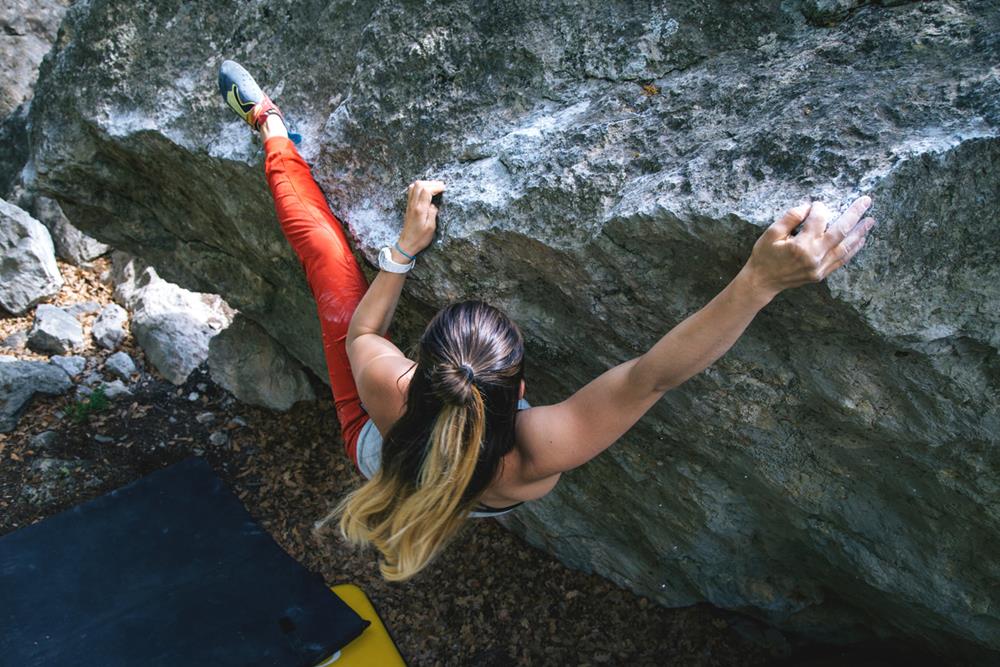
Understanding the rock types in Central Texas helps climbers adjust their approach.
Limestone dominates much of the region. It often features small edges, pockets, and sharp textures. Footwork and body positioning are critical, especially on polished routes. Over time, popular problems can become slick, increasing the importance of technique.
Granite, found primarily at Enchanted Rock, offers a contrasting experience. Friction is key, and success often comes from trusting your feet and maintaining balance rather than pulling hard with your arms.
Switching between these rock types can help climbers develop a well-rounded skill set.
Safety and Preparation
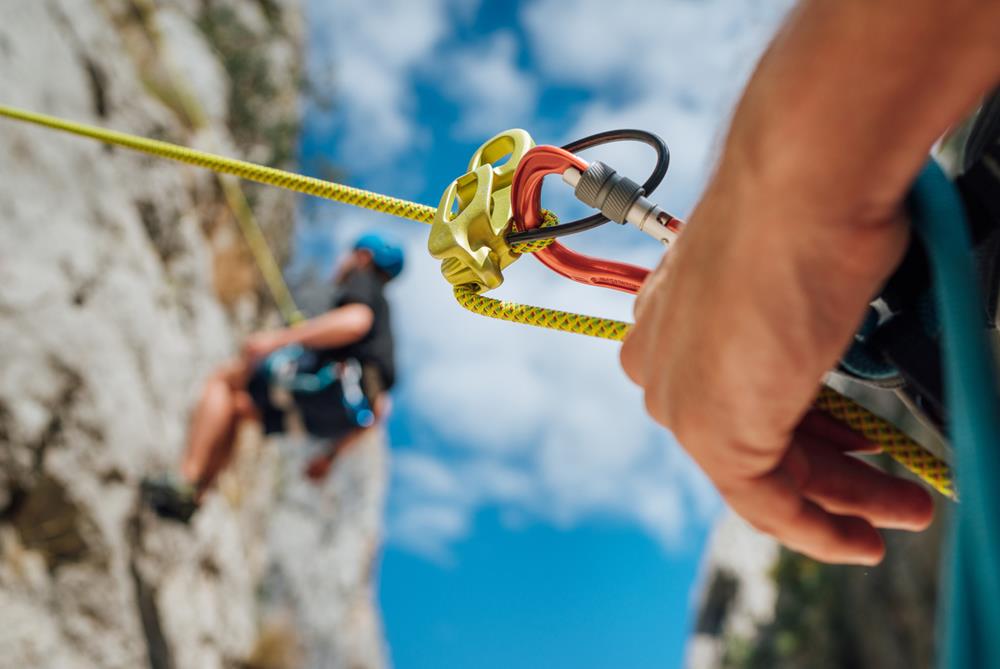
Outdoor bouldering requires more preparation than indoor climbing. Uneven landings, variable rock quality, and changing weather all factor into safety.
Crash pads are essential, especially in areas with rocky or sloped landings. Spotters help guide falls and protect climbers from hazards. Wearing appropriate climbing shoes improves both performance and safety.
Weather awareness is critical. Rain can make limestone slick and dangerous, while extreme heat increases the risk of dehydration. Carrying water, sun protection, and basic first aid supplies is always recommended.
Respecting the Environment
Central Texas climbing areas are often located within public parks and natural preserves. Responsible use helps keep these areas open and enjoyable for everyone.
Staying on established trails reduces erosion. Cleaning up chalk marks and packing out trash protects the natural appearance of the rock. Following park rules and respecting closures ensures continued access for climbers.
Many local climbers also participate in stewardship efforts, helping maintain trails and climbing areas.
Getting Started and Building Skills
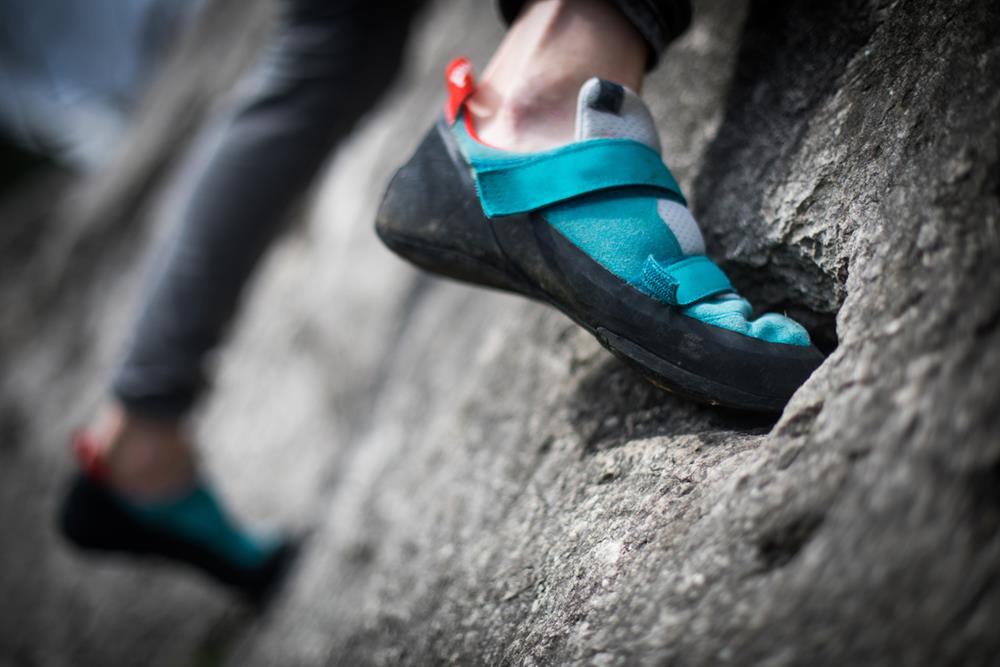
New climbers can start with easier problems in accessible areas like Barton Creek or Bull Creek. These locations provide forgiving terrain and a supportive climbing community.
As confidence grows, branching out to more technical areas like McKinney Falls or Reimer’s Ranch helps build strength and technique. Visiting Enchanted Rock introduces a different style that encourages balance and patience.
Indoor climbing gyms in Austin and nearby cities offer a good way to practice movement and build strength before heading outdoors.
The Central Texas Climbing Community
One of the strengths of bouldering in Central Texas is the community. Climbers tend to be welcoming and willing to share advice, known as beta. Group sessions, informal meetups, and local events make it easy to connect with others.
This sense of community extends beyond climbing. Many climbers value conservation and outdoor ethics, creating a shared responsibility for protecting the places they enjoy.
Final Thoughts
Bouldering in Central Texas offers a mix of convenience, challenge, and natural beauty. From shaded limestone problems along Austin’s greenbelts to friction-based granite climbing in the Hill Country, the region provides diverse experiences within a relatively compact area.
With thoughtful preparation and respect for the environment, climbers can enjoy year-round bouldering that fits everything from quick afternoon sessions to full weekend adventures. Central Texas may not have towering boulders or endless crags, but it offers something just as valuable: accessible, varied climbing that encourages exploration, learning, and community.