

Getting into climbing in North Texas is easier than many people expect. While the region is not known for towering mountains or massive natural crags, it has a solid mix of indoor gyms and nearby outdoor areas that work well for beginners. These places focus on approachable routes, safe environments, and communities that welcome new climbers without pressure.
If you are just starting out, the goal is not to chase difficulty or climb as high as possible. It is about learning movement, building comfort on the wall, and understanding basic safety. North Texas offers several places where you can do exactly that, whether you prefer climbing indoors first or want to experience real rock once you feel ready.
This guide covers the best beginner-friendly climbing spots in and around North Texas, what makes them good for new climbers, and what you should expect on your first visits.
Why Indoor Gyms Are a Great Starting Point
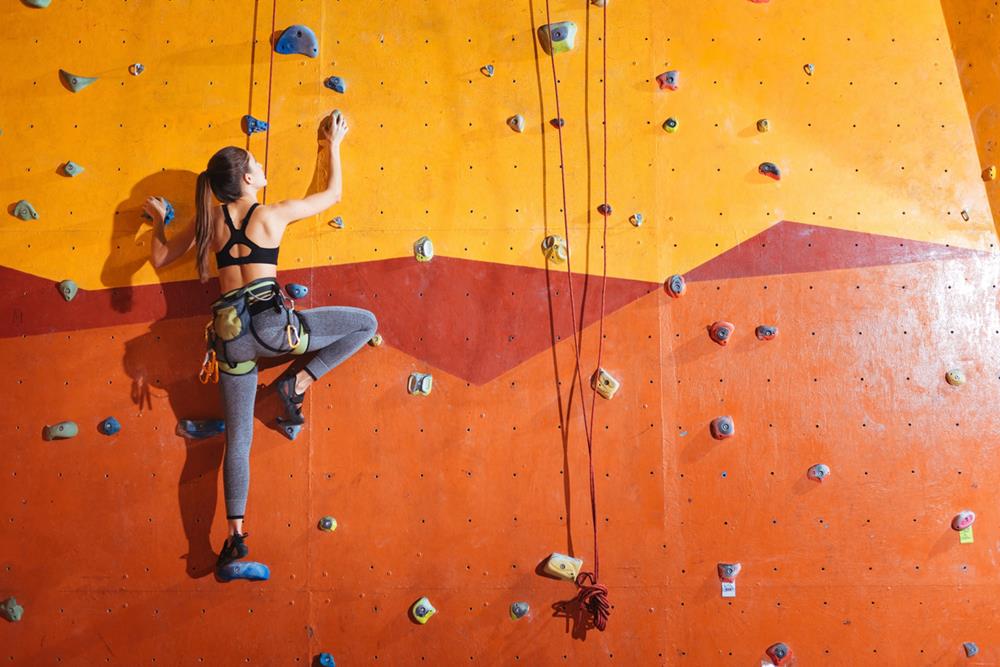
Most beginners start indoors, and for good reason. Climbing gyms remove many unknowns. The walls are clearly marked, the lighting is good, and staff members are always nearby. You can focus on learning how your body moves on the wall instead of worrying about anchors, weather, or rock quality.
Indoor gyms also give you structure. Routes are graded consistently, which helps you track progress. Many gyms offer classes that teach belaying, knots, and movement basics. For someone brand new, that guidance can make climbing feel far less overwhelming.
North Texas has several gyms that stand out as beginner-friendly.
Summit Climbing, Yoga & Fitness in Lewisville
Summit Climbing in Lewisville is often the first gym people mention when talking about climbing in North Texas. It is large, well-maintained, and designed with climbers of all levels in mind.
For beginners, Summit offers a comfortable introduction to both top rope climbing and bouldering. The walls include plenty of easier routes that focus on balance, foot placement, and controlled movement rather than strength. Routes are clearly color-coded, which makes it easy to identify climbs appropriate for your level.
One of the biggest advantages of Summit is its instructional support. Intro classes cover the basics, including how to tie in, belay safely, and communicate with a climbing partner. Staff members are visible and approachable, so questions are welcome. If you are unsure where to start, they will point you toward routes that suit beginners.
Gear rentals are available, which means you can try climbing without committing to buying equipment. Shoes and harnesses are easy to rent, and many climbers use rentals for months before deciding to invest in their own gear.
Summit also has a strong community feel. You will see climbers of all ages and experience levels, which helps remove the pressure to perform. It is a place where beginners can take their time and learn at their own pace.
North Texas Rock Gym in Fort Worth
North Texas Rock Gym is smaller than Summit, but that can be an advantage for beginners. The atmosphere tends to feel relaxed and less crowded, which makes it easier to focus on learning.
This gym offers both bouldering and top rope climbing, giving new climbers a chance to explore different styles. The bouldering walls are not overly tall, which helps beginners feel more comfortable trying new moves without fear of long falls.
Instruction is a strong point here. Regular beginner classes walk climbers through essential skills like belaying, knot tying, and basic movement. Staff members are used to working with first-time climbers and tend to explain things clearly and patiently.
The route setting at North Texas Rock Gym emphasizes technique. You will find climbs that encourage careful foot placement and body positioning, which are skills that transfer well to outdoor climbing later on.
Because the gym is more compact, it is easier to observe other climbers and learn by watching. This kind of environment can be especially helpful when you are still getting familiar with how routes are meant to be climbed.
Momentum Indoor Climbing in Frisco and Allen
Momentum Indoor Climbing has locations in Frisco and Allen that serve the North Texas area. These gyms are modern, clean, and well-organized, making them welcoming spaces for new climbers.
Momentum is known for its structured approach to progression. Beginners can start with intro classes that cover safety and movement basics, then gradually move into more challenging routes as confidence grows. The gyms offer a mix of top rope, bouldering, and lead climbing, though beginners usually stick with top rope and bouldering at first.
One advantage of Momentum is its focus on consistency. Routes are clearly graded, and staff members encourage climbers to build skills step by step. This makes it easier to track improvement without feeling rushed.
Momentum also works well for families and younger climbers. Youth programs and beginner-friendly layouts make it a good option if you are climbing with children or teens.
Transitioning to Outdoor Climbing

Once you feel comfortable indoors, outdoor climbing offers a very different experience. Real rock feels different under your hands and feet, and the environment adds new factors like sun, wind, and uneven terrain.
For beginners, the key is choosing outdoor areas that are known for easier routes and safe access. Many climbers from North Texas are willing to drive a few hours to reach spots that provide better beginner terrain.
Reimers Ranch Near Austin
View this post on Instagram
Reimers Ranch is a popular outdoor climbing destination and a common first outdoor stop for climbers from North Texas. While it is closer to Austin, it is often worth the drive for beginners looking to climb real rock.
The area is known for limestone climbing with a wide range of easy routes. Many climbs fall within grades that beginners can manage, especially on top rope. The approaches to the walls are generally short, which means less hiking with heavy gear.
Reimers Ranch is well-maintained and frequently visited, so routes are easy to find. This helps beginners focus on climbing instead of navigating complex terrain. The spacing between routes also reduces the feeling of crowding, even on busy days.
When visiting, it is important to prepare for the Texas heat. Early mornings and cooler months are best. Bring water, sunscreen, and take breaks as needed. If you are new to outdoor climbing, going with a more experienced partner is strongly recommended.
Enchanted Rock in the Fredericksburg Area
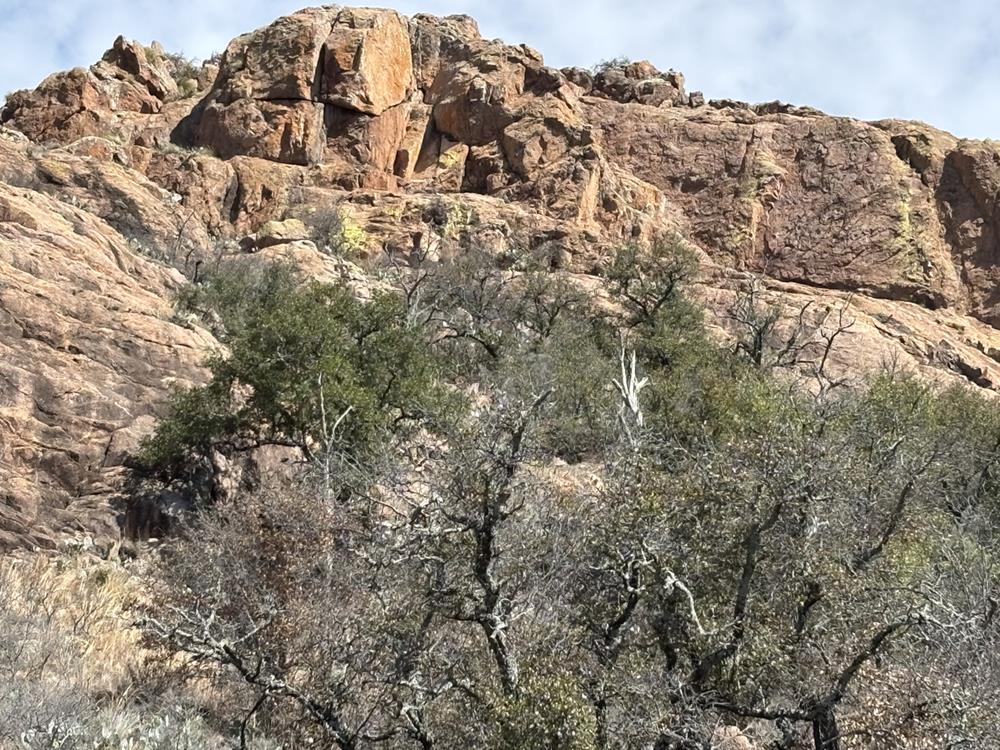
Enchanted Rock offers a very different style of climbing. The massive granite dome provides slab climbing that emphasizes balance and footwork rather than pulling with your arms.
For beginners, this type of climbing can be both challenging and rewarding. The routes often feel less steep, which helps reduce fear. However, the friction-based movement requires trust in your feet and careful pacing.
Many of the easier routes at Enchanted Rock allow for walk-offs at the top, meaning you do not need to rappel down. This simplifies the experience for beginners who are still learning rope systems.
Because granite can feel smooth, good climbing shoes make a noticeable difference here. Sticky rubber helps with friction, and slower, controlled movement is key.
Like Reimers Ranch, Enchanted Rock is best visited during cooler parts of the day. Reservations may be required, so planning ahead is important.
Local Outdoor Options in North Texas
While North Texas does not have large climbing areas, there are a few local spots that beginners explore with care and proper knowledge.
Dinosaur Valley State Park
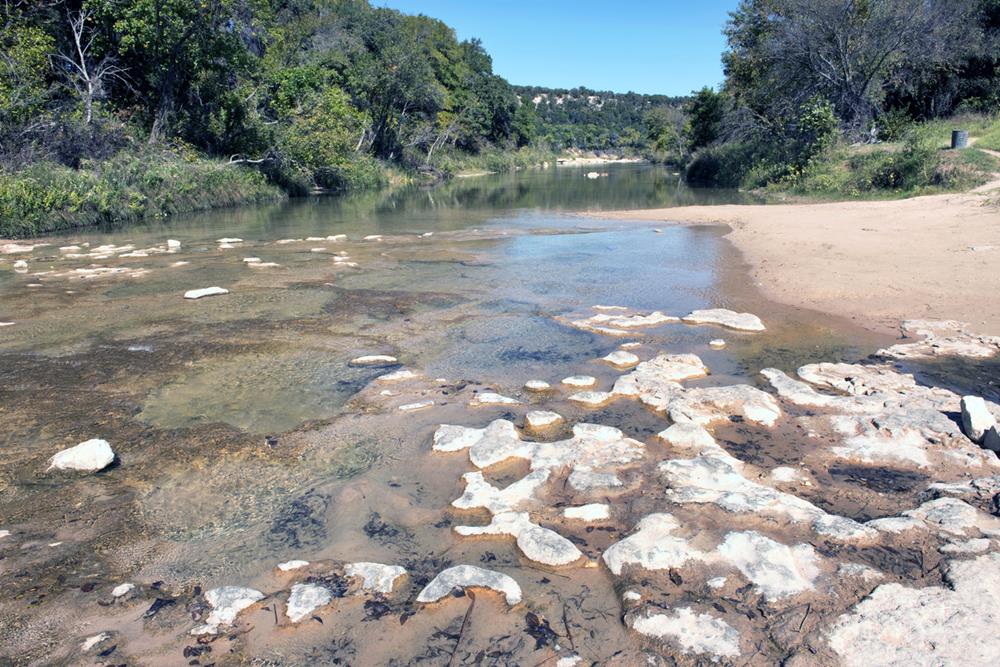
Dinosaur Valley State Park near Glen Rose offers small sandstone outcrops and scenic surroundings. While it is better known for hiking and river access, some climbers use the rock features for practice.
The climbs here are generally short and suitable for top rope setups. The environment is calm, making it a pleasant place to combine climbing with other outdoor activities.
Sandstone requires caution. It can be fragile, especially after rain, so checking conditions before climbing is important. Beginners should focus on gentle movement and avoid pulling aggressively on holds.
Possum Kingdom State Park
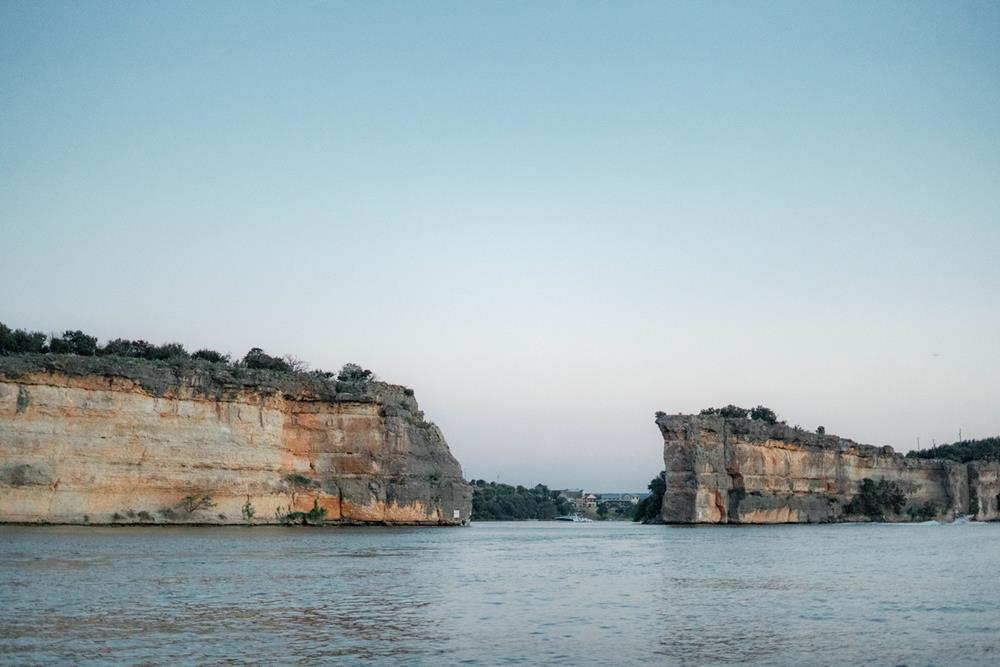
Possum Kingdom State Park offers scenic cliffs near the lake and quieter climbing opportunities. Some areas feature approachable slab-style climbs that beginners can enjoy under supervision.
Access is generally straightforward, and the views make it a relaxing place to spend the day. As with all outdoor climbing, helmets are recommended, and climbers should inspect rock quality carefully.
Basic Gear for Beginners
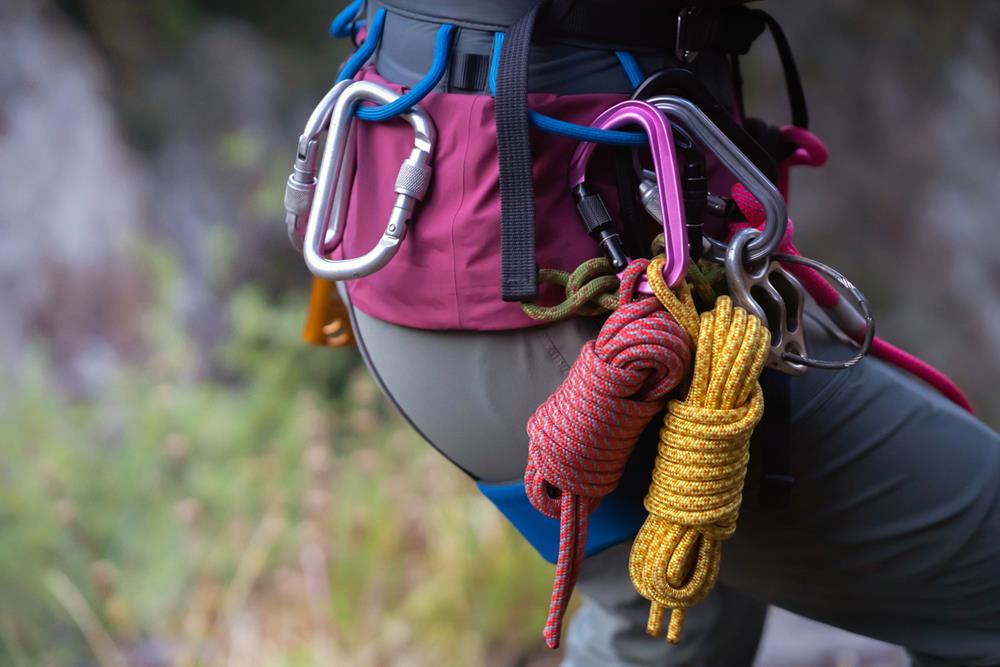
Starting out does not require a large investment in gear. Many climbers rent equipment for their first several sessions.
Climbing shoes should fit snugly but remain comfortable. Beginners benefit from neutral shoes that support the foot without forcing aggressive positions.
Harnesses are usually rented at gyms, but when buying one, comfort and adjustability matter more than advanced features.
Chalk helps with grip, especially in warm conditions. Outdoors, a helmet is strongly recommended to protect against falling rock.
For outdoor climbing, ropes and hardware should only be used once you understand proper setup and safety systems, ideally with experienced partners.
Learning the Fundamentals
Before venturing outdoors, beginners should feel confident with core skills. Belaying safely, tying in correctly, and communicating clearly with a partner are essential.
Footwork and body positioning matter more than upper body strength. New climbers often improve quickly once they learn to trust their feet and move smoothly.
Taking classes and practicing regularly builds confidence and reduces risk.
Building Community and Confidence
Climbing is often social, and connecting with others makes learning easier. Gyms host meetups and classes that help beginners find partners. Local climbing groups also organize trips and skill-sharing sessions.
Progress in climbing happens gradually. Regular practice, patience, and curiosity go a long way.
Final Thoughts
Beginner climbers in North Texas have solid options. Indoor gyms provide structure and safety, while nearby outdoor areas offer the chance to experience real rock. Each location mentioned here supports learning, confidence, and enjoyment.
Start slowly, focus on technique, and ask questions. Climbing rewards consistency and attention more than strength. With time, these beginner-friendly spots can become the foundation for a long and enjoyable climbing journey.