

Texas native plants do more than make a yard look pretty. They tell the story of the land, support wildlife, handle tough weather, and help outdoor spaces feel connected to the region around them.
For outdoor lovers, native plants are useful to know whether you are planting a home landscape, visiting a state park, walking a neighborhood trail, or looking for ways to attract butterflies and birds. Texas is large enough to include prairies, pine forests, deserts, coastal marshes, Hill Country limestone, and brush country. Because of that, no single plant fits every part of the state.
The best approach is to understand which native plants match your region, soil, sun exposure, and water conditions. A plant that thrives in Central Texas may struggle along the Gulf Coast. A species built for West Texas drought may not enjoy heavy East Texas moisture.
Still, many native plants are widely loved across the state because they are beautiful, useful, and closely tied to Texas landscapes.
Why Native Plants Matter in Texas
Native plants are plants that naturally occur in a region without being introduced from somewhere else. Over time, they have adapted to local rainfall patterns, soil types, heat, wildlife, and seasonal changes.
That matters in Texas, where weather can shift quickly. Native plants are often better suited to survive heat, drought, heavy rain, and poor soil than many ornamental plants that require constant watering or fertilizing.
They also support local wildlife. Birds, butterflies, bees, moths, and other beneficial insects rely on native plants for nectar, seeds, fruit, shelter, and host plants. When a yard includes native plants, it can become part of a larger habitat network.
For homeowners, native plants can reduce maintenance once established. They may still need care, especially during the first year, but they are generally a practical choice for people who want outdoor spaces that look good and function well.
Texas Bluebonnet
View this post on Instagram
The Texas bluebonnet is the state flower and one of the most recognizable native plants in the country.
Each spring, bluebonnets draw travelers to roadsides, parks, ranch roads, and wildflower trails across the state. They are especially common in Central Texas and the Hill Country, though other bluebonnet species appear in different Texas regions.
For home gardeners, bluebonnets can be grown from seed, but they require patience. Seeds are usually planted in the fall so plants can establish before blooming in spring. They need full sun and well-drained soil.
Bluebonnets are best for people who want a seasonal wildflower display rather than a year-round garden feature. They also work well in meadow-style plantings where they can reseed naturally.
If you see them in the wild, enjoy them responsibly. Avoid trampling large patches, blocking roads, or damaging public land while taking photos.
Black-Eyed Susan
View this post on Instagram
Black-eyed Susan is a cheerful native wildflower that adds bright yellow blooms to gardens and natural areas. It is a strong choice for outdoor lovers who want a plant that attracts pollinators and adds color through the warm season. The flowers are easy to recognize, with golden petals surrounding a dark center.
This plant works well in sunny beds, meadow gardens, and pollinator-friendly landscapes. It can tolerate heat and is often easier to manage than more delicate flowering plants.
Black-eyed Susan pairs well with native grasses, purple coneflower, mealy blue sage, and other sun-loving plants. It gives a garden a more natural look while still feeling intentional.
Purple Coneflower
View this post on Instagram
Purple coneflower is another favorite for pollinator gardens. Its pinkish-purple petals and raised center make it attractive to bees and butterflies, while seed heads can provide food for birds later in the season if left in place.
Purple coneflower is popular because it fits both home gardens and more naturalistic landscapes. It does best in sunny spots with well-drained soil and can handle Texas heat once established.
For gardeners who want a native plant that looks polished enough for a front yard but still supports wildlife, purple coneflower is a dependable option. It also works nicely in mixed beds with salvias, native grasses, and other drought-tolerant perennials.
Turk’s Cap
View this post on Instagram
Turk’s cap is one of the most useful native plants for Texas yards, especially in areas with partial shade. Its bright red, twisted flowers attract hummingbirds and butterflies, while its dense growth can provide cover for small wildlife. It is especially valuable because many flowering plants need full sun, but Turk’s cap can perform well in shadier spots.
This plant is commonly used in woodland edges, shaded beds, and informal landscapes. It can grow into a loose shrub-like shape and may spread over time if conditions are favorable.
For homeowners who want wildlife activity near a porch, fence line, or shaded corner, Turk’s cap is worth considering.
Flame Acanthus
View this post on Instagram
Flame acanthus is a tough native shrub known for orange-red tubular flowers that attract hummingbirds. It is especially useful in hot, sunny landscapes where more delicate plants may struggle. Native to parts of Texas and the Southwest, flame acanthus can handle dry conditions once established and works well in water-wise gardens.
Its flowers usually appear during the warm season, adding color when many other plants are stressed by heat. This is a good choice for outdoor lovers who want a lower-maintenance plant with strong wildlife value. It fits well in native shrub borders, pollinator gardens, and sunny foundation plantings.
Mealy Blue Sage
View this post on Instagram
Mealy blue sage is a Texas native salvia that brings soft blue to purple flower spikes into the garden. It attracts bees, butterflies, and hummingbirds, making it a strong plant for pollinator-focused spaces. It also has a clean, upright look that works well in both formal and informal landscapes.
This plant prefers sun and well-drained soil. Once established, it can handle dry conditions and continue blooming through much of the warm season.
Mealy blue sage pairs beautifully with grasses, coneflowers, black-eyed Susan, and other native perennials. It is one of the best options for people who want reliable color without creating a high-maintenance garden.
Texas Lantana
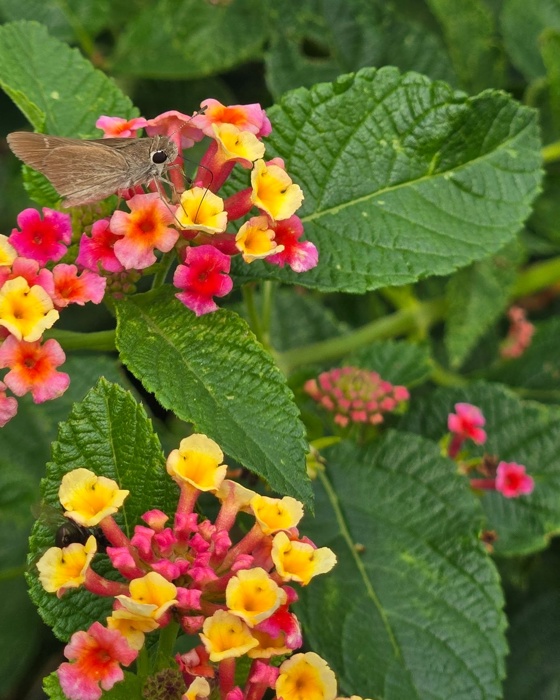
Texas lantana is a heat-loving native plant with clusters of yellow, orange, and red flowers. It is a butterfly favorite and performs well in sunny, dry landscapes. The plant has a rugged look that fits Hill Country gardens, wildflower areas, and informal native beds.
Texas lantana is different from some nonnative lantanas sold in garden centers, so it is worth checking plant labels carefully before buying.
This plant does best in full sun and well-drained soil. It can be especially useful in hot spots near driveways, sidewalks, or open yards where other flowering plants may fade.
Autumn Sage
View this post on Instagram
Autumn sage is one of the most widely used native plants in Texas landscapes. Despite its name, it can bloom through much of the growing season depending on weather and location. The flowers may be red, pink, purple, coral, or white, and hummingbirds are frequent visitors.
Autumn sage is popular because it offers color, drought tolerance, and a tidy shrub-like form. It works well in beds, borders, cottage gardens, and xeriscape designs.
For best results, plant it in sun to part sun with good drainage. It does not like sitting in wet soil. This is a smart choice for homeowners who want a native plant that feels both practical and attractive.
Gulf Muhly
View this post on Instagram
Native grasses are sometimes overlooked, but they are essential to many Texas landscapes. Gulf muhly is one of the most beautiful options. In fall, it produces airy pink to purple plumes that create a soft, glowing effect in the landscape.
This grass works especially well in mass plantings, along pathways, or mixed into pollinator gardens. It brings movement, texture, and seasonal interest without needing showy flowers.
Gulf muhly is also useful because grasses provide shelter and habitat for insects and small wildlife. For outdoor lovers, adding native grasses can make a yard feel more like a real ecosystem rather than a collection of decorative plants.
Little Bluestem
View this post on Instagram
Little bluestem is a native prairie grass that deserves more attention in Texas yards. It has blue-green growth during the warm season and develops coppery, reddish tones later in the year. Its seed heads can catch light beautifully, especially in late afternoon.
This grass is important for prairie habitat and works well in naturalistic landscapes, meadow gardens, and low-water plantings.
Little bluestem is not the right fit for every formal garden, but it is excellent for people who want a more natural Texas look. It pairs well with wildflowers and helps create structure after seasonal blooms fade.
Texas Mountain Laurel
View this post on Instagram
Texas mountain laurel is a native evergreen shrub or small tree known for fragrant purple flower clusters in spring. The scent is often compared to grape candy, and the blooms are a standout feature in Central and South Texas landscapes. The plant has glossy leaves and a slow-growing habit, making it useful as a specimen plant or small ornamental tree.
Texas mountain laurel prefers well-drained soil and can handle dry conditions once established. It is especially well suited to Hill Country-style landscapes.
Because it grows slowly, homeowners should be patient and give it room to mature.
Desert Willow
View this post on Instagram
For hot, dry areas, desert willow is one of the most attractive native small trees. It produces orchid-like flowers in shades of pink, lavender, or white and attracts hummingbirds and pollinators. Despite its name, it is not a true willow. It is better suited to dry conditions than the name might suggest.
Desert willow works well in West Texas, Central Texas, and other regions with well-drained soil. It can be a strong choice for homeowners who want a small flowering tree that handles heat better than many ornamental imports. Avoid planting it in areas that stay wet.
Yaupon Holly
View this post on Instagram
Yaupon holly is a versatile native shrub or small tree that supports birds and works well in many Texas landscapes. Female plants produce red berries that provide food for wildlife. The plant can be shaped as a hedge, grown as a small tree, or used in naturalized areas.
Yaupon holly is especially useful because it tolerates a range of conditions, including sun, part shade, and different soil types. It is common in East Texas and the Gulf Coast but can be used in other parts of the state with proper care.
For homeowners who want an evergreen native with year-round structure, yaupon holly is one of the best options.
Where to See Texas Native Plants
The Lady Bird Johnson Wildflower Center in Austin is one of the best places to learn about Texas native plants in a designed landscape. Visitors can see wildflowers, grasses, trees, shrubs, and demonstration gardens that show how native plants can be used at home.
State parks are also excellent places to observe native plants in natural settings. Enchanted Rock, Big Bend Ranch State Park, Palo Duro Canyon, Caddo Lake, and Lost Maples all showcase different regions of Texas plant life.
Local nature centers, botanical gardens, prairie preserves, and county parks can also help visitors understand which plants grow naturally in their area.
Seeing plants in the wild is one of the best ways to understand their mature size, preferred conditions, and seasonal changes.
Tips for Planting Texas Natives at Home
The most important step is choosing plants for your specific region. Texas has multiple ecoregions, and a plant that thrives in the Hill Country may not be the best choice for Houston, El Paso, Amarillo, or the Piney Woods. Check local native plant lists, county extension resources, and reputable native plant nurseries before buying.
Pay attention to sunlight, drainage, mature size, and water needs. Many native plants are drought-tolerant once established, but they still need regular watering during the first growing season.
Avoid overfertilizing. Many Texas natives are adapted to lean soils and may become weak or overgrown if treated like heavy-feeding ornamentals.
Most importantly, plant with purpose. A few well-chosen native plants can provide nectar, seeds, shade, shelter, and beauty throughout the year.
Why Native Plants Belong in Outdoor Spaces
Texas native plants connect home landscapes to the larger natural world. They support pollinators, feed birds, reduce water demands, and help outdoor spaces reflect the character of the region. They also give people a deeper appreciation for the plants they see on trails, roadsides, prairies, and parks.
For outdoor lovers, learning native plants makes every hike, garden visit, and road trip more interesting.
You begin to notice what is blooming after spring rain, which shrubs attract hummingbirds, where grasses shift color in fall, and how different regions of Texas support different plant communities.
Whether you are planting a backyard pollinator garden or simply learning what grows along your favorite trail, Texas native plants offer a practical and beautiful way to understand the outdoors more deeply.