

On November 8, 2025, the gates of Mission Tejas State Park swing open again, and this time, they’re welcoming you into a renewed chapter of East Texas outdoor heritage. After three years of upgrades, the park steps back into the spotlight with improved campsites and fresh exhibits. It will provide visitors a chance to immerse in the forested trails where history and nature walk side by side.
Mission Tejas is located along the State Highway. It has long been a place where towering pines and early-Texas stories meet. Now its trails are smoother and the facilities are upgraded. There are also new artifacts that await in a display that connects visitors to the region’s past.
About Mission Tejas State Park
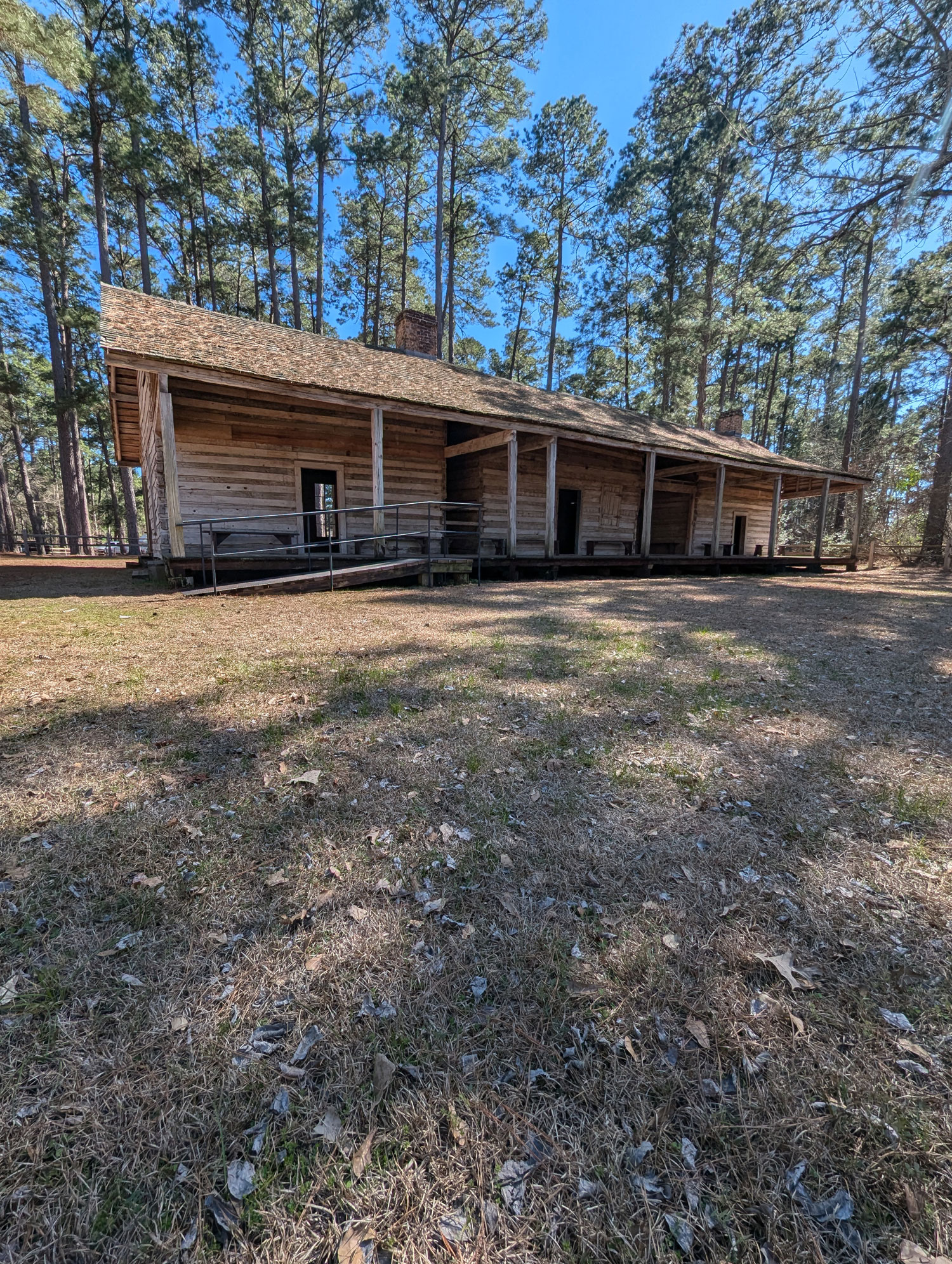
Mission Tejas State park is a peaceful blend of history and nature. The park is situated along State Highway 21 near Weches, about 22 miles northeast of Crockett. It spans roughly 660 acres of forested hills, creeks, and trails. Aside from being a spot for camping and hiking, the park is also a living reminder of how Texas began.
A Tribute to Texas’ First Spanish Mission
The name of the park honors Mission San Francisco de los Tejas, the first Spanish mission established in what would become Texas. The original mission was founded in 1690 by Franciscan priests who came to minister to the Hasinai Caddo people. Although it lasted only a few years before being abandoned, it marked the start of European presence in East Texas.
In the 1930s, the Civilian Conservative Corps (CCC) began developing the area. They built a commemorative log chapel to represent the mission and to preserve the site’s early colonial history. Today, that hand-hewn structure still stands and symbolizes Texas
First efforts at European settlement.
A Legacy of Pioneers and Trails
Mission Tejas also protects the Rice Family Log Home, built around 1828. It’s one of the oldest surviving homes in the region and a window into what life was like for early Texas settlers. Step inside, and you’ll see the craftsmanship and self-reliance that defined frontier life.
Another highlight is the park’s connection to the El Camino Real de los Tejas National Historic Trail, the centuries-old route that once linked Spanish settlements across Louisiana and Texas. Visitors can walk along this historic corridor and imagine the wagons, traders, and missionaries who once traveled the same ground.
Nature and Recreation in the Piney Woods
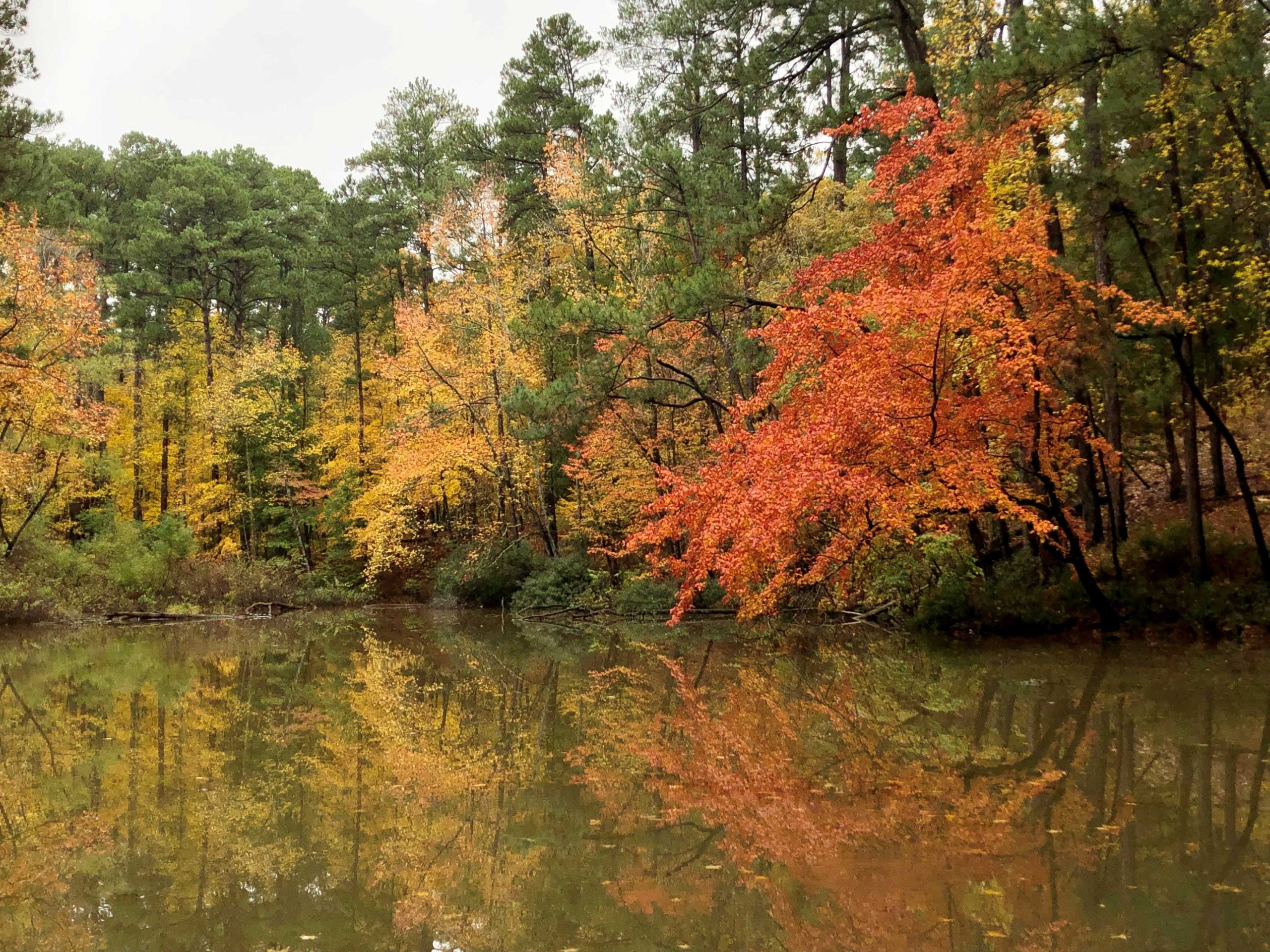
Beyond its rich history, Mission Tejas offers the natural beauty typical of East Texas. The park’s tall pines and hardwood forests shade about eight and a half miles of trails, winding past creeks, hills, and historic landmarks. San Pedro Creek provides opportunities for quiet fishing, while the campgrounds welcome both tent campers and RV travelers.
Wildlife is part of the experience too. You might spot white-tailed deer, pileated woodpeckers, or the occasional armadillo wandering near the trails. Birdwatchers especially enjoy visiting in spring and fall when migratory species pass through.
A Park with a Purpose

Mission Tejas State Park was officially opened to the public in 1935, created both to preserve Texas’ early mission heritage and to provide outdoor recreation for generations to come. Managed by the Texas Parks and Wildlife Department, it continues to balance conservation, education, and recreation — offering a place where visitors can learn, hike, and reflect on Texas’ earliest roots.
What’s New After the Renovation
Mission Tejas State Park is ready to welcome visitors back on November 8 after being closed for more than three years. The Texas Parks and Wildlife Department led a major renovation project focused on restoring the park’s historic character while improving comfort, accessibility, and the visitor experience.
Facility and Grounds Improvements
The upgrades began with the park’s foundation, which is its facilities. Campsites were regraded, modernized, and outfitted with new water and electrical hookups. The campground now includes a mix of full-service and primitive sites to suit different types of visitors. The day-use area, playground, and small fishing pond have all been refreshed to make family outings easier and more enjoyable.
The parking and road areas received attention too, improving access for cars and RVs. Trailhead signs and directional markers have been replaced or restored, making navigation simpler for first-time visitors. These changes keep the park’s rustic charm while adding the reliability and convenience modern travelers expect.
Historical Restoration and Interpretation
Mission Tejas has always been a place where Texas history lives outdoors. The renovation project gave special attention to the historic landmarks within the park, including the Civilian Conservation Corps–built replica of Mission San Francisco de los Tejas and the Rice Family Log Home. Both structures underwent careful preservation work to ensure they remain standing for generations to come.
Inside the visitor area, new exhibits have been added to showcase artifacts and tools from early Texas life. Some of these pieces were contributed by Stephen F. Austin State University to enhance the educational displays. Visitors can now explore these artifacts and learn about the people who once lived and worked in the region.
Trail and Natural Area Upgrades

Mission Tejas offers more than eight miles of wooded trails that weave through pine forests and past historic sites. Many of these trails were realigned and improved during the closure to prevent erosion and make them safer for hiking. Signage highlighting the historic El Camino Real de los Tejas route has also been updated, helping visitors understand the park’s role along this centuries-old trade path.
Restoration of San Pedro Creek and nearby habitats helped revive the natural beauty of the area. Wildlife observation points were also improved, giving hikers and birdwatchers new ways to enjoy the park’s peaceful landscape.
A Renewed Visitor Experience
These updates reflect a commitment to preserving both the natural and cultural heritage of East Texas. With a new park superintendent leading the way, Mission Tejas is entering a new era that honors its past while preparing for the future.
When the gates reopen, visitors can expect smoother trails, cleaner facilities, and a stronger connection between history and the great outdoors. The park’s mission remains the same—to provide a quiet, meaningful place where Texans can experience the land that helped shape their state’s story.
Grand Reopening Celebration

The long wait is finally over. Mission Tejas State Park will celebrate its official grand reopening on Saturday, November 8, 2025, from 10 a.m. to 2 p.m. at 19343 State Highway 21 E, Grapeland, Texas 75844.
This special event marks the completion of a three-year renovation effort by the Texas Department of Transportation and the Texas Parks and Wildlife Department. Visitors will see firsthand the improvements that have revitalized one of East Texas’s most historic parks.
The park also welcomes its new superintendent, Josh Diamond, who brings enthusiasm and a fresh vision for the future of Mission Tejas. He shared his excitement ahead of the reopening, saying,
“We are super excited about being able to welcome the public to our park for camping and being fully open. I’m very honored to be the new superintendent at such a beautiful and historically important park with such a great staff.”
Guests are invited to tour the new exhibits, walk the upgraded trails, and rediscover the history and natural beauty that make Mission Tejas a Texas treasure.