

South Texas has miles of shoreline where the Gulf of Mexico meets sandy beaches and shallow reefs. For people who enjoy exploring underwater environments, the Gulf waters here offer an accessible way to see marine life close to shore. Coastal snorkeling in South Texas is a growing activity that combines easy water access with a chance to observe fish, shells, seagrass beds, and sometimes rays or small sharks. This article explains where to go, what to expect, how to prepare, and how to enjoy snorkeling safely along this part of the Texas coast.
South Texas Coast: Setting the Scene
South Texas extends from Baffin Bay and the Laguna Madre down to the Rio Grande and the Gulf of Mexico. The coastline includes sandy beaches, barrier islands, shallow bays, and grass flats. Water temperatures in the Gulf are usually warm for much of the year, which makes snorkeling comfortable without heavy thermal protection. Visibility in the water can vary with tides, winds, and storms, but many snorkelers find clear conditions in protected areas and near jetties or rocky structures.
The underwater environment here differs from coral reef systems found in tropical regions. Instead of tall corals, South Texas offers sandy bottoms, seagrass beds, oyster reefs, and sometimes submerged rock or concrete structures. These habitats attract a range of species that can make snorkeling interesting for beginners and experienced explorers alike.
Best Locations for Snorkeling
There are several places along the South Texas coast where snorkeling can be productive and enjoyable. Each site has its own characteristics, and choosing where to go often depends on experience level, water conditions, and goals for the outing.
Port Aransas and Mustang Island
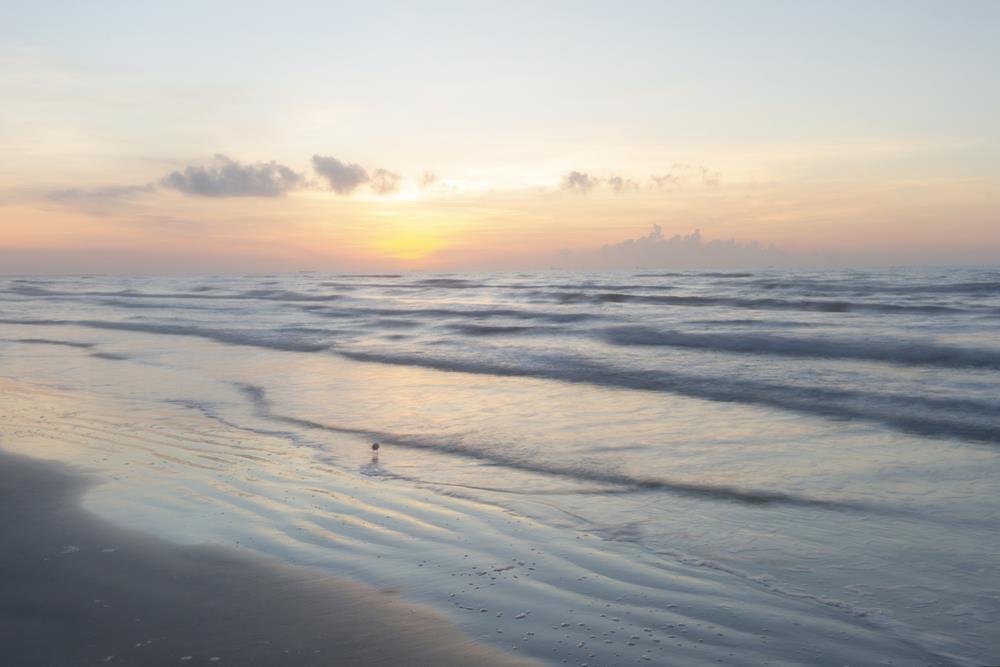
Port Aransas and Mustang Island are popular access points for water activities. The beaches here have gentle slopes and easy entry points, making them suitable for beginners. While the open beach may not always have abundant underwater features, snorkelers can explore around sandbars and near the jetties that protect the harbor entrance.
Around the jetties, currents can move food and small organisms that attract fish. You may see sheepshead, black drum, croaker, and other common Gulf species. These structures also offer a chance to see whelks, crabs, and sometimes octopus hiding in crevices or under rocks.
South Padre Island
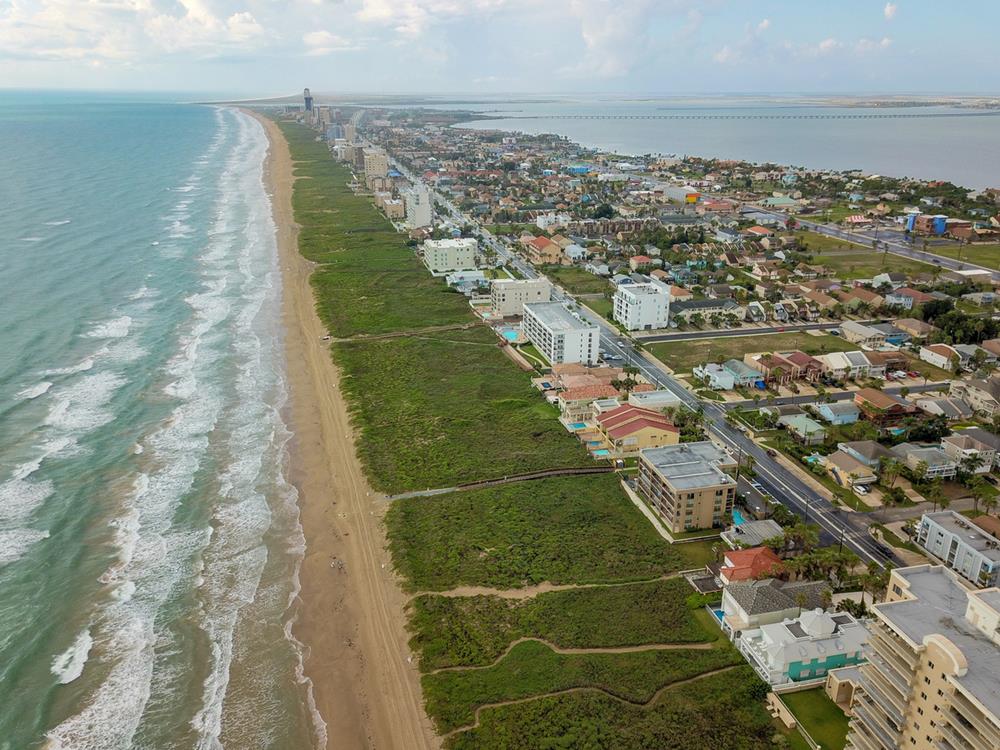
South Padre Island extends along the lower Texas coast and has broad beaches. Near the southern end and around the jetties by the Port of Brownsville, water depth increases and underwater structures provide habitat. Snorkelers here should be mindful of the strength of currents, especially near inlets, but can find a variety of fish and sometimes rays gliding over sandy bottoms.
South Padre Island’s protected bay waters on the west side are calm and shallow. While not as rich in fish life as the Gulf side, these lagoons can be excellent for beginners and families. Seagrass beds in these areas host small fish, shrimp, and other creatures that are interesting to observe.
Rockport and Aransas Pass
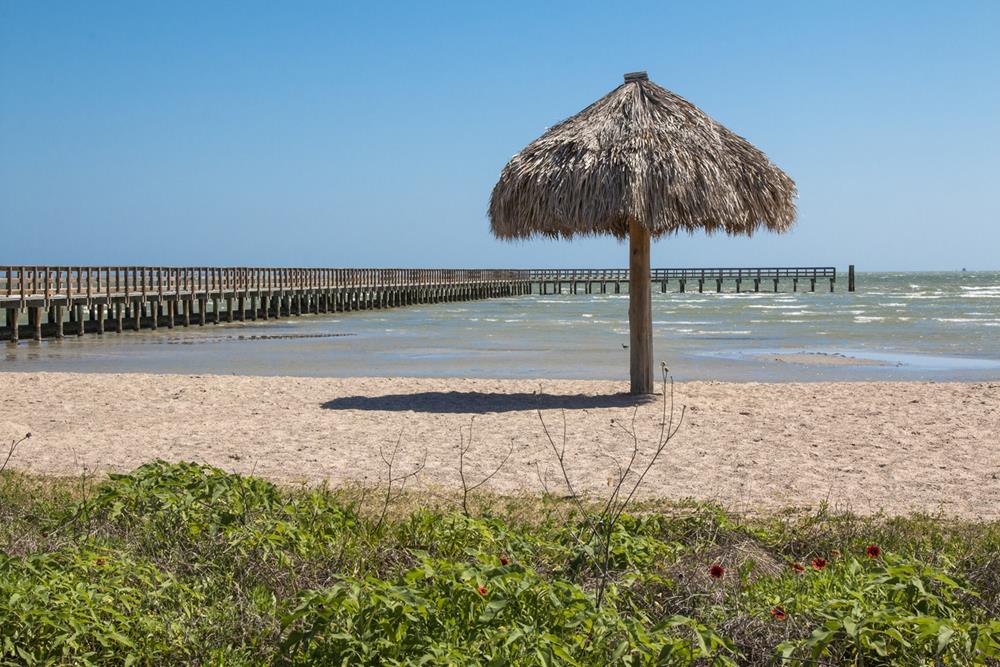
This part of the coast includes docks, pilings, and shallow reefs near the jetties. Rockport’s shoreline has areas where oyster reefs rise from the sand. These reef areas attract small fish and invertebrates. Snorkelers can explore these natural features in relatively shallow water.
In Aransas Pass, the jetties can create channels where water moves more swiftly. The structure of the jetties holds marine life but also demands that snorkelers pay attention to conditions and currents. When conditions are calm, this can be a productive snorkeling area.
Padre Island National Seashore
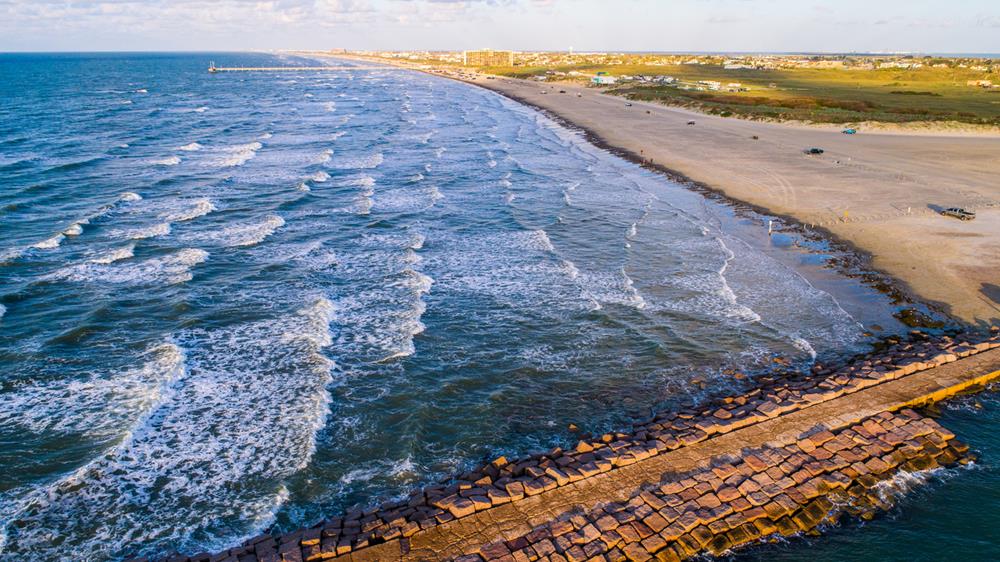
Farther north, Padre Island National Seashore offers long stretches of undeveloped beach. The snorkeling here is less about fish in reefs and more about encountering shells, starfish, sea cucumbers, and the occasional small fish in shallow water. This area is good for people who are interested in coastal ecology as well as snorkeling.
Marine Life You May See
Snorkeling in South Texas means encountering species adapted to shallow, warm, and often sandy environments. The area does not have colorful corals, but it hosts a range of fish and invertebrates that are rewarding to observe.
Common fish include mullet, pinfish, croaker, and flounder. These species often swim near seagrass beds or sandbars where they feed on small organisms. Schools of small baitfish may dart through clear patches of water near sandbars and channels.
Seagrass beds are a key habitat on the South Texas coast. These grassy underwater plains provide food and shelter for shrimp, crabs, juvenile fish, and other small animals. Looking into the grass you might see pipefish, small rays partially buried, or hermit crabs moving about.
Oyster reefs and rocky structures attract life as well. These hard surfaces provide attachment points for oysters, barnacles, and other sessile organisms. Fish like sheepshead and spot may swim near these areas, picking at food among the crevices.
A more unusual but possible sight is a small shark or ray. Southern stingrays and small reef sharks sometimes swim in these waters, particularly in deeper channels. They usually keep to themselves but should be observed from a respectful distance.
When to Go
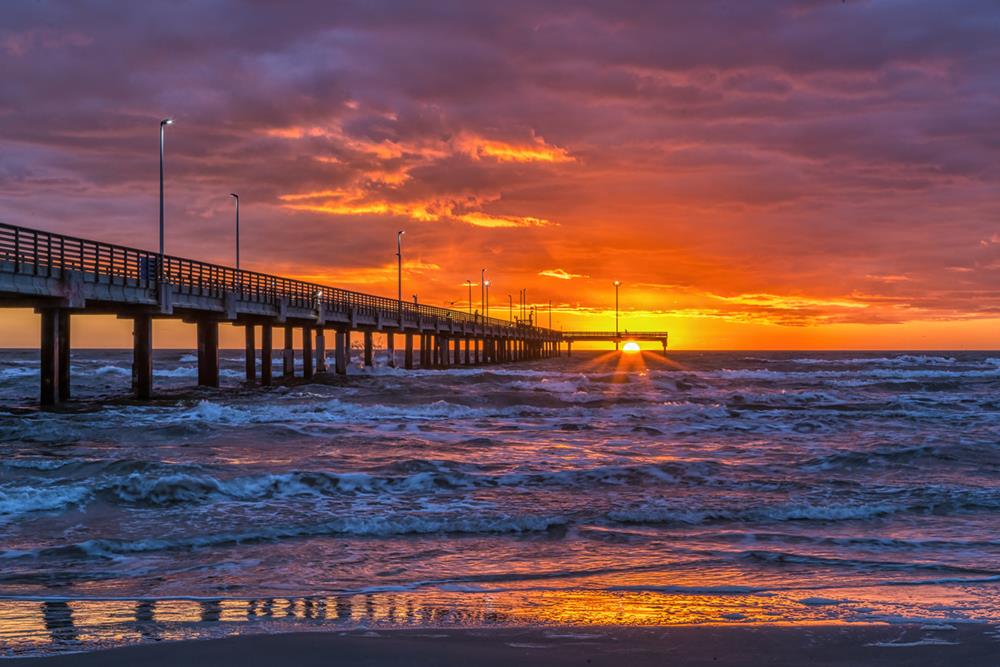
Water conditions on the South Texas coast change with the weather, seasons, and tides. For most snorkelers, calm days with light wind make the best conditions. Wind from the south or southeast can stir sand and reduce visibility, while a light northerly breeze often clears the water nearer the shore.
Tides also matter. Low tide can expose more of the seafloor and make shallow areas easier to access. However, very low water can make some areas too shallow for snorkeling. Mid-tide often provides the best balance of depth and visibility.
Water temperatures in the Gulf typically range from the mid-60s Fahrenheit in winter up to the 80s or even 90s in summer. Warm water makes snorkeling comfortable, but summer also brings more frequent storms and choppy conditions. Spring and early fall often offer a good mix of warm water and calmer conditions, but snorkeling is possible year-round when the weather cooperates.
Gear and Preparation
Snorkeling does not require expensive gear, but having the right equipment improves comfort and safety. At a minimum, most snorkelers carry:
- Mask and snorkel: A well-fitting mask keeps water out and provides a clear view. Dry snorkels help prevent water from entering the tube.
- Fins: Fins make it easier to move through water, especially against small currents.
- Rash guard or wetsuit: A rash guard protects from sun and jellyfish contact. In cooler water, a thin wetsuit adds warmth.
- Water shoes: For entering and exiting over rocks or oyster shells, water shoes protect feet.
- Floatation aid: Beginners or anyone who wants extra support can use a snorkel vest or flotation device.
Before entering the water, check local weather and tide information. Bring fresh water to drink, a towel, and sun protection such as sunscreen or a hat. If you are unfamiliar with a site, talk to local snorkelers or dive shops about conditions and hazards.
Safety Considerations
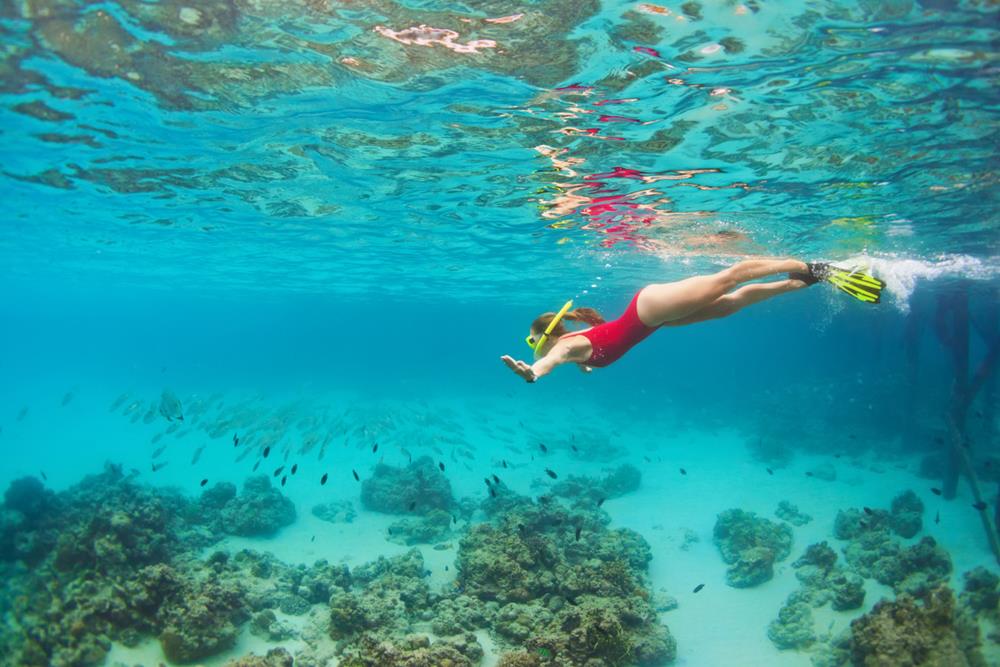
Water is unpredictable, and safety should always be a priority. Conditions that look calm on shore can be different a few yards out. Always snorkel with a buddy when possible, and stay within your comfort level.
Currents near jetties and passes can be strong. If you feel a current pulling you, swim parallel to shore until you are clear of it, then head back. Do not try to swim directly against a current.
Be aware of boat traffic. In popular coastal areas, boats may move through channels that snorkelers want to explore. Use a brightly colored float or flag so boaters can see you.
Marine life generally avoids contact, but some species like stingrays have sharp spines. If you see a ray on the bottom, shuffle your feet when entering to alert it and give it space. Do not touch or chase animals.
Local Support and Resources
South Texas has several dive shops, charter operators, and outfitters that support snorkeling and diving activities. These businesses can provide gear rental, guided tours, and up-to-date condition reports for local sites.
Participating in a guided snorkel tour can be especially helpful for first-time visitors. Guides know the local environment and can point out wildlife and features you might miss on your own. They can also advise on safety and the best times to visit specific areas.
Local marine science centers and aquariums offer additional learning opportunities. Many have exhibits on Gulf species and habitats, as well as educational programs about coastal ecology. Visiting these centers before or after a snorkel trip can deepen your understanding of what you see in the water.
Environmental Awareness
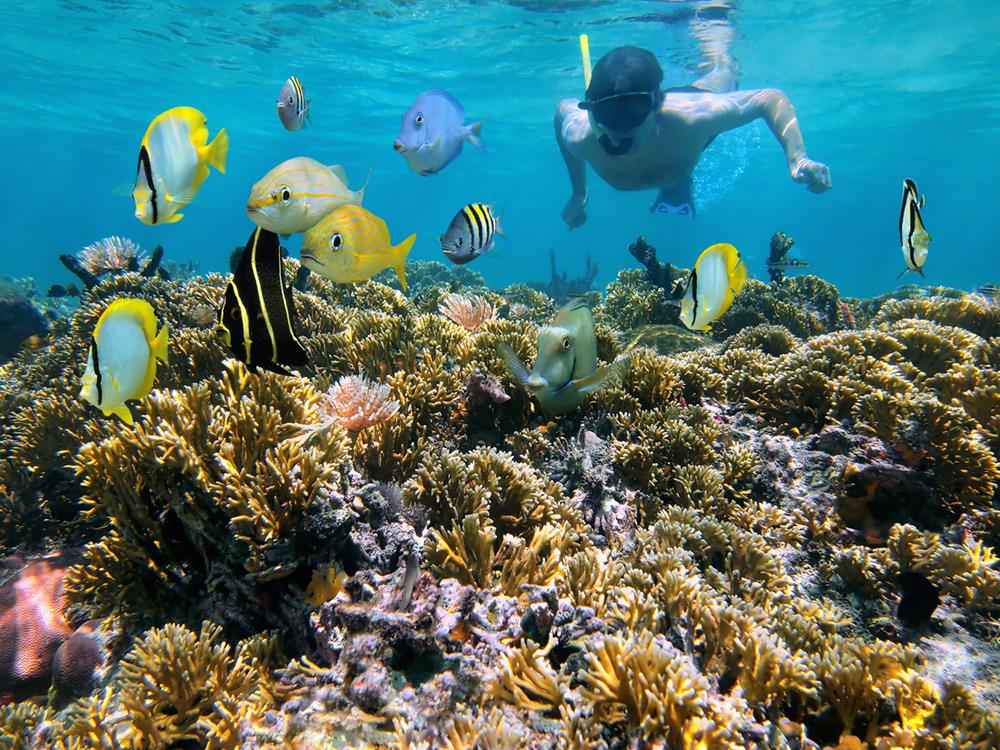
The Gulf of Mexico supports important habitats that are sensitive to change. Snorkelers can help protect these environments by following simple guidelines:
- Do not touch or remove shells, coral, plants, or animals.
- Avoid kicking up sediment, which can smother seagrass and reduce visibility for others.
- Use reef-safe sunscreen to limit chemical impacts on water quality.
- Dispose of trash properly and participate in beach cleanups if you can.
By minimizing impact, snorkelers help ensure that marine life remains abundant and accessible for future visits.
Planning a Trip
When you plan a snorkeling trip to South Texas, think about time of year, weather, and your goals. If you want calm water with good visibility, consider shoulder seasons like spring and fall. Summer can be warm and inviting but also comes with more wind and afternoon thunderstorms.
Decide whether you want to explore open beach sites, structured areas like jetties, or protected bay waters. Each offers different experiences with marine life and underwater terrain.
Make a checklist of gear and essentials. Confirm local conditions close to your travel date. If possible, talk with local experts or check community forums for recent reports on water clarity and wildlife sightings.
Conclusion
Coastal snorkeling in South Texas is an accessible way to explore marine environments along the Gulf. The shoreline offers a variety of habitats, from sandy bottoms and seagrass beds to oyster reefs and jetties. Snorkelers can observe fish, crustaceans, rays, and other life forms in relatively shallow water close to shore.
With proper preparation, attention to safety, and awareness of environmental impact, snorkeling along the South Texas coast can be rewarding. Whether you are a local resident or a visitor, you can find spots that suit your skill level and curiosity. The Gulf waters here provide a way to connect with nature and discover the diversity of life beneath the surface.