

Texas coastal boating offers far more variety than many people expect. Along the Gulf Coast, boaters can cruise protected bays, explore shallow flats, run the Intracoastal Waterway, visit waterfront towns, fish around jetties, or head offshore into open Gulf waters. The experience can be relaxed and family-friendly one day, then adventurous and challenging the next.
The Texas coast stretches for hundreds of miles, with barrier islands, bay systems, passes, channels, estuaries, marshes, and Gulf beaches creating a long and diverse boating corridor. The Texas General Land Office notes that the state has 367 miles of Gulf beaches and more than 3,300 miles of shoreline around bays and estuaries. That scale gives boaters many ways to enjoy the water, from casual day trips to serious fishing and cruising.
Some coastal areas are ideal for beginners because they offer protected water, nearby marinas, and easy access to restaurants or fuel. Others require more experience because of shifting sandbars, shallow flats, strong currents, commercial traffic, or open Gulf conditions. Knowing the difference can make a trip safer and much more enjoyable.
For anyone planning to go boating in Texas coastal areas, these are some of the best places to explore, along with what makes each region unique.
Galveston Bay
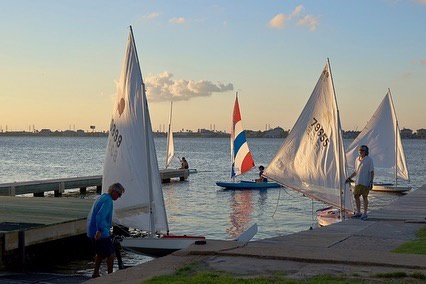
Galveston Bay is one of the most popular coastal boating areas in Texas, especially for residents of the Houston area. The bay system includes Galveston Bay, East Bay, West Bay, Trinity Bay, channels, marshes, waterfront communities, and access points that support fishing boats, sailboats, cruisers, kayaks, and family day boats.
One reason Galveston Bay is so appealing is convenience. Boaters can launch from several communities around the bay and enjoy protected water without immediately committing to open Gulf conditions. The area also offers marinas, waterfront restaurants, bait camps, fishing spots, and easy access to Galveston Island.
Fishing is a major part of the boating culture here. Anglers target speckled trout, redfish, flounder, black drum, sheepshead, and other coastal species throughout the bay system. Cruisers and recreational boaters also enjoy exploring channels, watching ships, visiting waterfront areas, and spending time near the island.
Galveston Bay is accessible, but it is not a place to ignore conditions. Wind can quickly make open bay water choppy, and boaters should pay attention to commercial traffic, shallow areas, and changing weather.
For many Texans, Galveston Bay is the easiest introduction to coastal boating because it combines access, amenities, and productive water close to a major city.
Freeport, Surfside, and the Brazosport Area
View this post on Instagram
The Freeport and Surfside area offers another strong coastal boating experience, especially for boaters who want access to bays, jetties, offshore routes, and Gulf fishing.
This part of the coast provides access to the Freeport Harbor Channel, the Gulf of Mexico, and nearby bay systems. It is popular with anglers who want to fish nearshore, offshore, or around jetties and channels.
Boaters can also explore sections of the Intracoastal Waterway and nearby coastal marshes. The area has a more industrial feel in some places because of port and shipping activity, but it also offers excellent access to serious saltwater fishing.
Surfside adds a beach-town atmosphere, while Freeport serves as a practical launch point for offshore and nearshore trips.
This area is best suited for boaters who are comfortable around channels, currents, larger vessels, and Gulf conditions. It can be rewarding, but preparation matters.
Matagorda Bay
View this post on Instagram
Matagorda Bay is a favorite for boaters who want productive coastal water with a slightly quieter feel than Galveston or Port Aransas.
The bay system includes East Matagorda Bay and West Matagorda Bay, along with marshes, shorelines, jetties, and access to the Gulf. Boaters come here for fishing, cruising, wildlife viewing, and relaxed coastal exploration.
East Matagorda Bay is well known among anglers for drift fishing and wade fishing, while West Matagorda Bay offers deeper channels, marsh access, and more varied boating routes. Depending on conditions, boaters can also access the surf and Gulf through nearby passes and channels.
Matagorda is especially appealing because it feels open and less crowded than some better-known coastal destinations. The surrounding landscape includes marsh, beach, bay, and river influence, giving the area a natural and spacious feel.
Wind and shallow areas can be important considerations. Boaters should use current charts, pay attention to marked channels, and avoid assuming that all open-looking water is deep enough for every boat.
For people who want a coastal boating trip centered on fishing, scenery, and fewer crowds, Matagorda Bay is one of the best choices in Texas.
Port O’Connor and Espiritu Santo Bay
View this post on Instagram
Port O’Connor has a strong reputation among anglers and experienced boaters. Located on the middle Texas coast, it provides access to Matagorda Bay, Espiritu Santo Bay, San Antonio Bay, the Intracoastal Waterway, jetties, passes, and Gulf waters.
This is a serious boating destination. Many visitors come with fishing boats, shallow-draft boats, bay boats, and offshore-capable vessels. The area is known for redfish, speckled trout, flounder, and offshore fishing opportunities.
Port O’Connor also offers access to quieter water and wildlife-rich environments. Boaters can explore marshes, islands, and bay shorelines while enjoying a less commercial atmosphere than some larger coastal towns.
The area rewards local knowledge. Shallow flats, changing weather, and longer distances between certain services mean boaters should plan carefully.
For experienced boaters who want access to both bay and Gulf fishing, Port O’Connor is one of the most respected coastal boating bases in Texas.
Rockport and Aransas Bay
View this post on Instagram
Rockport is one of the most welcoming coastal boating towns in Texas. It offers easy access to Aransas Bay, Copano Bay, St. Charles Bay, nearby flats, islands, and marshes.
The area is especially popular with anglers, kayakers, birdwatchers, and families who want a relaxed coastal trip. Boaters can explore bay shorelines, fish grass flats, visit nearby waterfront communities, or enjoy quiet rides through scenic water.
Rockport’s boating appeal comes from its combination of access and atmosphere. It has marinas, launch points, guides, restaurants, lodging, and a classic Texas coastal-town feel. Nearby Goose Island State Park and the surrounding bay systems add more recreational options.
The waters around Rockport can be shallow, so boaters should be mindful of seagrass beds, oyster reefs, and marked channels. TPWD points boaters to seagrass buoy and marker information because seagrass protection is important in Texas coastal ecosystems.
For people who want an inviting base for bay boating, fishing, and family-friendly coastal exploration, Rockport remains one of the best places on the Texas coast.
Port Aransas and Aransas Pass
View this post on Instagram
Port Aransas is one of Texas’ most complete coastal boating destinations. Located on Mustang Island, it gives boaters access to bays, channels, the Gulf, jetties, marinas, offshore charters, restaurants, and island-style recreation.
The Port Aransas area works well for many types of boaters. Inshore anglers can explore nearby bay systems for redfish, trout, black drum, and flounder. Offshore boaters can head into the Gulf for snapper, kingfish, tuna, mahi-mahi, and other species when conditions allow. Recreational boaters can enjoy cruising, dolphin watching, waterfront dining, and island scenery.
Aransas Pass and the Lydia Ann Channel add even more route options, connecting boaters to surrounding waterways and scenic areas. The nearby lighthouse area and channel routes are popular with boaters who enjoy coastal views and wildlife.
This region has active boat traffic, including ferries, fishing boats, recreational vessels, and commercial traffic. Boaters should stay alert around channels and passes.
For visitors who want variety, Port Aransas is hard to beat. It offers protected water, Gulf access, services, scenery, and a strong boating culture in one place.
Corpus Christi Bay
Corpus Christi Bay offers one of the best urban coastal boating experiences in Texas. The bayfront, marina, seawall, and skyline create a setting that feels more city-connected than many other Texas boating destinations.
Visit Corpus Christi describes the bay as a calm-water boating location with downtown bayfront scenery, marina access, and nearby routes into the Laguna Madre and Intracoastal Waterway.
Sailing is especially popular here because of consistent coastal winds. Powerboaters, anglers, and paddlers also use the bay for recreation, fishing, and cruising.
Corpus Christi is a practical base because it offers marinas, fuel, lodging, restaurants, boat services, and easy access to several different waterways. Boaters can stay in the bay, explore nearby channels, head toward Mustang Island, or continue south into the Laguna Madre.
The bay can become windy and choppy, so checking marine forecasts matters. Still, for boaters who want amenities, scenery, and access to multiple coastal routes, Corpus Christi Bay is one of the most useful boating hubs in Texas.
Upper Laguna Madre
The Upper Laguna Madre, located near Corpus Christi and Padre Island, offers a completely different coastal boating experience. This shallow lagoon is known for flats, clear water, seagrass, fishing, birdlife, and wide-open coastal scenery.
The Laguna Madre is one of the most distinctive coastal systems in North America. It is shallow and hypersaline, which means boaters must pay close attention to depth, channels, seagrass protection, and wind.
This area is excellent for shallow-draft boats, kayaks, flats boats, and anglers targeting redfish, speckled trout, black drum, and flounder. It is less ideal for deeper-draft boats outside marked routes.
Boaters who enjoy quiet water, wildlife, and technical shallow-water navigation often love the Upper Laguna Madre. It offers a more natural experience than busier marina-centered destinations.
Because of the shallow habitat, responsible boating is especially important. Running aground or damaging seagrass can harm the ecosystem and create costly problems for boaters.
Port Mansfield and the Lower Laguna Madre
View this post on Instagram
Port Mansfield is a smaller and more fishing-focused boating destination on the Lower Laguna Madre. It appeals to serious anglers, shallow-water boaters, and visitors who want a quieter coastal base.
The Lower Laguna Madre is famous for clear flats, redfish, trout, black drum, and sight-fishing opportunities. Port Mansfield gives boaters access to remote water without the larger crowds found in some coastal towns.
The area is not as developed as Port Aransas or Corpus Christi, which is part of the appeal. Boaters come here for the water, the fishing, and the peaceful setting.
This is not the best place for casual boaters who want constant waterfront restaurants or heavy amenities. It is better suited for people who are prepared, understand shallow water, and value a focused boating or fishing trip.
For those who know what they are doing, Port Mansfield can deliver one of the most rewarding boating experiences on the Texas coast.
South Padre Island and Port Isabel
South Padre Island and Port Isabel offer one of the most scenic boating areas in Texas. The region provides access to the Lower Laguna Madre, Brazos Santiago Pass, the Gulf of Mexico, marinas, fishing grounds, dolphin-watching routes, and waterfront restaurants.
This area works well for a wide range of boating experiences. Families can enjoy calm bay cruises and wildlife tours. Anglers can fish the flats, jetties, channels, or offshore waters. More experienced boaters can run Gulf routes when conditions are safe.
The scenery is a major part of the appeal. Clear water, sandy shorelines, birdlife, and coastal sunsets make South Padre one of the most memorable boating destinations in Texas.
Brazos Santiago Pass provides Gulf access, but passes can be challenging because of currents, waves, and changing conditions. Boaters should treat any Gulf entrance with respect and use proper charts, forecasts, and local knowledge.
For those who want coastal beauty, fishing, and vacation-style amenities, South Padre Island and Port Isabel are among the best boating destinations in the state.
Understanding Texas Passes and Gulf Access
Texas passes and inlets connect inland bays and lagoons with the Gulf of Mexico. They are important for navigation, water exchange, fishing, and coastal access.
The Texas coast contains more than 20 permanent and ephemeral inlets, according to the Coastal Dynamics Lab’s Texas Inlets Online project. These inlets help connect the Gulf with inland bays and lagoons, but their conditions and navigability can vary.
For boaters, passes require caution. Water may look manageable from a distance, but wind, tide, current, shoaling, jetties, and boat traffic can quickly change the situation. Some passes are used heavily by commercial and recreational vessels, while others may not be safe or practical for ordinary boating.
Popular Gulf-access areas include Galveston, Freeport, Matagorda, Port O’Connor, Port Aransas, Corpus Christi, Mansfield, and Brazos Santiago near South Padre.
Anyone planning to enter the Gulf should use current nautical charts, marine forecasts, and reliable local information. NOAA’s Coast Pilot is designed to provide supplemental navigation information for coastal and intracoastal waters that is difficult to show fully on charts.
Choosing the Right Texas Coastal Boating Trip
The best coastal boating area depends on the kind of experience you want.
Galveston Bay is convenient and active. Matagorda offers a quieter bay-and-Gulf feel. Port O’Connor rewards experienced anglers and serious boaters. Rockport is welcoming, scenic, and family-friendly. Port Aransas delivers some of the best all-around boating variety in Texas. Corpus Christi Bay offers urban bayfront access and sailing conditions. The Laguna Madre is ideal for shallow-water exploration and fishing. South Padre combines clear water, Gulf access, and vacation-style amenities.
Texas coastal boating is not one single experience. It is a collection of bays, passes, flats, channels, and Gulf waters that change dramatically from one region to the next.
For boaters willing to plan carefully and respect the coast, the reward is enormous. A day on the Texas coast can mean cruising past marshes, watching dolphins surface near the boat, fishing a quiet flat, sailing across a windy bay, or running offshore under a wide Gulf sky.
Few places offer so many ways to enjoy the water in one state.