
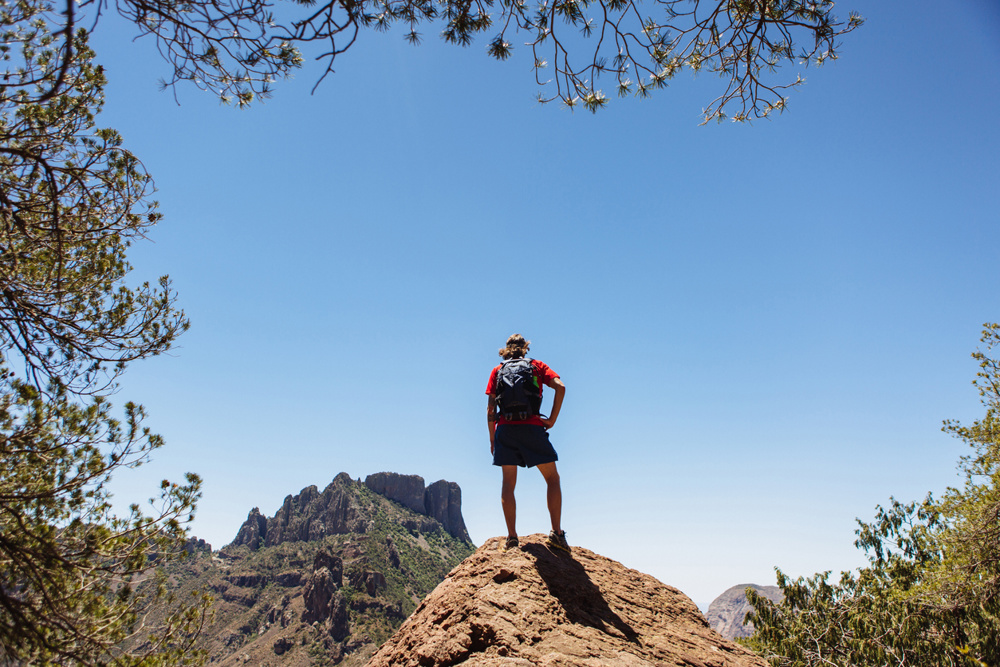
Texas has no shortage of famous outdoor spots. Enchanted Rock, Hamilton Pool, Palo Duro Canyon, and the San Antonio River Walk all have their place. They also have something many travelers want to avoid: crowds.
For people who love nature but hate packed parking lots, long lines, and noisy trailheads, Texas still has plenty of room to breathe. The trick is knowing where to go, when to visit, and what kind of adventure fits your comfort level.
The best quiet outdoor trips in Texas tend to share a few traits. They take effort to reach. They reward planning. They sit far from big cities or require a little patience once you arrive. That extra effort keeps the crowds down and makes the experience feel much calmer.
Here are five of the best Texas outdoor adventures for people who want space, scenery, and a real sense of escape.
Paddle the Devils River
View this post on Instagram
The Devils River is one of the most beautiful and remote waterways in Texas. It cuts through rugged Southwest Texas country, far from major highways and city noise. The water is spring-fed, clear, and striking against the limestone banks and desert brush.
This is not a casual float trip. That is exactly why it belongs on this list.
A trip on the Devils River requires preparation. Paddlers need to understand river conditions, access points, private property boundaries, and permit rules. The river flows through remote ranchland, and public access is limited. Texas Parks & Wildlife manages Devils River State Natural Area, but paddling beyond certain areas can require a Devils River Access Permit.
That extra planning helps protect the river and keeps the experience from turning into a crowded party float.
The reward is huge. You get long stretches of quiet water, canyon-like scenery, birdlife, fishing opportunities, and night skies that feel far removed from everyday life. You may hear wind, water, and birds far more than other people.
This adventure works best for experienced paddlers or travelers who book with a knowledgeable outfitter. The river can be shallow in spots, rough in others, and unforgiving if you underestimate the distance or heat.
Best for
Experienced paddlers, wilderness campers, anglers, photographers, and travelers who want a serious backcountry river trip.
Crowd-avoidance tip
Go with a small group, plan far ahead, and avoid holiday weekends. This is one Texas adventure where careful preparation makes the trip safer and far better.
Float the Rio Grande Through Big Bend Country
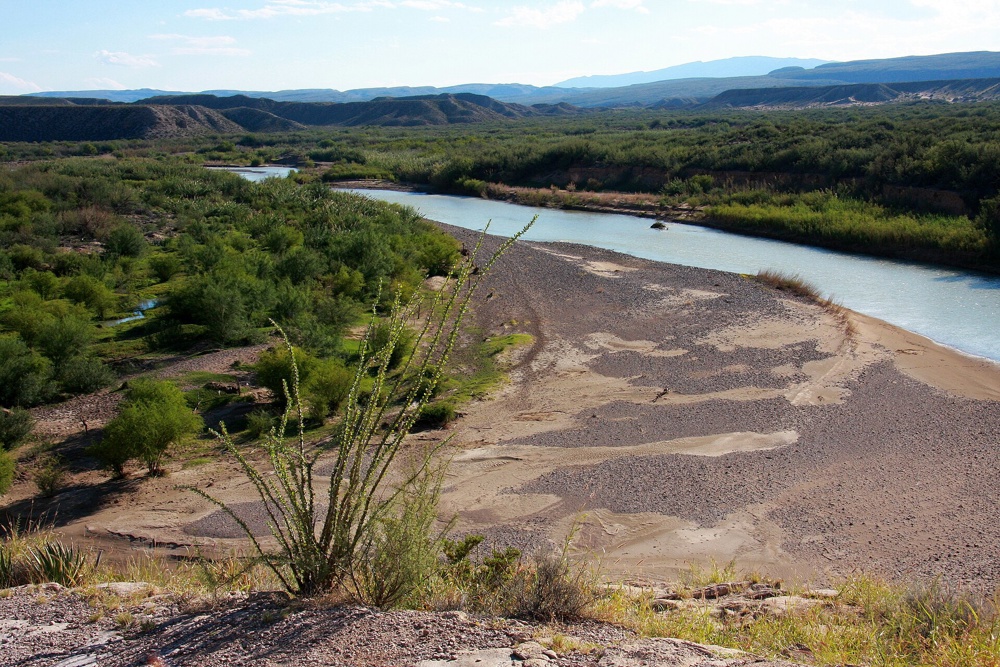
Big Bend National Park gets plenty of attention, but the Rio Grande still offers quiet corners for people willing to explore by water. The Rio Grande Wild and Scenic River runs through desert landscapes and deep canyons along the Texas and Mexico border.
Many visitors see the river from overlooks or short trails. Fewer take the time to float it.
That makes a river trip one of the best ways to experience Big Bend without feeling surrounded by people. Depending on the route and water levels, paddlers can pass through famous canyon scenery, quiet desert bends, and long stretches where the cliffs seem to block out the outside world.
Santa Elena Canyon and Boquillas Canyon are among the best-known areas, but guided outfitters can help visitors choose a route based on skill level, water conditions, and time available. Some trips last a day. Others can stretch into multi-day backcountry experiences.
The scenery teaches you a lot about West Texas. You see how water shapes desert rock. You notice how much life gathers near the river. You also understand why this part of Texas feels so different from the state’s busy highways and fast-growing cities.
This adventure can be peaceful, but it still requires respect. Desert heat, changing river levels, and remote conditions all matter. A guided trip is a smart choice for beginners.
Best for
Travelers who want canyon scenery, quiet water, desert views, and a memorable Big Bend experience away from the busiest trails.
Crowd-avoidance tip
Visit outside spring break season and avoid major holidays. Late fall, winter, and early spring often make the desert far more comfortable than summer.
Hike McKittrick Canyon in Guadalupe Mountains National Park
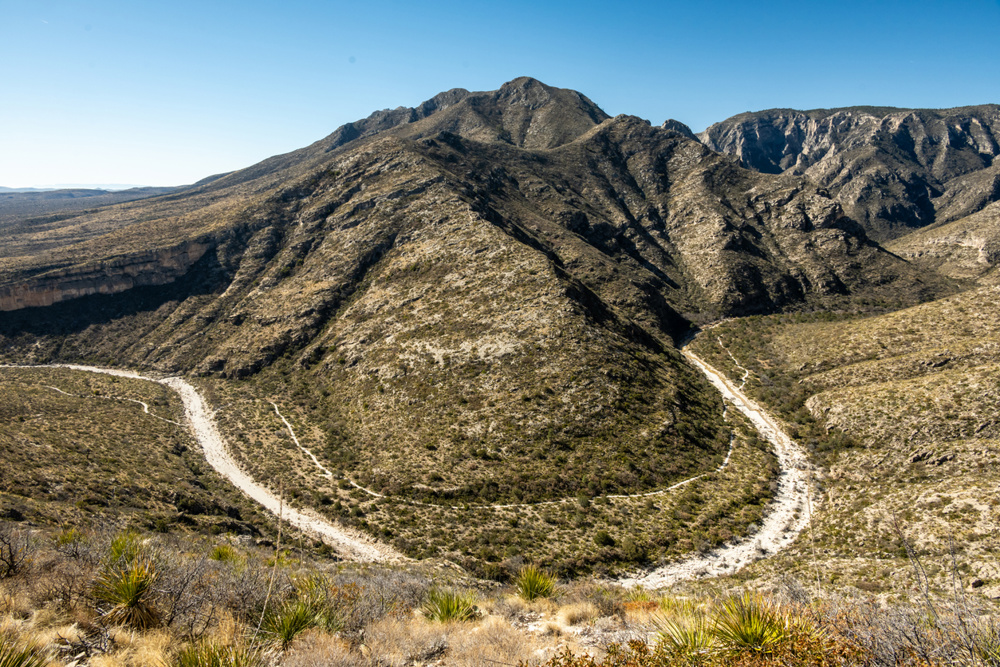
Guadalupe Mountains National Park often gets overshadowed by Big Bend. That is good news for crowd-averse hikers.
Located in far West Texas near the New Mexico border, the park protects high desert mountains, fossil reef geology, rugged canyons, and some of the most dramatic hiking terrain in the state. McKittrick Canyon is one of its standout destinations.
The canyon is famous for fall color, which surprises many people who picture West Texas as only desert and rock. During peak autumn weeks, the maples, oaks, and other trees can draw extra visitors. Outside those peak windows, McKittrick Canyon often feels calm, especially compared with better-known national park trails elsewhere.
The hiking options vary. Some visitors walk a shorter section into the canyon. Others continue deeper toward Pratt Cabin, the Grotto, or more difficult routes. The canyon gives you a mix of limestone walls, desert plants, shaded pockets, and seasonal color.
It is also an excellent place to learn about Texas geology. The Guadalupe Mountains are part of an ancient reef system, which means the rocks under your boots have a story that reaches back hundreds of millions of years.
One important detail: McKittrick Canyon has gate hours, and visitors must leave before the posted closing time. This is not the kind of place where you should start late and hope for the best.
Best for
Hikers, geology fans, fall color seekers, and travelers who want national park scenery with fewer people.
Crowd-avoidance tip
Avoid peak fall weekends if solitude is your main goal. For a quieter trip, visit on a weekday or choose a season outside the busiest autumn color window.
Camp on Padre Island National Seashore
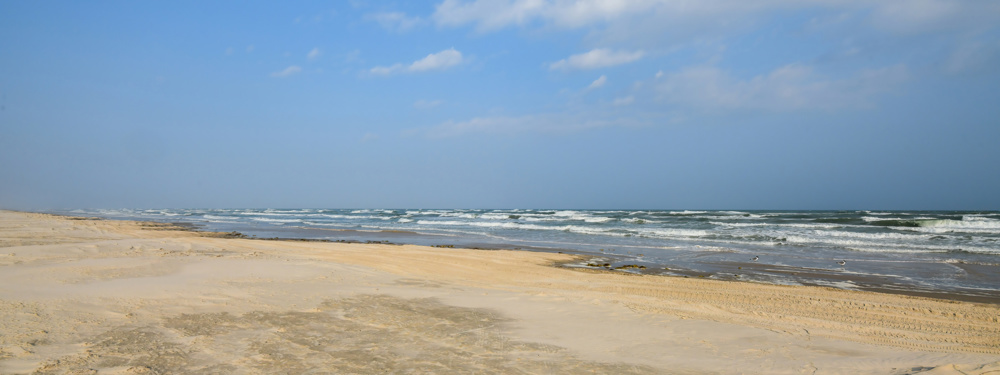
Texas beach trips can get crowded fast, especially near popular towns and easy-access beaches. Padre Island National Seashore offers a different kind of coastal experience.
This protected barrier island stretches along the Gulf Coast and preserves beaches, dunes, grasslands, tidal flats, and important wildlife habitat. It feels wilder than many Texas beach destinations. Instead of high-rise hotels and heavy boardwalk traffic, you get open sand, wind, surf, birds, and long views.
For people who hate crowds, primitive beach camping is the big draw. Some areas allow visitors to camp near the beach, while developed campgrounds have their own rules and permit requirements. The National Park Service provides current guidance on where camping is allowed, where permits are required, and how long visitors may stay.
This adventure is simple in one way and serious in another. You can enjoy sunrise, beach walks, fishing, shelling, stargazing, and the sound of waves at night. At the same time, you need to prepare for soft sand, changing weather, wind, sun exposure, and limited services.
Beach driving also requires care. Conditions can shift, and some areas may call for high-clearance or four-wheel-drive vehicles. Always check current park conditions before heading far down the beach.
Padre Island National Seashore is especially rewarding for patient travelers. Birdwatching can be excellent. The beach changes from day to day. Even a quiet walk can reveal tracks, shells, shorebirds, and small details that busy beaches often make easy to miss.
Best for
Beach campers, anglers, birdwatchers, stargazers, and travelers who want a quieter Texas coast.
Crowd-avoidance tip
Drive farther from the easiest access points only if your vehicle and conditions allow it. The farther you go safely and legally, the quieter the beach usually becomes.
Bike or Hike the Caprock Canyons Trailway
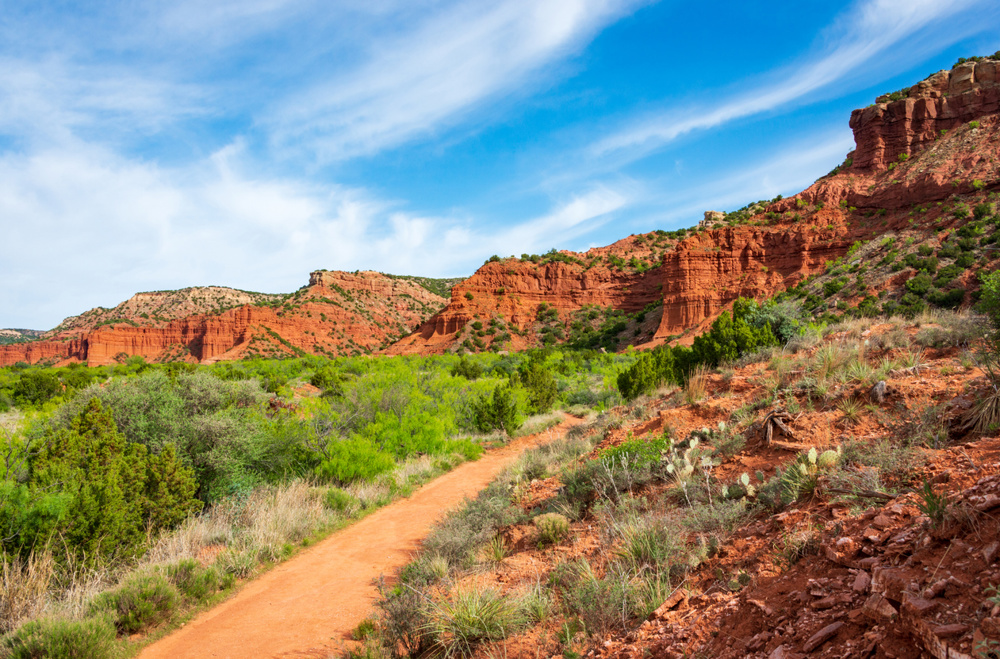
Caprock Canyons State Park and Trailway gives travelers a quieter way to experience the Texas Panhandle. The park is known for red canyon walls, wide skies, prairie wildlife, and the Texas State Bison Herd. The trailway adds another layer to the adventure.
The Caprock Canyons Trailway follows an old railroad route for 64 miles. It is open for hiking, biking, and horseback riding. Since it is long, remote, and spread out, it gives visitors more room than many short scenic trails.
The landscape feels open and honest. You pass through ranch country, canyon edges, grasslands, and sections shaped by the old rail line. The grade is generally gentle because trains once used the route, but the distance and exposure still make planning important.
This is a great choice for people who want solitude without needing technical climbing or advanced paddling skills. You can choose a shorter out-and-back route or plan a longer ride with more logistics. Either way, you get big Texas views and a strong sense of space.
Caprock Canyons also gives visitors a chance to see bison in a natural setting. They are impressive animals, but they need distance and respect. Never approach them for photos.
The area can be hot, windy, and exposed. Carry plenty of water, check conditions, and remember that services may be limited once you are away from the main park area.
Best for
Cyclists, long-distance walkers, horseback riders, wildlife watchers, and travelers who like wide-open scenery.
Crowd-avoidance tip
Use the trailway instead of sticking only to the most popular park viewpoints. Early mornings and weekdays usually feel quieter.
How to Pick the Right Quiet Texas Adventure
The best choice depends on how much effort you want to put into the trip.
Choose Devils River if you want the most remote paddling experience and have the skills or guide support to do it safely. Choose the Rio Grande if you want canyon scenery and a Big Bend adventure from the water. Pick McKittrick Canyon if you prefer hiking with mountain views and strong geology. Go to Padre Island National Seashore if the sound of waves and open sand feels like your kind of escape. Try Caprock Canyons Trailway if you want space, wildlife, and a long route with room to spread out.
The common thread is simple. Quiet outdoor travel in Texas rewards preparation.
Crowds gather where access is easy. Solitude usually waits a little farther down the road, deeper into the canyon, farther along the beach, or beyond the first mile of trail.
Final Thoughts
Texas can feel loud, fast, and crowded in its biggest cities and most famous tourist spots. But the state still holds plenty of quiet places for people who would rather hear water, wind, birds, or their own footsteps.
The five adventures above offer different versions of that peace. Some require permits. Some require long drives. Some ask for physical effort. That is part of what keeps them special.
For travelers who hate crowds, those extra steps are worth it. They lead to clear rivers, desert canyons, mountain trails, wild beaches, and open Panhandle skies. That is the Texas outdoor experience at its best.