

If you think the stars shine bright in Texas, wait until you leave the city lights behind. The Lone Star State is home to some of the darkest skies in the country, where the Milky Way glows like a river of light and shooting stars streak across the horizon. From quiet desert plateaus to remote hilltops, Texas offers incredible places to watch the universe unfold above you. Whether you’re an astronomy enthusiast or just looking for a peaceful night under the stars, these top stargazing spots in Texas will show you the sky in a whole new way.
| Highlights | |
|---|---|
| Enchanted Rock State Natural Area | International Dark Sky Park, 425-ft granite dome, regular stargazing events |
| Lyndon B. Johnson National Historical Park | Dark Sky Park since 2021, astronomy programs, minimal light pollution |
| Brazos Bend State Park | Near Houston, guided stargazing events, riverside telescope setups |
| Galveston Island State Park | Coastal stargazing, beachside night walks, over 2,000 acres to explore |
| George Observatory | Located in Brazos Bend State Park, telescopes, interactive astronomy sessions |
| Houston Astronomical Society Dark Site | Exclusive dark site, 3 advanced telescopes, Texas Star Parties |
| Sam Houston National Forest | Escape urban lights, camping, hiking, and canoeing available |
| Dark Sky Communities in Texas | Seven designated Dark Sky Communities, committed to reducing light pollution |
Enchanted Rock State Natural Area
When you’re seeking a perfect stargazing spot, Enchanted Rock State Natural Area stands out as a top choice. As an International Dark Sky Park, it’s one of those rare Dark Sky Places where you can truly escape light pollution. You’ll find regular stargazing events here, bringing together both amateur and professional astronomers enthusiastic to investigate the heavens. The park’s iconic granite dome raises you 425 feet, offering breathtaking views of the starry sky.
Enchanted Rock is committed to preserving its dark skies. They offer programs that teach you about light pollution and the significance of nighttime conservation. This dedication attracts astronomy photographers from around the globe, all hoping to capture stunning celestial images against the clear, unspoiled backdrop. The park spans over 1,644 acres, providing ample space for visitors to enjoy a variety of outdoor activities alongside their stargazing adventures.
Lyndon B. Johnson National Historical Park
If you’re searching for a unique blend of history and stargazing, seek no further options beyond Lyndon B. Johnson National Historical Park.
As an International Dark Sky Park since 2021, it proudly stands as part of the dark sky community, dedicated to preserving night skies. The park’s regular astronomy-based interpretive programs offer you the chance to learn about the cosmos under minimal light pollution, making your stargazing experience truly memorable.
Located near Fredericksburg, the park is easily accessible and aligns with the area’s efforts for light pollution control. The Johnson Settlement showcases late 19th-century Texas life with original structures from his ancestors.
Its scenic landscapes and historical significance enhance your visit, appealing to both history buffs and astronomy enthusiasts. Experience the park’s unobstructed celestial views and uncover the wonders above.
Brazos Bend State Park
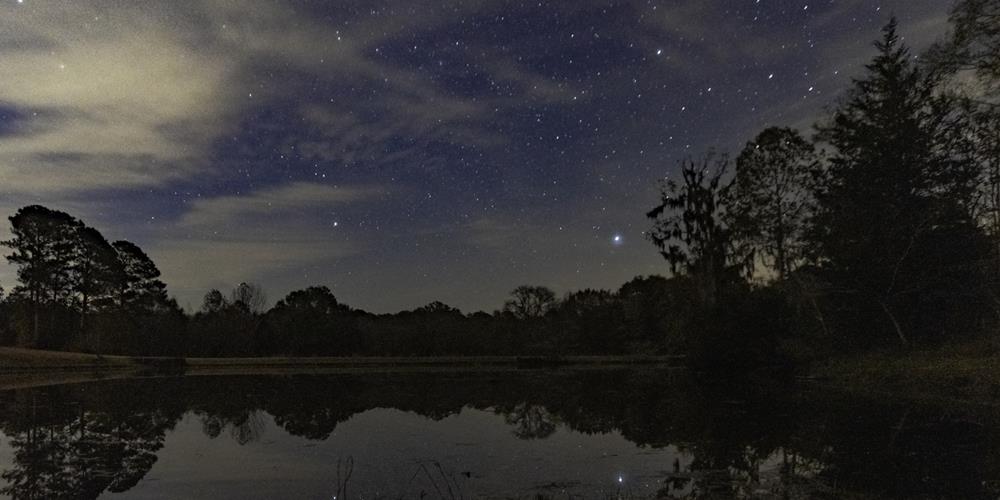
Situated just under an hour from downtown Houston, Brazos Bend State Park offers an ideal retreat for stargazers seeking proximity without sacrificing the quality of celestial views.
The park’s manageable light pollution makes it a favorite among amateur astronomers. You can enjoy:
- Trails for binocular viewing: Perfect for spotting celestial wonders under dark skies.
- Overnight camping: Extend your stargazing hours and engage yourself in the starry night.
- Riverside telescope setups: Set up your gear by the river for an unforgettable experience.
The park regularly hosts stargazing events and educational programs, providing guided experiences that enrich your understanding of astronomy. With over 300 species of birds, the park offers a rich biodiversity that complements your celestial exploration.
Regardless of whether you’re a novice or experienced stargazer, Brazos Bend’s accessibility and amenities make it a must-visit destination for a dark sky adventure.
Galveston Island State Park
Although it’s not too far from Houston, Galveston Island State Park offers stargazers a chance to escape the city’s bright lights for clearer skies. This coastal haven provides a perfect setting for soaking in the night sky. You’ll find the beachside location adds a magical touch, where the sound of waves accompanies your celestial views.
Take a night walk along the boardwalks, and let the stars guide your path as you envelop yourself in nature’s nighttime beauty.
If you’re up for an adventure, camping within the park lets you enjoy a full night of stargazing opportunities. It’s a great way to unwind after a day of outdoor activities, combining relaxation with the awe-inspiring spectacle of the night sky.
Galveston Island State Park spans over 2,000 acres, offering visitors diverse natural habitats to explore during the day and a serene environment for stargazing at night.
George Observatory

After enjoying the coastal charm of Galveston Island State Park, head to George Observatory for a stellar experience of a different kind.
Situated within Brazos Bend State Park, this observatory collaborates with the Houston Museum of Natural Science to offer an unforgettable stargazing adventure. You’ll have the chance to use powerful telescopes and join guided tours, making it a must-visit for astronomy enthusiasts.
Here’s what you can expect:
- Educational Programs: Immerse yourself in interactive sessions about the night sky.
- Real-Time Viewing: Live camera feeds of celestial wonders.
- Backup Activities: Indoor options for cloudy nights.
Reservations are required, ensuring an organized visit.
The observatory’s careful management of outdoor lighting further improves your view of the stars, making each visit truly special.
Houston Astronomical Society Dark Site
For those serious about stargazing, the Houston Astronomical Society Dark Site offers a pristine celestial experience just 80 miles west of Houston. This location is perfect for escaping the city’s light pollution, providing an ideal spot for observing the night sky.
Accessing the site requires membership and training, ensuring you’re well-prepared and knowledgeable about stargazing practices and etiquette. The dark site features three advanced telescopes and hosts Texas Star Parties, allowing you to connect with fellow amateur astronomers.
The Houston Astronomical Society is dedicated to maintaining clear skies, offering resources and tools to improve your stargazing adventures. With organized events and educational programs, you’ll deepen your understanding of astronomy while enjoying unparalleled views of the cosmos.
Sam Houston National Forest
Sam Houston National Forest offers a perfect night sky retreat, just an hour from Houston’s lively city lights. Here, you’ll escape urban light pollution, thanks to the forest’s dense tree canopy that shields and improves the celestial view.
Spend the night at one of the available campsites to fully engage yourself in the stargazing experience. During the day, take advantage of the forest’s activities:
- Hiking: Investigate miles of trails through diverse landscapes.
- Canoeing: Paddle along serene waterways for a peaceful adventure.
- Camping: Stay overnight to enjoy both day and night attractions.
Whether you’re an amateur with a newfound curiosity or a seasoned stargazer, this spot remains unbeatable for its proximity and dedication to maintaining a dark sky environment.
Dark Sky Communities in Texas
While exploring the vast landscapes of Texas, don’t miss the chance to visit its renowned dark sky communities. Texas boasts seven designated dark sky communities recognized by the International Dark Sky Association.
These areas, including Blanco, Dripping Springs, and the newly added Bee Cave, are celebrated for their commitment to responsible lighting. By implementing outdoor lighting ordinances, they effectively reduce light pollution, ensuring clearer views of the night sky.
These communities don’t just focus on stargazing; they actively engage in educational initiatives, raising awareness about the importance of preserving our night skies.
Events and activities in places like Fredericksburg and Wimberly Valley attract both residents and visitors interested in celestial wonders. Welcome astrotourism and witness the night sky in its purest form in Texas.
Benefits of Dark Sky Initiatives
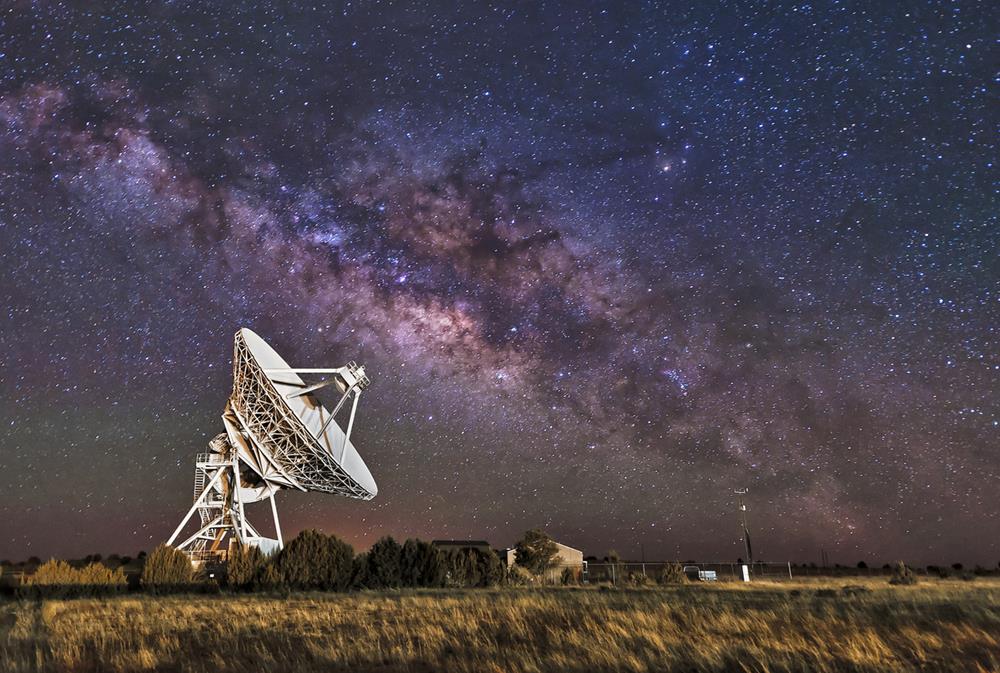
Dark Sky Initiatives are about more than preserving a pretty night sky. They’re efforts to reduce light pollution so that stars, planets, and galaxies remain visible for generations to come. But the benefits go far beyond stargazing.
Protecting Wildlife
Many animals depend on natural light cycles for migration, feeding, and reproduction. Excessive artificial light disrupts these rhythms, confusing birds, insects, and nocturnal mammals. By dimming or shielding outdoor lights, dark sky programs help restore natural ecosystems and support biodiversity.
Improving Human Health
Too much nighttime light affects human sleep patterns and hormone production, particularly melatonin. Better lighting practices help people sleep more soundly and reduce risks associated with chronic light exposure, such as fatigue and stress.
Saving Energy
Dark sky efforts encourage energy-efficient lighting. Using motion sensors, warm-toned bulbs, and downward-facing fixtures reduces electricity waste and lowers utility costs. Cities and homeowners alike benefit from smaller energy bills and a reduced carbon footprint.
Enhancing Astronomical Research
Clear, dark skies are essential for both amateur and professional astronomers. Reducing skyglow helps observatories collect more accurate data and allows enthusiasts to see celestial details that would otherwise be hidden by glare.
Preserving Cultural and Natural Heritage
The night sky has inspired stories, navigation, and exploration for centuries. By protecting it, communities maintain a connection to history, science, and wonder. Places that embrace dark sky policies often become tourism destinations, attracting visitors eager to experience an unspoiled view of the cosmos.
In short, dark sky initiatives benefit people, wildlife, and the planet—all while bringing the stars back into view where they belong.