

Texas is large enough that many outdoor destinations require more than a quick day trip. Staying in a nearby small town can make exploring easier by providing restaurants, lodging, fuel, supplies, and a comfortable place to recover after a long hike or paddle.
The best outdoor base camps are not necessarily towns with attractions inside their limits. Their value often comes from being close to several parks, rivers, trails, scenic roads, or natural areas. Here are some Texas small towns that work especially well for outdoor-focused trips.
Leakey: A Base for the Frio River and Western Hill Country
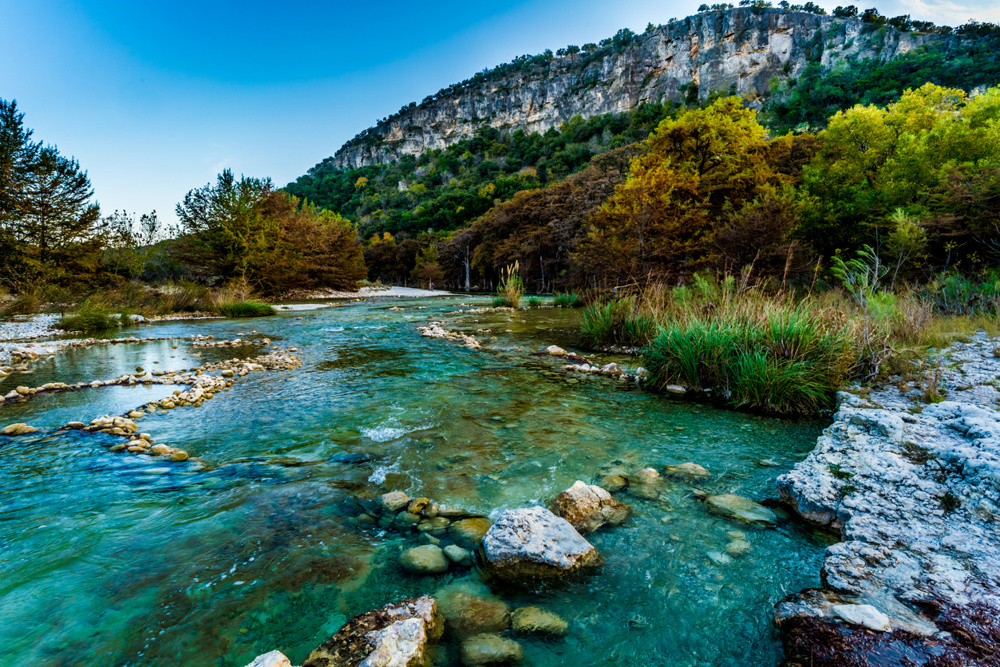
Leakey is one of the most practical bases for exploring the upper Frio River region. The town sits among steep limestone hills and is close to Garner State Park, Lost Maples State Natural Area, and several river access points.
During warm weather, visitors often use Leakey as a starting point for tubing, kayaking, swimming, and fishing. In cooler months, the surrounding area becomes better suited to hiking, scenic driving, wildlife watching, and cycling.
Garner State Park is known for its Frio River frontage and Hill Country trails, while Lost Maples offers more rugged hiking through canyons, wooded slopes, and limestone formations. Leakey also has cabins, campgrounds, restaurants, and basic services that are useful during a multiday trip.
Best for: River trips, hiking, scenic drives, swimming and fall outings.
Fredericksburg: A Comfortable Base Near Enchanted Rock
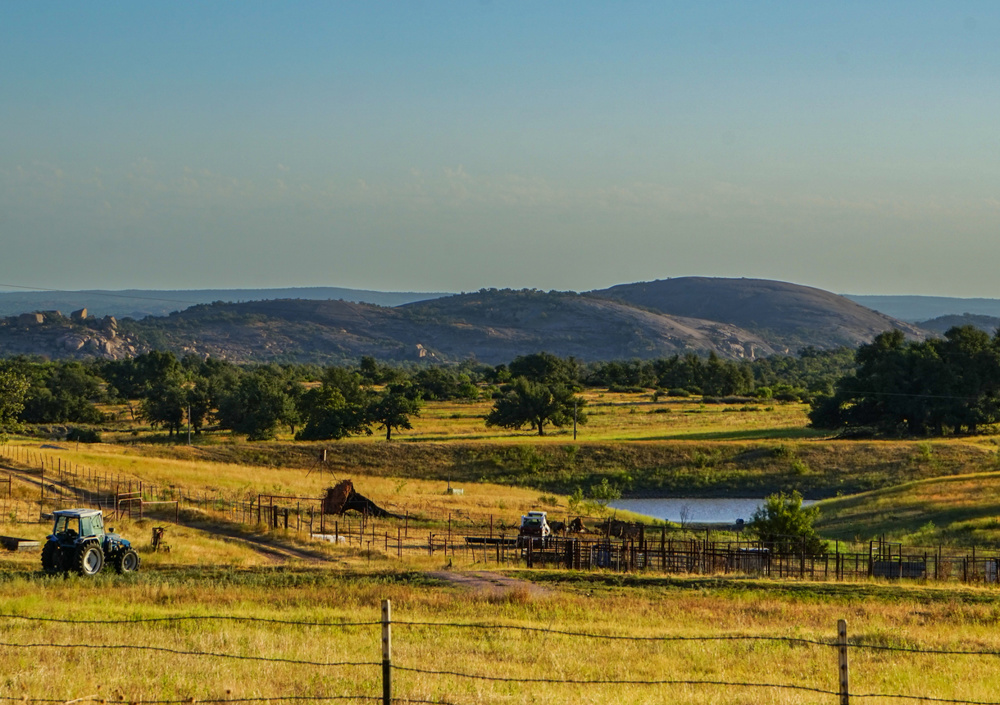
Fredericksburg combines a well-developed visitor district with easy access to the central Hill Country. Its lodging choices, restaurants, shops, and grocery stores make it a convenient option for travelers who want outdoor activities without giving up town amenities.
Enchanted Rock State Natural Area is about 18 miles north of Fredericksburg. Its most recognizable feature is a large pink granite dome rising roughly 425 feet above the surrounding landscape. Visitors can hike, rock climb, camp and explore trails through the wider granite landscape.
Fredericksburg also works for cycling trips, birding excursions and drives through the ranch roads of Gillespie and Llano counties. Shorter walking routes are available at Lady Bird Johnson Municipal Park, including trails near Live Oak Creek and a bird-feeding area.
Best for: Enchanted Rock, cycling, beginner-friendly hiking and travelers who prefer extensive services.
Fort Davis: A Mountain Base in West Texas
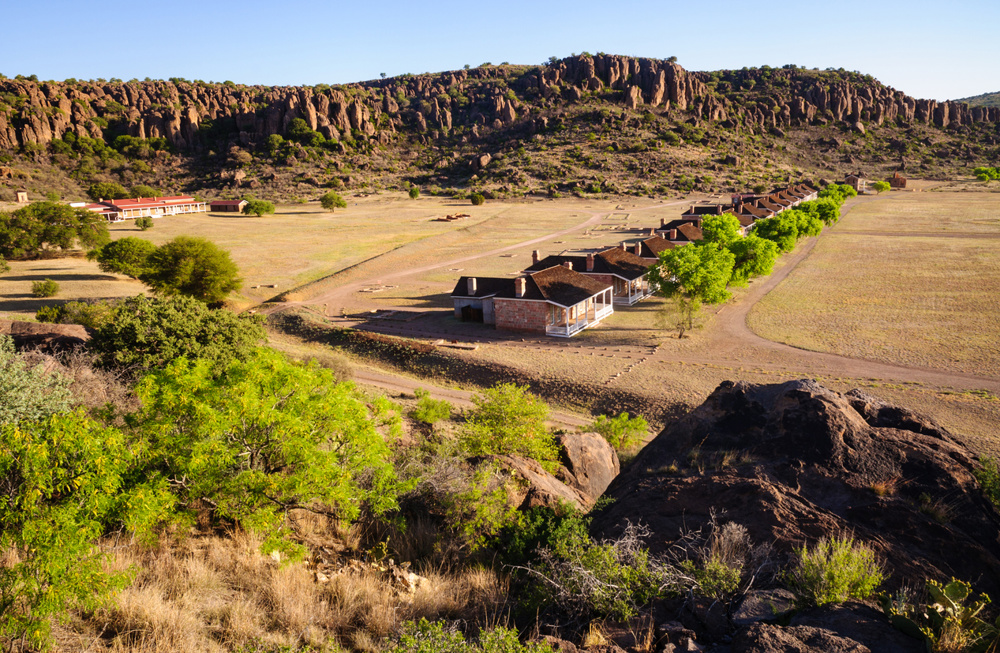
Fort Davis is one of the strongest outdoor bases in West Texas. The town is surrounded by the Davis Mountains, where higher elevations, rocky slopes and cooler temperatures create a setting that feels different from the lower Chihuahuan Desert.
Davis Mountains State Park offers hiking, backpacking, mountain biking, horseback riding, scenic driving, geocaching and stargazing. Trails range from relatively gentle walks to more demanding routes with broad mountain views.
Fort Davis is also well positioned for visits to the McDonald Observatory, the Chihuahuan Desert Nature Center and scenic roads leading toward Alpine, Marfa and Balmorhea. Travelers can stay in town, camp in the park or book a room at Indian Lodge, a historic hotel located within the state park.
Best for: Mountain hiking, stargazing, birding, cycling and scenic road trips.
Alpine: A Full-Service Gateway to the Big Bend Region
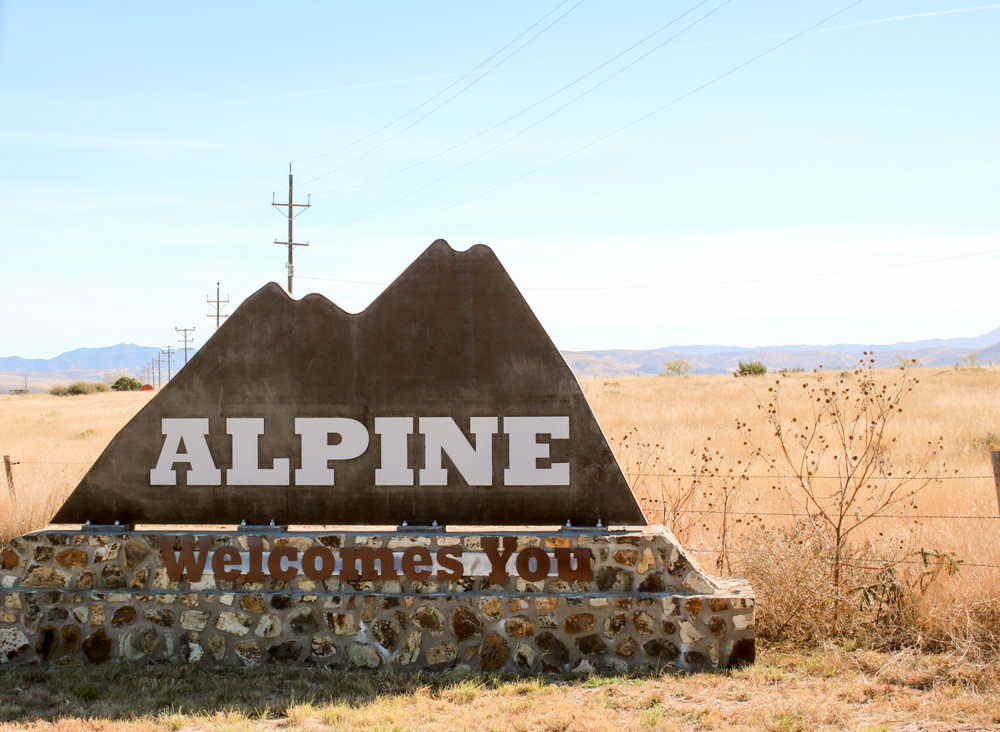
Alpine is larger than some towns on this list, but it still has the relaxed scale of a small West Texas community. It works particularly well for travelers who want access to remote landscapes while staying near dependable lodging, restaurants, fuel and stores.
From Alpine, visitors can plan outings to Big Bend National Park, Big Bend Ranch State Park, Fort Davis, Marfa and the surrounding mountain and desert country. Big Bend National Park alone covers more than 800,000 acres and contains hiking trails, back roads, river corridors and long scenic drives.
The main limitation is distance. Alpine is not directly beside Big Bend National Park, so park days require early starts and considerable driving. However, it can be a sensible base for travelers who want to explore several parts of the broader region rather than remain inside one park.
Best for: Extended West Texas road trips, Big Bend day trips and travelers needing reliable services.
Bandera: A Base for Rugged Hill Country Trails
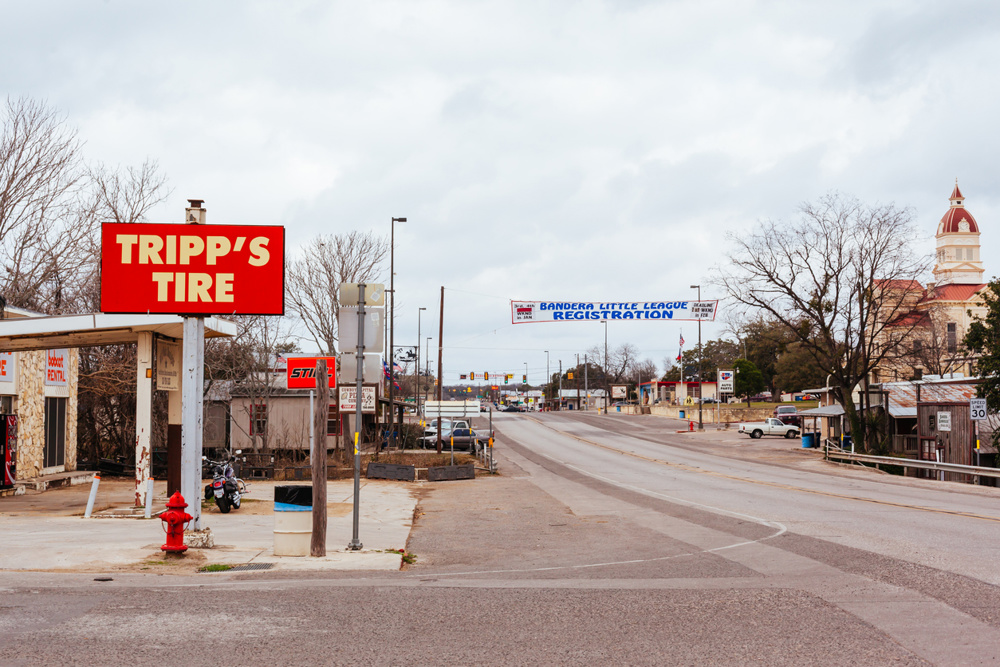
Bandera is well known for its ranching heritage, but it also provides access to one of the quieter outdoor areas in the Hill Country.
Hill Country State Natural Area lies southwest of town and protects more than 5,000 acres of canyons, plateaus, grasslands, springs and oak groves. Its approximately 40 miles of trails are open to activities such as hiking, backpacking, mountain biking and horseback riding.
The terrain can be rocky and exposed, making preparation important. Bandera gives visitors a convenient place to find food, lodging and supplies before heading into the natural area. It is especially useful for equestrian travelers because horseback riding is a major part of the park’s trail system.
Best for: Horseback riding, backcountry hiking, mountain biking and primitive camping.
Glen Rose: An Accessible Outdoor Base Near North Texas
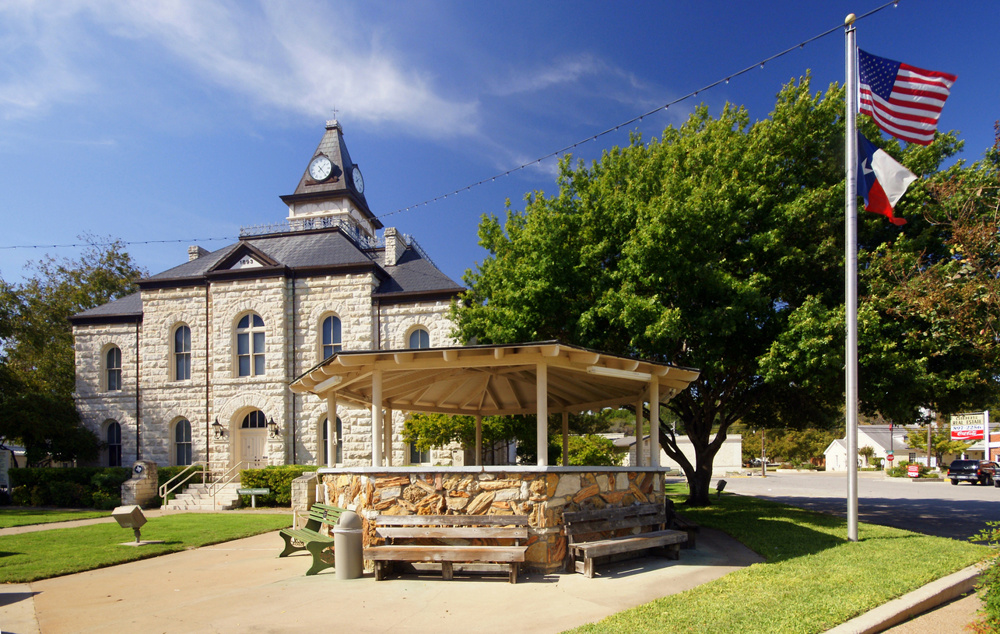
Glen Rose is a good option for families and weekend travelers coming from the Dallas–Fort Worth area. Its main outdoor attraction is Dinosaur Valley State Park, which sits along the Paluxy River.
The park is famous for dinosaur tracks preserved in and near the riverbed, but it also includes hiking trails, camping areas, wildlife habitat and opportunities for swimming or fishing when conditions allow. Five main dinosaur track areas have been mapped within the park.
River levels can greatly affect what visitors are able to see and where they can hike. Some trails and campsites require crossing the Paluxy, while dry periods can expose more tracks. Checking park conditions before leaving Glen Rose is therefore important.
Best for: Family trips, dinosaur tracks, river walks, camping and easy weekend escapes.
Rockport: A Coastal Base for Birding and Paddling
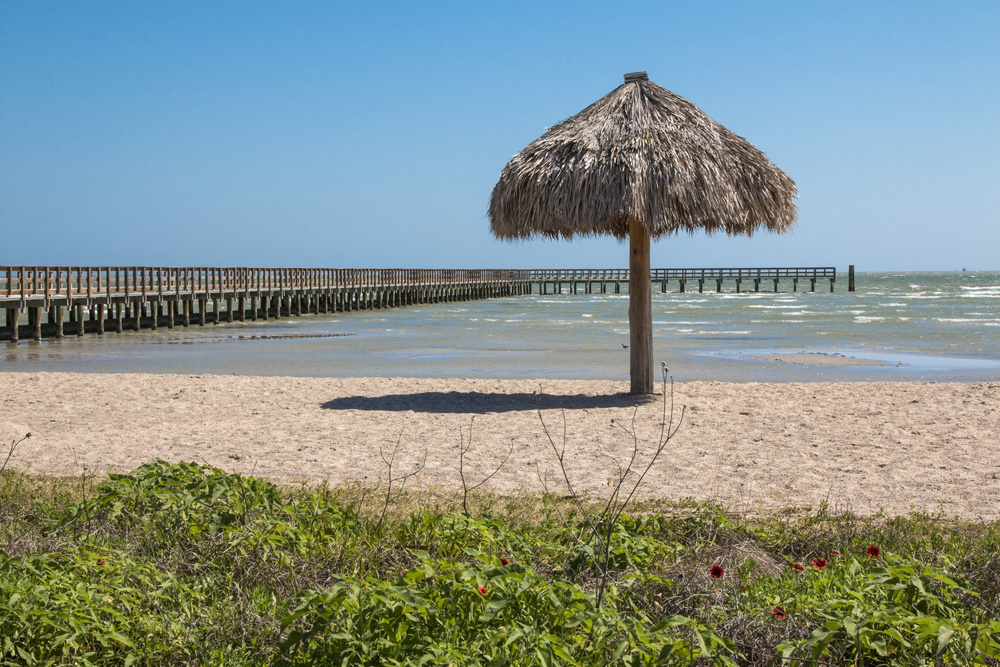
Rockport offers a different kind of outdoor base camp. Instead of mountain trails and limestone rivers, it provides access to bays, marshes, coastal wildlife areas and paddling routes.
Goose Island State Park, north of Rockport, supports camping, fishing, boating, hiking and birdwatching along St. Charles and Aransas bays. More than 300 varieties of birds have been observed in the park area, and nearby wetlands provide seasonal habitat for endangered whooping cranes.
Rockport is also useful for reaching coastal paddling trails, fishing areas, boat launches and wildlife refuges. Because wind, tides and storms can affect coastal recreation, flexible planning is helpful.
Best for: Birding, kayaking, fishing, boating and coastal wildlife photography.
Junction: A Quiet Base Along the Llano River

Junction sits where the North and South Llano rivers meet, giving it strong appeal for paddling, fishing and riverside recreation.
South Llano River State Park is close to town and provides access to the river, hiking trails, camping and wildlife habitat. The area is particularly well known for birding, with wooded river corridors supporting a wide range of species.
Junction is less commercial than some Hill Country destinations, which can make it appealing to travelers looking for a quieter base. It is also positioned near several scenic highways, making it useful for exploring the western edge of the Hill Country.
Best for: Kayaking, fishing, birding, riverside camping and low-key weekends.
Choosing the Right Base Camp
The best town depends on the type of outdoor trip being planned.
Choose Leakey or Junction for river recreation. Fredericksburg works well for travelers focused on Enchanted Rock and central Hill Country drives. Bandera is better for rugged trails and horseback riding, while Glen Rose provides an accessible family destination.
Fort Davis and Alpine are the stronger choices for West Texas exploration. Rockport is better suited to coastal activities, especially birding, fishing and paddling.
Travel time should also be considered carefully. A town may appear close to a park on a statewide map while still requiring an hour or more of driving. This is especially true in the Big Bend region.
Plan Around Conditions, Not Just Distance
Texas outdoor conditions can change quickly. Heat, drought, flooding, wildfire danger, high river levels and coastal storms may affect access or safety.
Before leaving town each morning, check park alerts, trail conditions, river information and reservation requirements. Texas Parks and Wildlife recommends advance reservations for many popular parks, particularly on weekends, holidays and during peak seasons.
A good small-town base camp makes outdoor travel more manageable. It provides a place to rest, restock and adjust plans while keeping several natural destinations within reach. With the right town as a starting point, a single weekend can include hiking, paddling, wildlife watching and scenic driving without changing lodging every night.