

Texas is one of the best states in the country for wildlife watching. More than 540 bird species have been recorded here, along with hundreds of mammals, reptiles, amphibians, fish, and insects living across deserts, mountains, forests, prairies, wetlands, rivers, and more than 80 state parks. Whether you’re hoping to photograph Roseate Spoonbills along the Gulf Coast, watch javelinas in Big Bend, or spot alligators at Brazos Bend State Park, every memorable wildlife encounter starts the same way: by letting the animals behave naturally.
Many first-time visitors assume getting closer leads to better wildlife sightings. In reality, approaching too closely often has the opposite effect. Animals stop feeding, abandon resting areas, leave nests, or disappear into cover long before most people realize they’ve caused a disturbance.
The best wildlife watchers are rarely the loudest or the fastest. They move carefully, understand animal behavior, and know that the goal isn’t simply to see wildlife—it’s to see wildlife acting the way it would if people weren’t there.
Here’s how to enjoy Texas wildlife responsibly while helping protect the habitats that make these experiences possible.
Know What Makes Texas Wildlife Unique
One reason wildlife watching is so rewarding in Texas is the state’s incredible ecological diversity.
East Texas is home to cypress swamps, pine forests, river otters, and American alligators. The Hill Country supports white-tailed deer, foxes, Golden-cheeked Warblers, and countless reptiles. Along the Gulf Coast, coastal marshes attract pelicans, egrets, herons, spoonbills, and migrating shorebirds, while West Texas offers opportunities to see mule deer, bighorn sheep, roadrunners, javelinas, and desert reptiles.
Because these animals occupy such different environments, there’s no single approach that works everywhere. A quiet observation point overlooking a marsh requires different behavior than hiking through the Chihuahuan Desert or paddling beneath bald cypress trees at Caddo Lake.
Understanding the habitat you’re visiting helps you recognize where wildlife is likely to be and how to avoid disturbing it.
Give Wildlife Enough Space to Stay Comfortable
The most important rule of ethical wildlife watching is simple: keep your distance.
Texas Parks and Wildlife recommends observing wildlife from far enough away that animals continue behaving normally. Binoculars, spotting scopes, and telephoto camera lenses allow visitors to enjoy close-up views without forcing animals to react to their presence.
Rather than measuring a specific distance, pay attention to the animal itself.
If a Great Blue Heron stops fishing and watches you, if a deer raises its head repeatedly instead of feeding, or if an alligator slips into the water because you walked closer, you’ve already entered its comfort zone. Texas Parks and Wildlife advises visitors to back away whenever their presence changes an animal’s natural behavior.
This becomes especially important at popular parks like Brazos Bend State Park, where visitors frequently encounter alligators near trails. These reptiles often appear relaxed, but they are still wild animals and should never be approached simply because they seem accustomed to people.
Move Like a Wildlife Watcher, Not a Tourist
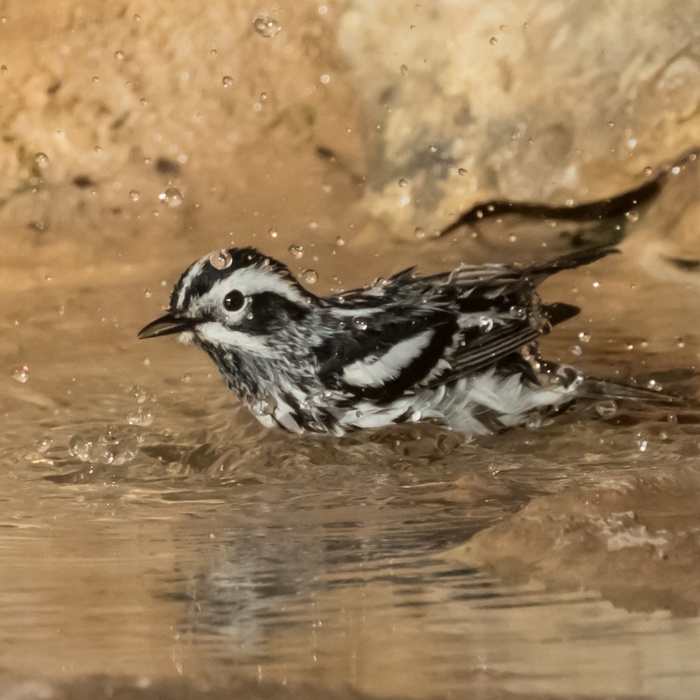
Many animals notice movement before they notice sound.
Walking quickly down a trail, constantly talking, or stopping only for photographs often causes wildlife to disappear before you ever realize it was there. Experienced birders and wildlife photographers frequently walk a short distance, stop for several minutes, scan the area carefully, and then continue slowly.
This approach works particularly well in places like South Llano River State Park, where Rio Grande turkeys often emerge from wooded areas during quieter parts of the morning. It also increases your chances of spotting smaller wildlife such as lizards, butterflies, dragonflies, and turtles that many hikers unknowingly pass by.
Moving slowly doesn’t just reduce disturbance—it actually helps you see much more.
Stay on Trails, Even When the Wildlife Looks Close
View this post on Instagram
It can be tempting to leave the trail when you spot an interesting animal.
Doing so may damage fragile plants, disturb nests, crush insects and amphibians hidden in vegetation, or push wildlife farther into cover. In many Texas parks, the plants surrounding trails are just as important as the trails themselves because they provide nesting sites, shelter, and food for countless species.
At Enchanted Rock State Natural Area, for example, reptiles often shelter in rock crevices and around native vegetation near the granite dome. Wandering off established routes increases the chance of disturbing both wildlife and sensitive plant communities.
At Caddo Lake State Park, stepping into marsh vegetation can disturb nesting birds, frogs, turtles, and countless aquatic animals that visitors may never even notice.
The easiest way to minimize your impact is also the simplest: stay on designated trails and observation platforms.
Every Texas Habitat Requires a Different Approach

Wildlife behaves differently depending on where you are, and successful wildlife watching means adjusting your approach.
In coastal marshes such as Aransas National Wildlife Refuge or Anahuac National Wildlife Refuge, observation towers and boardwalks provide excellent views of wading birds without requiring visitors to enter nesting habitat. Shorebirds feeding along mudflats are especially sensitive to repeated disturbance because they need to conserve energy during migration.
In East Texas swamps, quiet paddling is often more productive than hiking. Parks such as Caddo Lake allow visitors to glide through cypress-lined bayous where wood ducks, turtles, herons, river otters, and occasionally alligators can often be observed from the water.
In the Hill Country, wildlife activity increases during cooler hours. White-tailed deer, foxes, armadillos, and many bird species become easier to observe around sunrise and sunset, while reptiles frequently bask on rocks during sunny mornings.
In Big Bend National Park, patience matters even more. Roadrunners, javelinas, mule deer, and desert birds often blend perfectly into their surroundings, rewarding visitors who stop frequently instead of constantly moving.
Time Your Visit Around Wildlife Activity
The busiest time for people is rarely the busiest time for wildlife.
Early morning is generally the best time to watch animals throughout Texas. Temperatures are cooler, trails are quieter, and many species are actively feeding before the heat of the day. Late afternoon can also produce excellent sightings, particularly during spring and fall.
Migration seasons add another layer of opportunity.
Texas sits along the Central Flyway, making it one of North America’s most important migration corridors. During spring, parks along the Gulf Coast and throughout East Texas fill with colorful warblers, tanagers, buntings, orioles, vireos, and flycatchers stopping to rest before continuing north.
Fall brings hawks, shorebirds, hummingbirds, and waterfowl moving south, while winter attracts sandhill cranes, ducks, geese, and the endangered Whooping Crane, which spends the season at Aransas National Wildlife Refuge.
Planning your trip around these seasonal movements often produces far better wildlife encounters than visiting randomly.
Never Feed Wild Animals
Few mistakes cause more long-term problems than feeding wildlife.
Bread thrown to ducks, snacks offered to raccoons, or food left for deer teaches animals to associate people with easy meals. Over time, this changes natural behavior, increases conflicts with visitors, and can lead to unhealthy diets or dangerous encounters.
This is especially important in campgrounds throughout Texas state parks.
Raccoons, squirrels, foxes, and birds quickly learn which campsites provide easy food. Once wildlife becomes dependent on human handouts, park staff often have fewer options for managing conflicts.
Store food securely, dispose of trash properly, and let wildlife find the food nature intended.
Leave Young Animals Alone
Spring and early summer bring thousands of young animals into Texas parks.
Visitors sometimes discover fawns hidden in tall grass, young rabbits beneath shrubs, or fledgling birds sitting on the ground. Although these animals may appear abandoned, parents are often nearby waiting until people leave the area.
Texas Parks and Wildlife advises visitors not to move or “rescue” young wildlife unless directed by park staff or a licensed wildlife rehabilitator.
One of the most common examples involves white-tailed deer. Mothers frequently leave fawns hidden for several hours while feeding elsewhere. Picking up the fawn almost always causes more harm than quietly leaving the area.
Wildlife Photography Should Never Change the Scene
View this post on Instagram
Texas offers outstanding wildlife photography, but ethical photographers understand that the animal’s welfare comes first. Rather than walking closer, invest in a zoom lens or crop the image afterward. The goal is to capture natural behavior—not to force wildlife into reacting for the camera.
This is especially important at places like Brazos Bend State Park, where visitors often photograph alligators, and Goose Island State Park, where shorebirds feed along the coast. Chasing birds for a better angle or approaching reptiles too closely rarely improves photographs and often causes unnecessary stress.
The best wildlife photographs usually happen when the animal never realizes it’s being watched.
Leave the Habitat Exactly as You Found It
Wildlife depends on much more than open space.
Fallen logs shelter salamanders, insects, spiders, snakes, and fungi. Standing dead trees provide nesting cavities for woodpeckers and owls. Native grasses hide ground-nesting birds, while shoreline vegetation protects fish nurseries and amphibians.
Avoid moving rocks, collecting nests, removing plants, or clearing vegetation for photographs. Even small changes can affect dozens of species that rely on those natural features every day.
Choose Places Designed for Wildlife Watching
Texas has no shortage of excellent wildlife destinations, but some parks are especially rewarding because they include boardwalks, observation towers, wildlife blinds, or paddling trails designed to minimize disturbance.
Brazos Bend State Park is one of the state’s best places to observe alligators, turtles, herons, and wading birds from established trails. Caddo Lake State Park offers peaceful paddling through cypress wetlands rich with birds, reptiles, and aquatic wildlife.
For birdwatchers, Goose Island State Park, Aransas National Wildlife Refuge, and South Llano River State Park consistently rank among Texas’s premier wildlife destinations. Visitors willing to remain patient and quiet often enjoy exceptional sightings without ever needing to leave designated viewing areas.
These parks demonstrate an important lesson: wildlife watching becomes better—not worse—when parks are designed to protect both visitors and animals.
Respect Park Rules Because They Protect Wildlife
Many park rules exist specifically because of wildlife. Leash requirements prevent dogs from chasing nesting birds or deer. Seasonal trail closures protect nesting areas. Restrictions on drones reduce disturbance to birds and other animals, while rules against collecting reptiles, plants, or insects help preserve natural ecosystems.
Following these regulations isn’t simply about avoiding fines. They’re based on decades of wildlife management and scientific research aimed at keeping Texas’s parks healthy while still allowing people to enjoy them.
The Less Wildlife Notices You, the Better the Experience
One of the most satisfying wildlife encounters is the one where nothing dramatic happens.
A Roseate Spoonbill continues feeding through shallow water. A family of river otters keeps swimming along a bayou. A Roadrunner hunts insects across the desert without ever changing direction because you remained quiet and patient.
Those moments happen because the observer became part of the background instead of the disturbance.
Texas offers some of the richest wildlife viewing opportunities in North America, from coastal marshes and pine forests to deserts and mountain ranges. Protecting those experiences doesn’t require complicated equipment or expert knowledge. It simply requires slowing down, keeping your distance, respecting habitats, and remembering that you’re visiting the animals’ home—not the other way around.
When wildlife behaves naturally, everyone benefits. The animals remain healthy, the habitat stays intact, and future visitors have the chance to experience the same unforgettable moments that make exploring Texas outdoors so rewarding.