

Texas is home to more than 80 state parks, historic sites, and natural areas managed by Texas Parks and Wildlife Department. They range from towering canyons and rugged desert mountains to pine forests, spring-fed rivers, coastal marshes, and quiet lakes. With so many options, it’s easy to assume the biggest or most famous parks are always the best choice.
In reality, the “best” Texas state park depends almost entirely on how you like to spend your time outdoors. Someone looking for a challenging summit hike probably won’t enjoy the same park as a family hoping to swim all afternoon, while birdwatchers often seek out destinations that hikers may overlook.
Instead of asking which park is the most popular, it’s more helpful to ask which one matches your travel style. Once you understand what each park does especially well, choosing your next destination becomes much easier.
If You Love Scenic Hiking, Look for Parks with Dramatic Landscapes
View this post on Instagram
Some people visit state parks mainly for the hiking.
If your ideal day involves climbing overlooks, exploring unusual rock formations, or walking trails with spectacular scenery, you’ll probably enjoy parks that reward every mile with impressive views rather than parks focused on lakes or recreation.
Enchanted Rock State Natural Area is one of Texas’ best-known hiking destinations for good reason. The massive pink granite dome rises nearly 425 feet above the surrounding Hill Country, offering panoramic views after a relatively short but steep climb. The park also includes additional loop trails for visitors who want to spend more time exploring the granite landscape.
For canyon scenery, Palo Duro Canyon State Park is difficult to beat. Often called the “Grand Canyon of Texas,” it features more than 30 miles of hiking, biking, and equestrian trails winding through colorful rock formations, mesas, and dramatic desert scenery.
If you enjoy fewer crowds but equally impressive landscapes, Caprock Canyons State Park deserves serious consideration. Along with rugged canyon trails, it’s one of the best places in Texas to see the official Texas State Bison Herd, giving hikers the chance to combine scenery with wildlife viewing.
These parks reward visitors who don’t mind working a little harder for unforgettable views.
If Water Is the Main Attraction, Choose Parks Built Around Rivers and Lakes
View this post on Instagram
Not every outdoor trip has to revolve around hiking.
Many Texans head to state parks primarily to swim, kayak, paddleboard, fish, or simply relax beside the water. During the state’s long summers, these destinations often provide the most comfortable outdoor experiences.
Garner State Park has been a summer tradition for generations. The cool waters of the Frio River attract swimmers, tubers, and kayakers, while shaded picnic areas and scenic trails offer plenty to do away from the river. Evening dances held during the summer have become one of the park’s most beloved traditions.
Inks Lake State Park is another excellent choice because its constant-level lake remains suitable for boating and swimming even when water levels fluctuate elsewhere. The park’s calm coves are particularly popular with kayakers and paddleboarders.
If you prefer flowing rivers, both Guadalupe River State Park and Blanco State Park provide easy access to the water without requiring long hikes. Families often spend the morning exploring before cooling off in the river during the afternoon.
Choosing a water-focused park can be an especially smart decision if you’re visiting Texas during late spring or summer, when temperatures regularly climb into the 90s.
Wildlife Enthusiasts Should Prioritize Habitat Over Famous Landmarks
View this post on Instagram
Some visitors care less about mountain views and more about what they might see along the trail.
Texas supports an extraordinary variety of wildlife thanks to its diverse ecosystems, but certain parks are especially well known for giving visitors excellent opportunities to observe animals in their natural habitats.
Brazos Bend State Park, southwest of Houston, is perhaps the state’s most famous wildlife park. It’s well known for its resident American alligators, but visitors also regularly spot white-tailed deer, turtles, river otters, wading birds, and countless other species around the park’s lakes and wetlands.
Birdwatchers frequently choose South Llano River State Park, where the surrounding Hill Country habitat supports wild turkeys, painted buntings, golden-cheeked warblers during migration, and many other bird species. The park’s bird blinds make wildlife observation easier without disturbing the animals.
For a completely different environment, Caddo Lake State Park offers one of Texas’ most unique ecosystems. Towering bald cypress trees draped in Spanish moss create an almost otherworldly landscape where paddlers often encounter herons, egrets, turtles, beavers, and numerous migratory birds.
If you’re willing to travel farther west, Davis Mountains State Park combines mountain scenery with opportunities to observe mule deer, javelinas, wild turkeys, and impressive numbers of birds attracted to the park’s famous bird blind.
For wildlife lovers, choosing habitat is often more important than choosing scenery.
Photographers Should Think Beyond the Most Famous Parks
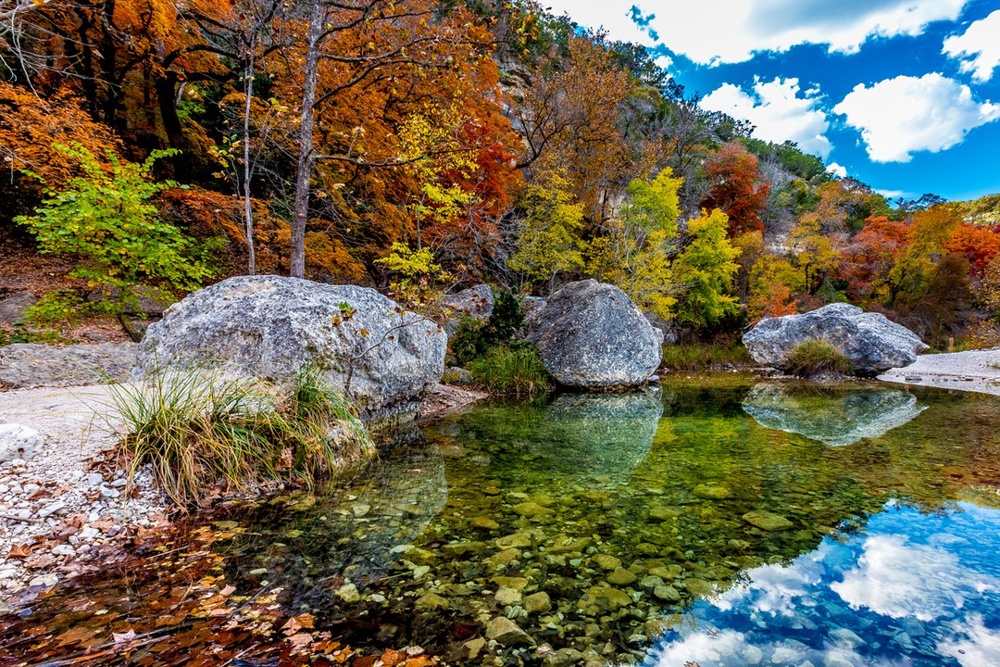
Great outdoor photography isn’t limited to Texas’ most recognizable landmarks.
Some of the state’s most rewarding photography destinations are parks where changing light, seasonal colors, and unusual landscapes create opportunities throughout the day rather than just at a single viewpoint.
Lost Maples State Natural Area is perhaps the best-known example. While its brilliant autumn foliage attracts the largest crowds, the park also offers beautiful limestone canyons, clear streams, and wooded trails throughout the year. Early morning light filtering through the maple trees creates especially memorable photographs.
For dramatic desert images, Big Bend Ranch State Park provides some of Texas’ most remote and rugged scenery. Unlike neighboring Big Bend National Park, the state park sees fewer visitors, allowing photographers to capture sweeping mountain views, desert landscapes, and star-filled night skies with less interruption.
Another surprisingly photogenic destination is Monahans Sandhills State Park. Rolling sand dunes stretching across the landscape create constantly changing patterns shaped by wind and sunlight, making the park particularly rewarding during sunrise and sunset.
Photographers often discover that visiting during the golden hours—shortly after sunrise or before sunset—produces far better results than arriving in the middle of the day.
Think About the Experience You Want, Not Just the Destination
One mistake many travelers make is choosing a park simply because they’ve seen it on social media.
A beautiful photo doesn’t necessarily tell you whether the park matches the kind of day you’re hoping to have. Some destinations require strenuous hiking, while others are better suited for leisurely walks, paddling, wildlife viewing, or simply relaxing beside the water.
Before deciding where to go, ask yourself a few simple questions. Do you want an active adventure or a relaxing day outdoors? Are you hoping to photograph landscapes, watch wildlife, swim, or tackle a challenging trail? Once you answer those questions, many parks naturally begin to stand out as better choices than others.
Choosing a park based on your interests rather than its popularity often leads to a far more enjoyable visit.
Families With Young Children Often Enjoy Parks with Short Trails and Interactive Features
Traveling with young children changes what makes a great state park.
Long, rugged hikes may not be realistic, so many families prefer parks that offer shorter trails, open picnic areas, swimming opportunities, and activities that keep children engaged throughout the day.
Dinosaur Valley State Park near Glen Rose is one of the state’s most popular family destinations. Kids can see authentic dinosaur tracks preserved in the bed of the Paluxy River, splash in the shallow water when conditions allow, and enjoy relatively easy hiking trails that are suitable for a wide range of ages.
Tyler State Park is another excellent choice for families. Its spring-fed lake, shaded forest trails, fishing pier, playground, and paddleboat rentals provide enough variety to keep everyone entertained without requiring strenuous activity.
Families looking for a Hill Country destination often enjoy Bastrop State Park. The park’s famous Lost Pines forest offers easy hiking, picnic facilities, and educational opportunities that introduce children to one of Texas’ most unusual ecosystems.
These parks allow parents to balance outdoor adventure with plenty of opportunities for rest and play.
Campers and Stargazers Should Look Beyond the Big Cities
View this post on Instagram
For many Texans, spending the night is the best way to experience a state park.
Camping allows visitors to enjoy sunrise, sunset, and nighttime skies that day visitors often miss. If stargazing is high on your priority list, choosing parks farther from major metropolitan areas usually produces the best results.
Davis Mountains State Park is one of Texas’ premier destinations for dark skies. Located near the McDonald Observatory, the park offers excellent opportunities to see the Milky Way, meteor showers, and thousands of stars that are invisible from most cities.
Big Bend Ranch State Park, designated as an International Dark Sky Park, provides some of the darkest night skies in the continental United States. Visitors who stay overnight often find the nighttime experience just as memorable as the hiking and desert scenery during the day.
For campers who prefer rivers and forests, Colorado Bend State Park combines primitive camping with caves, waterfalls, scenic trails, and excellent opportunities to disconnect from everyday life.
If your goal is to experience Texas after sunset, these parks deserve a place near the top of your list.
If You Prefer Peace and Quiet, Skip the Most Famous Parks
Popular parks are popular for good reasons.
However, they can also become crowded during weekends, holidays, and spring break. If you’re hoping for a quieter experience, Texas has many lesser-known parks that deserve far more attention.
Mission Tejas State Park, located in East Texas, offers peaceful forest trails, historic sites, and a slower pace than many of the state’s better-known destinations. Its wooded setting feels far removed from the busy highways that surround much of the region.
Martin Dies Jr. State Park, near Jasper, combines pine forests with the waters of B.A. Steinhagen Reservoir. It’s especially appealing for kayaking, fishing, birdwatching, and camping without the crowds often found at larger parks.
Another overlooked destination is Lake Corpus Christi State Park, where visitors can enjoy boating, fishing, birdwatching, and lakeside relaxation in a setting that’s generally less congested than many coastal parks.
Sometimes the best outdoor experience isn’t found at the busiest destination—it’s found at the park where you have room to slow down and appreciate your surroundings.
Think About the Drive Before You Think About the Hike
One factor that’s easy to overlook is travel time.
A spectacular park located seven hours away may not be the best choice if you only have a single day available. Spending most of your trip in the car leaves less time to enjoy the destination itself.
- For visitors based in Austin, parks like Pedernales Falls State Park, Inks Lake State Park, and Colorado Bend State Park make excellent day trips.
- Travelers from Dallas–Fort Worth often choose Dinosaur Valley State Park, Cleburne State Park, or Tyler State Park for convenient weekend escapes.
- From Houston, destinations such as Brazos Bend State Park, Lake Livingston State Park, and Stephen F. Austin State Park offer relatively easy access.
- Meanwhile, visitors staying in San Antonio frequently head to Garner State Park, Lost Maples State Natural Area, or Guadalupe River State Park.
Choosing a park that’s appropriate for your available time often leads to a much more enjoyable experience than trying to fit an ambitious road trip into a single day.
Consider the Season Before Making Your Final Decision
View this post on Instagram
The same park can feel completely different depending on the time of year.
Lost Maples State Natural Area is famous for its fall foliage, attracting visitors from across Texas during late October and November. In spring, however, many Hill Country parks become popular because of blooming bluebonnets and other wildflowers.
Summer naturally favors parks with swimming opportunities, such as Garner State Park, Inks Lake State Park, and Guadalupe River State Park, while cooler winter temperatures make exposed destinations like Palo Duro Canyon, Caprock Canyons, and even parts of Big Bend Ranch State Park much more comfortable for hiking.
Matching your destination to the season often produces a better experience than simply visiting the nearest park.
Check Reservations and Park Amenities Before You Leave
Many first-time visitors don’t realize that some Texas state parks require advance planning.
Popular parks—including Enchanted Rock State Natural Area, Garner State Park, and Lost Maples State Natural Area—frequently require day-use reservations, especially on weekends, holidays, and during peak travel seasons. Waiting until the morning of your trip can sometimes mean discovering that the park has already reached capacity.
It’s also worth checking what amenities are available before you arrive.
Some parks offer kayak rentals, interpretive programs, visitor centers, camp stores, and modern restrooms, while others provide a more primitive experience. Knowing what to expect helps you pack appropriately and avoid unnecessary surprises.
Tips for Choosing the Right Texas State Park
Before you commit to a destination, keep these practical tips in mind:
- Decide what kind of day you want. Are you hoping to hike, swim, watch wildlife, photograph landscapes, camp, or simply relax? Let your interests guide your choice.
- Match the park to your fitness level. Some parks feature rugged climbs and long trails, while others offer easy walks, accessible boardwalks, and scenic drives.
- Think about the season. Water-focused parks are often best during summer, while desert and canyon parks are generally more comfortable during cooler months.
- Check travel time. A closer park may give you several extra hours to explore compared to a destination that’s much farther away.
- Reserve ahead when necessary. Many of Texas’ most popular parks require advance reservations during busy periods.
- Review the park’s website before leaving. Trail closures, weather conditions, fire restrictions, and special events can all affect your visit.
The Best Texas State Park Is the One That Fits Your Adventure
Texas offers one of the most diverse state park systems in the country, which means there isn’t a single destination that’s perfect for everyone.
Some travelers will always be drawn to the granite summit of Enchanted Rock, while others would rather paddle beneath the cypress trees of Caddo Lake, watch alligators at Brazos Bend, cool off in the Frio River, or spend a quiet evening beneath the stars in the Davis Mountains. Each park offers a different experience, and that’s exactly what makes the Texas park system so rewarding to explore.
Instead of asking which park is the most famous, ask which one best matches the adventure you’re looking for. Choosing a destination based on your travel style—not just its popularity—will almost always lead to a more memorable Texas outdoor experience.