

Anyone who has spent a summer in Texas knows that outdoor plans don’t stop just because the forecast reaches 95 degrees—or even 100. State parks remain busy, rivers stay full of swimmers, campgrounds continue welcoming visitors, and hiking trails still attract outdoor enthusiasts. The difference is that experienced Texans simply approach the day differently.
Trying to treat a Texas summer like a mild spring afternoon usually leads to disappointment. Long hikes during the hottest part of the day, inadequate water, and too much sun exposure can quickly turn an enjoyable outing into an uncomfortable—or even dangerous—experience. Fortunately, a few simple adjustments can make all the difference.
Planning a successful park day in extreme heat isn’t about avoiding the outdoors. It’s about understanding when to be active, where to spend your time, and how to work with Texas’ climate instead of against it.
Start Earlier Than You Think
One of the biggest mistakes first-time visitors make is arriving at a park around noon.
By late morning, much of Texas has already begun heating rapidly. Rocks, pavement, and exposed trails absorb the sun’s energy, making temperatures on the ground significantly hotter than the air temperature reported in the forecast.
Many experienced Texans begin their park day between 6:30 and 8:00 a.m.. That early start allows several comfortable hours for hiking, wildlife watching, or photography before the strongest heat arrives.
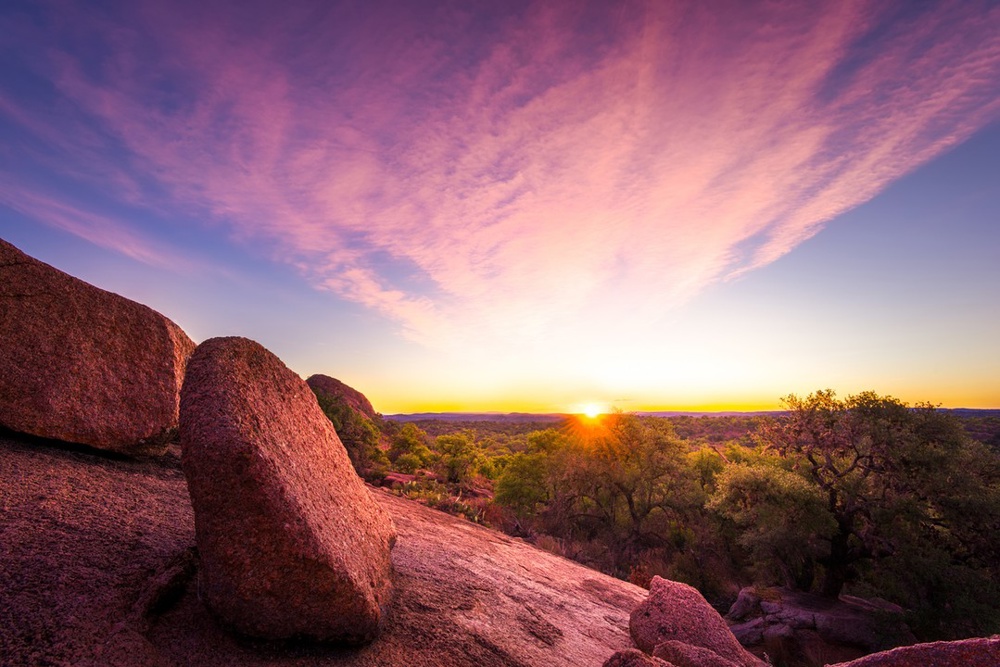
This strategy works particularly well at parks with exposed terrain. At Enchanted Rock State Natural Area, many hikers reach the summit shortly after sunrise, enjoying cooler temperatures and softer light while avoiding the afternoon heat radiating from the granite dome.
The same approach benefits visitors to Palo Duro Canyon State Park, Caprock Canyons State Park, and Pedernales Falls State Park, where exposed rock formations become considerably hotter as the day progresses.
By finishing your longest activities before 10:00 a.m., you’ll often enjoy a far more comfortable experience.
Choose Parks Where Water Is Part of the Day
View this post on Instagram
When temperatures climb above 95 degrees, parks with swimming or river access become especially attractive.
Rather than viewing water as a bonus at the end of a hike, many Texans plan their entire visit around it. A short morning hike followed by several relaxing hours near the water is often much more enjoyable than attempting an ambitious all-day trek.
Several Texas parks are particularly well suited to this style of visit.
Garner State Park remains one of the state’s classic summer destinations thanks to the cool Frio River. Visitors often spend the morning exploring trails before tubing, swimming, or relaxing beneath towering cypress trees.
At Guadalupe River State Park, families alternate between riverside picnics and swimming, while Blanco State Park offers easy access to the Blanco River through a compact park that’s ideal for shorter visits.
Inks Lake State Park is another excellent option because the constant-level lake allows reliable swimming even during drier periods. Nearby coves also provide opportunities for kayaking and paddleboarding without requiring strenuous physical activity during the hottest part of the afternoon.
Choosing parks where water naturally becomes part of the experience helps visitors stay cooler throughout the day.
Prioritize Shade Over Distance
View this post on Instagram
Summer isn’t always the best time to chase long mileage.
When temperatures soar, a shaded one-mile trail often provides a far more enjoyable experience than five miles across exposed terrain. Dense tree canopy can noticeably reduce direct sun exposure while making frequent stops much more comfortable.
Several Texas parks excel in this area.
Tyler State Park features beautiful East Texas forests where pine and hardwood trees provide shade across much of the trail system. Caddo Lake State Park combines wooded trails with wetlands and towering bald cypress trees draped in Spanish moss, creating an atmosphere that feels dramatically different from the rest of Texas.
In Central Texas, Bastrop State Park offers shaded walks through its famous Lost Pines ecosystem, while Lost Maples State Natural Area provides welcome tree cover across many sections of its popular hiking trails.
These parks demonstrate that choosing the right environment often matters more than choosing the most famous hike.
Save Scenic Overlooks for Sunrise or Sunset
Texas has no shortage of spectacular viewpoints. However, many of the state’s most iconic overlooks are located on exposed ridges, rock formations, or canyon rims where afternoon temperatures can become extreme.
If you’re visiting destinations like Enchanted Rock, Big Bend National Park, Palo Duro Canyon, or Caprock Canyons, consider scheduling scenic hikes for the very beginning or end of the day.
Sunrise offers several advantages beyond cooler temperatures. Wildlife tends to be more active, the lighting is better for photography, and popular viewpoints are usually far less crowded than they are later in the day.
Sunset can be equally rewarding, provided you allow enough daylight to complete your hike safely.
Build Midday Breaks into Your Schedule
One of the smartest ways to enjoy Texas parks during summer is to accept that the middle of the day doesn’t always have to be spent hiking.
Between roughly 1:00 and 4:00 p.m., temperatures often reach their daily peak. Rather than continuing strenuous activities, many experienced park visitors intentionally slow their pace.
Visitor centers provide an excellent opportunity to cool down while learning more about the surrounding landscape. Parks such as Dinosaur Valley State Park, Brazos Bend State Park, Palo Duro Canyon State Park, and Big Bend National Park all feature educational exhibits that help visitors better understand local geology, wildlife, and history.
Picnic lunches beneath shaded pavilions, short scenic drives, or simply relaxing near the water often become the most enjoyable parts of a hot summer afternoon.
By treating midday as a break instead of wasted time, you’ll likely have more energy for additional exploring later in the day.
Dress for the Heat, Not the Photos
View this post on Instagram
What you wear has a major impact on how comfortable you’ll feel.
Lightweight, breathable clothing helps regulate body temperature far better than heavy cotton fabrics. Light-colored shirts also reflect more sunlight than darker colors, helping reduce heat absorption.
A few essentials can make a significant difference:
- Wear moisture-wicking, breathable clothing instead of heavy fabrics.
- Choose a wide-brim hat to protect your face, neck, and ears from direct sunlight.
- Apply sunscreen regularly, even on cloudy days.
- Bring sunglasses with UV protection to reduce eye strain.
- Pack a cooling towel or neck wrap for additional relief during especially hot afternoons.
Small adjustments like these often improve comfort more than people expect.
Hydration Means More Than One Water Bottle
Perhaps the most important part of summer planning is hydration.
Many visitors underestimate how quickly they lose fluids while hiking in Texas heat. Waiting until you feel thirsty usually means you’re already becoming dehydrated.
Bring more water than you think you’ll need, especially if you’re visiting parks with limited refill stations. An insulated bottle helps keep water cold throughout the day, while electrolyte drinks or salty snacks can help replace minerals lost through sweating.
It’s also important to recognize the early warning signs of heat-related illness. Dizziness, headache, unusual fatigue, muscle cramps, nausea, or confusion should never be ignored.
If anyone in your group begins showing these symptoms, move to shade immediately, drink fluids, cool the body, and consider ending the day’s activities.
Wildlife Is Often Easier to See During Cooler Hours
View this post on Instagram
Planning around the heat doesn’t just benefit people—it also improves wildlife viewing.
Many Texas animals avoid the hottest hours of the day just as humans do. White-tailed deer often feed shortly after sunrise, birds become much more active during the cooler morning hours, and many mammals retreat into shade during the afternoon.
Parks such as South Llano River State Park, Aransas National Wildlife Refuge, Brazos Bend State Park, and Santa Ana National Wildlife Refuge reward early risers with far better wildlife viewing opportunities than midday visits.
Birdwatchers, in particular, often discover that arriving before sunrise dramatically increases both the number and variety of species they observe.
Planning your schedule around animal behavior makes the entire outing more rewarding.
Know When It’s Time to Change the Plan
Even the best planning can’t change the weather.
Some days become hotter than expected, humidity rises dramatically, or trail conditions prove more challenging than anticipated. Successful Texas outdoor enthusiasts understand that adjusting plans is part of enjoying nature safely.
Shortening a hike, choosing a shaded trail instead of an exposed overlook, or spending more time near the water isn’t giving up—it’s making smart decisions based on current conditions. Texas parks will still be there tomorrow.
Protecting your health ensures you’ll be able to return and enjoy them again.
Great Texas Park Days Are About Smart Planning
A forecast above 95 degrees doesn’t have to cancel your outdoor plans.
Instead, it encourages a different approach—starting early, choosing parks with water or shade, staying hydrated, dressing appropriately, and slowing down during the hottest hours of the day. These simple adjustments allow visitors to experience Texas’ incredible parks while reducing unnecessary risks.
Whether you’re swimming in the Frio River at Garner State Park, walking beneath towering pines at Tyler State Park, watching alligators at Brazos Bend, climbing Enchanted Rock at sunrise, or exploring the wetlands of Caddo Lake, thoughtful planning makes all the difference. The key isn’t avoiding Texas summer—it’s learning to enjoy it the way experienced Texans do: by respecting the heat, embracing a slower pace, and letting the season shape the adventure rather than stop it.