

Texas is home to a wide range of wildlife. From piney woods and coastal marshes to dry ranchlands and suburban neighborhoods, animals leave signs of their presence everywhere. One of the easiest signs to spot is a track.
Animal tracks can tell you what kind of creature passed through, where it was going, and sometimes even what it was doing. You might find tracks in mud after a rainstorm, along a creek bank, in soft garden soil, on a sandy trail, or near a stock tank. Learning to recognize common tracks can make a simple walk outdoors much more interesting.
This guide covers some of the most common animal tracks you might see in Texas and how to identify them.
Why Animal Tracks Matter
Tracks help people understand the wildlife around them without needing to see the animal directly. Many Texas animals move at night or avoid people. Their footprints often provide the best clue that they were nearby.
A track can reveal several useful details. The size of the print may suggest the size of the animal. The shape of the toes can help separate a cat from a dog or a raccoon from an opossum. The pattern of the tracks can also show whether the animal was walking, running, hopping, or searching for food.
For beginners, the best place to start is with common animals. Once you know the basics, the ground starts to look like a storybook.
White-Tailed Deer Tracks
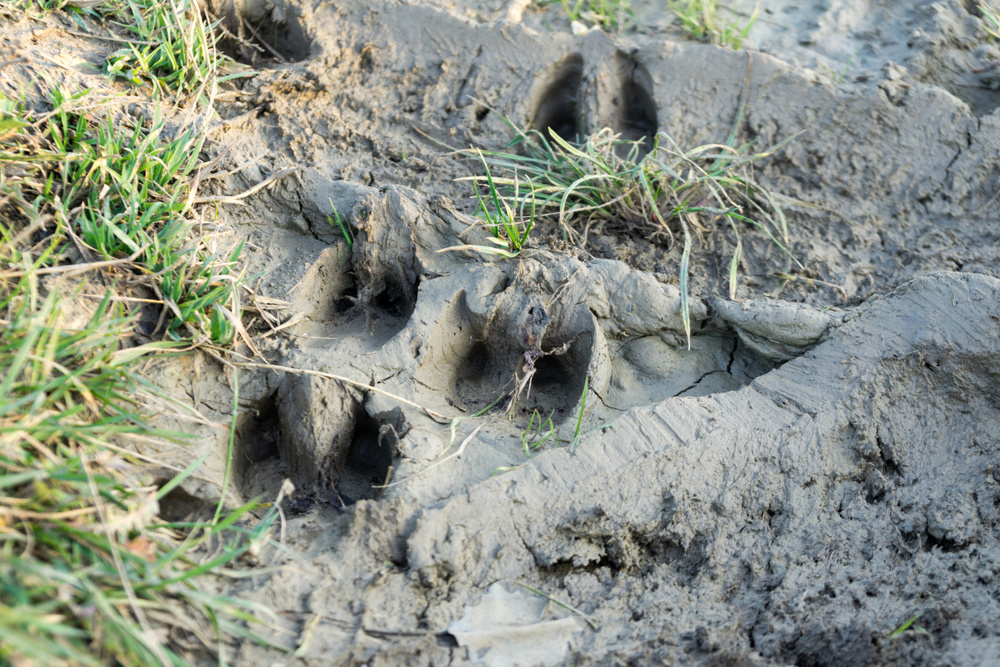
White-tailed deer are found across Texas, from wooded creek bottoms to open brush country. Their tracks are among the most common wildlife signs in the state.
A deer track usually looks like a pair of narrow, pointed teardrops placed side by side. These are the two halves of the hoof. The front of the track points in the direction the deer was traveling.
Adult deer tracks are usually about 2 to 3 inches long. In soft mud, you may also see two smaller marks behind the main hoof print. These are dewclaws, and they often show up when the deer is running, jumping, or walking through deep mud.
Deer tracks often appear in a neat line because deer place their feet carefully as they move. You may find them near water, along fence lines, beside game trails, or around oak trees where acorns have fallen.
Raccoon Tracks
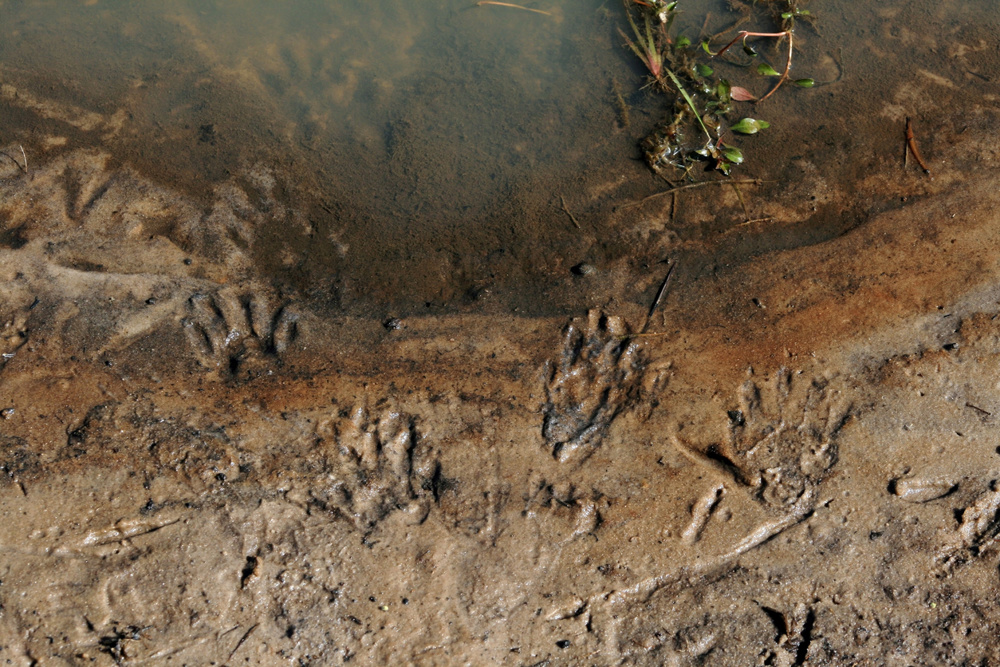
Raccoon tracks are easy to recognize once you know what to look for. Their prints often look like tiny human hands.
A raccoon’s front feet have five long toes. The toes spread out, and the track may show small claw marks. The back feet are longer and may look more like little footprints. Raccoon tracks are often found near water because raccoons search creek banks, ponds, and marshy areas for food.
In Texas, raccoons are common in rural areas, parks, neighborhoods, and wooded spaces. They are curious animals and will often visit trash cans, pet food bowls, gardens, and campgrounds.
A set of raccoon tracks may look slightly jumbled because raccoons do not always walk in a straight, tidy pattern. Their tracks can appear beside muddy ditches, under bridges, near lakes, or around backyard fences.
Coyote Tracks
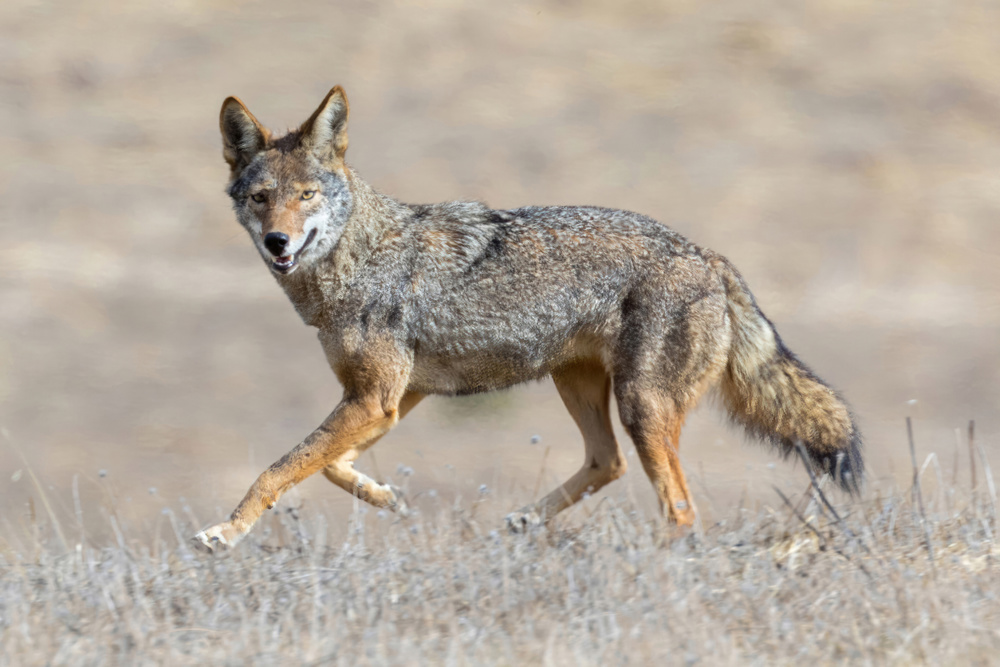
Coyotes live throughout Texas and have adapted well to both wild and developed areas. Their tracks can look similar to dog tracks, but there are a few differences.
A coyote track usually shows four toes and visible claw marks. The print is oval and somewhat narrow. Domestic dog tracks are often rounder and messier, while coyote tracks tend to look more compact and direct.
Coyote tracks usually measure about 2 to 3 inches long. Their trail often forms a straight, purposeful line. Coyotes travel efficiently, so their prints may appear one in front of the other along dirt roads, trails, dry creek beds, or ranch paths.
Because coyotes are active at dawn, dusk, and night, you may see their tracks before you ever hear or spot one.
Bobcat Tracks
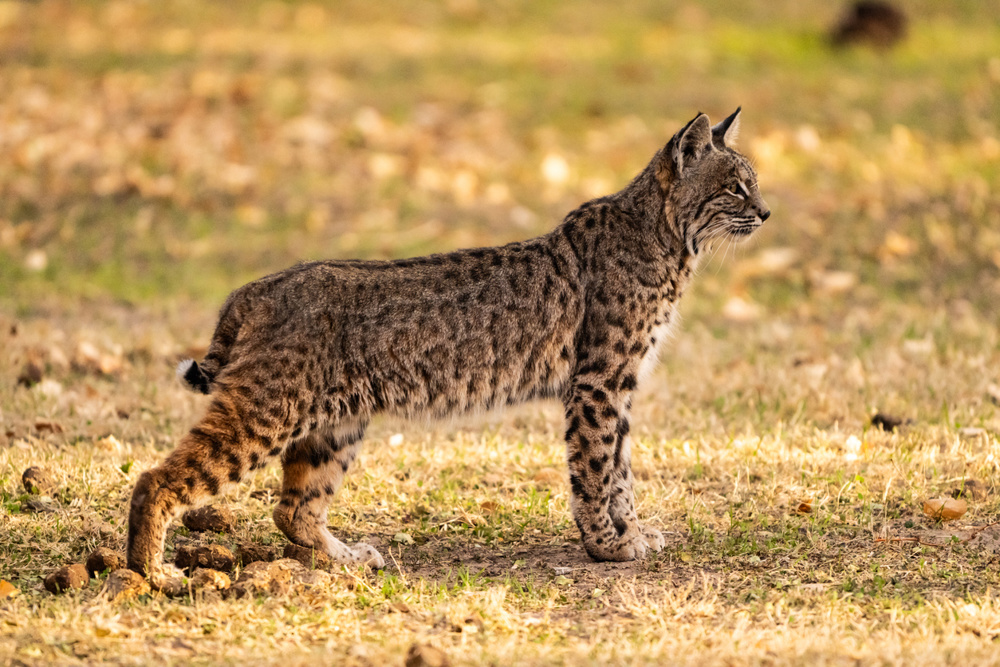
Bobcats are common in many parts of Texas, but they are secretive. Their tracks are often the best sign that one is nearby.
A bobcat track has four toes and a rounded heel pad. Unlike coyote or dog tracks, bobcat tracks usually do not show claw marks. Cats keep their claws retracted while walking, so the print looks cleaner and softer.
Bobcat tracks are usually about 1.5 to 2 inches wide. The overall shape is round rather than oval. The heel pad often has a distinctive shape, with two lobes at the front and three lobes at the back.
You might find bobcat tracks along quiet trails, near brushy areas, around creek beds, or in sandy soil. Since bobcats move carefully and silently, their tracks may appear more spaced out and controlled than those of a dog.
Opossum Tracks
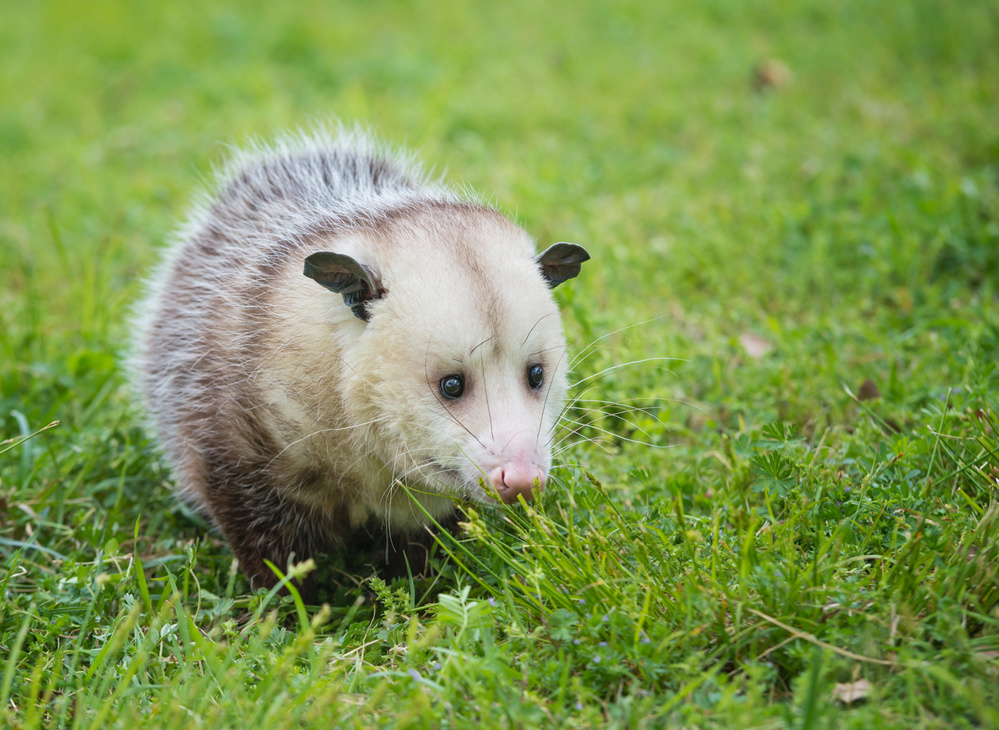
The Virginia opossum is common across Texas, especially near wooded areas, neighborhoods, and places with easy food sources.
Opossum tracks are unusual because their feet look different from many other mammals. The front foot has five toes with small claw marks. The back foot also has five toes, but the inner toe is set apart like a thumb. This gives the track a strange, spread-out look.
Opossum tracks often appear in muddy areas, gardens, and near compost piles or trash cans. Their walking pattern can look uneven or wandering. That fits the animal well, since opossums often move slowly while searching for insects, fruit, scraps, and small animals.
If you see a track that looks a little awkward and has a thumb-like toe on the back foot, there is a good chance an opossum passed through.
Armadillo Tracks
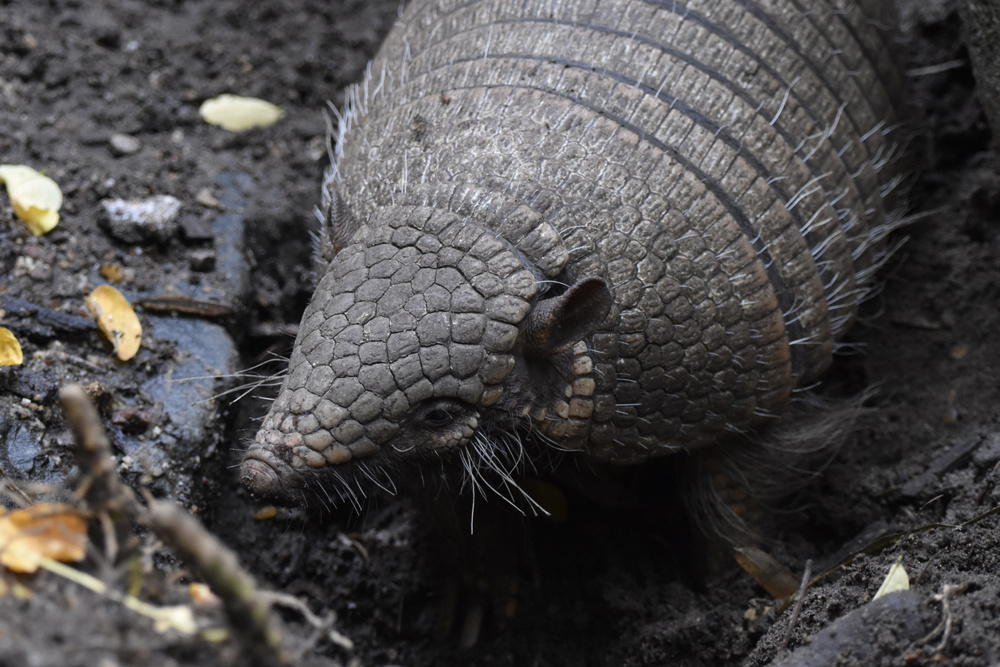
The nine-banded armadillo is one of the most recognizable animals in Texas. Its tracks can be spotted in loose soil, sand, or mud, especially near areas where it has been digging.
Armadillo tracks usually show long claw marks. The front feet often leave four visible toes, while the back feet may show five. The claws can make the track look stretched or scratchy.
One of the best clues is the trail around the tracks. Armadillos dig small holes while searching for insects and grubs. If you see cone-shaped holes in a yard, pasture, or soft trail edge, armadillo tracks may be nearby.
Armadillos often move with a slow, steady gait. Their tracks may appear close together, and sometimes their tail leaves a faint drag mark between the prints.
Rabbit Tracks
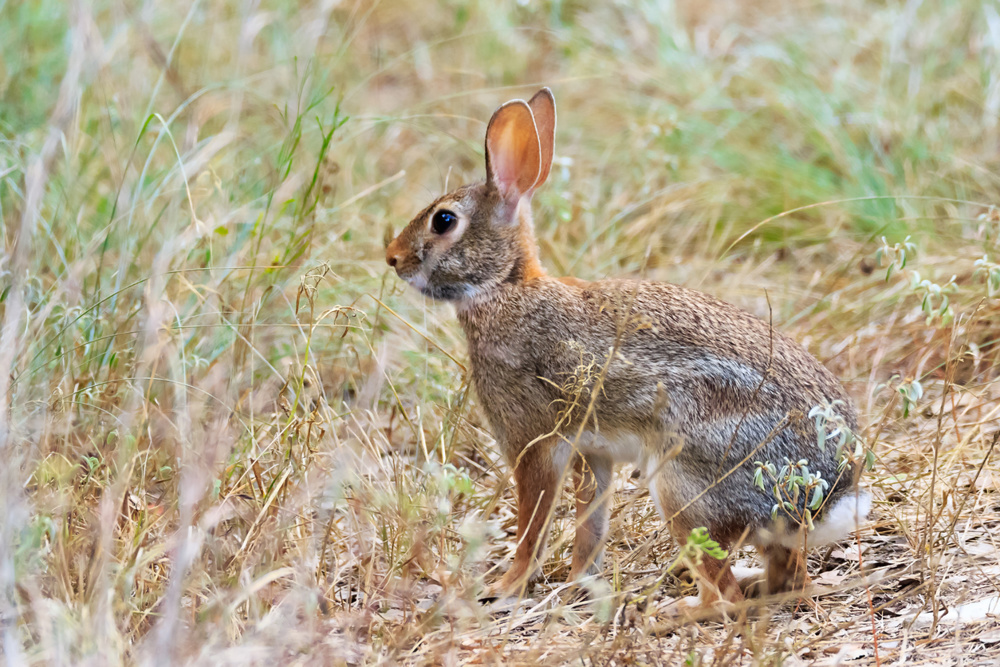
Texas has several rabbit and hare species, including eastern cottontails, desert cottontails, and black-tailed jackrabbits. Their tracks are easy to recognize because of their hopping pattern.
Rabbit tracks usually appear in groups. The larger back feet land ahead of the smaller front feet. This happens because rabbits push off with their hind legs and land with their front feet first, then swing the back feet forward.
The result can look like a small cluster of prints, with two larger prints side by side and two smaller prints behind them. In soft soil or sand, you may see the long shape of the hind feet clearly.
Rabbit tracks are common in fields, brushy areas, gardens, lawns, and along trail edges. If plants nearby show cleanly clipped stems, that may be another clue that a rabbit has been feeding there.
Squirrel Tracks
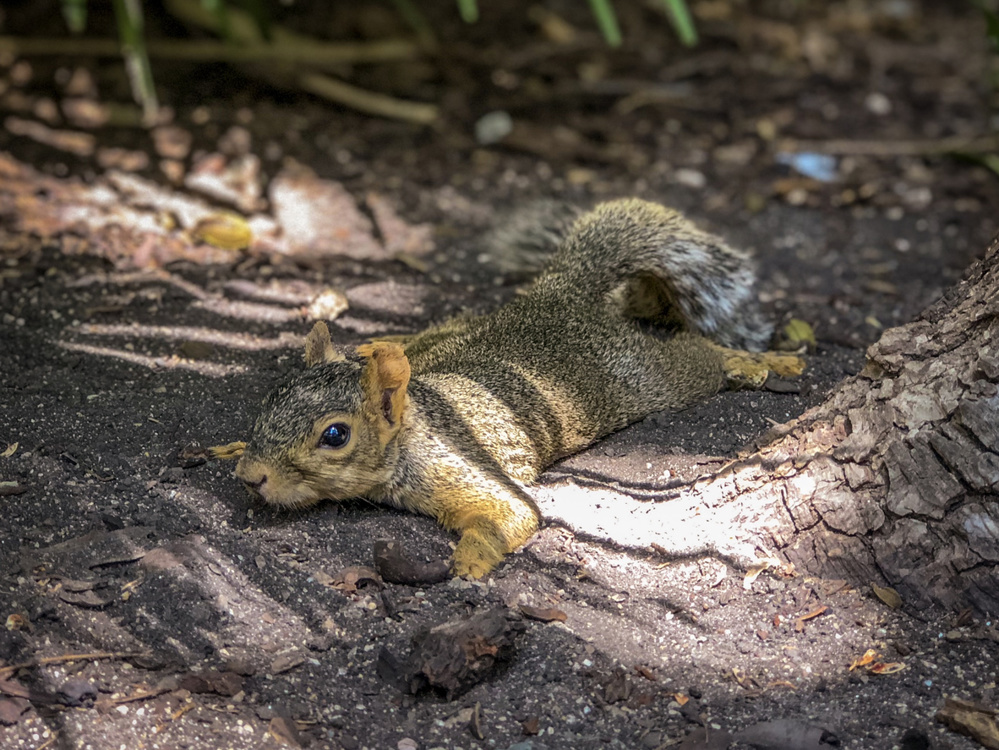
Squirrels are common in many Texas towns, parks, and wooded areas. Their tracks are small but often easy to find in mud, dust, or soft soil near trees.
Squirrel tracks usually show four toes on the front feet and five toes on the back feet. Like rabbits, squirrels move by hopping. Their back feet often land ahead of their front feet.
The tracks may appear in little sets, often leading toward a tree. You may also see signs of feeding nearby, such as chewed acorns, pecan shells, or bits of bark.
Fox squirrels and gray squirrels are both found in Texas, though their range and habitat can vary. In general, squirrel tracks are most likely to appear near wooded neighborhoods, parks, river bottoms, and areas with nut-producing trees.
Skunk Tracks
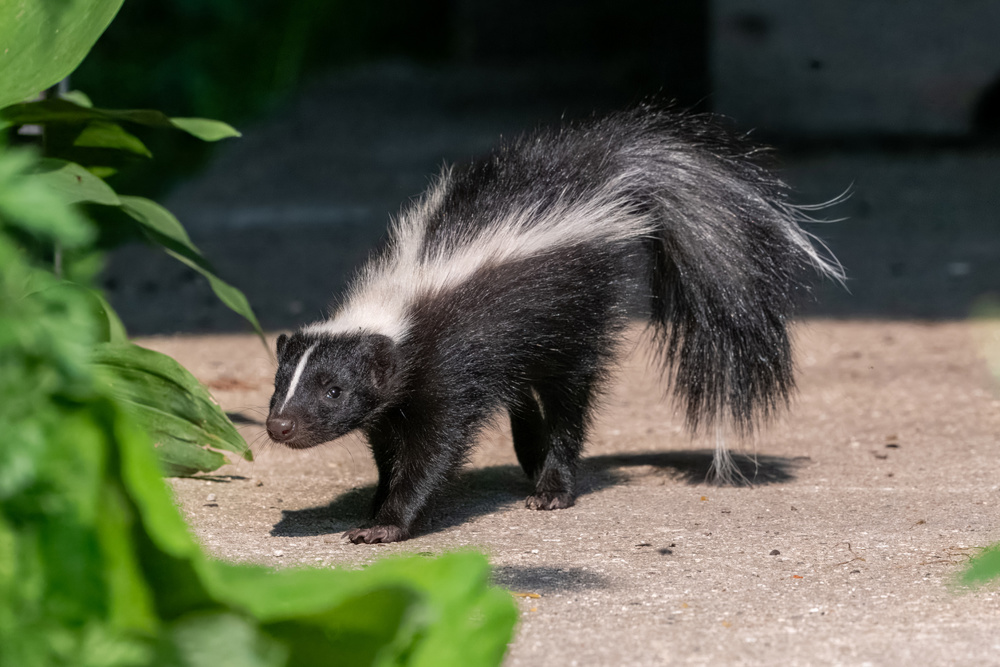
Skunks are found across Texas and often leave tracks in soft ground around yards, pastures, barns, and wooded areas.
A skunk track shows five toes on each foot. The front feet often have long claw marks because skunks dig for insects and grubs. The back feet have shorter claws and may leave a more compact print.
Skunk tracks can look a little like small raccoon tracks, but they are usually less hand-like. The long front claw marks are a helpful clue.
You may also notice small dug-up spots in lawns or loose soil. Skunks root around for food at night, so tracks and digging signs may appear by morning.
Feral Hog Tracks
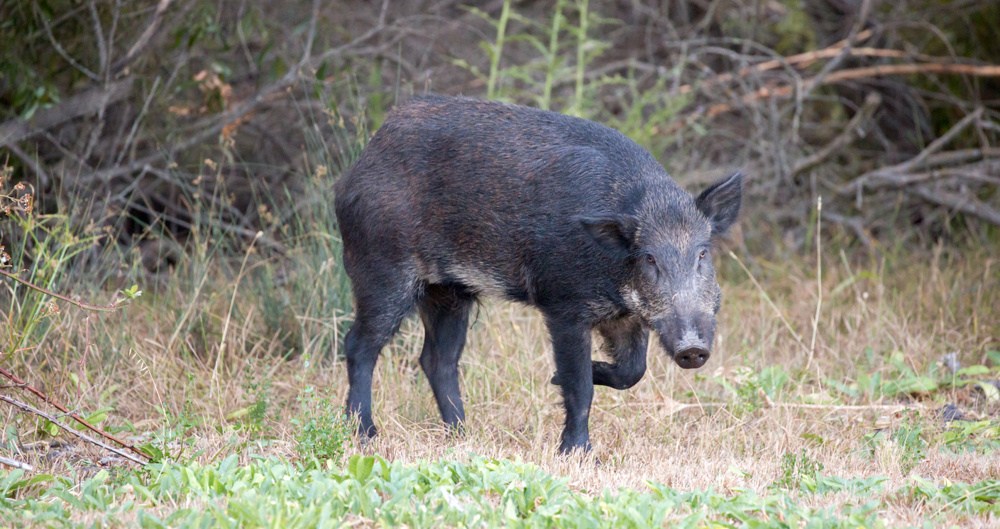
Feral hogs are widespread in Texas and can leave very noticeable tracks. Their hoof prints may look somewhat like deer tracks at first, but hog tracks tend to be rounder and wider.
A hog track usually shows two main hoof marks. The tips are less sharply pointed than deer hooves. In soft mud, the dewclaws may show up behind the main print, often wider apart than those of a deer.
Feral hogs also leave other obvious signs. They root up soil while searching for food, leaving disturbed patches that can look like someone plowed the ground. You may find tracks near creeks, ponds, fields, ranch roads, or wooded cover.
Because hogs can travel in groups, you may see many tracks of different sizes in one area.
Fox Tracks
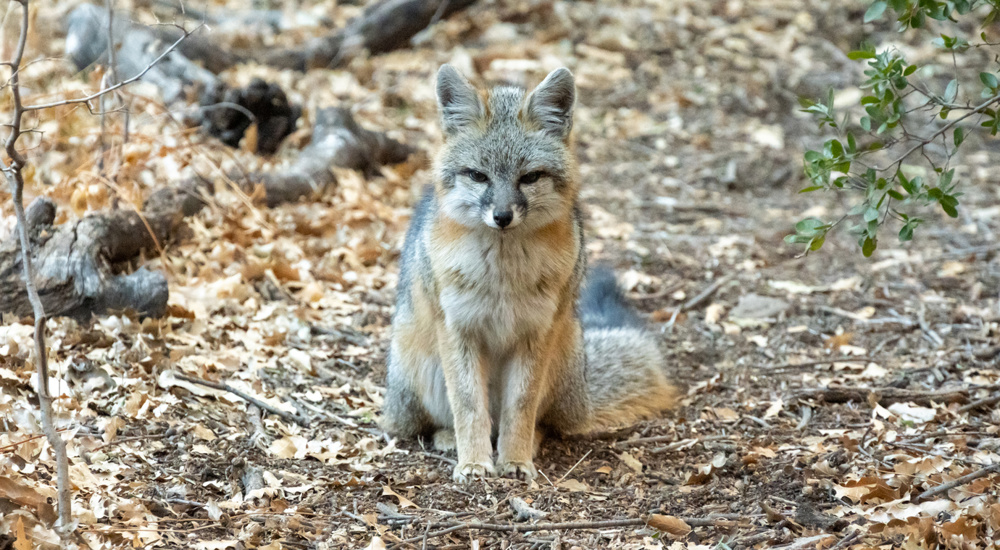
Texas is home to both gray foxes and red foxes. Fox tracks can look similar to small coyote tracks or small dog tracks, but they are usually daintier.
A fox track has four toes and claw marks. The print is narrow and oval, with a tidy shape. Foxes often walk in a straight line, leaving a neat trail of prints.
Gray foxes are common in brushy and wooded areas, while red foxes are often seen in more open or mixed habitats. In some places, foxes also live near neighborhoods.
Fox tracks may appear along fence lines, dirt paths, creek beds, and field edges. Their small size and clean pattern can help separate them from domestic dog tracks.
Wild Turkey Tracks
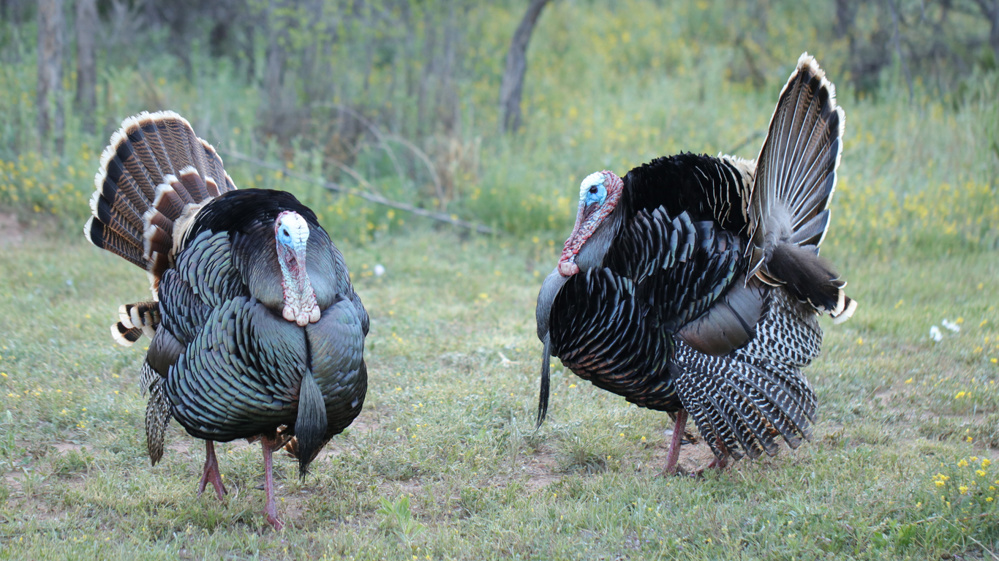
Wild turkeys are found in many parts of Texas, especially in wooded areas, grasslands, river bottoms, and ranch country.
Turkey tracks are large bird tracks with three forward-facing toes. Sometimes a smaller rear toe leaves a mark behind the main print. The toes are long and spread out, giving the track a clear bird-like shape.
Adult turkey tracks can be about 3.5 to 5 inches long. You may see them on sandy roads, muddy creek crossings, or open patches of soil.
Turkey tracks often appear with other signs, such as scratched leaf litter where the birds searched for seeds, insects, or acorns.
Great Blue Heron and Other Wading Bird Tracks
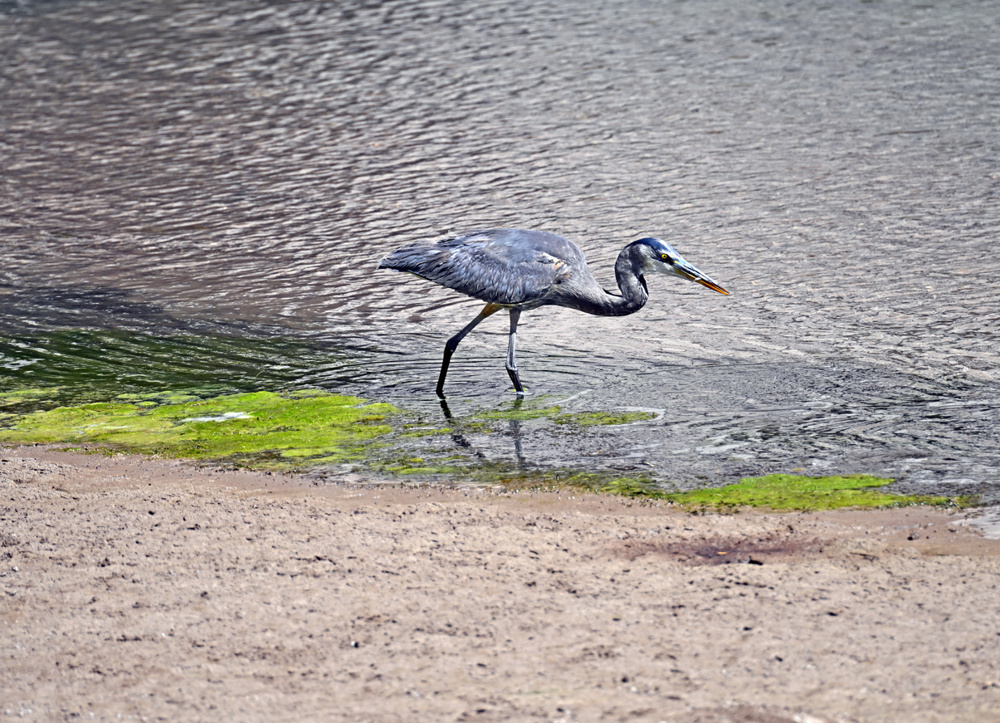
Near Texas lakes, rivers, wetlands, and coastal areas, you may see tracks from wading birds. Great blue herons, egrets, and similar birds leave long-toed tracks in mud or wet sand.
These tracks usually show three long toes pointing forward and one toe pointing backward. The toes are thin and spread wide, which helps the bird walk on soft ground.
Heron tracks can be surprisingly large. They often appear along shorelines, shallow ponds, marshes, and creek banks. If the tracks run close to the water’s edge and show long, delicate toes, a wading bird may be the source.
Alligator Tracks in East and Coastal Texas
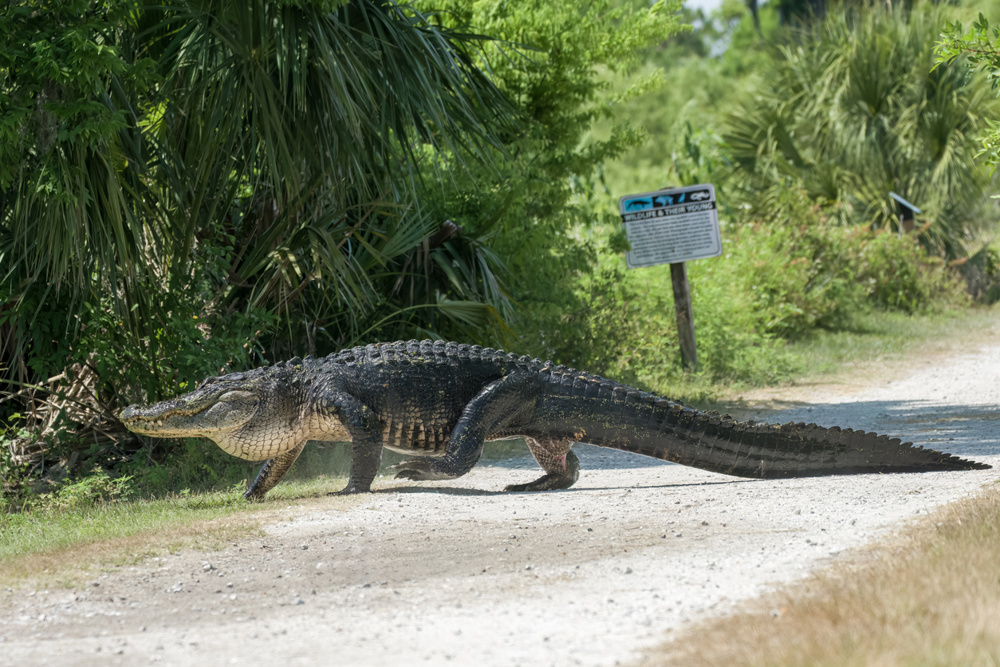
In parts of East Texas and along the Gulf Coast, American alligators may leave tracks near wetlands, bayous, marshes, and slow-moving water.
Alligator tracks can show five toes on the front feet and four toes on the back feet. The prints may be wide and heavy, with claw marks visible. One of the clearest clues is a tail drag mark between or beside the tracks.
Alligator signs should always be treated with caution. If you find large reptile tracks near water, especially with a tail drag, keep your distance from the area. Never approach an alligator or assume the animal has moved far away.
Dog and Cat Tracks Around Homes
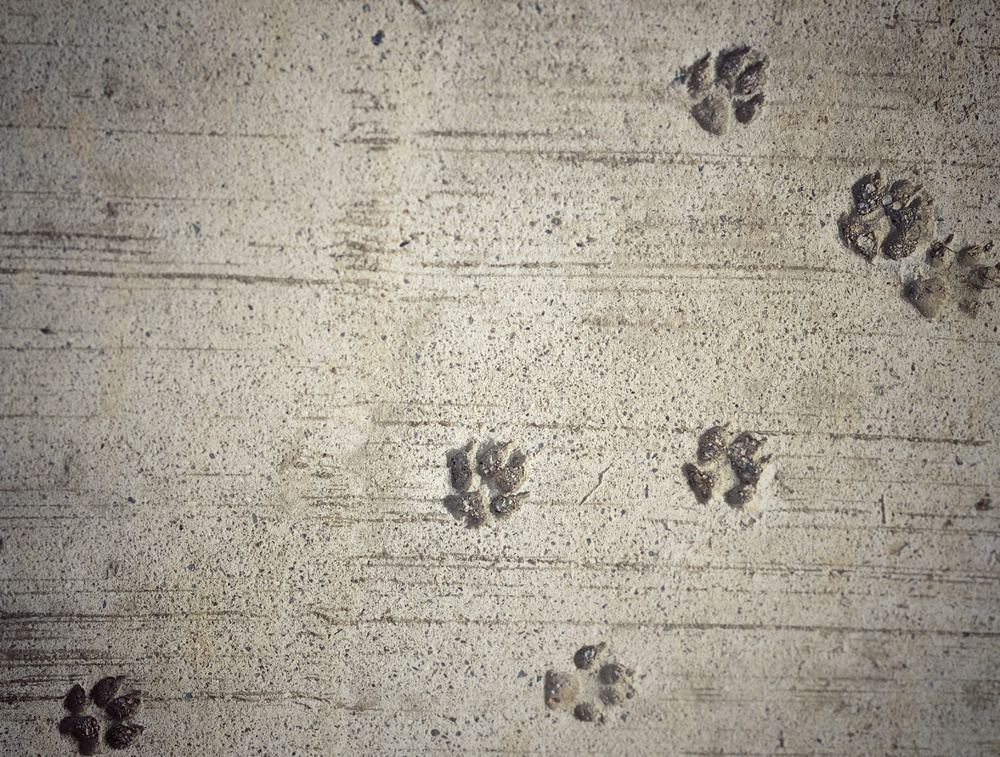
Not every track belongs to wildlife. In Texas neighborhoods, ranches, parks, and campgrounds, many tracks come from domestic dogs and cats.
Dog tracks usually show four toes, a heel pad, and claw marks. They are often rounder and less tidy than coyote tracks. Dogs also wander, turn, stop, and circle more often, so their track patterns may look less direct.
Cat tracks usually show four toes and a heel pad, but claw marks are usually absent. House cat tracks are much smaller than bobcat tracks. Their prints often appear around porches, garden beds, sheds, and fences.
Learning the difference between domestic animal tracks and wildlife tracks can prevent confusion.
Tips for Identifying Tracks
The best way to identify animal tracks is to look at more than one clue. A single print may be smudged or incomplete. A trail of prints tells a better story.
Pay attention to:
- Size: Measure the length and width if possible.
- Toe number: Count how many toes appear in the print.
- Claw marks: Dogs, coyotes, skunks, raccoons, and armadillos often show claws. Cats usually do not.
- Track pattern: Walking, hopping, and waddling animals leave different arrangements.
- Location: Tracks near water, trees, fields, or brush can help narrow the choices.
- Nearby signs: Droppings, digging, feeding marks, hair, feathers, or trails may provide extra clues.
A small notebook or phone photo can help you compare tracks later. Place a coin, key, or your hand near the track for scale before taking a picture.
Best Places to Look for Tracks in Texas
Tracks show up best in soft surfaces. After rain, check muddy spots before they dry. Sandy areas are also excellent because they hold clear impressions.
Good places to look include creek banks, pond edges, dirt roads, hiking trails, dry washes, garden beds, livestock paths, and the edges of fields. In coastal areas, wet sand and marsh edges can hold tracks from birds, raccoons, coyotes, and other animals.
Morning is often the best time to search. Many animals move overnight, and early light can make tracks easier to see.
A Simple Outdoor Skill Worth Learning
Animal tracking does not require expensive gear or expert training. It starts with curiosity and careful observation. Once you learn the common shapes, Texas wildlife becomes easier to notice.
A deer hoof in the mud, a raccoon handprint near a creek, or a bobcat track on a sandy trail can turn an ordinary walk into a closer look at the natural world. Texas has a wide variety of animals, and many of them leave clues right under your feet.
The next time you step outside after a rain, look down. You may find that the ground has been telling a story all along.