

Texas is full of outdoor places that invite people to slow down, look around, and enjoy the landscape. From beaches and gardens to canyons and river paths, the state offers many destinations where visitors with different mobility needs can still experience nature in a meaningful way.
Accessibility can vary by season, weather, construction, and trail conditions. A path that is smooth one month may be affected by flooding, sand, heat, or repairs the next. Because of that, it is always smart to check the official website or call ahead before visiting.
Still, several Texas outdoor destinations stand out for their accessible features, scenic value, and visitor-friendly design. These five places are worth adding to your travel list.
1. San Antonio River Walk
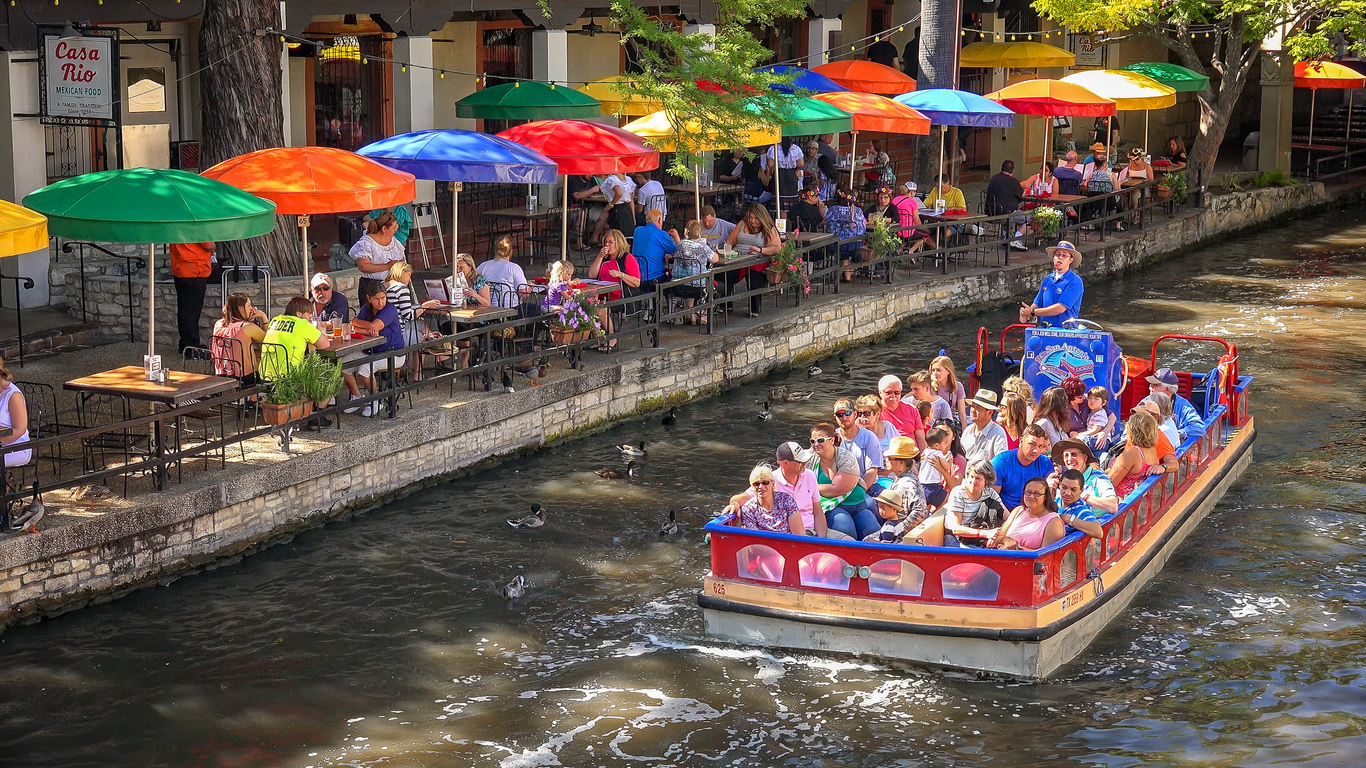
The San Antonio River Walk is one of the most famous outdoor destinations in Texas, and it is also one of the best urban outdoor spaces for accessible sightseeing. Instead of requiring a rugged hike, the River Walk lets visitors enjoy water views, public art, gardens, restaurants, historic areas, and shaded walkways right in the heart of the city.
The City of San Antonio has worked for decades to improve wheelchair access along the River Walk. Many sections include ramps, elevators, accessible routes, and maps that help visitors plan where to enter and exit.
What makes the River Walk especially appealing is the variety. Visitors can enjoy a short stroll, stop for a meal, take photos, or explore nearby landmarks. The downtown stretch is lively and colorful, while other parts of the river system feel quieter and more relaxed.
For travelers who want an outdoor experience without leaving the comfort of a city, the River Walk is a strong choice.
Why It’s Worth Visiting
The River Walk blends nature, history, and city life in a way few places can match. You can hear the water moving beside you, pass under stone bridges, and still be close to hotels, restaurants, museums, and public transportation.
It is also a good destination for mixed groups. Some visitors may want to walk longer distances, while others may prefer shorter routes with frequent rest stops. The River Walk makes both possible.
Accessibility Tip
Use the official River Walk accessibility maps before your visit. They can help you locate elevators, ramps, accessible street-level entrances, and areas that may be easier to navigate.
2. Padre Island National Seashore
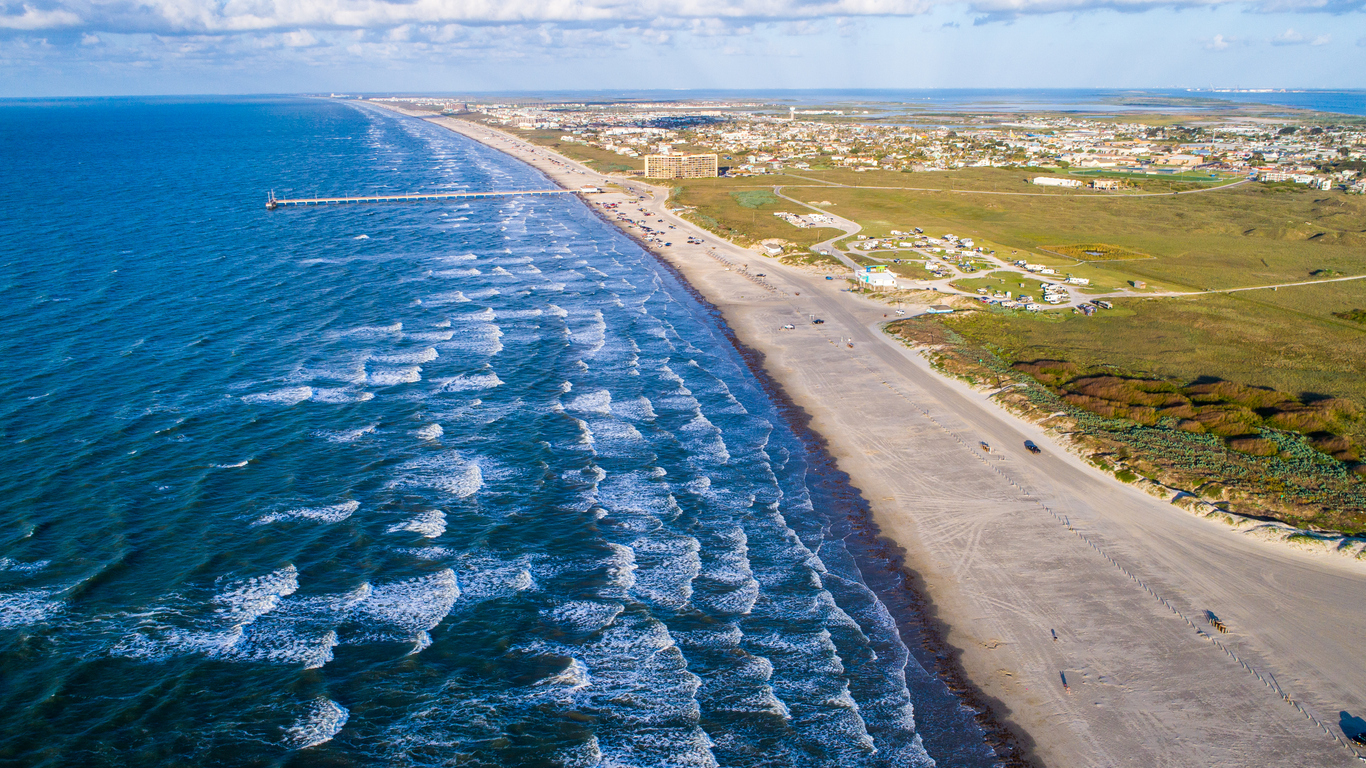
Padre Island National Seashore protects a long stretch of barrier island along the Texas Gulf Coast. It is known for wide beaches, coastal birds, sea turtle conservation, dunes, and open Gulf views.
Beach terrain can be challenging for wheelchairs, walkers, and strollers because loose sand is difficult to cross. Padre Island National Seashore helps address this by offering accessibility information through the National Park Service. Some beach access features and visitor facilities make it easier for more people to enjoy the coast.
Malaquite Visitor Center is one of the key areas for visitors to know. It provides access to restrooms, information, and nearby beach areas. Visitors may also find beach mobility equipment available, though availability can change and should be confirmed before arrival.
Why It’s Worth Visiting
Padre Island offers a classic Texas coastal experience. The scenery feels open and peaceful, with the Gulf on one side and protected island habitat all around.
It is a good choice for visitors who want fresh air, wildlife viewing, photography, or a slower beach day. Even a short visit can feel rewarding because the views are so wide and the sounds of the coast are easy to enjoy from accessible areas near the visitor center.
Accessibility Tip
Call ahead to ask about current beach wheelchair availability, ramp conditions, weather, and sand conditions. Coastal conditions can change quickly, especially after storms or high tides.
3. Lady Bird Johnson Wildflower Center in Austin
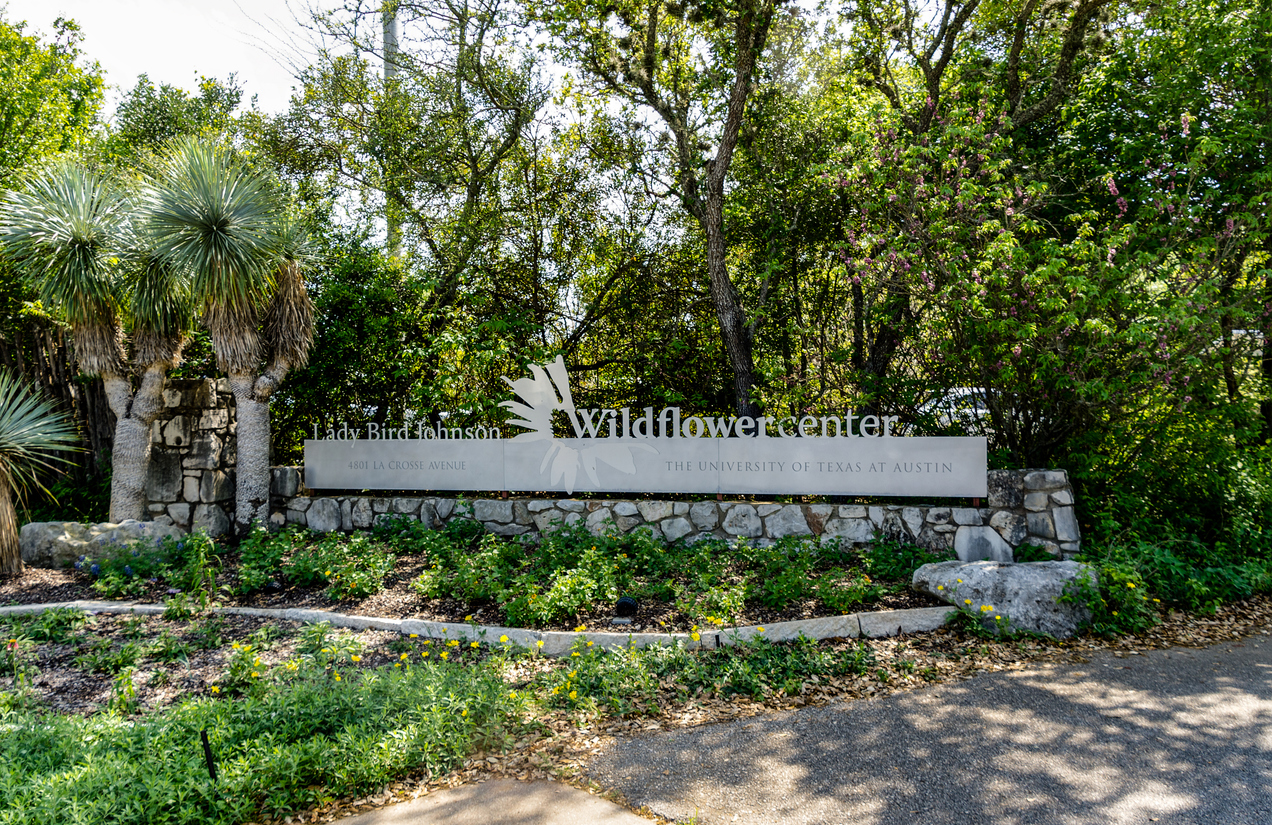
The Lady Bird Johnson Wildflower Center in Austin is one of the best places in Texas to learn about native plants while enjoying a carefully designed outdoor setting. It features gardens, trails, natural landscapes, and educational spaces focused on Texas plant life.
Unlike many wildflower viewing spots that require roadside stops or uneven ground, the Wildflower Center gives visitors a more structured way to enjoy native landscapes. Its gardens and facilities are designed with accessibility in mind, and the Arboretum Trail is listed as wheelchair accessible.
The experience changes with the seasons. Spring often brings bluebonnets and other wildflowers. Summer highlights heat-loving native plants. Fall and winter reveal seed heads, grasses, trees, and wildlife activity.
Why It’s Worth Visiting
This destination is ideal for visitors who want nature without a remote or rugged setting. The paths, gardens, shaded areas, and educational signs make the visit both relaxing and informative.
It is also a strong choice for families, plant lovers, photographers, and anyone curious about how native Texas landscapes work. You can learn about water-wise gardening, pollinators, trees, wildflowers, and habitat restoration in one visit.
Accessibility Tip
Check the Wildflower Center’s trail information before you go. Some areas are more accessible than others, so planning your route ahead of time can make the visit smoother.
4. Houston Arboretum & Nature Center
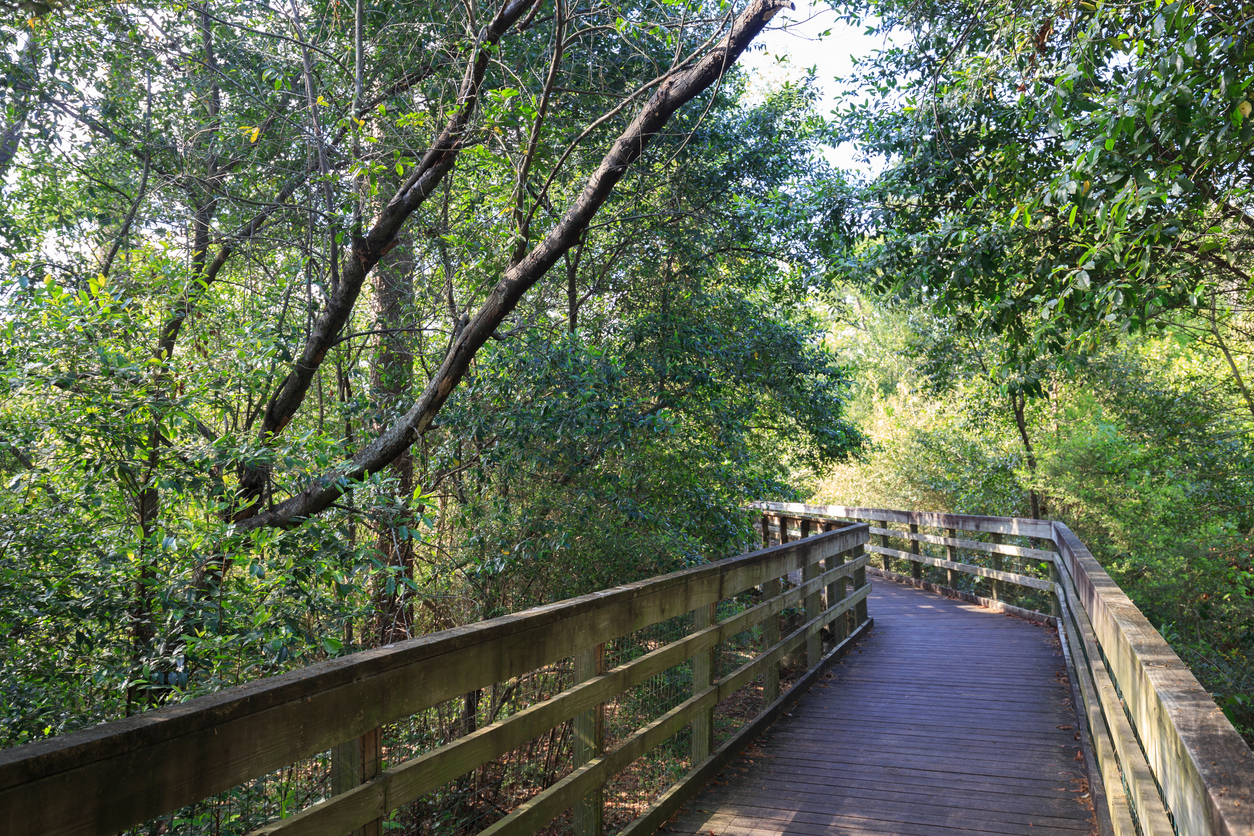
The Houston Arboretum & Nature Center offers a peaceful outdoor escape near the center of Houston. It includes trails, boardwalks, forested areas, wetlands, meadows, and educational exhibits.
For visitors looking for accessible nature trails, this destination is especially helpful. The Arboretum offers a self-guided Accessibility Hike along accessible trail surfaces. These surfaces include boardwalks, decomposed granite, metal grates, and paved concrete. Benches are also available along the way.
This makes the Arboretum a good option for people who want a shorter, calmer outdoor experience. It provides nature without requiring a long drive or a difficult trail.
Why It’s Worth Visiting
Houston is a large, busy city, but the Arboretum feels quiet and natural. Visitors can watch birds, look for turtles, enjoy shaded paths, and learn about local ecosystems.
The Accessibility Hike is especially useful because it gives visitors a clear route to follow. That takes some of the guesswork out of planning and helps make the visit more comfortable.
Accessibility Tip
Start with the Accessibility Hike if it is your first visit. It gives you a manageable route and a good introduction to the Arboretum’s different habitats.
5. Palo Duro Canyon State Park
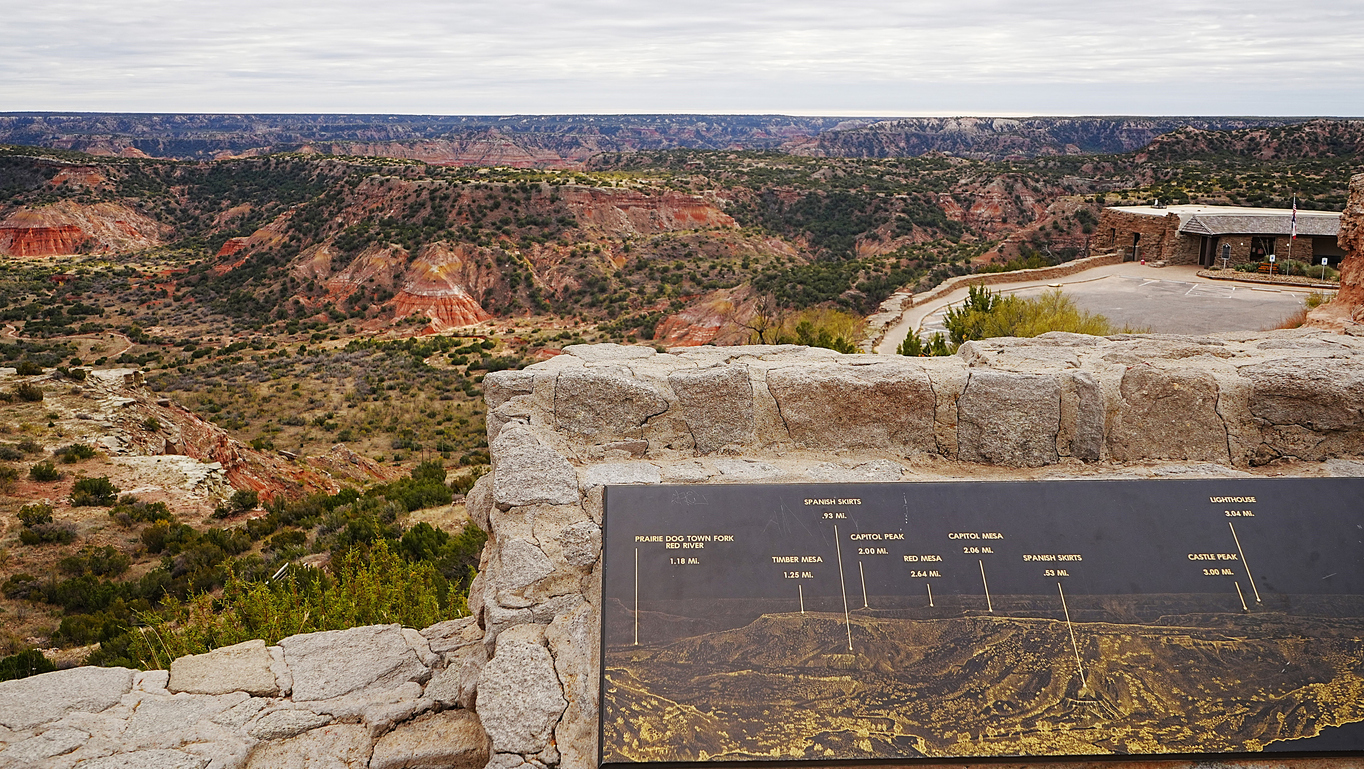
Palo Duro Canyon State Park, located in the Texas Panhandle, is one of the most dramatic outdoor destinations in the state. Known as the “Grand Canyon of Texas,” it features colorful rock layers, canyon views, wide skies, and miles of rugged scenery.
Because the canyon landscape is naturally steep and rocky, not every area is accessible. However, Texas Parks and Wildlife lists several accessible features at the park, including accessible campsites, restrooms, picnic areas, and lodging options. The park also has an all-terrain wheelchair available by reservation.
That makes Palo Duro Canyon a strong choice for visitors who want to experience a major natural landmark without assuming that every activity must involve a difficult hike.
Why It’s Worth Visiting
Few places in Texas feel as visually impressive as Palo Duro Canyon. The scale, color, and open views make it memorable even from overlooks, roads, and developed areas.
Visitors can enjoy scenic drives, photography, picnicking, wildlife watching, and sunset views. The park roads make it possible to see parts of the canyon by vehicle, which helps visitors experience the landscape even if hiking is limited.
Accessibility Tip
Reserve the all-terrain wheelchair in advance if you need it. Also call the park before your trip to ask about current conditions, since weather and erosion can affect outdoor access.
Planning Tips for Accessible Outdoor Travel in Texas
Accessible travel works best with a little preparation. Texas weather, trail surfaces, and park conditions can change quickly, so planning ahead can make a big difference.
Before visiting, consider checking:
- Current trail and facility conditions
- Accessible parking locations
- Restroom availability
- Wheelchair or mobility equipment rentals
- Shade and seating
- Heat, storms, wind, or coastal conditions
- Distance between parking, restrooms, and main attractions
It is also helpful to visit early in the day during hot months. Texas heat can become intense, especially in open areas like beaches, canyons, and gardens.
Final Thoughts
Accessible outdoor travel in Texas does not have to be limited to city parks or paved sidewalks. The state offers beaches, gardens, river paths, forests, and canyon views that more visitors can enjoy with the right planning.
The San Antonio River Walk offers an easy blend of culture and scenery. Padre Island National Seashore brings visitors close to the Gulf. The Lady Bird Johnson Wildflower Center makes native plants easy to explore. Houston Arboretum & Nature Center provides quiet trails in the city. Palo Duro Canyon State Park gives visitors a chance to experience one of Texas’ most striking landscapes.
Each destination has its own limits, so checking current accessibility information before arrival is important. With good planning, these outdoor spots can offer memorable Texas experiences for visitors of many ability levels.