

Texas offers fishing almost every month of the year. From East Texas reservoirs to Hill Country rivers and the Gulf Coast, anglers can find something biting in every season. The key is knowing what fish are most active, where they move, and how weather changes their behavior.
Before planning a trip, always check current Texas Parks and Wildlife Department regulations. Texas requires most anglers fishing public waters to have a current fishing license with the proper freshwater or saltwater endorsement. TPWD also updates bag limits, length limits, and special rules by species and water body.
Spring: Spawning Season and Fast Action
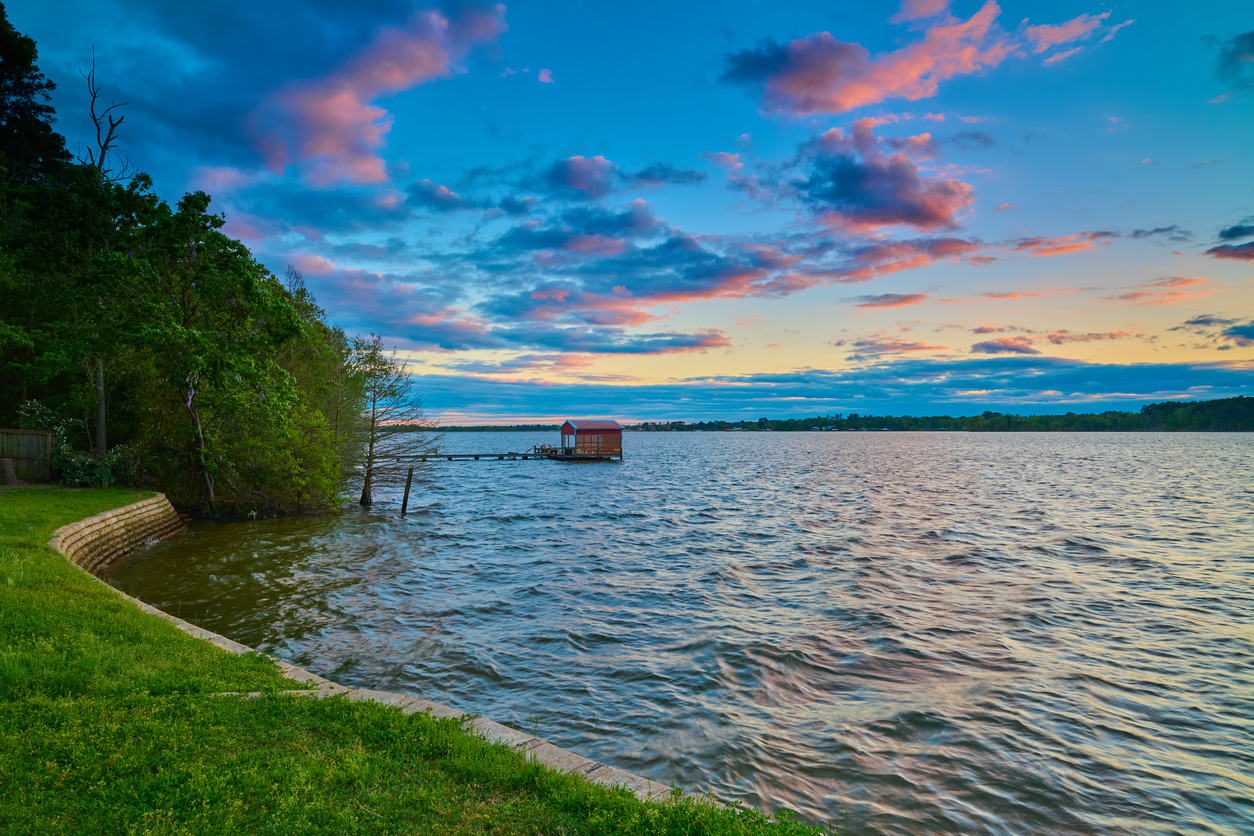
Spring is one of the best times to fish in Texas. As water warms, many freshwater fish move shallow to spawn. This makes them easier to find from banks, docks, kayaks, and boats.
Largemouth Bass
Spring is prime time for largemouth bass. In many Texas lakes, bass move into coves, creeks, flats, and shallow shoreline cover. Anglers often target them with soft plastics, spinnerbaits, chatterbaits, crankbaits, and topwater lures.
Warm, stable weather usually improves the bite. A cold front can slow things down, but the fish often return to shallow areas once conditions settle. TPWD spring reports frequently note bass spawning in shallow water across many Texas lakes.
Crappie
Crappie are another spring favorite. As the water warms, they move toward shallow brush, docks, timber, creek arms, and bridge areas. This is one of the easiest times for bank anglers to catch them.
Minnows and small jigs are popular choices. In some lakes, crappie may be shallow one day and deeper the next, especially when weather changes quickly. Still, spring gives anglers one of the best chances at steady crappie action.
White Bass
White bass make spring exciting because they often move into rivers and creeks to spawn. Anglers look for them in current, sandy areas, creek channels, and points.
Small spoons, slabs, grubs, crankbaits, and live minnows can work well. When white bass school, the action can be fast.
Summer: Early Mornings, Deep Water, and Night Fishing
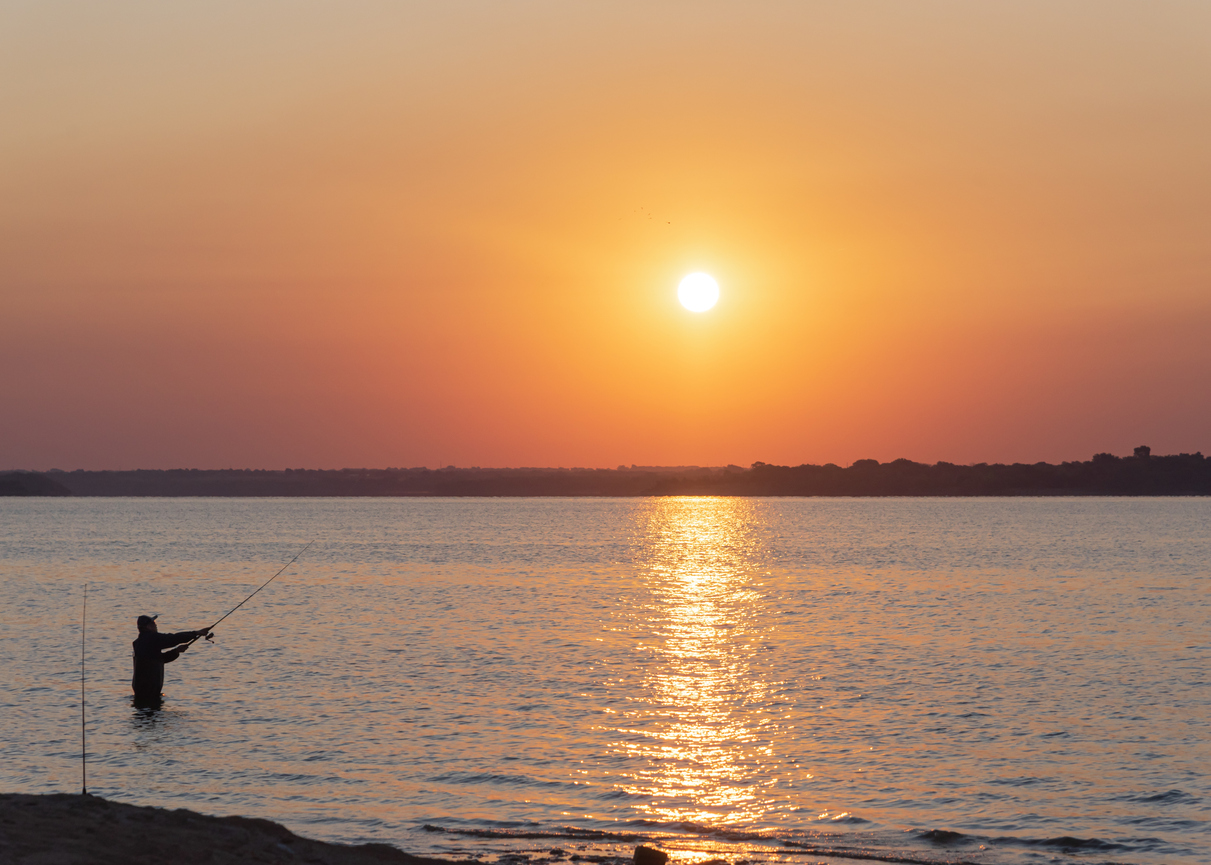
Texas summers get hot, and fish respond by changing their routines. Many species feed early in the morning, late in the evening, or after dark. During the heat of the day, fish often move deeper or hold near shade, structure, current, or vegetation.
Catfish
Summer is excellent for catfish. Channel catfish, blue catfish, and flathead catfish stay active in warm water, especially near creek channels, points, river bends, submerged timber, and baitfish.
Cut shad, shrimp, worms, punch bait, chicken liver, and live bait are common choices. Catfish are also a good option for family fishing because they can be caught from the bank at lakes, rivers, ponds, and state parks.
Bass
Bass still bite in summer, but timing matters. Early mornings can bring topwater action around grass, docks, rocks, and shallow cover. As the sun rises, bass often move deeper.
Deep-diving crankbaits, Carolina rigs, Texas rigs, jigs, and drop shots can work around ledges, points, brush piles, and submerged structure. On power-plant lakes or lakes with heavy vegetation, summer patterns can vary, so local reports help.
Bluegill and Sunfish
For easy summer fishing, bluegill and sunfish are hard to beat. They often gather near docks, rocks, vegetation, and shaded banks. A small hook, bobber, and worm can be all you need.
This is a great choice for beginners and kids because the setup is simple and the bites are frequent.
Fall: Big Feeding Windows and Coastal Action
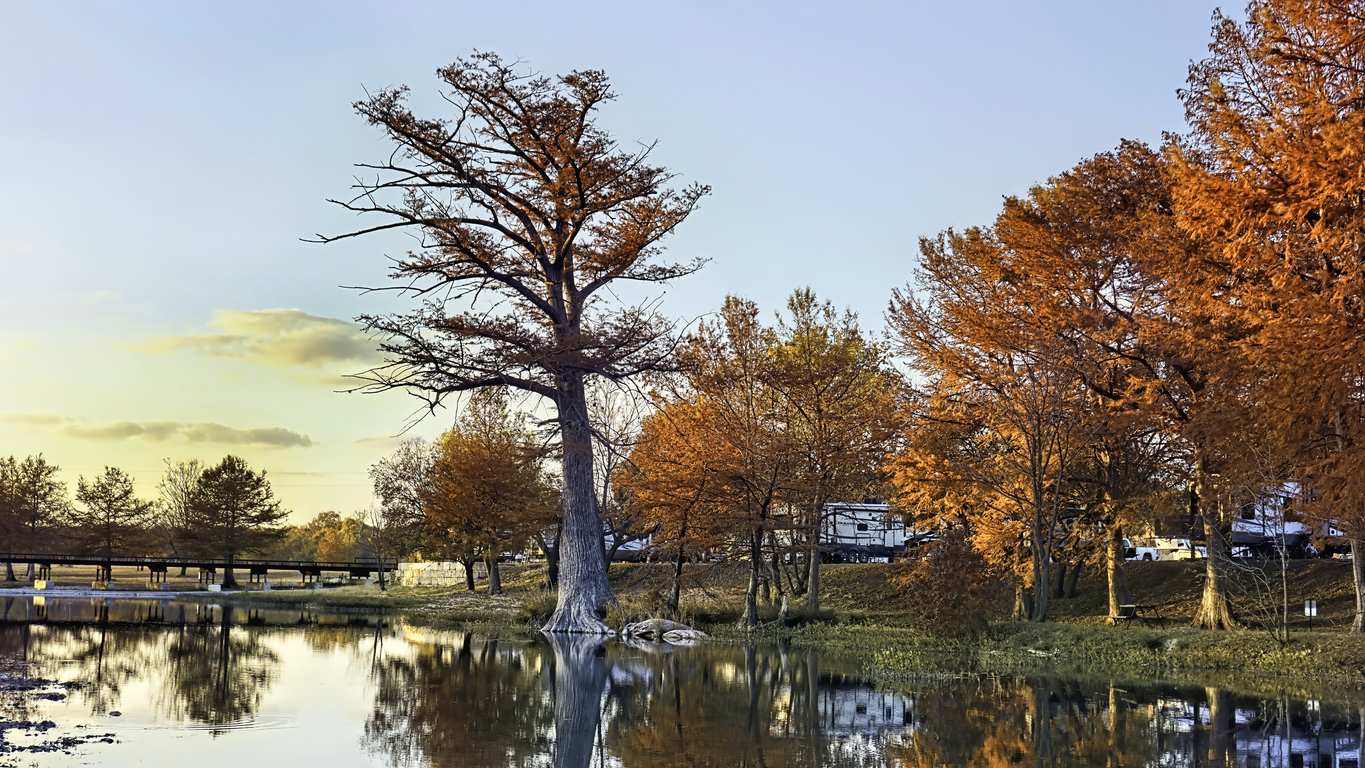
Fall may be the most exciting season for many Texas anglers. As temperatures cool, fish feed heavily before winter. Baitfish move, shrimp migrate along the coast, and many game fish become more aggressive.
Redfish
On the Texas coast, fall is famous for redfish. Red drum feed around flats, marsh drains, passes, jetties, shorelines, and bays. Bull reds are especially popular in fall near passes and surf zones.
Live shrimp, cut bait, mullet, crab, soft plastics, spoons, and popping cork rigs can all produce. Anglers should pay close attention to tides and bait movement. When bait is active, redfish are often close behind.
Speckled Trout
Speckled trout can also be strong in fall. Cooler mornings push them into feeding mode, especially around grass flats, oyster reefs, drop-offs, and deeper edges near shallow water.
Live shrimp under a popping cork is a classic method. Soft plastics, topwaters, and suspending lures can also work when trout are feeding actively.
Flounder
Fall is a key time for flounder because they move toward passes, channels, and Gulf access points. Anglers often target them near drains, sandy bottoms, rocks, and edges where current moves bait.
Soft plastics dragged slowly along the bottom, mud minnows, finger mullet, and shrimp can be effective. TPWD coastal reports often mention redfish, drum, speckled trout, and flounder together in productive Gulf Coast areas.
Winter: Slower Fishing, Bigger Rewards
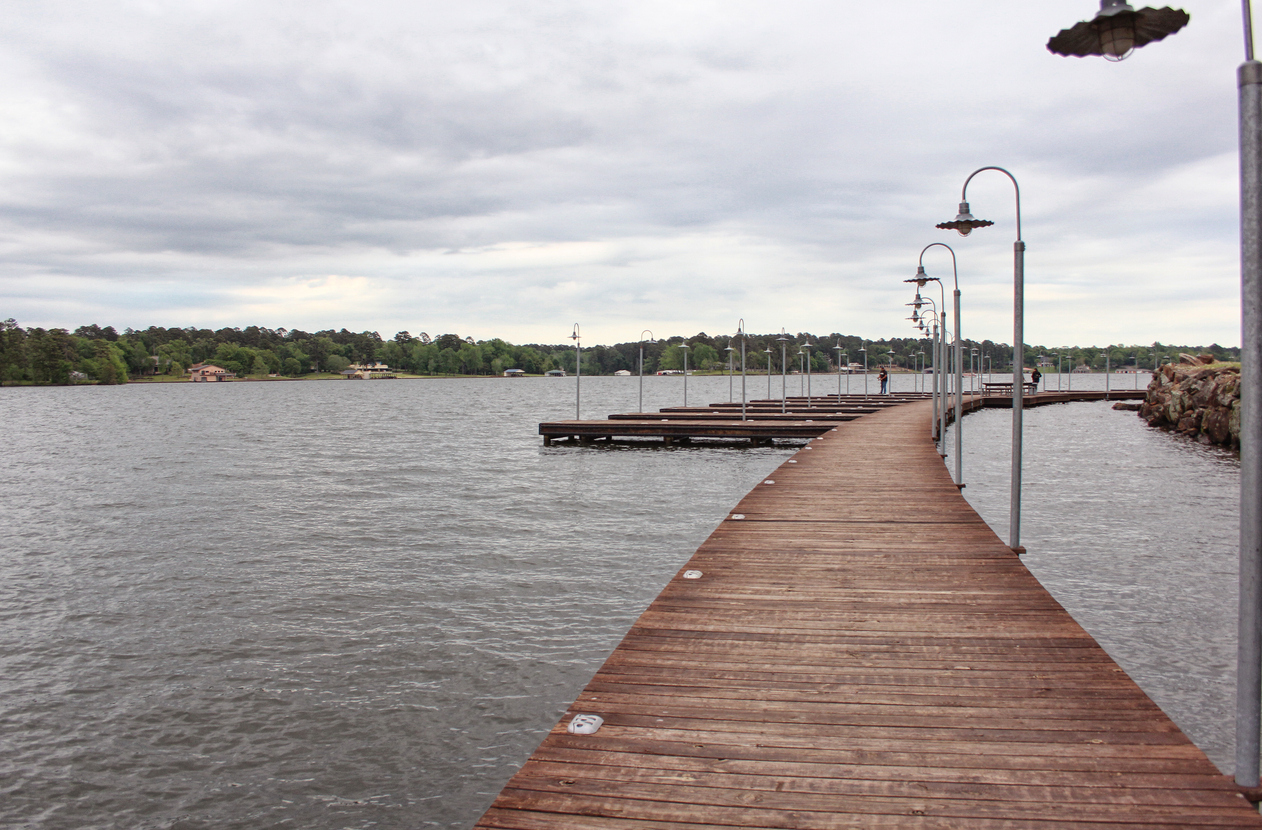
Winter fishing in Texas can be very good, but it often requires patience. Cold fronts, wind, and changing water temperatures affect fish behavior. The bite may be slower, but some species remain dependable.
Blue Catfish
Blue catfish are a top winter target. Many serious catfish anglers look forward to colder weather because larger blues often feed well during winter.
Deep holes, river channels, ledges, and areas with shad are good places to start. Fresh cut bait is a strong choice. After a front, fish may slow down, but stable weather can bring good action.
Crappie
Crappie often move deeper in winter. Instead of shallow spring cover, anglers look around brush piles, standing timber, bridge pilings, creek channels, and docks.
Small jigs and minnows are reliable. Electronics help, but bank anglers can still find fish around marinas, piers, and bridges when access is available.
Trout on the Coast
Speckled trout can bite in winter, especially during warm stretches between fronts. They often gather in deeper holes, channels, and protected areas. Slow presentations usually work best because colder fish may not chase fast-moving lures.
Redfish can also stay active in winter, especially on sunny days when shallow flats warm up.
Month-by-Month Texas Fishing Guide
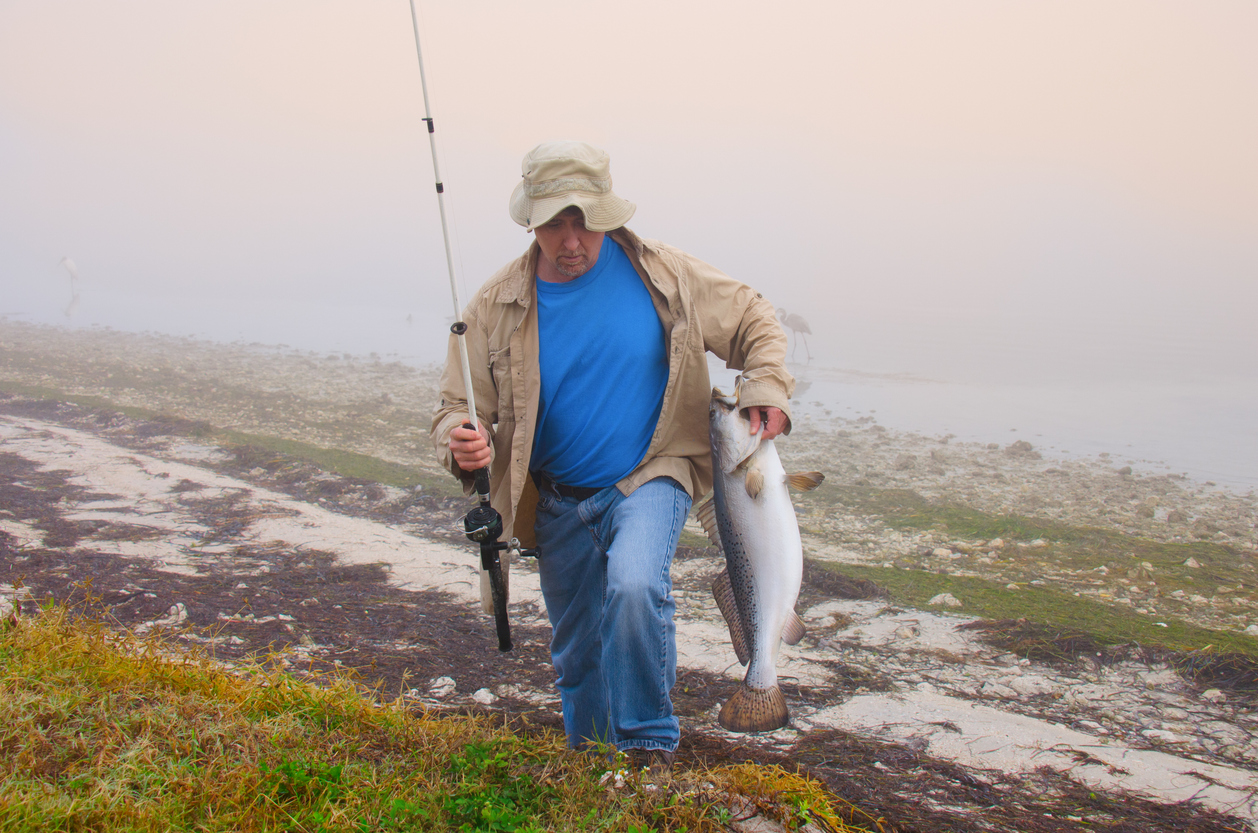
January
Winter patterns dominate. Blue catfish, crappie, and coastal trout are good targets. Look for deeper water, slower presentations, and stable weather.
February
White bass may begin staging for spring runs in some areas. Bass fishing improves during warm spells. Catfish remain a strong choice.
March
Spring fishing begins to pick up. Bass move shallow, crappie head toward spawning areas, and white bass runs can be excellent.
April
April is one of the best all-around fishing months in Texas. Bass, crappie, white bass, catfish, and sunfish can all be productive.
May
Post-spawn patterns develop for bass and crappie. Catfish become more active. Coastal fishing improves as water warms.
June
Early morning and evening fishing become important. Bass feed shallow at dawn, catfish bite well, and saltwater action grows stronger.
July
Heat pushes many fish deeper during the day. Night fishing for catfish can be excellent. Coastal redfish and trout remain good targets.
August
Expect hot conditions. Fish early, late, or at night. Look for shade, current, deeper structure, and oxygen-rich areas.
September
Fall patterns begin. Bait movement increases, bass feed more aggressively, and coastal redfish action improves.
October
October is one of the best coastal fishing months. Redfish, speckled trout, black drum, and flounder can all be active.
November
Flounder movement is a major draw along the coast. Inland fishing remains strong for catfish, bass, and crappie during mild weather.
December
Winter patterns return. Blue catfish, deep crappie, and coastal trout are good options. Watch the weather closely.
Freshwater Favorites by Season
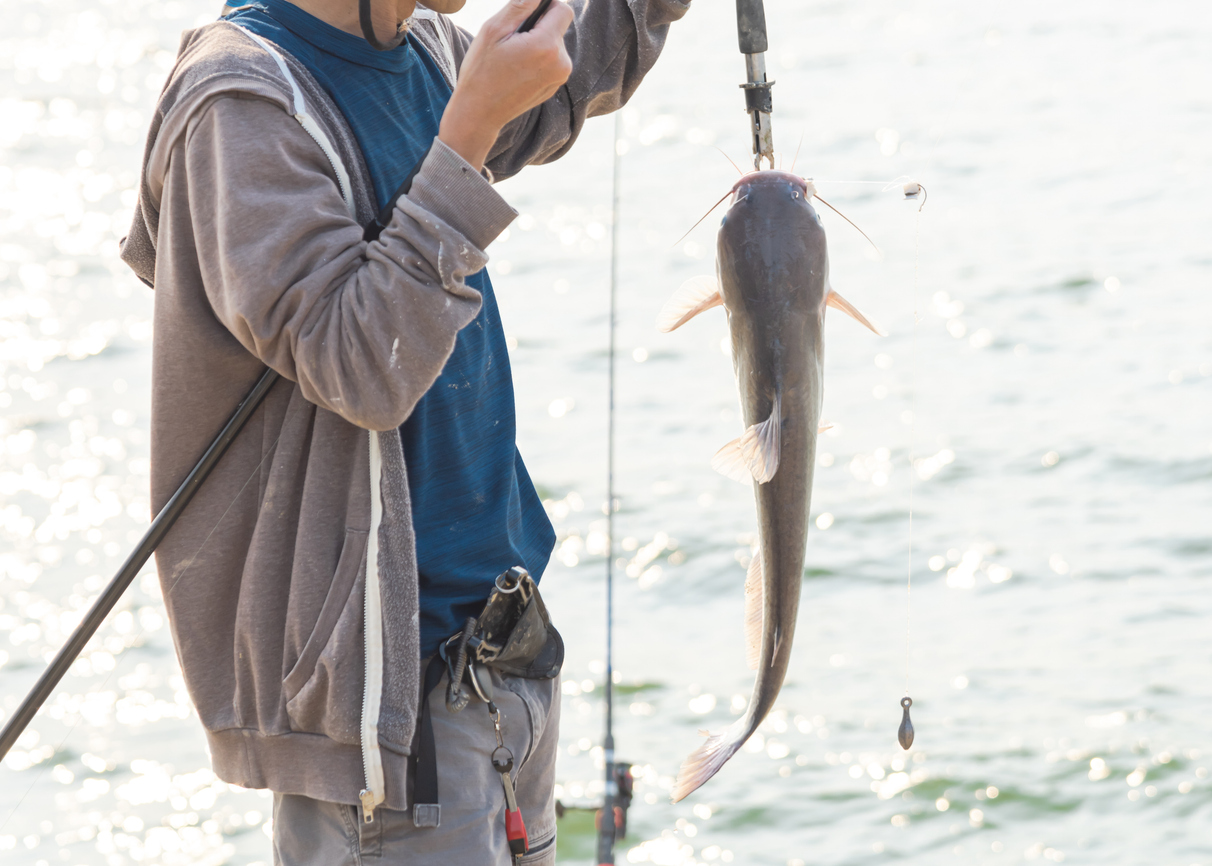
Best Freshwater Fish in Spring
Spring favors bass, crappie, white bass, and sunfish. Shallow water becomes important as fish spawn or feed near spawning areas.
Best Freshwater Fish in Summer
Catfish, bass, and sunfish are strong summer targets. Fish early or late for bass. For catfish, try evening or night trips.
Best Freshwater Fish in Fall
Bass and catfish feed well as water cools. Crappie begin shifting toward deeper structure, and white bass may school around baitfish.
Best Freshwater Fish in Winter
Blue catfish and crappie are dependable winter targets. Bass can still bite, but slower lures and deeper spots often work better.
Saltwater Favorites by Season
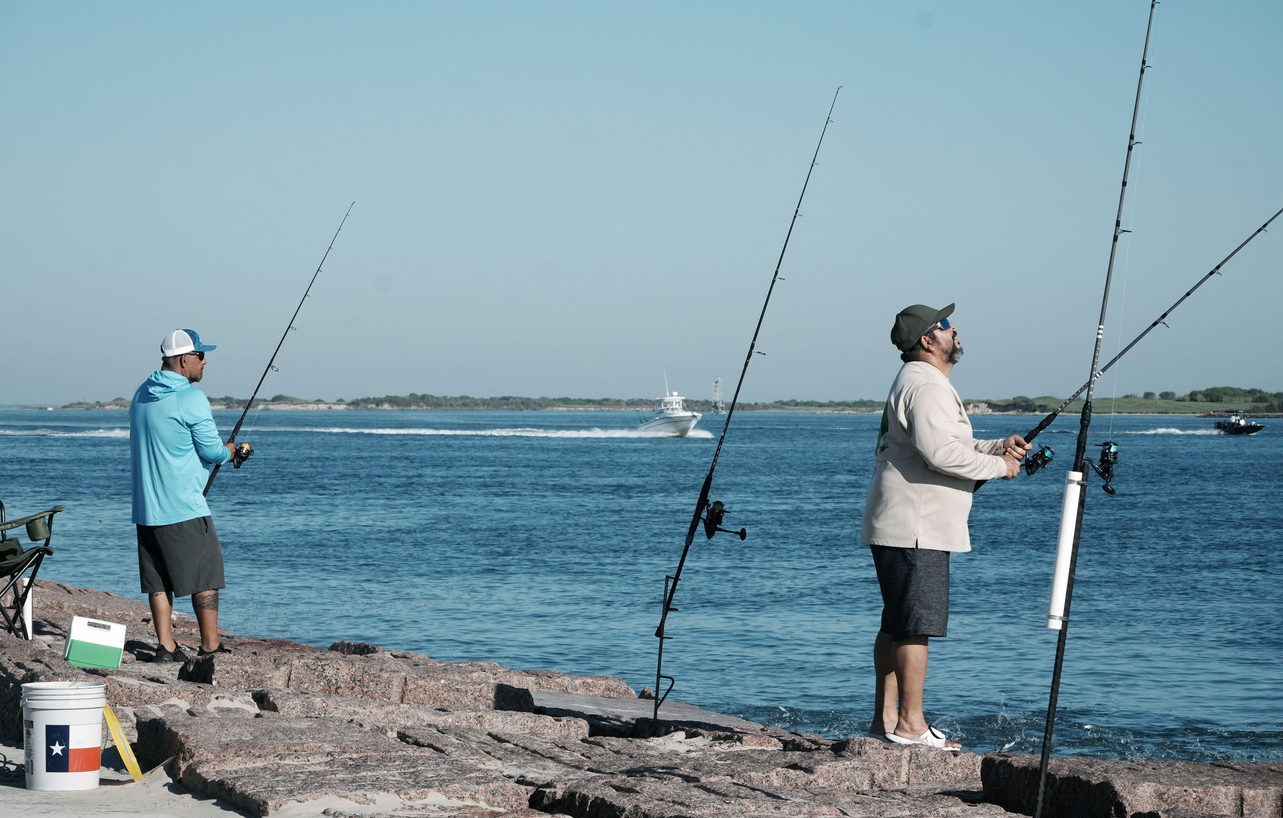
Best Saltwater Fish in Spring
Speckled trout, redfish, black drum, and sheepshead are common spring targets. Warmer days improve shallow-water fishing.
Best Saltwater Fish in Summer
Redfish, trout, flounder, black drum, and surf species stay active. Early morning, evening, and tide changes matter.
Best Saltwater Fish in Fall
Fall is outstanding for redfish, flounder, and speckled trout. Bait movement along the coast creates strong feeding activity.
Best Saltwater Fish in Winter
Redfish and trout remain possible, especially in protected bays and deeper channels. Black drum and sheepshead can also be reliable.
Tips for Better Seasonal Fishing in Texas
Fishing in Texas changes with weather as much as the calendar. A warm February can feel like spring. A strong April cold front can slow a good bite overnight.
A few simple habits help:
- Check TPWD fishing reports before choosing a lake or bay.
- Watch water temperature, wind, and recent fronts.
- Fish early and late during hot months.
- Slow down your lure presentation in cold water.
- Match bait choices to the season and local forage.
- Review current size and bag limits before keeping fish.
TPWD publishes weekly fishing reports for many inland and coastal waters, which can help anglers see what is working right now.
Final Thoughts
Texas fishing has no single “best” season because something is usually biting somewhere. Spring brings shallow bass, crappie, and white bass. Summer favors catfish, sunfish, and early-morning bass. Fall lights up the coast with redfish, trout, and flounder. Winter rewards patient anglers with blue catfish, deep crappie, and cold-weather trout.
The best approach is to match the season to the species. Once you understand how fish move through the year, every month offers a reason to grab a rod and head for the water.