

Spring in Texas has a way of making people reach for their car keys. After a gray winter, the roadsides begin to glow with bluebonnets, Indian paintbrush, evening primrose, coreopsis, phlox, winecups, and dozens of other native blooms. A plain drive to the grocery store can suddenly feel scenic. A weekend road trip can turn into one of the prettiest memories of the year.
The Texas wildflower season usually begins in late winter in the southern part of the state, builds through March and April, then stretches into May in some regions. The timing changes each year because wildflowers depend heavily on rainfall, temperature, soil conditions, and mowing schedules. The Lady Bird Johnson Wildflower Center noted for 2026 that blooms may vary across Texas because of uneven rainfall and drought, which is a good reminder to stay flexible when planning a trip. A route that looks quiet one week may brighten after rain, while another famous spot may have a lighter season than expected.
That is part of the fun. Wildflower trips are part science, part luck, and part old-fashioned wandering. The best ones give you more than pretty photos. They lead through small towns, historic roads, rivers, state parks, farm country, and wide-open views that show just how varied Texas can be.
Why Texas Wildflower Trips Are Special
Texas has one of the most recognizable spring wildflower seasons in the country. Bluebonnets get most of the attention, and for good reason. They are the state flower, and their deep blue color can make pastures and highway shoulders look almost painted.
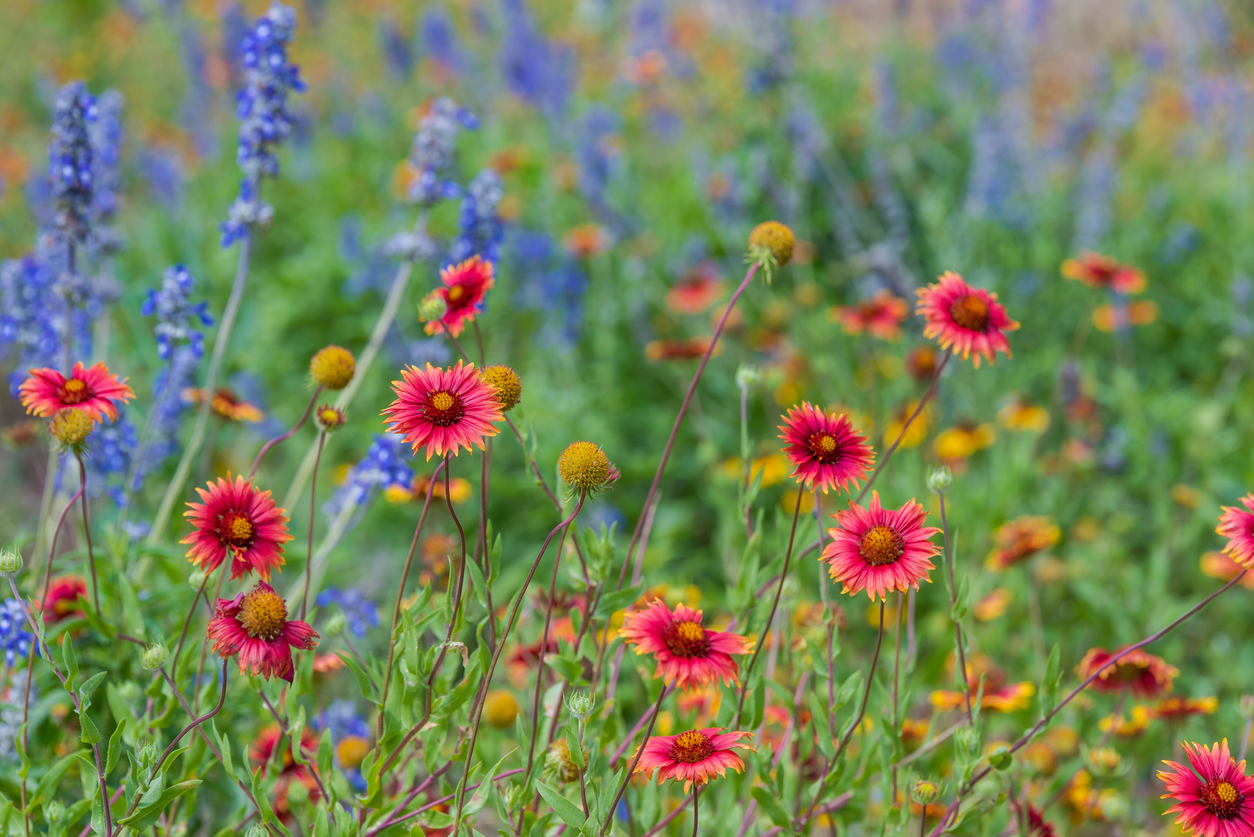
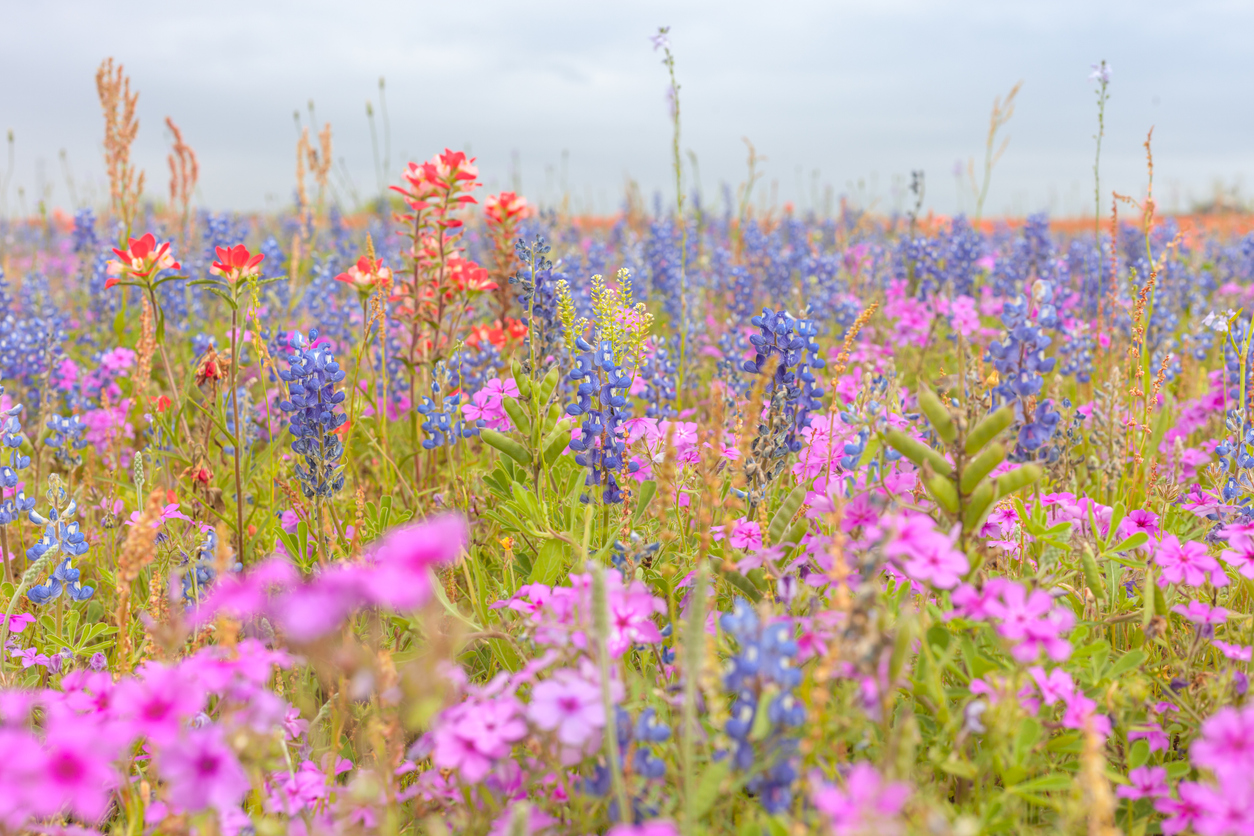
Still, bluebonnets are only one part of the show. Indian paintbrush adds bright red and orange. Pink evening primrose spreads low along roadsides. Golden coreopsis and firewheel bring warm yellow and red tones. Winecups add purple. Verbena, phlox, prairie nymph, and Mexican hat fill in the gaps.
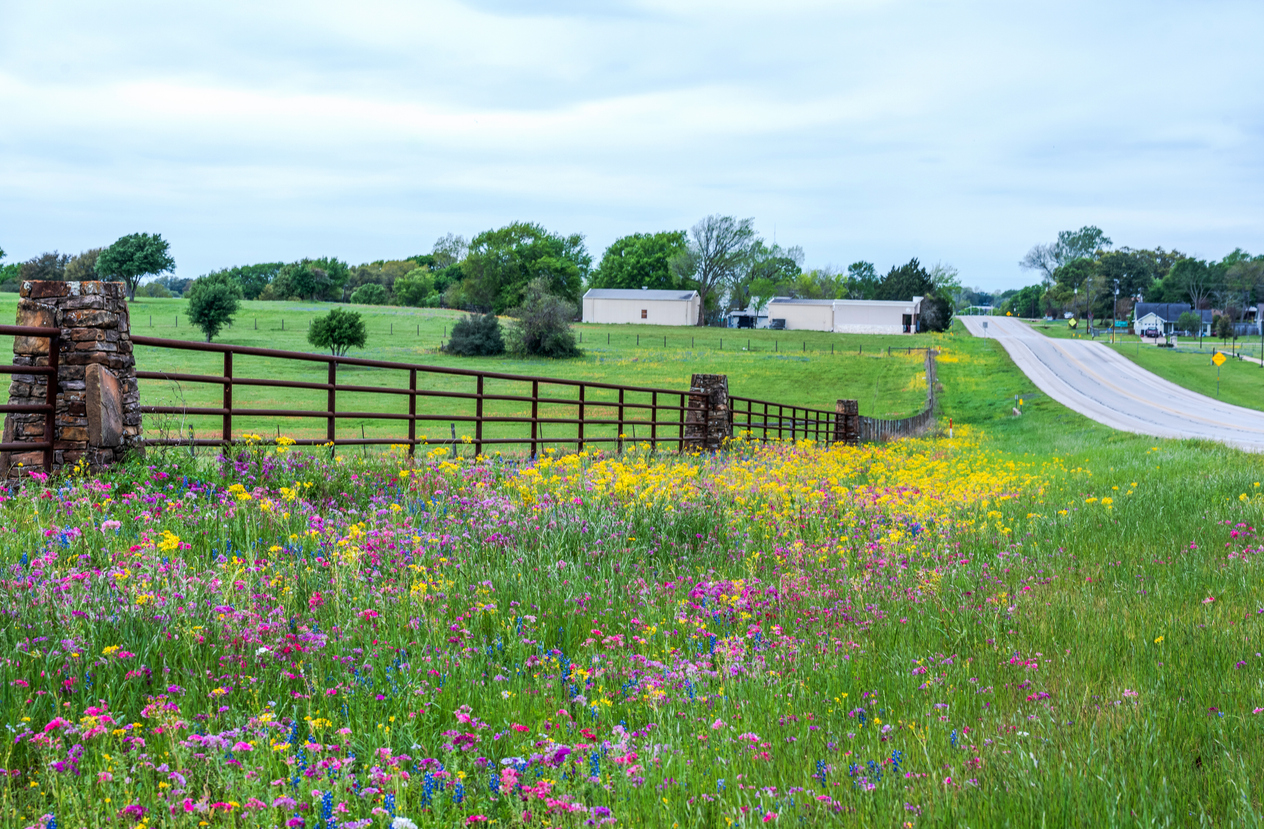
Much of the roadside beauty is tied to native seeding and careful mowing practices that allow flowers to reseed before they are cut back. Texas Highways notes that wildflowers appear along thousands of miles of Texas roadsides each spring, helped in part by seeding programs and mowing schedules that protect blooms long enough for the next season.
For travelers, this means some of the best flower viewing does not require a hard hike or a special permit. Often, it only takes a full tank of gas, a safe pull-off, and a willingness to slow down.
Best Time to Go
March and April are the classic wildflower months in Central Texas, especially for bluebonnets. South Texas and Big Bend can bloom earlier, sometimes starting in late winter. East Texas and North Texas often shine later in spring, depending on rainfall and local conditions.
A simple rule helps: go south or west early, head through Central Texas in midseason, and look north or east later in spring.
That said, no wildflower calendar is perfect. A dry fall can hurt early bloomers. A rainy spring can bring strong late-season color. Heat can shorten a bloom. Cool weather can stretch it out.
Before heading out, check recent local reports from parks, tourism offices, and wildflower organizations. Even better, plan a route with small towns, parks, food stops, and scenic roads. That way the trip feels worthwhile even if one field is past its peak.
The Hill Country Classic: Fredericksburg, Willow City Loop, and Llano
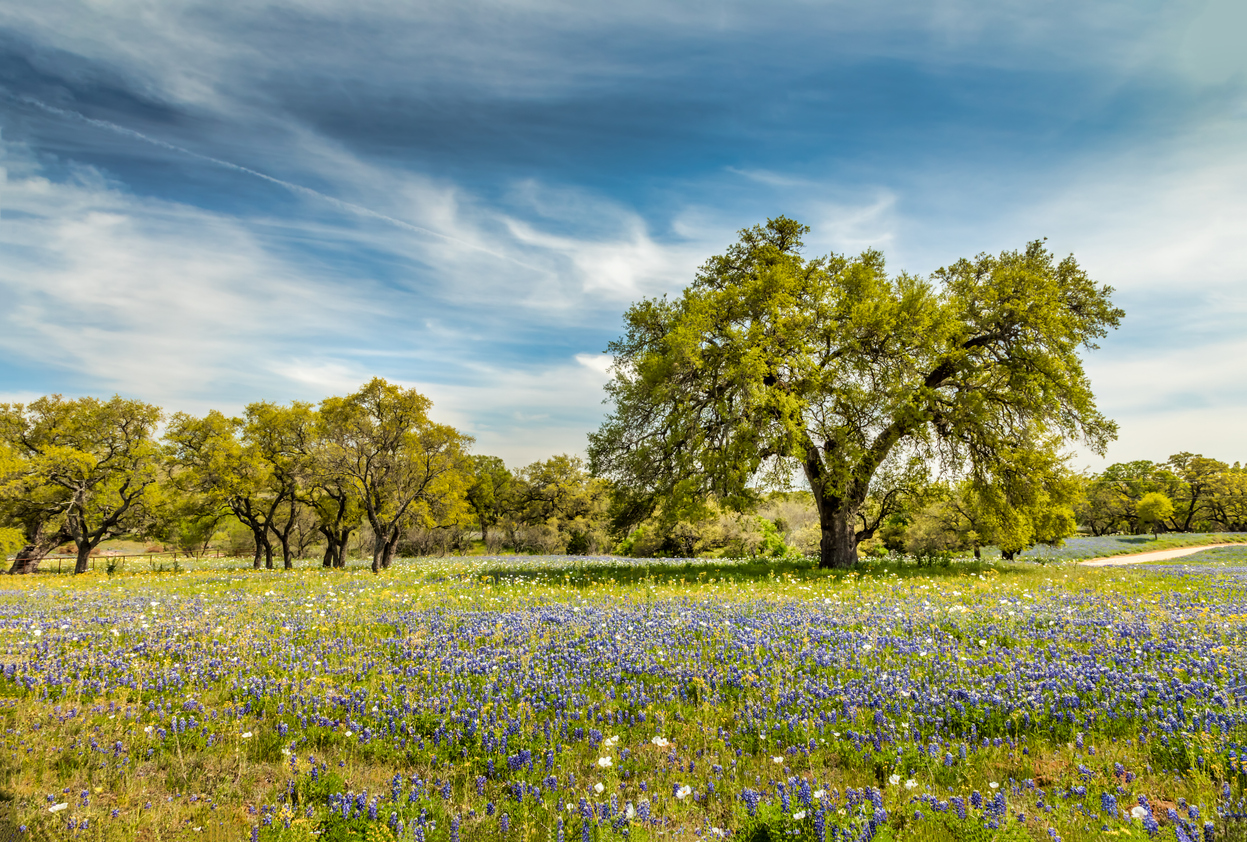
If Texas wildflower drives had a greatest hits list, the Hill Country would sit near the top. The region combines rolling limestone hills, ranch roads, oak trees, creeks, small towns, and sweeping roadside color. It is one of the most popular spring destinations in the state, so weekday travel is often more pleasant than a Saturday drive.
Willow City Loop, located northeast of Fredericksburg, is one of the best-known wildflower routes in Texas. It winds through private ranchland, rocky hillsides, creek crossings, and open views. In strong bloom years, the route can be spectacular. Bluebonnets often mix with Indian paintbrush, phlox, daisies, and other flowers.
The loop is beautiful, but it is also narrow and mostly bordered by private property. Visitors should avoid blocking traffic, climbing fences, or stepping into fields without permission. The best approach is to drive slowly, use legal pull-offs, and treat the area like the working ranch country it is.
Fredericksburg makes an easy base for this trip. From there, travelers can also head toward Llano or Enchanted Rock for more spring scenery. Ranch Road 965 between Fredericksburg and Enchanted Rock is another favorite drive, with granite hills and wildflowers along the way. Several travel guides highlight routes north of Fredericksburg and toward Enchanted Rock as strong Hill Country wildflower drives.
Llano is worth adding to the route. The land opens up, the roads feel less crowded, and the spring color can spread across pastures and rocky slopes. A simple loop from Fredericksburg to Willow City Loop, then toward Llano and back, can fill a full day without feeling rushed.
Burnet and the Highland Lakes
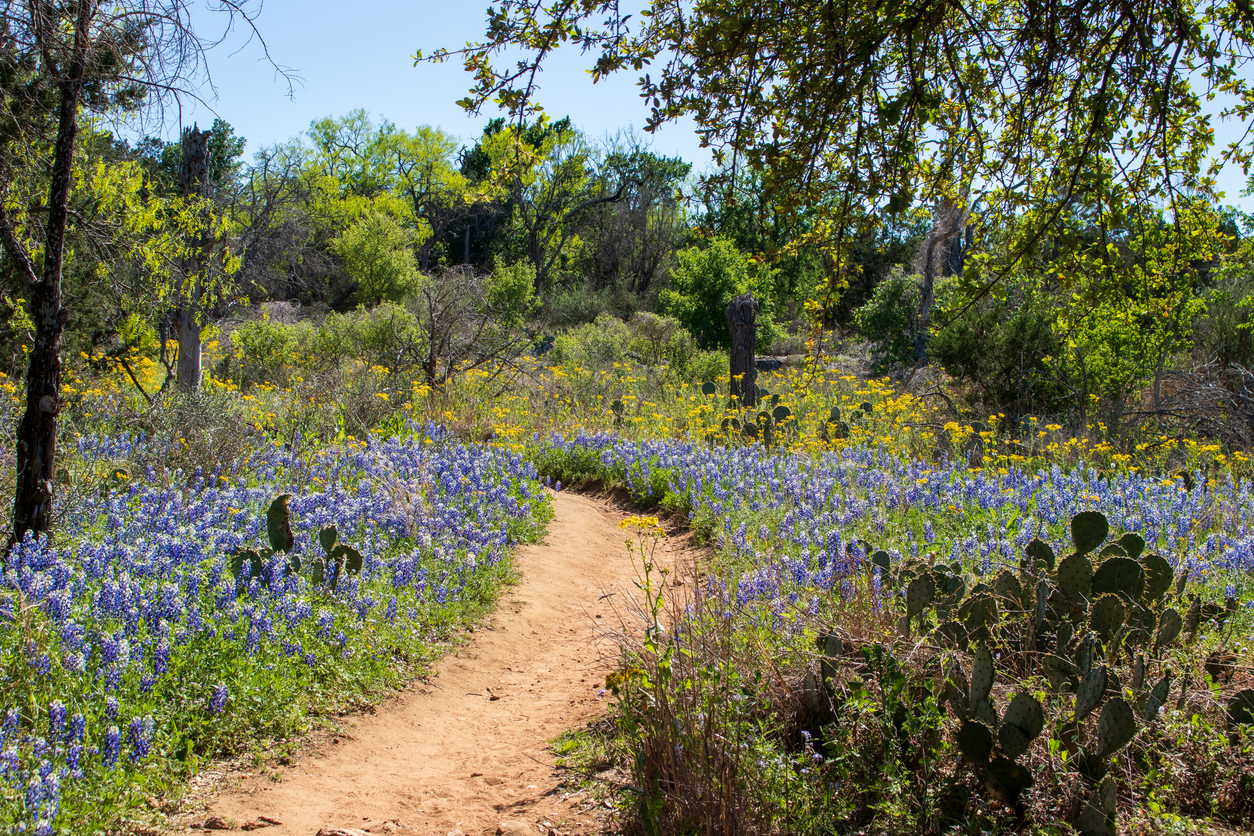
Burnet proudly calls itself the Bluebonnet Capital of Texas, and spring is when the title feels earned. The area sits northwest of Austin, near the Highland Lakes, and offers a mix of wildflowers, water views, and Hill Country backroads.
The drive between Burnet, Marble Falls, Kingsland, and Llano can be especially rewarding in a good bloom year. Bluebonnets often appear along roadsides and open fields, while lakes and rocky hills add variety to the scenery. Lake Buchanan and Inks Lake State Park make good stops if you want to stretch your legs.
Burnet also hosts a well-known bluebonnet festival, which draws visitors during peak season. Festivals can be fun, but they also bring traffic and crowds. For a calmer trip, visit during the week or start early in the morning.
This area works well for travelers coming from Austin, San Antonio, or Waco. You can make it a day trip, but an overnight stay gives you time to explore the smaller roads without rushing.
Ennis Bluebonnet Trails
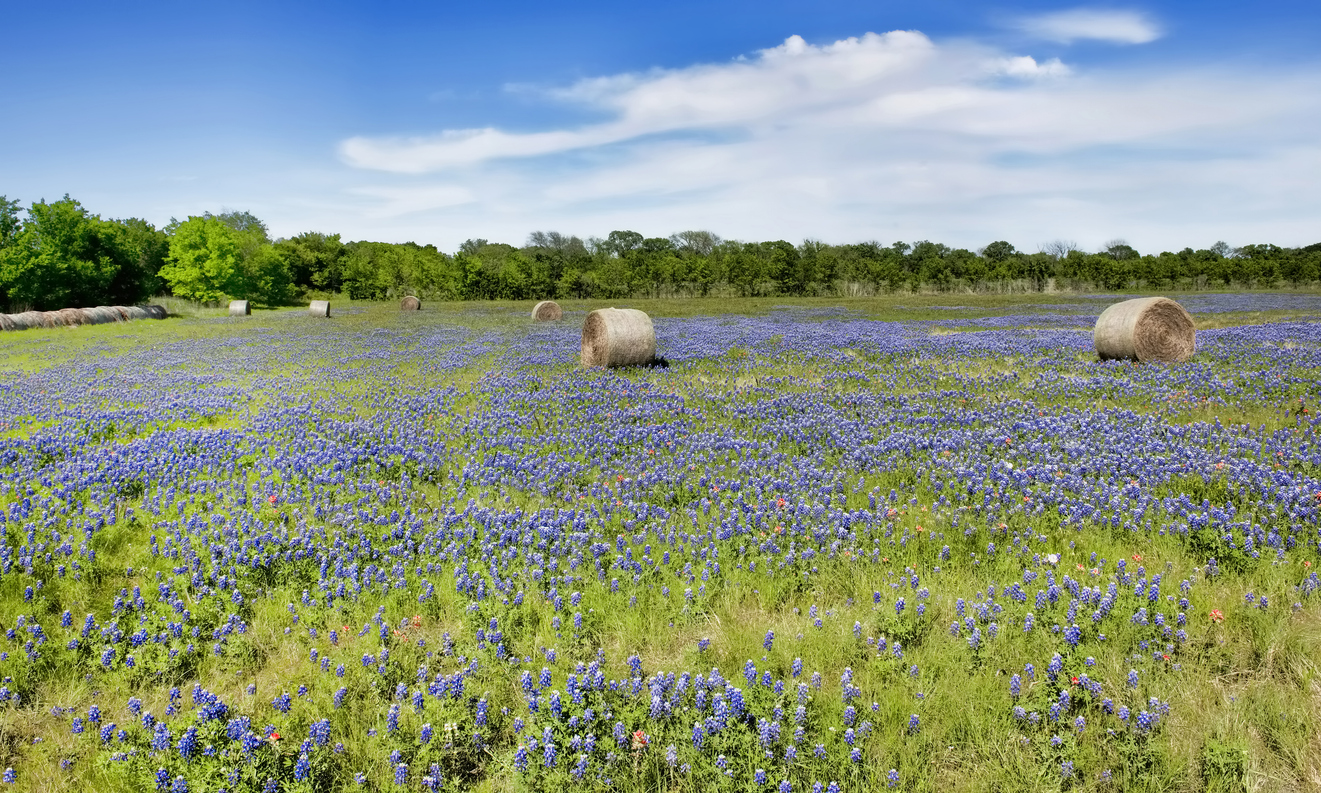
For travelers in North Texas, Ennis is one of the easiest and most famous wildflower trips. Located south of Dallas, Ennis is known for its mapped bluebonnet trails and its spring festival. The area has become a major destination because visitors can follow organized driving routes through the countryside that often blooms heavily in April.
The Ennis Bluebonnet Trails are especially useful for families and casual travelers because the routes are easy to follow. You do not need to guess which backroad might have flowers. The city typically offers route guidance during the season, and local updates help visitors know where the strongest blooms are showing.
The landscape around Ennis feels different from the Hill Country. Instead of rocky hills and ranch roads, you get rolling fields, farm roads, ponds, fences, and open sky. That makes it a strong choice for photography. The flowers often spread in broad patches, and the flatter land makes the color feel expansive.
A smart Ennis trip starts early, especially on festival weekends. Bring water, snacks, and patience. Roads can get busy when the blooms peak.
Brenham, Washington County, and the Bluebonnet Country East of Austin
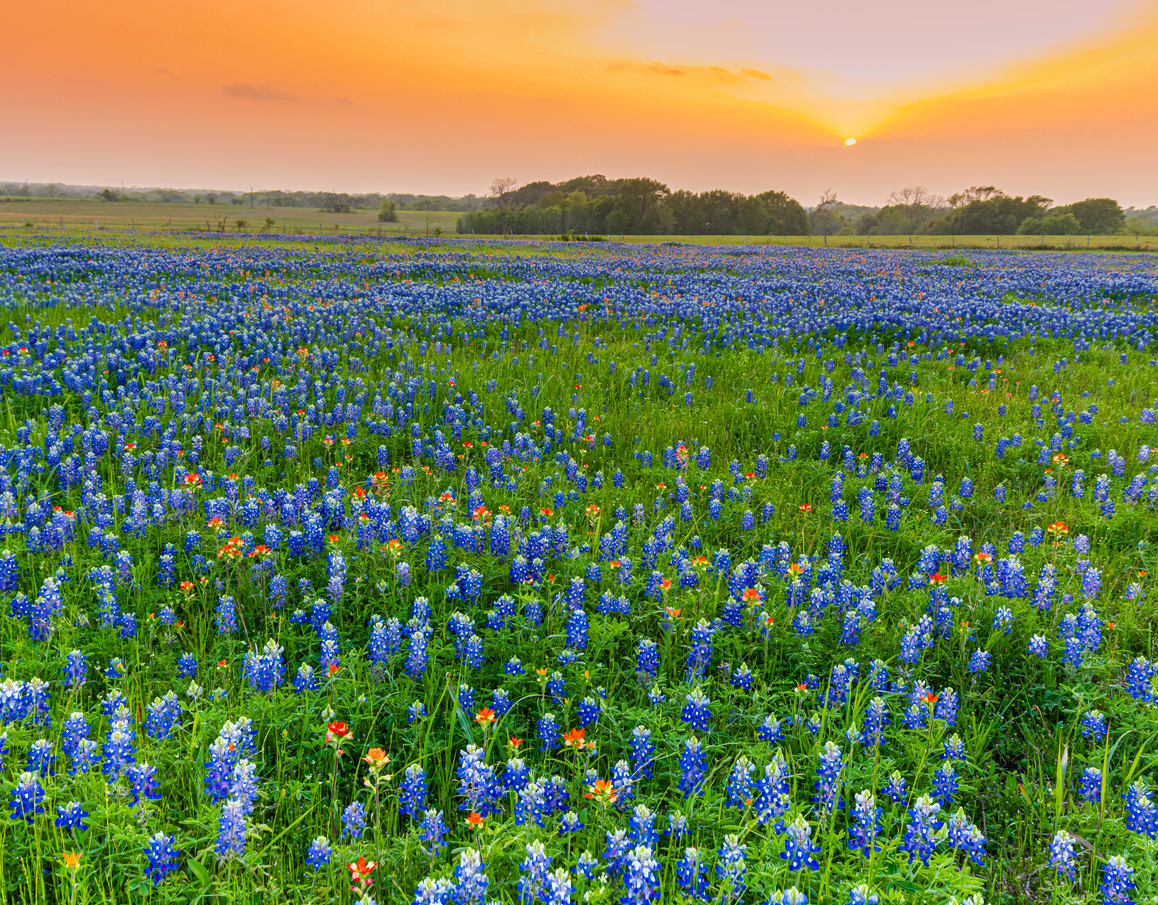
Brenham and Washington County offer one of the most relaxed wildflower experiences in Texas. This region sits between Austin and Houston, which makes it a practical spring escape for many travelers.
The appeal here is not one single road. It is the network of farm-to-market routes, quiet lanes, historic communities, and open fields. Bluebonnets, Indian paintbrush, and other blooms often appear along fences, barns, pastures, and gently rolling roads. The scenery has a softer countryside feel than the rugged Hill Country.
Brenham also gives travelers plenty to do between drives. You can stop for a meal, visit local shops, explore nearby historic sites, or take a slow loop through the surrounding countryside. Chappell Hill, Independence, Burton, and Washington-on-the-Brazos are all worth considering as part of a spring route.
This is a good trip for people who want wildflowers without heavy hiking. It also works well for travelers who enjoy small-town stops as much as scenic drives.
Lady Bird Johnson Wildflower Center and Austin-Area Routes
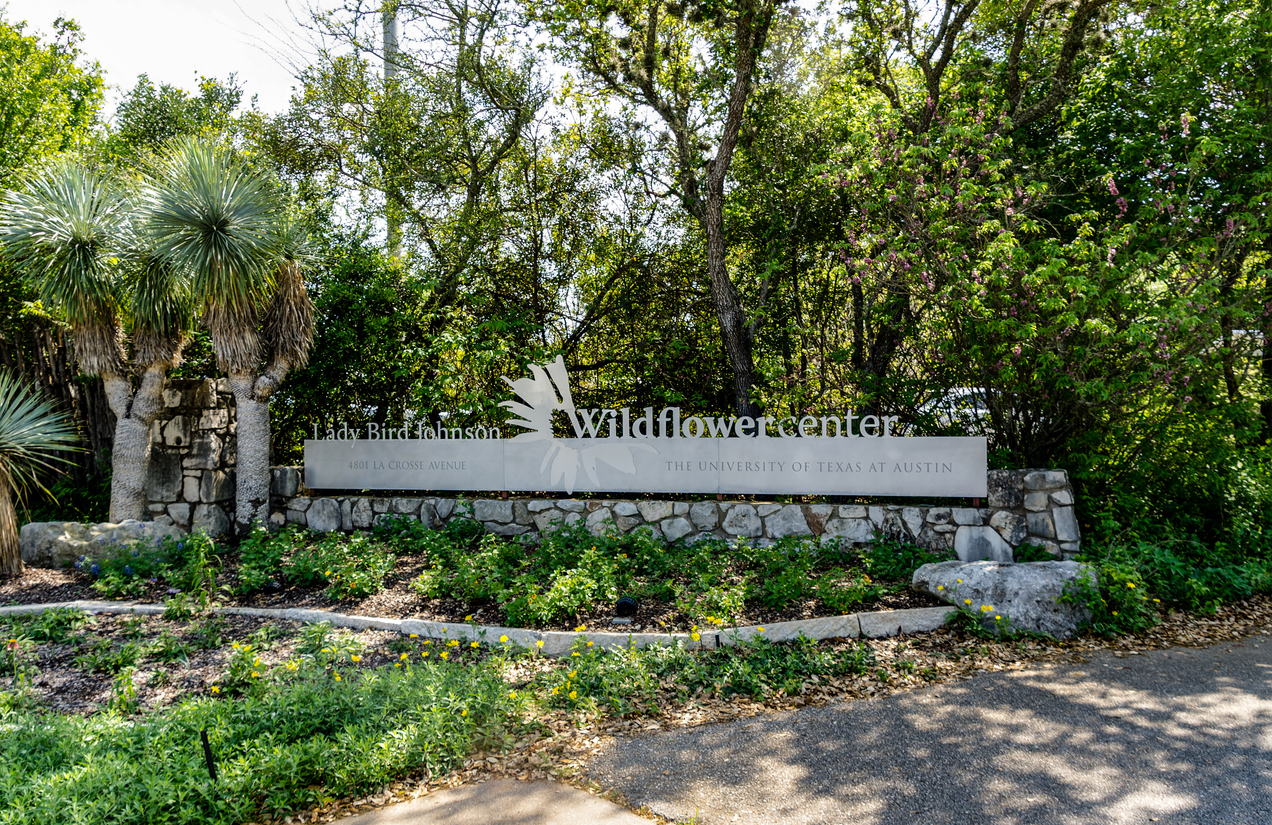
Not every wildflower trip has to cover hundreds of miles. The Lady Bird Johnson Wildflower Center in Austin is one of the best places to learn what you are actually seeing. It focuses on native plants and gives visitors a closer look at the flowers, grasses, and landscapes that make Texas spring so distinctive.
This is a strong stop before or after a larger road trip. You can learn the names of common blooms, see how native plants support pollinators, and understand why rainfall patterns matter so much. The center also releases seasonal wildflower information, including the 2026 forecast that described a varied bloom year across the state.
From Austin, travelers can build several easy wildflower routes. A drive west toward Dripping Springs, Johnson City, and Blanco can bring Hill Country scenery without going all the way to Fredericksburg. A route north toward Burnet and the Highland Lakes gives you more classic bluebonnet country. A drive east toward Bastrop can offer piney woods, sandy soil, and different wildflower mixes.
Austin-area trips are ideal for beginners because they can be short, flexible, and easy to adjust based on bloom reports.
Big Bend and West Texas Blooms
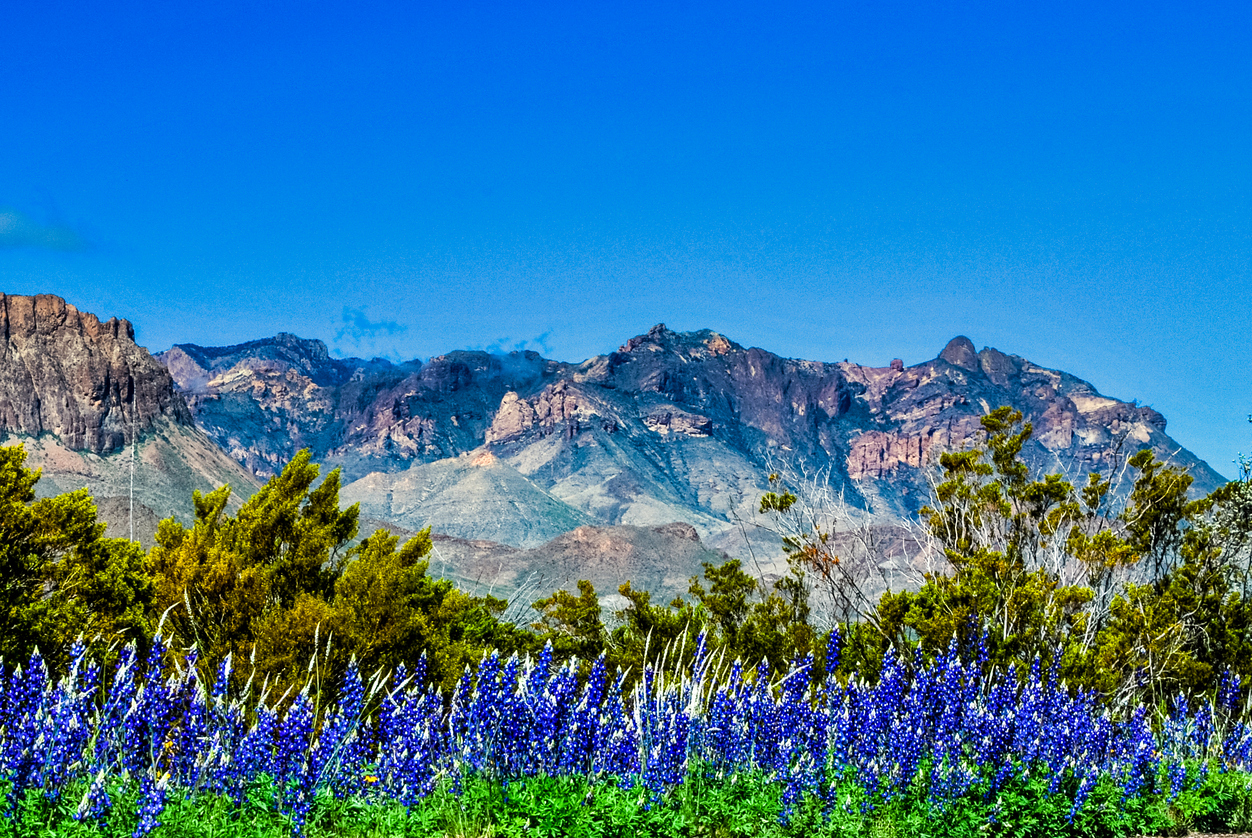
Big Bend is not the first place everyone thinks of for spring wildflowers, but it can be unforgettable. In wet years, the desert comes alive with bluebonnets, ocotillo, cactus blooms, yucca, desert marigold, and other hardy plants. The colors feel dramatic because they appear against mountains, desert flats, canyons, and big sky.
Big Bend bluebonnets are different from the smaller Central Texas bluebonnets. They can grow taller and appear along roadsides, washes, and desert slopes when conditions are right. The timing can also be earlier than Central Texas, especially after winter rain.
This trip takes more planning. Big Bend National Park and the surrounding region are remote. Lodging can fill early, fuel stops are farther apart, and weather can change quickly. Still, for travelers who want a spring wildflower trip with a sense of space, Big Bend is hard to beat.
Good routes include the drive through Big Bend National Park, the Ross Maxwell Scenic Drive, and the river road areas around the region when conditions allow. Always check road and park conditions before heading out.
East Texas Wildflower Trails
East Texas brings a different kind of spring color. Instead of limestone hills and wide-open ranchland, travelers find pine forests, dogwoods, azaleas, redbuds, creek bottoms, and green roadsides. The wildflowers may not always appear in the huge bluebonnet carpets seen elsewhere, but the overall spring scenery can be beautiful.
Travel Texas highlights East Texas as part of the state’s larger spring wildflower experience, including local festivals and scenic routes. Some communities suggest late April as a strong time for viewing, especially where spring trails and local events are involved.
The region around Nacogdoches, Palestine, Jefferson, and the Piney Woods can make a rewarding spring trip. Travelers may see blooming trees, woodland flowers, and roadside color mixed with historic downtowns and quiet country roads.
East Texas works well for people who want a slower, greener trip. It is also a nice choice later in the season, especially when Central Texas bluebonnets have started to fade.
South Texas and the Coastal Plains
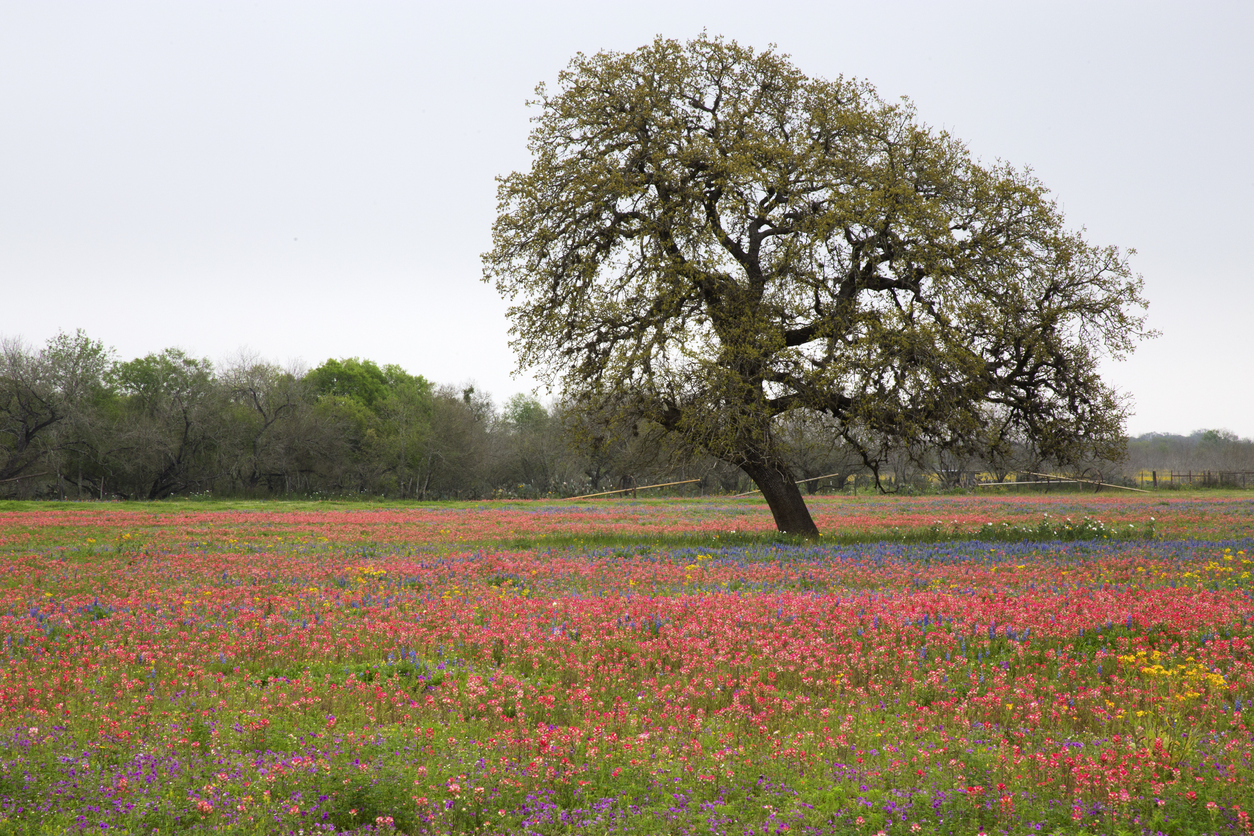
South Texas often gets an earlier start. Depending on rainfall, wildflowers may begin showing in February and continue into spring. The Coastal Plains can bring large patches of bluebonnets, phlox, paintbrush, evening primrose, and other blooms along highways and rural roads.
Routes between San Antonio, Goliad, Victoria, and Corpus Christi can be rewarding in the right year. The landscape is flatter, warmer, and more open than the Hill Country. The color can appear in roadside bands, pasture edges, and open fields.
Goliad State Park and the historic town of Goliad can make a pleasant anchor for a spring trip. The area combines history, river scenery, and wildflower drives. Farther south and west, blooms become more dependent on rainfall, but strong years can bring impressive color.
This region is a good option for travelers who want to beat peak-season crowds in Central Texas. Go earlier, check conditions, and keep your route flexible.
Tips for a Better Wildflower Trip
A good wildflower trip depends on timing, manners, and safety. The flowers may look casual and abundant, but they are part of a living ecosystem.
Stay on public land, marked trails, or safe roadside areas. Do not cross fences or enter private fields without permission. Many famous wildflower spots sit next to ranches, farms, and homes.
Pull over only where it is safe and legal. Avoid stopping on narrow shoulders, curves, hills, or busy roads. No photo is worth risking a crash.
Step carefully. Wildflower patches can include ants, snakes, cactus, uneven ground, and fragile plants. Sitting in flowers may also crush blooms that others came to enjoy.
Take photos without damaging the scene. Texans love bluebonnet pictures, but the best ones leave the flowers standing for pollinators, seed production, and the next visitor.
Pack for changing spring weather. Bring water, sunscreen, comfortable shoes, a hat, and a light jacket. Spring can feel cool in the morning and hot by afternoon.
A Simple Wildflower Weekend Plan
For a first-time Texas wildflower weekend, Central Texas is the easiest choice. Start in Austin or San Antonio, then build a route through Johnson City, Fredericksburg, Willow City Loop, Llano, Burnet, and Marble Falls. Spend one night in Fredericksburg, Burnet, or Marble Falls so you can catch morning light and avoid the heaviest traffic.
For North Texas travelers, Ennis makes the simplest day trip. For Houston travelers, Brenham and Washington County offer a scenic and manageable route. For travelers who want fewer crowds and a bigger adventure, Big Bend or East Texas can turn wildflower season into a true spring getaway.
Final Thoughts
Spring wildflower trips in Texas reward people who know how to slow down. The best moments often happen between famous stops, along a quiet farm road or a curve where the shoulder suddenly glows blue, red, yellow, and pink.
Some years bring thick bluebonnet carpets. Other years are patchier because rain did not arrive at the right time. Either way, the season is worth chasing. Texas is too large and too varied for one perfect wildflower route. That is what makes these trips so enjoyable.
Pick a region, check recent bloom reports, leave early, and take the backroads when you can. Spring does not stay long in Texas, but while it is here, it gives the state one of its finest shows.