

Texas is a big place, and that makes hiking here feel wide open from the start. A beginner hiker can find quiet forest paths, rocky Hill Country trails, Gulf Coast boardwalks, desert canyons, shady creek beds, and city parks that feel surprisingly wild. You do not need to be an athlete, own expensive gear, or drive across the state to get started. You only need a little planning, the right trail, and a good idea of what Texas conditions can bring.
Hiking in Texas can be peaceful, challenging, scenic, and practical all at once. It gives you a reason to slow down, breathe fresh air, notice native plants, and see parts of the state that are easy to miss from the road. It can also teach you how quickly weather, terrain, and distance can change the feel of a walk outdoors.
For beginners, the best approach is simple: start small, choose well-marked trails, go prepared, and build confidence one hike at a time.
Why Texas Is A Great Place For Beginner Hikers
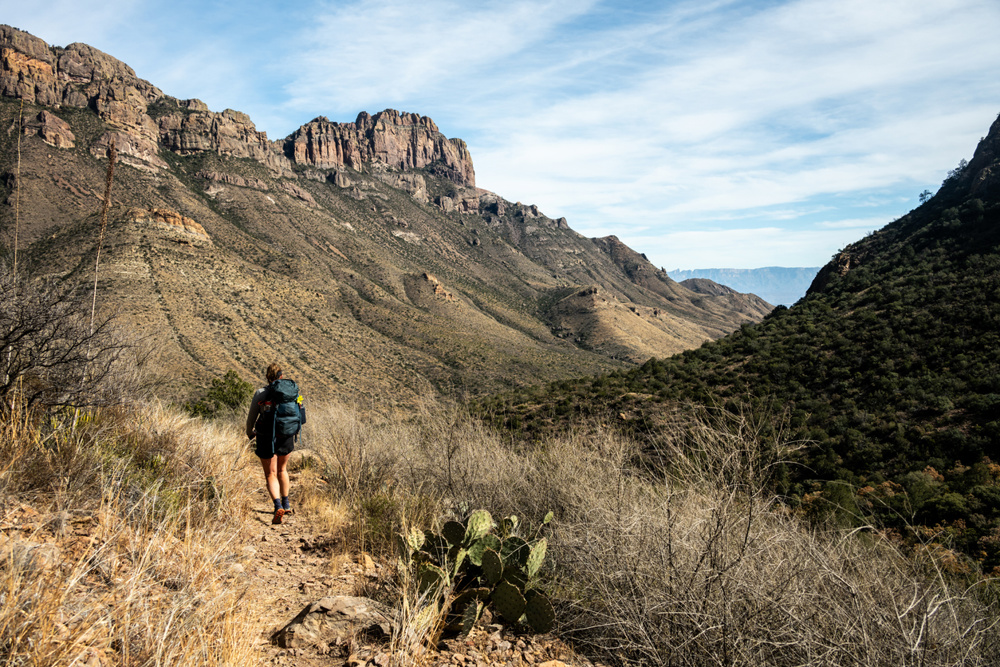
Texas offers many beginner-friendly hiking options because the state has such a wide variety of landscapes. You can find short nature trails in state parks, paved paths in city greenbelts, flat coastal routes, and gentle loops near lakes and rivers. Many parks also offer trail maps, restrooms, picnic areas, visitor centers, and clearly marked trailheads.
Another advantage is flexibility. You can hike for 30 minutes after work, plan a half-day outing on the weekend, or turn a short trail into part of a bigger road trip. In many areas, you can start with easy routes and gradually work up to longer or steeper hikes.
Texas hiking also comes with plenty of visual rewards. Even beginner trails can lead to limestone bluffs, wildflower fields, cypress-lined rivers, oak groves, canyon overlooks, birding areas, and historic sites. You do not have to climb a mountain to enjoy a memorable outdoor experience.
What Beginner Hiking Really Means
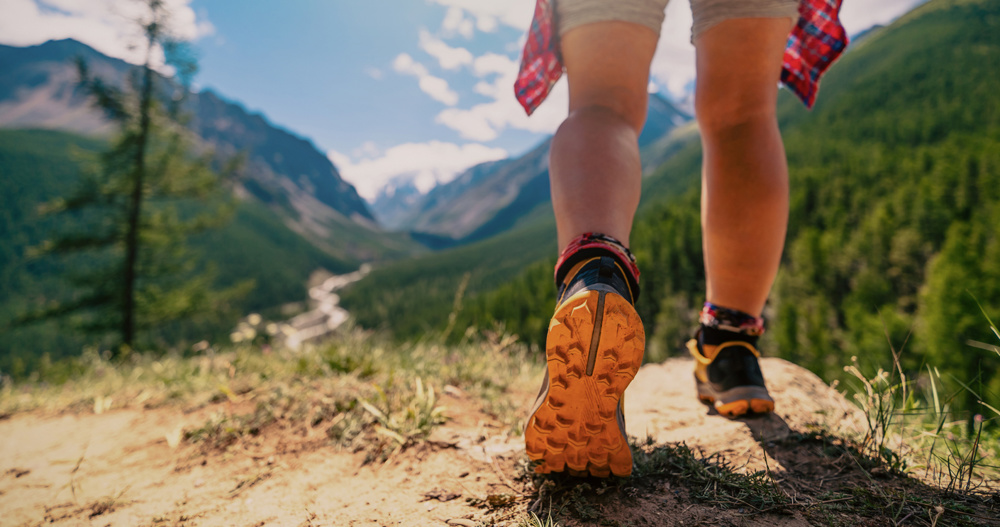
Beginner hiking does not mean boring hiking. It means choosing trails that match your current comfort level.
A beginner-friendly trail is usually short, easy to follow, and not too steep. It may have a smooth dirt path, gravel surface, boardwalk, or paved section. It should have clear signage and enough foot traffic that you do not feel isolated. Many beginner trails are loops, which means you end where you started without needing to retrace your steps.
For a first hike, a good distance is usually one to three miles. That may sound short, but outdoor walking can feel different from walking around your neighborhood. Uneven ground, heat, sun exposure, rocks, roots, and hills can make a short trail feel longer.
The goal of a beginner hike is not to prove anything. The goal is to learn how your body feels on the trail, understand what you need to bring, and enjoy the experience enough to go again.
Where To Start In Texas
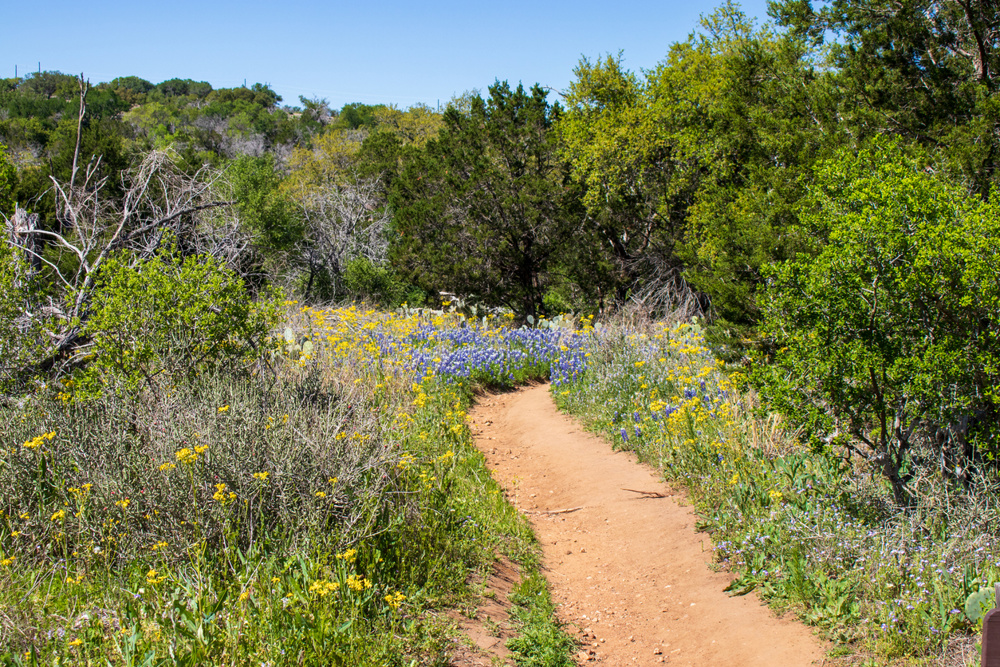
A smart place to begin is close to home. Texas has many state parks, county parks, nature preserves, city trails, and lakefront paths that work well for new hikers. Starting nearby keeps the pressure low. If you forget something or realize the trail is not a good fit, you can adjust without turning the day into a major ordeal.
State parks are especially useful for beginners because many have maintained trails, maps, signs, staff, and online information about trail difficulty. Some parks also mark trails by distance and terrain, which makes planning easier.
City parks can be just as valuable. In places like Austin, San Antonio, Dallas, Fort Worth, Houston, El Paso, and smaller Texas towns, greenways and nature areas often provide easy access to hiking-style trails without a long drive.
When looking for your first trail, search for terms like “easy,” “nature trail,” “loop trail,” “family-friendly,” “interpretive trail,” or “short hike.” Read recent reviews when available, since trail conditions can change after storms, flooding, heat, or maintenance work.
Beginner-Friendly Hiking Areas In Texas
Texas has many excellent places for new hikers. The right one depends on where you live, how far you want to travel, and what kind of scenery interests you.
Hill Country Trails

The Texas Hill Country is one of the most popular regions for hiking, and for good reason. It has clear rivers, limestone hills, oak and cedar woodlands, and scenic overlooks. Parks in this region often include short trails that still feel rewarding.
Enchanted Rock State Natural Area is a famous choice, but beginners should understand that the climb up the main dome is steep and exposed. It can be done by many new hikers with patience, good shoes, and enough water, but it is not the easiest first hike on a hot day. The lower trails around the park may be better for getting started.
Pedernales Falls State Park offers trails with river views, rocky scenery, and peaceful walking routes. Some areas near the water can be uneven, so beginners should pay attention to signs and stay on marked paths.
Garner State Park is another favorite, especially for people who enjoy river scenery. Some trails are more challenging, but there are easier walks near the Frio River that give beginners a comfortable introduction to the park.
North Texas Trails

North Texas has a strong mix of urban trails, lakeside paths, prairies, and wooded routes. Beginners in the Dallas-Fort Worth area can find many options without traveling far.
Cedar Hill State Park offers trails near Joe Pool Lake, with options that range from easy walks to longer routes. The park is a good reminder that beginner hiking can happen close to a major city.
Dinosaur Valley State Park near Glen Rose is a fun choice for beginners who want scenery and a little history. The park has trails, river crossings, and famous dinosaur tracks, although water levels can affect what visitors can see. Beginners should check conditions before going and choose shorter routes first.
Fort Worth Nature Center and Refuge is another strong option. It offers a mix of prairie, forest, wetland, and river scenery. Many trails are approachable for beginners, and the area feels peaceful without being too remote.
East Texas Trails

East Texas is a great region for beginners who prefer shade, forests, and softer scenery. The piney woods offer a different hiking experience from the rocky Hill Country or desert West.
Tyler State Park has trails around a lake and through tall trees. The area feels calm and welcoming, making it a good place for people who want a gentle first outing.
Caddo Lake State Park offers short trails and a unique setting with bayous, bald cypress trees, and Spanish moss. The trails are not usually long, but the environment feels unlike many other parts of Texas.
Huntsville State Park is another beginner-friendly choice. It has lake views, forest trails, and enough route options to let new hikers start easy and return later for a longer walk.
Gulf Coast Trails
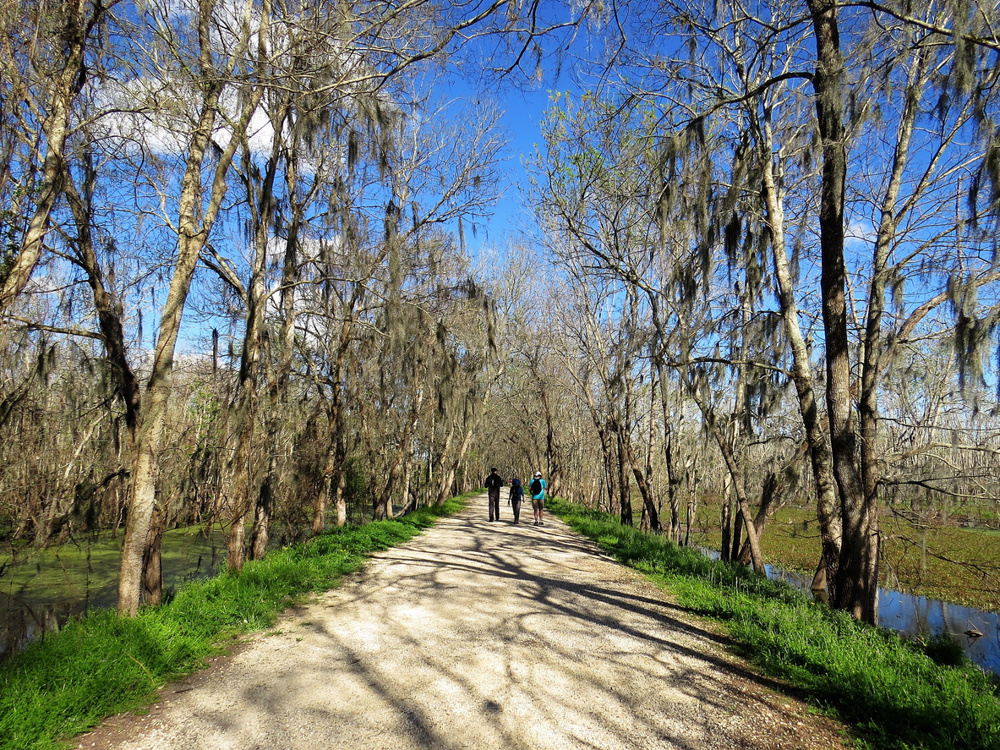
The Gulf Coast offers flat terrain, birding areas, marshes, beaches, and boardwalk trails. These hikes can be great for beginners because many routes have little elevation gain. The main challenges are sun, humidity, insects, and occasional muddy conditions.
Galveston Island State Park has trails through coastal prairie, wetlands, and beachside landscapes. It is a good place to learn how different coastal ecosystems fit together.
Brazos Bend State Park is popular for wildlife viewing, especially birds and alligators. Beginners can enjoy easy walking paths, but they should keep a safe distance from wildlife and follow park rules carefully.
Aransas National Wildlife Refuge and nearby coastal areas can also offer excellent beginner walks, especially for people interested in birds and open coastal scenery.
West Texas Trails
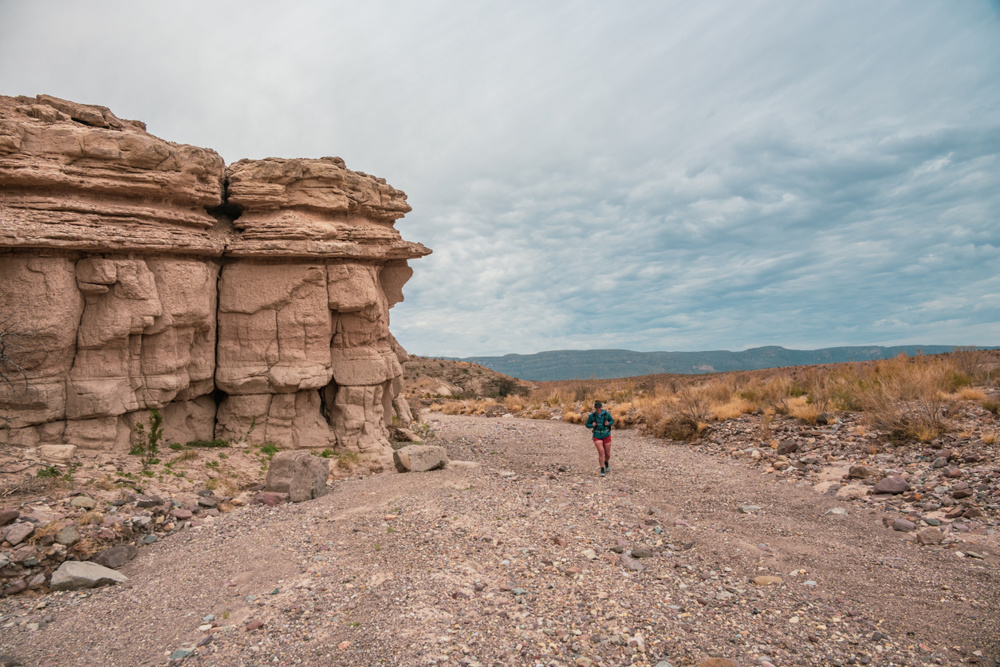
West Texas hiking can be unforgettable, but beginners should approach it with extra care. The desert can be beautiful and harsh. Distances feel longer, shade can be limited, and temperatures can rise quickly.
Big Bend National Park has some beginner-friendly hikes, such as short nature trails and scenic routes near visitor areas. Still, the park is remote, and preparation matters. Bring more water than you think you need, check conditions, and avoid hiking during the hottest parts of the day.
Davis Mountains State Park offers mountain scenery with trails that vary in difficulty. Beginners can start with shorter routes and enjoy the cooler high-desert setting, especially during milder seasons.
Franklin Mountains State Park near El Paso has rugged terrain and dramatic views. New hikers should choose easy routes first and avoid underestimating the rocky desert environment.
What To Wear On A Texas Hike
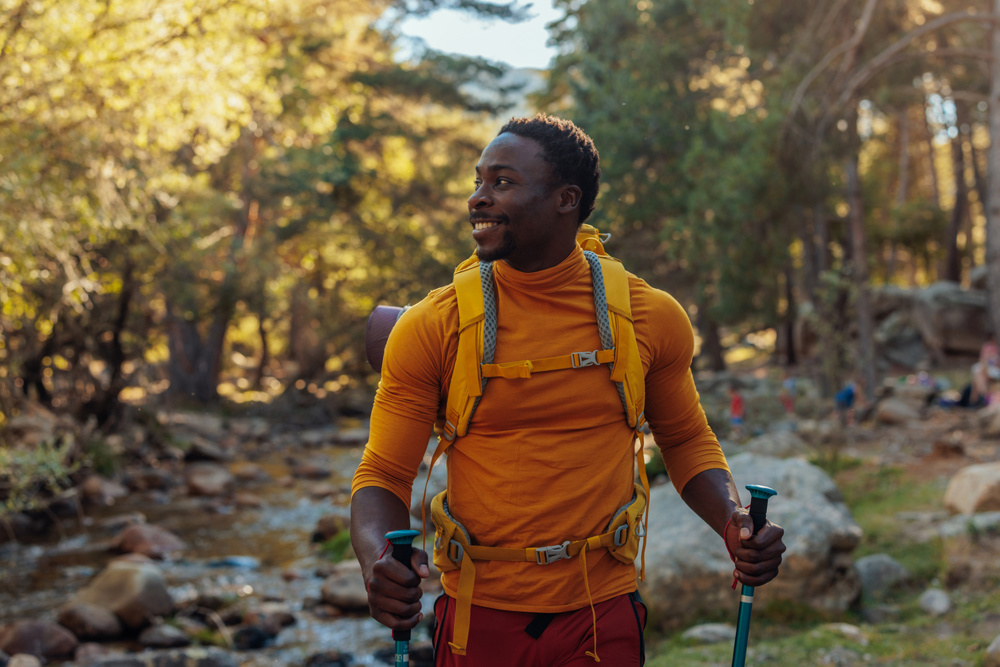
Comfort matters more than fashion on the trail. For beginner hikes, wear clothes that help you move easily and handle the weather.
Lightweight, breathable clothing is useful in warm months. Long sleeves can help protect against sun, brush, and insects, especially in grassy or wooded areas. In cooler months, layers work better than one heavy piece of clothing because temperatures can shift during the day.
Shoes are especially important. You do not always need heavy hiking boots for beginner trails, but you do need supportive footwear with good traction. Trail shoes, sturdy walking shoes, or light hiking boots can work well. Avoid flip-flops, slick sneakers, or shoes that rub your heels.
A hat and sunglasses can make a big difference in Texas sun. Sunscreen is also important, even on partly cloudy days. Many beginner hikers underestimate sun exposure, especially on open trails, rocky areas, and coastal routes.
What To Bring On Your First Hike

You do not need a huge backpack for a short beginner hike, but you should carry a few basics. Water is the most important item. Texas heat can turn a pleasant walk into a risky situation faster than people expect. Bring enough for the whole hike, and bring extra if the trail is exposed, rocky, or far from services.
Snacks are useful even on short hikes. A granola bar, fruit, crackers, or trail mix can help if you feel tired or your hike takes longer than planned.
A phone is helpful for maps, photos, and emergencies, but do not rely on it completely. Service can be weak in parks and rural areas. Download maps before you go when possible, and take a photo of the trail map at the trailhead.
Other helpful items include insect repellent, sunscreen, a small first-aid kit, a bandana, and a light rain jacket if weather looks uncertain. For longer beginner hikes, add a flashlight or headlamp, even if you plan to finish before dark.
Understanding Texas Weather
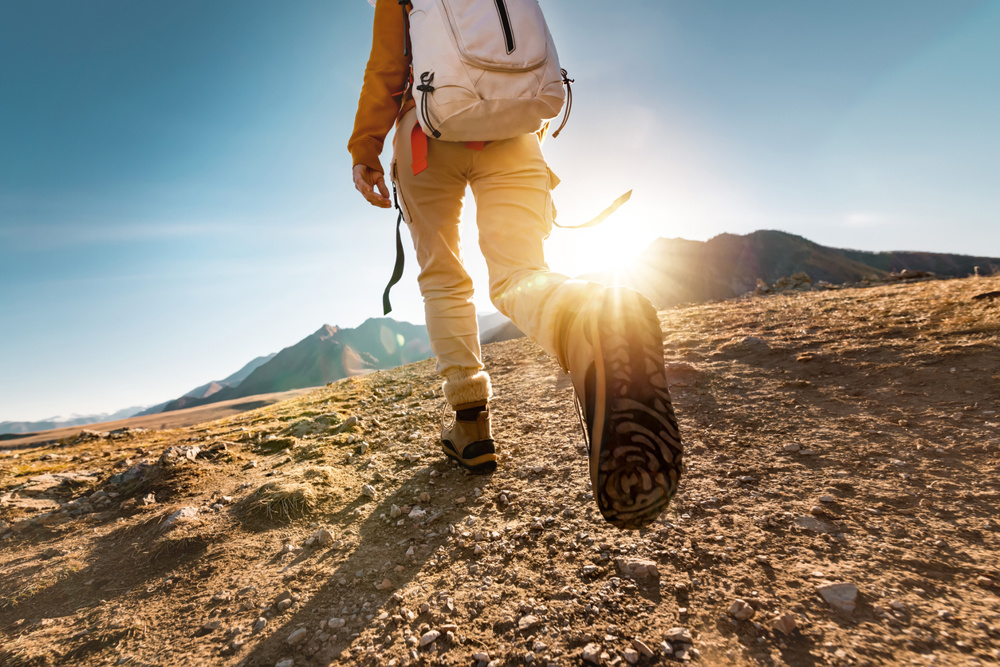
Weather is one of the biggest factors in Texas hiking. Heat, storms, humidity, wind, and sudden cold fronts can all affect the trail.
Summer hiking requires caution. In many parts of Texas, mid-day heat can be dangerous. Beginners should hike early in the morning, choose shaded trails, keep distances short, and turn back before feeling overheated. Heat exhaustion can come with dizziness, nausea, heavy sweating, weakness, or confusion. These symptoms should be taken seriously.
Spring and fall are often the most comfortable seasons for hiking. Spring can bring wildflowers, flowing creeks, and mild temperatures, but it can also bring storms and muddy trails. Fall often brings cooler air and clearer walking conditions.
Winter can be a great time to hike in Texas, especially in areas that become too hot during summer. Still, cold fronts can arrive quickly. Check the forecast and bring layers.
Flash flooding is another concern. Creeks, river crossings, low-water areas, and canyon trails can become dangerous during or after heavy rain. Never cross moving water if you are unsure of the depth or current.
What To Expect On The Trail
Beginner hikers should expect the trail to feel different from a sidewalk. You may walk over rocks, roots, sand, mud, gravel, or uneven dirt. You may need to step around puddles, duck under branches, or pause to let other hikers pass.
You may also move slower than expected. That is normal. Hiking is not only about distance. It includes stopping for water, checking the map, looking at views, taking photos, and watching your footing.
Wildlife is part of the experience. You may see deer, armadillos, lizards, rabbits, birds, turtles, butterflies, snakes, or insects. Most wildlife wants to avoid people. Give animals space, stay on the trail, and never try to touch, feed, or corner anything.
Snakes live in many Texas landscapes. Seeing one does not mean you are in danger, but you should stay alert. Watch where you step, avoid reaching into brush or rock gaps, and give any snake plenty of room.
Trail Etiquette For New Hikers
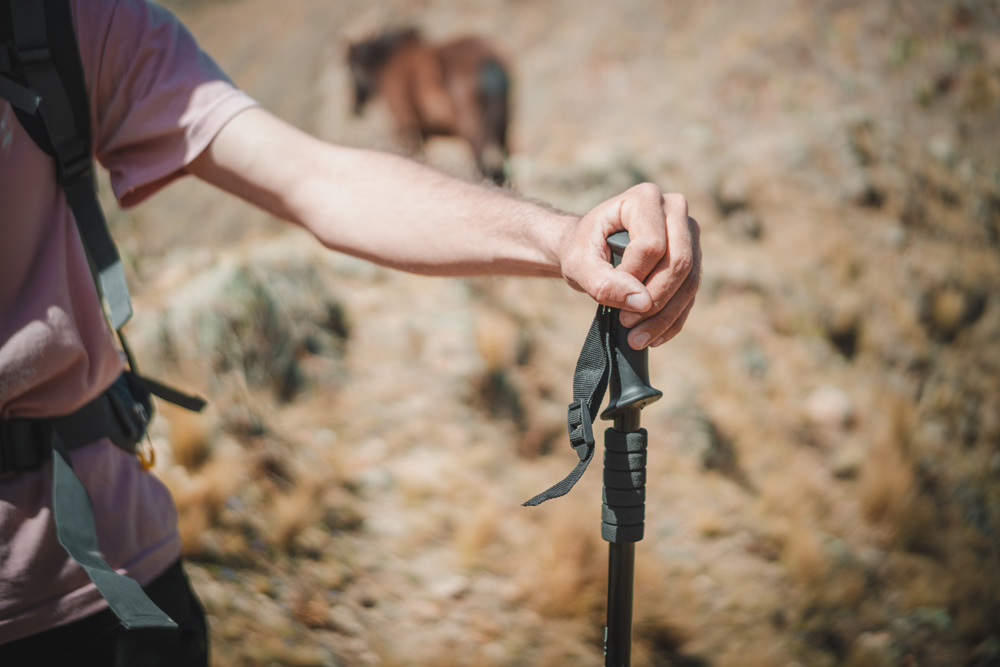
Good trail manners keep everyone safer and make the outdoors more enjoyable.
Stay on marked trails. Cutting across switchbacks or walking into protected areas can damage plants, increase erosion, and make it easier to get lost.
Let faster hikers pass when the trail is narrow. If you are hiking downhill, give uphill hikers space when possible because climbing takes more effort.
Keep noise at a respectful level. Many people go hiking to enjoy quiet, birdsong, wind, and natural sounds. If you listen to music, use earbuds or keep the volume low.
Pack out your trash. This includes snack wrappers, bottles, tissues, fruit peels, and anything else you brought with you. Even natural-looking waste can attract animals or disturb the area.
Dogs are welcome on many trails, but not all. Check rules before bringing a pet. Keep dogs leashed where required, bring water for them, and clean up after them.
How To Choose The Right First Trail
The best first trail is one that makes you feel confident, not overwhelmed. Look for a route with a short distance, clear markings, moderate or easy difficulty, and a location that has basic facilities nearby.
A loop trail is often ideal because it gives you a clear route from start to finish. An out-and-back trail can also work well because you can turn around whenever you need to.
Pay attention to elevation gain. A two-mile flat trail may feel easy, while a two-mile trail with steep climbs can feel much harder. Also look for notes about shade, rocky surfaces, water crossings, and exposed areas.
Recent trail reviews can help, but use common sense. One person’s “easy” may feel difficult to someone else. Choose conservatively at first. You can always take on a longer trail later.
Safety Tips For Beginner Hikers
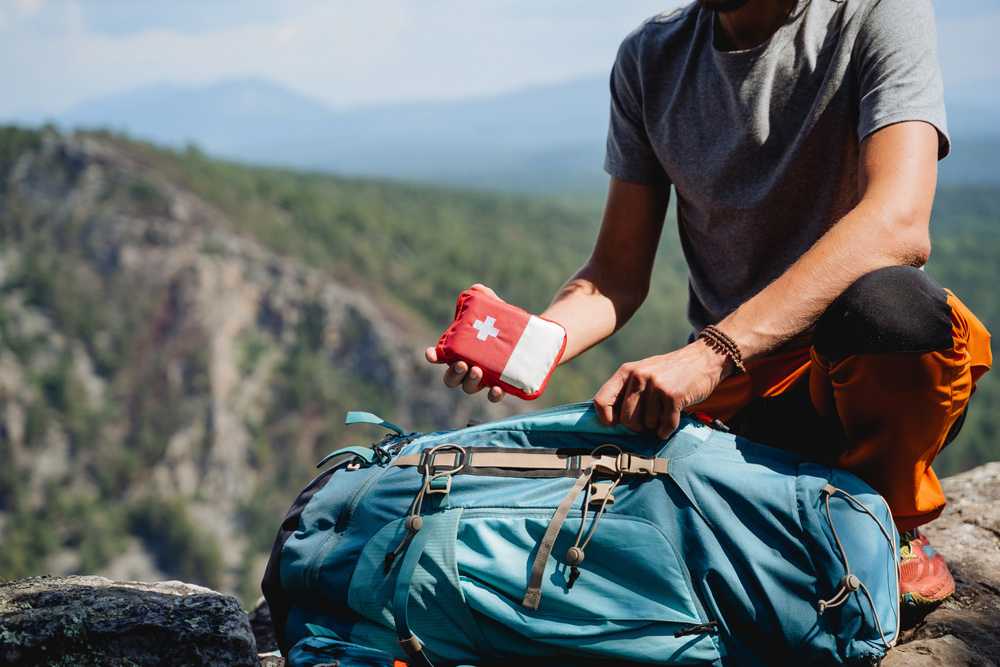
Safety starts before you leave home. Tell someone where you are going, especially if you are hiking alone or visiting a park outside your usual area. Share the trail name, park name, and when you expect to return.
Check park hours before you go. Some parks close gates at certain times, and some require reservations or entrance fees.
Start early enough to finish in daylight. Trails can become confusing after sunset, even short ones. A beginner hike should not turn into a race against darkness.
Know when to turn back. Turning around is not failure. It is good judgment. If you feel overheated, tired, unsure of the route, low on water, or concerned about weather, head back.
Also, pace yourself. A steady, comfortable pace is better than starting fast and getting worn out early. Take breaks before you feel exhausted.
Making Hiking More Enjoyable
A good beginner hike should feel rewarding. Choose scenery that interests you. If you love water, pick a lake, river, or coastal trail. If you like wildlife, visit a refuge or nature center. If you enjoy history, look for trails near old missions, ranch sites, forts, or interpretive signs.
Bring a friend if that makes you more comfortable. Hiking with another person can make navigation easier and turn the outing into a shared memory. Solo hiking can also be peaceful, but beginners should start with popular, well-marked trails.
Take your time. Notice the small things: animal tracks in mud, wildflowers along the path, the sound of cicadas, sunlight through live oaks, or the way a dry creek bed changes after rain. These details make hiking feel personal.
You can also keep a simple hiking note on your phone. Record the trail name, distance, weather, what you liked, and what you would bring next time. Over time, this helps you learn your preferences.
Common Beginner Mistakes To Avoid
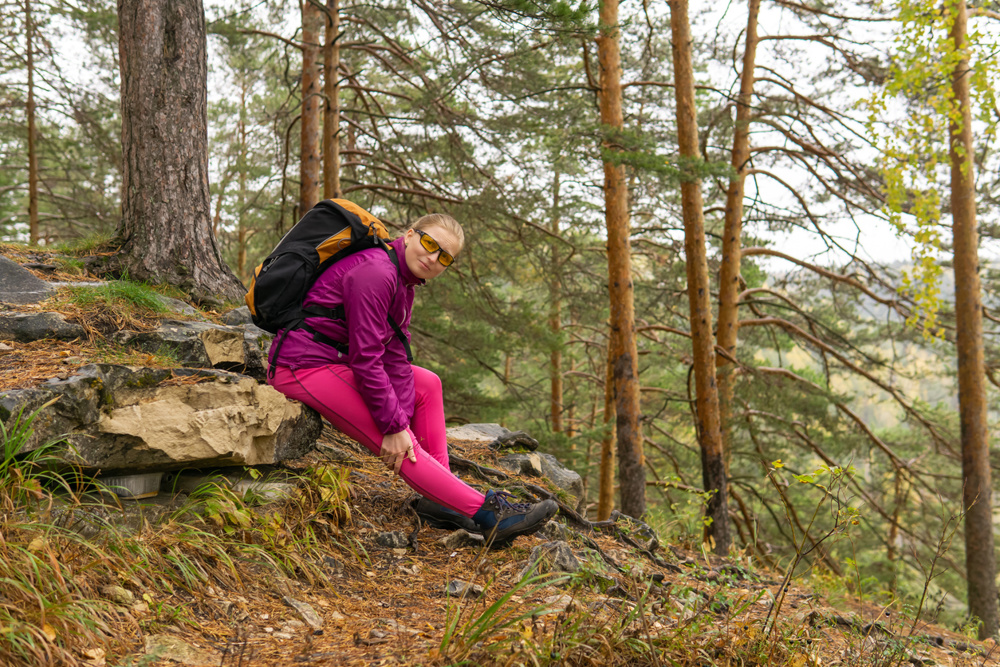
One common mistake is choosing a trail that is too long or too difficult. Enthusiasm is great, but starting with a tough route can make hiking feel stressful. Begin with a trail that seems manageable, then build from there.
Another mistake is not bringing enough water. This matters year-round in Texas, but especially during warm months. Even shaded trails can feel humid and draining.
Some beginners also forget to check trail conditions. Heavy rain, flooding, construction, fire danger, or extreme heat can affect access and safety. A quick check before leaving can prevent problems.
Poor footwear is another issue. Blisters can ruin an otherwise pleasant day. Wear shoes you already know are comfortable, and avoid testing brand-new footwear on a longer hike.
Finally, do not rush. Hiking is much easier to enjoy when you are not treating it like a race.
Building Up To Longer Hikes
Once you feel comfortable with short trails, increase distance slowly. Move from one mile to two or three, then try four or five when you feel ready. Add gentle hills before attempting steep climbs. Try different surfaces, such as packed dirt, gravel, sand, and rocky paths.
As your hikes get longer, your planning should improve too. Carry more water, bring better snacks, study the map more carefully, and pay closer attention to weather. You may eventually want a daypack, trekking poles, moisture-wicking socks, or a hydration reservoir.
The best part is that every hike teaches you something. You learn how much water you drink, how your shoes handle rocks, how heat affects your pace, and what types of trails make you happiest.
Final Thoughts
Beginner hiking in Texas starts with a simple decision to step onto a trail and see what the outdoors has to offer. You do not need to visit the most famous park or tackle the hardest route. A short, well-marked path near home can be the perfect beginning.
Expect variety. Expect heat during much of the year. Expect rocky paths in some regions, muddy stretches in others, and wildlife almost anywhere. Also expect quiet moments, wide skies, fresh air, and a growing sense of confidence each time you go.
Start small. Bring water. Wear good shoes. Check the weather. Choose trails that match your ability. With those basics in place, Texas hiking becomes approachable, enjoyable, and full of places worth returning to again and again.