

Fishing in Texas can mean a quiet morning at a Hill Country river, a family trip to a neighborhood pond, a bass boat run across Lake Fork, or a salty day chasing redfish along the Gulf Coast. The state has a huge range of public waters, and that makes fishing one of the most accessible outdoor activities in Texas.
Before you bait a hook, though, there is one practical question to answer: do you need a Texas fishing license?
For most people, the answer is yes. A fishing license is required for many anglers who fish in public waters, and the type of license depends on where you plan to fish, how long you plan to fish, and whether you live in Texas. The system can look confusing at first, but it becomes much simpler once you understand the basic categories.
This guide explains Texas fishing licenses in plain language, including who needs one, who may be exempt, what the main license packages cover, where to buy a license, and why the rules matter.
Why Texas Requires Fishing Licenses
Texas fishing licenses are about much more than permission to cast a line. License fees help fund the work that keeps fishing healthy and available across the state.
According to the Texas Parks and Wildlife Department, hunting and fishing license fees support conservation work such as fish stocking, wildlife management, habitat restoration, land conservation, and Texas Game Warden operations. TPWD states that 100 percent of hunting and fishing license fees go to the department for on-the-ground conservation efforts.
That means your license helps maintain the very resource you are using. Hatchery programs stock fish into lakes and reservoirs. Biologists monitor fish populations. Habitat projects improve waterways. Game wardens enforce rules that protect fish, anglers, and public access.
In short, a fishing license is part of the system that keeps Texas fishing possible for the next trip, the next season, and the next generation.
Who Needs A Texas Fishing License
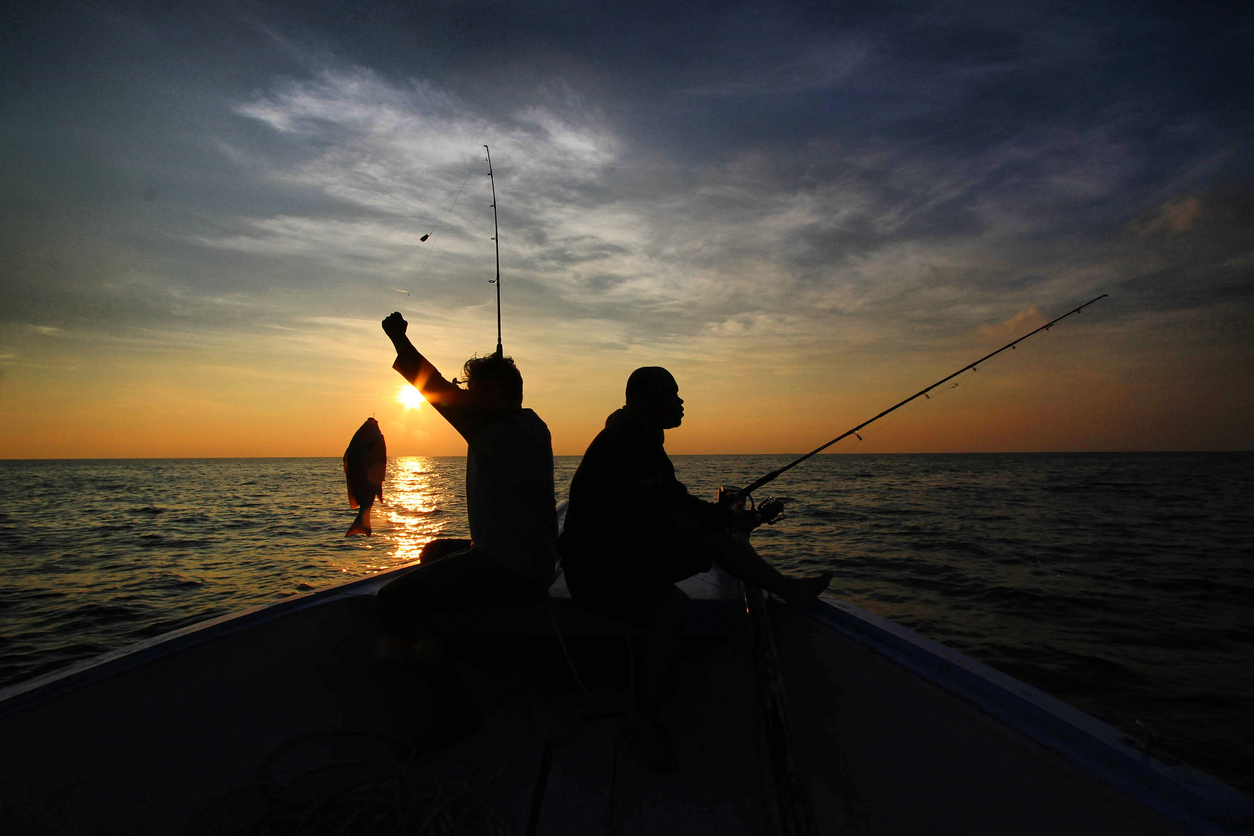
In general, Texas requires a valid fishing license for people who fish in public waters. TPWD states that a valid fishing license with a freshwater or saltwater endorsement is required for residents who fish or take fish, mussels, clams, crayfish, or other aquatic life in Texas public waters. Non-residents who fish in Texas public waters also need a non-resident fishing license unless they qualify for an exception.
The phrase “public waters” is important. It includes many lakes, reservoirs, rivers, streams, bays, and coastal waters open to public fishing. If you are fishing a public lake, a state-managed reservoir, a public river, or the Texas coast, you should assume you need a license unless a specific exemption applies.
A fishing license is not only for anglers using rods and reels. Texas license rules can also apply to taking certain aquatic species, including mussels, clams, crayfish, and other aquatic life. Some animals fall under different rules. For example, TPWD notes that a hunting license is required to take turtles and frogs.
That detail matters because “fishing” under state rules can include more than catching bass, catfish, trout, or redfish.
Who Can Fish Without A License
Texas does provide exceptions. One of the most common is age. Non-residents under 17 years old do not need a license to fish in Texas public waters, and TPWD’s license rules also identify age-based exceptions for residents.
There are also special exceptions for some older anglers from neighboring states. TPWD lists exceptions for Louisiana residents age 65 or older who have a valid Louisiana recreational fishing license, and Oklahoma residents age 65 or older.
Texas also has an exception for a person with an intellectual disability who fishes under the direct supervision of a licensed angler who is a family member or who has permission from the family. TPWD says the person needs a doctor’s note stating the diagnosis while fishing.
Exemptions can be specific, and they can depend on age, residency, disability status, location, or program rules. If you think you qualify for an exemption, it is still smart to carry identification or documentation that proves it. A game warden may ask for proof in the field.
Freshwater, Saltwater, And All-Water Licenses
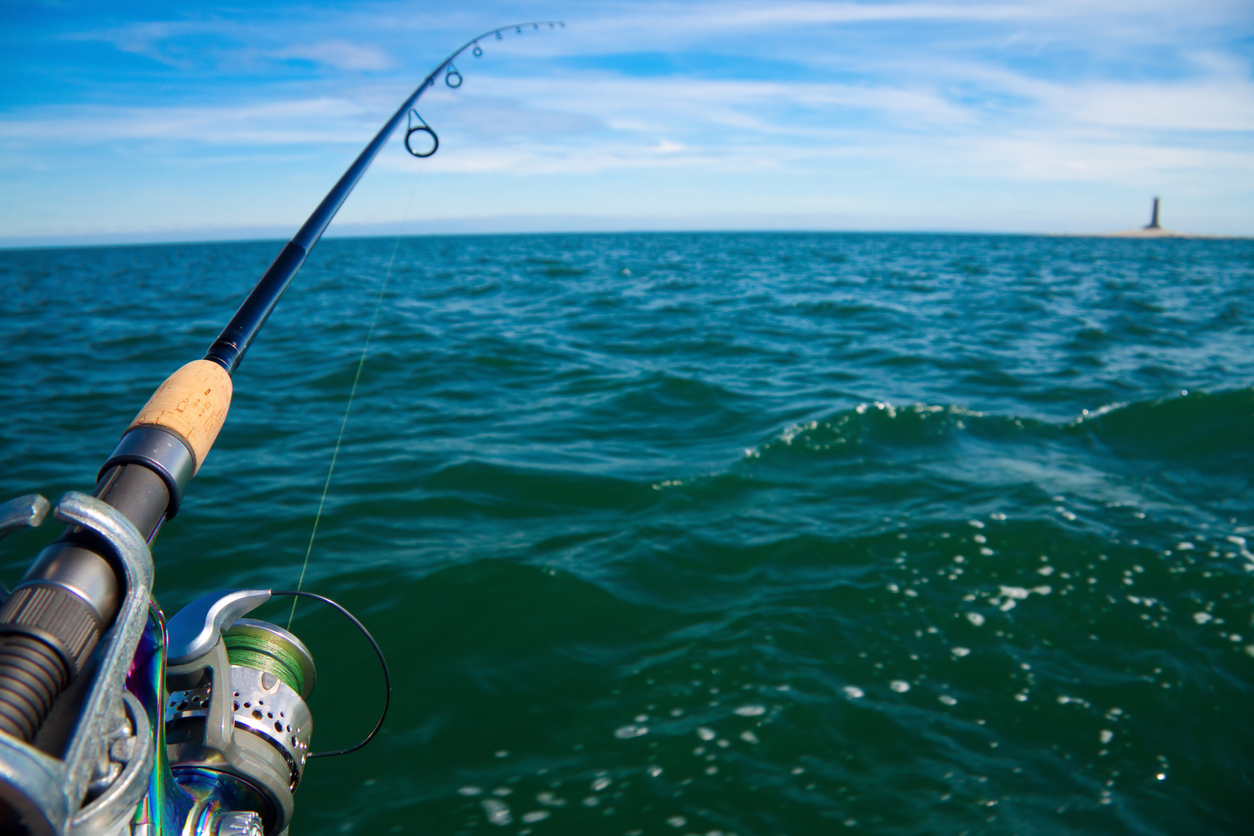
Texas divides fishing licenses into three simple water categories: freshwater, saltwater, and all-water.
A freshwater license package is for public freshwater fishing. This covers places such as inland lakes, reservoirs, rivers, creeks, and ponds where freshwater rules apply. A saltwater package is for coastal and marine waters. This includes bays, the surf, jetties, and Gulf waters where saltwater rules apply.
An all-water package covers both freshwater and saltwater fishing. For many anglers, this is the easiest option because it removes the guesswork. If you might fish Lake Travis one weekend and Galveston Bay another weekend, an all-water license usually makes more sense than buying separate freshwater and saltwater access.
TPWD states that freshwater packages include a fishing license and a freshwater endorsement. Saltwater packages include a fishing license and a saltwater endorsement, along with a red drum tag, a spotted seatrout tag, or both, depending on the package selected.
Those endorsements are important. In Texas, the license and endorsement work together. The license identifies your legal fishing privilege, while the endorsement allows you to fish in the type of water you selected.
What Endorsements Mean
Texas used to commonly refer to some endorsements as “stamps.” Today, TPWD describes them as endorsements. A freshwater fishing endorsement is required to fish in public fresh water. A saltwater fishing endorsement is required to fish in salt water. TPWD also notes that fishing and combination packages include one or more endorsements, and additional endorsements may be purchased during the effective dates of the license or package.
Here is the easy way to think about it. If you buy a resident freshwater package, you are covered for freshwater fishing because the freshwater endorsement is included. If you buy a resident saltwater package, you are covered for saltwater fishing because the saltwater endorsement is included. If you buy an all-water package, you are covered for both.
This is why most recreational anglers buy packages instead of trying to build a license piece by piece. The package usually includes the license and the needed endorsement.
Resident Fishing License Packages
Texas resident packages are the standard choice for people who live in Texas and meet the state’s residency requirements. TPWD lists the resident freshwater package at $30, the resident saltwater package at $35, and the resident all-water package at $40. These packages are valid from the date of sale through August 31 of the same license year.
The all-water package is often the best value for an angler who might fish both inland and coastal waters. The price difference between freshwater and all-water is small, and it gives you more flexibility.
Texas also offers a year-from-purchase all-water package for residents. TPWD lists that option at $47. Unlike the regular annual licenses that generally end on August 31, this package runs from the purchase date through the end of the purchase month in the next license year.
That option can be useful if you are buying later in the license year and want a full year of coverage instead of a license that expires on August 31.
Senior Resident Fishing Packages
Texas residents who are at least 65 years old may qualify for senior resident fishing packages. TPWD lists senior freshwater, senior saltwater, and senior all-water options. The current listed fees are $12 for the senior freshwater package, $17 for the senior saltwater package, and $22 for the senior all-water package.
There is one detail to notice. TPWD says senior freshwater and saltwater packages are available to Texas residents who are at least 65 years old and were born on or after January 1, 1931.
Senior anglers should check the current TPWD rules before buying, especially if they are close to an age cutoff or have questions about older license categories. The senior packages are a helpful discount, but the eligibility wording matters.
Non-Resident Fishing License Packages
Visitors can fish in Texas too, but they usually need a non-resident fishing license package. TPWD lists the non-resident freshwater package at $58, the non-resident saltwater package at $63, and the non-resident all-water package at $68.
For a visitor planning one serious fishing trip, the all-water package may be worth considering. Texas has excellent freshwater and coastal fishing, and travel plans can change. Someone who starts with a bass trip may decide to add a bay fishing day before heading home.
For shorter visits, Texas also offers one-day all-water licenses. TPWD lists the resident one-day all-water license at $11 and the non-resident one-day all-water license at $16. These are valid for the selected day or days purchased, and TPWD says endorsements are not required for the one-day all-water license.
That makes the one-day license a practical choice for tourists, casual anglers, or anyone who only fishes occasionally.
The Lake Texoma License

Lake Texoma has its own special license because it sits along the Texas and Oklahoma border. TPWD lists a Lake Texoma license that allows a person to fish in both Texas and Oklahoma waters of Lake Texoma without additional Texas or Oklahoma fishing licenses. It is valid until December 31 following the date of issuance and applies only to Lake Texoma. TPWD lists the fee at $12.
This license is useful because anglers on Texoma can easily cross between state waters while fishing. Instead of worrying about which side of the lake you are on, the Lake Texoma license simplifies the situation.
There is also a senior-related detail. TPWD says a Texas resident age 65 or older does not need this license to fish the Oklahoma portion of Lake Texoma.
Fishing Guides Need A Different License
A regular fishing license covers recreational fishing. It does not make someone a legal fishing guide.
TPWD says fishing guide licenses are required for any person who, for compensation, accompanies, assists, or transports another person engaged in fishing in Texas public waters. TPWD lists several guide license types, including freshwater, resident all-water, paddle-craft, and non-resident all-water guide licenses.
This matters for anyone thinking about turning fishing knowledge into a side business. If money, services, or other compensation are involved, guide rules may apply. A person taking friends fishing for fun is different from a person taking paying clients.
How Long A Texas Fishing License Lasts
Most Texas fishing licenses and packages are valid from the date of sale through August 31 of the same license year. TPWD also identifies exceptions, including temporary fishing licenses, the year-from-purchase fishing license, and the Lake Texoma fishing license.
This can surprise people who buy a license late in the summer. A regular annual license bought in July may still expire on August 31. That does not mean the license is wrong. It means Texas uses a license year system.
Because of that, timing matters. If you fish often, buying near the start of the license year gives you the most use. If you are buying later and want extended coverage, the resident year-from-purchase all-water package may be worth a look.
Where To Buy A Texas Fishing License
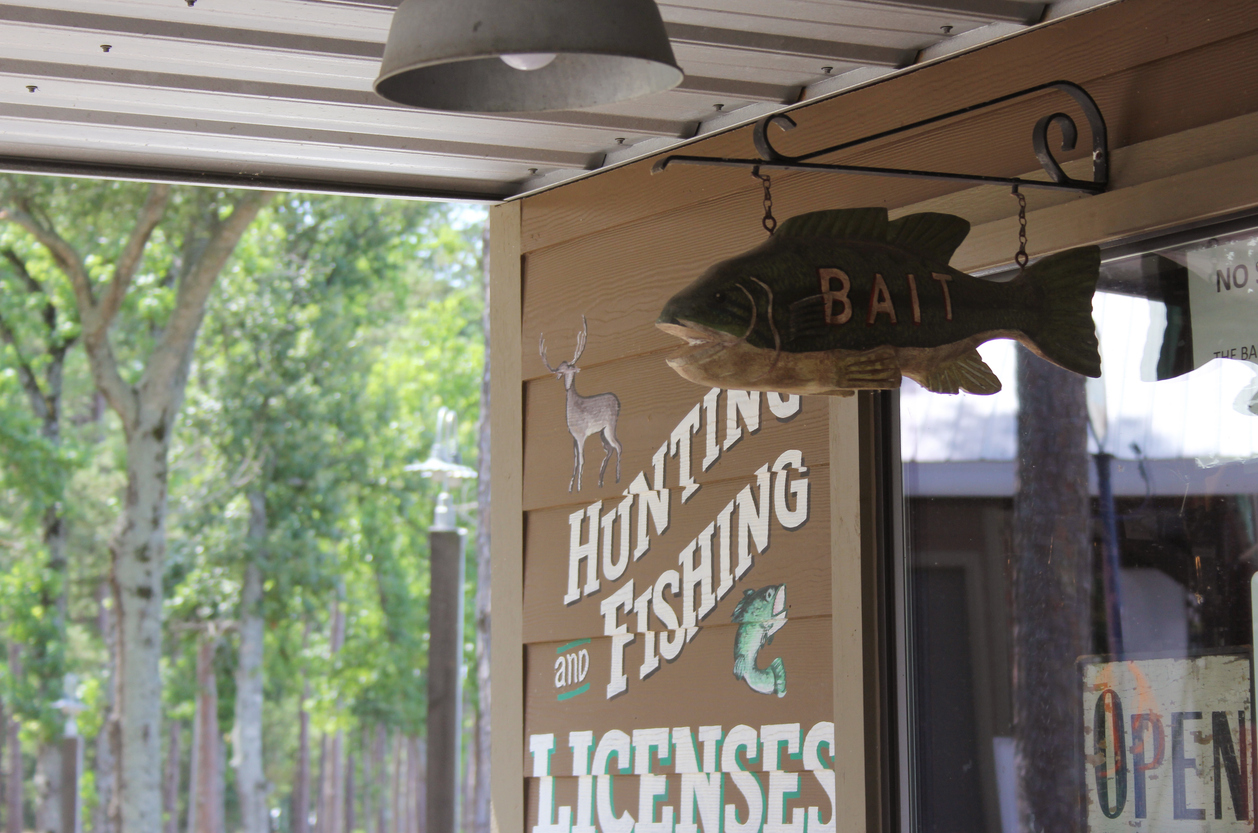
Texas makes licenses easy to buy. TPWD says official recreational hunting and fishing licenses are available online through the Texas License Connection sales website, at about 1,700 retail locations across the state, at TPWD offices, and at Texas State Parks. Retail locations can include sporting goods stores, bait and tackle shops, department stores, discount stores, grocery stores, gun shops, and other sellers.
You can also order by phone at 800-895-4248 during weekday business hours. TPWD notes that a $5 administrative fee applies for online transactions, and a $5 administrative fee also applies for phone transactions.
Digital options are available too. TPWD offers fully digital options for recreational hunting, fishing, and combo license and tag types. Paper licenses can be purchased online or at a retailer, while digital licenses must be purchased online.
For many anglers, the digital option is convenient. Still, make sure your phone is charged and your license is accessible before you head out.
Carrying Proof Of Your License
Buying a license is only part of the responsibility. You also need to be able to show it when required.
TPWD states that it is unlawful to hunt or fish without a valid license, permit, and applicable endorsements on your person and available for inspection by a game warden, unless you are exempt by age, program, or reciprocal agreement. TPWD also says it is unlawful to use another person’s license or to let someone else use yours.
The Outdoor Annual mobile app can help. TPWD says anglers can use a mobile device to show proof of hunting and fishing licenses for activities that do not require tagging or physical stamps by entering license information in the app’s license section.
Even with digital access, it is wise to keep things simple. Check your license before leaving home. Screenshot or save proof if allowed. Bring identification. If you bought a paper license, keep it dry and readable.
Fishing Licenses And Tags
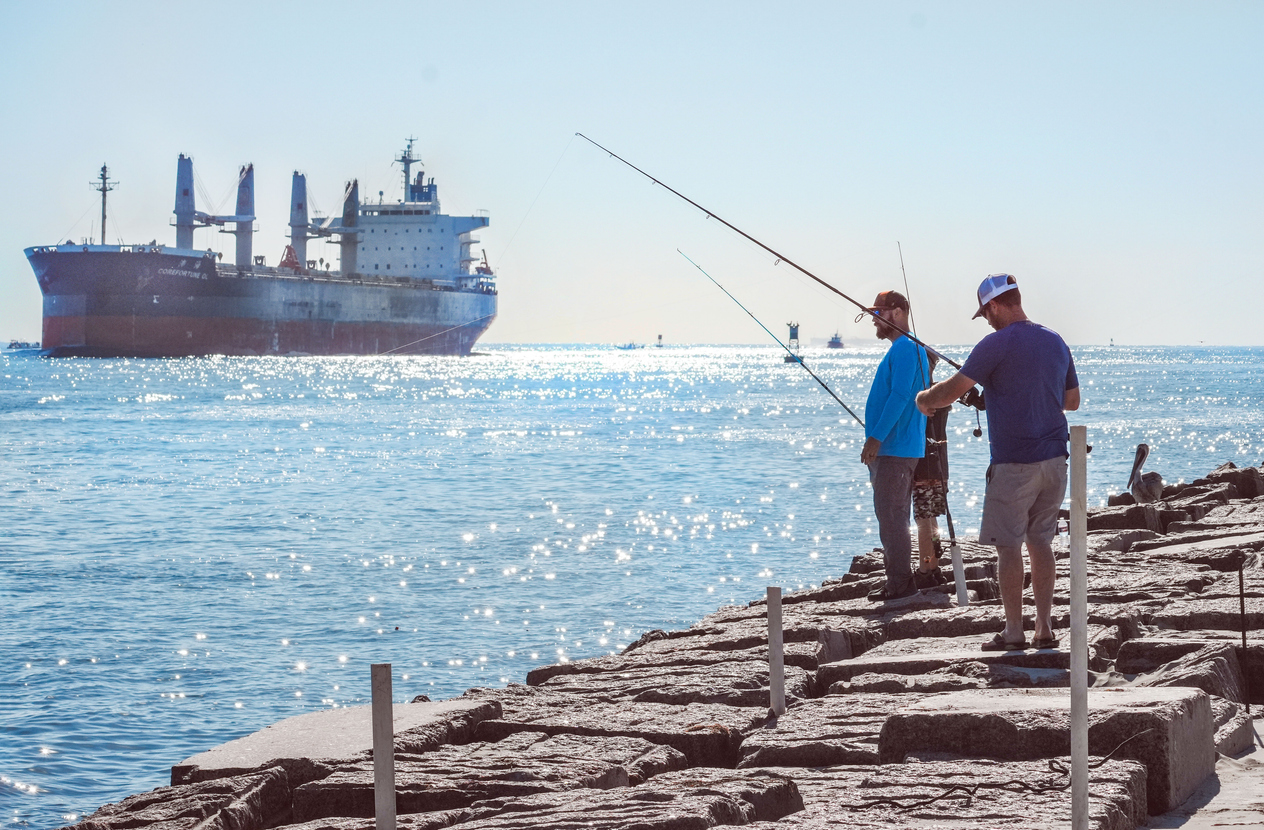
Saltwater anglers should pay attention to tags. Some saltwater packages include a red drum tag, a spotted seatrout tag, or both, depending on the package selected. TPWD also says a one-day all-water license does not require endorsements, and a red drum tag and spotted seatrout tag may be available at no additional charge, with a limit of one per customer.
Tags are tied to harvest rules, not simply fishing access. They help manage species that need careful monitoring. If you plan to keep red drum, spotted seatrout, or other regulated fish, check the current bag limits, size limits, and tagging rules before your trip.
License rules and fishing regulations work together. A license gives you permission to fish, but it does not override daily limits, size limits, slot limits, seasonal closures, gear rules, or local restrictions.
Common Mistakes To Avoid
One common mistake is buying a freshwater license and then deciding to fish the coast. A freshwater package does not cover saltwater fishing unless you add the saltwater endorsement. If coastal fishing is even a possibility, an all-water package may be easier.
Another mistake is assuming a child needs the same license as an adult. Youth rules are different, and many younger anglers can fish without a license. Still, adults helping kids fish should make sure their own license status is legal if they are fishing too.
A third mistake is forgetting the August 31 expiration date. Many annual licenses do not last a full calendar year. Mark the date or use the TPWD app to keep track.
A fourth mistake is thinking private property rules are the same as public water rules. Private ponds, public lakes, leased access, and navigable waterways can raise different questions. When in doubt, check TPWD guidance before fishing.
Why The Right License Makes Fishing Easier
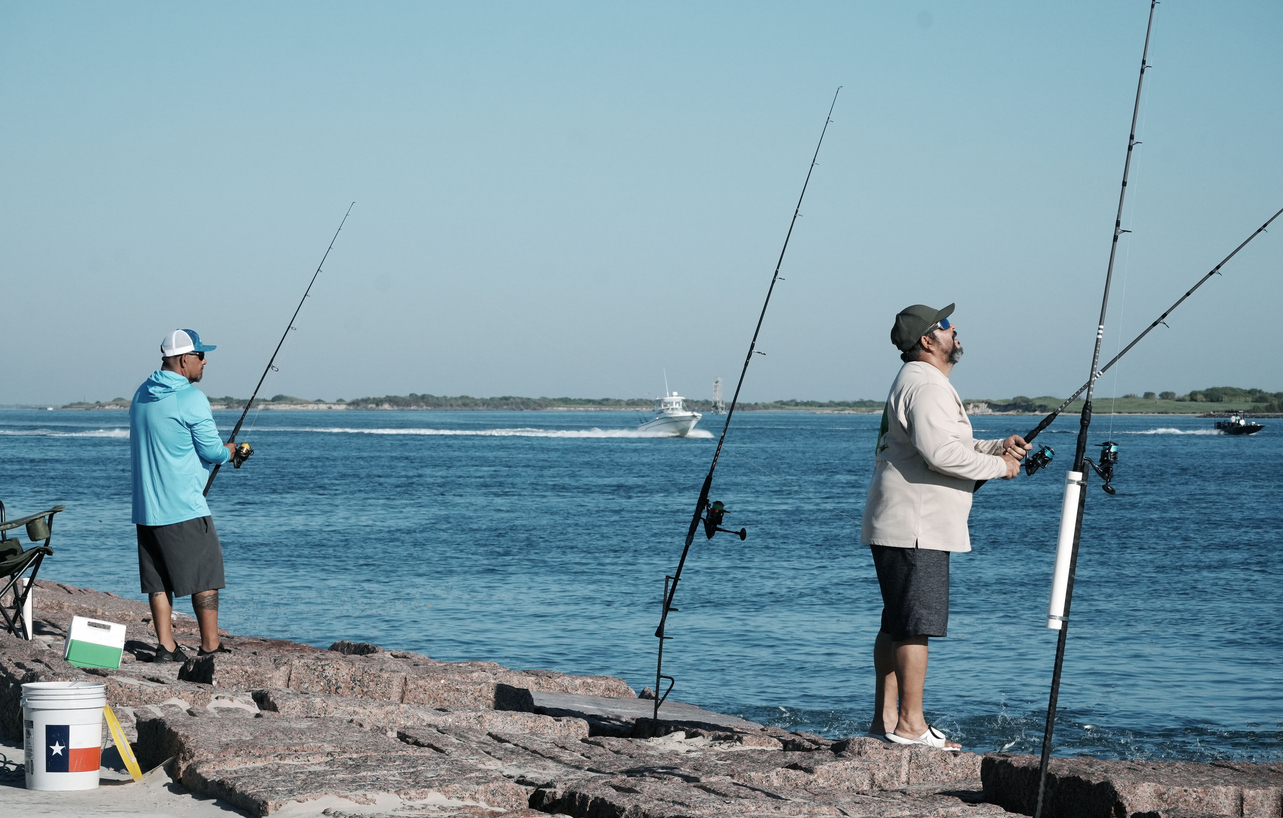
The best license is the one that matches how you actually fish.
If you only fish freshwater, a freshwater package may be enough. If you only fish the coast, a saltwater package may fit. If you enjoy both, an all-water package is usually the simplest choice. If you are visiting Texas for one day, the one-day all-water license keeps things simple. If Lake Texoma is your destination, the Lake Texoma license may be the cleanest option.
A little planning keeps the focus where it belongs: on the water, the weather, the bite, and the people you are fishing with.
Final Thoughts
Texas fishing licenses may look complicated at first, but the basic idea is straightforward. Most anglers need a license to fish public waters. The main choice is freshwater, saltwater, or all-water. Residents, seniors, non-residents, one-day anglers, Lake Texoma anglers, and guides each have options designed for different situations.
The rules also serve a larger purpose. License dollars help fund conservation, stocking, habitat work, public access, and enforcement across Texas. That makes the license part of the fishing experience itself.
Before your next trip, check the current TPWD rules, buy the right license, confirm your endorsements, and keep proof with you. Once that is handled, you can enjoy the best part: finding a good spot, making a clean cast, and seeing what Texas waters have waiting below the surface.