

Texas has a state park for almost every kind of traveler. Some people want a quiet trail under live oaks. Others want a riverbank, a canyon overlook, a swimming hole, a campsite, or a place where kids can burn off energy without a screen in sight.
Yet the most popular Texas state parks tend to have a few things in common. They may look very different at first. Garner State Park has the Frio River. Palo Duro Canyon has dramatic red-rock views. Enchanted Rock draws hikers to a massive pink granite dome. Ray Roberts Lake State Park sits close to the Dallas-Fort Worth area and gives visitors easy access to water, trails, and camping.
Different scenery. Different regions. Different moods.
Still, the parks that rise to the top usually share the same winning formula. They are beautiful, easy to enjoy, memorable, and useful to a wide range of visitors. They offer enough adventure for outdoor lovers while staying approachable for families, casual hikers, and first-time campers.
Texas state parks drew over 9 million visits in recent annual reporting, and 2025 visitation was reported at over 9.2 million, showing how strong the demand remains. Texas Parks and Wildlife also promotes a system of over 80 parks, historic sites, natural areas, and visitor centers, with online tools for reservations, maps, events, and trip planning.
So what makes the most popular parks stand out? The answer is not one single feature. It is a mix of scenery, access, recreation, identity, and emotional payoff.
They Have A Strong First Impression
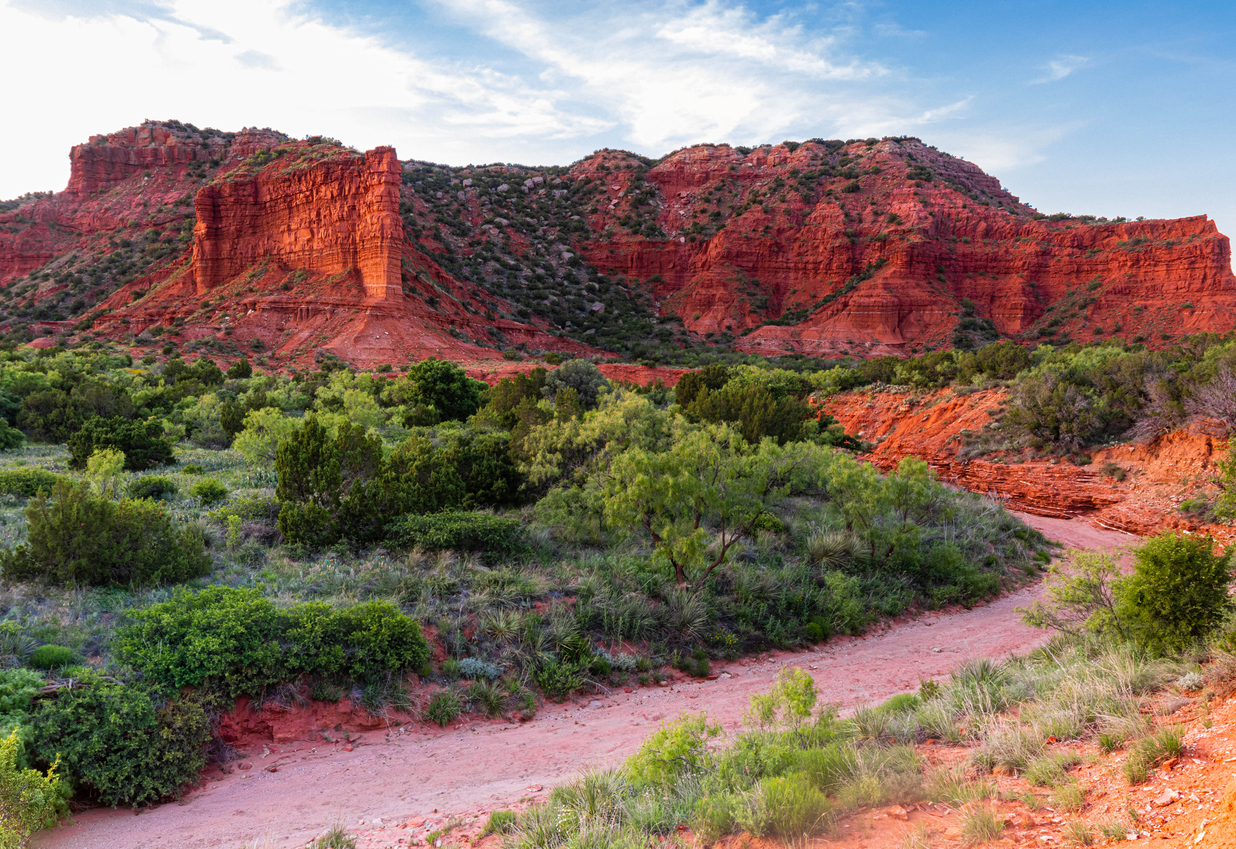
The most visited parks often give people something impressive right away. Visitors do not have to search hard for the main attraction.
At Palo Duro Canyon, the landscape announces itself. The park’s canyon walls, colorful rock layers, and open views create an immediate sense of scale. At Enchanted Rock, the granite dome rises from the Hill Country like a landmark you cannot miss. At Dinosaur Valley State Park, the draw is unusual and easy to explain: real dinosaur tracks in the Paluxy River bed when conditions allow. Recent coverage noted the park’s family appeal, preserved tracks, life-size dinosaur replicas, and range of activities from hiking to swimming.
That kind of instant appeal matters. People remember places with a clear visual identity. They also share them. Photos from overlooks, river crossings, rock formations, lake edges, and historic structures help a park travel far beyond its boundaries.
In a state as large as Texas, a park needs a strong hook. The most popular ones usually have it.
They Offer Water, Shade, Or Big Views

Texas weather shapes park popularity in a major way. Heat, sun, wind, and long driving distances all affect where people go and how long they stay.
That helps explain why water is such a powerful attraction. Parks with rivers, lakes, creeks, or swimming areas often feel easier to enjoy, especially in warmer months. Garner State Park has the Frio River. Ray Roberts Lake State Park has lake access. Inks Lake State Park offers water recreation in the Hill Country. Lake Mineral Wells State Park draws people for boating, fishing, paddling, hiking, and nearby outdoor activities.
Shade matters too. Visitors may love dramatic landscapes, but they also need relief. A trail with tree cover, a picnic site under oaks, or a campsite with some shade can turn a good trip into a comfortable one.
Big views play a similar role. A sweeping overlook rewards visitors quickly. Even people who are not serious hikers can appreciate a view after a short walk or scenic drive. That is one reason canyon parks, lake parks, and Hill Country parks have such strong staying power.
The most popular parks usually give visitors at least one of these comforts: water, shade, or scenery that feels worth the trip.
They Are Close Enough For A Weekend Trip
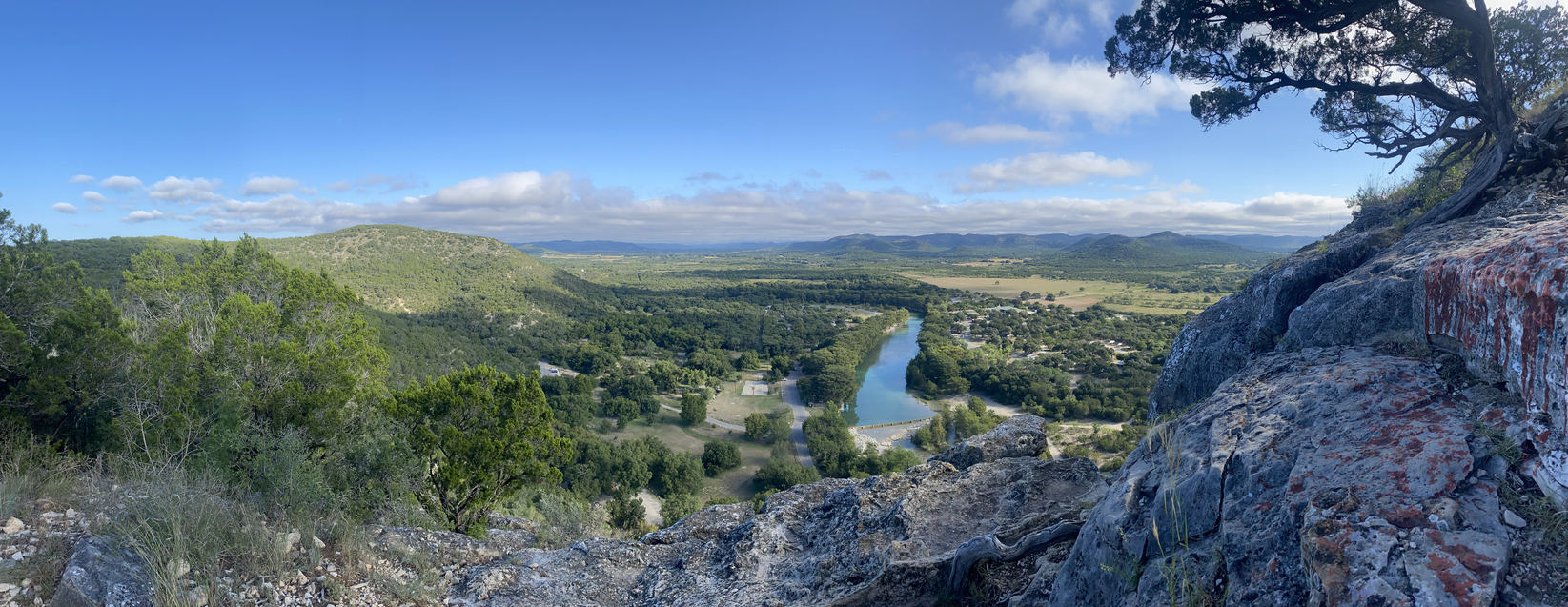
Location plays a huge role in popularity. Some parks are famous because they are remote and dramatic. Many others become popular because millions of Texans can reach them without planning a major expedition.
Ray Roberts Lake State Park is a strong example. It sits within reach of the Dallas-Fort Worth area, and recent reporting identified it as Texas’ most visited state park in 2025, with the broader Prairies and Lakes region leading attendance.
That does not mean convenience beats beauty. It means convenience helps beauty get discovered again and again.
A park near a major metro area can serve many roles. It can be a day trip, a camping weekend, a fishing spot, a hiking destination, or a place for a family picnic. Visitors do not need a full vacation budget. They need a free Saturday, a packed cooler, and a reservation if the park is busy.
The most popular parks often sit in that sweet spot. They feel like an escape, but they are still reachable.
They Work For Different Skill Levels
A popular state park cannot serve only expert hikers or experienced campers. It has to make room for people who are new to the outdoors.
The best-loved parks usually offer layers of difficulty. A beginner can take a short nature trail. A family can choose a picnic area or easy lakeside walk. A more experienced visitor can look for longer hikes, paddling routes, bike trails, fishing spots, or backcountry-style experiences where available.
Texas Parks and Wildlife emphasizes that state parks offer a wide range of trails, from short scenic walks to more strenuous routes for experienced hikers. That variety helps parks attract repeat visitors. Someone may visit once for an easy outing, then return later for a longer trail or overnight stay.
This flexibility is one of the quiet reasons popular parks stay popular. They do not ask every visitor to enjoy the outdoors in the same way.
They Give Families Plenty To Do
Family appeal is another shared trait. A park that works for kids, parents, grandparents, school groups, and first-time campers has a wider audience.
Family-friendly parks usually have several features in common. They offer restrooms, clear trails, picnic areas, water access, ranger programs, visitor centers, or interpretive signs. They may also have wildlife viewing, historic sites, playground-like natural features, or easy places to stop and rest.
Dinosaur Valley State Park shows how powerful this can be. Dinosaur tracks turn a nature trip into a story children can understand immediately. The park also offers hiking, biking, fishing, swimming, picnicking, wildlife watching, paddling, and horseback riding across its trail system, according to recent reporting.
Popular parks often make learning feel natural. Kids may come for swimming, rocks, fossils, or animals, then leave with a better understanding of geology, ecology, history, or conservation.
That educational value gives the trip meaning beyond recreation.
They Have A Clear Sense Of Place
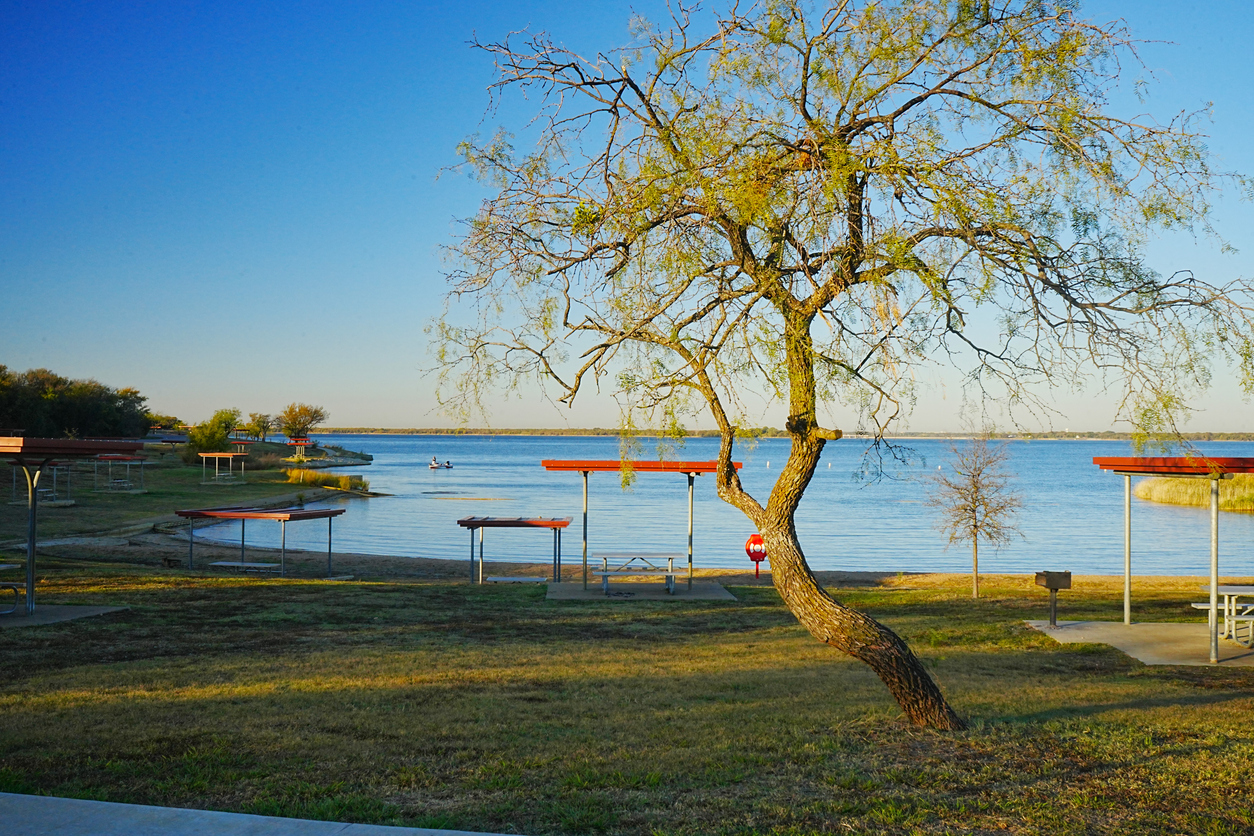
The most popular Texas state parks feel connected to their region. They do not seem interchangeable.
Garner feels tied to the Frio River and the Hill Country. Palo Duro feels tied to the Panhandle and canyon country. Caddo Lake feels tied to East Texas wetlands. Mustang Island feels tied to the coast. Big Bend Ranch State Park feels tied to desert landscapes and borderland scenery.
This sense of place matters because Texans often travel with regional identity in mind. A park can feel like a doorway into a part of the state they do not see every day.
That is one of the strongest traits these parks share. They help visitors understand Texas by experiencing it directly. A textbook can describe limestone hills, coastal dunes, piney woods, desert basins, or prairie lakes. A park lets people walk through those places, hear them, smell them, and remember them.
Popular parks make geography personal.
They Balance Recreation With Relaxation
Some visitors want activity. Others want peace. The most successful parks often serve both.
At a lake park, one person may fish while another reads under a shade tree. At a river park, kids may swim while adults sit along the bank. At a canyon park, some visitors hike for miles while others enjoy scenic overlooks and short walks.
That balance widens the park’s appeal. It also helps groups travel together. Not everyone in a family or friend group has the same energy level. A park that offers both movement and rest gives everyone a way to enjoy the trip.
This is especially important in Texas, where weather can change the pace of a visit. A morning hike may be pleasant, while the afternoon calls for shade, water, or a slow scenic drive. Popular parks give visitors options instead of forcing one kind of experience.
They Are Easy To Plan Around
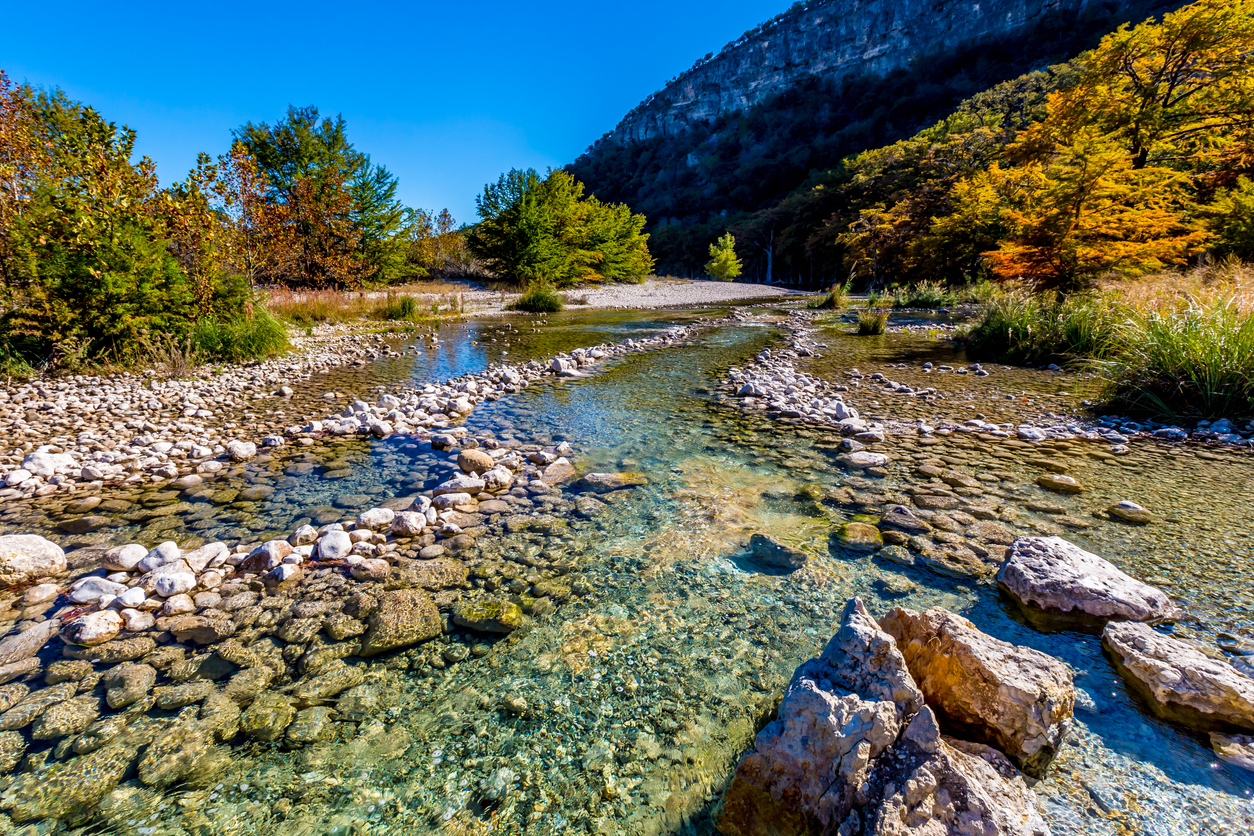
A great park experience starts before visitors arrive. The most popular parks tend to benefit from clear planning tools, recognizable amenities, and reservation systems that help people understand what to expect.
Texas Parks and Wildlife provides online park pages, maps, brochures, reservation details, event calendars, and guidance for day passes and campsites. This matters because a confusing trip can discourage new visitors. Clear information makes the outdoors feel less intimidating.
Reservations also reveal another truth: demand is high. Some parks fill quickly, especially during spring, summer weekends, holidays, and cooler fall weather. A 2022 state parks policy brief noted that advance reservations are often recommended, pointing to strong demand for park access.
Popular parks are not always the easiest parks to enter at the last minute. Their popularity often means visitors need to plan ahead.
They Create Traditions
Many Texans return to the same parks year after year. That habit turns a public park into part of a family’s personal history.
A child’s first camping trip may happen at a nearby lake park. A couple may return to the same Hill Country cabin every fall. A group of friends may plan an annual river trip. A parent may take their own children to the same trails they walked years earlier.
This kind of tradition is hard to measure, but it helps explain why certain parks remain beloved across generations.
Popular parks are often easy to revisit. They have enough variety for repeat trips. A visitor may camp one year, hike the next, return for fishing later, then bring relatives for a picnic. The park keeps offering new angles without losing its familiar feel.
That combination of novelty and comfort is powerful.
They Offer A Story Worth Telling
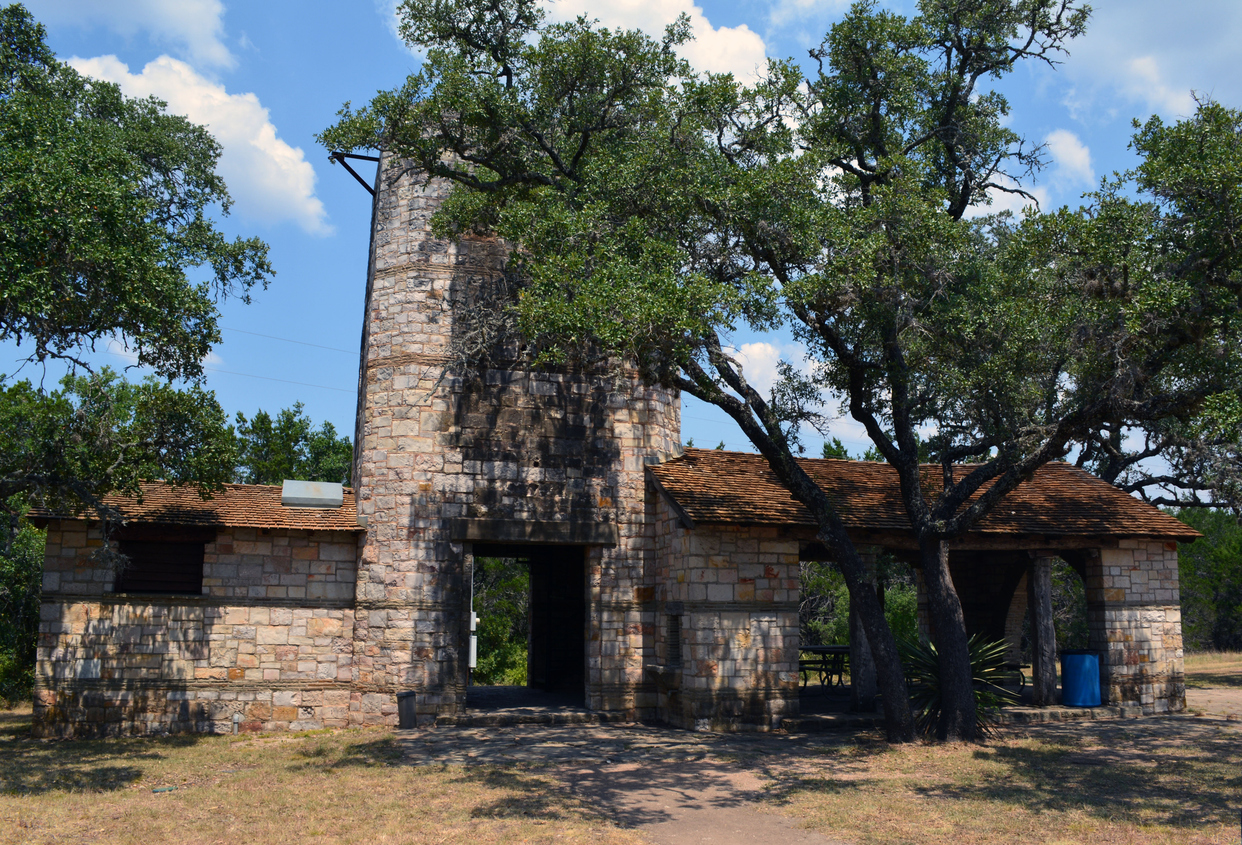
The most memorable parks usually have a story built into the landscape.
Dinosaur Valley tells a story of ancient creatures and riverbed tracks. Palo Duro Canyon tells a story of geology, erosion, and human history. Enchanted Rock tells a story of granite, legend, and Hill Country views. Historic sites and Civilian Conservation Corps structures tell stories about early park development and public work projects.
Visitors may not arrive looking for a history or science lesson. Still, a good story gives the trip depth. It helps people explain the park to others.
This is one reason interpretive signs, ranger programs, visitor centers, and guide materials matter. They turn scenery into understanding. A canyon becomes a record of time. A lake becomes a habitat. A trail becomes a route through plant life, wildlife, and local history.
The most popular parks give people something to talk about after they leave.
They Feel Wild Without Feeling Impossible
Many people want nature that feels real, but they do not necessarily want a hard wilderness experience. Popular parks often strike a practical balance.
They offer wildlife, trails, water, night skies, and quiet spaces. At the same time, they usually provide parking, restrooms, marked routes, staff presence, maps, and rules that make the visit manageable.
This balance is especially important for beginners. A first-time visitor may feel nervous about hiking, camping, or taking children outdoors. A well-run state park can make that first experience positive.
Once people gain confidence, they often explore more. They try longer trails, different parks, new seasons, or overnight stays.
In that way, popular parks serve as gateways. They help people build outdoor habits.
They Reflect The Range Of Texas
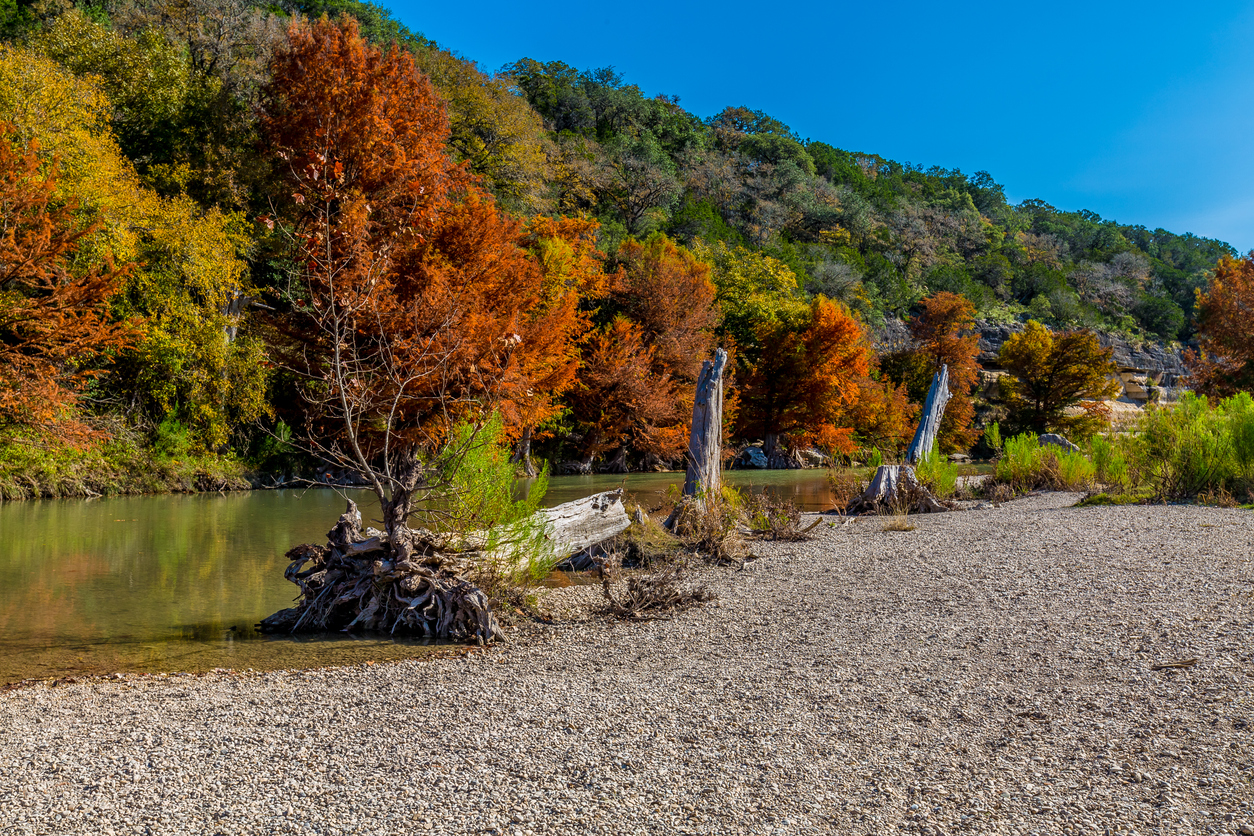
The most popular Texas state parks also succeed because they show how varied the state really is.
Texas is not one landscape. It has beaches, canyons, forests, rivers, prairies, lakes, wetlands, caves, and desert country. The parks that attract the most attention often represent these regions in a clear and memorable way.
That variety keeps the state park system interesting. A visitor can have a totally different experience by driving a few hours in another direction. The same person might enjoy a coastal paddling trip, a Hill Country swim, and a Panhandle canyon hike in the same year.
This range gives Texas state parks a major advantage. Visitors can keep discovering new favorites without leaving the state.
They Make Conservation Visible
A popular park is also a place where conservation becomes easier to understand.
Visitors see why river quality matters when they swim in clear water. They understand habitat protection when they spot birds, deer, fish, turtles, or native plants. They appreciate dark skies when they camp under stars away from city lights.
The lesson is simple: people protect places they know.
High visitation can create challenges, including crowding, trail wear, litter, and pressure on facilities. That is why reservations, posted rules, Leave No Trace habits, and respectful visitor behavior matter. Popularity brings attention, but it also brings responsibility.
The best parks help visitors enjoy the land while learning how to care for it.
The Real Pattern Behind Texas Park Popularity
The most popular Texas state parks are not popular by accident. They usually combine several strengths at once.
They have scenery people remember. They offer activities for different ages and skill levels. They are close enough for repeat visits or special enough for a longer trip. They teach visitors something about Texas. They feel relaxing, useful, beautiful, and worth returning to.
That mix is what makes a park stand out.
A state park does not need the tallest peak, the rarest wildlife, or the most dramatic view to become beloved. It needs to give people a reason to come, a reason to stay, and a reason to come back.
Across Texas, the parks that do this best become part of family traditions, road trips, school memories, camping stories, and weekend routines.
That may be the most surprising trait of all. The most popular Texas state parks share something deeper than scenery. They help people feel connected to the land, to each other, and to the many different versions of Texas waiting beyond the highway.