

Texas has always been known for big skies, wide-open land, ranch roads, lakes, rivers, deserts, pine forests, and rugged hills. For a long time, many people thought of the state mainly in terms of football, barbecue, oil fields, cattle, and fast-growing cities. Yet in recent years, hiking has become one of the most popular ways Texans connect with the land around them.
That rise did not happen by accident. Hiking fits Texas life in a way that feels practical, affordable, healthy, and deeply connected to the state’s identity. It gives people a reason to leave traffic behind, explore public land, learn about local ecosystems, and enjoy time outdoors without needing expensive gear or years of training.
From the Hill Country to the Gulf Coast, from Big Bend to the Piney Woods, Texans are discovering that a trail can offer exercise, peace, adventure, history, and a stronger sense of place. Hiking has become part of how many people relax, travel, socialize, and understand the state they call home.
Texas Has a Huge Variety of Landscapes
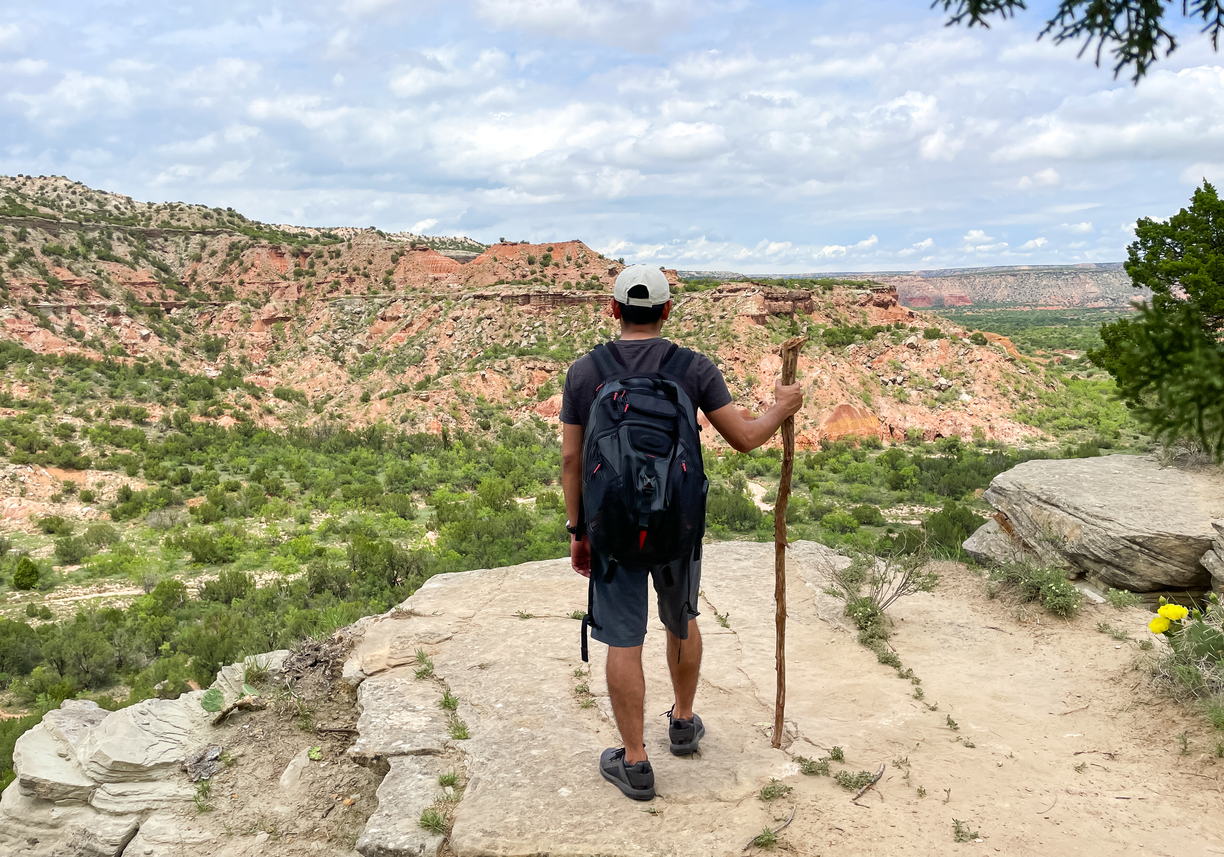
One reason hiking has grown so much in Texas is the state’s incredible range of scenery. Texas is not one single landscape. It contains deserts, mountains, beaches, forests, prairies, canyons, rivers, limestone hills, and wetlands.
That variety gives hikers many different experiences without leaving the state.
In West Texas, trails can lead through desert basins, rocky ridges, and mountain views that feel far removed from city life. Big Bend National Park, Guadalupe Mountains National Park, and nearby state parks show a wilder side of Texas. The land feels quiet, open, and dramatic, with long views and rugged terrain.
In Central Texas, the Hill Country offers limestone bluffs, spring-fed rivers, oak-covered slopes, and scenic overlooks. Parks near Austin, San Antonio, Fredericksburg, and Wimberley have made hiking easy to reach for millions of people.
East Texas brings a different mood. The Piney Woods offer shaded trails, tall trees, lakes, and wetlands. The air feels softer there, and many hikes are cooler and greener than trails in other parts of the state.
Along the Gulf Coast, hikers can walk through marshes, dunes, birding areas, and coastal prairies. These trails may not always have steep climbs, but they offer wildlife, sea air, and a view of Texas that feels completely different from the inland regions.
Because Texas has so many landscapes, hiking does not become repetitive. A person can hike a canyon one month, a forest the next, and a river trail after that. That variety keeps people interested.
City Growth Has Made People Crave Outdoor Space
Texas cities have grown quickly. Dallas-Fort Worth, Houston, Austin, San Antonio, and many smaller metro areas have expanded with new highways, subdivisions, offices, and shopping centers. As daily life has become busier and more crowded, outdoor space has become more valuable.
For many Texans, hiking offers relief from noise, screens, traffic, and packed schedules. A trail provides a slower pace. It gives people room to breathe, think, and move without the pressure of appointments or constant alerts.
This matters especially in fast-growing cities. People may love the energy and opportunity of urban life, but they still need contact with nature. Hiking fills that need in a direct way.
Many urban and suburban areas now have trail systems close to neighborhoods. These paths may run along creeks, through greenbelts, around lakes, or inside city parks. They make hiking feel less like a special trip and more like a normal part of the week.
In Austin, trails along Barton Creek and Lady Bird Lake are central to the city’s outdoor culture. In Dallas, places like Cedar Ridge Preserve give hikers elevation and nature views close to the metro area. Houston has bayou trails, nature centers, and nearby forested parks. San Antonio has greenway trails and access to Hill Country destinations.
As Texas cities grow, hiking becomes a way for people to stay connected to land that might otherwise feel distant.
Hiking Is Affordable And Accessible
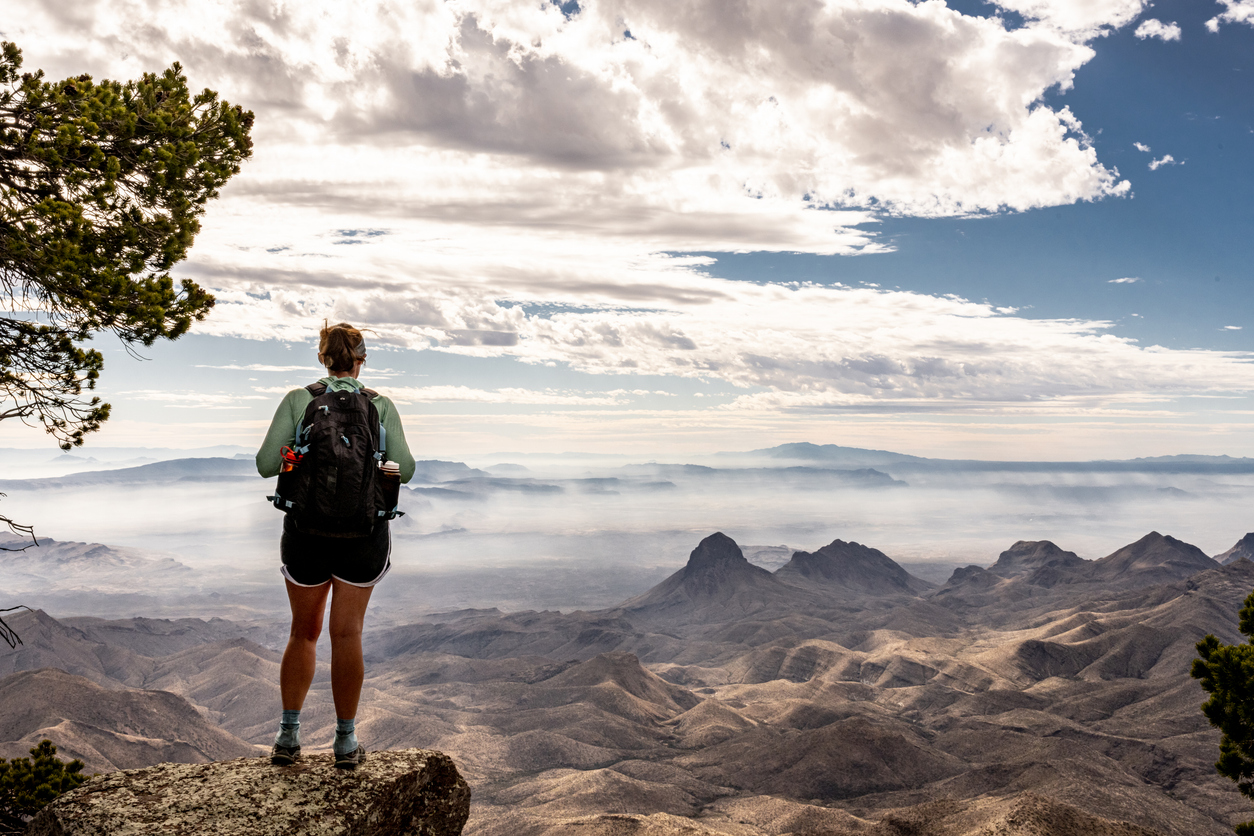
Another major reason hiking has become popular is that it does not require much to begin. Compared with many hobbies, hiking is simple and affordable.
A person needs comfortable shoes, water, weather-appropriate clothing, and basic awareness of the trail. For short hikes, that may be enough. More gear can help on longer routes, but beginners do not need to buy a long list of equipment.
That low barrier matters. Many outdoor activities require boats, bikes, clubs, lessons, vehicles, or costly memberships. Hiking can start with a nearby park and a free afternoon.
Texas state parks also make hiking accessible. A day pass is usually much cheaper than many forms of entertainment. Families can spend several hours outdoors without paying for tickets, parking garages, expensive meals, or special equipment.
For people trying to be active on a budget, hiking is a strong choice. It combines exercise and recreation in one outing. It can be done alone, with friends, with children, or as part of a group.
The flexibility also helps. A hike can last twenty minutes or several hours. It can be flat and easy, steep and demanding, shaded and relaxed, or exposed and challenging. People can choose the level that fits their body, schedule, and comfort.
That makes hiking welcoming to many ages and fitness levels.
Health And Wellness Have Become Bigger Priorities
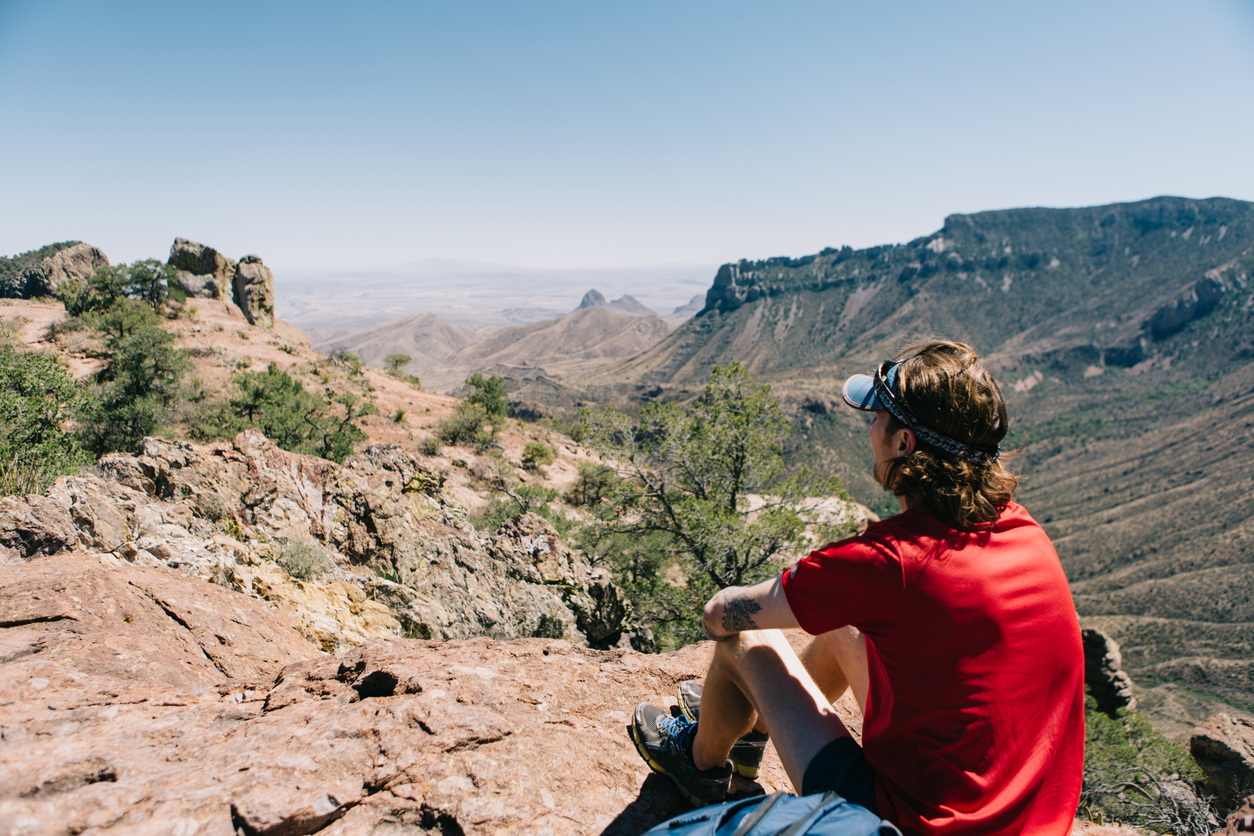
More Texans are paying attention to physical and mental health. Hiking fits well into both.
Physically, hiking helps build endurance, leg strength, balance, and heart health. Trails often work the body in ways that sidewalks and treadmills do not. Uneven ground, slopes, rocks, roots, and changing surfaces require focus and movement from different muscles.
Hiking can also feel less repetitive than indoor exercise. Many people who dislike gyms enjoy walking through trees, along rivers, or toward scenic overlooks. The changing scenery makes movement feel natural.
The mental benefits are just as important. Time outdoors can reduce stress, clear the mind, and improve mood. Hiking gives people a break from phones, work demands, and indoor routines. Even a short trail can help someone reset.
Texas weather can be intense, especially in summer, so hikers often learn to go early, choose shaded routes, carry water, and respect heat. This awareness becomes part of a healthier outdoor lifestyle.
For many people, hiking becomes a habit because it supports the body and the mind at the same time.
Social Media Has Helped Trails Gain Attention
Social media has played a large role in making Texas hiking more visible. Photos of canyon views, waterfalls, wildflowers, river crossings, sunsets, and hilltop overlooks spread quickly online.
A single image from Enchanted Rock, Palo Duro Canyon, Hamilton Pool, Lost Maples, or Big Bend can inspire someone to plan a trip. People see friends, coworkers, or local creators sharing hikes, and the activity feels more familiar.
This has changed how many Texans discover parks. In the past, a person might learn about a trail from a guidebook, a family tradition, or a road sign. Now, they may find it through a short video, a photo caption, or a local hiking group.
Social media has also made hiking feel more social. People share trail conditions, parking tips, sunrise photos, safety advice, and route suggestions. New hikers can learn from others before they go.
Of course, popularity can create challenges. Some parks now deal with crowding, litter, trail erosion, and parking limits. That has made responsible hiking more important. Staying on marked trails, packing out trash, respecting wildlife, and following park rules help protect the places people enjoy.
Still, social media has helped many Texans realize how much natural beauty exists close to home.
Texas State Parks Have Become Weekend Destinations
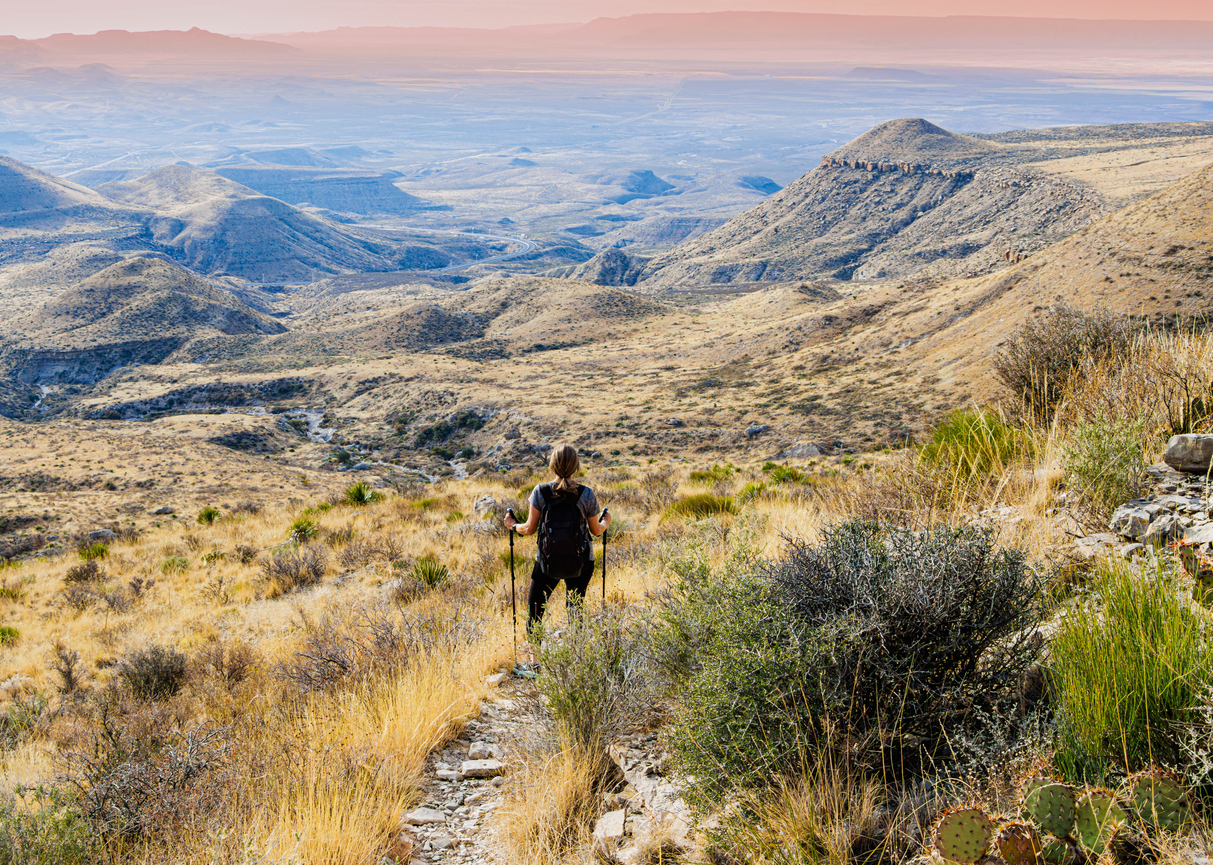
Texas has a strong state park system, and those parks have helped turn hiking into a regular weekend activity. Many parks are close enough for day trips, yet scenic enough to feel like a true getaway.
Families, couples, friend groups, and solo travelers often build short trips around hiking. A Saturday morning trail walk can become part of a weekend that includes camping, swimming, fishing, wildlife watching, or visiting a small town nearby.
Some parks are especially known for hiking. Palo Duro Canyon offers colorful rock formations and canyon trails in the Panhandle. Enchanted Rock draws visitors with its massive pink granite dome. Lost Maples is famous for its fall color. Pedernales Falls has river views and limestone formations. Caprock Canyons offers rugged scenery and wildlife. Garner State Park combines trails with the Frio River.
These places give Texans a reason to explore different regions. Hiking becomes a gateway to learning the state beyond major highways and city centers.
State parks also make nature feel organized and approachable. Marked trails, maps, ranger programs, visitor centers, campsites, and maintained facilities help people feel comfortable outdoors. For beginners, that structure matters.
Hiking Connects Texans To Local History
Many Texas trails are tied to history. Some routes pass through former ranchland, Indigenous cultural areas, old settlements, missions, frontier sites, Civilian Conservation Corps structures, and historic roads.
Hiking gives people a physical connection to these stories. Reading about history is useful, but walking through a canyon, along a river, or across old stonework can make the past feel closer.
For example, some parks preserve structures built by the Civilian Conservation Corps during the 1930s. These trails, cabins, roads, and park buildings show how public land was shaped during a difficult period in American history.
Other trails reveal older layers of Texas history. The land may show signs of Indigenous presence, Spanish colonial routes, ranching traditions, or early settlement patterns. Even when a trail does not include a formal historic marker, the landscape itself often explains why people lived, traveled, hunted, farmed, or raised livestock there.
Hiking encourages curiosity. People start asking questions about the land under their feet. Who lived here before? Why does this river matter? How did this canyon form? What plants did people use? What animals still depend on this habitat?
That curiosity makes hiking educational.
Wildlife And Wildflowers Add To The Appeal
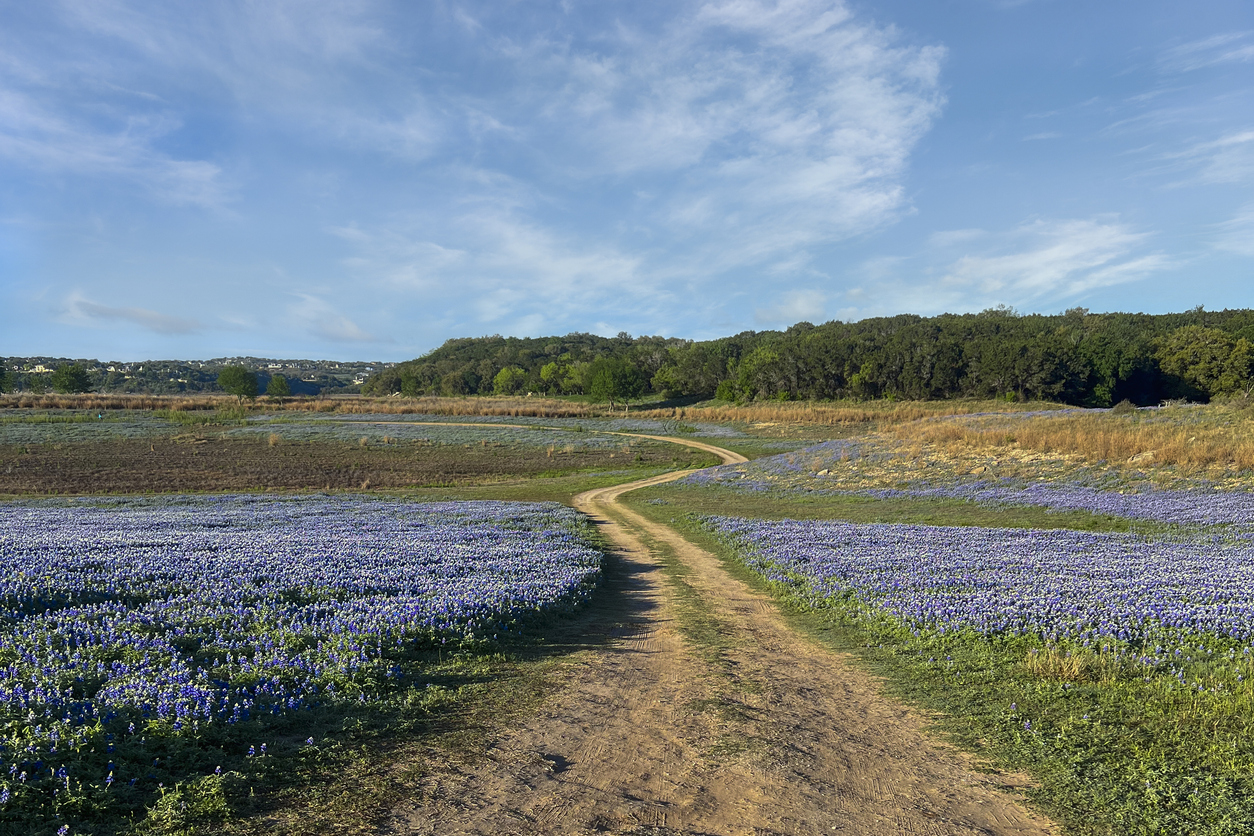
Texas trails are full of natural surprises. Hikers may see deer, armadillos, roadrunners, lizards, turtles, butterflies, hawks, songbirds, and many other animals. In some areas, they may also spot bison, javelinas, alligators, or rare bird species.
Wildflowers are another major draw. In spring, bluebonnets and other native flowers turn fields and roadsides into colorful scenes. Trails give people a closer look at these seasonal changes.
Birding has also helped increase interest in hiking. Texas is one of the best states in the country for bird diversity because it sits along major migration routes and contains many habitat types. Many hikers become casual birdwatchers simply by spending time outdoors.
These natural details make each hike different. A trail can change by season, time of day, weather, and region. The same path may feel different in spring wildflower season, after summer rain, during fall color, or on a crisp winter morning.
That sense of discovery keeps people coming back.
Hiking Fits The Texas Love Of Road Trips
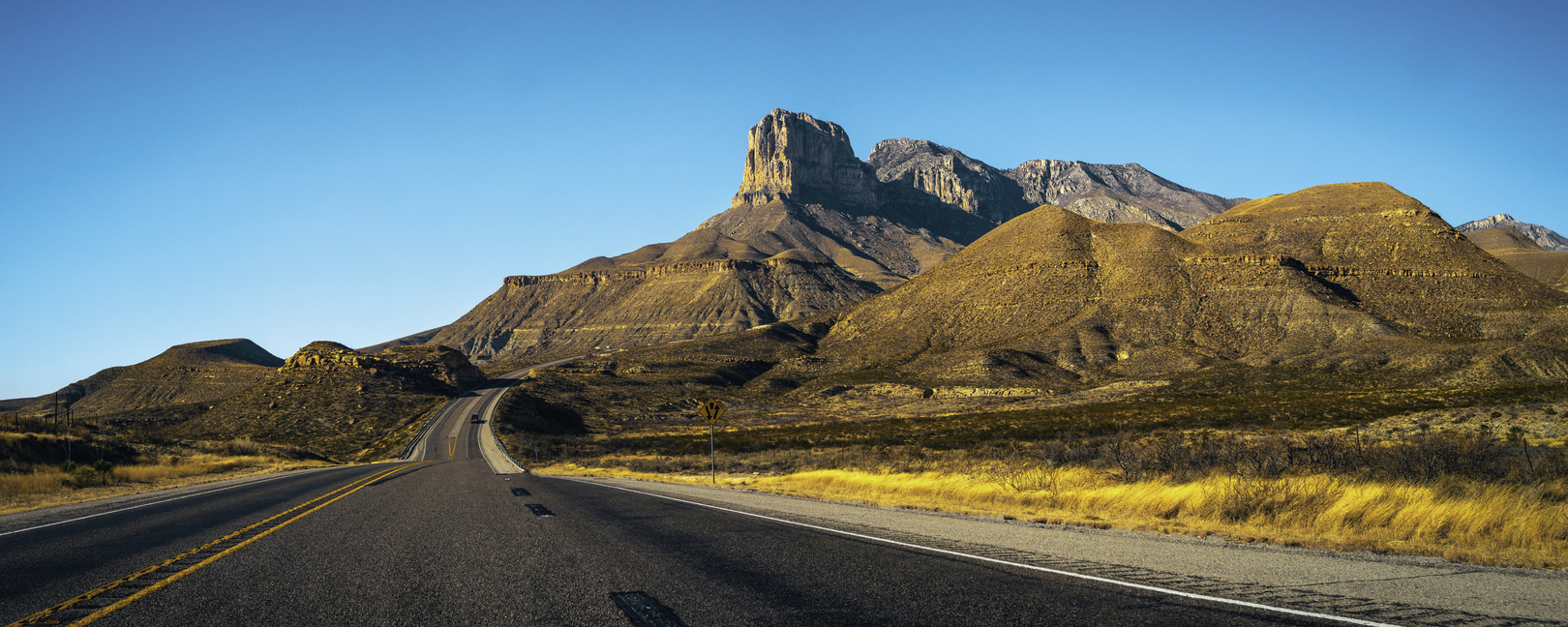
Texans are used to driving long distances. A weekend road trip is part of life in a state this large. Hiking fits naturally into that habit.
Many popular trails are located near scenic drives, small towns, rivers, parks, and campgrounds. People can build a trip around a hike and then enjoy local food, historic downtowns, swimming holes, or roadside attractions.
For example, a trip to the Hill Country might include a morning hike, an afternoon in a small town, and a sunset view from a scenic overlook. A visit to West Texas may include long desert drives, mountain trails, and quiet nights under dark skies.
Hiking gives road trips a purpose. Instead of only passing through a region, travelers stop and experience the land directly.
This has also helped smaller communities. Outdoor tourism can bring visitors to local restaurants, shops, lodges, gas stations, and guide services. When handled carefully, hiking tourism can support rural economies while encouraging conservation.
Families Are Using Trails As Outdoor Classrooms
Hiking has become popular with families because it gives children a hands-on way to learn. A trail can teach lessons about weather, plants, animals, rocks, water, maps, safety, and responsibility.
Children often remember what they experience directly. Seeing a fossil, watching a bird, crossing a creek, or spotting animal tracks can make science feel real. Hiking also teaches patience and observation.
For parents, trails offer a break from screen-heavy routines. A hike gives families time to talk, move, explore, and share a goal. The goal may be reaching a viewpoint, finishing a loop, or simply spending time outside.
Many Texas parks also offer junior ranger programs, guided hikes, nature centers, and educational signs. These resources make hiking easier for families who want both recreation and learning.
Because trails come in many difficulty levels, families can start small. Short nature trails are often enough for young children. As kids grow more confident, families can try longer routes.
Hiking Builds A Stronger Sense Of Place
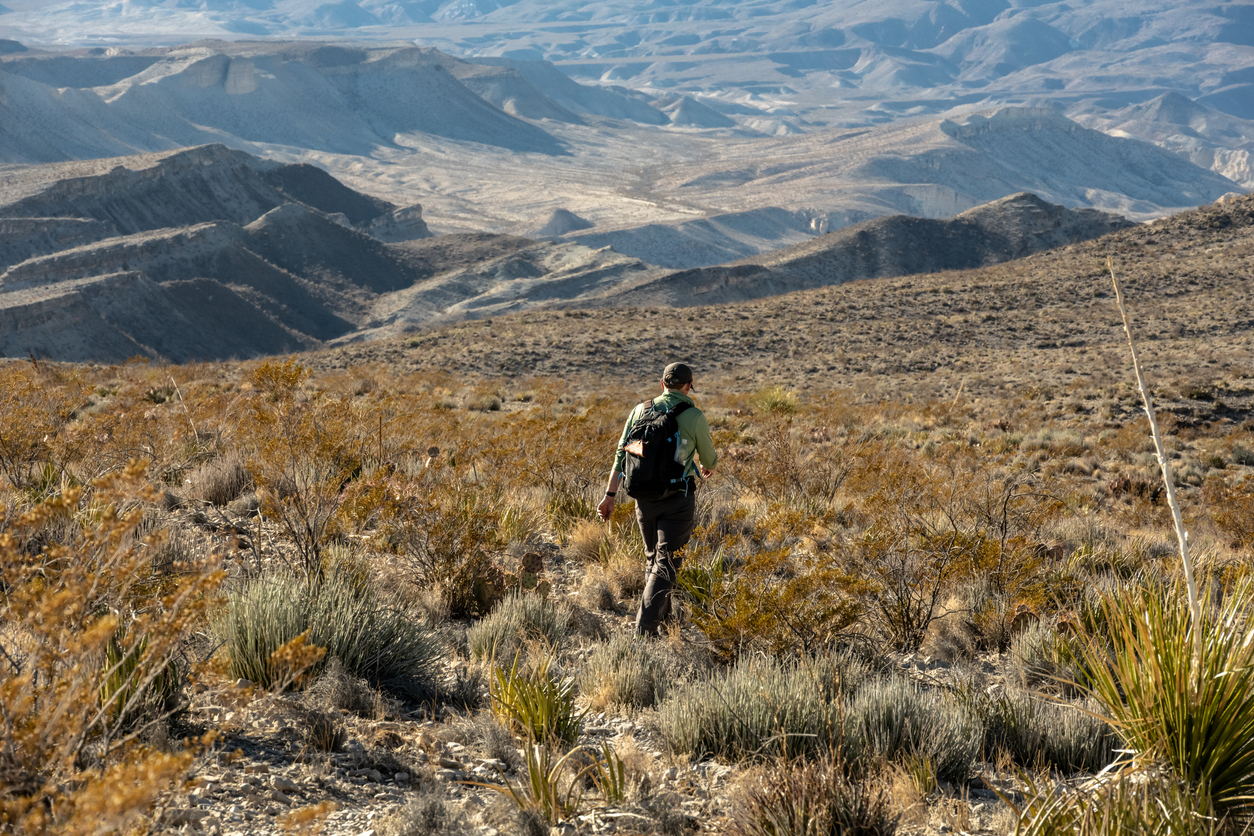
One of the deeper reasons hiking has become part of life in Texas is that it helps people understand where they live. Texas is often discussed through symbols, slogans, and big ideas. Hiking brings that identity down to the ground level.
When people hike, they learn the feel of cedar shade, the smell of pine needles, the sound of cicadas, the roughness of limestone, the shape of desert plants, and the power of a dry creek bed after rain. These details create a personal relationship with the state.
That relationship can change how people think about conservation. A person who has walked through a fragile desert landscape may better understand why staying on trail matters. Someone who has enjoyed a clean river may care more about protecting water quality. A hiker who has seen native plants bloom may become more interested in preserving habitat.
Hiking turns nature from an abstract idea into a familiar place. That familiarity can lead to stewardship.
Texans Are Seeking Simple Adventure
Modern life can feel highly planned and controlled. Hiking offers a simple kind of adventure. It does not need to be extreme. It only needs movement, curiosity, and a willingness to spend time outside.
A trail gives people a clear path while still leaving room for surprise. There may be a view around the bend, a sudden breeze, a patch of flowers, a steep climb, or a quiet stretch where the only sound is footsteps.
That kind of adventure appeals to many Texans. It feels active without needing to be complicated. It can be peaceful or challenging, local or far from home, familiar or new.
Hiking also gives people a sense of accomplishment. Finishing a trail, reaching a summit, or completing a longer route can feel rewarding. The reward is not only the view. It is the feeling of having used your own body to get there.
Responsible Hiking Matters More Than Ever
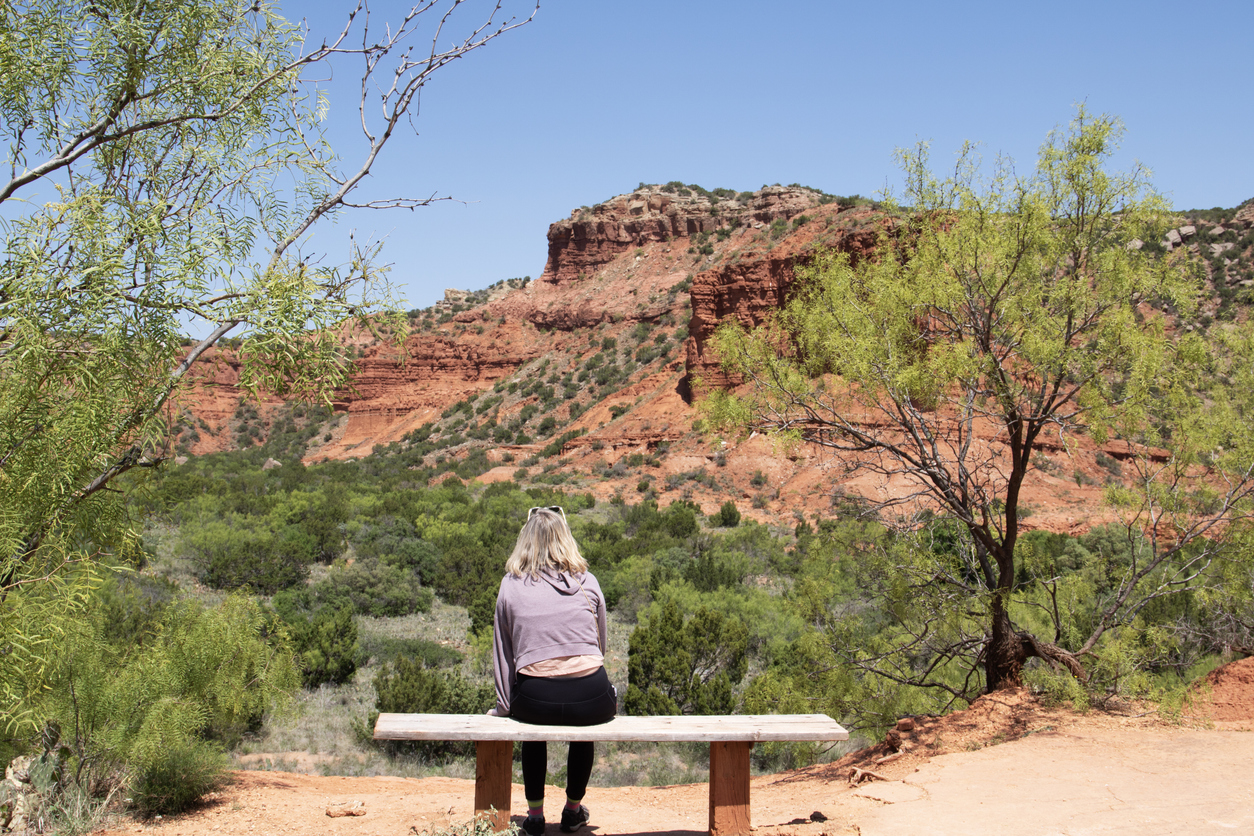
As hiking becomes more popular, protecting trails becomes more important. Texas landscapes can be tough, but they are not indestructible. Desert soil, riverbanks, wildflower fields, and wildlife habitats can be damaged by careless use.
Responsible hiking keeps these places open and enjoyable.
Good habits include staying on marked trails, carrying enough water, checking weather, respecting burn bans, keeping dogs leashed where required, leaving plants and rocks in place, and taking all trash back out.
Heat safety is especially important in Texas. Summer temperatures can become dangerous quickly. Hikers need to understand their limits, start early, wear sun protection, and avoid exposed trails during the hottest part of the day.
Crowded parks also require patience. Reservations, parking rules, trail etiquette, and posted closures help manage heavy use. Following those rules protects both visitors and the land.
The future of hiking in Texas depends on people enjoying trails with care.
Why Hiking Will Keep Growing In Texas
Hiking has become a big part of life in Texas because it fits the state and the moment. It gives people access to nature, health, history, family time, affordable travel, and simple adventure. It also helps balance the speed of modern life with something slower and more grounded.
Texas offers the space and variety to keep hikers interested for a lifetime. There are desert mountains for serious trekkers, shaded city trails for weekday walks, river paths for families, coastal routes for bird lovers, and state parks for weekend travelers.
As more people discover these places, hiking will likely continue to grow. The challenge will be protecting the trails and landscapes that make the activity so rewarding.
At its best, hiking in Texas is about paying attention. It asks people to notice the land, respect the weather, learn the history, and value the natural beauty that surrounds them. For many Texans, that has become a meaningful part of daily life.
A trail may begin with a simple walk. In Texas, it often leads to a deeper connection with the state itself.