

There’s something undeniably special about flying a kite in West Texas: endless horizons, spacious landscapes, and breezes rolling off the plains and desert expanses. Unlike more crowded city parks or treed environments, West Texas’s open sky and vast fields create some of the best conditions in the Lone Star State for kite flying — whether you’re launching a simple diamond kite with the family, mastering a stunt kite, or letting a larger power kite soar high above the plains.
This guide highlights great open spaces for kite flying across West Texas, tips for choosing the best spots and times, and practical information to help you plan your next kite adventure.
What Makes West Texas Great for Kite Flying
The defining feature of West Texas is its immense open landscape — wide fields, desert plains, prairies, and open parkland that stretch for miles with minimal tree cover or man-made obstructions. This kind of terrain is ideal for kite flying:
- Unobstructed horizons let kites climb higher without snagging on trees, power lines, or buildings.
- Consistent breezes sweep across plains and sandhills, providing lift for kites of all sizes.
- Wide open spaces mean plenty of room to move, adjust your line, and enjoy the sky without feeling crowded.
From the Llano Estacado’s flat grasslands to the sandy expanses of dunes, West Texas invites both casual and serious kite flyers to take advantage of its big sky and wind.
Top Open-Sky Kite Areas in West Texas
1. Llano Estacado & Southern High Plains
While not a formal park, the Llano Estacado (also known as the Staked Plains) is one of West Texas’s most iconic landscapes — a flat, expansive plateau where the horizon stretches seemingly forever.
Why It’s Ideal for Kite Flying
- Vast open fields with minimal vertical obstacles
- Regular gentle breezes off the High Plains
- Close proximity to cities like Lubbock and Amarillo, which provide access points to rural open land
What to Expect
- Bring your kite, a long line, and head to wide pastures or county parklands outside town limits. These open stretches are great for high-flying kites and stable winds.
Tips
- Choose mornings or late afternoons when winds tend to be steady without being too gusty.
- Respect private property — seek public land, fairgrounds, or cleared parks.
2. Palo Duro Canyon State Park
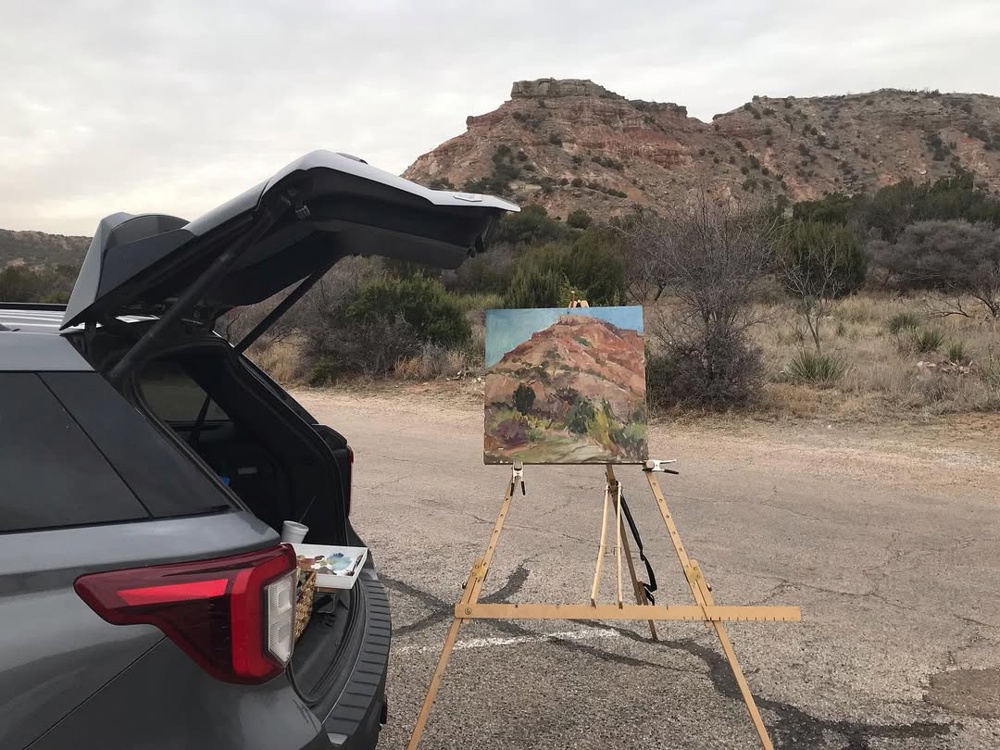
Although Palo Duro Canyon State Park is better known for its dramatic canyon scenery and hiking, the surrounding High Plains and mesa tops offer open sky and broad views where kite flyers can find room to stretch out and enjoy big breezes.
Why It’s Great
- Wide open prairie above the canyon rim
- Fewer trees in open fields, which eases line tangling and allows kites to climb higher
- Scenic backdrop that makes kite flying feel like part of an outdoor adventure
Helpful Tips
- Check with park staff about specific open field zones; some areas are designated for picnicking or events with plenty of space.
- Be mindful of wind variability — canyon rims can create uplifting thermals but also unexpected gusts.
3. Monahans Sandhills State Park
View this post on Instagram
The Monahans Sandhills are more than just a destination for sand sledding and hiking — the open dune edges and adjacent fields provide excellent venues for kite flying, especially when winds blow across the sandy horizon.
Why It’s Worth Visiting
- Expanse of open sand with few windbreaks means steady breezes.
- Low vegetation and broad, open space allow easy kite setup.
Tips
- Early morning and late afternoon sessions help avoid the heat and give you steadier wind.
- Sand surfaces can be hot or shifting underfoot — wear sturdy shoes and keep gear off direct sand when not flying.
4. West Texas State Park Grasslands & Picnic Areas
Many state parks across West Texas — from smaller grassland parks to large multi-use areas — include open fields and meadows that serve as informal kite flying spots. While they aren’t “official kite parks,” these grassy expanses provide wide, unobstructed space under the big Texas sky.
Examples to Explore
- Caprock Canyons State Park (near Quitaque): expansive plains and prairie fields
- Other state parks around West Texas that include meadow or picnic areas with open sky and gentle breezes
Tips
- Always check park rules: some parks restrict where flying activities may occur.
- Combine your kite outing with other recreation — hiking, picnicking, and wildlife viewing.
Tips for a Successful Kite Flying Day in West Texas
Choose the Right Weather
Breezes are the heart of kite flying. On the plains and high desert of West Texas, steady winds of 8–20 mph help keep most kites aloft. Avoid extremely gusty conditions (over ~25 mph) with lighter single-line kites, as strong gusts can pull lines unevenly.
Pack Appropriately
West Texas can get sunny and warm — bring:
- Sunscreen
- Hat and sunglasses
- Plenty of water
- Snacks and a shade blanket if you plan a long day outdoors
Scout Open Fields
The best spots are wide, flat, and free of tall obstacles (trees, power lines, buildings). Grazing fields around state parks, fairgrounds, and rural public land often provide the space you want. If in doubt, contact local park offices or look for community parks at the edge of towns that include large picnic or recreation fields.
Respect Wind Patterns
Open skies don’t mean predictable wind every day. West Texas winds can shift:
- Morning winds can be calmer and gradual
- Afternoon thermals may pick up and provide stronger lift
- Evening winds often settle or shift direction
Observe winds before launching and adjust accordingly.
Safety Considerations
For safe and enjoyable kite flying:
- Stay away from roads and power lines
- Choose open fields with minimal foot traffic
- Keep a firm grip on lines and avoid metal or wet line materials in damp conditions
- Be mindful of wildlife and other users in public natural areas
Why West Texas Is Ideal for Kite Flying
West Texas’s landscapes — from the Llano Estacado’s endless horizons to dune-shaped sand hills and open prairie grasslands — make it a rare part of the country where big sky meets big winds. Here, open-sky kite flying becomes not just a weekend activity, but an experience against the backdrop of some of the state’s most stunning natural settings. Wide fields, minimal obstacles, and expansive views let kite flyers focus on the joy of the moment — watching brilliant sails dance high above the plains under the Texas sun.