

Winter along the Texas Gulf Coast does not feel like winter to most people. The air stays mild. The skies stay wide and bright. And for birdwatchers, this stretch of coastline becomes one of the most rewarding places in North America once colder months arrive.
While much of the country pulls out heavy coats and snow shovels, the Texas Gulf Coast turns into a seasonal refuge for birds escaping harsher climates. Shorelines, wetlands, bays, and coastal prairies fill with life. Winter birding here is active, varied, and surprisingly relaxed. You can watch rare species, photograph large flocks, or simply enjoy a quiet morning with binoculars and a warm breeze.
This guide walks through why winter is such a strong season, what birds you can expect to see, where to go, and how to make the most of a coastal birding trip.
Why Winter Is Prime Time on the Texas Coast
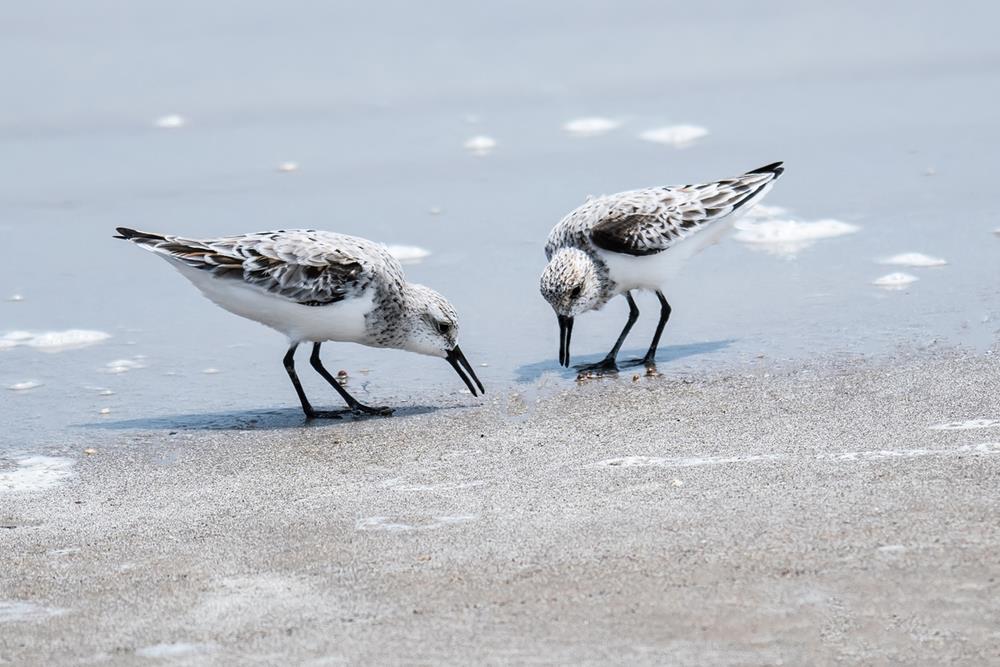
The Texas Gulf Coast sits along the Central Flyway, one of North America’s major bird migration routes. During fall, birds move south from breeding grounds across the Midwest, Plains, and Canada. Many stop briefly. Others stay for the entire winter.
What makes this region special is the variety of habitats packed into a relatively narrow strip of land. You find barrier islands, salt marshes, tidal flats, freshwater wetlands, oak woodlands, and coastal grasslands, often within minutes of each other. That habitat mix means more species, even during the quieter months.
Winter also brings practical benefits for birders:
- Cooler temperatures make long walks comfortable
- Fewer mosquitoes compared to summer
- Better visibility with leafless trees
- More predictable bird locations due to feeding patterns
Instead of quick migration sightings, winter offers extended viewing. Birds settle into routines. They feed in the same places each day. That makes observation easier, especially for beginners.
The Birds That Steal the Show in Winter
Winter birdwatching along the Texas Gulf Coast is not about scarcity. It is about abundance. Many species that feel rare elsewhere become familiar sights here.
Shorebirds and Waders
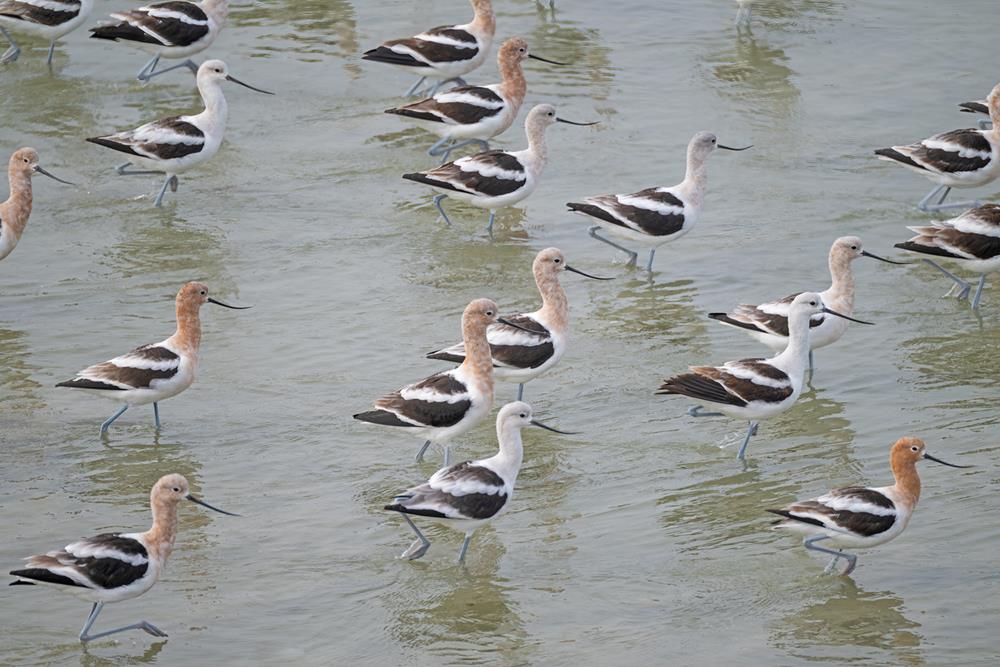
Shallow coastal waters and exposed mudflats attract large numbers of shorebirds throughout winter. Expect to see:
- American Avocets sweeping their upturned bills through the water
- Willets patrolling shorelines with steady confidence
- Black-necked Stilts balancing on impossibly long legs
- Marbled Godwits probing mud with deep cinnamon plumage
Herons and egrets stay active year-round. Great Blue Herons, Snowy Egrets, and Reddish Egrets are common. Reddish Egrets, in particular, are a highlight. Their energetic feeding style looks like a small dance as they chase fish through shallow water.
Roseate Spoonbills also linger through winter in many areas. Their bright pink coloring stands out even on gray days.
Waterfowl
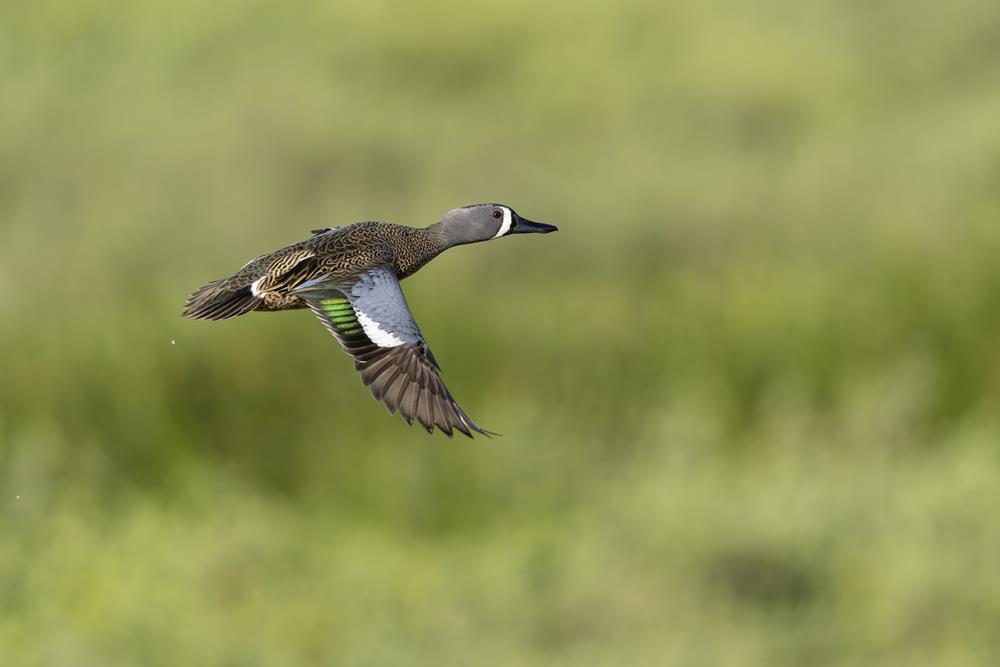
Winter is the peak season for ducks and geese along the coast. Freshwater ponds, rice fields, and coastal marshes fill with activity.
You may spot:
- Northern Pintails with long, elegant tails
- Blue-winged Teal moving quickly across shallow waters
- Redheads gathering in large rafts on open bays
- Mottled Ducks, a Texas specialty, present year-round
Snow Geese and Ross’s Geese arrive in huge numbers farther inland but can be seen traveling between feeding areas. Their movements often fill the sky with sound.
Raptors
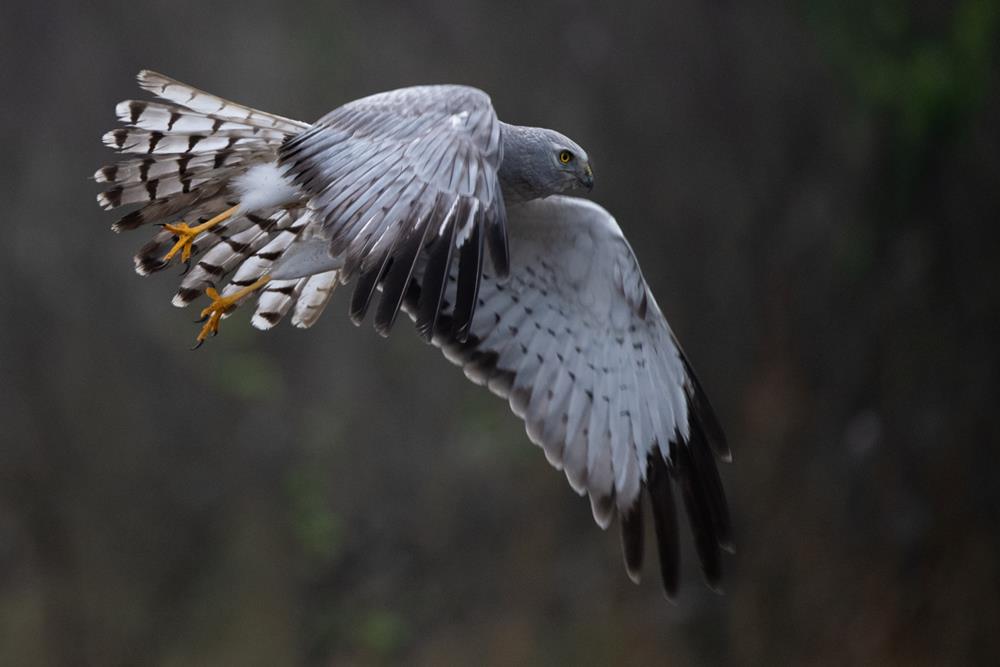
Cooler months bring an increase in birds of prey. Open fields and marsh edges provide ideal hunting grounds.
Look for:
- White-tailed Hawks soaring over coastal prairie
- Northern Harriers flying low with wings held in a shallow V
- Red-tailed Hawks perched on fence posts
- Peregrine Falcons targeting shorebirds at high speed
Raptors add drama to winter birding, often triggering sudden flock movements that catch the eye even from a distance.
Songbirds and Woodland Species
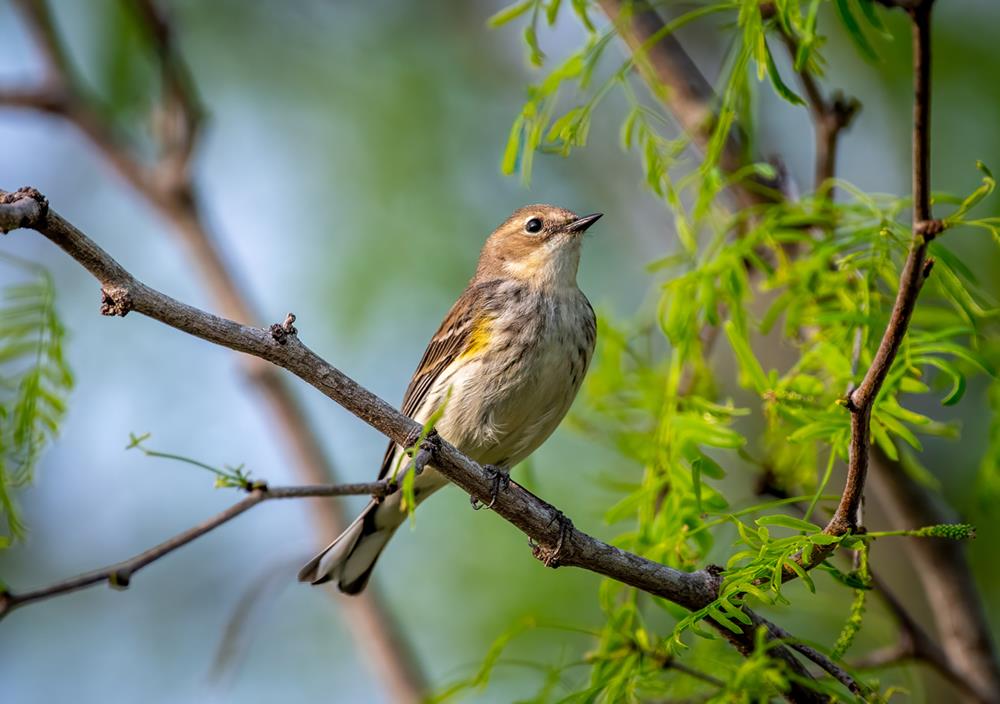
While shorebirds draw attention, winter also brings colorful songbirds into coastal woodlands and brushy areas.
Common winter visitors include:
- Yellow-rumped Warblers, often in large mixed flocks
- Ruby-crowned Kinglets flicking through branches
- Orange-crowned Warblers feeding quietly in shrubs
- Savannah Sparrows hiding low in grasses
Because many trees lose leaves, these smaller birds become easier to spot. Their calls carry clearly in cooler air.
Top Winter Birding Destinations Along the Coast
The Texas Gulf Coast stretches roughly 350 miles. Each section has its own character. Winter birders can choose busy hotspots or quiet corners depending on their style.
Bolivar Peninsula

Located east of Galveston Bay, Bolivar Peninsula offers beaches, salt marshes, and farmland in close proximity. Shorebirds gather along tidal flats, while fields attract geese and cranes.
The area is known for:
- Large shorebird concentrations
- Easy roadside birding
- Wide open views
Winter mornings here often begin with flocks moving between feeding and roosting areas.
Galveston Island
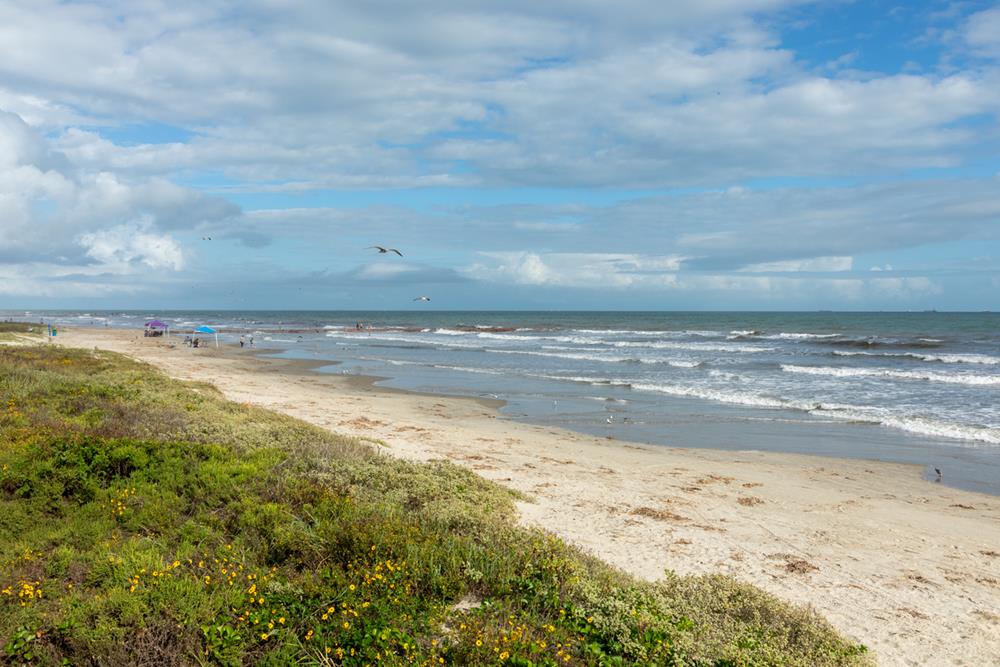
Galveston combines urban access with strong habitat diversity. East Beach, Galveston Island State Park, and nearby wetlands provide reliable winter sightings.
Highlights include:
- Waterfowl in protected ponds
- Migrating raptors overhead
- Songbirds in wooded sections
The island is also a good base for visiting nearby mainland sites.
Brazoria National Wildlife Refuge
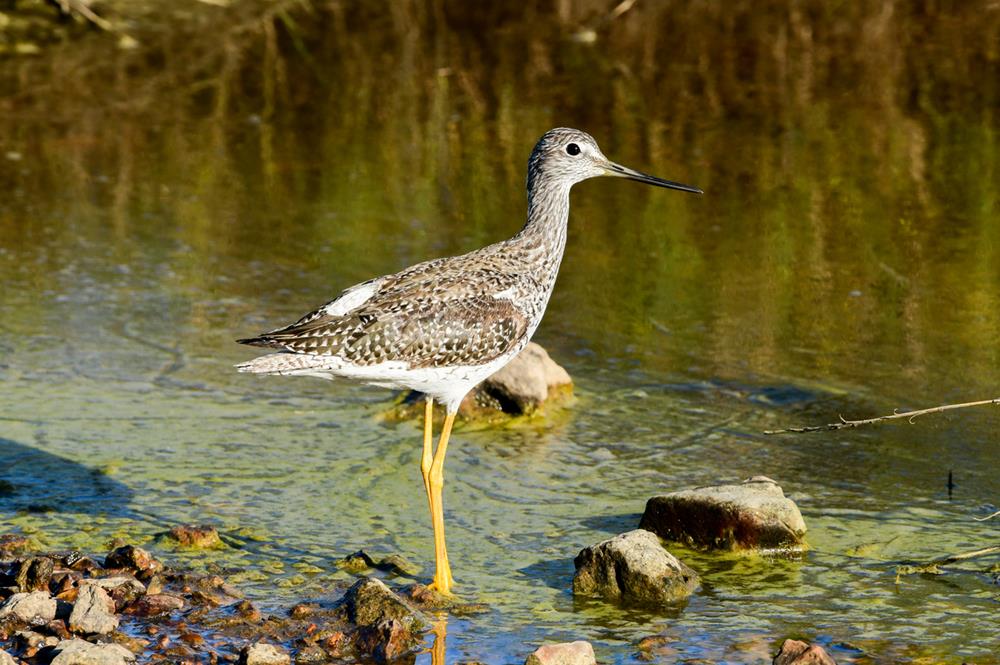
South of Houston, Brazoria NWR is one of the most productive winter birding areas in the state. Managed wetlands support large numbers of ducks, shorebirds, and wading birds.
Birders appreciate:
- Auto tour routes for easy access
- Designated walking trails
- Seasonal water management that concentrates birds
Winter visits often produce high species counts in a short time.
Matagorda Bay Area
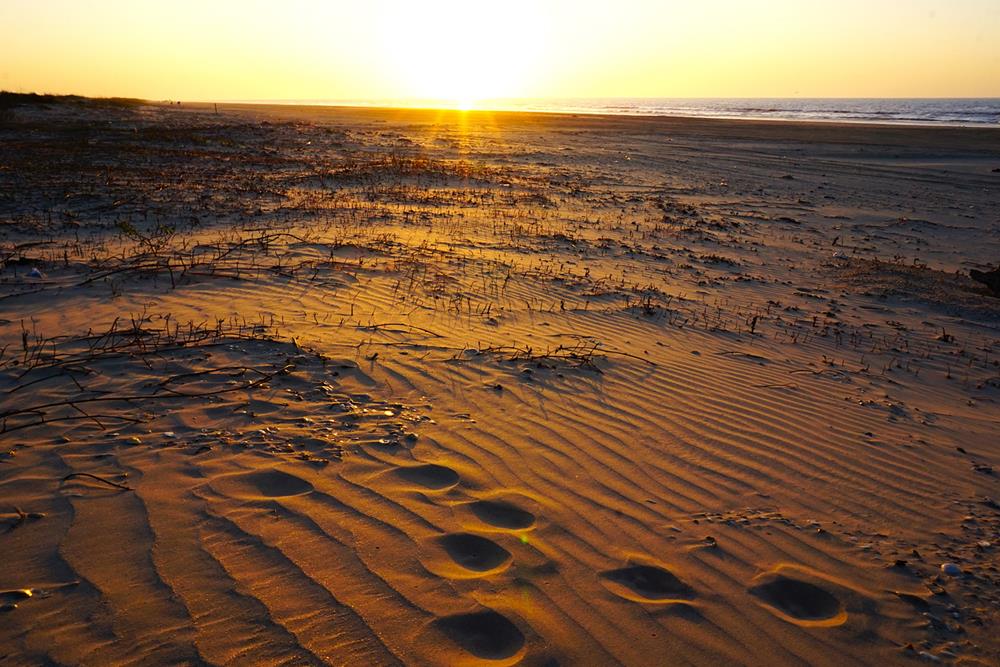
This region feels quieter and less crowded. Matagorda Island, in particular, offers remote beaches and marshes that attract wintering birds in impressive numbers.
Expect:
- Dense flocks of shorebirds
- Fewer people compared to other sites
- Strong chances for uncommon species
Access may require planning, but the rewards are worth it.
Rockport and Aransas Area

The Rockport area is famous for winter birding. It is home to Aransas National Wildlife Refuge, the wintering ground for the endangered Whooping Crane.
Key features include:
- Coastal wetlands and oak woodlands
- Boat tours to view cranes
- A wide range of habitats in close range
Seeing Whooping Cranes in the wild is a highlight for many birders. Winter offers the best chance.
South Padre Island and Laguna Madre
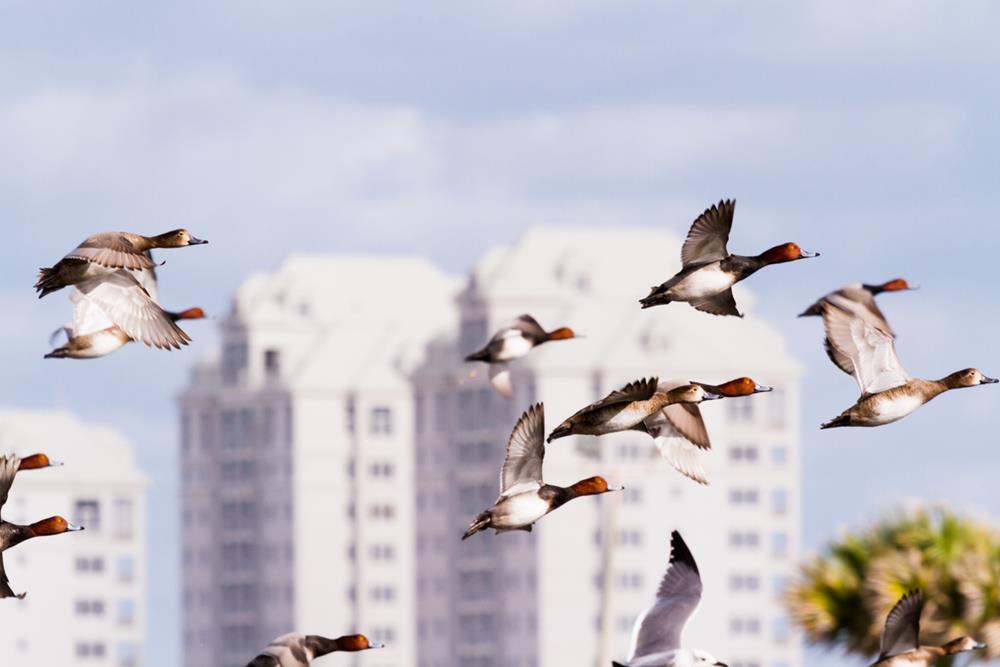
Farther south, Laguna Madre supports unique bird life due to its shallow, hypersaline waters. Winter temperatures stay especially mild.
Birders here find:
- Large numbers of Redheads
- Tropical species near their northern range limits
- Excellent light for photography
South Texas also attracts birders looking to add specialty species to their lists.
Weather, Timing, and Daily Rhythm
Winter weather along the coast stays relatively stable, but conditions still shape bird activity.
Mornings are often best. Birds feed actively after cool nights. Winds tend to stay lighter early in the day. Light angles also favor photography.
Tides matter for shorebirds. Low tide exposes mudflats and concentrates feeding activity. High tide pushes birds closer to shorelines and roost sites, making them easier to observe in groups.
Cold fronts can temporarily increase bird movement. After a front passes, expect clear skies and active feeding as birds recover energy.
Tips for a Better Winter Birding Experience
Birdwatching along the Texas Gulf Coast does not require extreme preparation, but a few thoughtful choices help.
Clothing should handle changing conditions. Layers work well. Mornings may feel cool, while afternoons warm quickly. A light windbreaker is useful near open water.
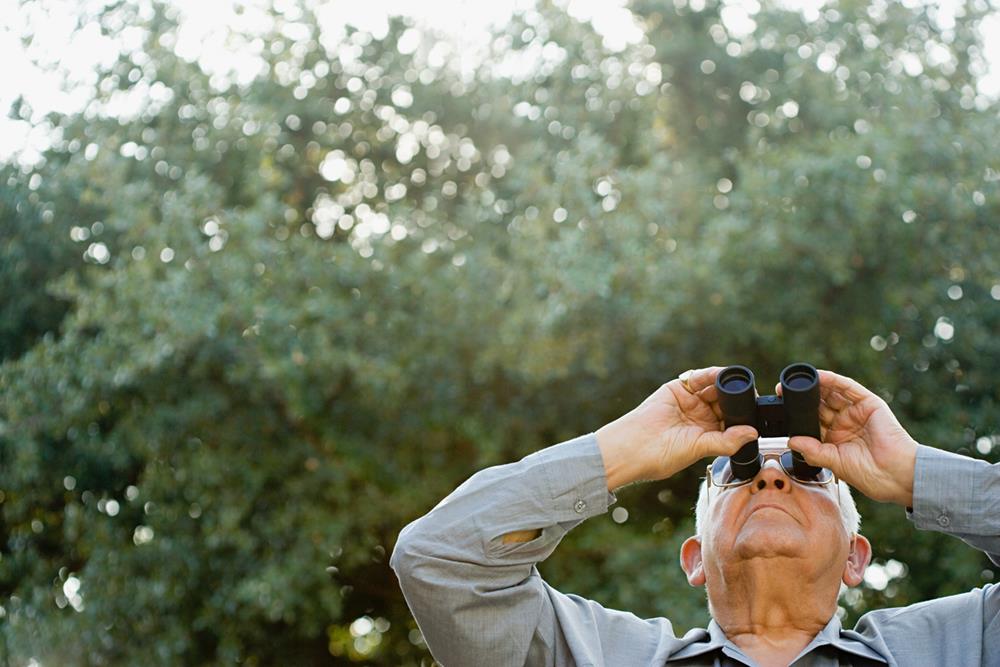
Binoculars are essential. A spotting scope adds value in open areas where birds remain distant. Comfortable footwear matters for long walks on sand or uneven ground.
Respect wildlife and habitats. Many wintering birds conserve energy. Keeping distance helps avoid unnecessary stress.
Patience pays off. Spend time watching one area rather than moving constantly. Birds often reveal themselves through movement or sound after a few quiet minutes.
Birding Culture Along the Coast
Winter birdwatching on the Texas Gulf Coast has a welcoming feel. Many towns support birding tourism. Visitor centers provide maps and recent sightings. Local birders often share tips freely.
Seasonal events and guided walks take place throughout winter. These outings help newcomers learn identification skills while discovering lesser-known spots.
Photography is popular, but many areas emphasize ethical practices. Staying on trails and avoiding nesting areas, even in winter, remains important.
Why Winter Birding Here Leaves a Lasting Impression
Birdwatching along the Texas Gulf Coast in winter offers balance. It combines high species diversity with comfortable weather. It supports both casual observers and serious birders.
You can start the day watching spoonbills feed in golden light. By afternoon, you may track raptors across open prairie. The pace stays unhurried. The variety keeps interest high.
Winter also removes some pressure from birding. There is no rush to catch a fleeting migration moment. Birds are present day after day. You can return to the same spot and see something new each time.
For anyone curious about birds, nature, or coastal ecosystems, winter along the Texas Gulf Coast delivers a rewarding experience that feels both accessible and memorable.