

When people think about snorkeling, they usually picture tropical beaches and coral reefs. East Texas probably does not come to mind right away. That is understandable, but it is also a little unfair. East Texas is home to dozens of lakes with clear water, gentle shorelines, and calm coves that make snorkeling possible and, in some places, surprisingly enjoyable.
Snorkeling in East Texas is not about bright coral or exotic fish. It is about slow exploration, freshwater wildlife, sunken trees, rocky bottoms, and quiet water. It is relaxed, accessible, and often uncrowded. You do not need a boat, special training, or advanced skills. A mask, snorkel, fins if you like, and a little curiosity go a long way.
This guide focuses on easy snorkeling spots in East Texas lakes. These are places with relatively clear water, safe entry points, and conditions that suit beginners and casual snorkelers. Visibility can change with weather, rainfall, and boat traffic, so timing matters. Early mornings and calm weekdays usually offer the best experience.
If you are looking for something different to do on a warm Texas day, these lakes are worth a closer look.
What Makes a Lake Good for Snorkeling?
Before diving into specific spots, it helps to know what actually makes a lake snorkel friendly.
Clear water is the most obvious factor. East Texas lakes vary widely in visibility. Some stay murky year-round, while others clear up nicely during dry seasons.
Shallow areas matter too. Gradual shorelines let you ease into the water and stay close to the surface. This is ideal for relaxed snorkeling.
Low boat traffic is another big plus. Quiet coves, swim areas, and no-wake zones are much safer and more enjoyable than open water.
Natural features add interest. Rocks, submerged logs, aquatic plants, and drop-offs give you something to look at below the surface.
Finally, access matters. Parks, public boat ramps, and swim beaches make it easy to get in and out without bushwhacking or trespassing.
With those basics in mind, here are some of the easiest and most enjoyable snorkeling spots in East Texas lakes.
Lake Sam Rayburn
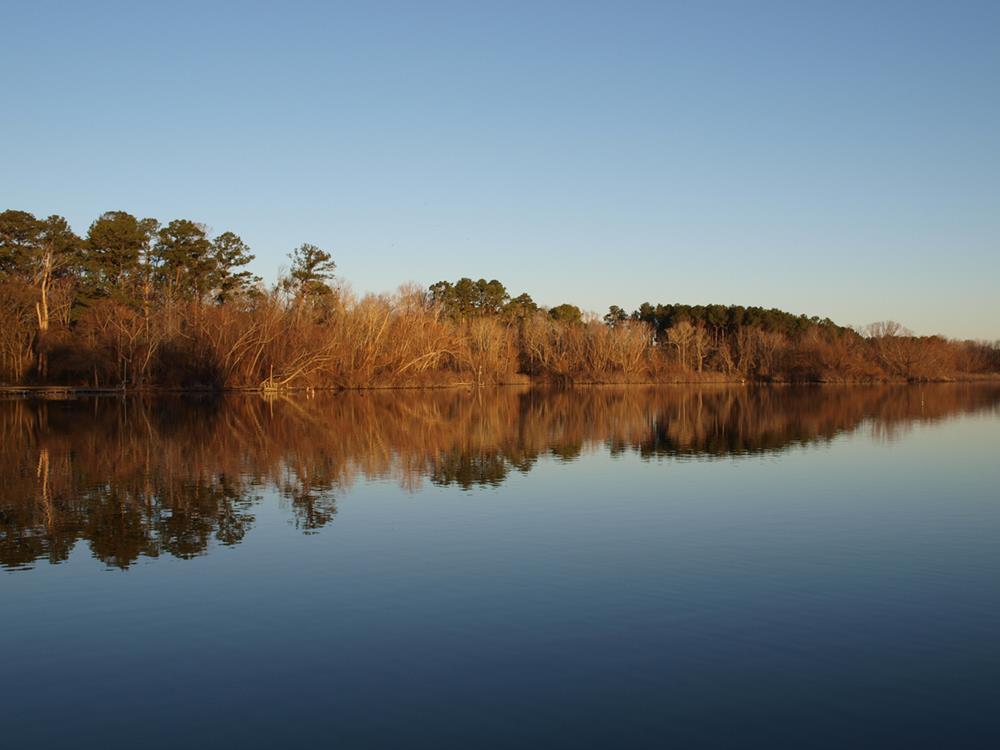
Lake Sam Rayburn is one of the largest lakes in Texas, and that size works in its favor. While some areas can be cloudy, others offer surprisingly good visibility, especially during dry spells.
The best snorkeling spots are found away from heavy boat lanes. Look for quiet coves near public parks and campgrounds. Sandy and rocky shorelines tend to have clearer water than muddy banks.
Underwater, you will see bass, sunfish, catfish, and schools of small baitfish. Submerged trees and stumps are common, creating natural fish habitat. While you should never swim directly among dense timber, nearby open areas often offer good viewing.
The lake’s gentle slopes make entry easy, and water depth increases gradually in many places. This allows snorkelers to stay shallow while still seeing plenty of activity.
Early morning is the best time to go, especially in summer. The water is calmer, and visibility is often at its peak.
Lake Livingston
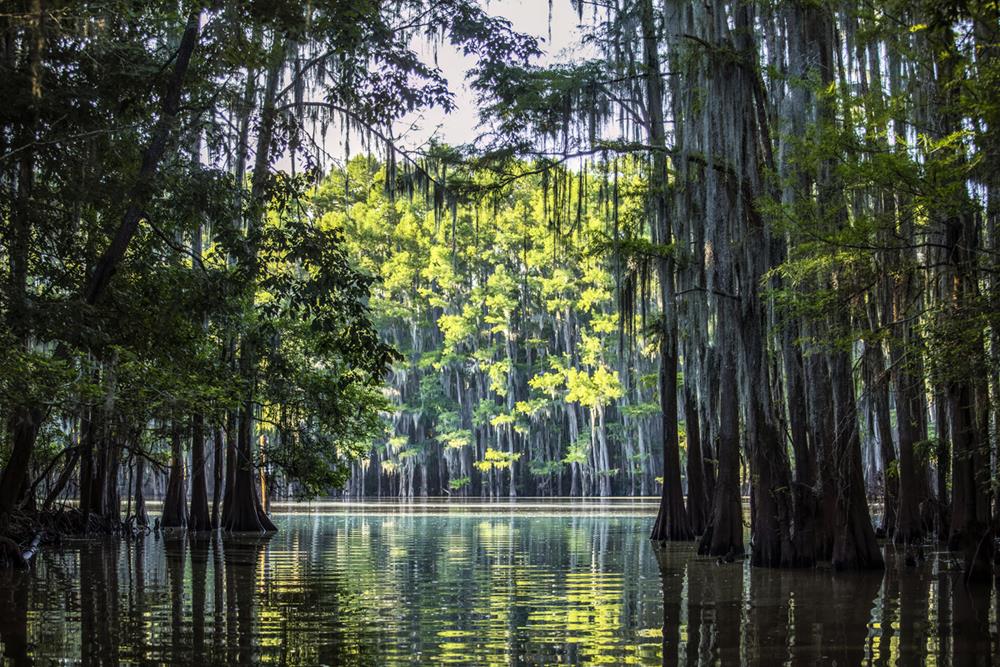
Lake Livingston is another large East Texas reservoir that offers pockets of decent snorkeling conditions. Like Sam Rayburn, it is all about choosing the right location.
The clearest water is usually found near dam areas and rocky shorelines. These zones tend to have less sediment and better visibility. Swim beaches within state parks are good starting points since they are designed for safe water access.
Fish life is active and easy to spot. You will see bluegill, crappie, largemouth bass, and plenty of smaller species. Aquatic plants sway gently in the shallows, creating a peaceful underwater scene.
Lake Livingston does see heavy boat use, so staying close to designated swim areas or quiet coves is important. Bright snorkel vests or float markers can add an extra layer of safety.
This lake is a good choice for beginners who want wide open water and easy access points without hiking or scrambling.
Lake Nacogdoches
Lake Nacogdoches is smaller than the big reservoirs, and that makes it more manageable for casual snorkeling.
The water here can be clearer than expected, especially during late summer and early fall. Shorelines with gravel or rock offer better visibility than muddy banks.
Because the lake is not as busy as some larger ones, you can often find calm stretches with minimal boat traffic. That makes it more relaxing for snorkelers who want to take their time.
Underwater features include fallen branches, small rock clusters, and patches of vegetation. Fish are plentiful and curious, especially in quiet coves.
Access points around the lake make it easy to enter the water without much effort. This is a solid option if you prefer a quieter lake with a laid-back pace.
Lake Murvaul
Lake Murvaul is often overlooked, but it deserves attention from snorkelers. It is a medium-sized lake with relatively calm water and less crowd pressure than larger destinations.
Visibility varies, but certain areas stay clear enough for casual snorkeling, especially during dry periods. Shallow coves and rocky edges are your best bet.
The lake is known for healthy fish populations. Snorkelers can expect to see bass, sunfish, and catfish moving through submerged brush and along drop-offs.
One advantage of Lake Murvaul is its relaxed atmosphere. Fewer speedboats and less shoreline development mean fewer disturbances in the water.
This lake works well for snorkelers who want a quiet experience and do not mind exploring to find the best spots.
Caddo Lake
Caddo Lake is unlike any other lake in Texas. Its cypress trees, Spanish moss, and maze-like waterways create a unique setting above and below the surface.
Snorkeling here is different from open reservoir lakes. Visibility is usually lower, but the scenery makes up for it. Submerged tree roots, cypress knees, and shadowy channels offer a one-of-a-kind underwater view.
Fish species are diverse, and you may spot gar, sunfish, and bass gliding through the roots. Turtles are common too.
The best snorkeling areas are shallow backwaters with minimal current and boat traffic. Entry can be tricky in some places, so using designated access points or kayak-based snorkeling is often the easiest approach.
Caddo Lake is not for crystal-clear water lovers, but if you enjoy the atmosphere and exploration, it is hard to beat.
Lake O’ the Pines
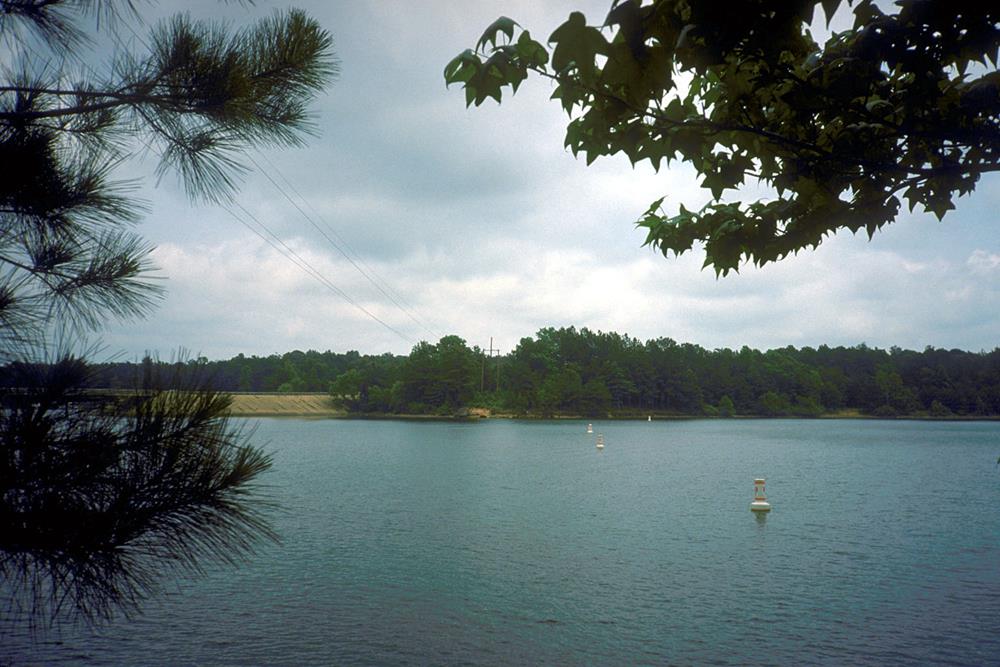
Lake O’ the Pines is known for its scenic beauty and relatively clear water in certain areas. Rocky shorelines and dam-adjacent zones often provide the best visibility.
This lake is popular for swimming and boating, so timing matters. Early mornings and weekdays offer the calmest conditions for snorkeling.
Underwater, you will find rocky bottoms, submerged timber, and schools of fish cruising the shallows. The contrast between open water and shaded shoreline areas adds visual interest.
Public parks around the lake make access straightforward. Many have gentle slopes into the water, which helps beginners ease in comfortably.
If you are looking for a mix of scenery and decent underwater visibility, Lake O’ the Pines is worth exploring.
Martin Creek Lake State Park
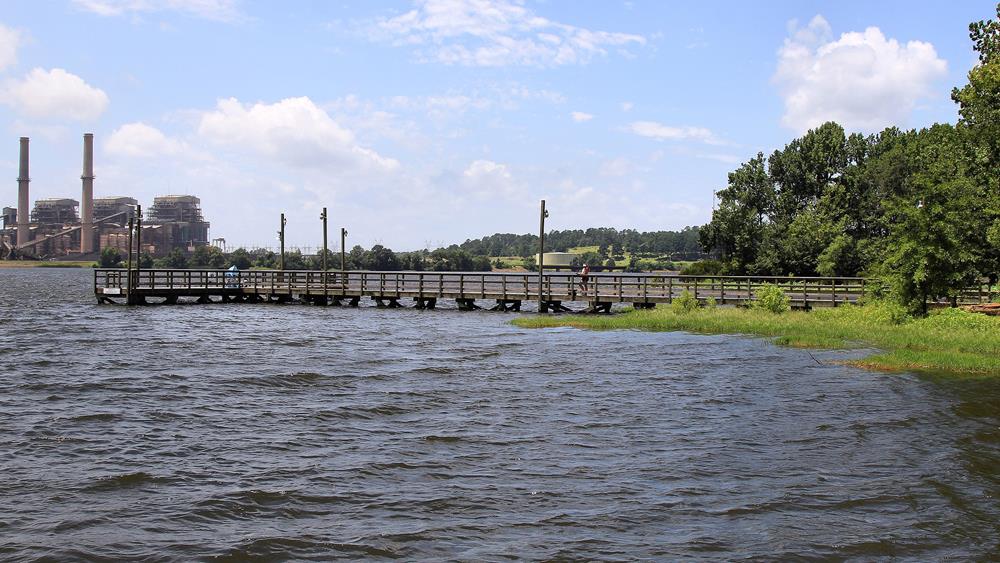
Martin Creek Lake stands out as one of the most snorkel-friendly lakes in East Texas. The lake is relatively small, which helps with water clarity and crowd control.
The swim area within the state park is a great starting point. It offers easy access, clear boundaries, and calmer water. Rocky sections nearby often provide good underwater visibility.
Fish activity is steady, and snorkelers frequently spot sunfish, bass, and schools of minnows darting through the rocks.
Because the lake is smaller, it warms up quickly, making it comfortable for snorkeling during much of the year.
For beginners or families, Martin Creek Lake is one of the easiest and safest options in the region.
Tips for Snorkeling in East Texas Lakes
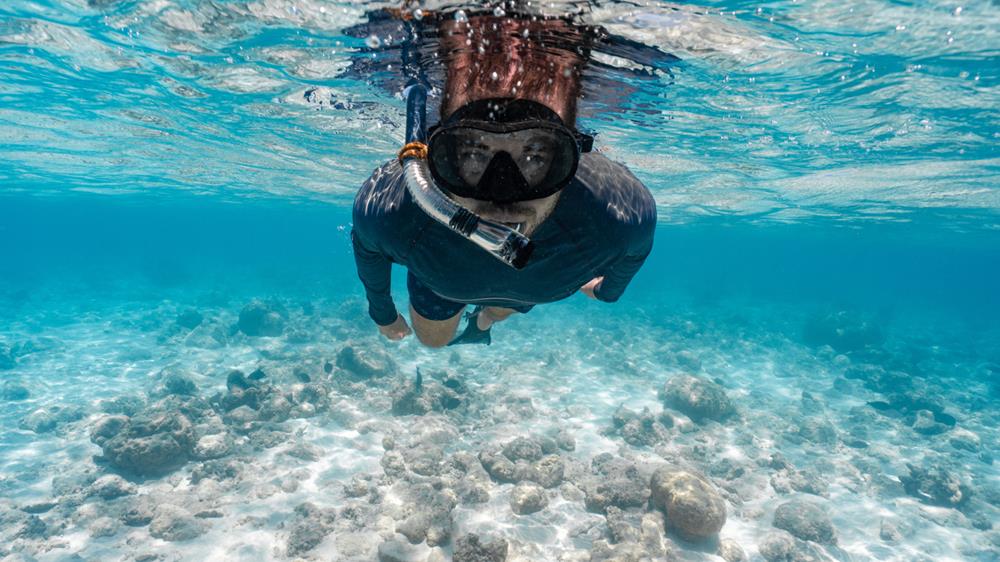
Snorkeling in freshwater lakes is different from ocean snorkeling, and a few simple tips can make the experience better.
- Snorkeling in freshwater lakes is different from ocean snorkeling, and a few simple adjustments can make the experience more enjoyable.
- Choose the right season. Late summer and early fall often offer the clearest water, especially during dry weather.
- Go early in the day. Morning water is calmer, clearer, and cooler. Boat traffic usually increases later in the day.
- Wear water shoes. Many lakes have rocky or uneven bottoms, and water shoes make entry safer and more comfortable.
- Use a snorkel vest or float. This improves visibility to others and helps you stay relaxed in the water.
- Avoid stirring up sediment. Move slowly and keep your fins higher to prevent kicking up mud or silt.
- Check local conditions. Rainfall, changing water levels, and algae blooms can affect visibility.
- Respect wildlife and the environment. Observe without touching, and leave everything as you found it.
What You Can Expect to See
East Texas lakes offer a different kind of underwater life than saltwater destinations.
Fish are the main attraction. Sunfish are colorful and curious. Bass moves slowly and confidently. Catfish often rest near the bottom, especially in shaded areas.
Plants add texture and movement. Grasses, hydrilla, and native aquatic plants sway gently in the current.
Submerged structures like logs, rocks, and old stumps create natural habitats. These areas are often full of activity if you take time to look closely.
While you will not see coral or tropical fish, you will see ecosystems that feel calm and balanced.
Is Snorkeling in East Texas Worth It?
If you go in expecting a Caribbean reef, you will be disappointed. If you go in expecting a peaceful way to explore freshwater life, you will likely be pleasantly surprised.
East Texas lakes offer accessible snorkeling for people who want something simple and local. You do not need expensive gear or long travel. Many spots are close to parks, campgrounds, and picnic areas.
Snorkeling here is less about spectacle and more about slowing down. It is about floating quietly, watching fish move through their world, and enjoying the cool water on a hot day.
For beginners, families, and anyone curious about what lies beneath East Texas lakes, these spots offer an easy place to start.
Final Thoughts
Easy snorkeling spots in East Texas lakes may not be widely advertised, but they are out there for those willing to look. With the right expectations and a little planning, these lakes can offer rewarding underwater experiences.
Each lake has its own personality, from the open waters of Sam Rayburn to the mysterious channels of Caddo Lake. Some shine in clarity, others in atmosphere.
Snorkeling does not have to be exotic to be enjoyable. Sometimes, it is right in your own backyard, waiting just below the surface.