

Central Texas is home to a distinct form of rock climbing. The region’s limestone walls draw climbers from across the state and beyond. Routes range from easy sport lines to challenging traditional cracks. The landscape has shaped a local climbing culture built on low “crumbly” stone that demands technique and respect. This guide covers the key limestone areas, what you can expect at each, and tips for planning your trips.
Why Limestone Matters in Central Texas
Limestone in Central Texas forms from ancient seabeds. Over millions of years, water, pressure, and shifting land created slabs, overhangs, and crack systems. These features define the climbing here. Unlike granite or sandstone, this limestone can be sharp, pocketed, and layered. Holds can feel slick when polished by frequent use. Climbers here learn to trust balance, footwork, and friction.
Central Texas limestone areas are mostly in hill country, where rivers and creeks cut through rock, creating vertical faces. Many of the popular spots lie within state parks or on private land managed for climbing access. This means knowing access rules and seasonal closures is part of the experience.
Reimers Ranch
View this post on Instagram
Reimers Ranch is one of the most established climbing areas in Central Texas. It sits along the Pedernales River and offers dozens of bolted sport routes. The rock here is limestone with frequent pockets and seams, ideal for sport climbing. Routes range from beginner-friendly 5.6 to advanced 5.13 lines.
Most climbing at Reimers Ranch is within a short walking distance from the parking area. The routes are typically 30 to 60 feet tall. This makes it a great place to warm up, work projects, or introduce new climbers to the sport.
The area is usually dry and sunny. Early morning or late afternoon sessions work best in warm months. In winter, the rock stays climbable and the river valleys can offer some shelter from wind.
Visitors should note that access to some sectors can change with land management decisions. Always check current park guidelines before heading out.
Enchanted Rock
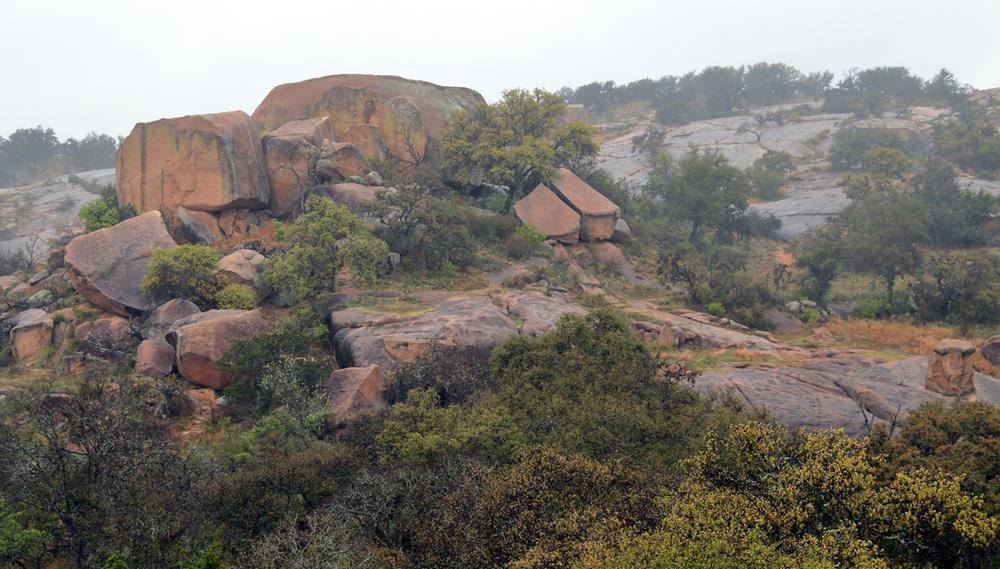
Enchanted Rock State Natural Area stands out with its massive pink granite dome, but the perimeter and nearby ridges include limestone and other rock types with climbing potential. While the dome itself is more about hiking and scrambling, the edges offer technical limestone faces that draw climbers who enjoy varied terrain.
This area blends bouldering, traditional climbing, and non-technical scrambling. Climbers here tackle thin edges, cracks, and face climbs. Unlike sport-only areas, many lines require placing your own pro. Knowledge of trad gear and solid route-finding skills help.
Because this is a state natural area with a high volume of visitors, climbers share the space with hikers and campers. Permits and entrance fees apply. Planning ahead is essential, especially on weekends or during spring wildflower season.
Reimers Ranch South (The Playground)
Just a short distance from the main Reimers area, The Playground offers limestone climbing with a slightly different feel. Routes here are often shorter and steeper. Climbers find pockets and tufas that make for dynamic moves.
The Playground is a good option when the main cliff gets crowded. It still has a range of grades but tends to attract climbers working bouldery sport lines. Because the cliff is lower and closer to the riverbed, you can cool off in shallow water after a session.
Approach trails are short, though uneven. Sturdy shoes for the walk in and sunscreen for the open rock are advisable. Parking can fill up quickly on weekends.
Hamilton Pool Preserve
Hamilton Pool is known more for its scenic swimming area than climbing, but nearby limestone features do host some routes. Access to cliffs requires awareness of preserve rules. In high water or heavy rain periods, climbing access can be restricted to protect the fragile environment.
Routes here are fewer and shorter than at areas like Reimers Ranch, but the setting by a natural pool and grotto makes for a memorable visit. Climbers who enjoy combining a day of climbing with swimming and exploring nature trails find this area rewarding.
Because of its popularity with general visitors, it’s important to park only in designated areas and respect closures. Local ranger staff can provide current information on where climbing is permitted.
Pace Bend Park
Pace Bend Park is another river-access climbing area with limestone features rising above Lake Travis. The rock here includes pocketed limestone and bands of harder stone. The routes vary in length and difficulty.
Approach trails can be steep and exposed. Climbers often combine climbing with kayaking or swimming on the lake. In summer, the water offers a refuge from hot rock and sun.
Because lake levels change with rainfall and water management, some routes can become harder to access or completely cut off. Checking recent conditions before you go helps avoid surprises.
Fees apply for day use at Pace Bend. The park has limited facilities, so bring water, snacks, and gear for changing conditions.
Schoolhouse Canyon
Schoolhouse Canyon, near Lake Austin, is a lesser-known climbing area with limestone in a canyon setting. It offers a mix of sport and top-rope potential, with shorter routes and pockets typical of Texas limestone.
This spot is good for climbers who want a quieter area for practice or to introduce friends to climbing. The cliff faces are not as tall as some of the hill country crags, but the climbing remains engaging.
The approach involves a canyon hike, so shoes with good traction are useful. Water and sun protection improve comfort, as shade is limited.
Lower Bois d’Arc
Lower Bois d’Arc is part of a series of climbs along the Colorado River corridor. The limestone here is interspersed with other rock types, but many of the sport routes use limestone’s texture and features. This area offers moderate to challenging lines.
Routes can be tall with sustained climbing. Because this area is close to Austin, it’s popular with local climbers year-round. Parking and access are relatively straightforward, though some trails up to the cliffs require a bit of walking.
Climbers here share space with anglers and picnickers. Respect for other park users and careful gear placement keep the area open for all.
Sinks
Sinks is a unique climbing area on the Pedernales River near Reimers Ranch. It’s named for small depressions eroded into the limestone, which can hold water after rain. The lines here are short but technical. Many climbers use it for warm-ups or bouldery projects.
Because the cliff faces are close to the riverbed, conditions can change with rainfall. After heavy rain, the area may be too wet to climb. When dry, it offers fun, pocketed limestone problems.
Entry is simple, and there’s usually space for a few climbers without the crowds seen at larger cliffs. Shoes with sticky rubber help here, as pockets and smears define many moves.
Route Styles Common to Central Texas Limestone

Sport Climbing
Most developed cliffs in Central Texas favor sport routes. Bolt-protected lines allow climbers to focus on the moves without placing pro. Limestone’s natural features create holds that test balance and technique.
Traditional Climbing
Some areas, especially near Enchanted Rock and certain cracks along river corridors, offer trad opportunities. These lines require placing nuts, cams, or hexes. Competence with gear and anchors is essential.
Top-Roping
Shorter cliffs and canyon areas often serve as top-rope spots. These are useful for beginners or for working specific moves before leading.
Bouldering
While not as prevalent as sport or trad, bouldering exists where large blocks or low faces offer problems. Areas like Sinks and small outcrops near rivers see climbers working bouldery lines.
Best Times to Climb
Central Texas weather shapes climbing seasons:
- Fall to Spring: Cooler temperatures make these months prime climbing times. Limestone holds less heat and morning shade can extend your session.
- Summer: Heat and sun exposure limit midday climbing. Early morning and evening sessions work better. Lakes and rivers nearby provide ways to cool off after climbing.
- Rainy Periods: After heavy rain, limestone can become slippery and unsafe. Wait until the rock dries completely before climbing.
Gear and Safety Tips
- Shoes: Limestone favors sticky rubber. A snug fit improves sensitivity on small edges and pockets.
- Helmet: Limestone can have loose flakes and falling debris. Wearing a helmet adds safety for both leaders and belayers.
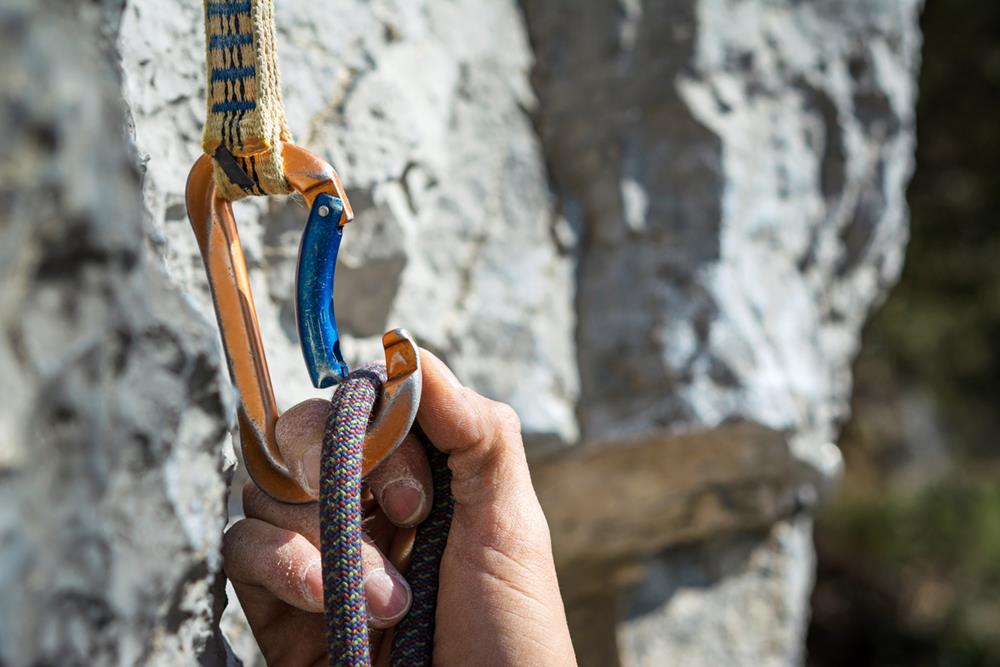
- Protection: For sport routes, quickdraws and a well-organized rack help. For trad lines, a range of cams and nuts suited to crack sizes is useful.
- Belay Device: Modern assisted-braking devices improve safety when lowering or catching falls.
- Chalk & Brush: Chalk helps with sweat, and a brush cleans holds to improve friction.
- Sun Protection: Wide-brim hats, sunscreen, and sunglasses make long days more comfortable.
- Water: Central Texas can be hot and dry. Carry enough water for your group, especially on longer approaches.
Local Regulations and Etiquette
Many limestone areas are on public land or land managed with climbing access agreements. Respect posted signs, seasonal closures, and restrictions. Some areas close during bird nesting seasons or to protect sensitive habitats.
Pack out what you bring in. Use established trails and avoid widening erosion paths. When placing gear, follow Leave No Trace principles to minimize impact on rock and soil.
Interactions with hikers, swimmers, and other park users should be courteous. Not everyone knows climbing norms. Explaining your activity politely helps keep access open.
Learning and Community
Central Texas has an active climbing community. Local gyms in Austin, San Antonio, and other cities host classes and clinics. These build skills in belaying, anchor building, and trad gear placement.
Climbing partners often meet through gyms, outdoor groups, and social networks. Partnering helps with safety and shared knowledge of routes.
Guidebooks and online resources list routes, grades, and beta for areas across Central Texas. These help you plan trips that match your skill level.
Planning Your Trip
When you plan a climbing day, consider:
- Weather Forecast: Heat and rain affect route conditions.
- Crowds: Popular areas like Reimers Ranch see higher traffic on weekends.
- Access Fees: State parks and preserves often charge day-use fees.
- Terrain Familiarity: Areas with trad lines require different planning than sport crags.
Packing a small first-aid kit, headlamp, and extra food adds safety for longer sessions or unexpected delays.
Conclusion
Central Texas limestone offers a variety of climbing experiences. From sport walls at Reimers Ranch to trad lines near Enchanted Rock, the region challenges climbers of different skill levels. Understanding the rock type, local conditions, and regulations helps you make the most of each outing.
Climbing here is more than moving up rock. It’s about reading the stone, choosing gear wisely, and respecting public lands. With preparation and attention to safety, limestone climbing in Central Texas can become a regular part of your outdoor life.