

West Texas does not always come to mind when people talk about rock climbing. Many think first of Colorado, Utah, or California. Yet West Texas quietly offers some of the most unique climbing terrain in the country. Wide desert views, rugged canyons, and ancient mountains shape a landscape that feels open, raw, and deeply rewarding.
Climbing here is not about crowds or flashy scenes. It is about space, silence, and the connection between rock, body, and weather. From towering limestone walls to volcanic formations and desert boulders, West Texas delivers variety along with a sense of adventure that feels increasingly rare.
This article explores where to climb, what the rock is like, when to go, and how to prepare. Whether you are an experienced climber or someone curious about trying it for the first time, West Texas has something worth discovering.
The Geography That Shapes the Climbing
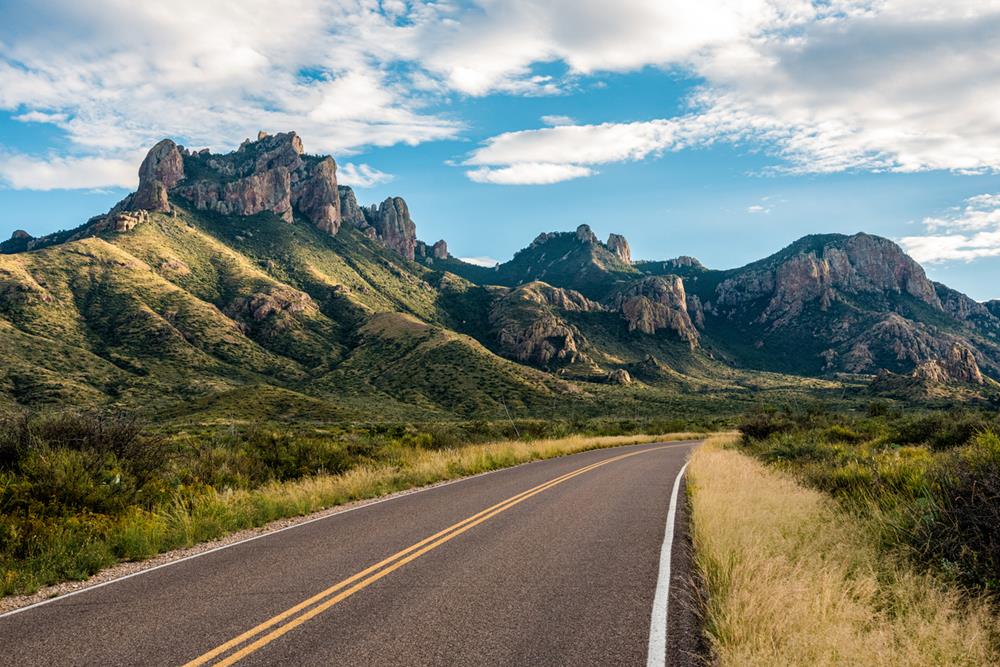
West Texas covers a massive area, stretching from the edges of the Hill Country to the New Mexico border. It includes desert basins, mountain ranges, and deep canyons carved over millions of years. These features create a wide range of climbing environments, often within a single day’s drive.
Unlike alpine regions, West Texas climbing happens at lower elevations, though some peaks still rise above 7,000 feet. The climate is dry, the skies are usually clear, and the rock is often exposed. Wind, sun, and temperature shifts play a big role in how each route feels.
The region’s isolation also shapes the experience. Many climbing areas require long drives on quiet highways or gravel roads. Cell service is unreliable in many places. This sense of distance is part of the appeal, but it also demands preparation and respect.
Big Bend National Park
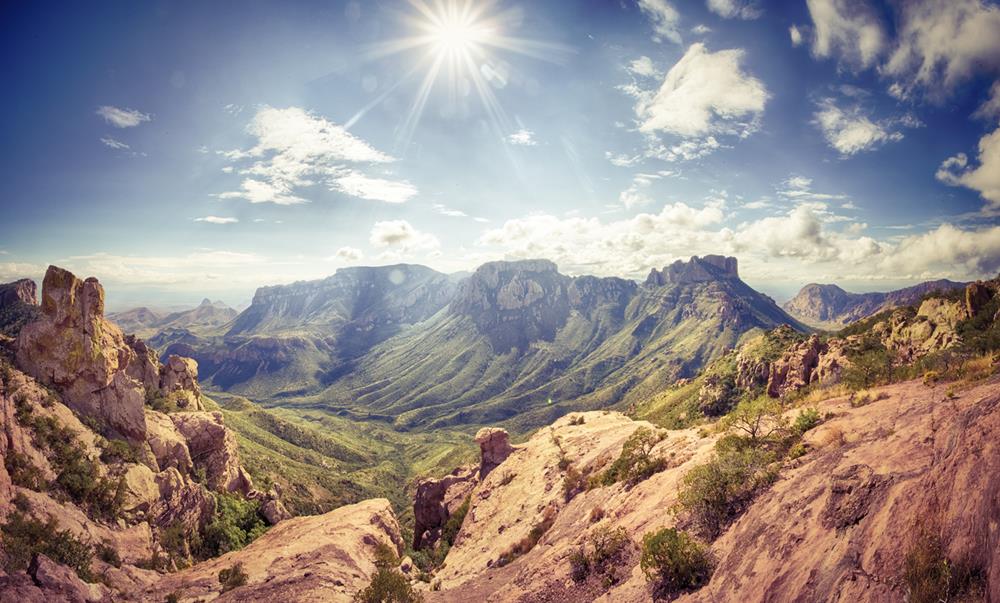
Big Bend National Park is the most well known climbing destination in West Texas. It sits along the Rio Grande at the southern edge of the state and offers dramatic desert scenery framed by the Chisos Mountains.
Climbing in Big Bend is mostly traditional focused, though there are a few sport routes and bouldering areas. The rock varies from limestone to volcanic tuff, depending on location. Routes often follow natural cracks, corners, and faces rather than bolts.
The Chisos Mountains provide cooler temperatures than the surrounding desert and host some of the park’s most classic climbs. Places like the Window Area, Mule Ears, and Casa Grande feature multi pitch routes with exposure and sweeping views.
Big Bend climbing requires permits, route research, and solid navigation skills. Many climbs are remote, with long approaches and limited rescue options. This makes the park better suited for experienced climbers or those traveling with knowledgeable partners.
Hueco Tanks State Park
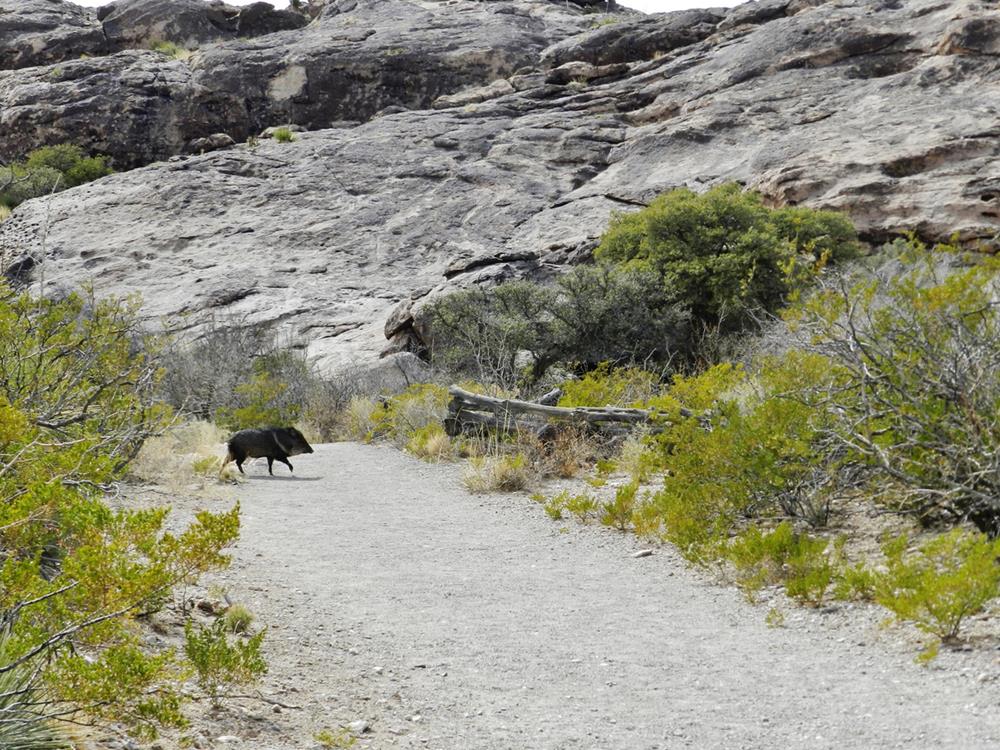
Hueco Tanks, located near El Paso, is world famous for bouldering. The park’s massive granite formations are covered in pockets, edges, and huecos, which are bowl shaped holds that give the area its name.
Climbers from around the world visit Hueco Tanks for its technical movement and historic problems. Many routes were established decades ago and remain benchmarks for difficulty and style.
Access at Hueco Tanks is carefully managed to protect cultural and natural resources. Visitors must attend an orientation, and some areas require guided access. While this adds structure to a visit, it also helps preserve the quality of the climbing.
Hueco Tanks is suitable for climbers of many levels. Beginners can enjoy lower angled problems and traverses, while advanced climbers can test themselves on steep, powerful lines.
The Franklin Mountains
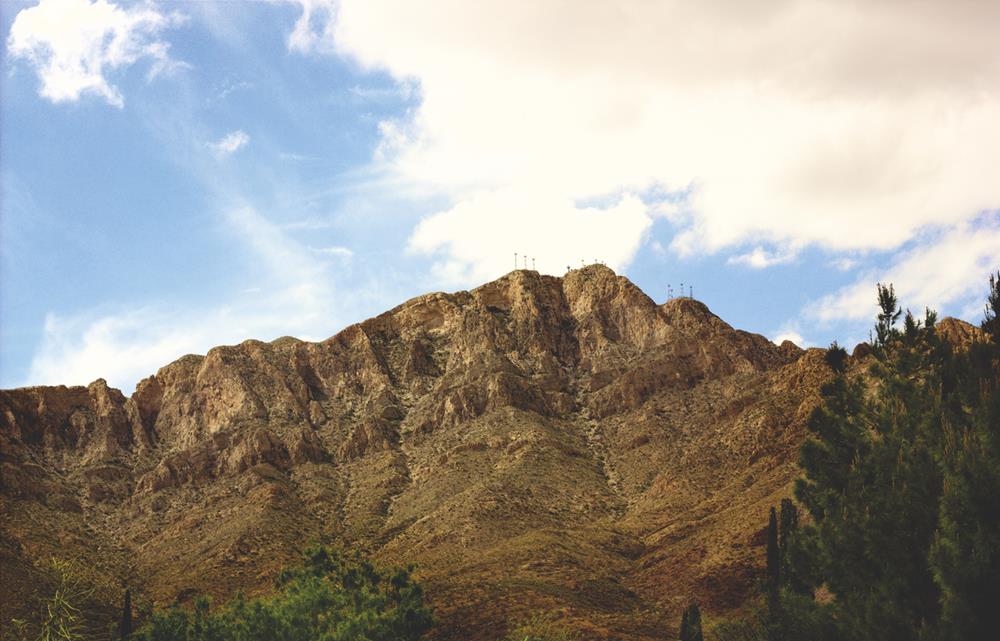
The Franklin Mountains rise sharply along the eastern edge of El Paso, forming one of the longest urban mountain ranges in the country. Franklin Mountains State Park offers limestone climbing with easy access and expansive desert views.
Climbing here includes sport routes, trad lines, and scrambling routes. The limestone tends to be solid, with sharp edges and vertical faces. Many climbs are single pitch, making the area good for shorter outings.
Because of its location near the city, the Franklin Mountains are popular with local climbers. Still, it is easy to find quiet areas, especially on weekdays or farther from trailheads.
The park’s elevation and exposure mean weather can change quickly. Wind is common, and summer heat can be intense. Early starts and seasonal planning make a big difference.
McDonald Observatory Area and the Davis Mountains
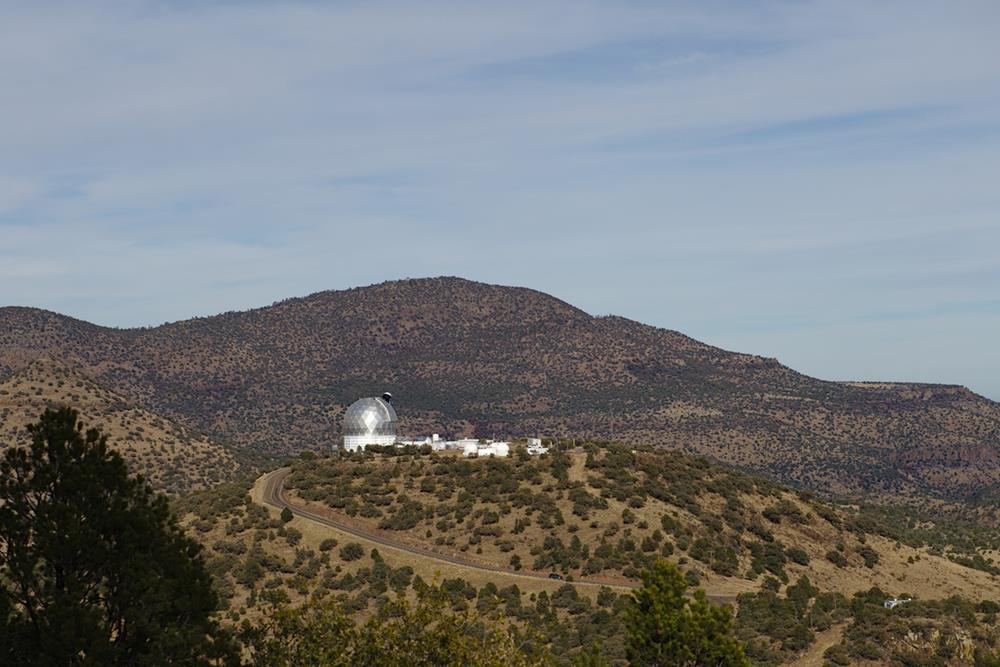
The Davis Mountains, located north of Big Bend, offer a different climbing environment. This region is higher, cooler, and greener than much of West Texas. Volcanic rock dominates, creating textured faces and unique formations.
Much of the climbing in this area is on private land, which limits access. Some climbers arrange trips through local contacts or climbing groups. Others combine scrambling and exploratory climbing on public lands nearby.
While not as developed as other areas, the Davis Mountains appeal to climbers who enjoy discovery and quiet. Routes here often feel personal, with little traffic and minimal documentation.
Rock Types and What to Expect
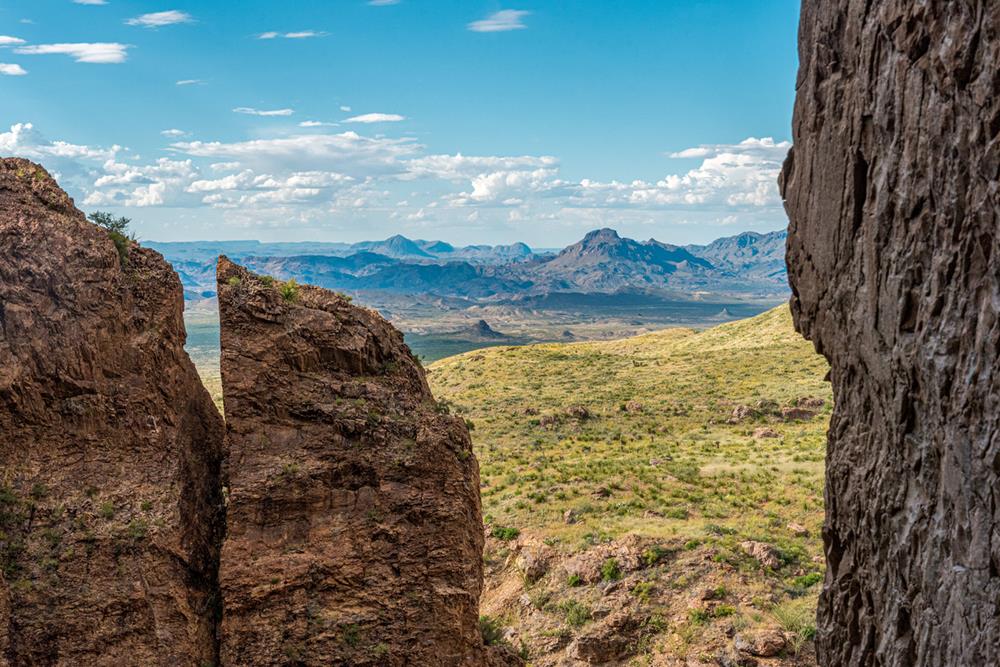
West Texas rock varies widely by location. Limestone is common in mountain ranges and canyon walls, offering edges, pockets, and cracks. It can be sharp, so durable clothing and tape are helpful.
Granite, especially at Hueco Tanks, provides friction, crystals, and rounded features. Footwork and balance matter as much as strength.
Volcanic rock appears in areas like the Davis Mountains and parts of Big Bend. This rock can be rough and irregular, requiring careful testing of holds.
Because many routes are less traveled than those in popular climbing states, loose rock can be an issue. Helmets are strongly recommended, even on shorter climbs.
Best Seasons for Climbing
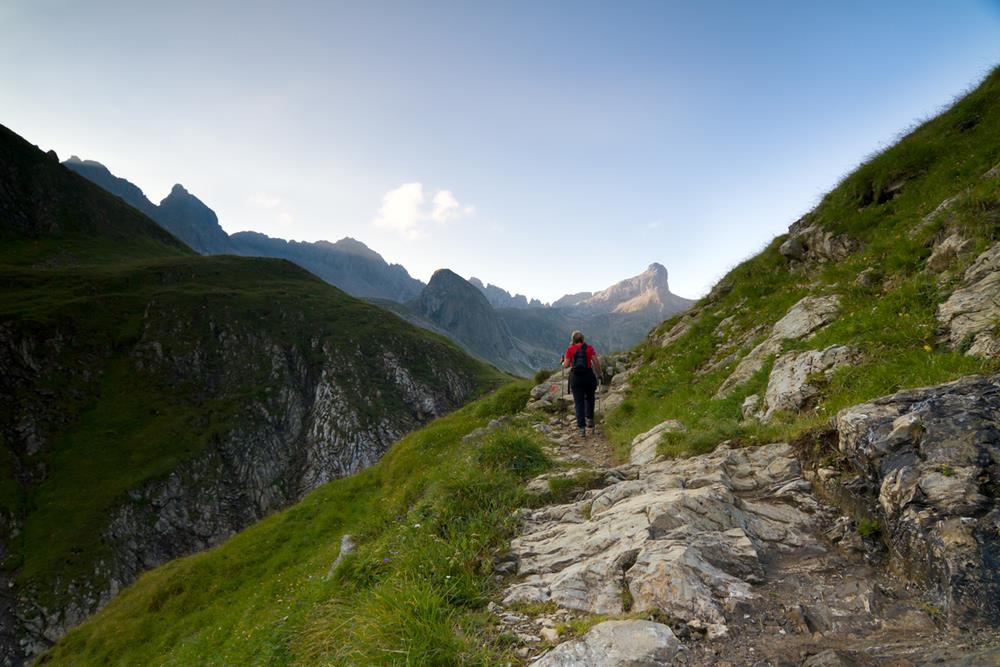
Fall through spring is the prime climbing season in West Texas. Cooler temperatures make long days outside more comfortable and safer. Winter days can be ideal, with clear skies and crisp air.
Summer climbing is possible but challenging. Temperatures often exceed 100 degrees, especially in desert areas. High elevation zones offer some relief, but early starts and plenty of water are essential.
Weather changes quickly in mountain areas. Sudden storms, strong winds, and temperature drops can occur, especially in spring. Checking forecasts and having flexible plans helps manage these conditions.
Preparation and Safety
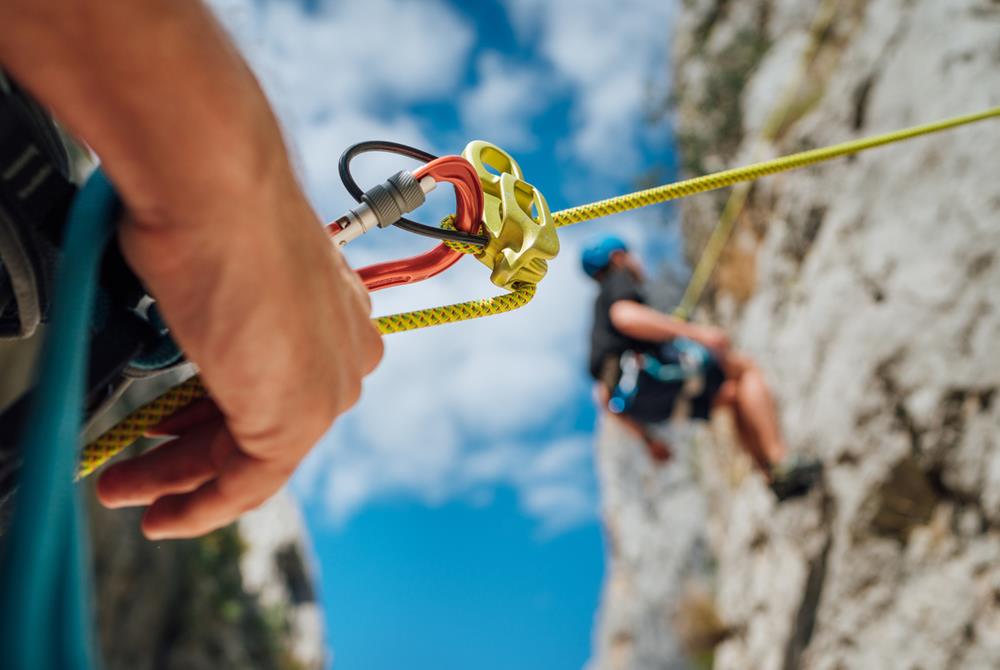
Climbing in West Texas requires a self sufficient mindset. Many areas are remote, with limited access to help. Bring more water than you think you need. Carry navigation tools, first aid supplies, and extra food.
Let someone know where you are going and when you expect to return. In some parks, registering your trip is encouraged or required.
Sun protection matters year round. Wide brim hats, sunscreen, and long sleeves help reduce exposure. Dehydration is a common risk, even in cooler months.
Respect park rules, private property boundaries, and cultural sites. Some climbing areas overlap with sensitive archaeological zones, especially at Hueco Tanks.
The Experience Beyond the Climbing
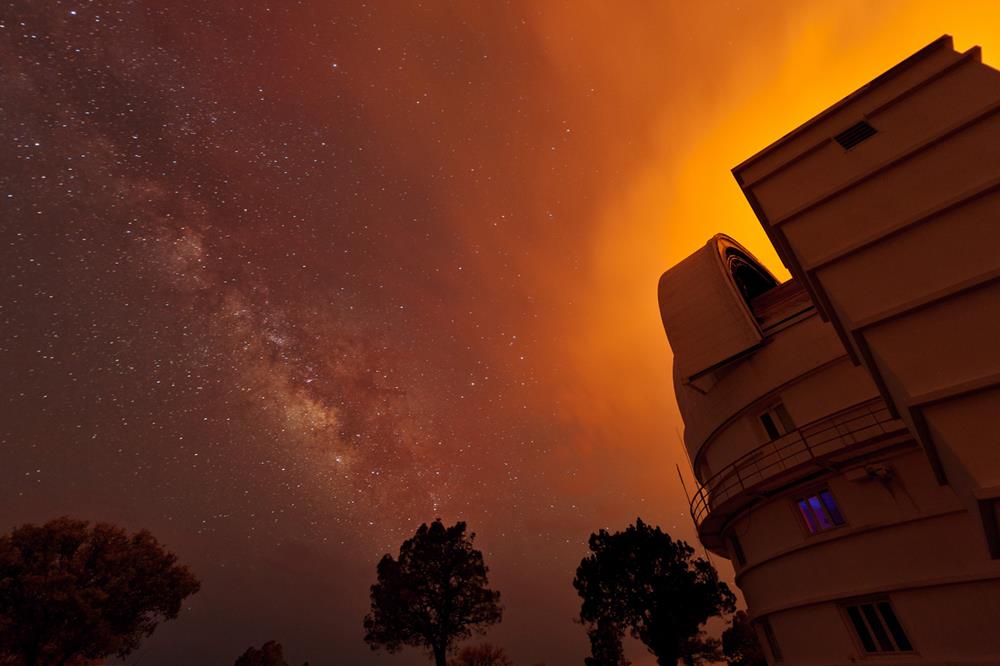
What sets West Texas climbing apart is the full experience. Long approaches across desert flats. Quiet evenings under star filled skies. The sound of wind moving through canyons.
Many climbers describe a sense of calm and focus that comes from spending time in these landscapes. Without crowds or constant noise, the rhythm of the day slows down.
Climbing becomes part of a larger journey that includes hiking, camping, wildlife watching, and simply being present in a wide open place.
Who West Texas Climbing Is For
West Texas appeals to climbers who value adventure and solitude. It suits those who enjoy route finding, planning, and adapting to conditions.
Beginners can find welcoming spots, especially in more developed areas like Hueco Tanks and the Franklin Mountains. With guidance and preparation, these places offer safe introductions to the sport.
Experienced climbers will find challenges in Big Bend and lesser known areas. Multi pitch routes, traditional protection, and complex terrain provide opportunities to grow skills.
Final Thoughts
Rock climbing in West Texas is not about chasing trends or ticking famous routes. It is about exploring a landscape that feels honest and expansive. The rock tells long stories, shaped by heat, time, and weather.
For those willing to prepare, travel, and slow down, West Texas offers climbing experiences that stay with you long after the trip ends. It is a place where effort feels meaningful and the reward comes in quiet moments as much as successful ascents.
If you are looking for climbing that feels personal and grounded, West Texas is worth the drive.