
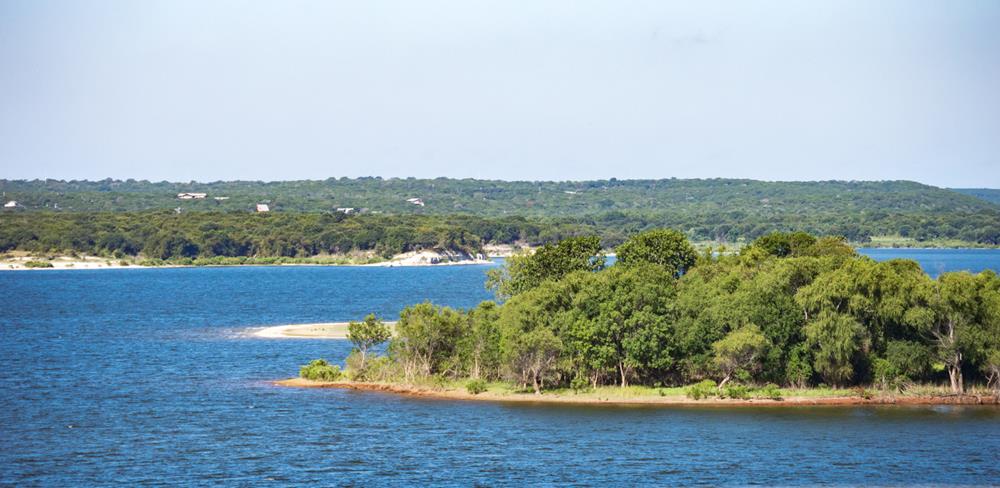
When most people think about scuba diving, they picture coral reefs, tropical fish, and ocean horizons. Texas usually does not come to mind. That is understandable, since the state has a relatively short coastline compared to its size. What many people do not realize is that Texas offers a surprising number of inland dive sites. These locations range from flooded quarries and spring-fed lakes to former industrial sites that now support aquatic life. Together, they create a distinctive diving scene that feels very much like Texas.
Inland diving in Texas is less about colorful reefs and more about exploration, training, and unexpected discoveries. Visibility varies widely, water temperatures shift with the seasons, and many sites have their own local stories. For divers who enjoy variety and a sense of place, Texas inland dive spots offer plenty to appreciate.
Lake Travis (Austin area)

Lake Travis is often considered the most well-known inland dive site in Texas. Located northwest of Austin, this reservoir on the Colorado River draws divers year-round. It is popular with beginners, advanced divers, and instructors alike.
What makes Lake Travis interesting is its size and depth. At full pool, the lake can exceed 200 feet in some areas, although most recreational dives stay much shallower. Water levels fluctuate throughout the year, which means submerged features can appear or disappear depending on conditions. Divers have explored old roadbeds, sunken boats, concrete structures, and even remnants of former lakeside buildings.
Visibility changes frequently. After heavy rains, it can be limited, while extended dry periods often improve clarity. The water tends to be cool below the thermocline, even in summer, so proper thermal protection is important. Lake Travis also serves as a major training site, with several marked dive parks and entry points maintained by local dive shops.
Lake Whitney
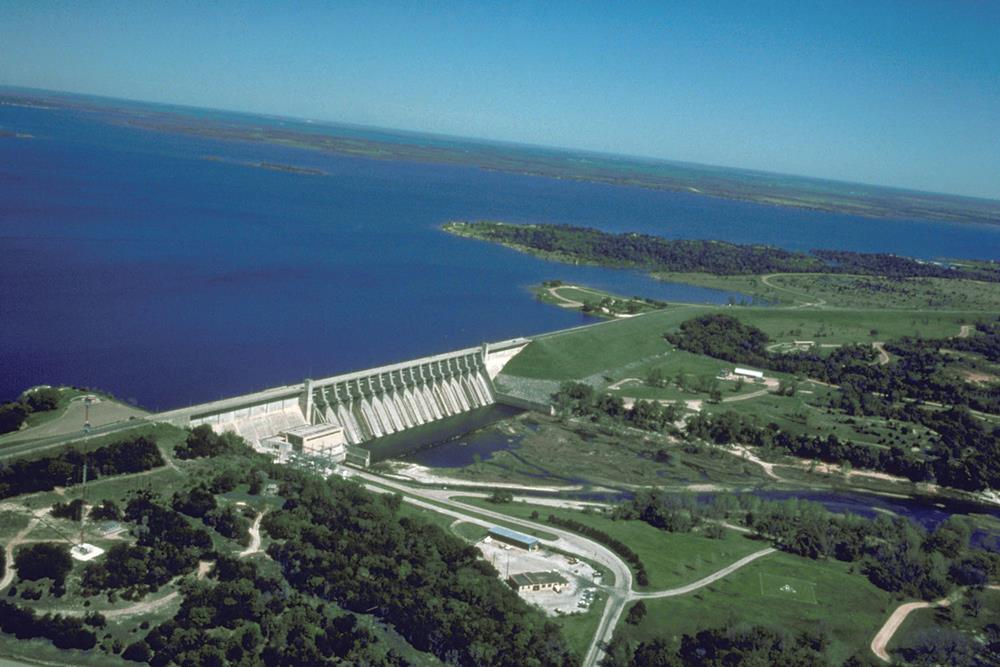
Located between Waco and Fort Worth, Lake Whitney offers a quieter diving experience than Lake Travis. This reservoir is known for its steep limestone walls, sloping drop-offs, and underwater ledges.
One of Lake Whitney’s highlights is the presence of submerged structures left behind when the lake was created. Divers have found foundations, roadways, and the remains of old bridges. Fish life includes catfish, bass, and sunfish, often seen hovering near rock formations.
Visibility at Lake Whitney can be quite good during stable weather, especially in deeper areas. The lake is less crowded than some other central Texas dive sites, which appeals to divers looking for a calmer atmosphere. Shore access is available in select areas, though boat dives allow access to more remote features.
Balmorhea State Park (San Solomon Springs)
Balmorhea State Park, located in West Texas near the town of Balmorhea, is one of the most unique dive sites in the state. The park’s massive spring-fed pool is fed by San Solomon Springs, which releases millions of gallons of clear water each day.
This site is unlike typical lake diving. The water remains clear and maintains a steady temperature year-round, making it comfortable in any season. Visibility often reaches impressive levels, allowing divers to see across much of the pool.
The pool is home to several species of fish, including endangered desert pupfish. Because of its ecological importance, diving at Balmorhea is regulated. Divers must follow specific rules, including limits on group size and depth, and the use of gloves is prohibited to protect the environment.
For many divers, Balmorhea offers a rare chance to experience spring diving without leaving the state.
Blue Lagoon (Huntsville)
View this post on Instagram
Blue Lagoon in Huntsville is a former limestone quarry that has been converted into a dedicated scuba training and recreational dive site. It is privately owned and specifically designed to support divers.
The quarry’s clear, blue water provides relatively consistent visibility compared to many natural lakes. Depths vary, making it suitable for a wide range of certification levels. Over the years, various training platforms, sunken vehicles, and practice objects have been placed underwater.
Because Blue Lagoon is controlled and well-maintained, it is often used for open water certification dives. It also serves as a comfortable location for divers who want predictable conditions and easy access. Facilities on site include restrooms, equipment rinse stations, and shaded areas for surface intervals.
Mansfield Dam Park
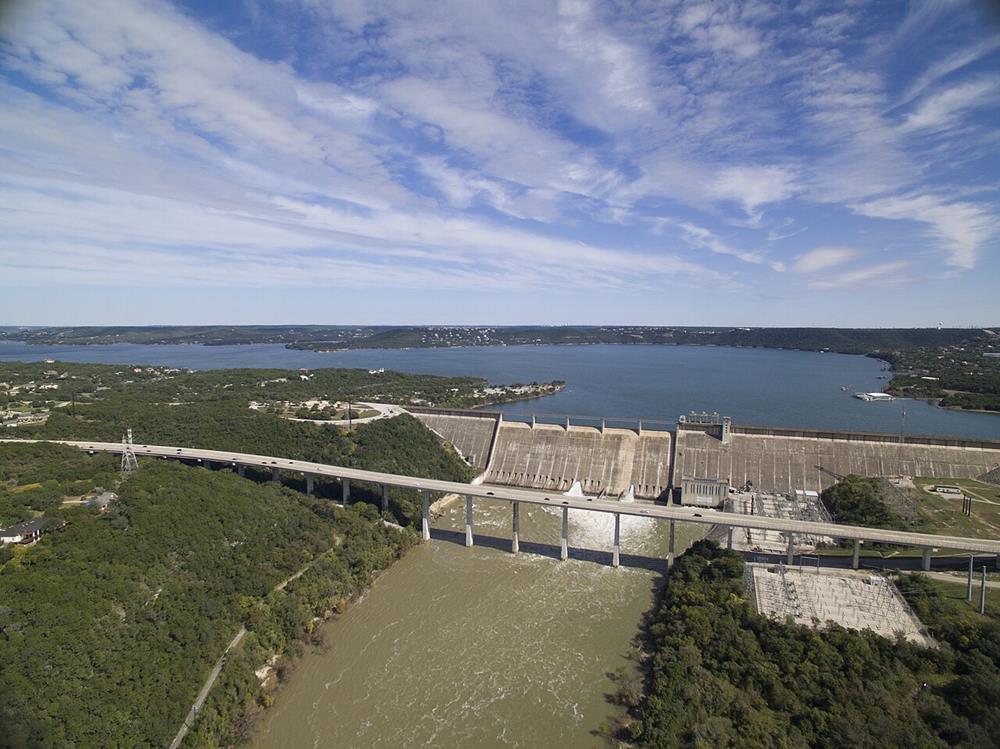
Located at the western end of Lake Travis, Mansfield Dam Park offers one of the most accessible dive entry points on the lake. It is especially popular with local divers because of its convenience and defined dive areas.
Divers here often explore sloping terrain, rock piles, and submerged debris. Training platforms are placed at various depths, making it easier to practice skills. The site also includes underwater attractions such as a small boat and scattered objects used for navigation practice.
Conditions at Mansfield Dam Park reflect the broader lake environment, with visibility influenced by weather and water levels. Despite this, the site remains a reliable option for both practice and casual dives.
Canyon Lake
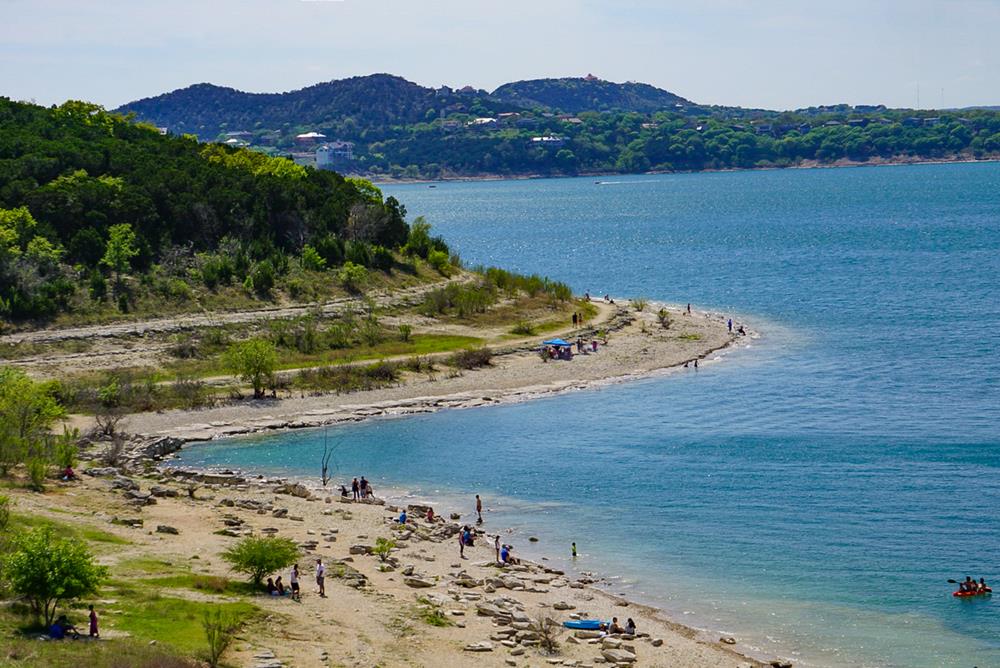
Canyon Lake, situated between Austin and San Antonio, offers clear water by Texas standards, particularly during periods of low runoff. The lake is surrounded by limestone cliffs and rolling hills, giving it a scenic feel above and below the surface.
Divers often explore submerged trees, rock walls, and gradual slopes. While Canyon Lake does not have as many artificial structures as some other sites, its natural terrain provides interesting navigation challenges.
Boat traffic can be heavy during warmer months, so divers should use proper surface markers and plan entry points carefully. When conditions are right, Canyon Lake rewards divers with calm water and relatively good visibility.
Possum Kingdom Lake
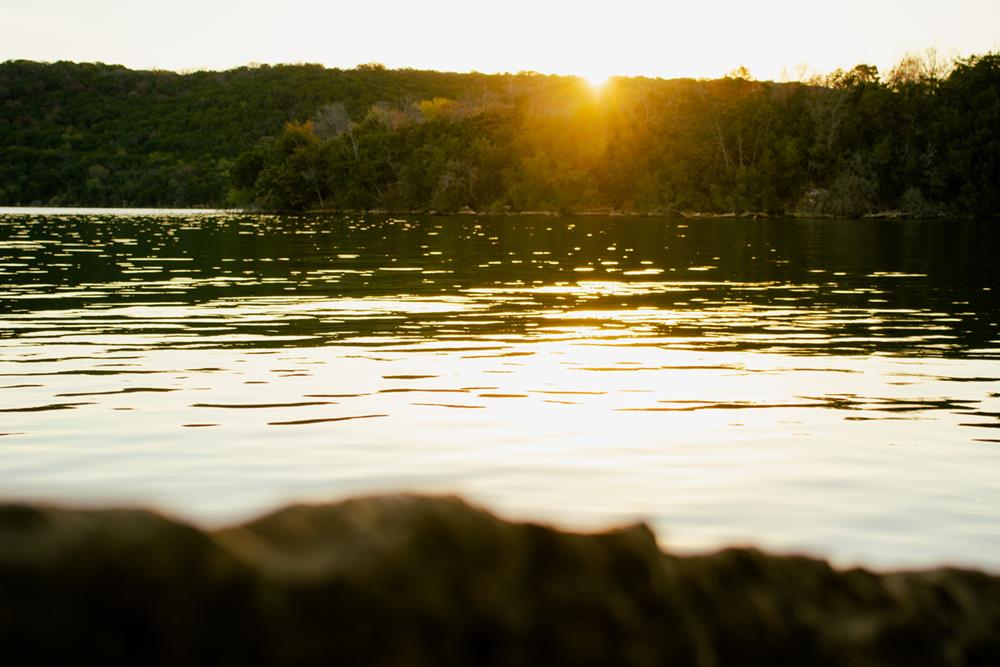
Possum Kingdom Lake, located in North Texas, is best known for its dramatic cliffs and rocky shoreline. Underwater, the lake continues this theme with steep walls, boulder fields, and submerged vegetation.
This lake appeals to more experienced divers who enjoy varied terrain and deeper profiles. Visibility can be unpredictable, but clear days offer impressive views of rock formations. Fish life includes largemouth bass and catfish, often seen resting near ledges.
Access points are more limited compared to central Texas lakes, and many dives require boat support. For those willing to plan ahead, Possum Kingdom offers a distinctive inland diving experience.
Athens Scuba Park
View this post on Instagram
Athens Scuba Park, located east of Dallas, is another former quarry converted into a dive park. It has become a favorite among North Texas divers due to its depth, clarity, and underwater attractions.
The quarry reaches significant depths, allowing for advanced training and technical dives. Several large objects have been submerged, including aircraft fuselages, boats, and vehicles. These features make navigation and exploration more engaging.
Visibility is often better than nearby lakes, especially at depth. Facilities include picnic areas, restrooms, and entry points designed with divers in mind. Athens Scuba Park is well suited for divers who want structure and variety in a controlled setting.
Twin Lakes Scuba Park
Twin Lakes Scuba Park, near San Antonio, is another quarry-based dive site that caters specifically to divers. It features multiple platforms, underwater attractions, and varying depth zones.
One lake is shallower and often used for training, while the other reaches deeper levels suitable for advanced divers. Objects such as boats, statues, and training frames are placed throughout the site.
Because Twin Lakes is privately managed, conditions tend to be stable and predictable. Many divers appreciate the ability to practice skills without worrying about boat traffic or rapidly changing visibility.
Lake Meredith
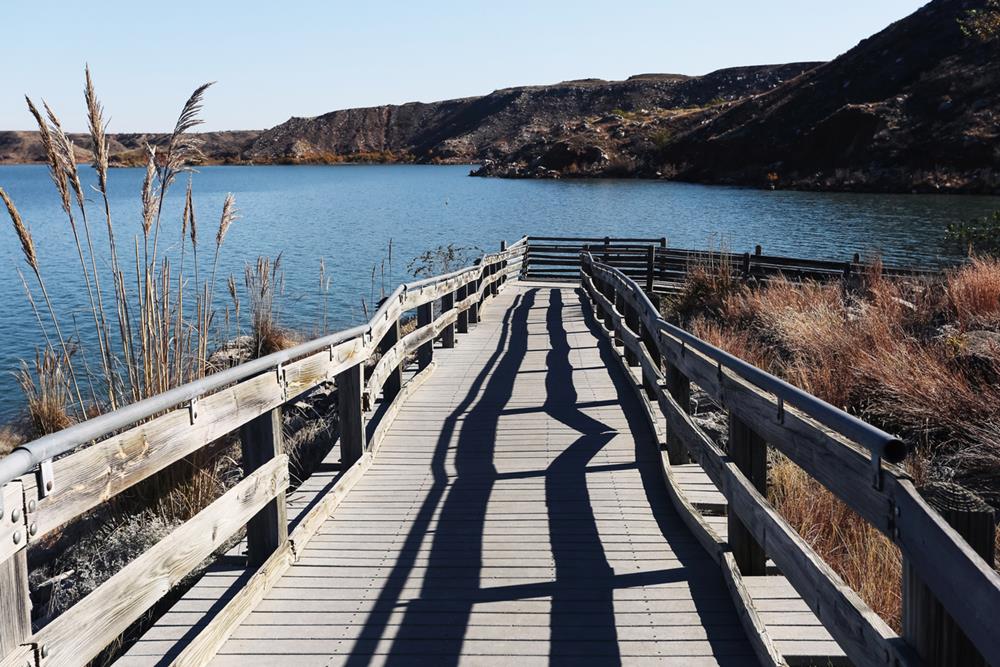
Located in the Texas Panhandle, Lake Meredith offers a different type of inland diving. Water levels here fluctuate dramatically, sometimes exposing large areas of the lakebed. When water levels are higher, divers can explore submerged structures and rock formations.
The lake has a remote feel, with fewer divers and less recreational traffic than central Texas sites. Visibility varies widely, but calm weather can improve conditions.
Diving Lake Meredith requires careful planning and attention to current conditions. For adventurous divers, it offers solitude and a sense of exploration that is harder to find at more popular locations.
Spring Lake (San Marcos)
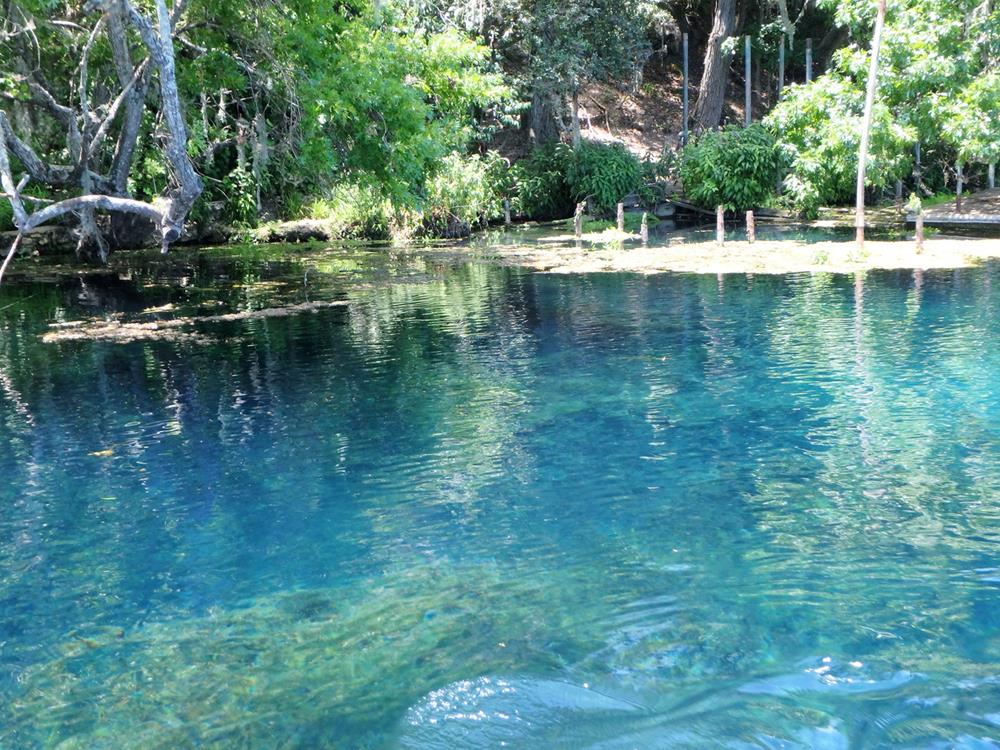
Spring Lake, part of the Meadows Center in San Marcos, is a scientifically managed spring system with exceptional water clarity. Access is highly restricted and generally limited to research or approved training programs.
The lake is fed by artesian springs that maintain constant temperature and clarity. Visibility often extends far beyond what is typical in Texas. The underwater environment includes aquatic plants, fish, and geological features shaped by flowing spring water.
Because of its protected status, Spring Lake emphasizes environmental awareness and conservation. Divers who gain access often describe it as one of the clearest and most educational dive experiences in the state.
What Makes Texas Inland Diving Different
Texas inland diving stands apart from coastal or tropical diving in several ways. Water clarity is often more variable, and conditions can change quickly. Many sites require good buoyancy control to avoid disturbing silt. Divers also learn to navigate without relying on colorful reefs or abundant marine life.
These challenges can be rewarding. Inland diving sharpens skills, builds confidence, and encourages careful planning. It also offers a chance to connect with local history, geology, and ecosystems.
Another notable aspect is the strong community surrounding inland dive sites. Local dive shops, instructors, and clubs play a major role in maintaining access points and promoting safe practices. Many divers form lasting connections through regular trips to these locations.
Planning a Texas Inland Dive
Preparation is key when diving inland in Texas. Checking recent visibility reports, water temperatures, and lake levels can help set expectations. Thermal protection is important, as deeper water often remains cold even during summer.
Proper navigation tools, such as compasses and dive lights, are useful at many sites. Surface marker buoys are essential in lakes with boat traffic. Respecting site rules, especially at spring-fed or privately managed locations, helps preserve access for everyone.
Final Thoughts
Texas may not be the first place people think of when it comes to diving, but its inland dive spots offer variety, challenge, and character. From clear spring pools to deep quarries and expansive reservoirs, each site reflects a different side of the state.
For divers willing to look beyond the shoreline, Texas provides a rich inland diving landscape shaped by geology, history, and local stewardship. Whether you are training, exploring, or simply enjoying time underwater, these unique dive spots show that good diving can be found far from the ocean.