

When people talk about surfing in Texas, reactions usually fall into two camps. Some are curious and surprised. Others assume the waves cannot be serious. Both reactions miss the point. Surfing the upper Texas coast in South Texas is less about towering swells and more about understanding local conditions, timing your sessions, and appreciating a stretch of coastline that rewards patience and local knowledge.
This region offers consistent opportunities, welcoming beach towns, and a surf culture shaped by the Gulf of Mexico rather than the Pacific or Atlantic. Waves here may be smaller on average, but they are far from boring. For surfers willing to read the water and work with the weather, the upper Texas coast delivers sessions that are memorable, challenging, and surprisingly fun.
This guide looks at the best surfing spots along the upper Texas coast, explains what makes each location unique, and offers practical insight for anyone curious about surfing South Texas waters.
Understanding Surf Conditions on the Upper Texas Coast
Before getting into specific spots, it helps to understand how surfing works in this part of Texas. The Gulf of Mexico behaves differently than open oceans. There are no long-distance swells traveling across thousands of miles of water. Instead, waves are generated by wind systems, cold fronts, tropical storms, and seasonal weather patterns.
Fall and winter are the prime seasons. Cold fronts push through regularly, creating strong winds and pressure changes that generate rideable waves. Spring can be inconsistent but still productive. Summer is typically calmer, though early mornings and the occasional storm can still produce fun surf.
Sandbars play a major role here. Since most Texas beaches have sandy bottoms, the quality of waves can change quickly after storms or strong tides. A beach that fires one week may be flat the next. This constant evolution keeps local surfers paying close attention to conditions.
Water temperatures are manageable year-round. Summer often means boardshorts and rash guards. Winter requires a wetsuit, usually a 3/2, with boots on colder days. Ice-cold water is not part of the Texas experience, which makes winter surfing more appealing than many expect.
Galveston Island: The Hub of Texas Surfing

Galveston Island is often the first place people think of when they hear “Texas surfing,” and for good reason. It offers easy access, multiple surfable stretches, and the largest surfing community in the state.
East Beach
East Beach is one of Galveston’s most popular surf areas. It has a wide shoreline and tends to pick up swell better than more sheltered sections of the island. Sandbars form and shift regularly, creating peaks that can work well when conditions line up.
The atmosphere here is social and relaxed. On good days, you will see longboarders, shortboarders, and beginners sharing the lineup. It is a great spot for surfers who enjoy variety and do not mind a bit of crowd energy.
East Beach works best with solid wind-driven swell and a bit of offshore wind, which is not always common but happens often enough to keep surfers watching forecasts closely.
Stewart Beach
Stewart Beach offers a slightly more controlled environment. It is family-friendly and well-maintained, with lifeguards present during busy seasons. For surfers, this means fewer surprises and easier access points.
Waves here tend to be softer, which makes it a solid option for beginners or longboarders looking to practice fundamentals. On stronger swell days, Stewart Beach can surprise experienced surfers with clean, rideable faces.
Because it is centrally located, this spot can get busy, especially on weekends. Early mornings usually provide the best balance of conditions and space.
61st Street and Local Jetties
For surfers seeking more defined breaks, the areas around 61st Street and nearby jetties can be productive. Jetties help shape waves and can create more consistent peaks compared to open beach breaks.
These spots require a bit more awareness. Currents can be stronger, and waves break closer to rocks. Surfers who are comfortable reading water and managing positioning tend to enjoy these areas most.
When the swell is right, these breaks offer some of the best rides on the island.
Surfside Beach: A Texas Favorite With Character
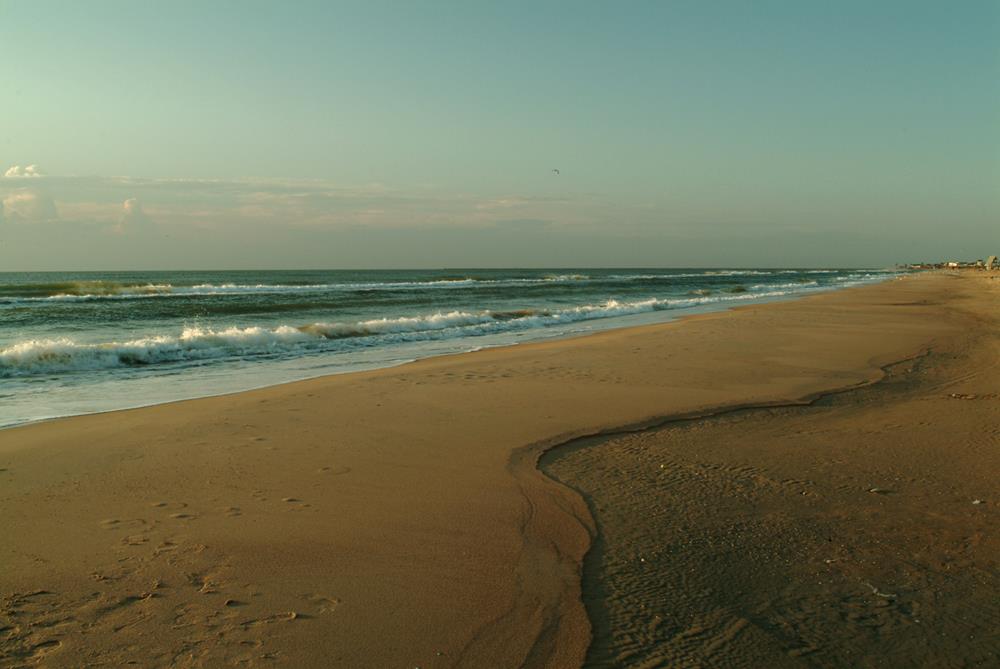
Surfside Beach, located south of Galveston, holds a special place in Texas surf culture. It is quieter than Galveston, less developed, and often delivers quality waves when conditions align.
The beach has a laid-back feel that appeals to surfers who prefer fewer crowds and a more natural setting. Surfside picks up swell well and benefits from sandbars that can line up nicely after storms.
One reason Surfside stands out is its consistency during fall and winter cold fronts. When wind direction cooperates, this area can offer clean, fun waves that rival anything else on the Texas coast.
Parking is easy, and access is straightforward. Many surfers consider Surfside a place where patience pays off. Watching forecasts and timing sessions makes all the difference here.
Quintana Beach: Quiet and Underrated
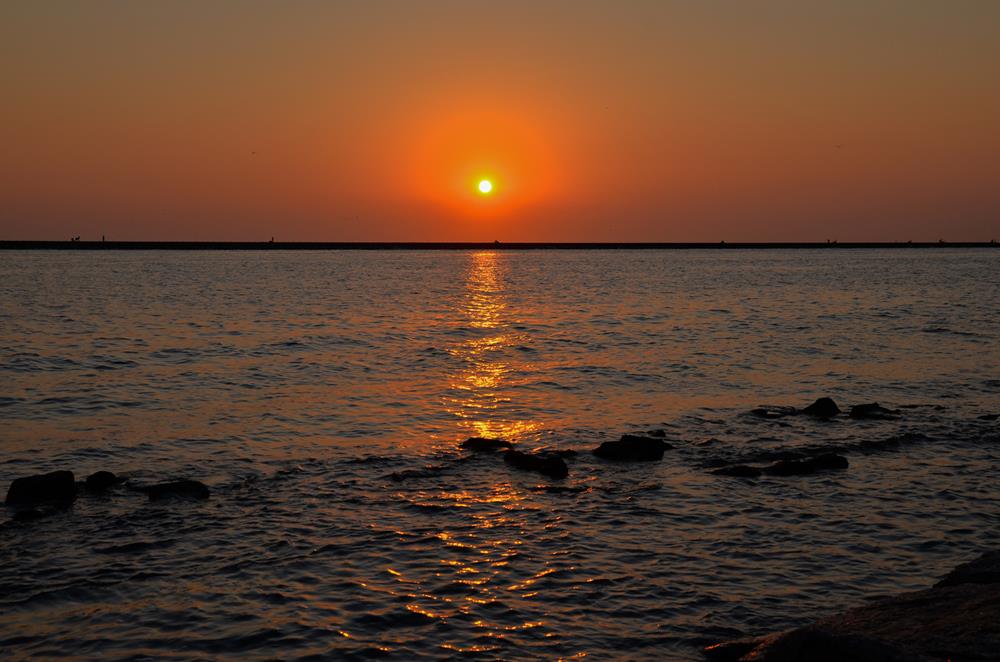
Just south of Surfside lies Quintana Beach, a lesser-known gem that rewards those who seek it out. This area sees fewer visitors, which translates to lighter crowds in the water.
Quintana benefits from similar swell patterns as Surfside but often feels calmer and more spacious. The beach break can produce clean peaks, especially during strong weather systems.
This spot is ideal for surfers who value solitude and do not mind minimal amenities. There are fewer services nearby, so preparation matters. Bring what you need and be ready to enjoy a peaceful session.
Because Quintana is less trafficked, sandbars can remain intact longer, sometimes resulting in surprisingly well-shaped waves.
Matagorda Beach: Wild, Powerful, and Rewarding
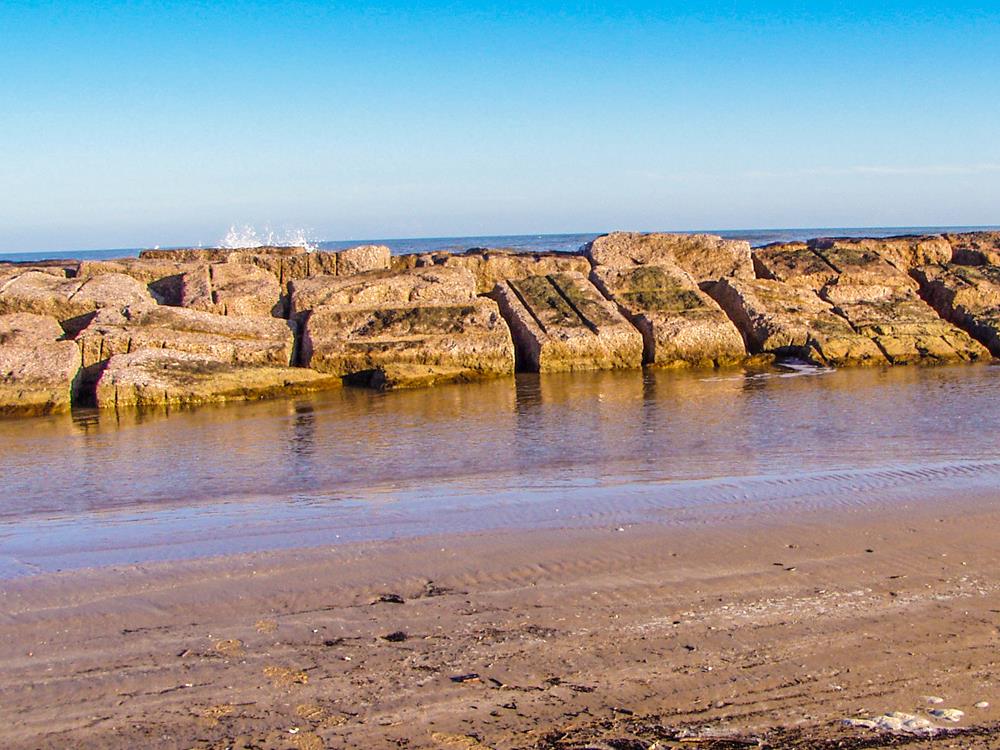
Matagorda Beach sits farther down the coast and offers a very different experience. This area feels remote and untamed compared to more populated beaches. It is also known for heavier surf when conditions turn on.
Waves here can be more powerful, especially during strong cold fronts or tropical activity. The beach faces open water and picks up energy efficiently, which can translate into faster, punchier waves.
Matagorda is best suited for confident surfers who are comfortable with changing conditions and limited access points. There are fewer people around, which adds to the sense of adventure but also means self-reliance is important.
For those willing to make the drive, Matagorda offers some of the most memorable sessions along the upper Texas coast.
The Role of Weather and Timing
Surfing in South Texas is all about timing. Checking wind direction, swell height, and tide charts becomes part of daily life for local surfers.
Offshore winds are less common but not rare. Even light offshore flow can clean up waves significantly. Early mornings often provide the best chance for glassy conditions before onshore winds pick up.
Cold fronts are the backbone of Texas surf. As fronts approach and pass, they generate wind swells that can last for several days. Understanding how each beach responds to these systems helps surfers choose the right spot at the right time.
Tides also matter. Many Texas breaks work best on mid to high tide, though this varies by location and sandbar setup. Spending time observing how waves break at different tide levels builds valuable local knowledge.
Surf Culture and Community
Surfing in South Texas has a distinct culture. It is friendly, welcoming, and grounded. Lineups are generally relaxed, and locals are often happy to share information, especially with respectful visitors.
Because good surfing conditions are not guaranteed every day, there is a shared appreciation when conditions come together. This creates a sense of camaraderie that is easy to feel in the water and on the beach.
Surf shops and local events help keep the community connected. Competitions, beach cleanups, and informal meetups reflect a culture that values the coast and those who enjoy it.
Respecting the Coastline
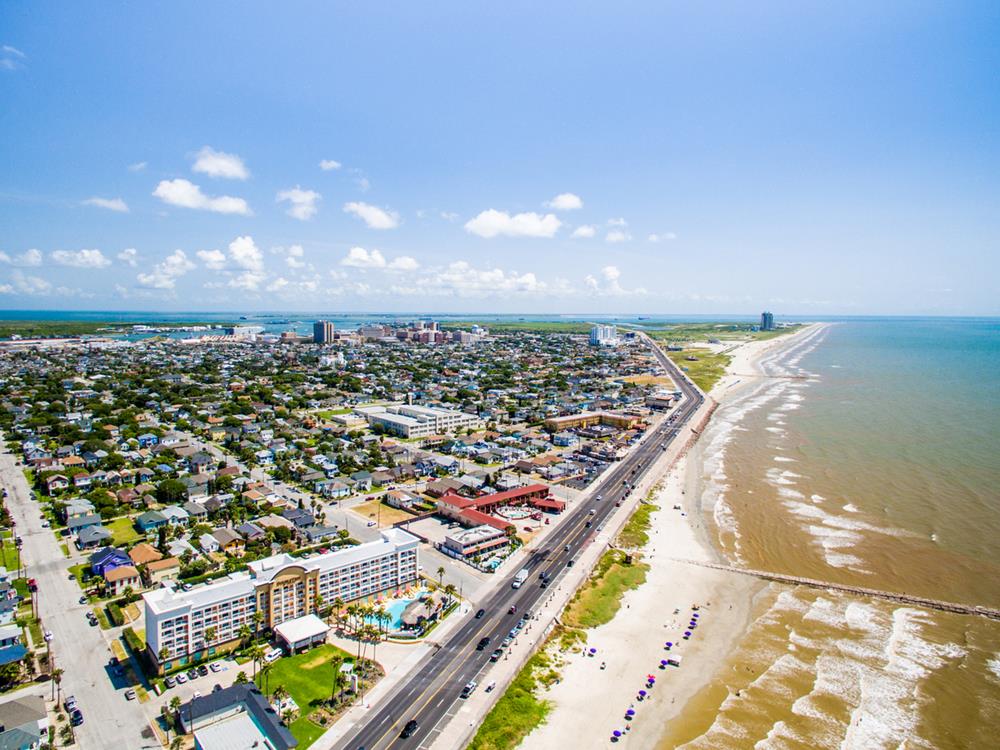
The upper Texas coast is both resilient and fragile. Storms reshape beaches, and human activity leaves lasting marks. Surfers play an important role in protecting these environments.
Simple actions make a difference. Picking up trash, respecting wildlife, and following local guidelines help preserve access and conditions for everyone.
Understanding rip currents, marine life, and weather changes also contributes to safer sessions. Knowledge and respect go hand in hand here.
Why Surf the Upper Texas Coast
Surfing the upper Texas coast in South Texas is not about chasing perfection. It is about embracing what the Gulf offers and learning to work with its rhythms.
The waves may not be massive, but they are honest. They reward preparation, patience, and an open mind. Each session feels earned, and that makes the experience meaningful.
From the accessible breaks of Galveston to the quieter stretches of Quintana and the raw energy of Matagorda, this coastline offers something for surfers at every level.
For those willing to look beyond stereotypes and give Texas a fair shot, the upper coast delivers more than expected. It offers community, challenge, and the simple joy of riding waves where land meets the Gulf.
And once you catch a clean ride under a big Texas sky, it becomes clear why so many surfers keep coming back.