

Central Texas might be known for live music, barbecue, and wide-open roads, but when temperatures rise, the water becomes the real destination. Lakes stretch across the Hill Country and beyond, offering clear views, long shorelines, and plenty of room to open the throttle. Jet skiing has grown into one of the most popular warm-weather activities in the region, combining speed, scenery, and simple fun.
Whether you are a first-timer curious about rentals or a seasoned rider looking for the best spots, jet skiing in Central Texas offers something for everyone. The mix of large reservoirs, spring-fed lakes, and well-developed marinas makes it easy to plan a day or even a weekend built around the water.
This guide breaks down where to ride, what to expect, how to stay safe, and how to get the most out of your time on the lake.
Why Central Texas Is Ideal for Jet Skiing
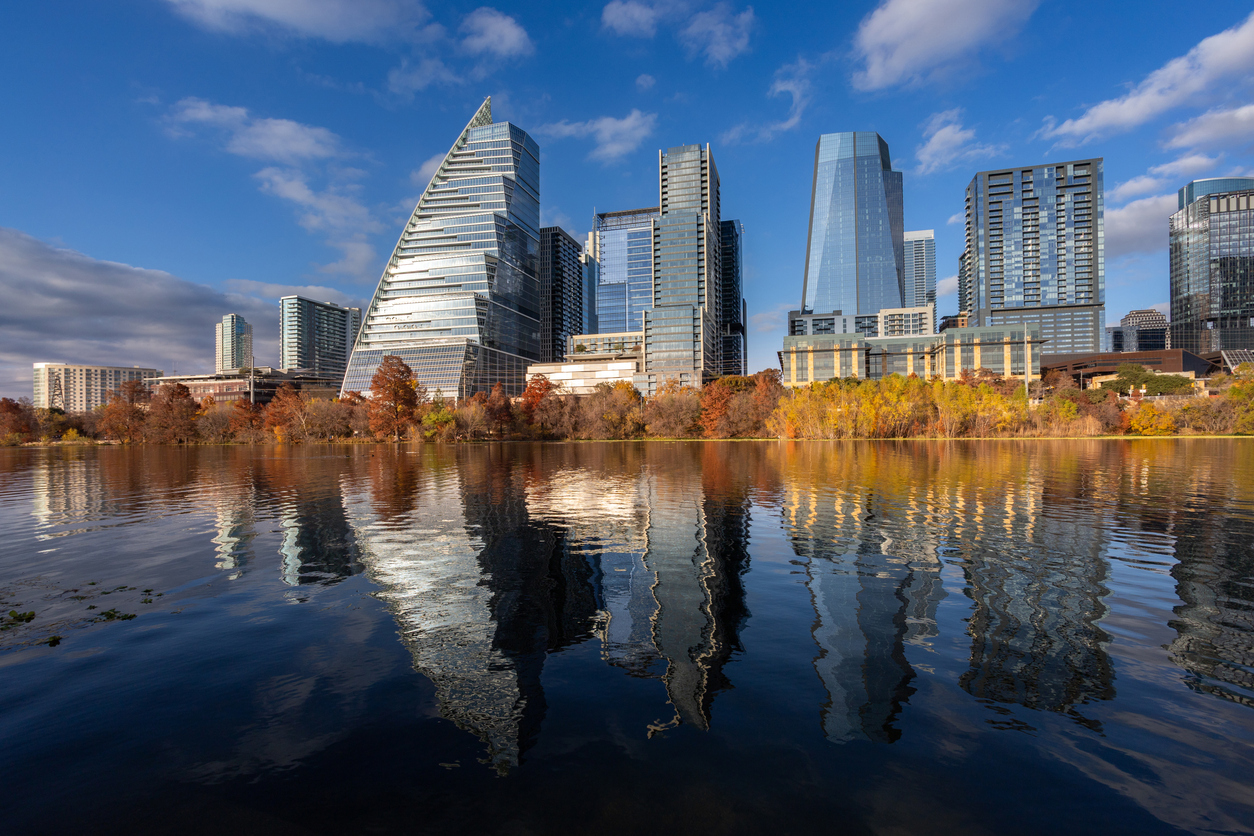
Jet skiing thrives in places with open water, long shorelines, and consistent weather. Central Texas checks every box. Most lakes in the region were created as reservoirs, which means they offer wide expanses of water rather than narrow channels. This layout gives riders room to accelerate, turn, and cruise without feeling boxed in.
The climate also plays a big role. Warm temperatures stretch from late spring through early fall, and sunny days are common. Even when summer heat hits hard, being on the water keeps things comfortable. A breeze across the lake combined with speed makes jet skiing a welcome escape from the sun.
Another advantage is accessibility. Many lakes sit within an hour of major cities like Austin, San Antonio, Waco, and Temple. You can leave the city in the morning and be riding by lunch.
Popular Jet Ski Lakes in Central Texas
Lake Travis
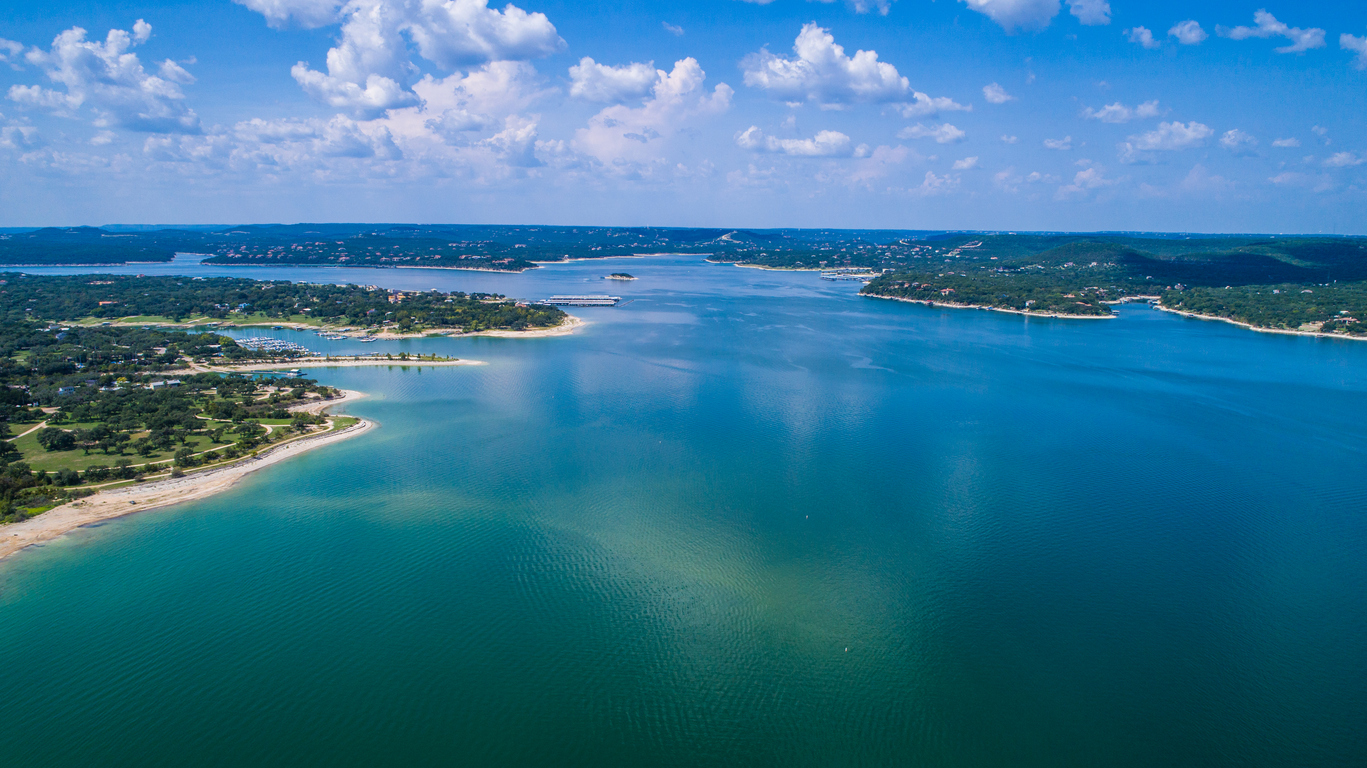
Lake Travis stands out as one of the most popular jet ski destinations in the region. Known for its clear water and dramatic limestone cliffs, it offers a scenic ride that feels different from many other Texas lakes. Long stretches of open water make it easy to ride at higher speeds, while coves provide calmer areas for beginners.
The lake is large, so riders can explore new areas each visit. Marinas around the shoreline offer rentals, fuel, and food, making it easy to spend a full day without heading back to shore early.
Water levels can change throughout the year, so checking conditions before heading out is a smart move.
Lake Austin
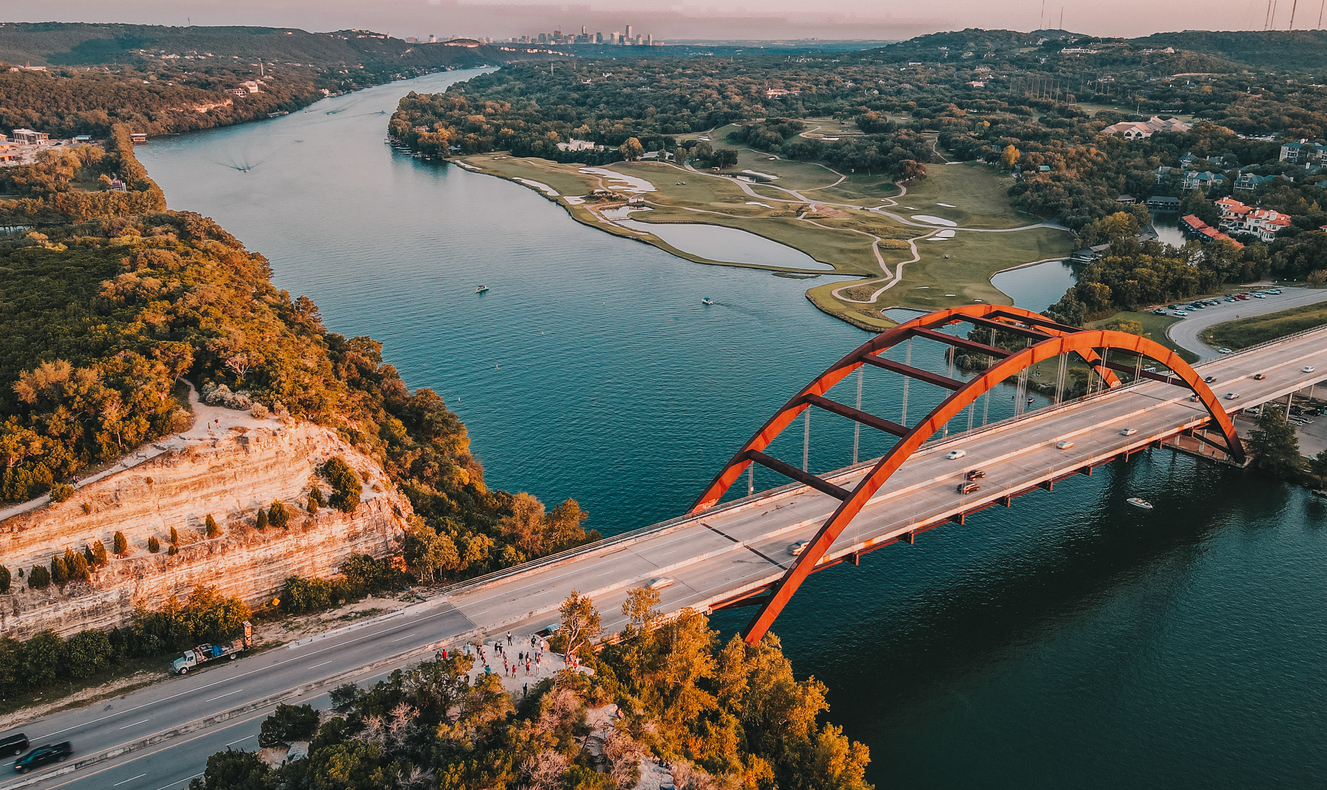
Lake Austin delivers a calmer experience compared to Lake Travis. It stays at a constant level year-round, which means predictable riding conditions. The lake winds through residential areas and shaded stretches, creating a scenic route that feels relaxed.
Because of its narrower shape and heavy boat traffic, Lake Austin suits riders who enjoy cruising rather than top-speed runs. Speed limits are enforced, especially near docks and homes, so it is a better choice for casual riding and sightseeing.
Canyon Lake
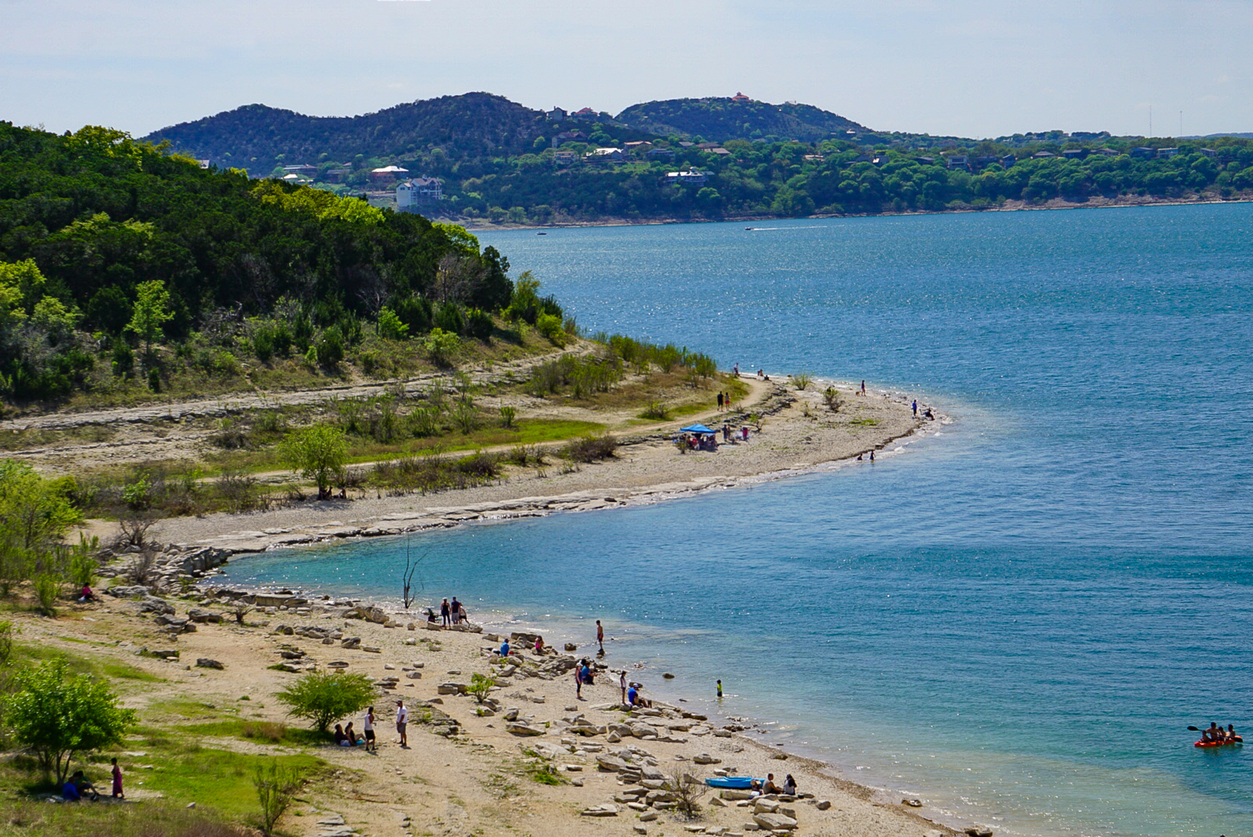
Located between Austin and San Antonio, Canyon Lake is a favorite for both locals and visitors. Its clear, deep water and wide open spaces make it well-suited for jet skis. The surrounding hills create natural wind breaks, which helps keep water conditions smoother on many days.
The lake is less crowded than some Austin-area options, especially during weekdays. Several public access points and marinas make launching or renting easy.
Lake LBJ
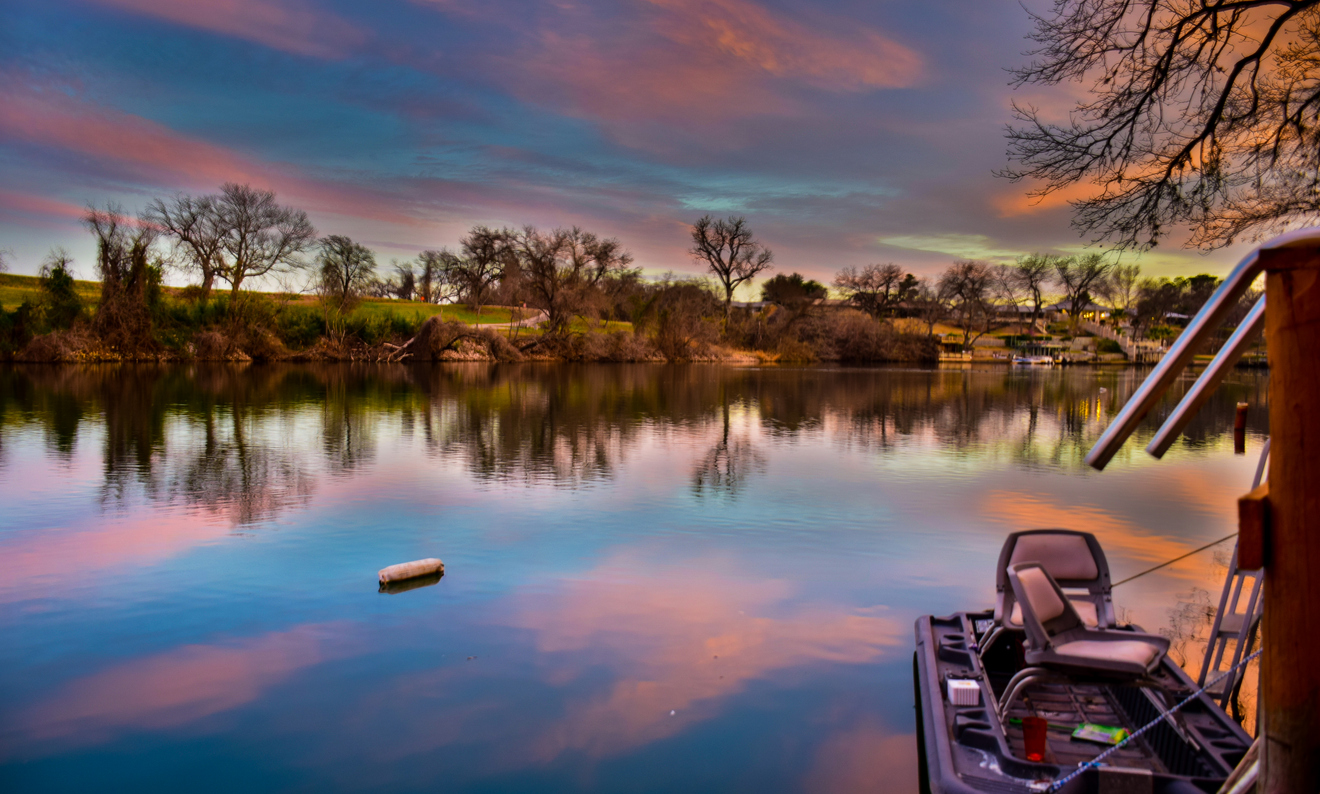
Lake LBJ is another constant-level lake, which means stable conditions throughout the year. It stretches across several towns and offers a mix of open water and protected areas. Riders often appreciate the balance of space and calm water.
Because the lake sees a mix of jet skis, wake boats, and pontoons, awareness and courtesy go a long way. Early mornings tend to be quieter and smoother.
Belton Lake
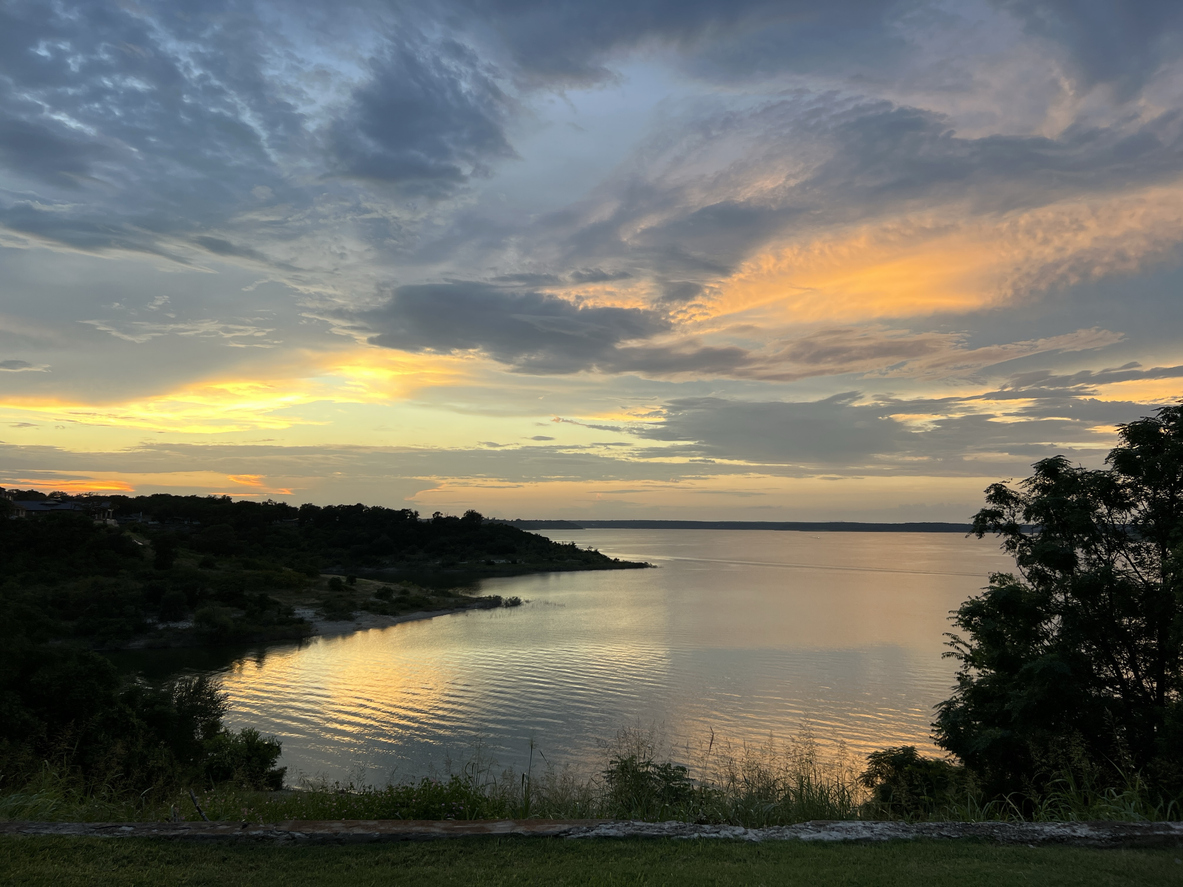
Belton Lake sits north of Austin and offers a slightly different feel. It is popular with families and recreational boaters, which creates a relaxed environment. The lake is large enough for jet skiing, but traffic is usually lighter than at bigger tourist destinations.
This makes Belton Lake a good option for newer riders who want space without heavy congestion.
Renting a Jet Ski vs. Owning One
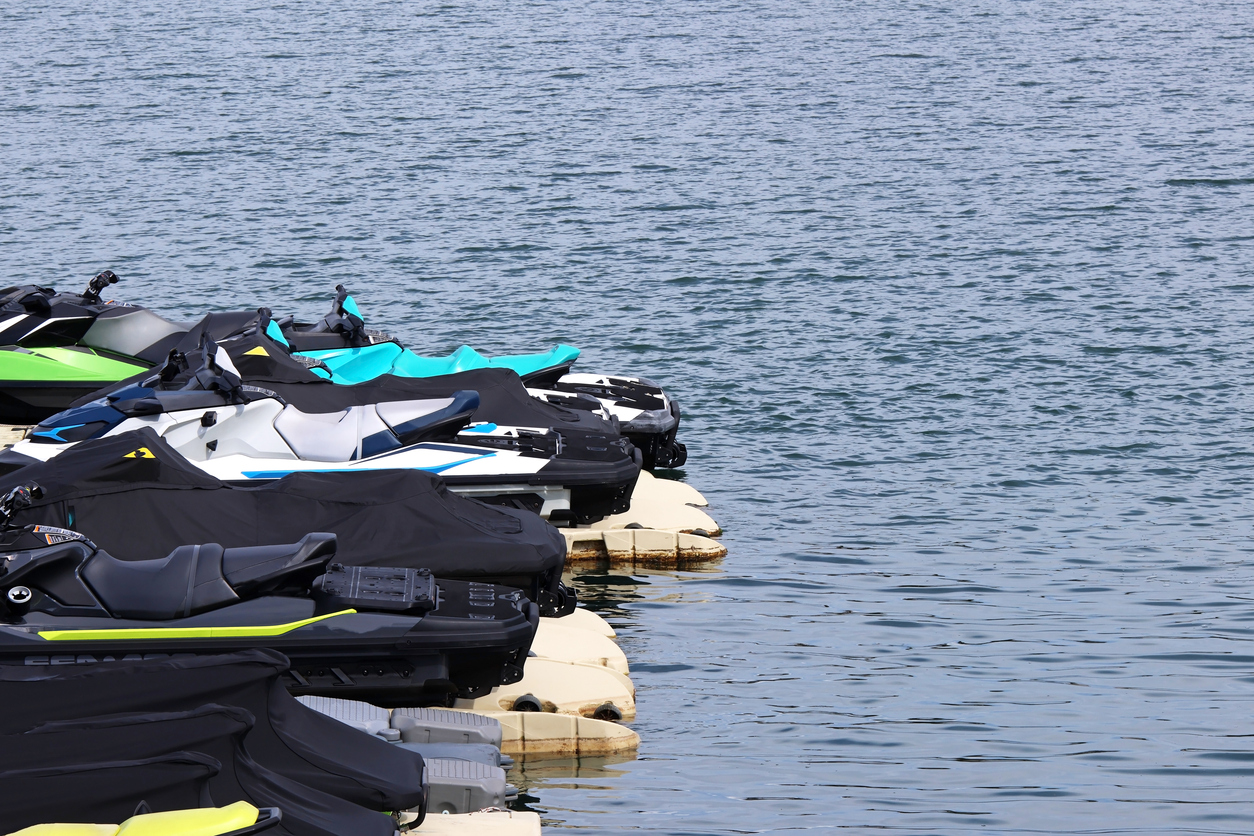
For many people, renting is the easiest way to get started. Central Texas has no shortage of rental companies, especially near major lakes. Rentals allow you to enjoy jet skiing without worrying about maintenance, storage, or transport.
Rental benefits include:
- No long-term commitment
- Access to newer models
- Safety instruction included
- Easy setup and return
Owning a jet ski offers more flexibility. You can ride whenever conditions are good, explore smaller lakes, and customize your experience. Ownership makes sense for frequent riders who live near the water or enjoy weekend lake trips.
Before buying, consider storage space, towing requirements, insurance, and maintenance costs.
Safety Rules and Texas Regulations
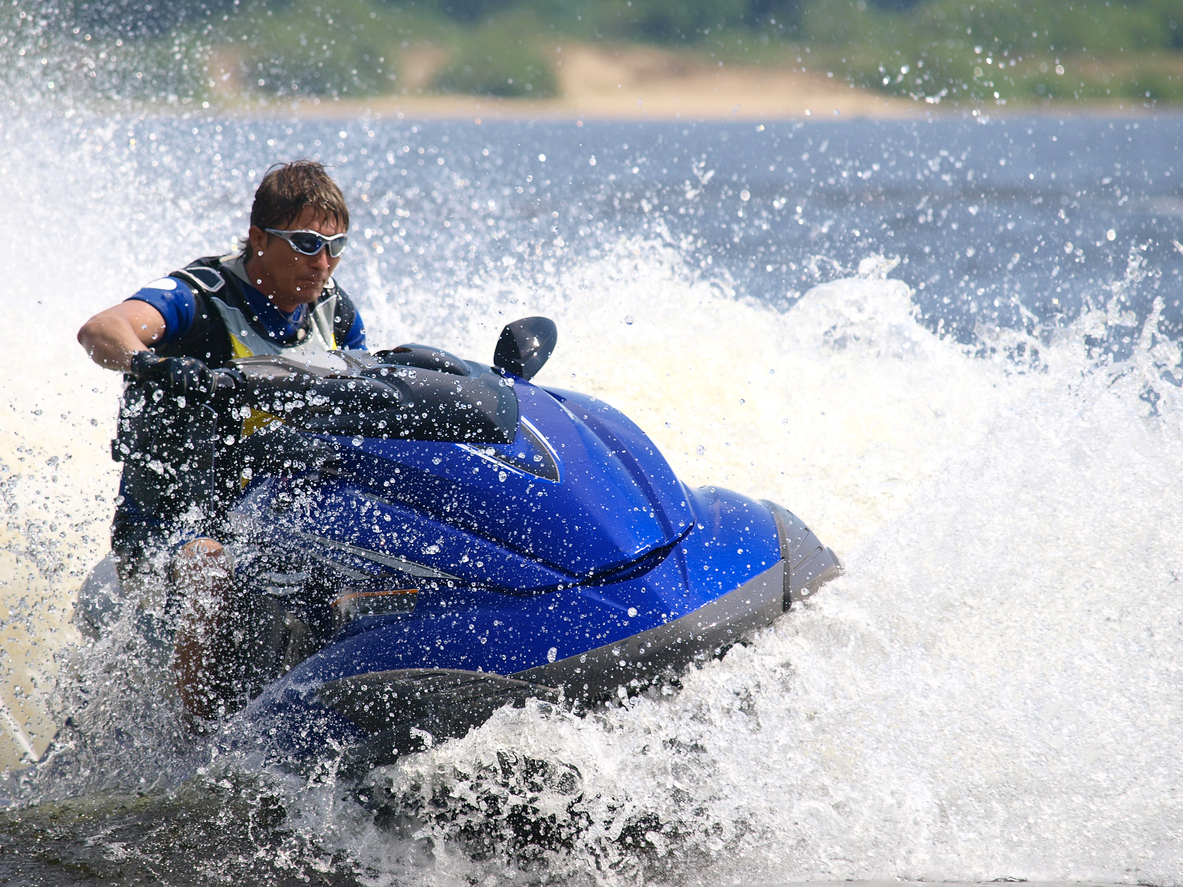
Jet skiing is fun, but safety matters. Texas enforces specific rules for personal watercraft to keep everyone safe on the water.
Key regulations include:
- Life jackets are mandatory for all riders
- Jet skis must be operated only during daylight hours
- Reckless operation is prohibited
- Riders must maintain safe distances from swimmers and other boats
- Boater education is required for many operators
Speed limits apply in certain areas, especially near marinas, docks, and shorelines. Watching for posted signs helps prevent tickets and accidents.
Respecting other water users is just as important. Boats, paddleboarders, anglers, and swimmers all share the lake. Awareness and patience go a long way.
Best Times to Jet Ski in Central Texas
Timing can shape your experience. Early mornings often bring calm water, lighter winds, and fewer boats. This is ideal for beginners and anyone who enjoys smoother rides.
Weekdays tend to be less crowded than weekends, especially during peak summer months. If weekends are your only option, arriving early helps secure parking, rentals, and open water.
Weather matters as well. Windy afternoons can create choppy conditions, especially on larger lakes. Checking forecasts before heading out saves time and frustration.
What to Wear and Bring
Comfort and protection matter when spending hours on the water. Proper clothing and gear help you enjoy the ride without distractions.
Consider bringing:
- Swimsuit or quick-dry clothing
- Water shoes or secure sandals
- Sunglasses with a strap
- Sunscreen
- Towel and dry clothes
- Waterproof phone case
Even on cloudy days, sun exposure adds up. Reapplying sunscreen throughout the day helps prevent burns.
Riding Tips for Beginners

If you are new to jet skiing, the learning curve is short, but a few tips make things smoother.
Start slow. Get comfortable with steering, throttle response, and balance before increasing speed. Remember that jet skis steer by throttle, not by turning the handlebars alone. Letting off the gas reduces control.
Practice wide turns in open water. Tight turns near shorelines or other boats increase risk. Always look where you want to go and keep scanning your surroundings.
Listening to rental staff and following local rules sets a strong foundation for future rides.
Advanced Riding and Lake Etiquette
Experienced riders often enjoy exploring coves, cruising long stretches, or practicing controlled maneuvers. Even with skill, courtesy remains important.
Avoid weaving through traffic or creating excessive wake near docks and swimmers. Give anglers space and slow down near shorelines. Not everyone on the lake enjoys speed the same way.
Fuel awareness also matters. Know how much fuel you have and where the nearest marina is located. Running out of gas far from shore can turn a fun day into a stressful one.
Jet Skiing With Friends and Family
Jet skiing can be a solo thrill or a group activity. Many jet skis seat two or three riders, making it easy to share the experience. Riding in a group adds energy, but communication matters.
Agree on meeting spots, hand signals, and riding boundaries before heading out. Staying within sight of each other helps avoid confusion.
If children are involved, follow age and size guidelines closely. Life jackets should fit properly, and kids should ride with experienced adults.
Environmental Awareness on the Water
Lakes are shared resources, and protecting them keeps recreation possible. Avoid shallow areas where vegetation grows, as jet skis can damage plants and stir up sediment.
Do not litter, and secure loose items that could fall into the water. Fuel spills should be reported immediately.
Many Central Texas lakes support wildlife. Giving birds and animals space helps preserve the natural setting that makes these places special.
Turning a Jet Ski Day Into a Weekend Trip
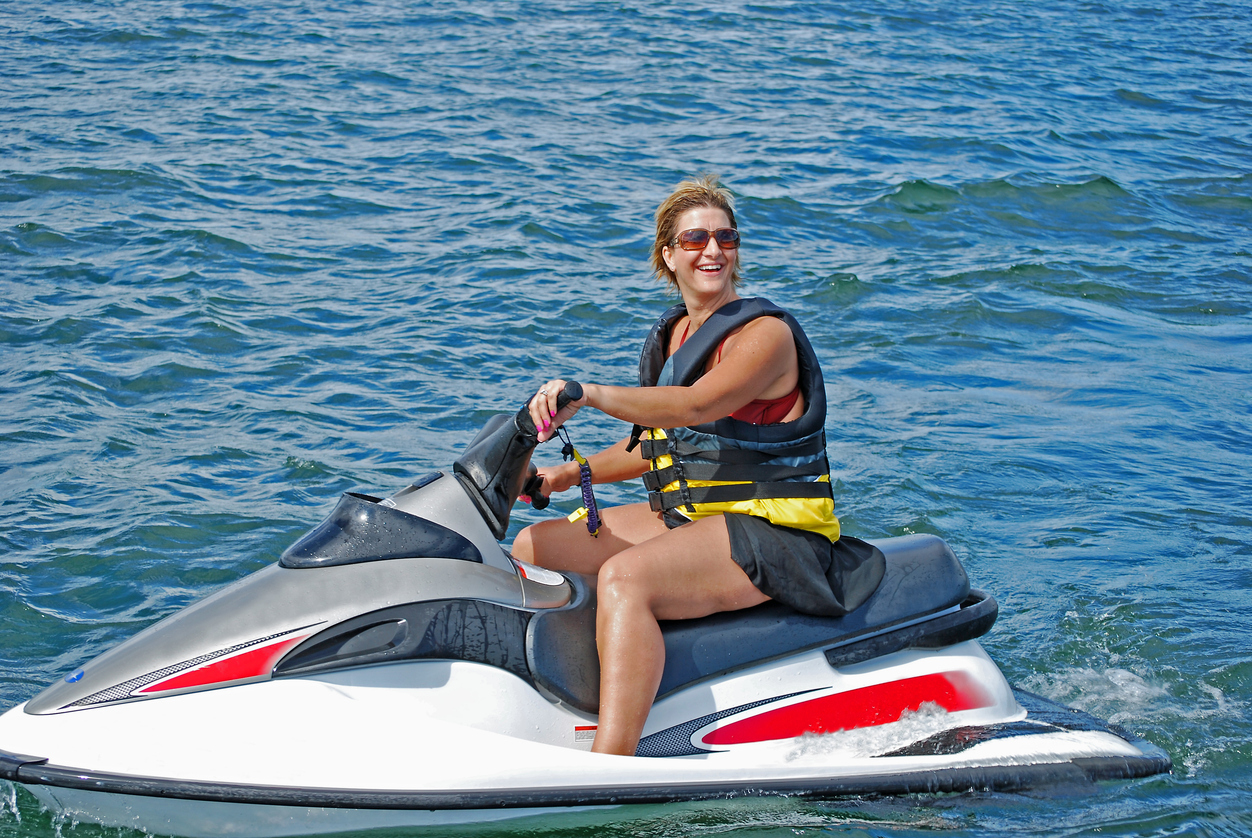
Jet skiing pairs well with other lake activities. Many lakes offer camping, hiking, fishing, and waterfront dining. Planning a full weekend creates a relaxed pace and adds variety.
Cabins, vacation rentals, and campgrounds are common around popular lakes. Booking early during peak season helps secure the best spots.
Combining early morning rides with afternoon relaxation creates a balanced experience that appeals to both thrill-seekers and laid-back travelers.
Final Thoughts
Jet skiing in Central Texas blends speed, sunshine, and scenic water into an experience that feels both exciting and accessible. With a wide range of lakes, rental options, and riding styles, there is room for beginners and seasoned riders alike.
A little planning goes a long way. Choosing the right lake, understanding local rules, and respecting other water users help ensure a smooth day on the water. Whether you ride for an hour or make a weekend of it, jet skiing offers a fresh way to enjoy Central Texas from a new angle.
When the heat rises and the roads feel crowded, the lakes are waiting.