

Tyler State Park lies about eight miles north of Tyler in Smith County. The park covers roughly 985.5 acres and features a 64-acre spring-fed lake surrounded by tall pine trees and historic structures dating back to the 1930s. It offers a peaceful setting within the Piney Woods region, making it a popular spot for both short visits and multi-day stays.
Historical Development
The land for Tyler State Park was acquired by the state between 1934 and 1935. Construction began soon after, carried out by the Civilian Conservation Corps, particularly Company 2888. Their work shaped much of the park visitors see today, including the bathhouse, boathouse, dance pavilion, and caretaker’s home. Architects with the State Parks Board designed the buildings in a more modern style compared to the rustic designs often associated with CCC parks, giving Tyler State Park a distinct architectural character.
Landscape and Ecosystem
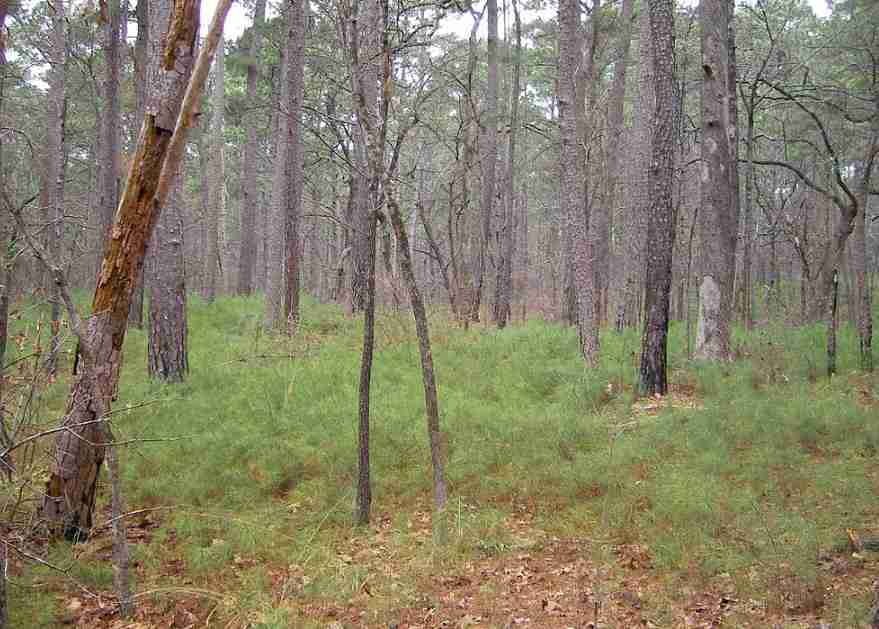
The park sits in the Piney Woods ecoregion, known for its rolling forested hills and dense stands of loblolly and shortleaf pine. Many trees in this part of Texas can reach heights close to 100 feet. The lake at the center of the park is spring-fed, providing clear, cool water that supports a variety of fish and aquatic life. Wildlife commonly seen in the park includes white-tailed deer, raccoons, squirrels and a wide range of bird species typical of East Texas woodlands.
Recreational Opportunities
Visitors can take part in many outdoor activities throughout the year. The park’s 64-acre lake supports swimming, canoeing, kayaking, paddleboarding and low-speed boating. Fishing is a major draw, with opportunities to catch bass, crappie and catfish from the shore, pier or boat. The trail system covers about 13 miles, offering options for hiking and mountain biking through shaded pine forests. Picnic areas, shelters, campsites and overnight cabins make the park suitable for families and extended stays. Bird watching is also popular thanks to the park’s diverse habitat.
Significance and Visitor Experience
Tyler State Park is valued for its blend of natural scenery, CCC history and accessible recreation. The combination of towering pines, clear lake water and historic craftsmanship creates a setting that feels both relaxing and memorable. Visitors often comment on the balance between peaceful wooded areas and well-maintained amenities that support a full day or weekend outdoors.
Considerations for Visitors
-
The spring-fed lake can be cooler than other Texas lakes, so swimmers and paddlers may want to plan accordingly.
-
Some hiking trails are shared with mountain bikers, making it helpful to review trail maps before setting out.
-
The CCC-built structures remain central features of the park, offering a chance to appreciate early conservation and park-building efforts.
-
Cabins and campsites tend to fill quickly during busy seasons, so reservations are recommended.
Photos:
Tyler State Park
Map:
Sorry, no records were found. Please adjust your search criteria and try again.
Sorry, unable to load the Maps API.
Tyler
Texas
75706-9141
United States
- General Areas: Pets are allowed in most outdoor areas, including campgrounds and trails.
- Guidelines: For detailed pet policies, it's advisable to contact the park directly.
- Boating and Fishing: Enjoy the spring-fed lake with options for boating and fishing; boat rentals are available year-round.
- Hiking and Biking: Explore over 13 miles of trails suitable for hiking and mountain biking.
- Swimming: Designated swimming areas are available for visitors to cool off during warmer months.
- Picnicking: Numerous picnic sites and group picnic areas are scattered throughout the park.
- Bird Watching and Nature Study: The park's diverse habitats make it a haven for bird watchers and nature enthusiasts.
- Campsites: Options include sites with water, electricity, and sewer hookups, as well as screened shelters and group facilities.
- Restrooms and Showers: Facilities are available throughout the park for visitor convenience.
- Texas State Park Store: Offers boat rentals, including canoes, paddleboats, kayaks, stand-up paddleboards, and johnboats.
- Playground: A designated area for children to play and explore.
- Amphitheater: Used for educational programs and events.