

The Trinity River is the longest river that flows entirely within the state of Texas, stretching about 710 miles from its headwaters in northern Texas to its mouth on the Gulf of Mexico. It begins a few miles south of the Red River, near the town of Archer City, and flows southeast through several regions of the state, including the Dallas–Fort Worth area, before emptying into Trinity Bay, an arm of Galveston Bay. Spanish explorer Alonso de León named it “La Santísima Trinidad,” or “The Most Holy Trinity,” in 1690 during an expedition into what was then part of New Spain.
Geography and Course
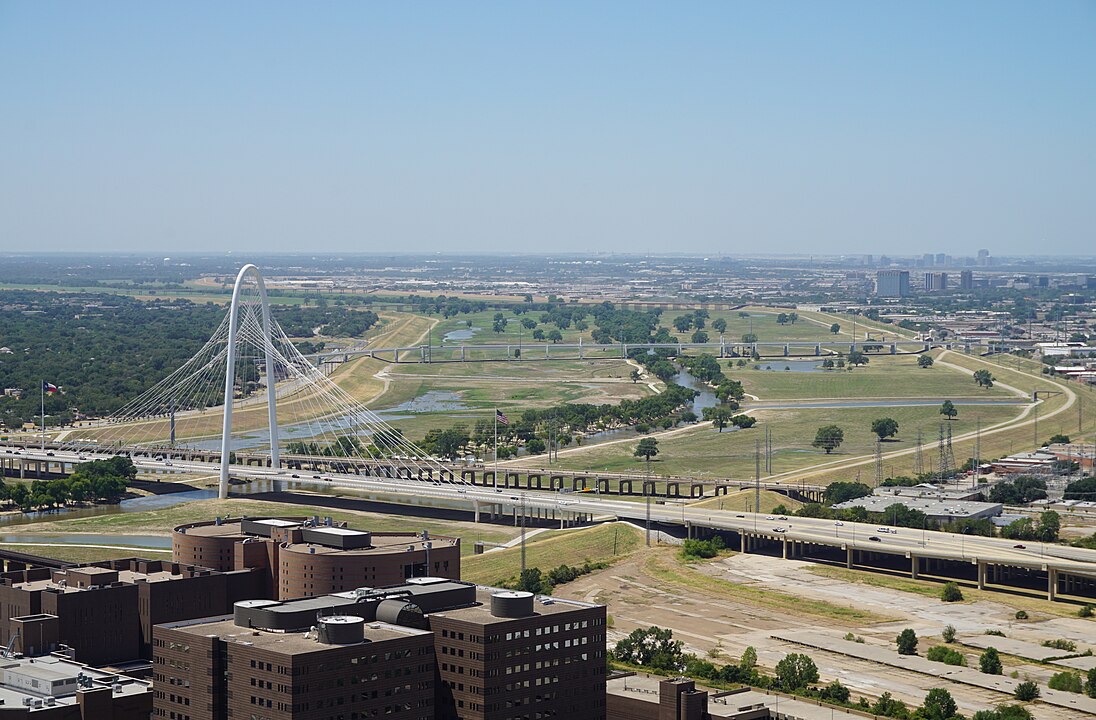
The Trinity River basin covers roughly 17,000 to 18,000 square miles, making it the largest river basin located entirely within Texas. Its main stem begins near Dallas, where the Elm Fork and West Fork join together. The river’s four primary branches—West Fork, Elm Fork, Clear Fork, and East Fork—collect water from a wide area before merging into the main channel. From there, it continues southeast through the Piney Woods region, eventually reaching Trinity Bay and the Gulf of Mexico.
Historical Importance
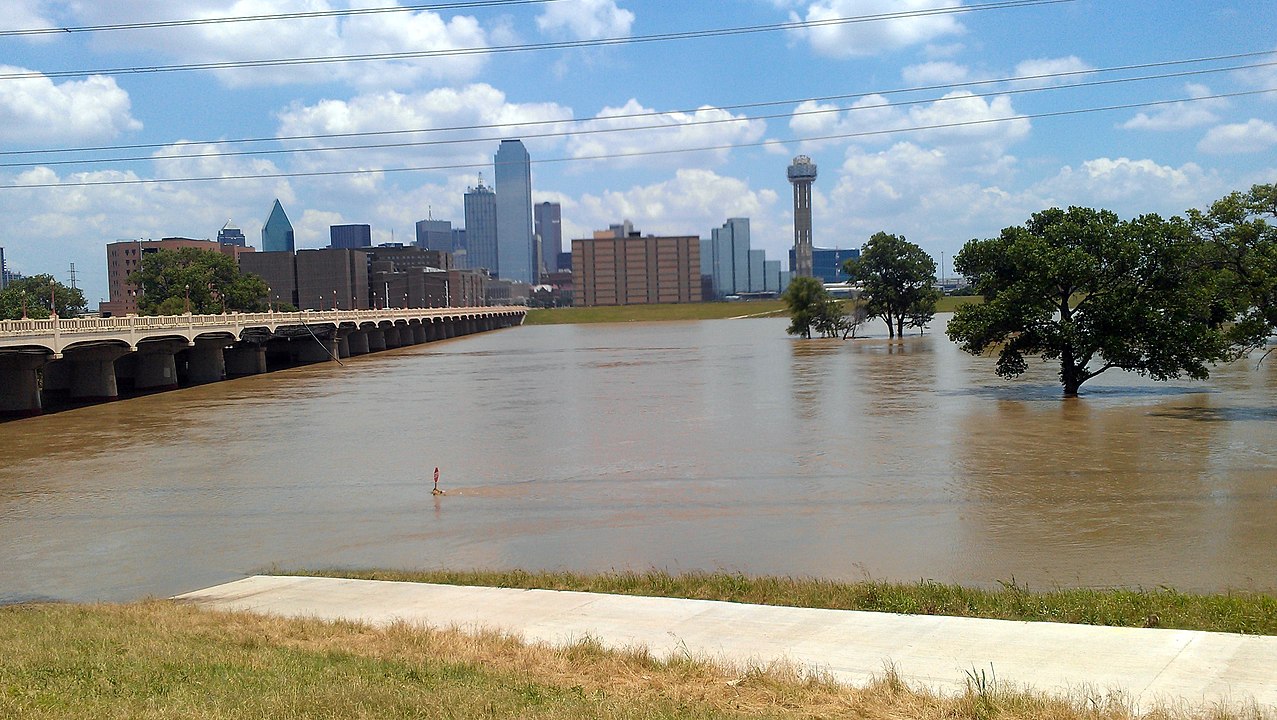
For centuries, the Trinity River has shaped the development of Texas communities along its banks. In the early 19th century, it provided transportation routes and fertile land for agriculture. During the growth of the Dallas–Fort Worth region, the river became a key natural resource that supported urban expansion, water supply, and industry. Flood control projects, including the construction of levees and reservoirs, were developed in the 20th century to manage its unpredictable flow and protect nearby cities.
Ecology and Environment
The Trinity River supports a diverse ecosystem, including wetlands, hardwood forests, and grasslands that sustain many species of fish, birds, and other wildlife. Conservation and restoration efforts have been ongoing to improve water quality and preserve habitats, especially near urban areas. The Trinity River Authority and other local organizations work to manage water resources while promoting environmental stewardship throughout the basin.
Recreation and Modern Use
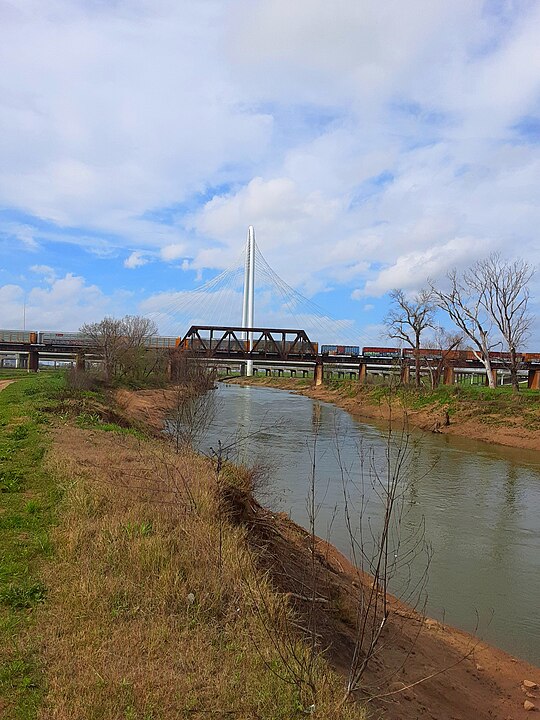
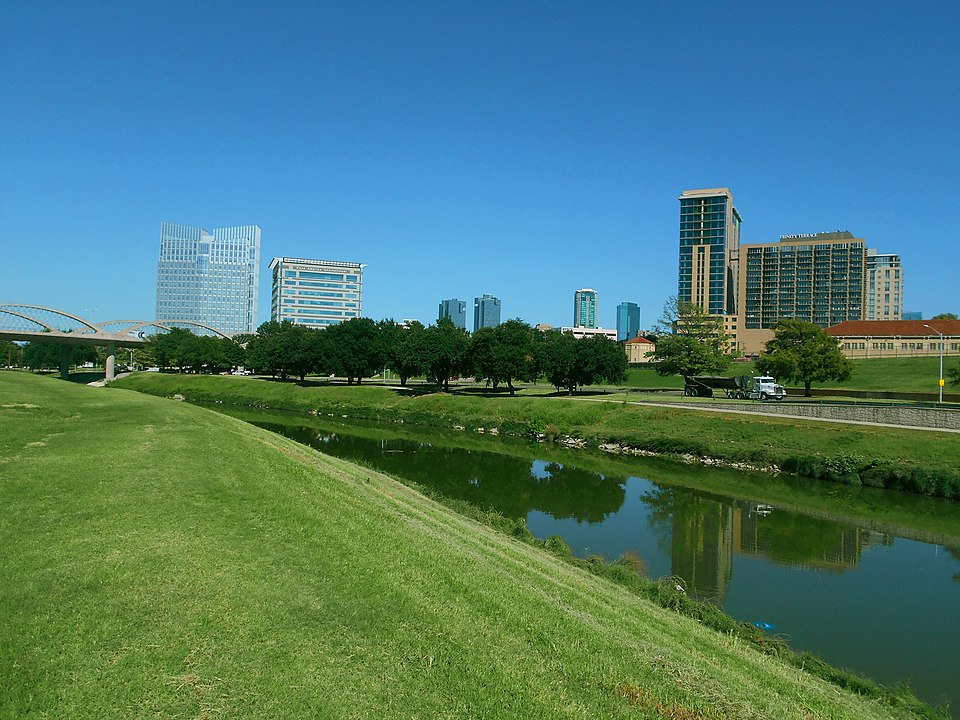
In the Dallas–Fort Worth area, the Trinity River has become a centerpiece for outdoor recreation and green-space development. Parks, trails, and nature centers line parts of the river, offering opportunities for hiking, cycling, kayaking, and fishing. Trinity Park in Fort Worth and the Trinity River Audubon Center in Dallas are two popular destinations that highlight the river’s natural and cultural significance. Farther downstream, its lower reaches provide scenic landscapes and opportunities for boating and wildlife viewing.
Photos:

Map:
Sorry, no records were found. Please adjust your search criteria and try again.
Sorry, unable to load the Maps API.
Houston
Texas
United States
Yes, pets are allowed but must be on a leash and under the owner's control at all times.
-
Hiking and biking on the extensive trail system
-
Picnicking in designated areas
-
Fishing at the park's pond
-
Enjoying playgrounds and open spaces for recreational activities
-
Paved and unpaved trails suitable for walking, running, and cycling
-
Picnic pavilions and tables
-
Playgrounds for children
-
A duck pond
-
Restrooms and water fountains
-
Fishing pier
-
Miniature train rides